
Assess and Adapt Understanding the Science of Safety





- Slides: 38
Assess and Adapt: Understanding the Science of Safety and Reliability Lisa H. Lubomski, Ph. D Assistant Professor, Johns Hopkins Medicine Armstrong Institute for Patient Safety & Quality Department of Anesthesiology & Critical Care Medicine 1
Learning Objectives • Define the need for creating reliability in health care • Describe “CUSP” as an intervention to improve reliability of health care delivery and outcomes • Discuss the why and how of CUSP Step One: Understanding the Science of Safety 2
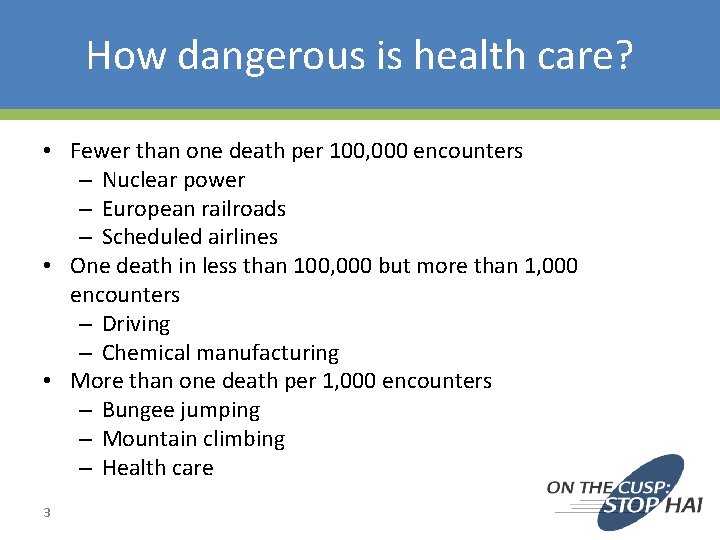
How dangerous is health care? • Fewer than one death per 100, 000 encounters – Nuclear power – European railroads – Scheduled airlines • One death in less than 100, 000 but more than 1, 000 encounters – Driving – Chemical manufacturing • More than one death per 1, 000 encounters – Bungee jumping – Mountain climbing – Health care 3
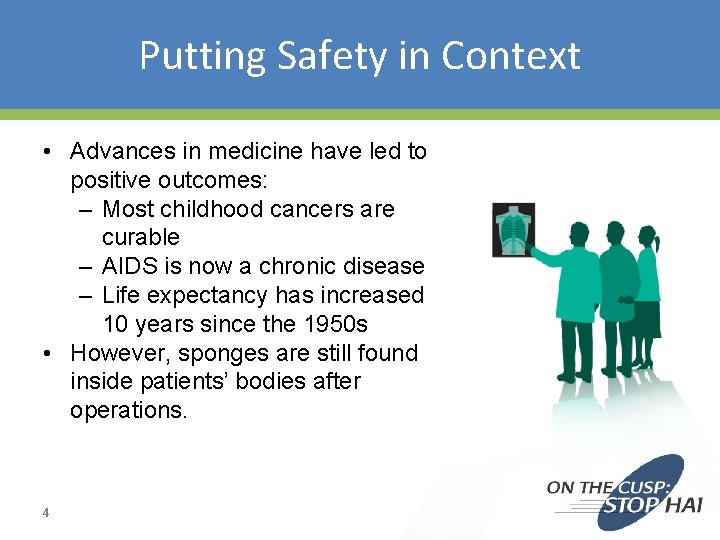
Putting Safety in Context • Advances in medicine have led to positive outcomes: – Most childhood cancers are curable – AIDS is now a chronic disease – Life expectancy has increased 10 years since the 1950 s • However, sponges are still found inside patients’ bodies after operations. 4
Health Care Defects In the U. S. health care system: • 7 percent of patients suffer a medication error 2 • On average, every patient admitted to an intensive care unit suffers an adverse event 3, 4 • 44, 000 to 99, 000 people die in hospitals each year as the result of medical errors 5 • Over half a million patients develop catheter-associated urinary tract infections resulting in 13, 000 deaths a year 6 • Nearly 100, 000 patients die from health care-associated infections (HAIs) each year, and the cost of HAIs is $28 to $33 billion per year 7 • Estimated 30, 000 to 62, 000 deaths from central line-associated blood stream infections per year 8 5
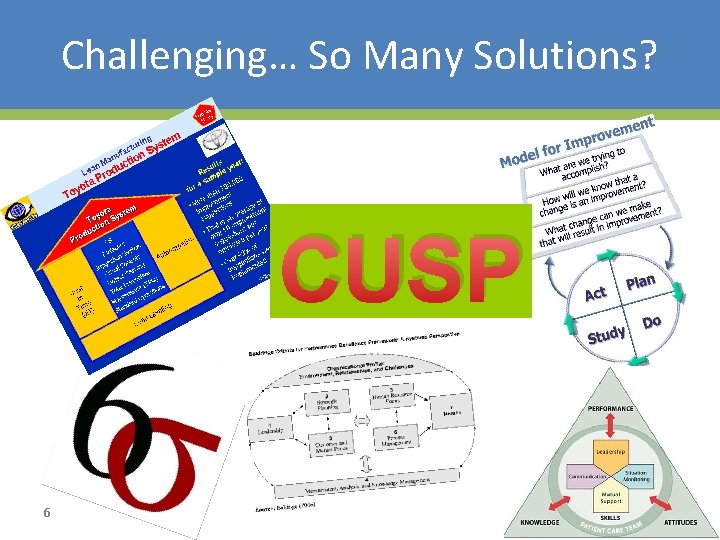
Challenging… So Many Solutions? CUSP 6
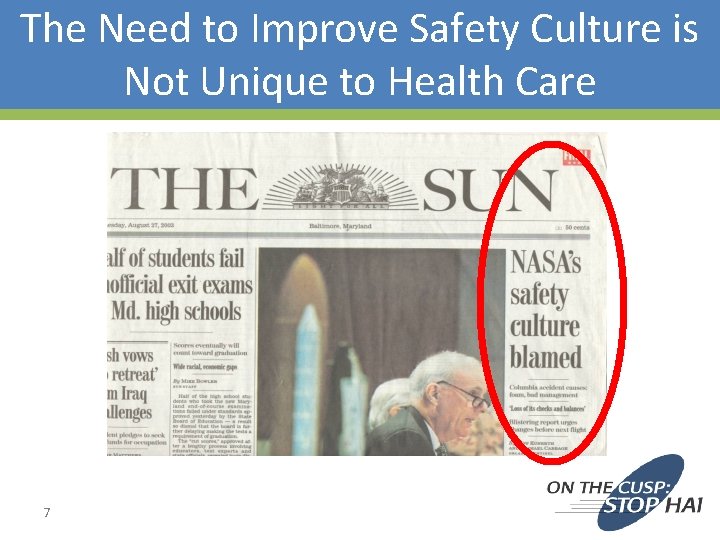
The Need to Improve Safety Culture is Not Unique to Health Care 7
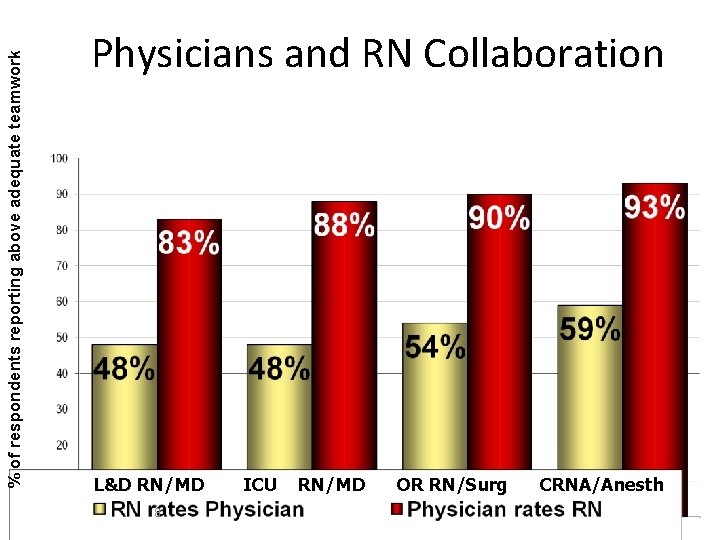
% of respondents reporting above adequate teamwork Physicians and RN Collaboration L&D RN/MD 8 ICU RN/MD OR RN/Surg CRNA/Anesth
Goals of CAUTI Project • To reduce average CAUTI rates in participating unit by 25% through the following steps: – To educate health care workers about the appropriate management of urinary catheters, including indications for the placement and continued use of urinary catheters – To prevent the placement of unnecessary urinary catheters – To promptly remove urinary catheters that are no longer needed 9
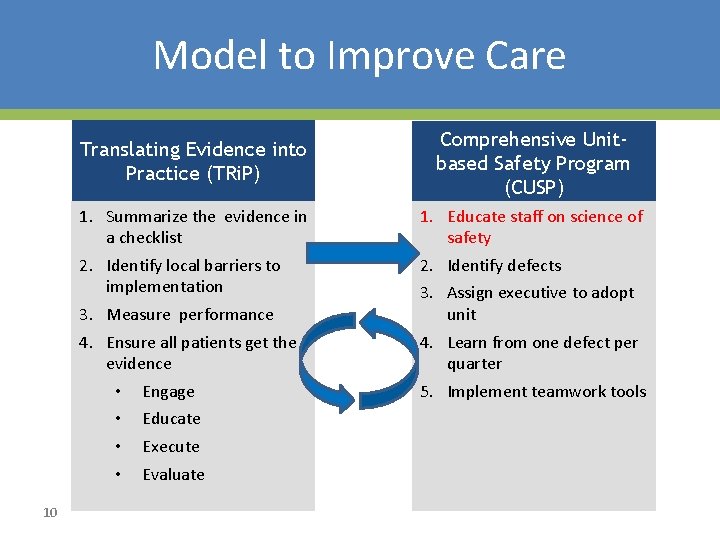
Model to Improve Care Translating Evidence into Practice (TRi. P) 1. Summarize the evidence in a checklist 2. Identify local barriers to implementation 3. Measure performance 4. Ensure all patients get the evidence • Engage • Educate • Execute • Evaluate 10 Comprehensive Unitbased Safety Program (CUSP) 1. Educate staff on science of safety 2. Identify defects 3. Assign executive to adopt unit 4. Learn from one defect per quarter 5. Implement teamwork tools
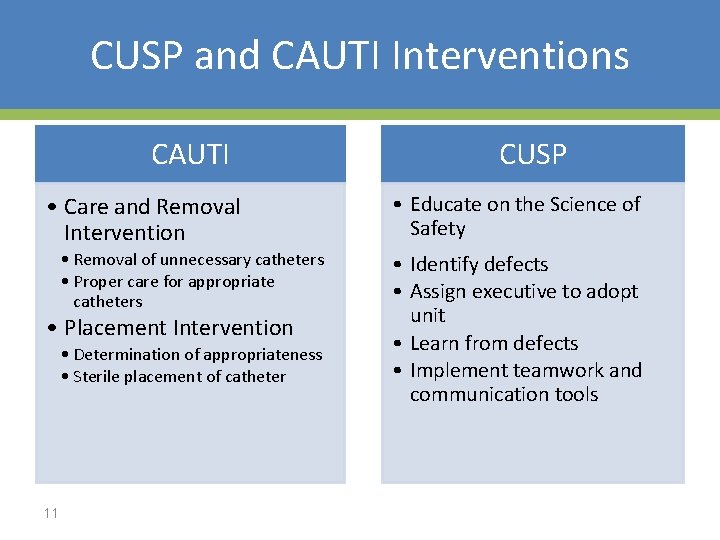
CUSP and CAUTI Interventions CAUTI • Care and Removal Intervention • Removal of unnecessary catheters • Proper care for appropriate catheters • Placement Intervention • Determination of appropriateness • Sterile placement of catheter 11 CUSP • Educate on the Science of Safety • Identify defects • Assign executive to adopt unit • Learn from defects • Implement teamwork and communication tools
What is CUSP? • Comprehensive Unit-based Safety Program • An intervention to improve teamwork and safety culture and learn from mistakes • http: //www. ahrq. gov/professionals/educatio n/curriculum-tools/cusptoolkit/index. html 12
Use of CUSP Results In: • Improved engagement of staff and senior leadership • Improved communication among care team members • Shared mental models • Knowledge and awareness of potential hazards and barriers to safety • Collaborative focus on systems of care 13
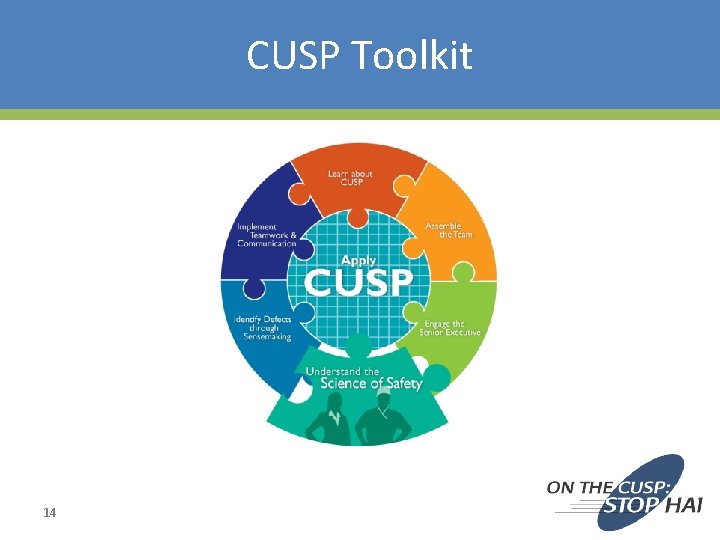
CUSP Toolkit 14
The Science of Safety • Every system is perfectly designed to achieve its end results • Safe design principles must be applied to technical work and teamwork • Teams make wise decisions when there is diverse and independent input 15
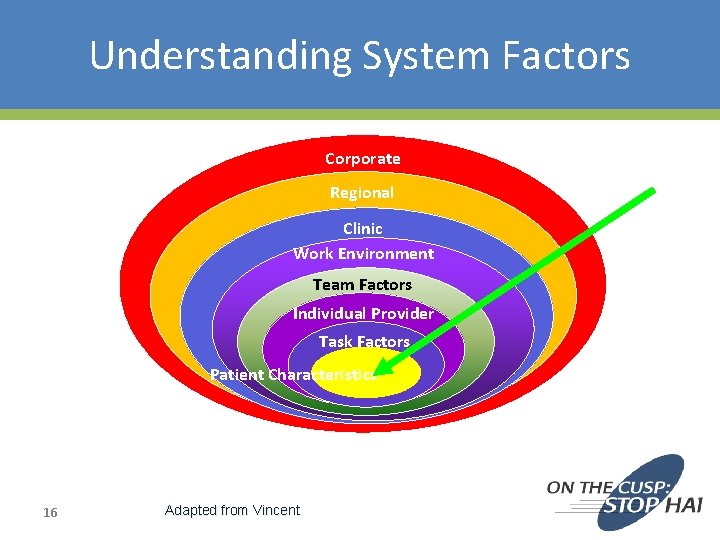
Understanding System Factors Corporate Regional Clinic Work Environment Team Factors Individual Provider Task Factors Patient Characteristics 16 Adapted from Vincent
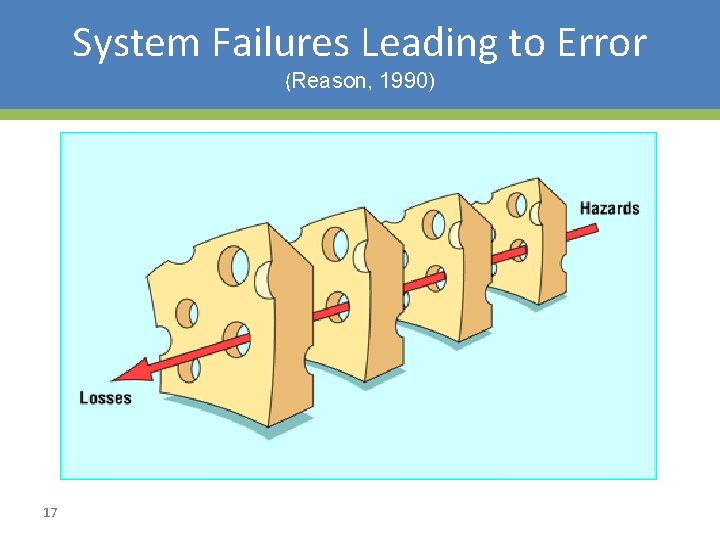
System Failures Leading to Error (Reason, 1990) 17
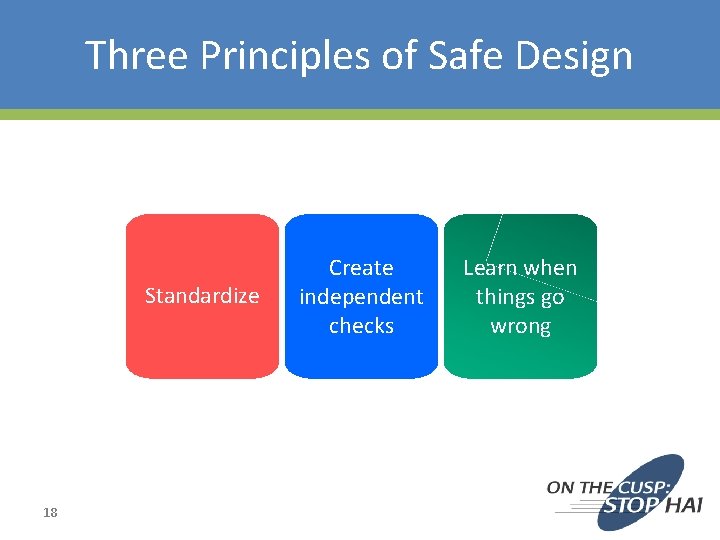
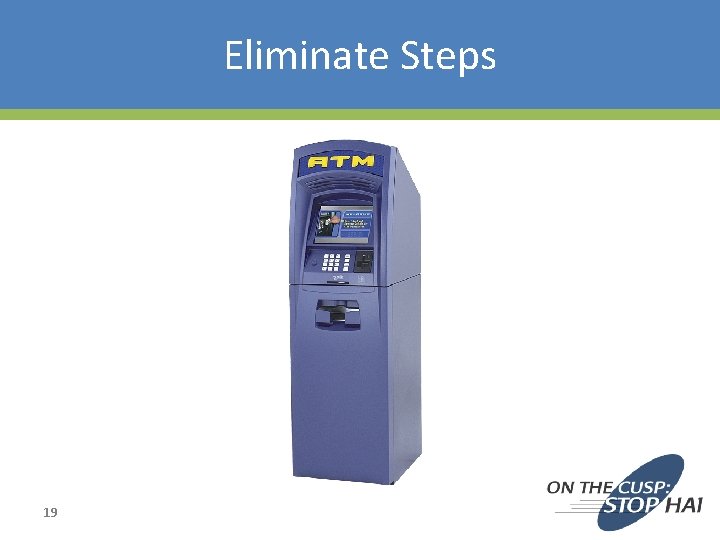
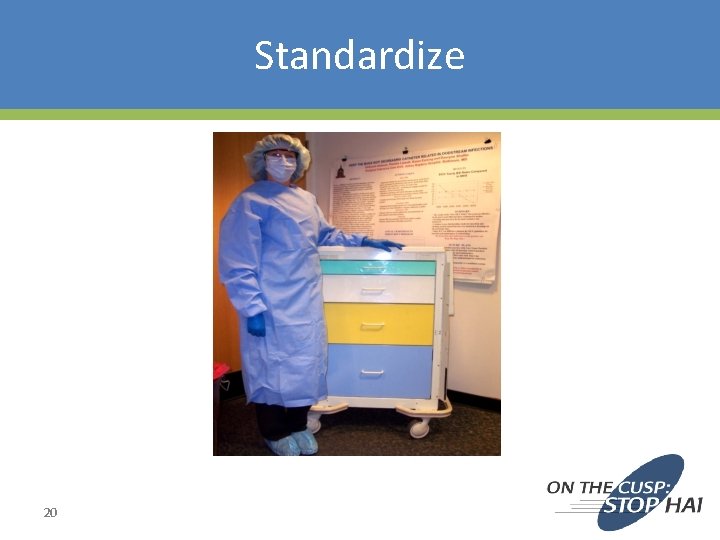
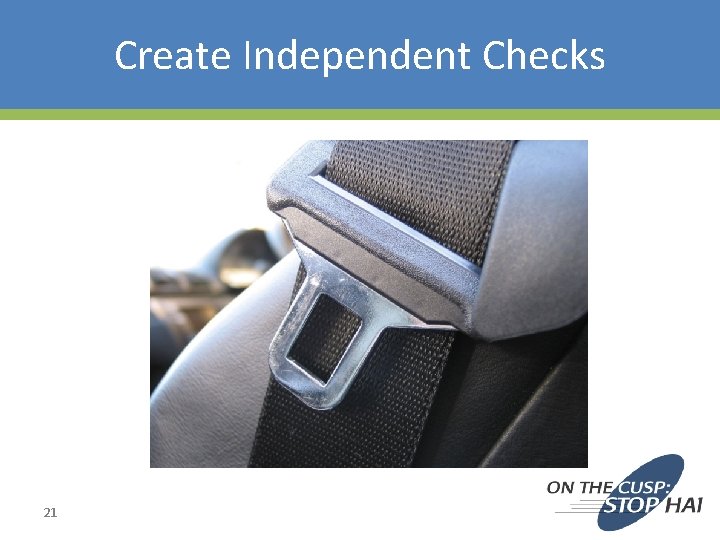
Three Principles of Safe Design Standardize 18 Create independent checks Learn when things go wrong
Eliminate Steps 19
Standardize 20
Create Independent Checks 21
Evidence-based Behaviors to Prevent CLABSI (MMWR. 2002; 51: RR-10) • Remove Unnecessary Lines • Wash Hands Prior to Procedure • Use Maximal Barrier Precautions • Clean Skin with Chlorhexidine • Avoid Femoral Lines 22
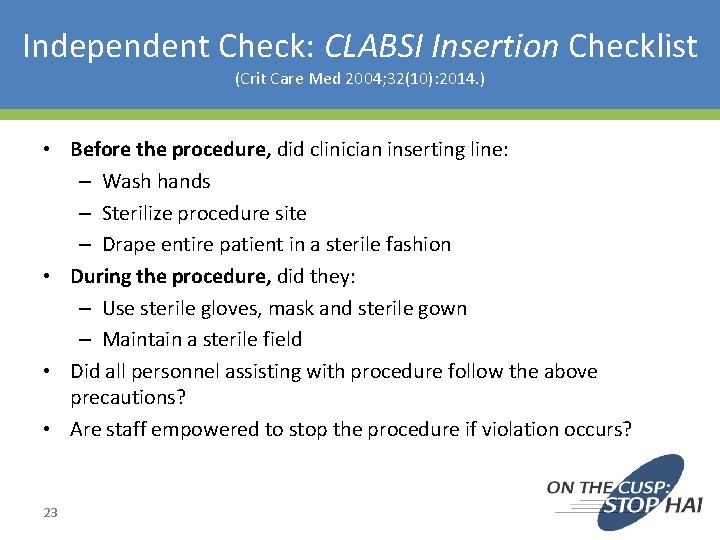
Independent Check: CLABSI Insertion Checklist (Crit Care Med 2004; 32(10): 2014. ) • Before the procedure, did clinician inserting line: – Wash hands – Sterilize procedure site – Drape entire patient in a sterile fashion • During the procedure, did they: – Use sterile gloves, mask and sterile gown – Maintain a sterile field • Did all personnel assisting with procedure follow the above precautions? • Are staff empowered to stop the procedure if violation occurs? 23
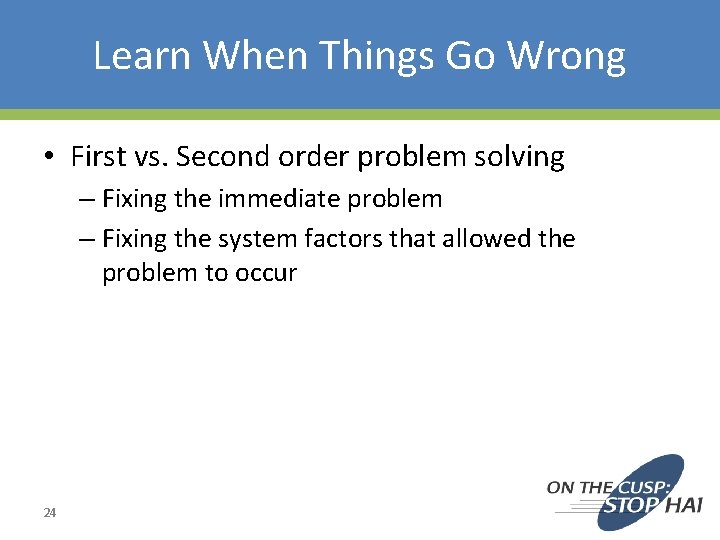
Learn When Things Go Wrong • First vs. Second order problem solving – Fixing the immediate problem – Fixing the system factors that allowed the problem to occur 24
Principles of Safe Design Apply to Technical and Teamwork 25
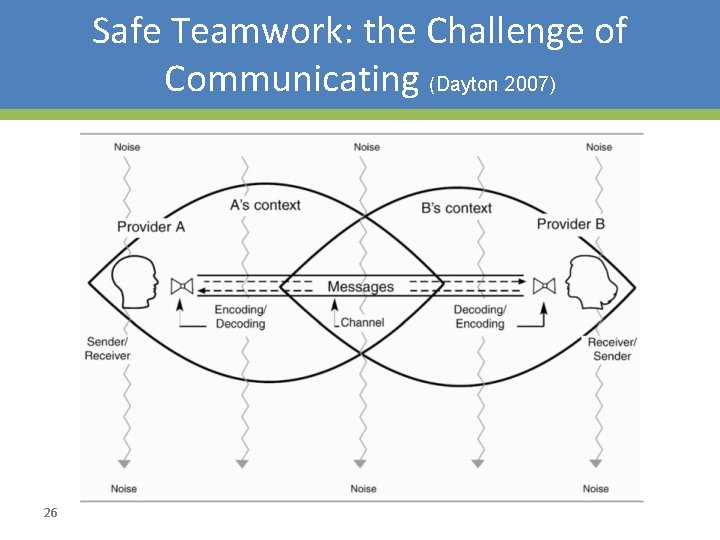
Safe Teamwork: the Challenge of Communicating (Dayton 2007) 26
Teams Make Wise Decisions When There is Diverse and Independent Input (Heifetz R, 1994) • Wisdom of Crowds * – Seek involvement from clinicians at all levels of the organization • Alternate between convergent and divergent thinking – What does everyone think? – What will be “our” policy/procedure/practice? • Get from the dance floor to the balcony level – Individual challenges – System challenges 27
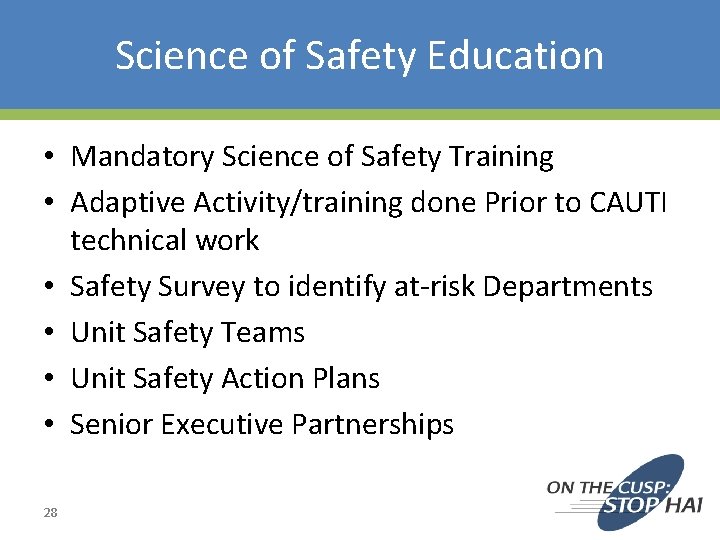
Science of Safety Education • Mandatory Science of Safety Training • Adaptive Activity/training done Prior to CAUTI technical work • Safety Survey to identify at-risk Departments • Unit Safety Teams • Unit Safety Action Plans • Senior Executive Partnerships 28
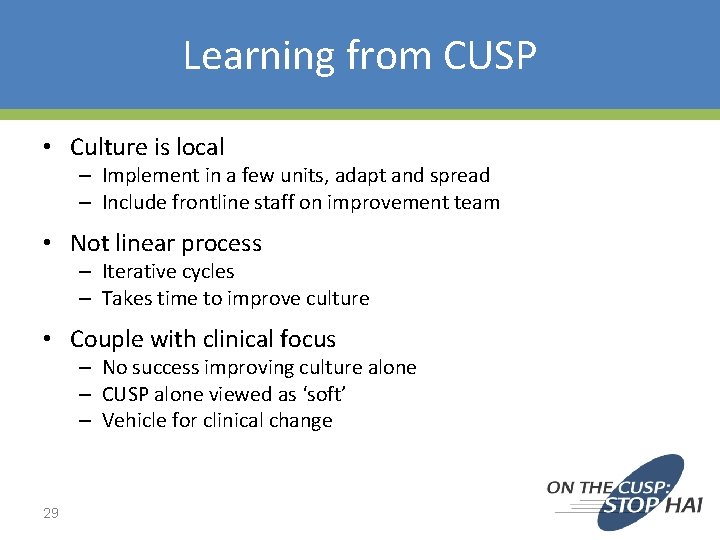
Learning from CUSP • Culture is local – Implement in a few units, adapt and spread – Include frontline staff on improvement team • Not linear process – Iterative cycles – Takes time to improve culture • Couple with clinical focus – No success improving culture alone – CUSP alone viewed as ‘soft’ – Vehicle for clinical change 29
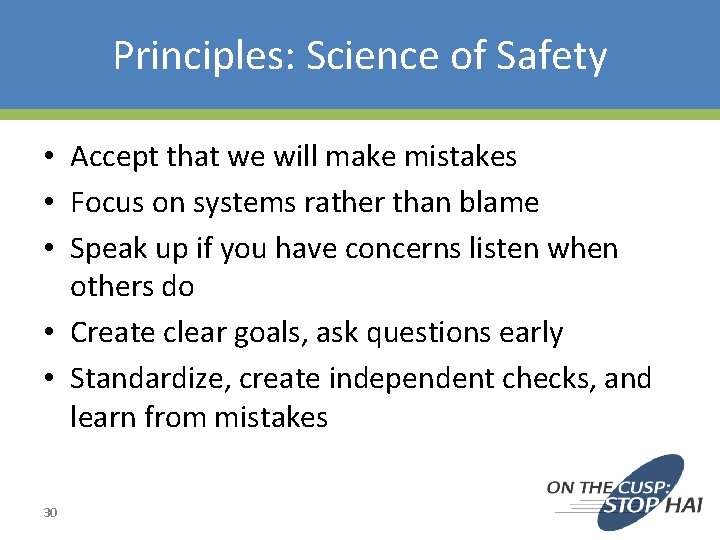
Principles: Science of Safety • Accept that we will make mistakes • Focus on systems rather than blame • Speak up if you have concerns listen when others do • Create clear goals, ask questions early • Standardize, create independent checks, and learn from mistakes 30
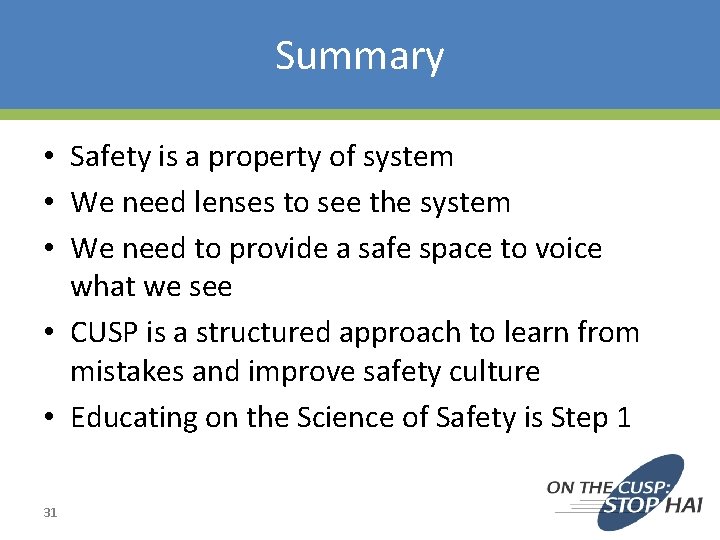
Summary • Safety is a property of system • We need lenses to see the system • We need to provide a safe space to voice what we see • CUSP is a structured approach to learn from mistakes and improve safety culture • Educating on the Science of Safety is Step 1 31
Summary • Every system is designed to achieve its anticipated results • The principles of safe design are standardize when you can, create independent checks, and learn from defects • The principles of safe design apply to technical work and teamwork • Teams make wise decisions when there is diverse input 32
Action Items • Have all members of the CUSP CAUTI Team view the Science of Improving Patient Safety video • Put together a roster of who on your unit needs to view the Science of Safety video • Develop a plan to have all staff on your unit view the Science of Improving Patient Safety video – Assess what technologies you have available for staff to view – Identify times for viewing it (e. g. , staff meetings, individual admin hours) 33
References 1. Agency for Healthcare Research and Quality, Department of Defense. Team. STEPPS. Available at www. ahrq. gov/teamsteppstools/instructor/index. html 2. Bates DW, Cullen DJ, Laird N, et al. Incidence of adverse drug events and potential adverse drug events. JAMA. 1995; 274(1): 29– 34. 3. Donchin Y, Gopher D, Olin M, et al. A look into the nature and causes of human errors in the intensive care unit. Crit Care Med. 1995; 23: 294– 300. 4. Andrews LB, Stocking C, Krizek T, et al. An alternative strategy for studying adverse events in medical care. Lancet. 349: 309– 313, 1997. 34
References 5. Kohn L, Corrigan J, Donaldson M. To err is human: building a safer health system. Washington, DC: National Academy Press; 1999. 6. Scott, RD. The Direct Medical Costs of Healthcare-Associated Infections in U. S. Hospitals and the Benefits of Prevention. March 2009. http: //www. cdc. gov/ncidod/dhqp/pdf/Scott_Cost. Paper. pdf 7. Klevens M, Edwards J, Richards C, et al. Estimating Health Care. Associated Infections and Deaths in U. S. Hospitals, 2002. PHR. 2007; 122: 160– 166. 8. Ending health care-associated infections, AHRQ, Rockville, MD; 2009. http: //www. ahrq. gov/qual/haicusp. htm. 9. Vincent C, Taylor-Adams S, Stanhope N. Framework for analysing risk and safety in clinical medicine. BMJ. 1998; 316: 1154– 57 35
References 10. Reason JT. Human Error. New York, NY: Cambridge University Press, 1990. 11. Heifetz R. Leadership without easy answers, president and fellows of Harvard College. Cambridge, MA: Harvard University Press; 1994. 12. Dayton E, Henriksen K. Communication failure: basic components, contributing factors, and the call for structure. Jt Comm J Qual Patient Saf. 2007; 33(1): 34– 47. 13. Pronovost P, Needham D, Berenholtz S, et al. An intervention to decrease catheter-related bloodstream infections in the ICU. New Engl J Med. 2006; 355(26): 2725– 32. 36
Thank you! Questions? 37
Funding Prepared by the Health Research & Educational Trust of the American Hospital Association with contract funding provided by the Agency for Healthcare Research and Quality through the contract, “National Implementation of Comprehensive Unitbased Safety Program (CUSP) to Reduce Catheter-Associated Urinary Tract Infection (CAUTI), project number HHSA 290201000025 I/HHSA 29032001 T, Task Order #1. ” 38