
Asexual Reproduction in Plants Task Use one of
- Slides: 10
Asexual Reproduction in Plants Task: Use one of the plants in this power point to create a new page for your lifecycles booklet.
Asexual Reproduction. Last week we looked at Sexual Reproduction in Plants. To reproduce, the pollen (male) from one plant must travel to the ovary (female) of another plant. You must have two parent plants to make a new plant seed. Asexual reproduction only needs one parent plant. The new plant is identical to its parent and is called a clone.
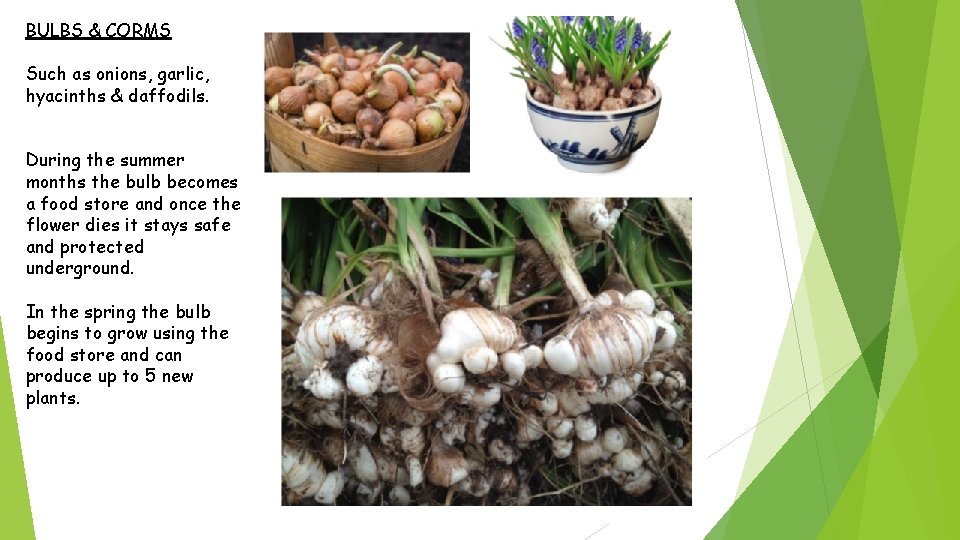
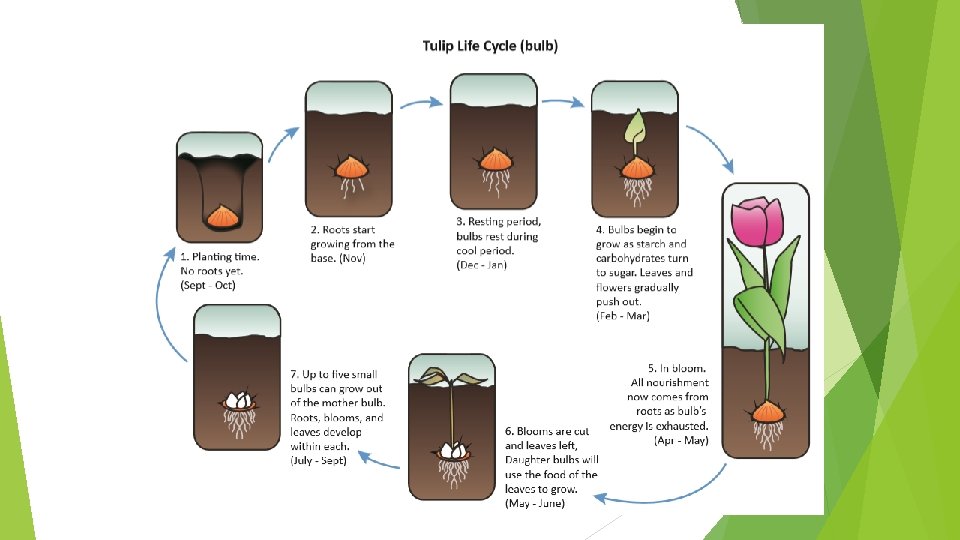
BULBS & CORMS Such as onions, garlic, hyacinths & daffodils. During the summer months the bulb becomes a food store and once the flower dies it stays safe and protected underground. In the spring the bulb begins to grow using the food store and can produce up to 5 new plants.
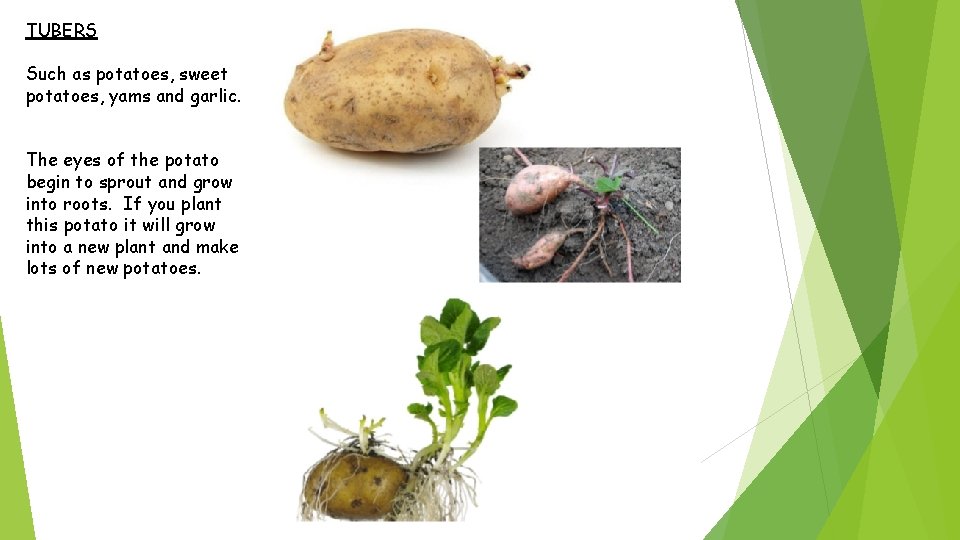
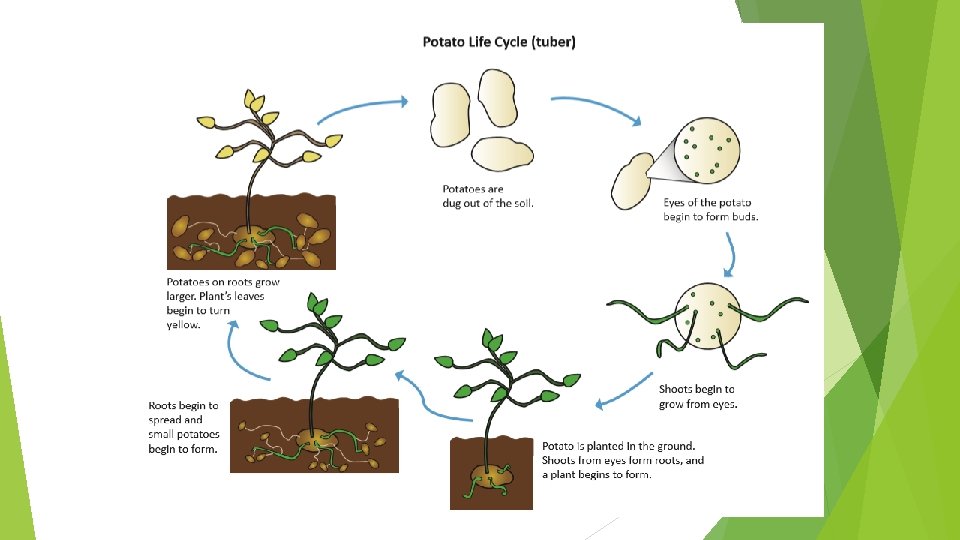
TUBERS Such as potatoes, sweet potatoes, yams and garlic. The eyes of the potato begin to sprout and grow into roots. If you plant this potato it will grow into a new plant and make lots of new potatoes.
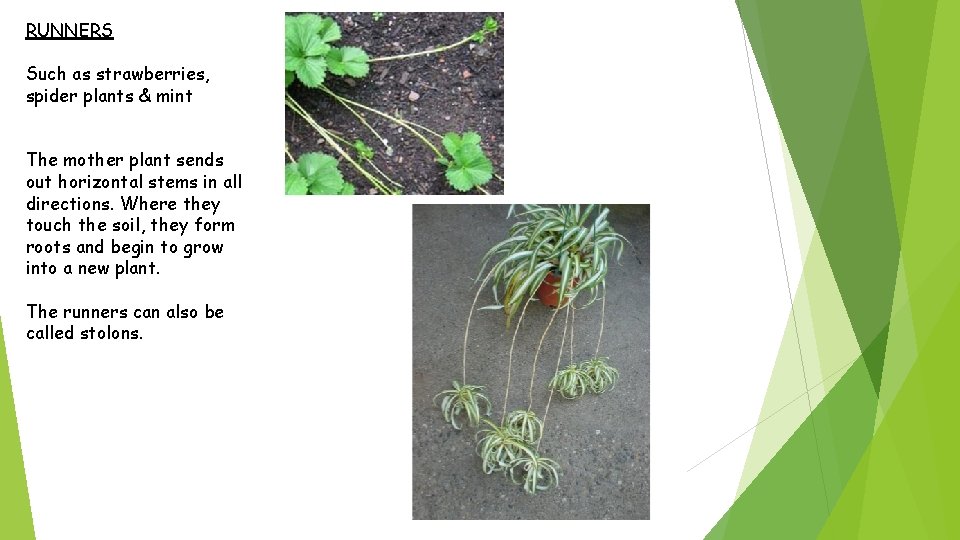
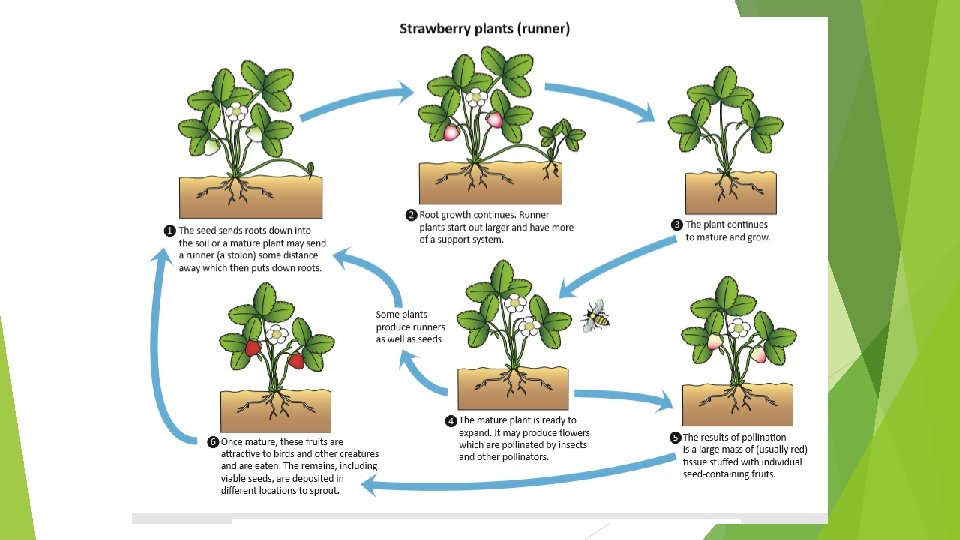
RUNNERS Such as strawberries, spider plants & mint The mother plant sends out horizontal stems in all directions. Where they touch the soil, they form roots and begin to grow into a new plant. The runners can also be called stolons.
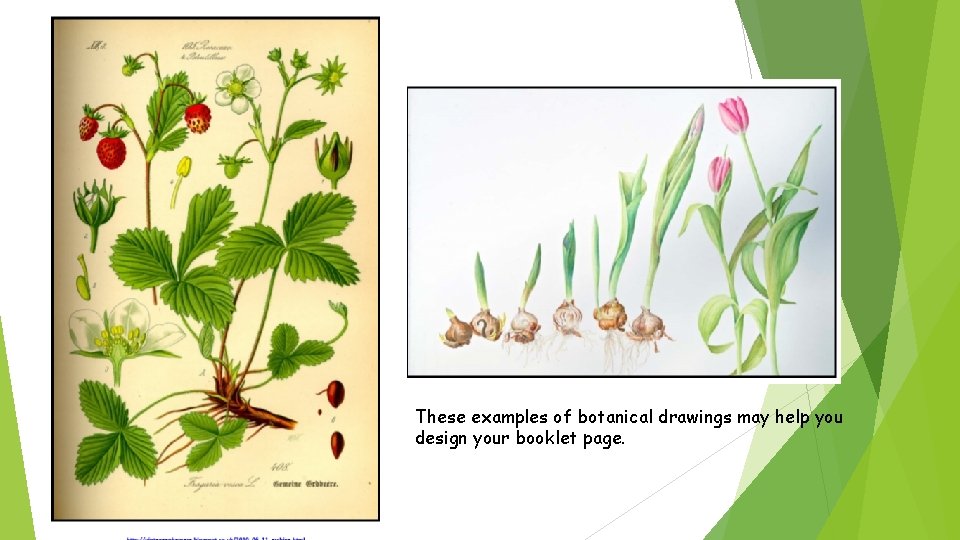
These examples of botanical drawings may help you design your booklet page.
Extension Task There are other non-flowering plants that reproduce in other ways. If you are feeling clever, try researching mosses, ferns or conifers instead/as well as of one of the plants on this slide. They all use different methods of asexual reproduction.