
Ascites and Renal Failure unresponsive to standard treatment
- Slides: 38
Ascites and Renal Failure unresponsive to standard treatment in patients with cirrhosis Journal Club 23/09/2019 Ilaria Giovo
Refractory ascites 1) Definition 2) Diagnostic criteria 3) Prognosis 4) Treatment strategies
Definition Diagnostic Criteria Prognosis Treatment strategies Refractory ascites Portfolio Presentation (5 -10% of cirrhotic patients with ascites) You can simply impress your audience and add a unique zing and appeal to your Presentations. I hope and I believe that this Template will your Time, Money and Reputation. Ascites that cannot be mobilized or the early recurrence after paracentesis. - Diuretic-resistant ascites: lack of response to sodium restriction and diuretic treatment - Diuretic-intractable ascites: development of diuretic-induced complications that preclude the use of an effective diuretic dosage The European Association for the Study of the Liver. EASL Clinical Practice Guidelines for the management of patients with decompensated cirrhosis. J Hepatol (2018)
Definition Diagnostic Criteria Prognosis Treatment strategies Portfolio Presentation • Intensive diuretic therapy for at least one week and salt restriction (< 80 m. Eq/die) You can simply impress your audience and add a unique zing and appeal to your Presentations. I hope and I believe that this Template will your Time, Money and Reputation. • Mean weight loss of <0. 8 kg over four days and urinary sodium output less than the sodium intake • Reappearance of grade 2 or 3 ascites within four weeks of initial mobilization • Diuretic-induced complications: hepatic encephalopathy, renal impairment (creatinine > 2 mg/d. L), hyponatremia (< 125 m. Eq/L), hypo- or hyperkalemia (< 3 or > 6 m. Eq/L) • Invalidating muscle cramps The European Association for the Study of the Liver. EASL Clinical Practice Guidelines for the management of patients with decompensated cirrhosis. J Hepatol (2018)
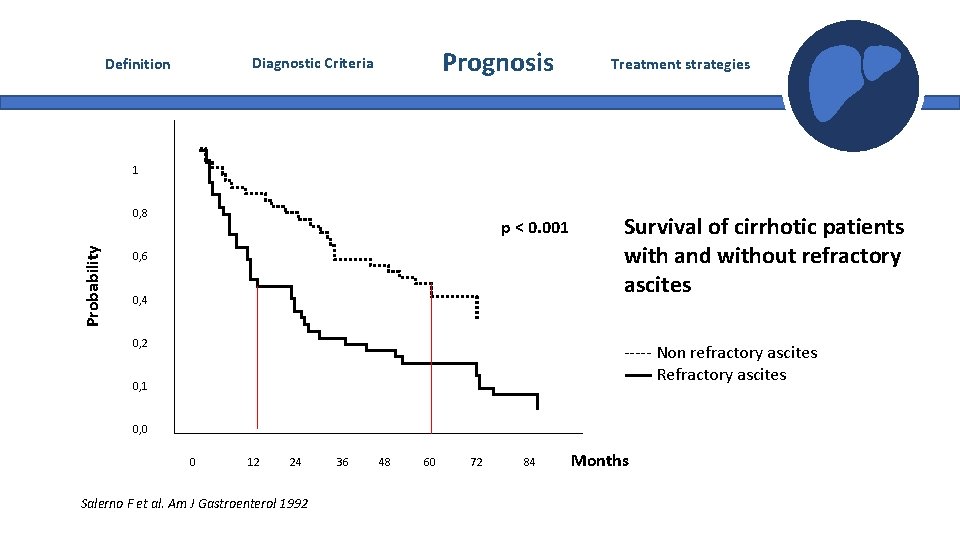
Prognosis Diagnostic Criteria Definition Treatment strategies 1 Probability 0, 8 You can simply impress your audience and add a unique zing and appeal to your Presentations. I hope p < 0. 001 and I believe that this Template will your Time, Money and Reputation. Survival of cirrhotic patients with and without refractory ascites 0, 6 0, 4 0, 2 ----- Non refractory ascites Refractory ascites 0, 1 0, 0 0 12 24 Salerno F et al. Am J Gastroenterol 1992 36 48 60 72 84 Months
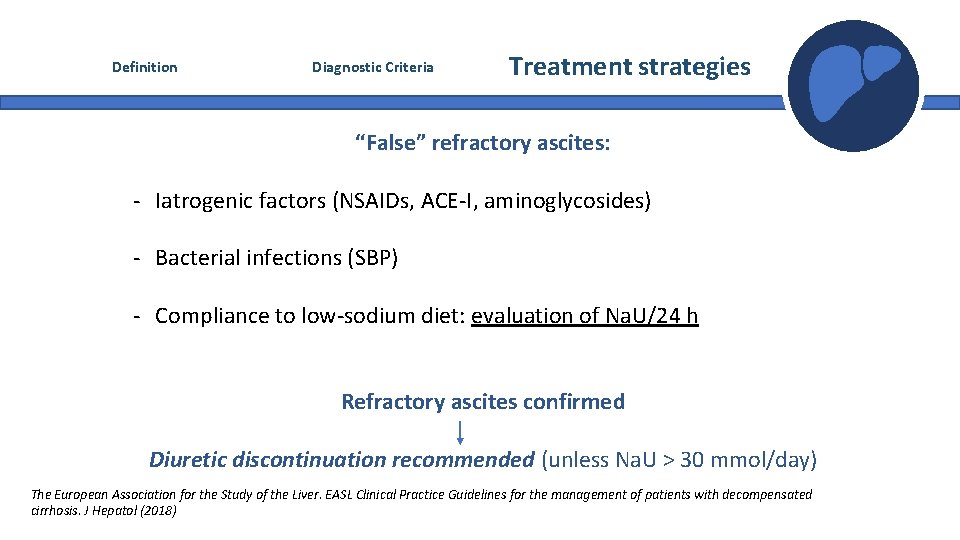
Definition Diagnostic Criteria Treatment strategies “False” refractory ascites: - Iatrogenic factors (NSAIDs, ACE-I, aminoglycosides) - Bacterial infections (SBP) - Compliance to low-sodium diet: evaluation of Na. U/24 h Refractory ascites confirmed Diuretic discontinuation recommended (unless Na. U > 30 mmol/day) The European Association for the Study of the Liver. EASL Clinical Practice Guidelines for the management of patients with decompensated cirrhosis. J Hepatol (2018)
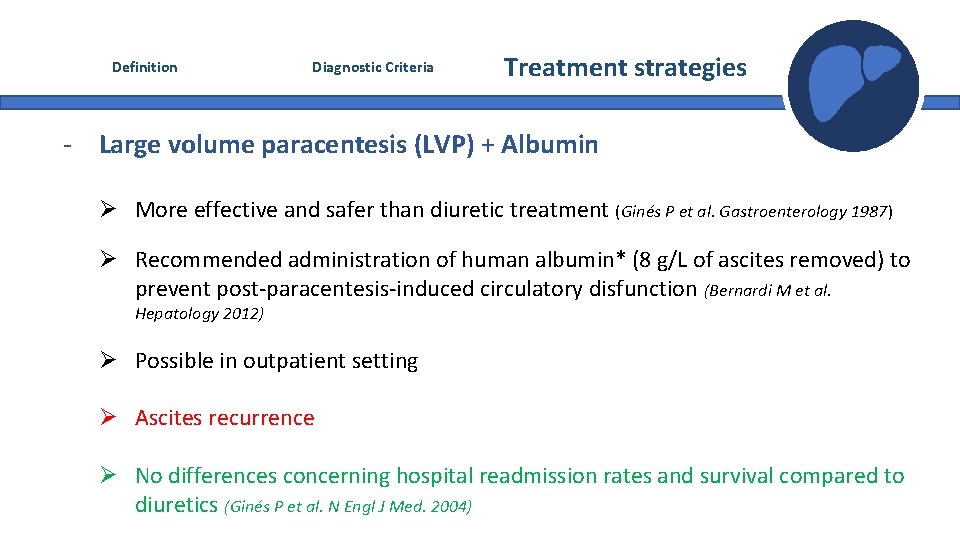
Definition Diagnostic Criteria Treatment strategies - Large volume paracentesis (LVP) + Albumin Ø More You effective and safer than P et al. Gastroenterology 1987) can simply impress your audience anddiuretic add a unique treatment zing and appeal to(Ginés your Presentations. I hope and I believe that this Template will your Time, Money and Reputation. Ø Recommended administration of human albumin* (8 g/L of ascites removed) to prevent post-paracentesis-induced circulatory disfunction (Bernardi M et al. Hepatology 2012) Ø Possible in outpatient setting Ø Ascites recurrence Ø No differences concerning hospital readmission rates and survival compared to diuretics (Ginés P et al. N Engl J Med. 2004)
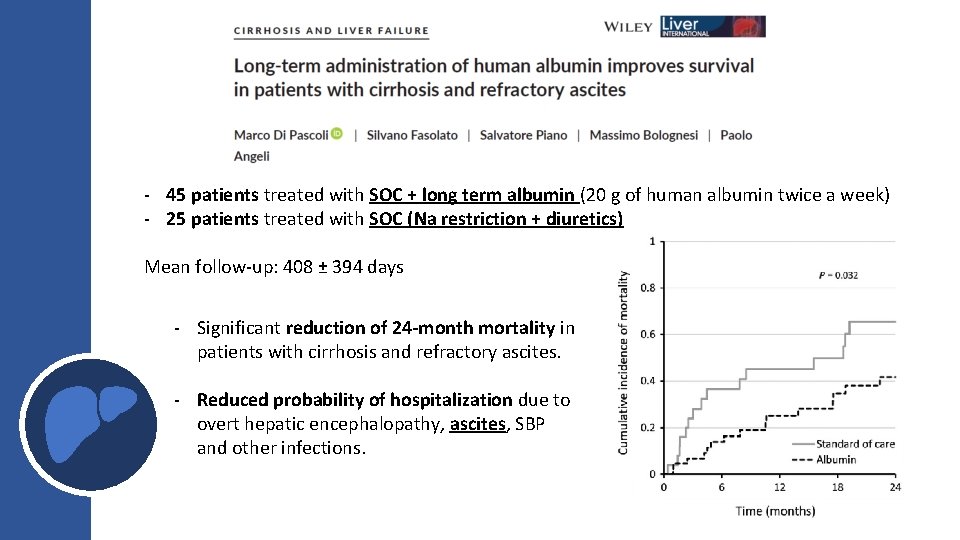
- 45 patients treated with SOC + long term albumin (20 g of human albumin twice a week) - 25 patients treated with SOC (Na restriction + diuretics) Mean follow-up: 408 ± 394 days - Significant reduction of 24 -month mortality in patients with cirrhosis and refractory ascites. - Reduced probability of hospitalization due to overt hepatic encephalopathy, ascites, SBP and other infections.
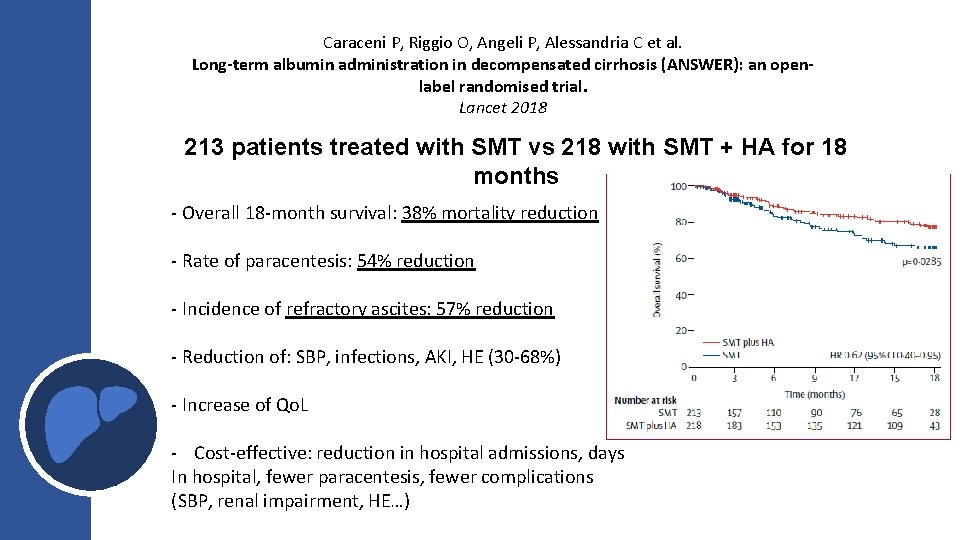
Caraceni P, Riggio O, Angeli P, Alessandria C et al. Long-term albumin administration in decompensated cirrhosis (ANSWER): an openlabel randomised trial. Lancet 2018 213 patients treated with SMT vs 218 with SMT + HA for 18 months - Overall 18 -month survival: 38% mortality reduction - Rate of paracentesis: 54% reduction - Incidence of refractory ascites: 57% reduction - Reduction of: SBP, infections, AKI, HE (30 -68%) - Increase of Qo. L - Cost-effective: reduction in hospital admissions, days In hospital, fewer paracentesis, fewer complications (SBP, renal impairment, HE…)
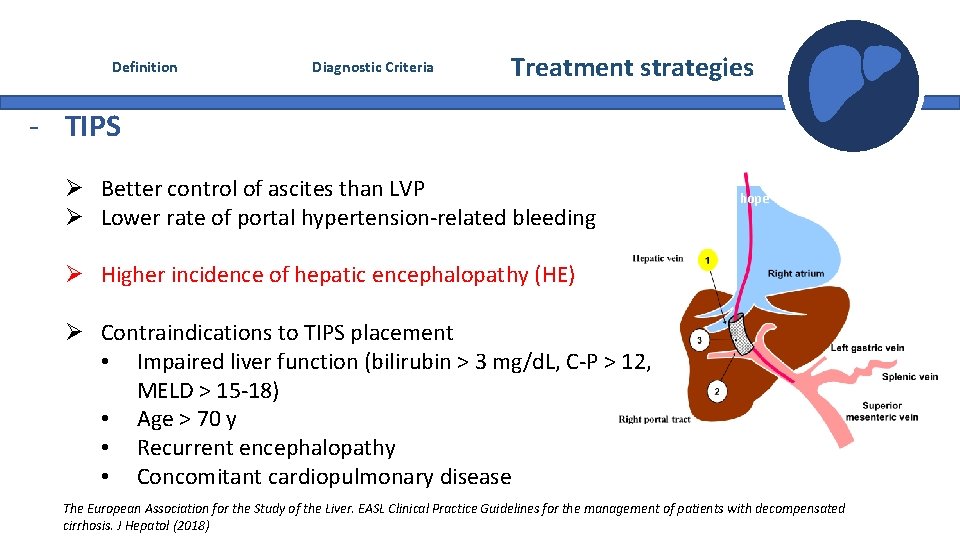
Definition Diagnostic Criteria Treatment strategies - TIPS Ø Better control of ascites than LVP You can simply impress your audience and add a unique zing and appeal to your Presentations. I hope and hypertension-related I believe that this Template will your bleeding Time, Money and Reputation. Ø Lower rate of portal Ø Higher incidence of hepatic encephalopathy (HE) Ø Contraindications to TIPS placement • Impaired liver function (bilirubin > 3 mg/d. L, C-P > 12, MELD > 15 -18) • Age > 70 y • Recurrent encephalopathy • Concomitant cardiopulmonary disease The European Association for the Study of the Liver. EASL Clinical Practice Guidelines for the management of patients with decompensated cirrhosis. J Hepatol (2018)
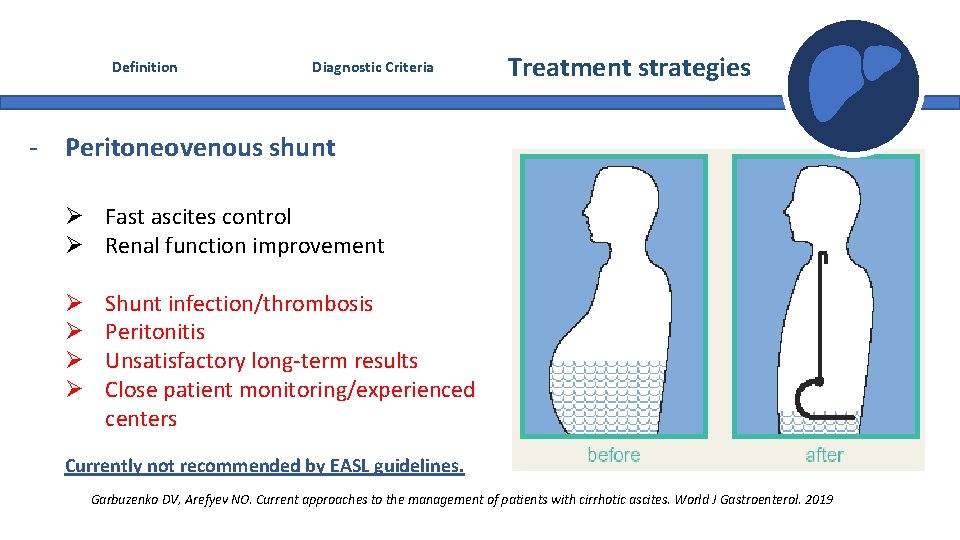
Definition Diagnostic Criteria Treatment strategies - Peritoneovenous shunt Ø Fast ascites control Ø Renal function improvement Ø Ø Shunt infection/thrombosis Peritonitis Unsatisfactory long-term results Close patient monitoring/experienced centers Currently not recommended by EASL guidelines. Garbuzenko DV, Arefyev NO. Current approaches to the management of patients with cirrhotic ascites. World J Gastroenterol. 2019
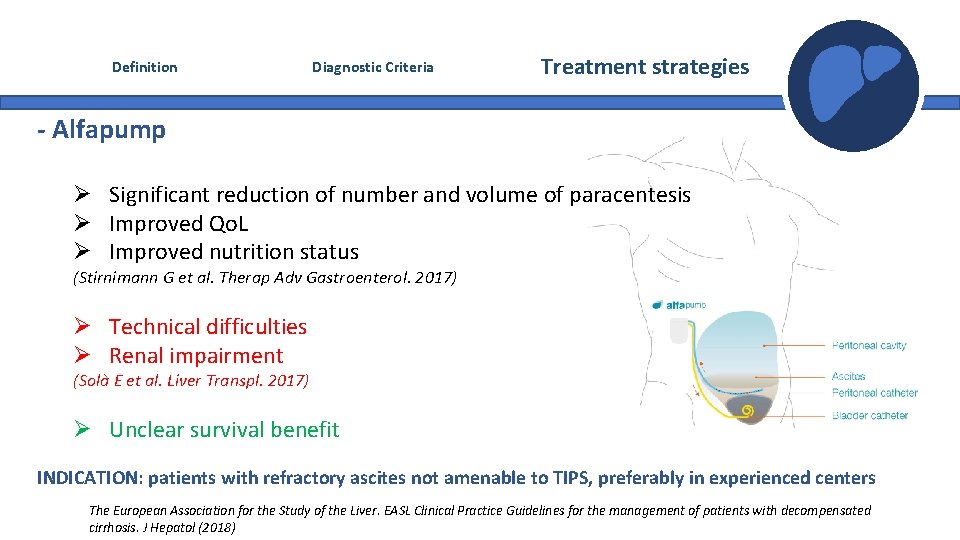
Definition Diagnostic Criteria Treatment strategies - Alfapump Ø Significant reduction of number and volume of paracentesis Ø Improved Qo. L Ø Improved nutrition status (Stirnimann G et al. Therap Adv Gastroenterol. 2017) Ø Technical difficulties Ø Renal impairment (Solà E et al. Liver Transpl. 2017) Ø Unclear survival benefit INDICATION: patients with refractory ascites not amenable to TIPS, preferably in experienced centers The European Association for the Study of the Liver. EASL Clinical Practice Guidelines for the management of patients with decompensated cirrhosis. J Hepatol (2018)
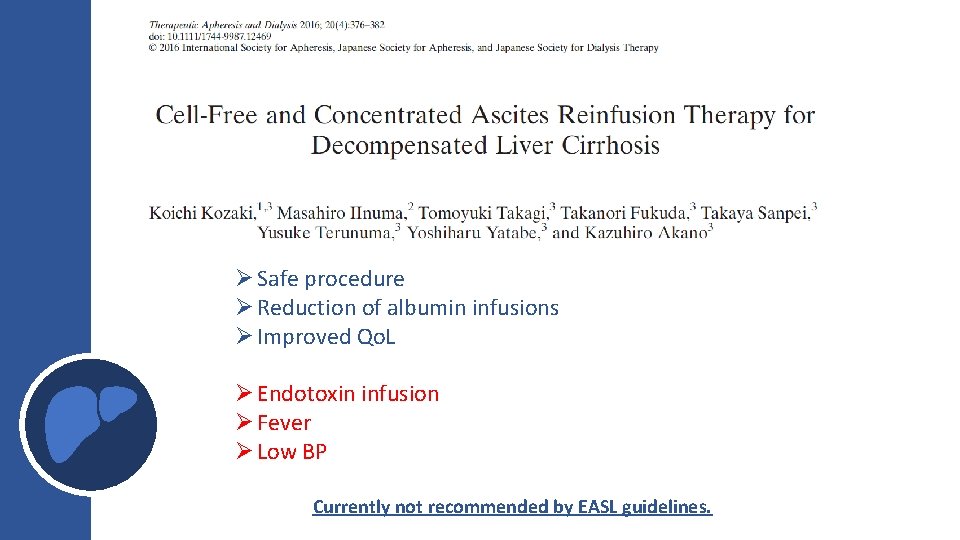
Ø Safe procedure Ø Reduction of albumin infusions Ø Improved Qo. L Ø Endotoxin infusion Ø Fever Ø Low BP Currently not recommended by EASL guidelines.
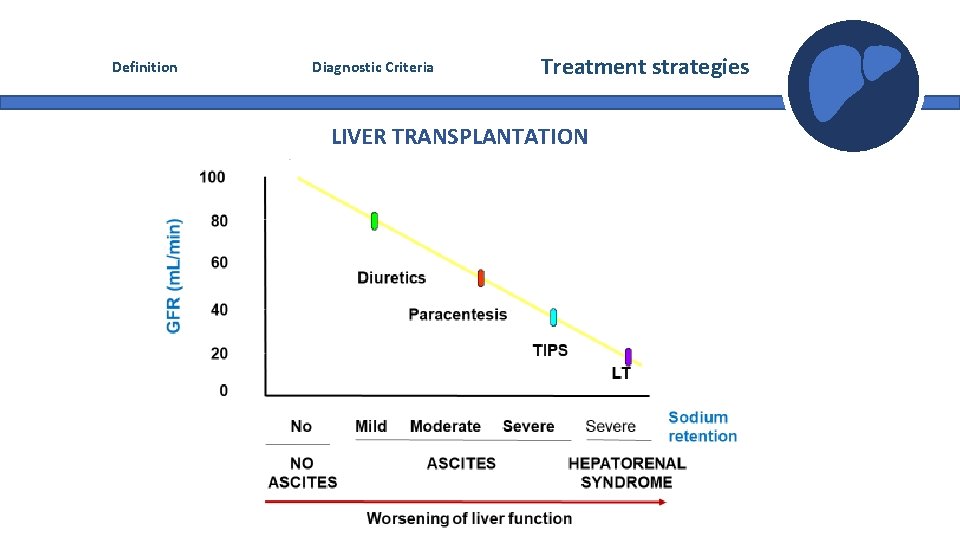
Definition Diagnostic Criteria Treatment strategies LIVER TRANSPLANTATION
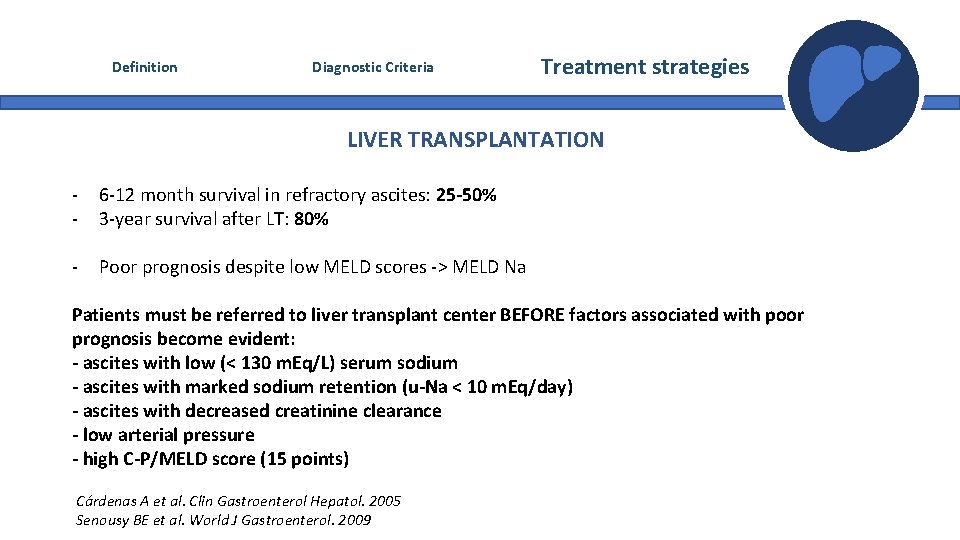
Definition Diagnostic Criteria Treatment strategies LIVER TRANSPLANTATION - 6 -12 month survival in refractory ascites: 25 -50% 3 -year survival after LT: 80% - Poor prognosis despite low MELD scores -> MELD Na Patients must be referred to liver transplant center BEFORE factors associated with poor prognosis become evident: - ascites with low (< 130 m. Eq/L) serum sodium - ascites with marked sodium retention (u-Na < 10 m. Eq/day) - ascites with decreased creatinine clearance - low arterial pressure - high C-P/MELD score (15 points) Cárdenas A et al. Clin Gastroenterol Hepatol. 2005 Senousy BE et al. World J Gastroenterol. 2009
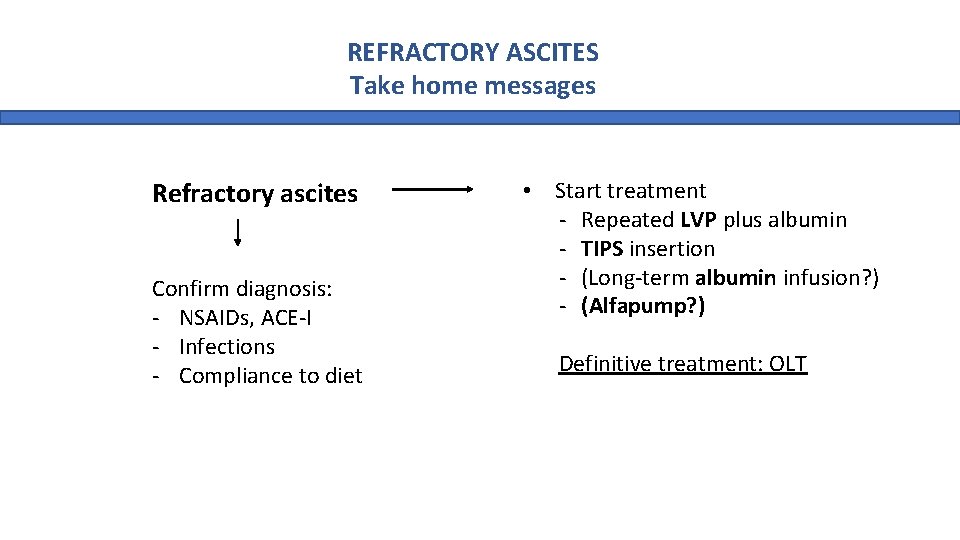
REFRACTORY ASCITES Take home messages Refractory ascites Confirm diagnosis: - NSAIDs, ACE-I - Infections - Compliance to diet • Start treatment - Repeated LVP plus albumin - TIPS insertion - (Long-term albumin infusion? ) - (Alfapump? ) Definitive treatment: OLT
Renal Failure 1) Definition 2) Diagnostic criteria 3) Prognosis 4) Treatment strategies
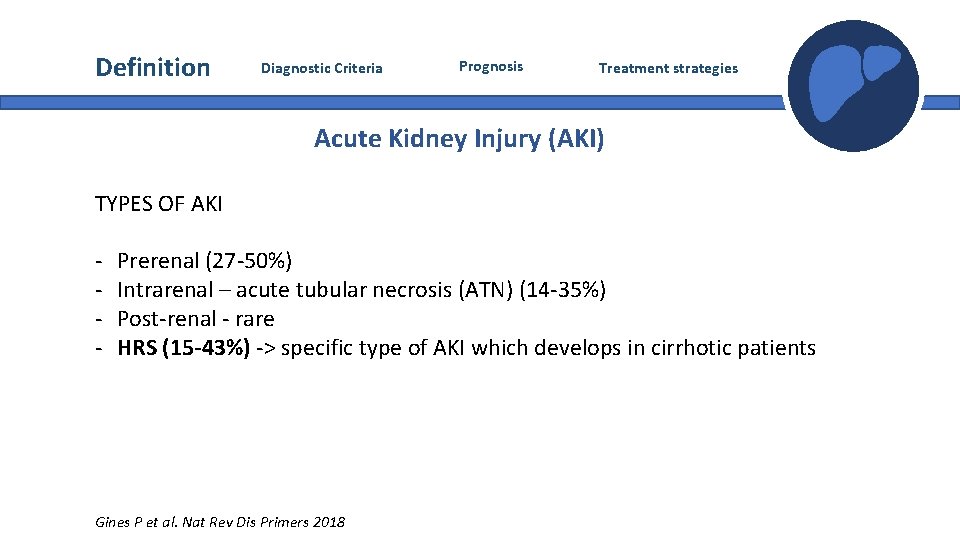
Definition Diagnostic Criteria Prognosis Treatment strategies Acute Kidney Injury (AKI) TYPES OF AKI - Portfolio Presentation Prerenal (27 -50%) Intrarenal – acute tubular necrosis (ATN) (14 -35%) Post-renal - rare HRS (15 -43%) -> specific type of AKI which develops in cirrhotic patients Gines P et al. Nat Rev Dis Primers 2018
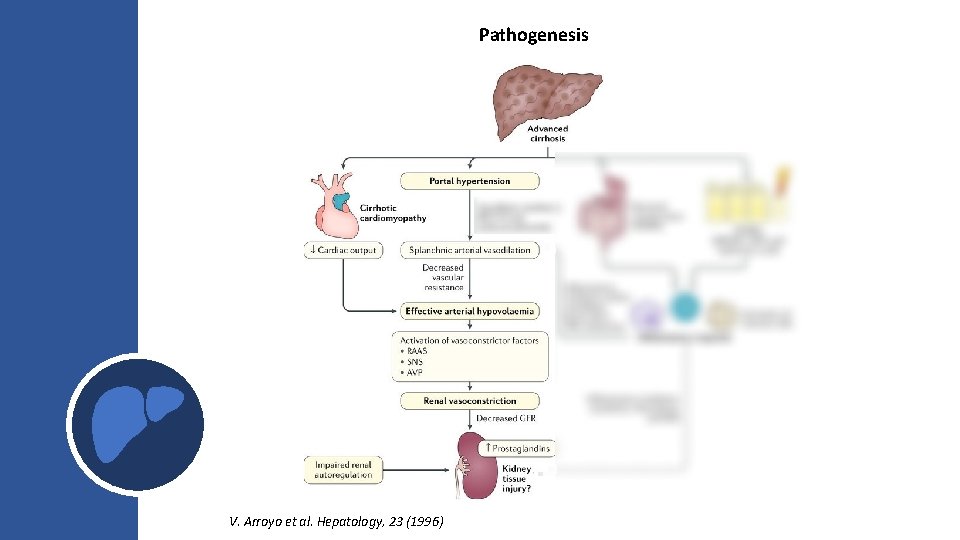
Pathogenesis V. Arroyo et al. Hepatology, 23 (1996)
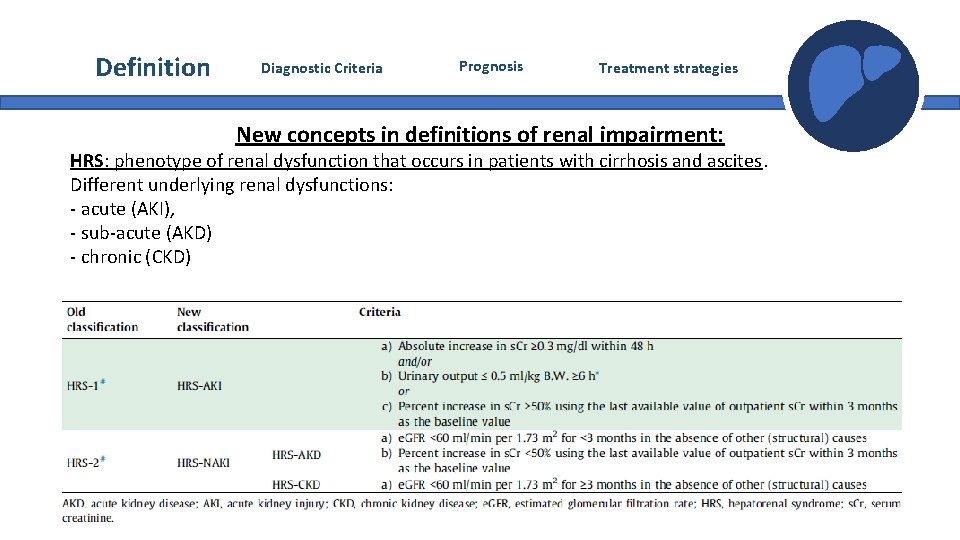
HRS (OLD DEFINITION) - SCr value ≥ 1. 5 mg/dl (index of GFR ≤ 40 ml/min) - HRS type II OBSOLETE DEFINITION - Does not take into account changes in SCr with respect to baseline values (AKI or CKD? ) - Patients with SCr > 1. 5 already have marked GFR reduction Adaptation of Kidney Disease Improving Global Outcomes (KDIGO) definition of Kidney Injury in the setting of cirrhosis Arroyo V et al. International Ascites Club. Hepatology 2007
Definition Diagnostic Criteria Prognosis Treatment strategies New concepts in definitions of renal impairment: HRS: phenotype of renal dysfunction that occurs in patients with cirrhosis and ascites. Different underlying renal dysfunctions: - acute (AKI), - sub-acute (AKD) - chronic (CKD)
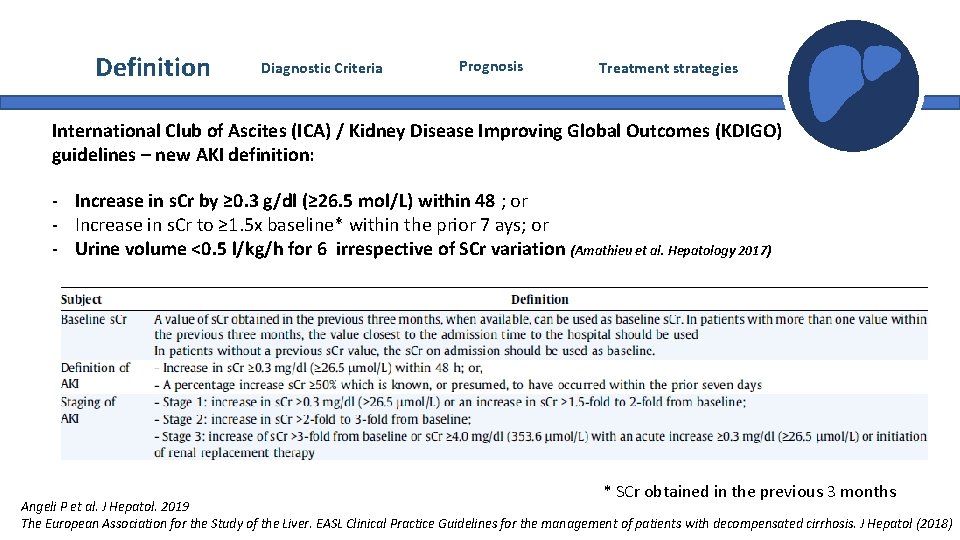
Definition Diagnostic Criteria Prognosis Treatment strategies International Club of Ascites (ICA) / Kidney Disease Improving Global Outcomes (KDIGO) guidelines – new AKI definition: - Increase in s. Cr by ≥ 0. 3 g/dl (≥ 26. 5 mol/L) within 48 ; or - Increase in s. Cr to ≥ 1. 5 x baseline* within the prior 7 ays; or - Urine volume <0. 5 l/kg/h for 6 irrespective of SCr variation (Amathieu et al. Hepatology 2017) * SCr obtained in the previous 3 months Angeli P et al. J Hepatol. 2019 The European Association for the Study of the Liver. EASL Clinical Practice Guidelines for the management of patients with decompensated cirrhosis. J Hepatol (2018)
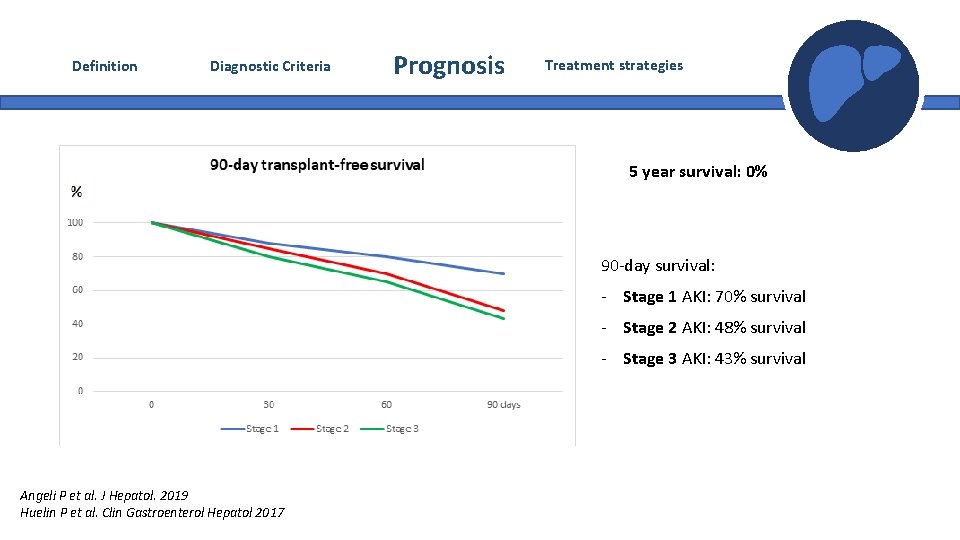
Definition Diagnostic Criteria Prognosis Treatment strategies 5 year survival: 0% 90 -day survival: - Stage 1 AKI: 70% survival - Stage 2 AKI: 48% survival - Stage 3 AKI: 43% survival Angeli P et al. J Hepatol. 2019 Huelin P et al. Clin Gastroenterol Hepatol 2017
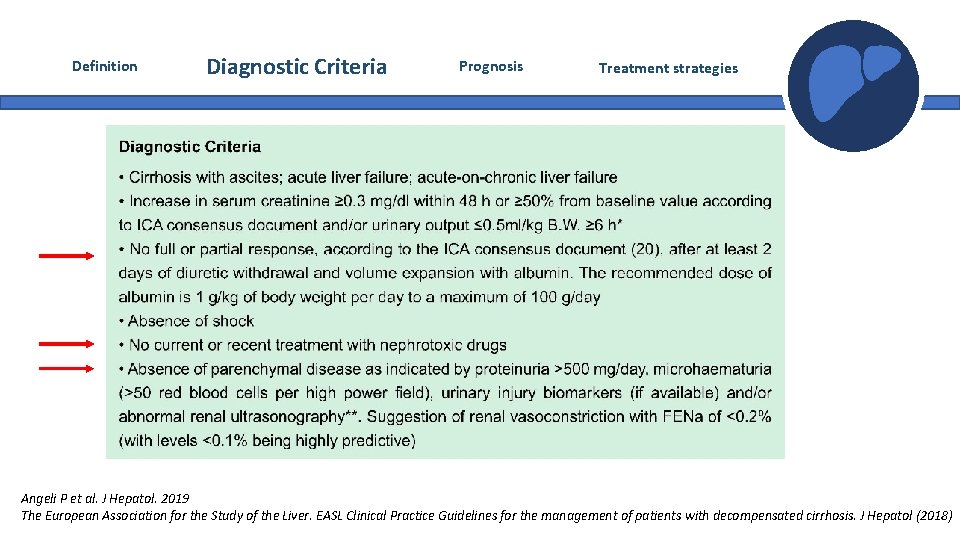
Definition Diagnostic Criteria Prognosis Treatment strategies Angeli P et al. J Hepatol. 2019 The European Association for the Study of the Liver. EASL Clinical Practice Guidelines for the management of patients with decompensated cirrhosis. J Hepatol (2018)
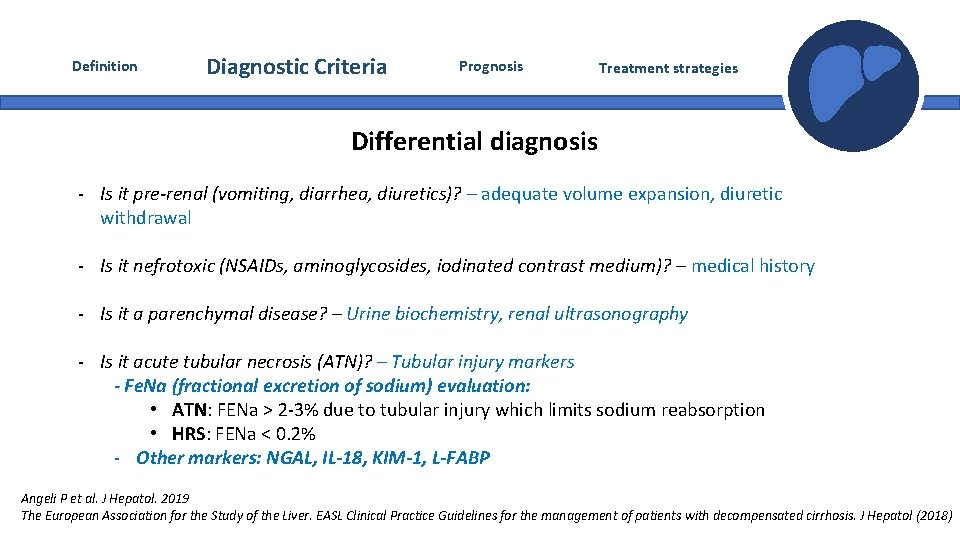
Definition Diagnostic Criteria Prognosis Treatment strategies Differential diagnosis - Is it pre-renal (vomiting, diarrhea, diuretics)? – adequate volume expansion, diuretic withdrawal - Is it nefrotoxic (NSAIDs, aminoglycosides, iodinated contrast medium)? – medical history - Is it a parenchymal disease? – Urine biochemistry, renal ultrasonography - Is it acute tubular necrosis (ATN)? – Tubular injury markers - Fe. Na (fractional excretion of sodium) evaluation: • ATN: FENa > 2 -3% due to tubular injury which limits sodium reabsorption • HRS: FENa < 0. 2% - Other markers: NGAL, IL-18, KIM-1, L-FABP Angeli P et al. J Hepatol. 2019 The European Association for the Study of the Liver. EASL Clinical Practice Guidelines for the management of patients with decompensated cirrhosis. J Hepatol (2018)
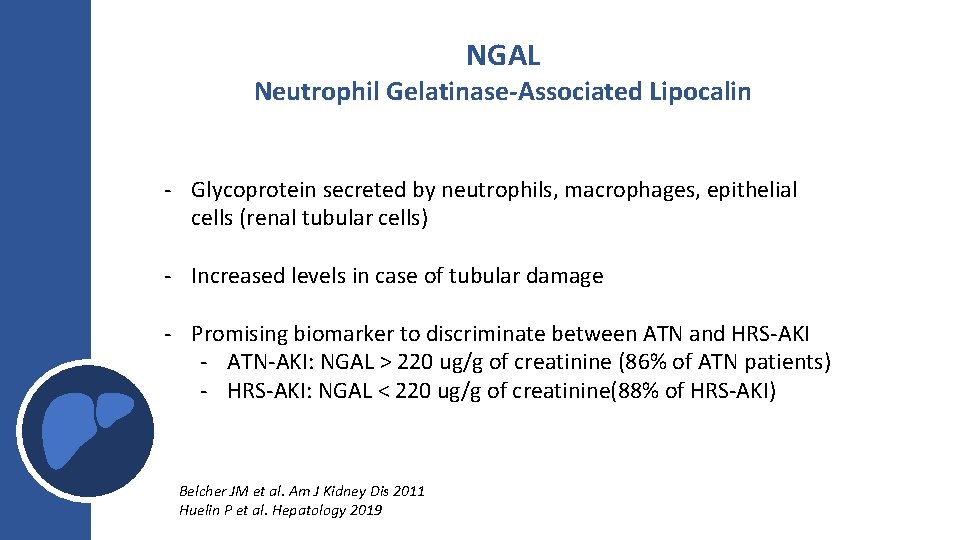
NGAL Neutrophil Gelatinase-Associated Lipocalin - Glycoprotein secreted by neutrophils, macrophages, epithelial cells (renal tubular cells) - Increased levels in case of tubular damage - Promising biomarker to discriminate between ATN and HRS-AKI - ATN-AKI: NGAL > 220 ug/g of creatinine (86% of ATN patients) - HRS-AKI: NGAL < 220 ug/g of creatinine(88% of HRS-AKI) Belcher JM et al. Am J Kidney Dis 2011 Huelin P et al. Hepatology 2019
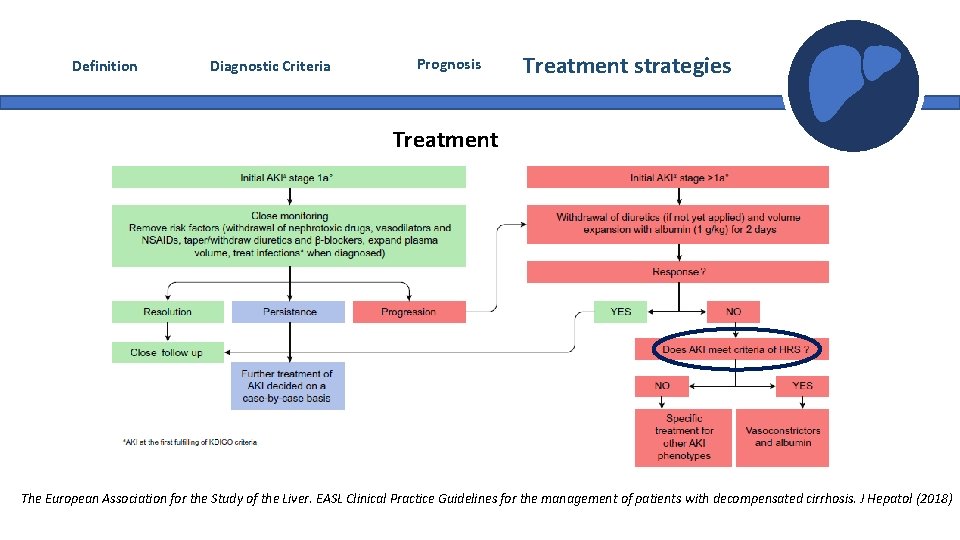
Definition Diagnostic Criteria Prognosis Treatment strategies Treatment The European Association for the Study of the Liver. EASL Clinical Practice Guidelines for the management of patients with decompensated cirrhosis. J Hepatol (2018)
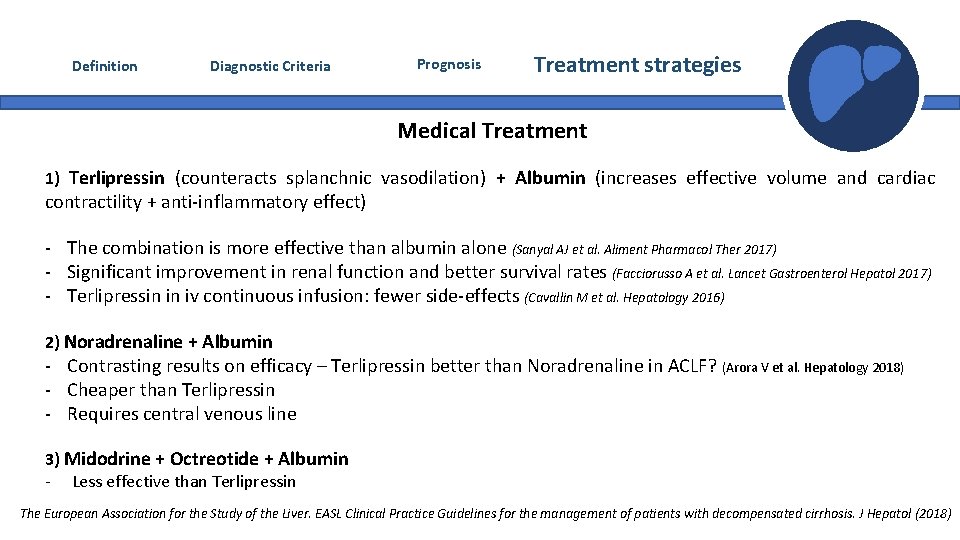
Definition Diagnostic Criteria Prognosis Treatment strategies Medical Treatment 1) Terlipressin (counteracts splanchnic vasodilation) + Albumin (increases effective volume and cardiac contractility + anti-inflammatory effect) - The combination is more effective than albumin alone (Sanyal AJ et al. Aliment Pharmacol Ther 2017) - Significant improvement in renal function and better survival rates (Facciorusso A et al. Lancet Gastroenterol Hepatol 2017) - Terlipressin in iv continuous infusion: fewer side-effects (Cavallin M et al. Hepatology 2016) 2) Noradrenaline + Albumin - Contrasting results on efficacy – Terlipressin better than Noradrenaline in ACLF? (Arora V et al. Hepatology 2018) - Cheaper than Terlipressin - Requires central venous line 3) Midodrine + Octreotide + Albumin - Less effective than Terlipressin The European Association for the Study of the Liver. EASL Clinical Practice Guidelines for the management of patients with decompensated cirrhosis. J Hepatol (2018)
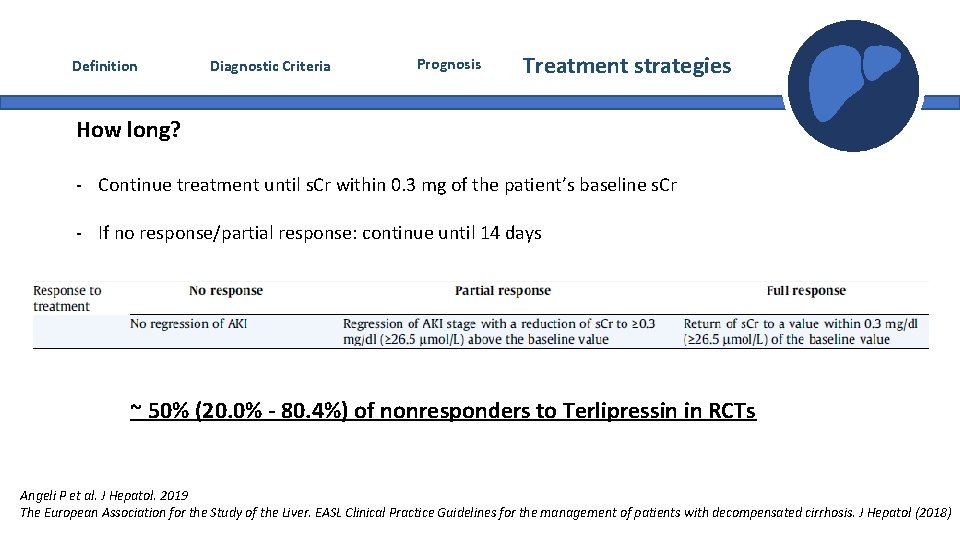
Definition Diagnostic Criteria Prognosis Treatment strategies How long? - Continue treatment until s. Cr within 0. 3 mg of the patient’s baseline s. Cr - If no response/partial response: continue until 14 days ~ 50% (20. 0% - 80. 4%) of nonresponders to Terlipressin in RCTs Angeli P et al. J Hepatol. 2019 The European Association for the Study of the Liver. EASL Clinical Practice Guidelines for the management of patients with decompensated cirrhosis. J Hepatol (2018)
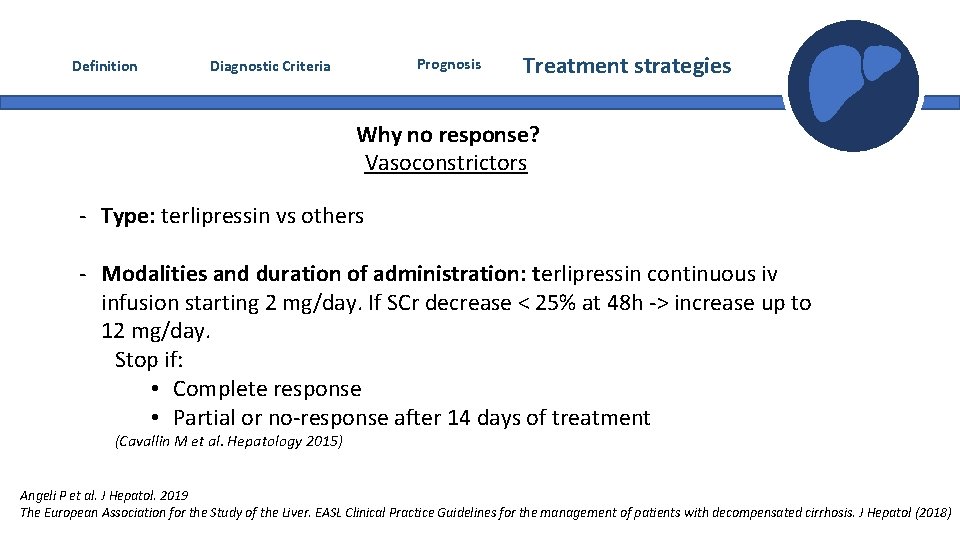
Definition Prognosis Diagnostic Criteria Treatment strategies Why no response? Vasoconstrictors - Type: terlipressin vs others - Modalities and duration of administration: terlipressin continuous iv infusion starting 2 mg/day. If SCr decrease < 25% at 48 h -> increase up to 12 mg/day. Stop if: • Complete response • Partial or no-response after 14 days of treatment (Cavallin M et al. Hepatology 2015) Angeli P et al. J Hepatol. 2019 The European Association for the Study of the Liver. EASL Clinical Practice Guidelines for the management of patients with decompensated cirrhosis. J Hepatol (2018)
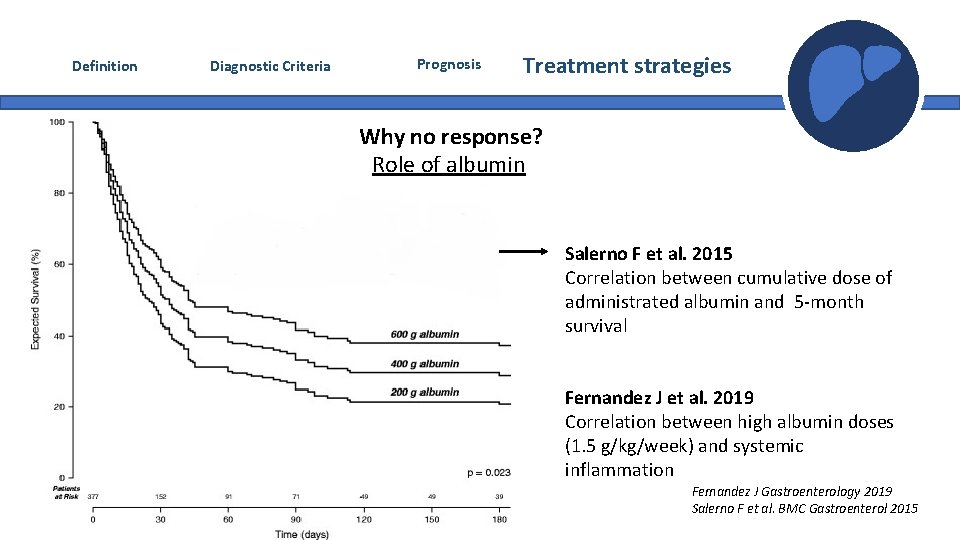
Definition Diagnostic Criteria Prognosis Treatment strategies Why no response? Role of albumin Salerno F et al. 2015 Correlation between cumulative dose of administrated albumin and 5 -month survival Fernandez J et al. 2019 Correlation between high albumin doses (1. 5 g/kg/week) and systemic inflammation Fernandez J Gastroenterology 2019 Salerno F et al. BMC Gastroenterol 2015
Definition Prognosis Diagnostic Criteria Treatment strategies Why no response? - Elevated baseline SCr: negatively correlates with response - Is there a structural damage? - High number of organ failures in ACLF = lower response: ROLE OF INFLAMMATION Angeli P et al. J Hepatol. 2019 The European Association for the Study of the Liver. EASL Clinical Practice Guidelines for the management of patients with decompensated cirrhosis. J Hepatol (2018)
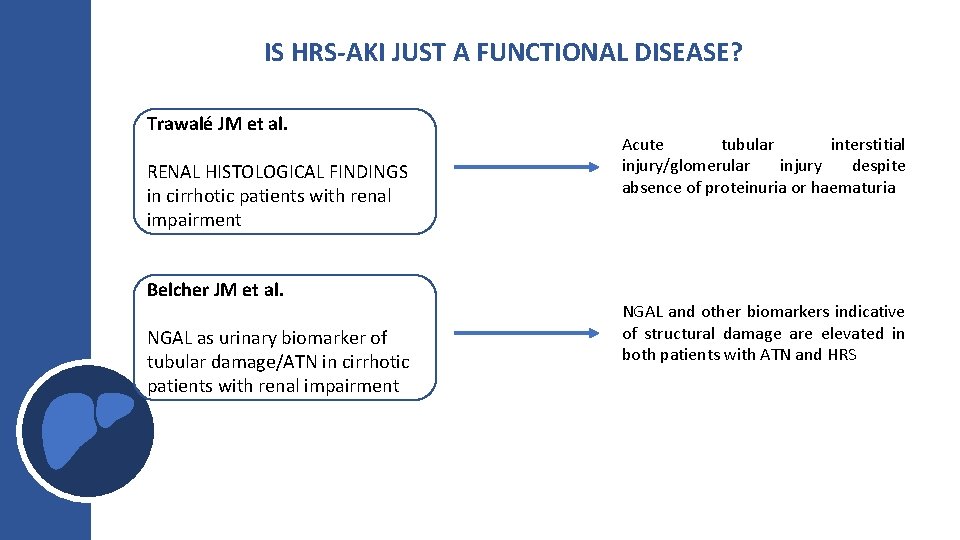
IS HRS-AKI JUST A FUNCTIONAL DISEASE? Trawalé JM et al. RENAL HISTOLOGICAL FINDINGS in cirrhotic patients with renal impairment Belcher JM et al. NGAL as urinary biomarker of tubular damage/ATN in cirrhotic patients with renal impairment Acute tubular interstitial injury/glomerular injury despite absence of proteinuria or haematuria NGAL and other biomarkers indicative of structural damage are elevated in both patients with ATN and HRS
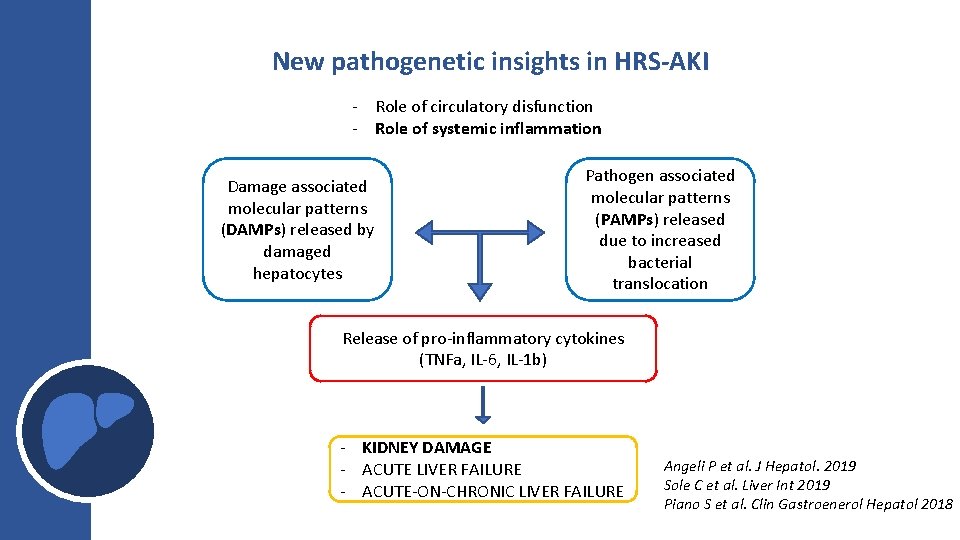
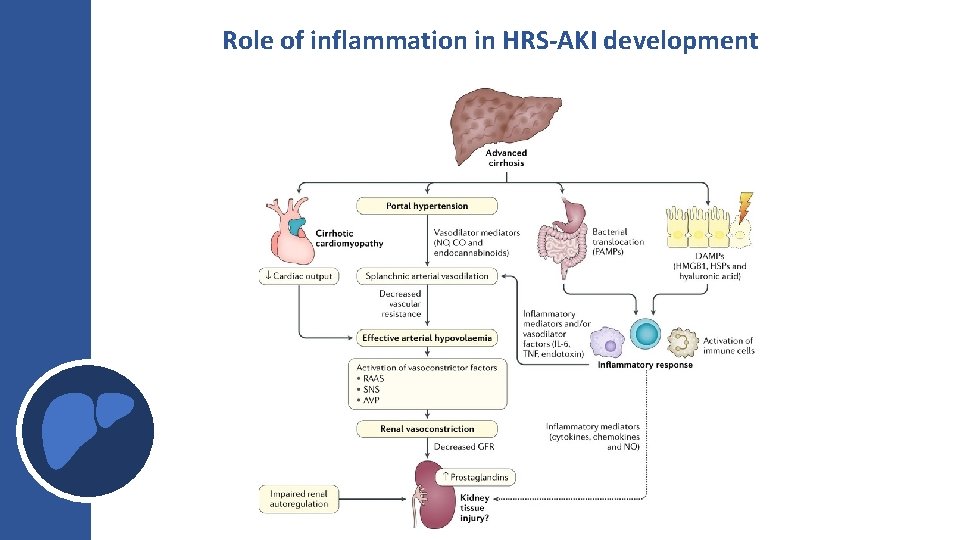
New pathogenetic insights in HRS-AKI - Role of circulatory disfunction - Role of systemic inflammation Damage associated molecular patterns (DAMPs) released by damaged hepatocytes Pathogen associated molecular patterns (PAMPs) released due to increased bacterial translocation Release of pro-inflammatory cytokines (TNFa, IL-6, IL-1 b) - KIDNEY DAMAGE - ACUTE LIVER FAILURE - ACUTE-ON-CHRONIC LIVER FAILURE Angeli P et al. J Hepatol. 2019 Sole C et al. Liver Int 2019 Piano S et al. Clin Gastroenerol Hepatol 2018
Role of inflammation in HRS-AKI development
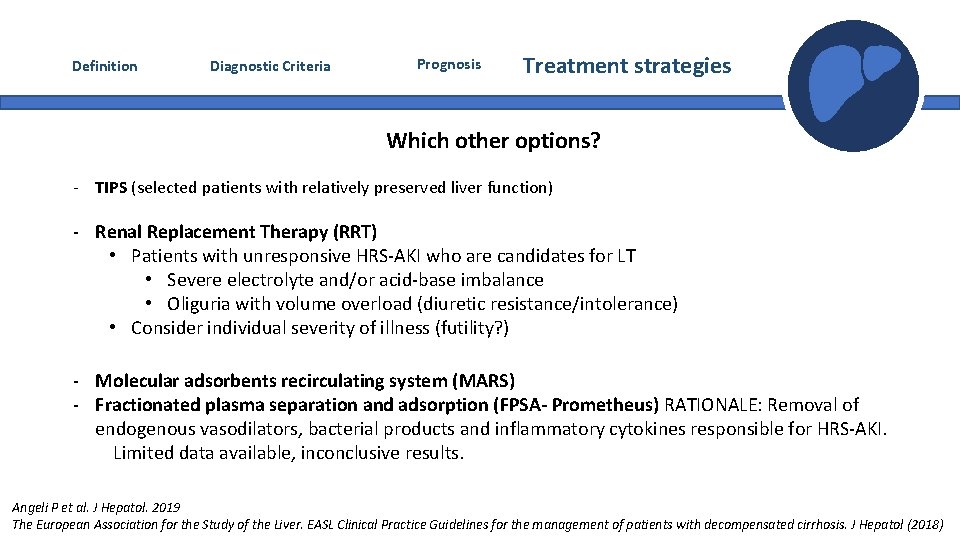
Definition Diagnostic Criteria Prognosis Treatment strategies Which other options? - TIPS (selected patients with relatively preserved liver function) - Renal Replacement Therapy (RRT) • Patients with unresponsive HRS-AKI who are candidates for LT • Severe electrolyte and/or acid-base imbalance • Oliguria with volume overload (diuretic resistance/intolerance) • Consider individual severity of illness (futility? ) - Molecular adsorbents recirculating system (MARS) - Fractionated plasma separation and adsorption (FPSA- Prometheus) RATIONALE: Removal of endogenous vasodilators, bacterial products and inflammatory cytokines responsible for HRS-AKI. Limited data available, inconclusive results. Angeli P et al. J Hepatol. 2019 The European Association for the Study of the Liver. EASL Clinical Practice Guidelines for the management of patients with decompensated cirrhosis. J Hepatol (2018)
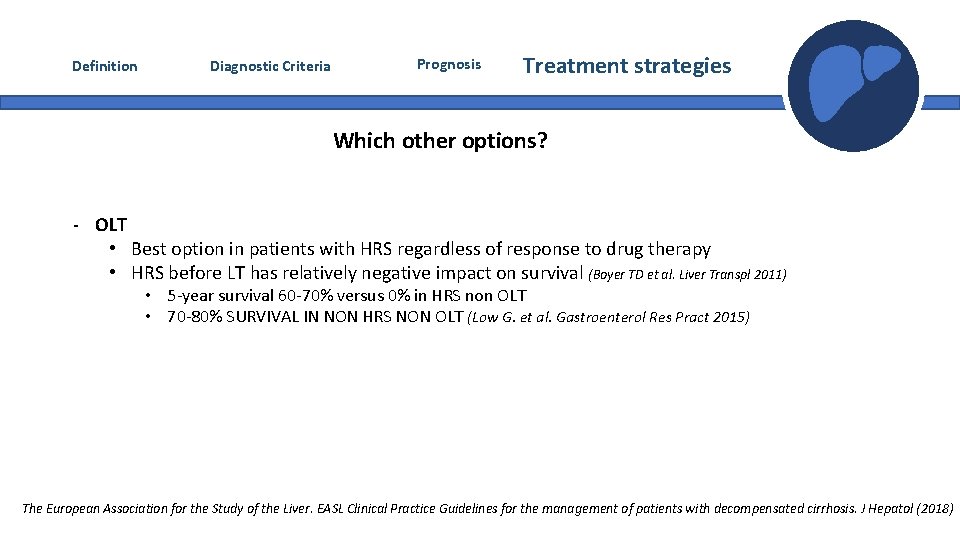
Definition Diagnostic Criteria Prognosis Treatment strategies Which other options? - OLT • Best option in patients with HRS regardless of response to drug therapy • HRS before LT has relatively negative impact on survival (Boyer TD et al. Liver Transpl 2011) • 5 -year survival 60 -70% versus 0% in HRS non OLT • 70 -80% SURVIVAL IN NON HRS NON OLT (Low G. et al. Gastroenterol Res Pract 2015) The European Association for the Study of the Liver. EASL Clinical Practice Guidelines for the management of patients with decompensated cirrhosis. J Hepatol (2018)
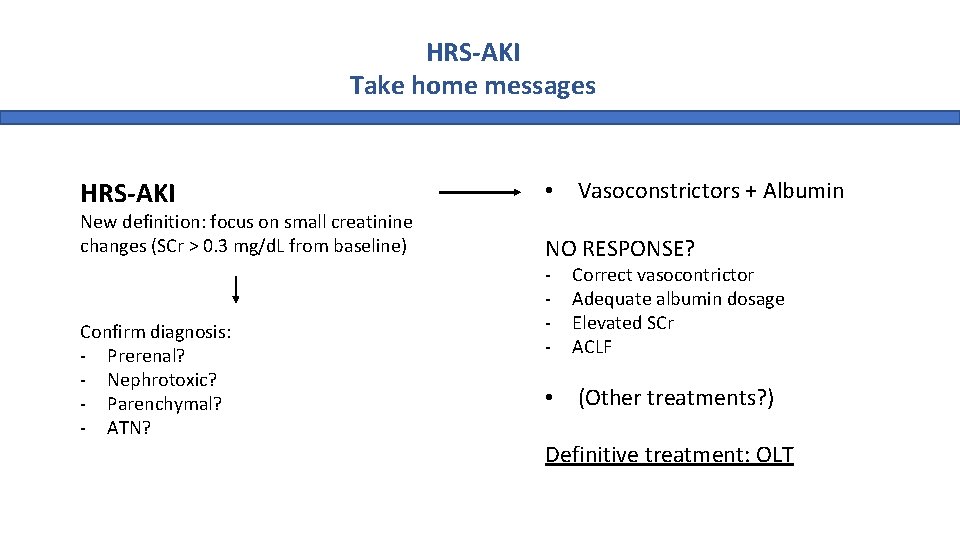
HRS-AKI Take home messages HRS-AKI New definition: focus on small creatinine changes (SCr > 0. 3 mg/d. L from baseline) Confirm diagnosis: - Prerenal? - Nephrotoxic? - Parenchymal? - ATN? • Vasoconstrictors + Albumin NO RESPONSE? - Correct vasocontrictor Adequate albumin dosage Elevated SCr ACLF • (Other treatments? ) Definitive treatment: OLT