
Ascites and Hepatocellular carcinoma Curtis Barry MD UMASS
Ascites and Hepatocellular carcinoma Curtis Barry, MD UMASS ECHO April 21, 2017
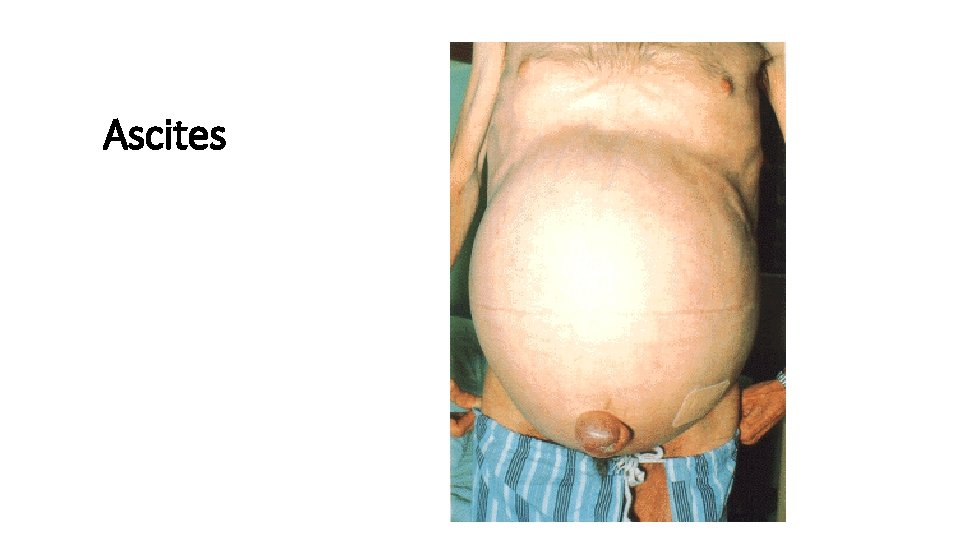
Ascites
The Development of Ascites Revised Underfill • Peripheral vasodilation occurs as the result of decreased hepatic clearance of vasodilators such as glucagon and NO • The body compensates for the perceived drop in circulating blood volume in two ways: • increased cardiac output • activation of the renin-angiotensin system resulting in increased renal retention of sodium and free water
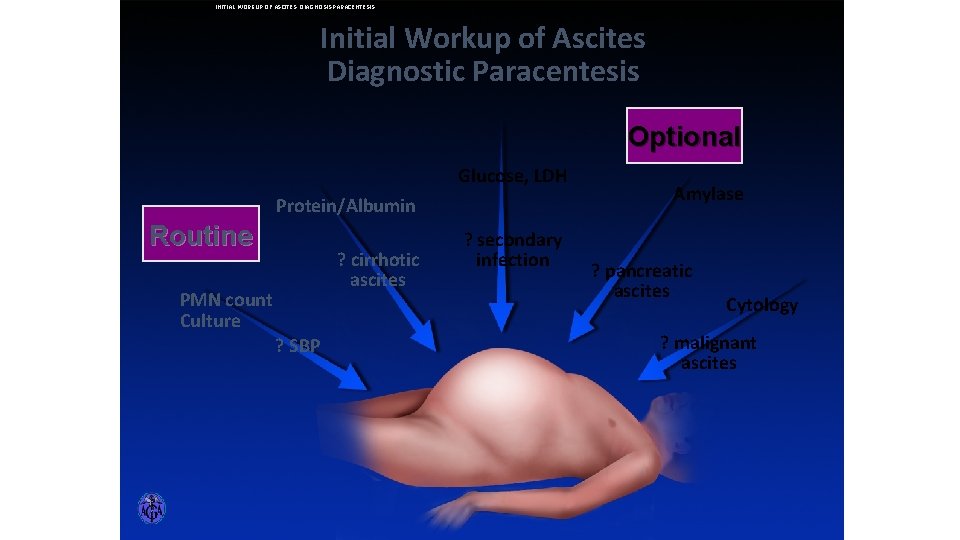
INITIAL WORKUP OF ASCITES: DIAGNOSIS PARACENTESIS Initial Workup of Ascites Diagnostic Paracentesis Optional Glucose, LDH Protein/Albumin Routine ? cirrhotic ascites PMN count Culture ? SBP ? secondary infection Amylase ? pancreatic ascites Cytology ? malignant ascites

Serum Ascites Albumin Gradient SAAG • Best test for classifying ascites into portal hypertensive (SAAG >1. 1 g/d. L) and non– portal hypertensive (SAAG <1. 1 g/d. L) causes. ≥ 1. 1 g/d. L <1. 1 g/d. L Cirrhosis Peritoneal carcinomatosis Alcoholic hepatitis Peritoneal TB CHF Pancreatitis Vascular occlusion Serositis Fatty liver of pregnancy Nephrotic syndrome Massive hepatic mets Bowel perf/obstruct/infarct Myxedema
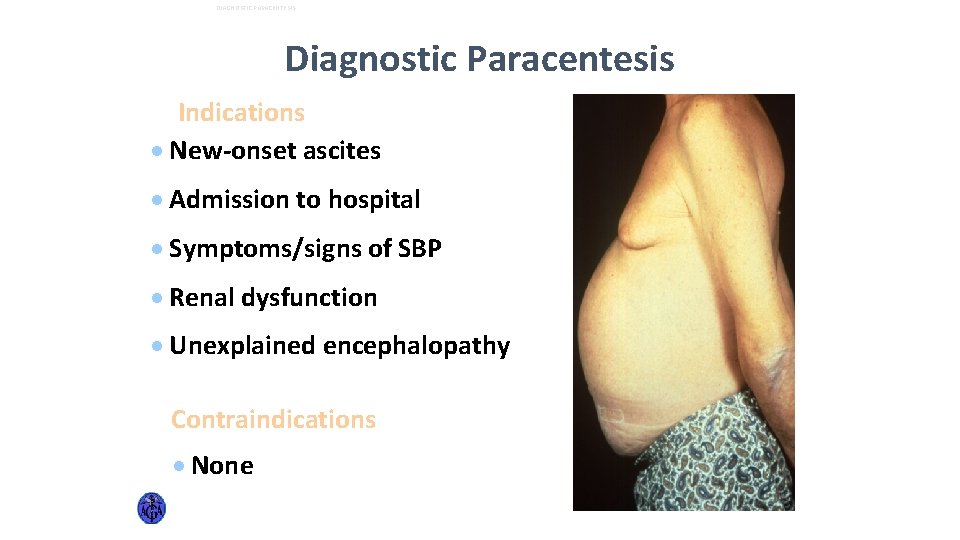
DIAGNOSTIC PARACENTESIS Diagnostic Paracentesis Indications · New-onset ascites · Admission to hospital · Symptoms/signs of SBP · Renal dysfunction · Unexplained encephalopathy Contraindications · None
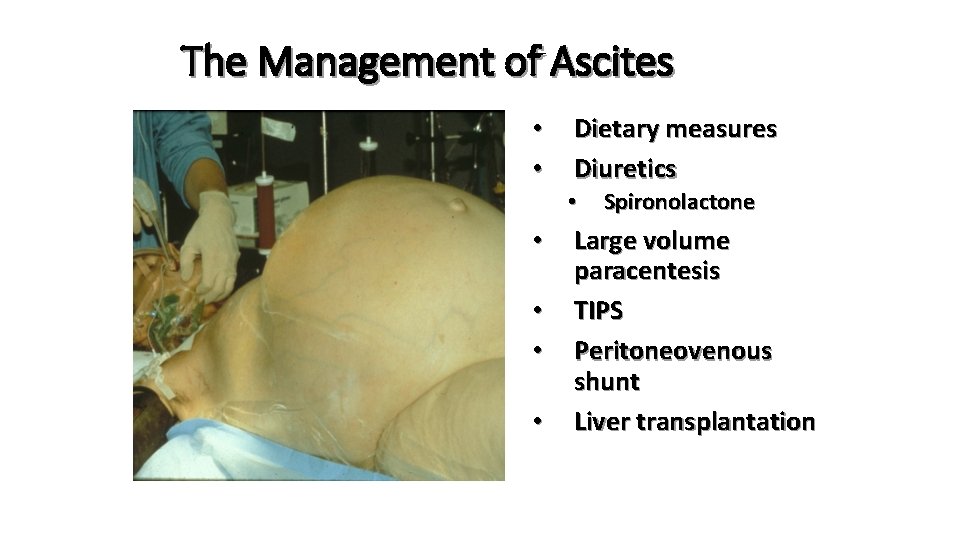
The Management of Ascites • • Dietary measures Diuretics • • • Spironolactone Large volume paracentesis TIPS Peritoneovenous shunt Liver transplantation
Patient • 72 year old male with reported history of cirrhosis due to alcohol. Hasn’t seen a provider in many years presents for a new patient appt.
Hepatocellular Carcinoma
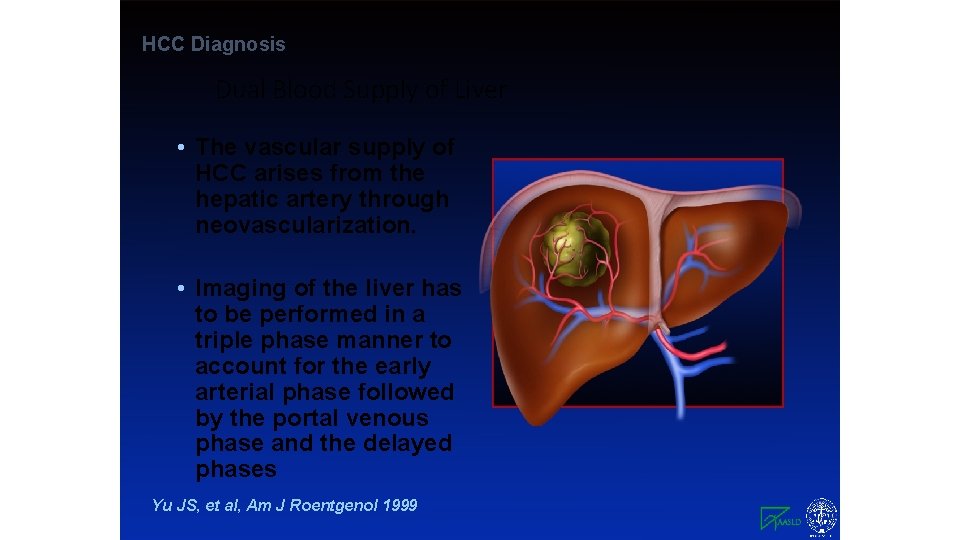
HCC Diagnosis Dual Blood Supply of Liver • The vascular supply of HCC arises from the hepatic artery through neovascularization. • Imaging of the liver has to be performed in a triple phase manner to account for the early arterial phase followed by the portal venous phase and the delayed phases Yu JS, et al, Am J Roentgenol 1999
Why HCC is Rising? HCC Epidemiology Why HCC is Rising? Increasing prevalence of patients with cirrhosis • Rising incidence of cirrhosis • HCV (main reason) • HBV • Other (? NAFLD/insulin resistance) • Improved survival of patients with cirrhosis El-Serag HB, Gastroenterology 2004
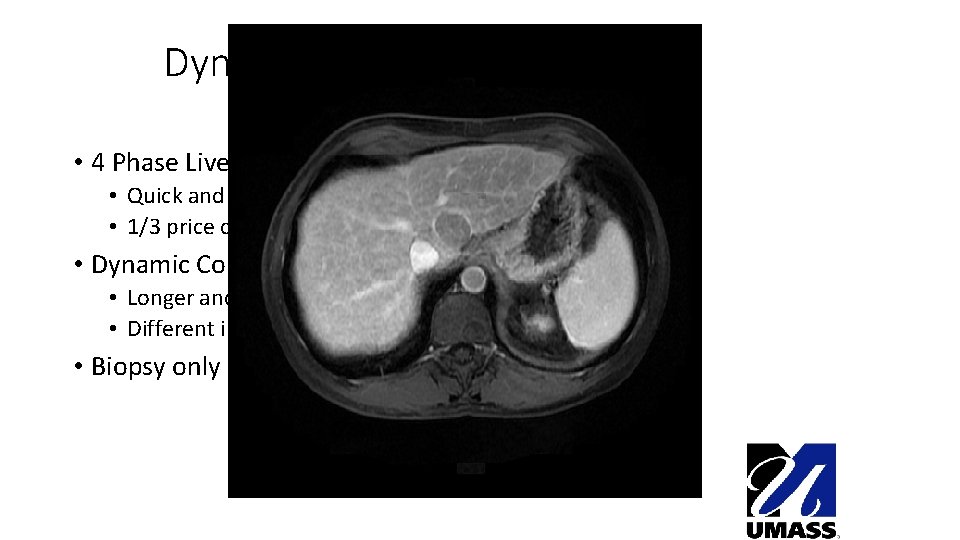
Dynamic Imaging Studies • 4 Phase Liver CT • Quick and easy • 1/3 price of MRI • Dynamic Contrast Enhanced MRI • Longer and more Expensive • Different images • Biopsy only if imaging NOT “Classic” for HCC
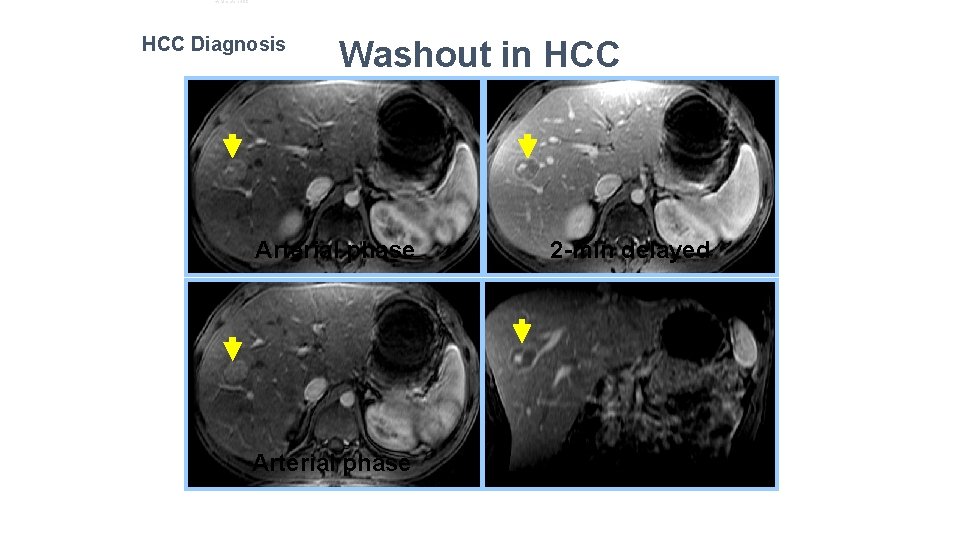
Washout in HCC Diagnosis Washout in HCC Arterial phase 2 -min delayed Arterial phase 5 -min delayed

Case 1 HCC - MRI and Surgical Resection
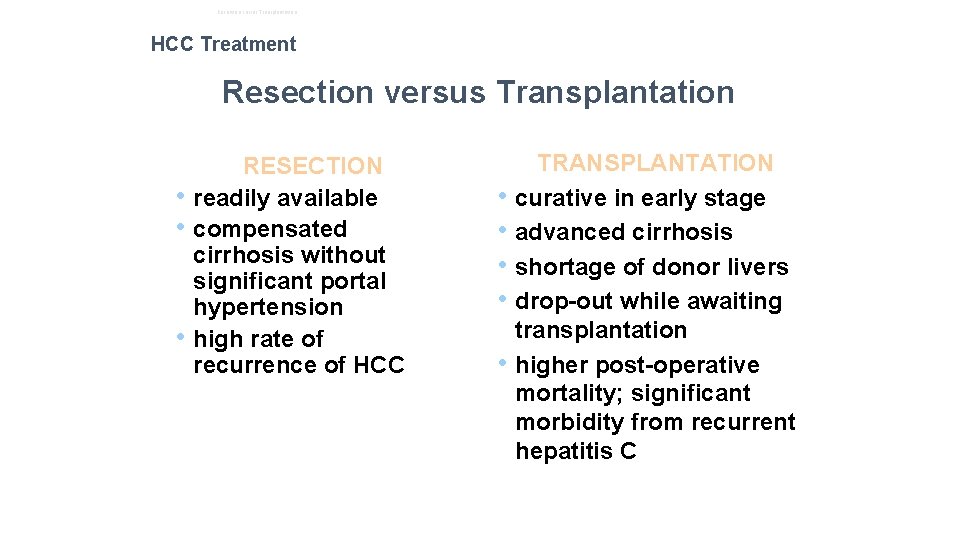
Resection versus Transplantation HCC Treatment Resection versus Transplantation • • • RESECTION readily available compensated cirrhosis without significant portal hypertension high rate of recurrence of HCC • • • TRANSPLANTATION curative in early stage advanced cirrhosis shortage of donor livers drop-out while awaiting transplantation higher post-operative mortality; significant morbidity from recurrent hepatitis C
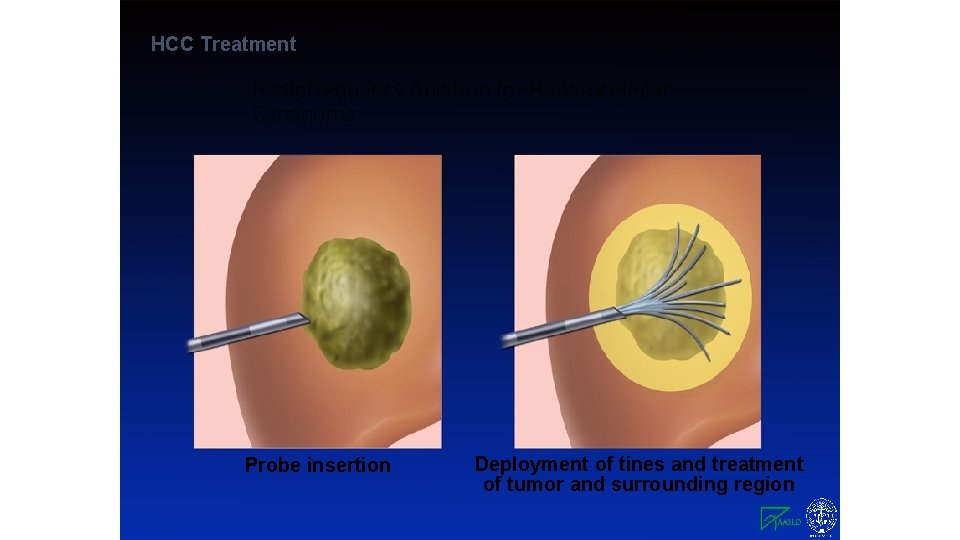
HCC Treatment Radiofrequency Ablation for Hepatocellular Carcinoma Probe insertion Deployment of tines and treatment of tumor and surrounding region
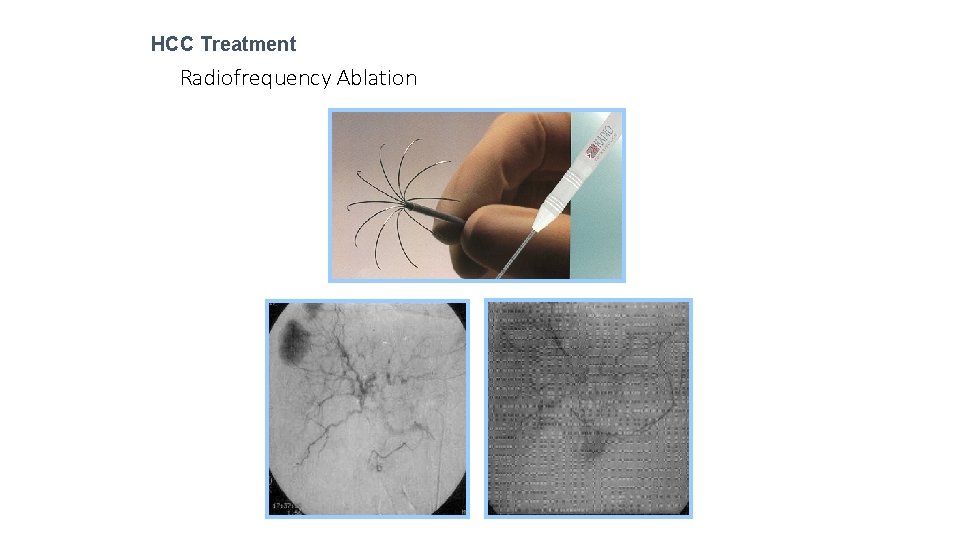
HCC Treatment Radiofrequency Ablation
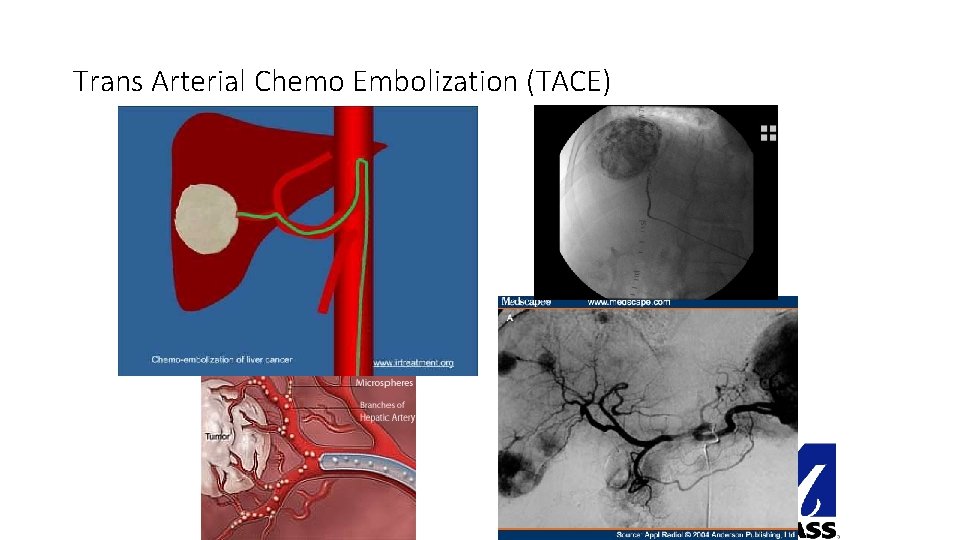
Trans Arterial Chemo Embolization (TACE)
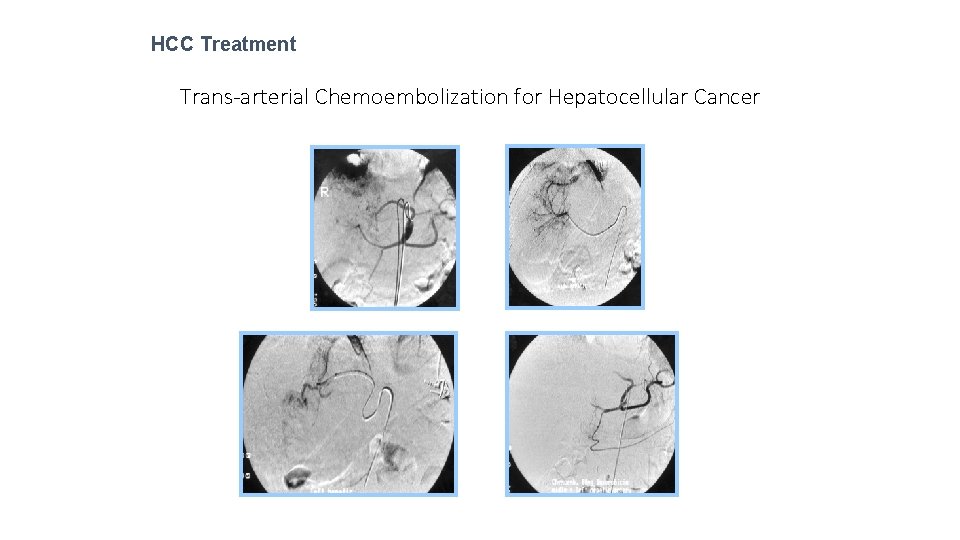
HCC Treatment Trans-arterial Chemoembolization for Hepatocellular Cancer
Systemic Therapies for Hepatocellular Cancer HCC Treatment Systemic Therapies for Hepatocellular Cancer • Only Sorafenib is currently approved • Taken orally • Compared to placebo increased overall survival by 37%, which calculated out to 2 -3 months for pts with advanced HCC and COMPENSATED cirrhosis. • Main side effects are diarrhea, fatigue and rash on the hands and feets • Other medications are currently being investigated Mazzaferro V, et al, NEJM 2008
Patient • US ordered found to have 3. 7 cm lesion • MRI 4. 8 cm lesion • Treated with TACE • Listed for liver transplant
- Slides: 21