
Aristotles View of the Universe 335 BC Ptolemys
• Aristotle’s View of the Universe. • 335 BC
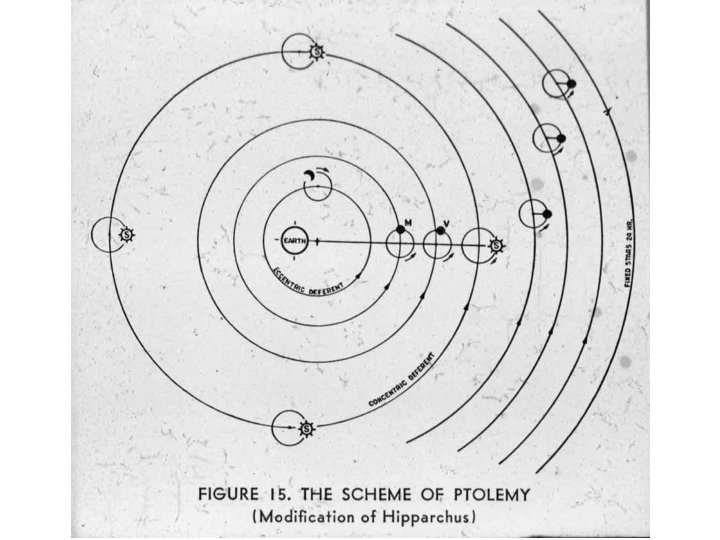
Ptolemy’s view AD 161 Earth is still the center but the planets do loop de loops as they go around us.
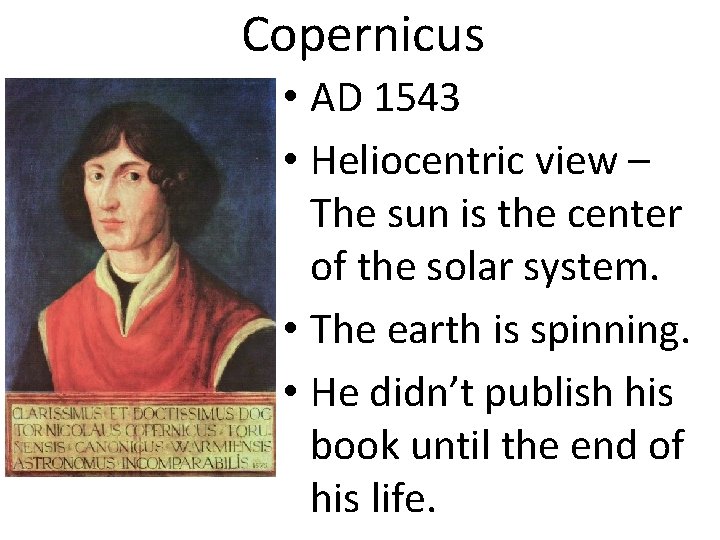
Copernicus • AD 1543 • Heliocentric view – The sun is the center of the solar system. • The earth is spinning. • He didn’t publish his book until the end of his life.
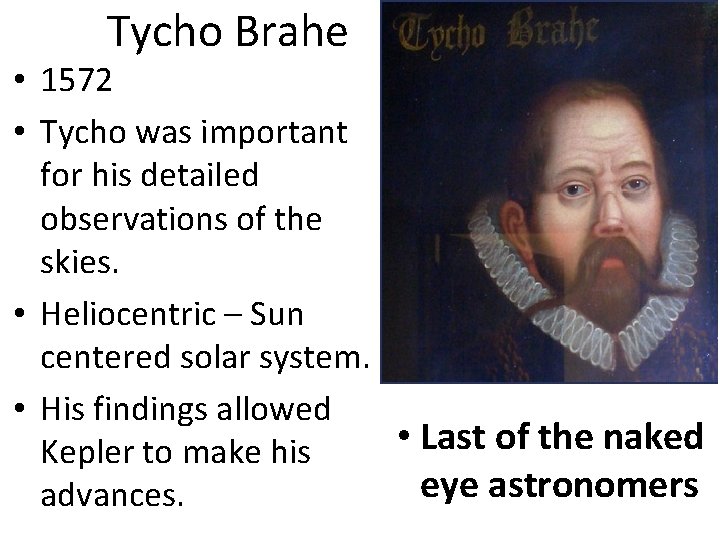
Tycho Brahe • 1572 • Tycho was important for his detailed observations of the skies. • Heliocentric – Sun centered solar system. • His findings allowed • Last of the naked Kepler to make his eye astronomers advances.
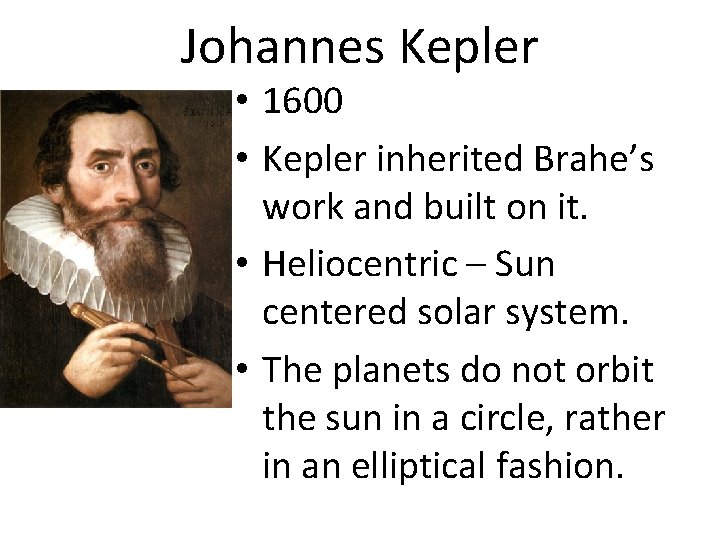
Johannes Kepler • 1600 • Kepler inherited Brahe’s work and built on it. • Heliocentric – Sun centered solar system. • The planets do not orbit the sun in a circle, rather in an elliptical fashion.
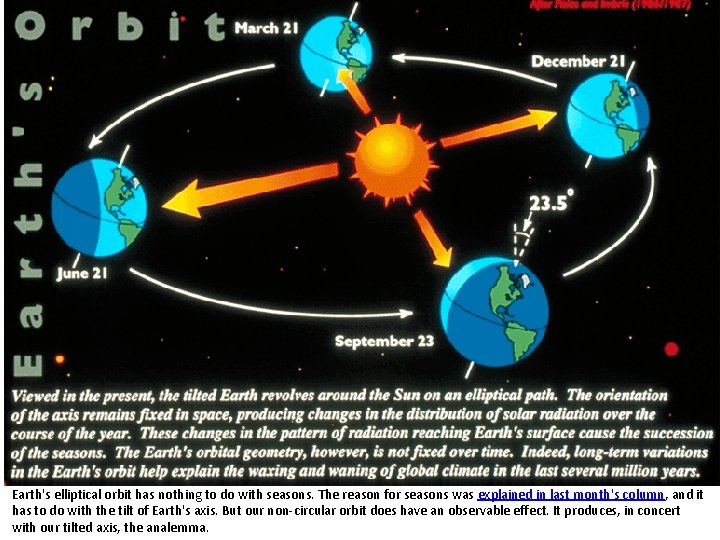
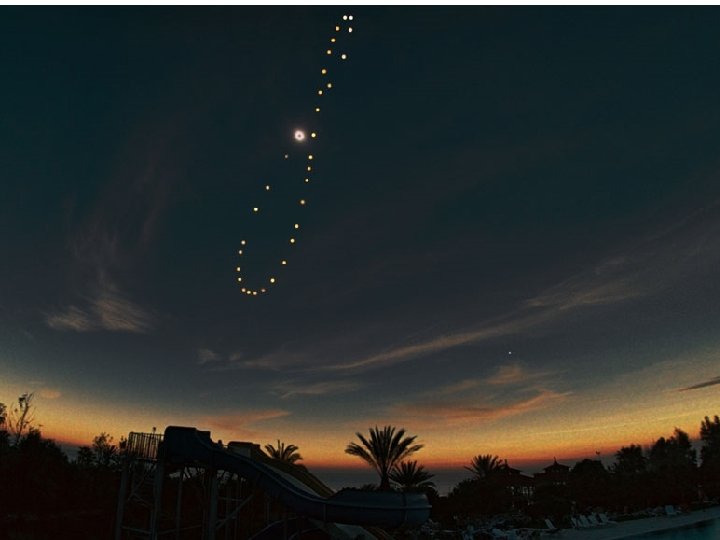
Earth's elliptical orbit has nothing to do with seasons. The reason for seasons was explained in last month's column, and it has to do with the tilt of Earth's axis. But our non-circular orbit does have an observable effect. It produces, in concert with our tilted axis, the analemma.
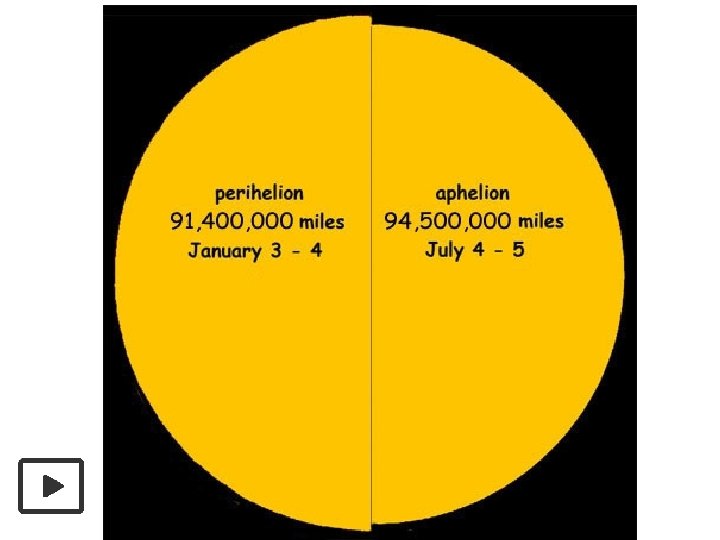
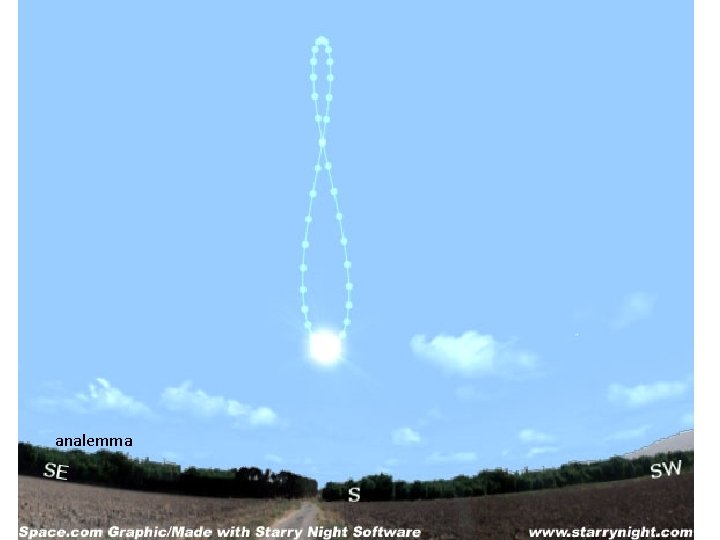
analemma
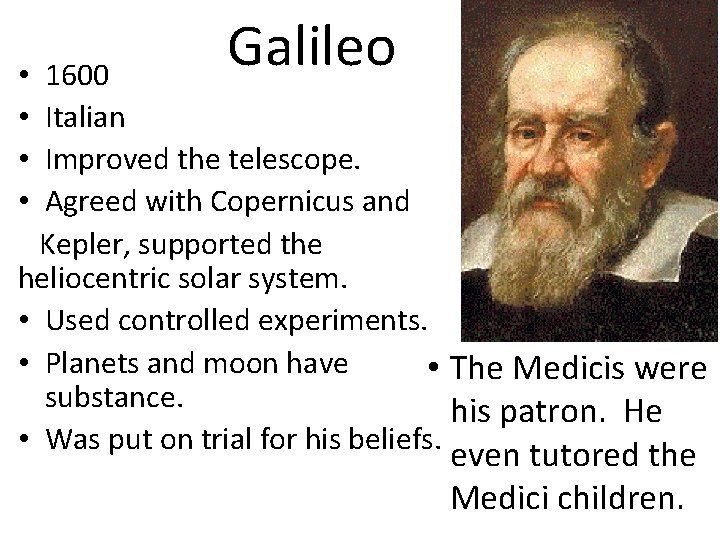
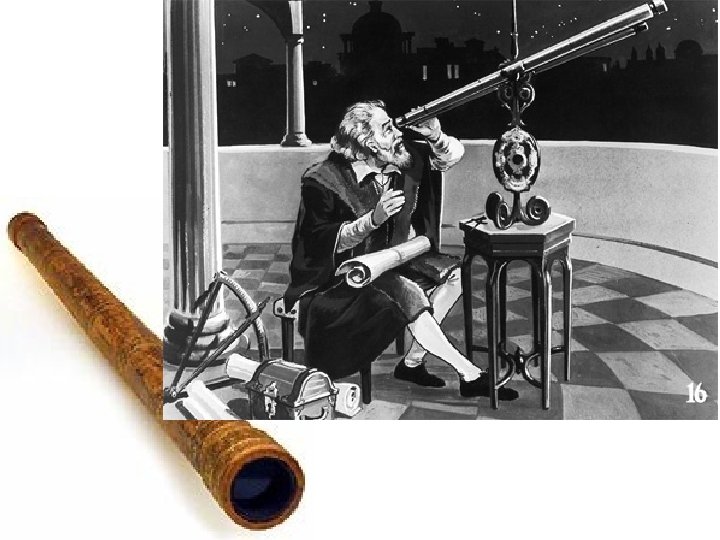
Galileo 1600 Italian Improved the telescope. Agreed with Copernicus and Kepler, supported the heliocentric solar system. • Used controlled experiments. • Planets and moon have • The Medicis were substance. his patron. He • Was put on trial for his beliefs. • • even tutored the Medici children.
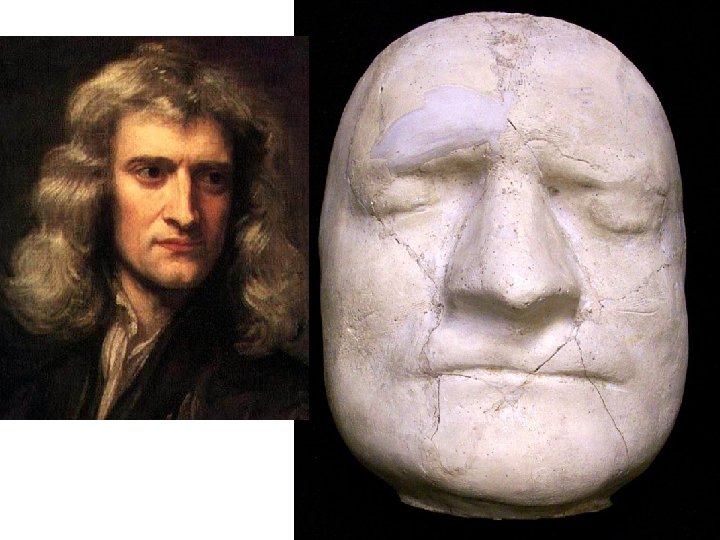
Sir Isaac Newton • • • 1687 English Improved the telescope. White light is made up of all the colors of the rainbow. Discovered calculus (so did Gottfried Leibniz) Defined gravity. Mathematically confirmed the Heliocentric solar system. Knighted by Queen Anne. He spent half his life doing alchemy, looking for the philosopher's stone.
• The philosophers' stone or stone of the philosophers (Latin: lapis philosophorum) is a legendary alchemical substance said to be capable of turning base metals such as lead into gold (chrysopoeia) or silver. It was also sometimes believed to be an elixir of life, useful for rejuvenation and possibly for achieving immortality. For many centuries, it was the most sought-after goal in alchemy. The philosophers' stone was the central symbol of the mystical terminology of alchemy, symbolizing perfection at its finest, enlightenment, and heavenly bliss.
- Slides: 16