
ARGUMENTATION How to Structure Your Essay and Support




- Slides: 20
ARGUMENTATION How to Structure Your Essay and Support your Point
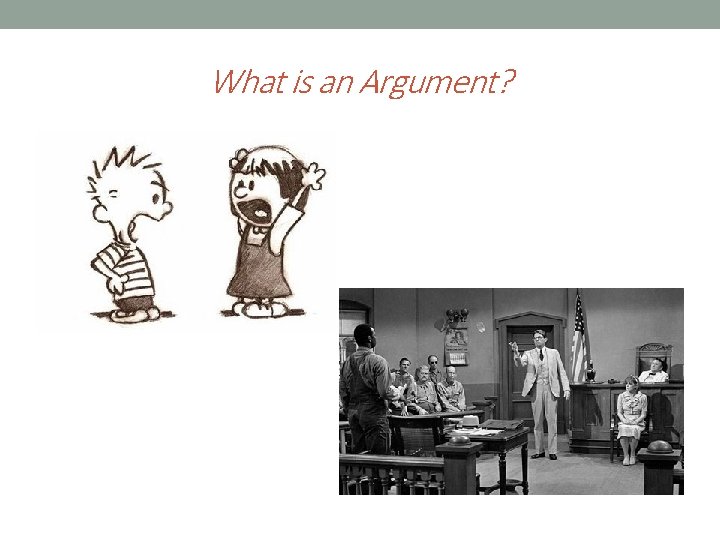
What is an Argument?
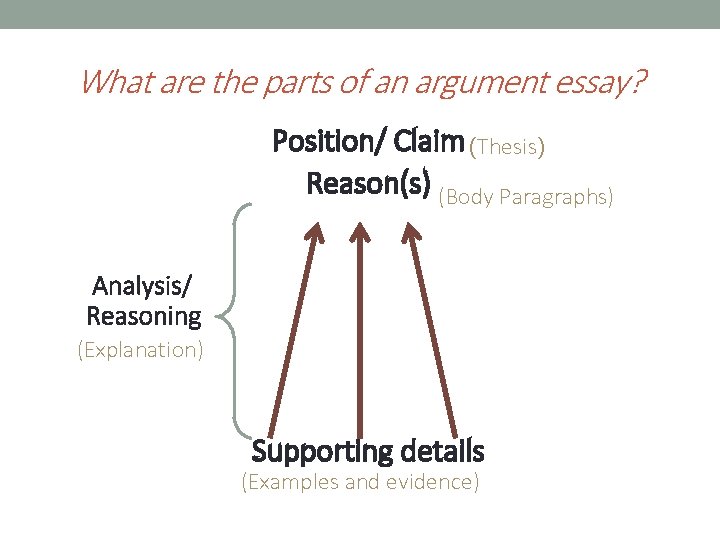
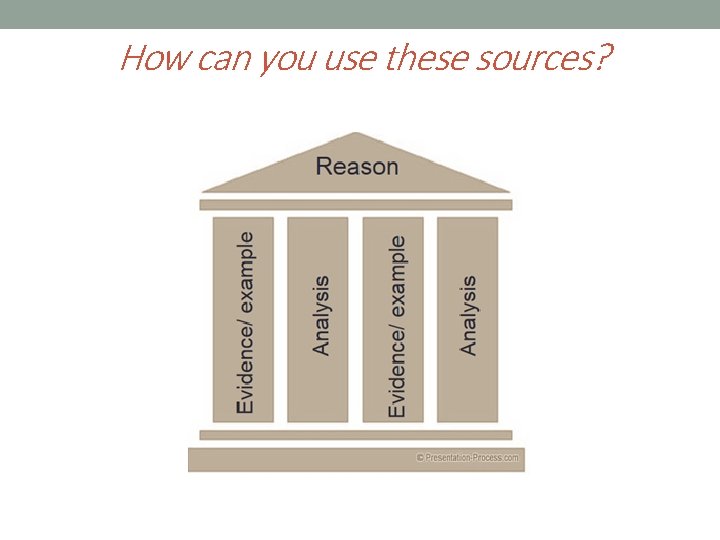
What are the parts of an argument essay? Position/ Claim (Thesis) Reason(s) (Body Paragraphs) Analysis/ Reasoning (Explanation) Supporting details (Examples and evidence)
What does your specific claim need to include? • Position: Is America the “land of opportunity”? (Yes, no, in some ways yes/no) • State why you think yes/ no: forecast of your body paragraphs
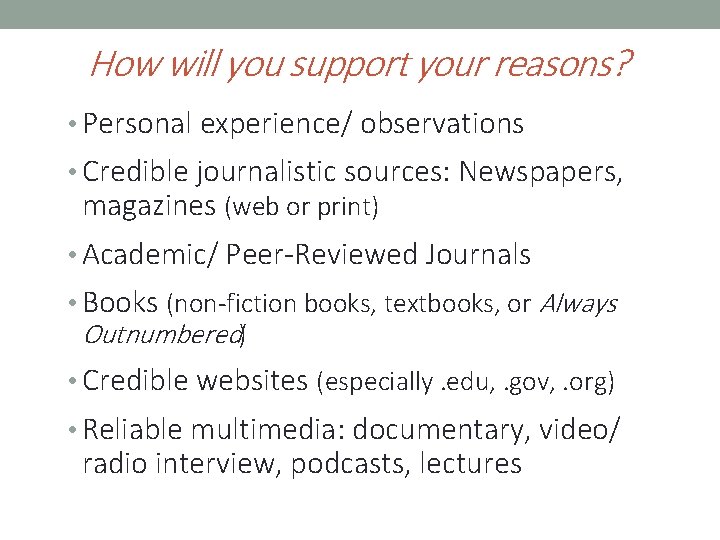
How will you support your reasons? • Personal experience/ observations • Credible journalistic sources: Newspapers, magazines (web or print) • Academic/ Peer-Reviewed Journals • Books (non-fiction books, textbooks, or Always Outnumbered) • Credible websites (especially. edu, . gov, . org) • Reliable multimedia: documentary, video/ radio interview, podcasts, lectures
In a team of 2 -3, rank the following sources (Give each source 1, 3 or 5 stars) Consider the following: • What’s the purpose of the source? • Does the source seem serious/ academic? • Does the source seem biased? • Does the source seem factual or research based? • Is the source reputable? (Does it have a good reputation? Does it seem credible? )
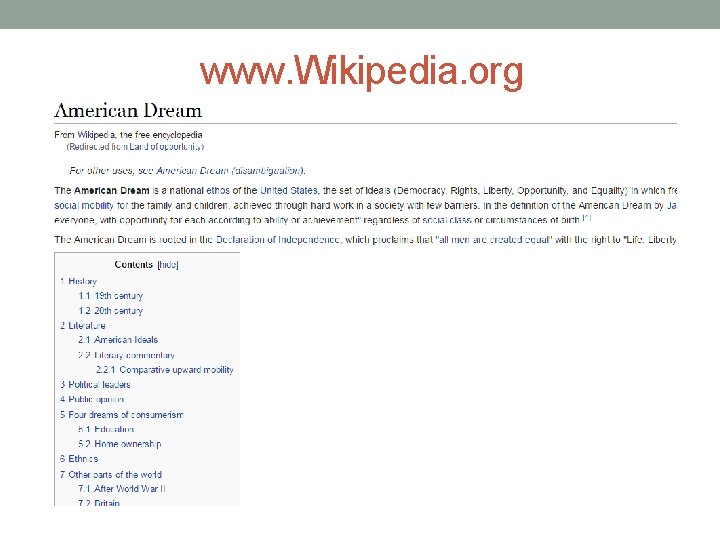
www. Wikipedia. org
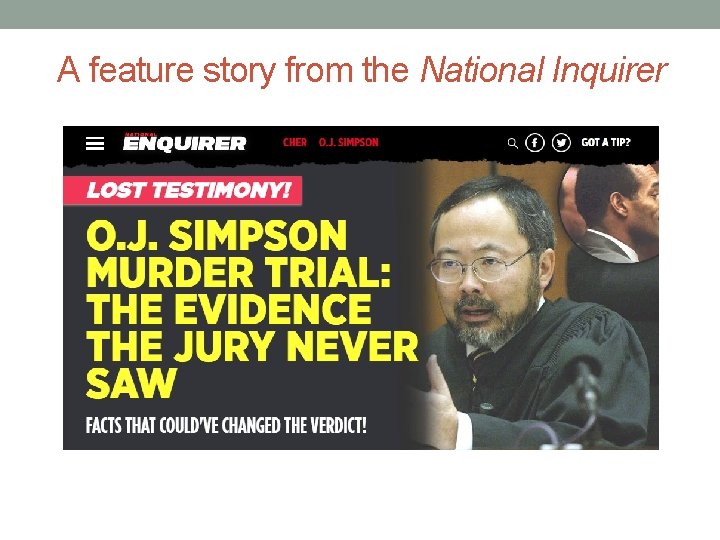
A feature story from the National Inquirer
An editorial in the Wall Street Journal
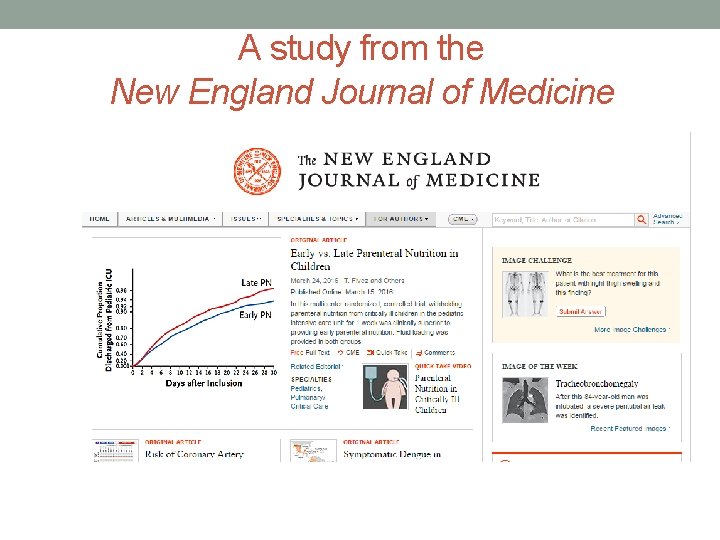
A study from the New England Journal of Medicine
An interview from the news
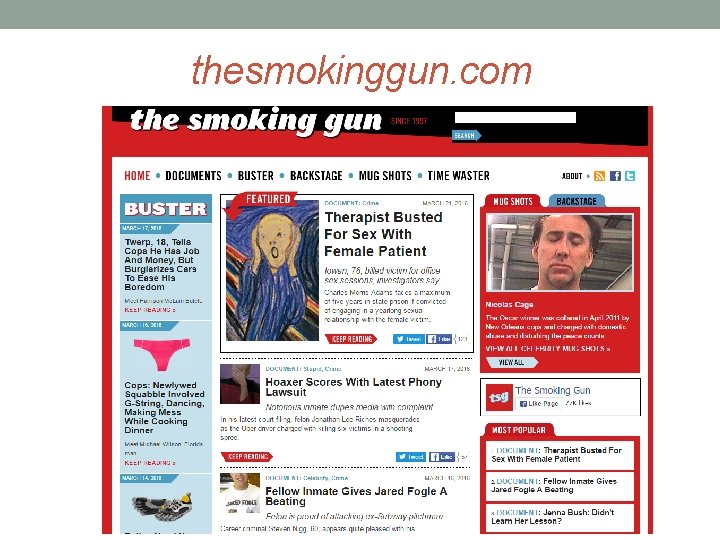
thesmokinggun. com
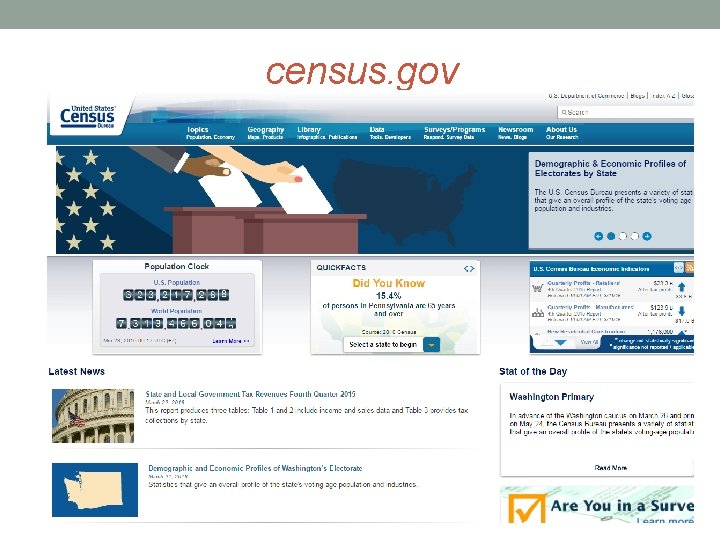
census. gov
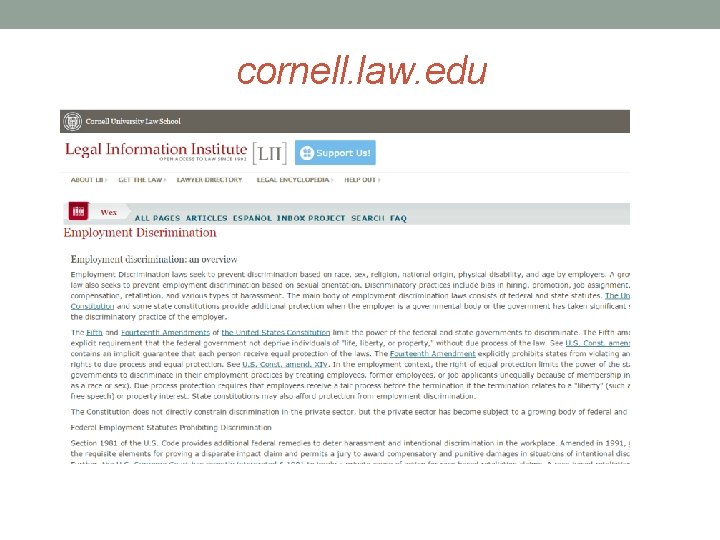
cornell. law. edu
heritagefoundation. org
huffingtonpost. com
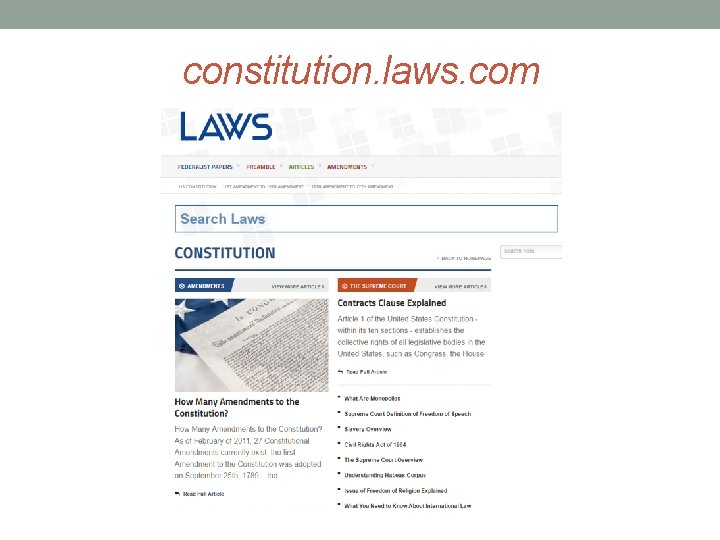
constitution. laws. com
How can you use your sources? As you read/ review them, look for…. • Specific examples, experiences or observations that illustrate your point • Facts/ statistics that support your point • Facts, statistics, programs, or laws from other places/ periods you can compare to the US today • Expert testimony/ opinion you can consult • Definitions or background information that can illuminate your topic.
How will you find sources? 1. Choose a search platform (Google, Google Scholar, Library Databases). 2. Narrow your topic. 3. Develop a “word bank” of key words & synonyms you can use to search. 4. QW: Develop word bank for your topic(s)
How can you use these sources?