
Arenicola I Annelida A Polychaeta Larva Trochophore Band
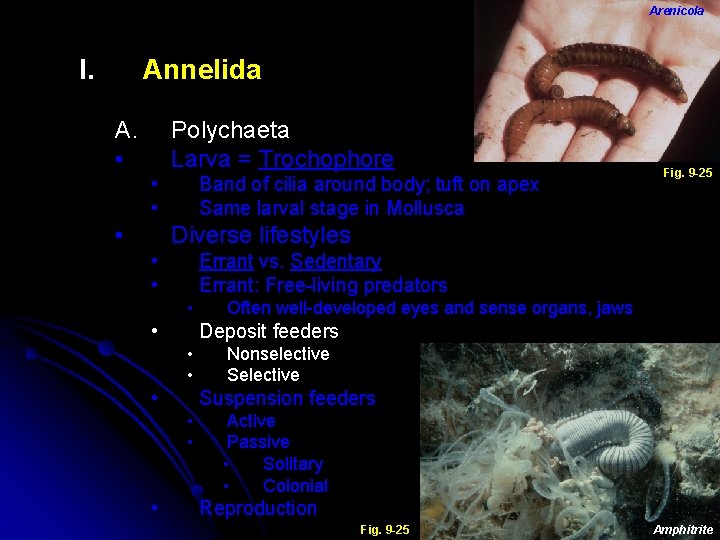
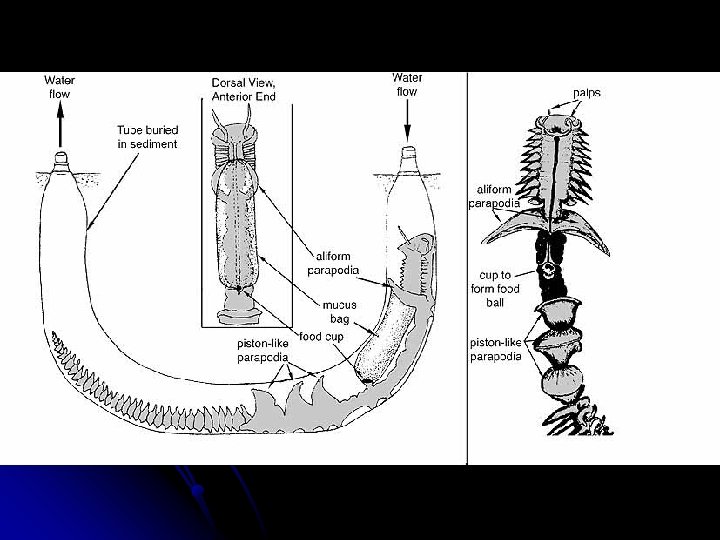
Arenicola I. Annelida A. • Polychaeta Larva = Trochophore • • • Band of cilia around body; tuft on apex Same larval stage in Mollusca Fig. 9 -25 Diverse lifestyles • • Errant vs. Sedentary Errant: Free-living predators • • Deposit feeders • • • Nonselective Suspension feeders • • • Often well-developed eyes and sense organs, jaws Active Passive • Solitary • Colonial Reproduction Fig. 9 -25 Amphitrite
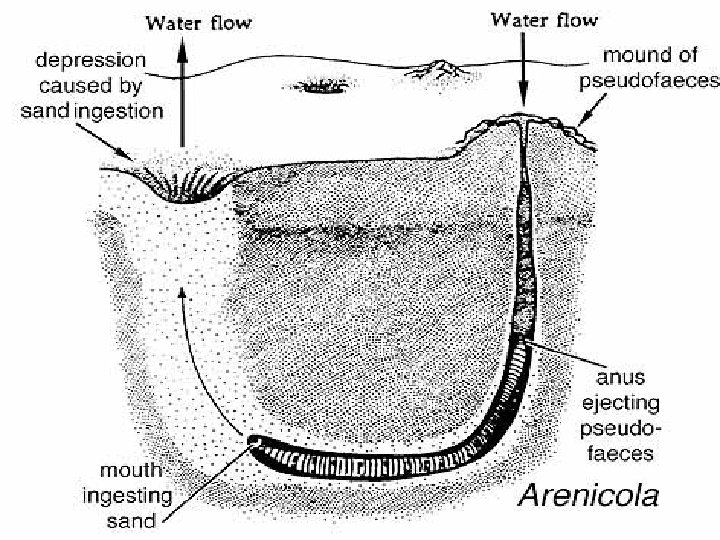
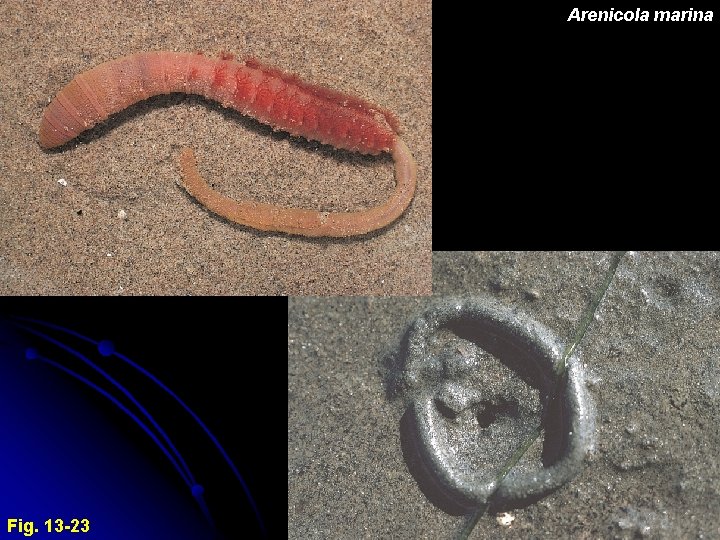
Arenicola marina Fig. 13 -23
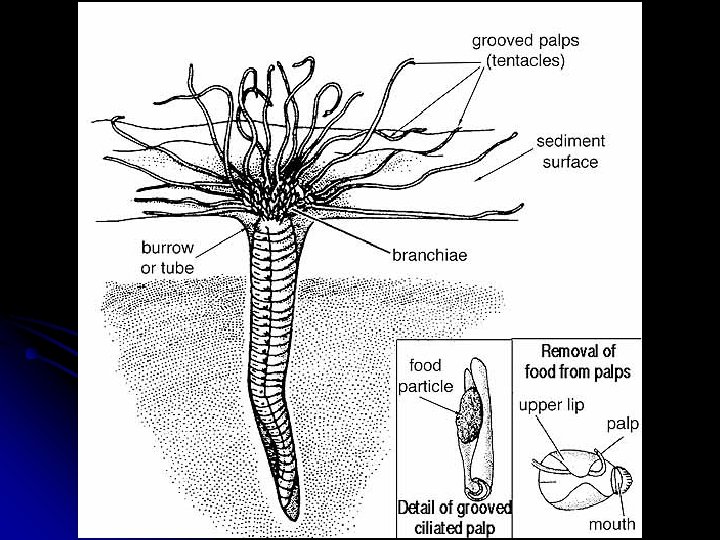
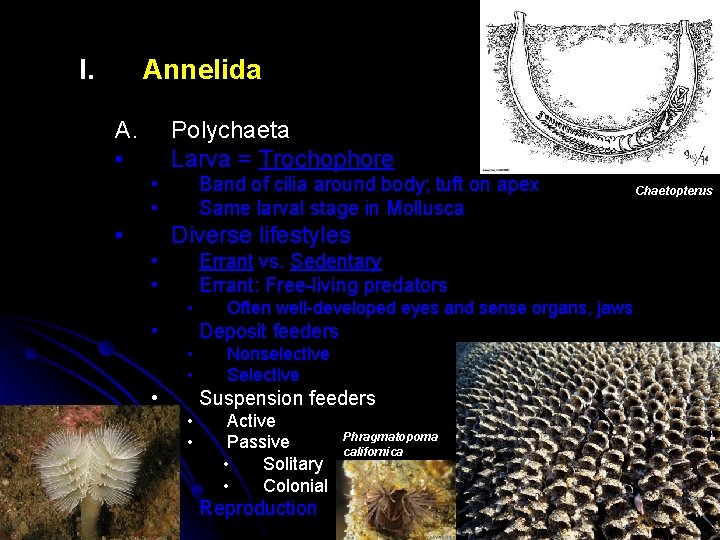
I. Annelida A. • Polychaeta Larva = Trochophore • • • Band of cilia around body; tuft on apex Same larval stage in Mollusca Diverse lifestyles • • Errant vs. Sedentary Errant: Free-living predators • • Deposit feeders • • • Nonselective Suspension feeders • • • Often well-developed eyes and sense organs, jaws Active Passive • Solitary • Colonial Reproduction Phragmatopoma californica Chaetopterus
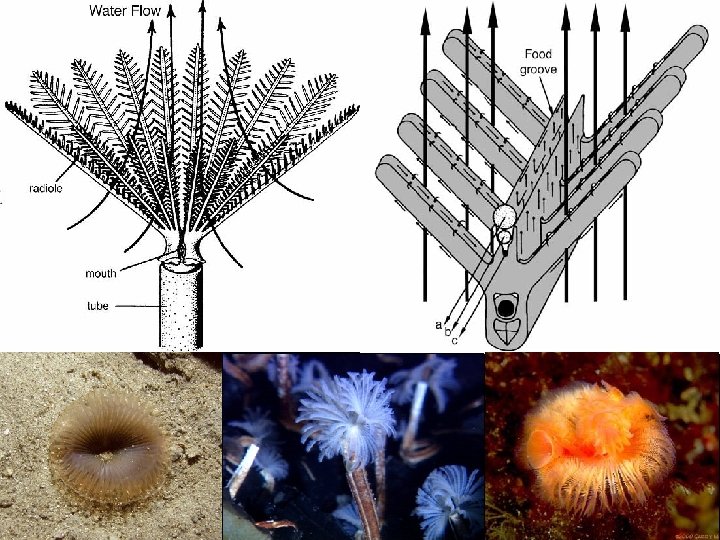
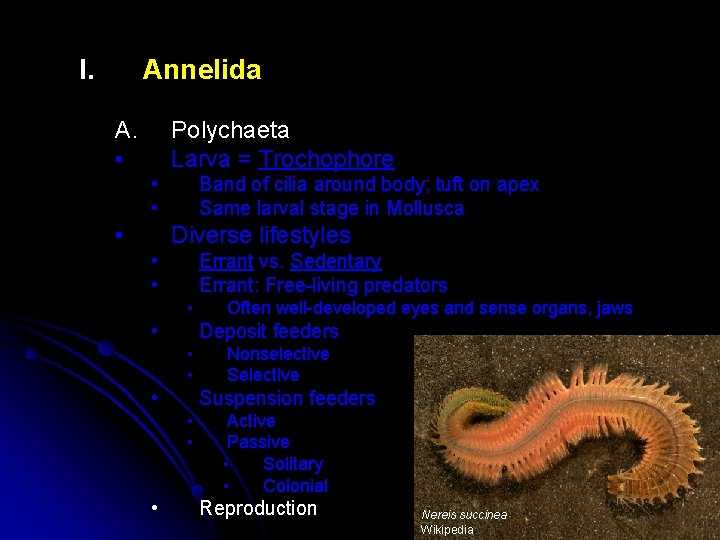
I. Annelida A. • Polychaeta Larva = Trochophore • • • Band of cilia around body; tuft on apex Same larval stage in Mollusca Diverse lifestyles • • Errant vs. Sedentary Errant: Free-living predators • • Deposit feeders • • • Nonselective Suspension feeders • • • Often well-developed eyes and sense organs, jaws Active Passive • Solitary • Colonial Reproduction Nereis succinea Wikipedia
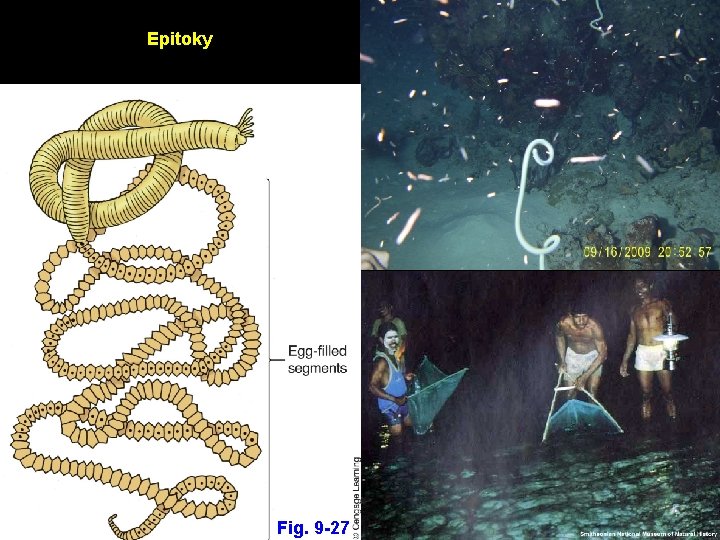
Epitoky Fig. 9 -27
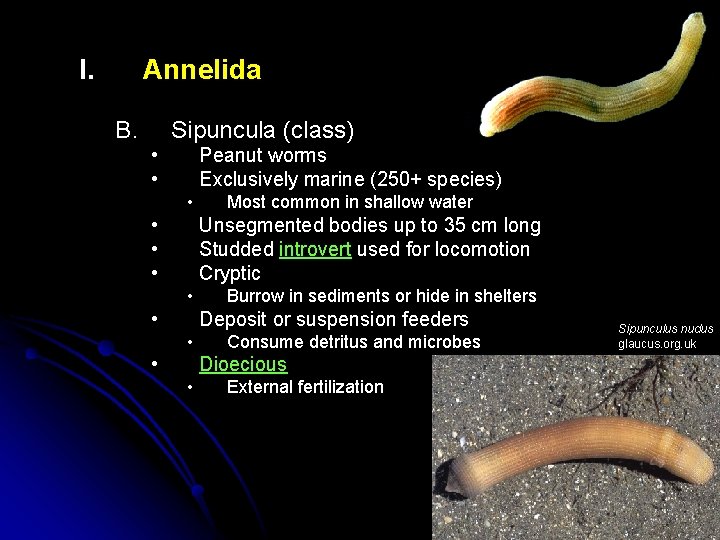
I. Annelida B. Sipuncula (class) • • Peanut worms Exclusively marine (250+ species) • • Most common in shallow water Unsegmented bodies up to 35 cm long Studded introvert used for locomotion Cryptic • • Burrow in sediments or hide in shelters Deposit or suspension feeders • • Consume detritus and microbes Dioecious • External fertilization Sipunculus nudus glaucus. org. uk
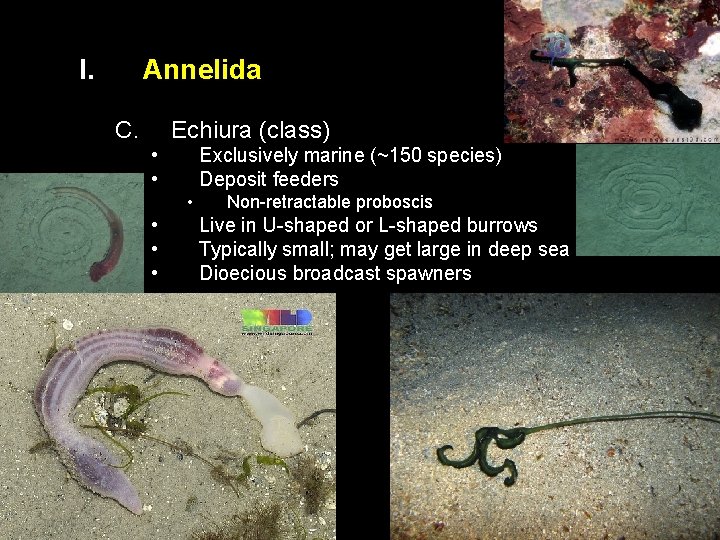
I. Annelida C. Echiura (class) • • Exclusively marine (~150 species) Deposit feeders • • Non-retractable proboscis Live in U-shaped or L-shaped burrows Typically small; may get large in deep sea Dioecious broadcast spawners
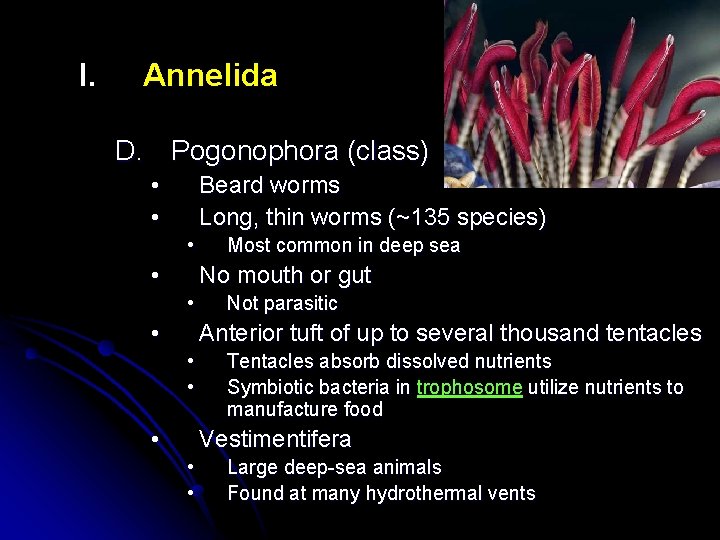
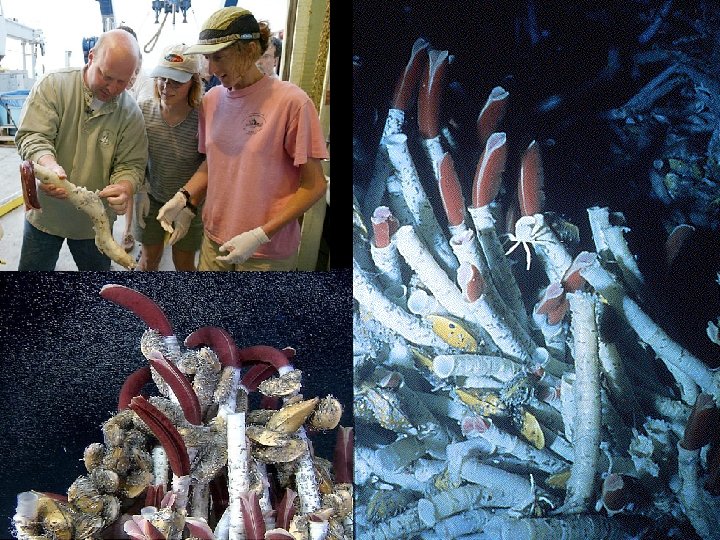
I. Annelida D. Pogonophora (class) • • Beard worms Long, thin worms (~135 species) • • Most common in deep sea No mouth or gut • • Not parasitic Anterior tuft of up to several thousand tentacles • • • Tentacles absorb dissolved nutrients Symbiotic bacteria in trophosome utilize nutrients to manufacture food Vestimentifera • • Large deep-sea animals Found at many hydrothermal vents
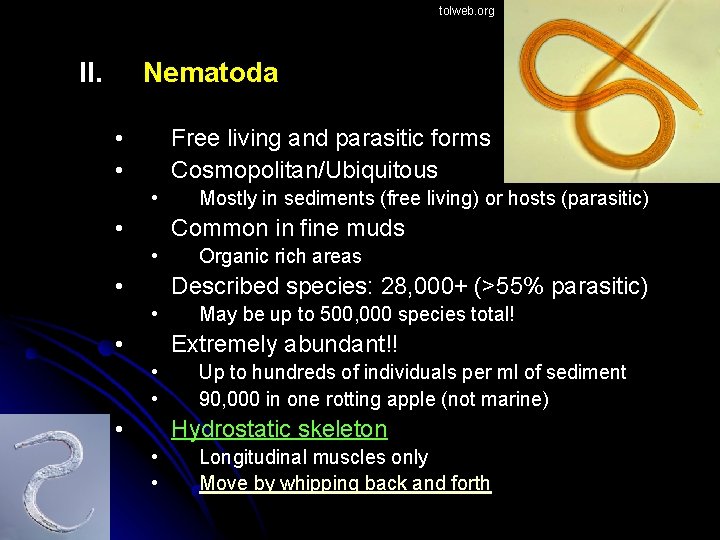
tolweb. org II. Nematoda • • Free living and parasitic forms Cosmopolitan/Ubiquitous • • Mostly in sediments (free living) or hosts (parasitic) Common in fine muds • • Organic rich areas Described species: 28, 000+ (>55% parasitic) • • May be up to 500, 000 species total! Extremely abundant!! • • • Up to hundreds of individuals per ml of sediment 90, 000 in one rotting apple (not marine) Hydrostatic skeleton • • Longitudinal muscles only Move by whipping back and forth
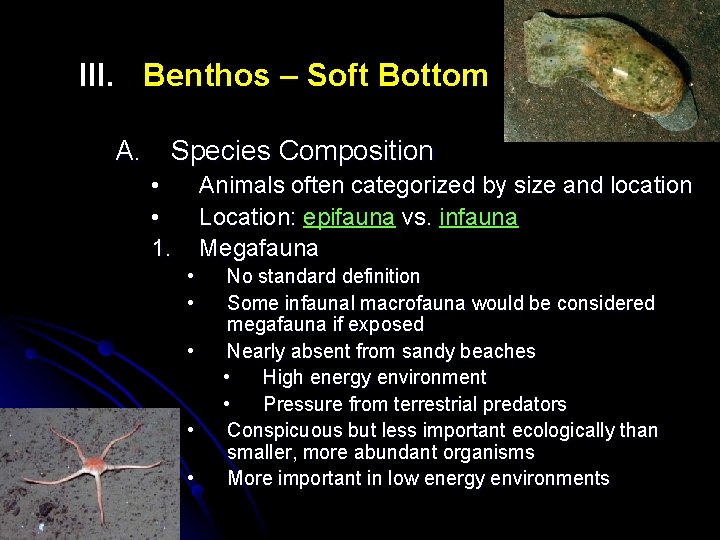
III. Benthos – Soft Bottom A. Species Composition • • 1. Animals often categorized by size and location Location: epifauna vs. infauna Megafauna • • • No standard definition Some infaunal macrofauna would be considered megafauna if exposed Nearly absent from sandy beaches • High energy environment • Pressure from terrestrial predators Conspicuous but less important ecologically than smaller, more abundant organisms More important in low energy environments
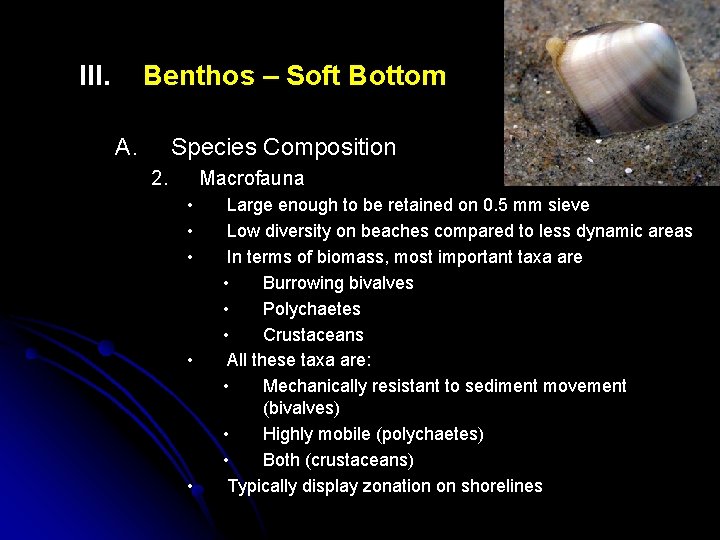
III. Benthos – Soft Bottom A. Species Composition 2. Macrofauna • • • Large enough to be retained on 0. 5 mm sieve Low diversity on beaches compared to less dynamic areas In terms of biomass, most important taxa are • Burrowing bivalves • Polychaetes • Crustaceans All these taxa are: • Mechanically resistant to sediment movement (bivalves) • Highly mobile (polychaetes) • Both (crustaceans) Typically display zonation on shorelines
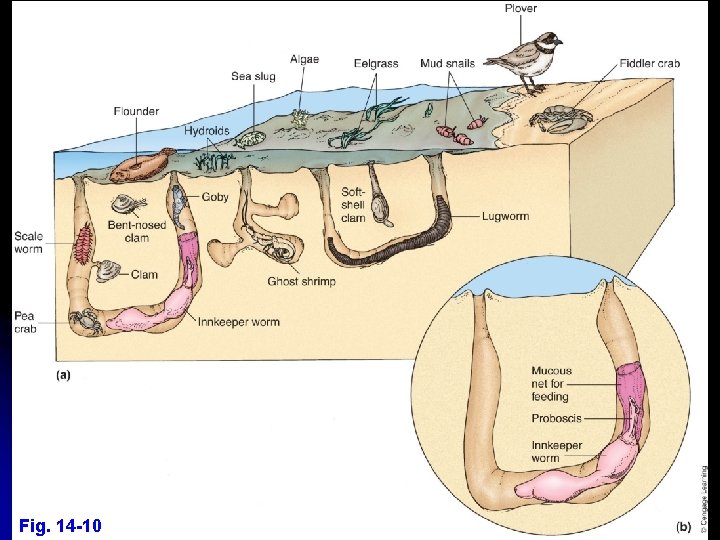
Fig. 14 -10
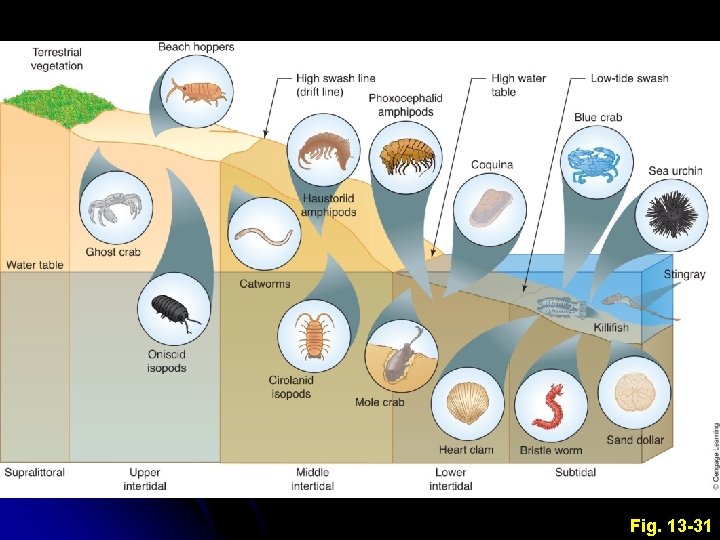
Fig. 13 -31
III. Benthos – Soft Bottom A. Species Composition 3. Meiofauna • • Pass through 0. 5 mm sieve but large enough to be retained on 62 μm sieve Sometimes termed interstitial fauna: live in spaces between sand grains Very diverse group vs. others inhabiting sand beaches Many individuals move among sediment grains but may or may not displace them in bulk like burrowing macrofauna • Endobenthic: larger than interstitial spaces, displace particles while moving • Mesobenthic: move within interstitial spaces, do not displace particles while moving • Most meiofauna mesobenthic in medium to coarse sediments, endobenthic in very fine sediments
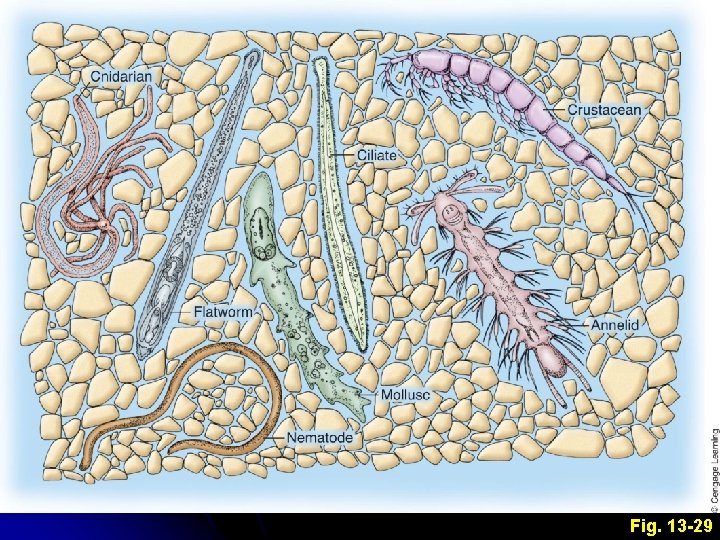
Fig. 13 -29
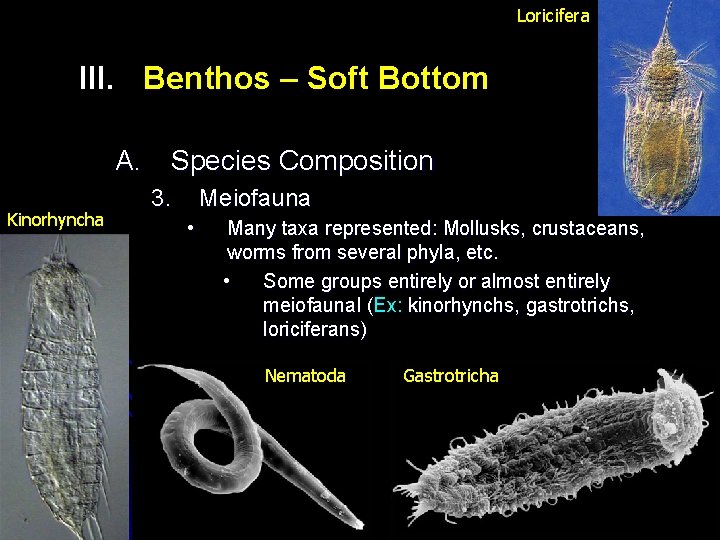
Loricifera III. Benthos – Soft Bottom A. Species Composition Kinorhyncha 3. Meiofauna • Many taxa represented: Mollusks, crustaceans, worms from several phyla, etc. • Some groups entirely or almost entirely meiofaunal (Ex: kinorhynchs, gastrotrichs, ( loriciferans) Nematoda Gastrotricha
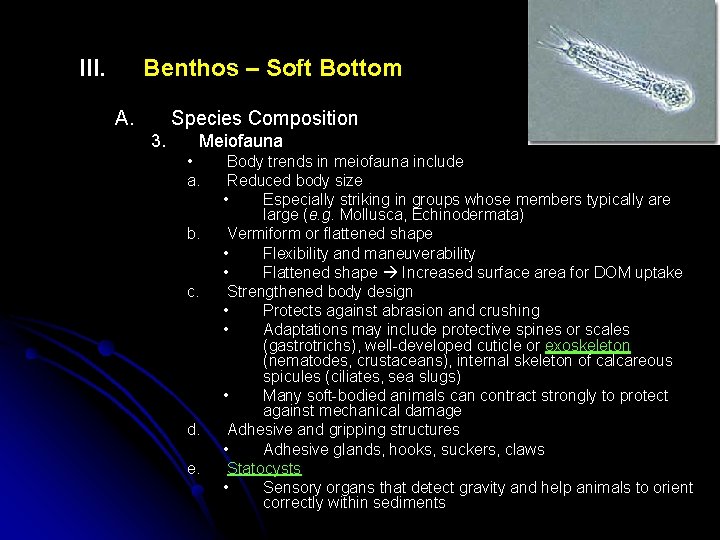
III. Benthos – Soft Bottom A. Species Composition 3. Meiofauna • a. b. c. d. e. Body trends in meiofauna include Reduced body size • Especially striking in groups whose members typically are large (e. g. Mollusca, Echinodermata) Vermiform or flattened shape • Flexibility and maneuverability • Flattened shape Increased surface area for DOM uptake Strengthened body design • Protects against abrasion and crushing • Adaptations may include protective spines or scales (gastrotrichs), well-developed cuticle or exoskeleton (nematodes, crustaceans), internal skeleton of calcareous spicules (ciliates, sea slugs) • Many soft-bodied animals can contract strongly to protect against mechanical damage Adhesive and gripping structures • Adhesive glands, hooks, suckers, claws Statocysts • Sensory organs that detect gravity and help animals to orient correctly within sediments
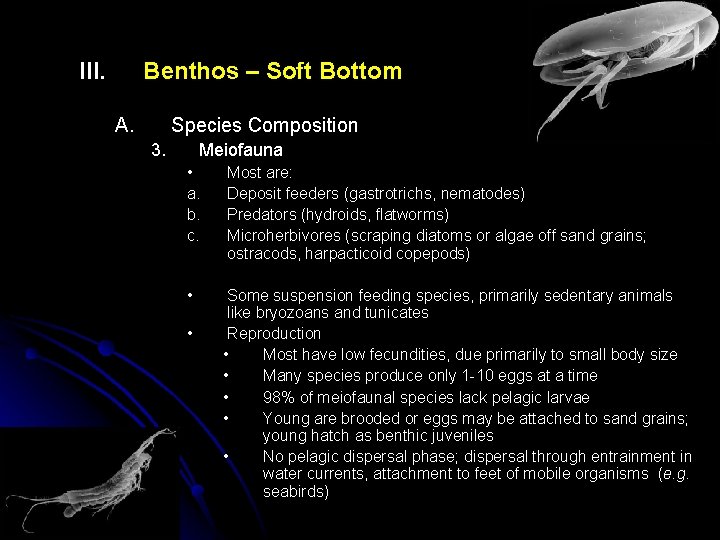
III. Benthos – Soft Bottom A. Species Composition 3. Meiofauna • a. b. c. Most are: Deposit feeders (gastrotrichs, nematodes) Predators (hydroids, flatworms) Microherbivores (scraping diatoms or algae off sand grains; ostracods, harpacticoid copepods) • Some suspension feeding species, primarily sedentary animals like bryozoans and tunicates Reproduction • Most have low fecundities, due primarily to small body size • Many species produce only 1 -10 eggs at a time • 98% of meiofaunal species lack pelagic larvae • Young are brooded or eggs may be attached to sand grains; young hatch as benthic juveniles • No pelagic dispersal phase; dispersal through entrainment in water currents, attachment to feet of mobile organisms (e. g. seabirds) •
- Slides: 23