
Are You Hearing Your Patients Basic Guide to
Are You Hearing Your Patients? Basic Guide to Signs and How Hearing Loss is Diagnosed What Does Hearing Loss ‘Look’ Like?
Stories • Life is a string of Stories • Traditions passed on to generations • Bible stories, hunting stories, war stories, sporting triumphs/defeats, moral of the stories • Let me tell you a story…. .
Audiology Practices • Aging Issues • Central Auditory Processing: Youth/Adult • Education • Hearing Conservation • Hearing Instrument Technology/Accessories • Pediatric/Adult Diagnosis/Treatment Pre-Post • Ototoxicity • Vestibular
Causes of HL (including, yet not limited to) • Genetics, Presbycusis • Head trauma (Motor Vehicles) • Noise induced HL* • Medications (ototoxic) • Acute Illness: fevers, virus, bacterial • Systemic Health Issues: Pulmonary, Cardiac, Diabetes, MS, Migraines • Environmental Toxins. Occupational/recreational • Syndromic
Types of Hearing Loss • Conductive • Sensory • Mixed • Central

Tools in Auditory Test Measures • Immittance: Tympanometry (measure outer and middle ear space) • Immittance: Acoustic Middle Ear Muscle Reflexes • Otoacoustic Emission (OAEs) • Auditory Brainstem Response (ABR/BAER/BSEP) • Behavioral: Frequency Specific, Speech Audiometry, Ear Specific and/or Sound Field, Speech in Noise • Verification Measures (SPLs) at TM

Tympanometry/ Immittance
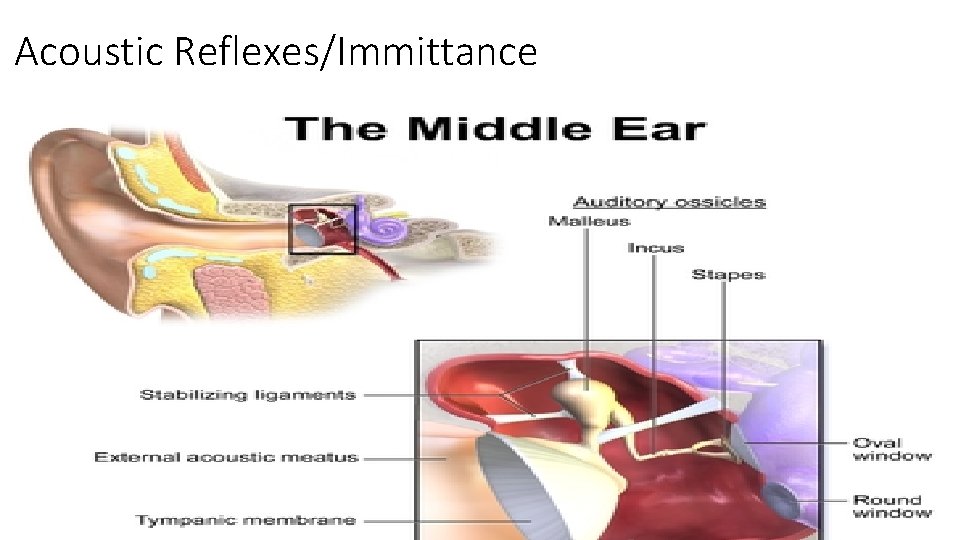
Acoustic Reflexes/Immittance
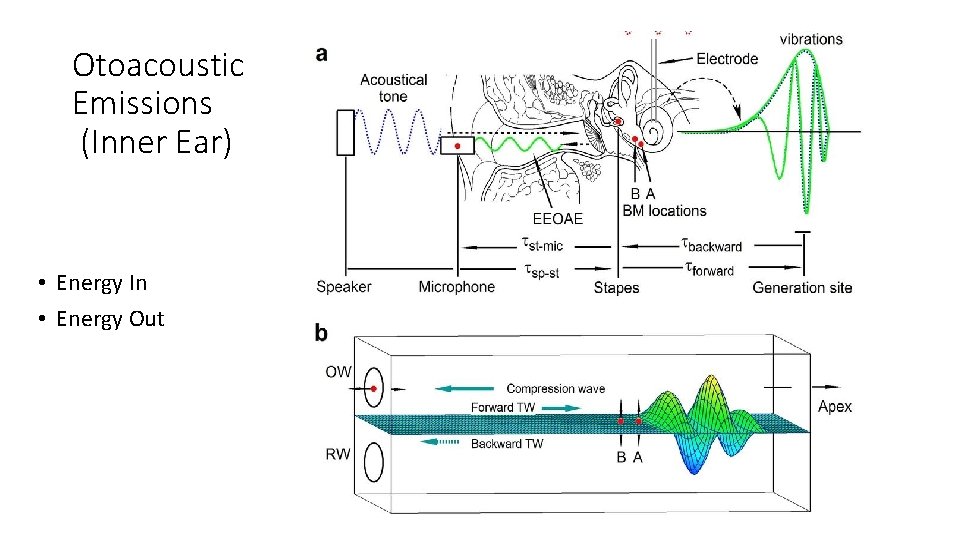
Otoacoustic Emissions (Inner Ear) • Energy In • Energy Out
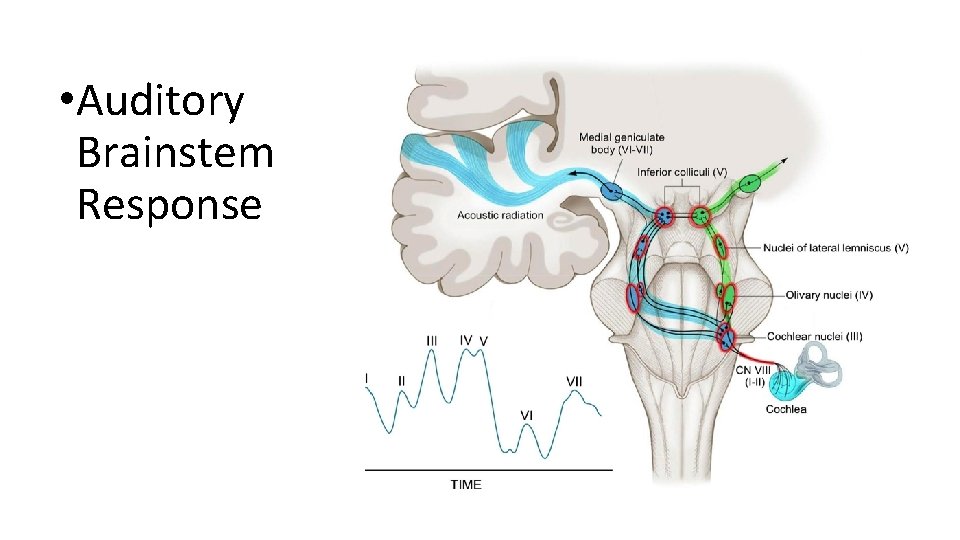
• Auditory Brainstem Response
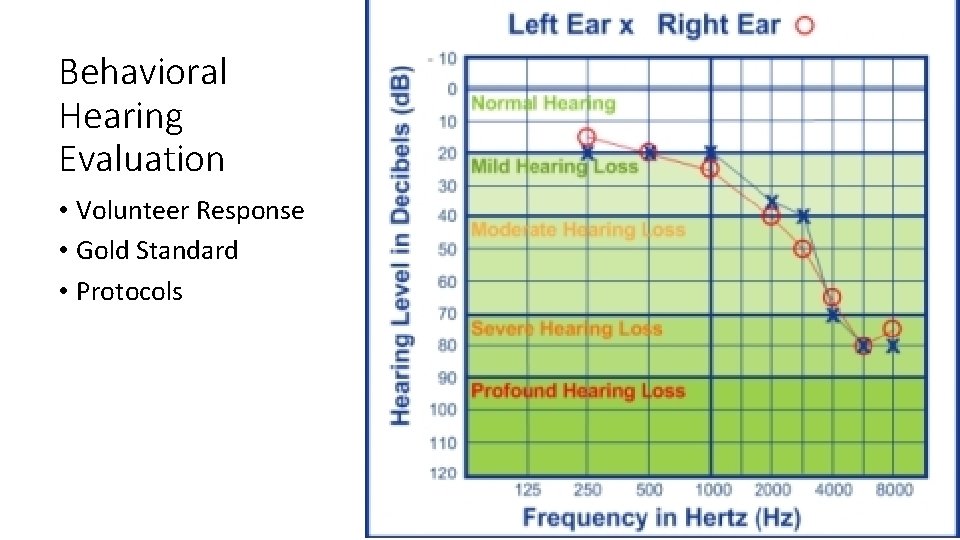
Behavioral Hearing Evaluation • Volunteer Response • Gold Standard • Protocols
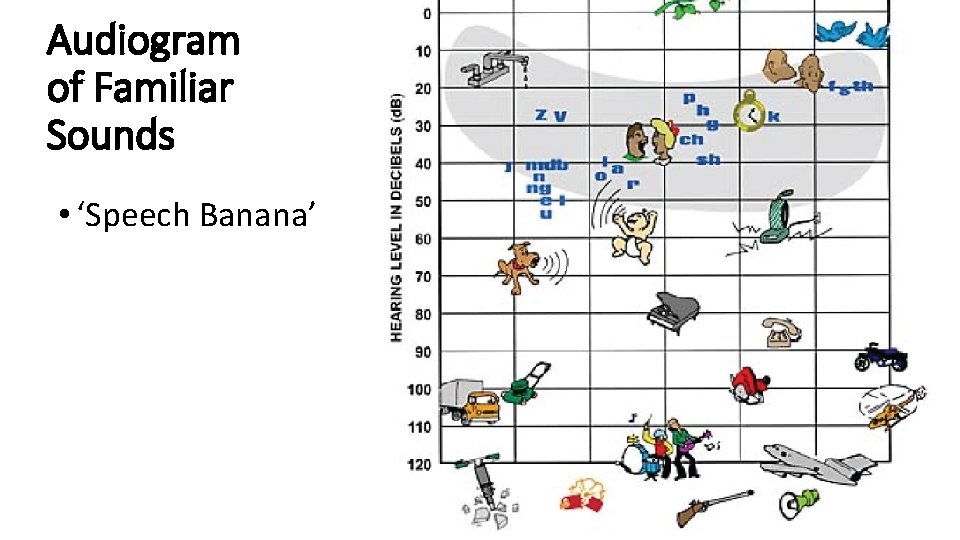
Audiogram of Familiar Sounds • ‘Speech Banana’
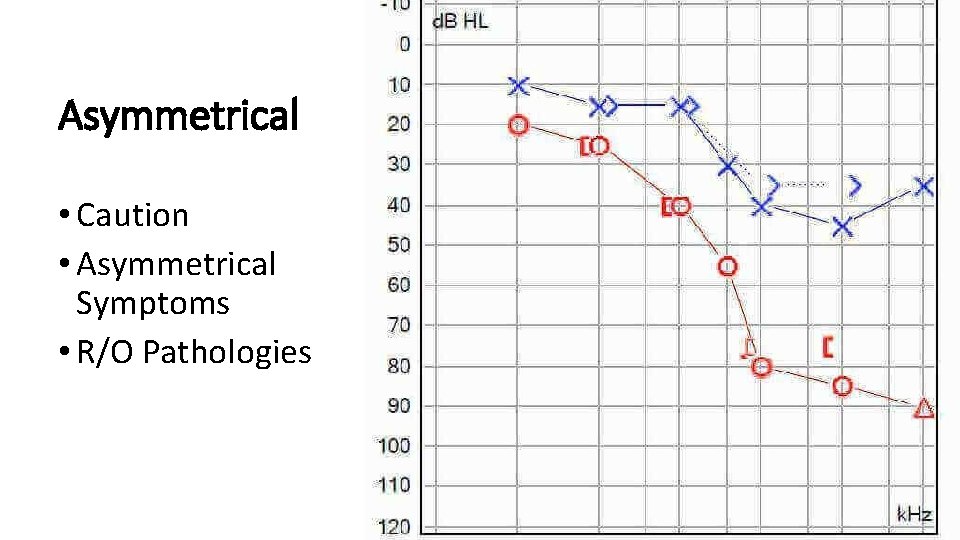
Asymmetrical • Caution • Asymmetrical Symptoms • R/O Pathologies

Impact of hearing through the age-Pediatrics • In utero age 5 months, baby responses to sound • Baby recognizes mother’s voice • Newborn Auditory (Hearing) screening (2 different screening tools) • Joint statement 2010 protocols • Hearing Loss detected by 3 Months and Treatment by 6 months, studies indicate learning curves follow their hearing peers • Mile stones, babbling, first words, 50 expressive words at 18 months • Screenings at local centers, ages 1, 2, 3 ages • ANY AGE/cognition can be tested • Early Intervention story of Chevy
Impact of HL, Infants and Childhood • Neural Loss, Neural Plasticity • Cognitive Decline • Speech and Language Delay • Minimal HL and its affects • Communication Frustration/ Behavioral Outbursts • Poor Auditory Fine Skills: Fluctuating HL, Inconsistent Neural Stimulation often results in poor auditory attention/retention/comprehension subsequently poor reading skills • Incidental learning (90% of what children learn is incidental)
Impact of HL, Adolescence • Poor Social Skills • Behavioral Disruption • Poor Academics, again poor reading skills • Isolation, Paranoid (think others talking about them) • Poor Self Image • Patients Who Have Used HIs for Long Time are Often Better Listeners/Disciplined
Impact of HL, Adult to Geriatrics • Avoid Social Activities, Poor Incidental Learning • Isolation, Paranoid, Depression, Withdrawn, Embarrassed • Dependent on Others or Avoids Meeting New People • Lower income • Fatigue: brain working hard, diff. concentration, less productive, prone to accidents • Lack of Energy/Affect • Increased Stress, Moody • Cognitive Decline, Signs of Dementia (correlation vs causation)
Hearing Loss and the Brain • Auditory Deprivation due to inadequate stimulation, “what you don’t use, you lose” iow: Loss of Brain Tissue-shrinkage, not just one area, but many areas that communicate with another • Compromised ability to process and recognize speech/sounds, much worse in noise • Difficulty Processing Rapid Speech • Increased rate of cognitive decline • This is NOT a harmless condition
What to Look for When Listening to your Patients • Asks for Repetition More than Three Times • Complains of Tinnitus (ringing, crickets, ocean sounds) • Fatigue • Family Member is Concerned About Withdraw of Person • Suspects Ear Cerumen, ‘Ears Plugged’ • Others Mumble • ‘Ringing in the Ears’
Tinnitus • Definition: the perception of sounds/noise in the absence of stimulation • Most frequent ‘google’ word for auditory symptoms, “individual’ symptom with NO “universal tinnitus solutions” • As common or even more common than hearing loss, Est: 40 -50 million vs 34. 25 million with reported HL • Diagnosis before Treatment • Combined therapies: Better Results
When Referring Patients for a Hearing Evaluation • Suggest Treatment … should a HL be Found • Focus on the great opportunities, be positive, encouraging, don’t wait • The positive outcome will change their life and health • How many patients do you see that a recommendation will change their life for the better? • Refer to Practice Based on Science not Sales (understands how the brain works and changes) • Patient Education, Counsel, Ongoing Support, Availability • Ask that a Loved One Joins Them to the Appointment
Choices • Once hearing loss is Documented: The Choice is: Action or No Action • IF Action: Principled and Pragmatic • • Family member should always join the patient when referred Try Before the Patient Buys Reputable Clinic with Ongoing Care/Learning Availability
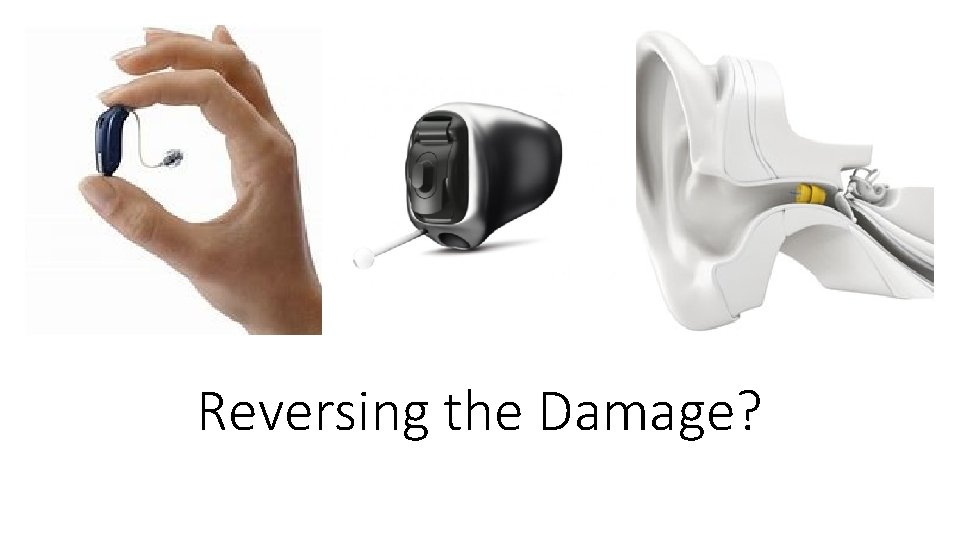
Reversing the Damage? • Managing Hearing Loss is Very Important • Stay Active and Engaged in Social Interactions • Hearing Instruments Reduce Social Withdrawal and Isolation • Less Cognitive Effort and Fatigue • Connectivity to Electronics, TV, Phone, Computer, and Internet • Hearing Instruments May Not Prevent Dementia but Keep the Person Active
Technology and Professional Services Non. Surgical • Professionally Guided Dispensed, Medical Follow up if Needed (suspect pathology) • Daily-Wear vs “ 24/7” • Accessories for TV, Cell/Landline Phones, Computers, Wifi internet • Availability for Troubleshooting, Repairs, Loaners • Ongoing Instructions and Programming Availability • Funding Assistance: VA, DVR, WHCHAP • OTC buzz, cautions, pros/cons • Tech Talks/Continuing Education/Communication Strategies
Reversing the Damage?
Surgical Option Devices • Bone-Anchored-Hearing –Aid: BAHA, film • • Single-sided Deafness Chronic Middle Ear issues Mixed HL Conductive • Cochlear Implants • Over-the Ear • Magnet and Microphone in One (Kenzo)
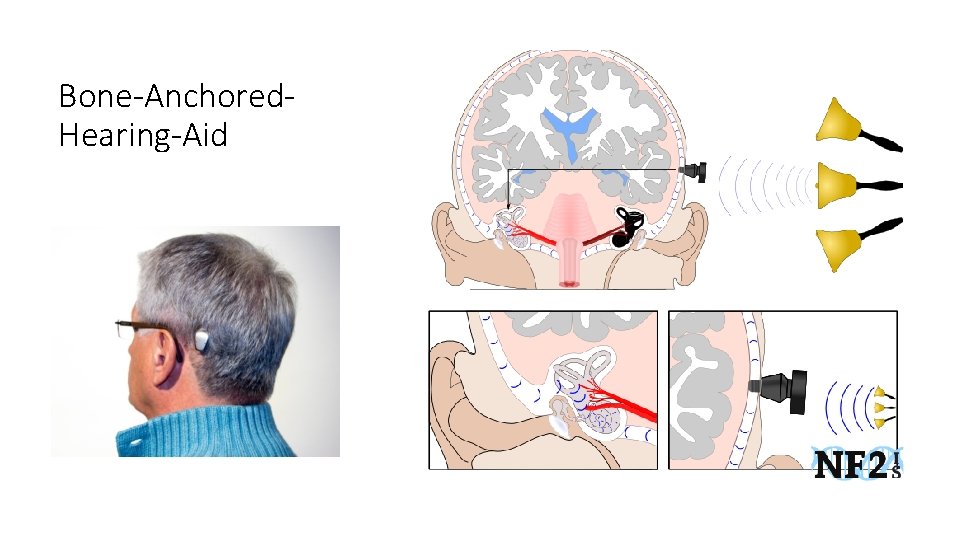
Bone-Anchored. Hearing-Aid
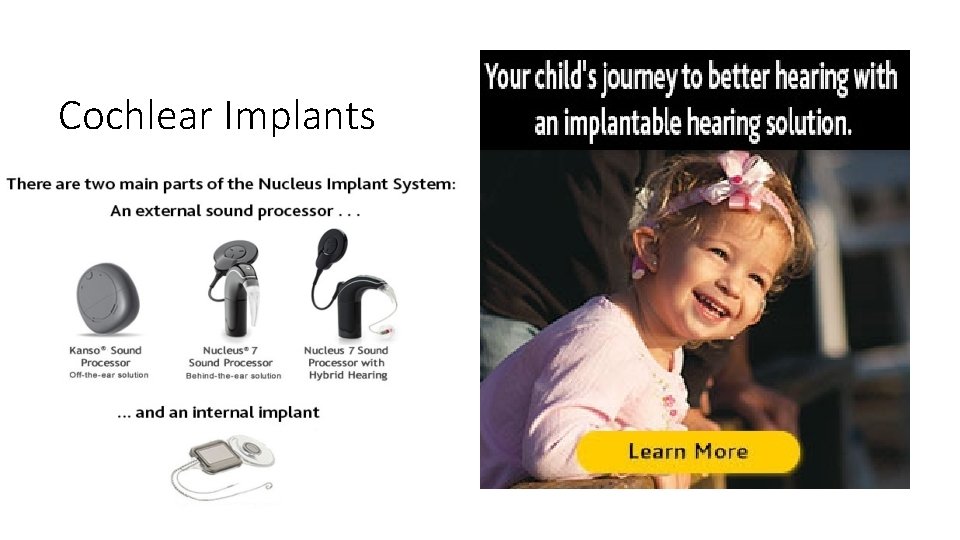
Cochlear Implants
Who Has Hearing Loss? • 48 Million Americans have Hearing Loss • Approximately 1/3 of Americans between ages 65 and 74 ---Nearly half (40 -66%) of those over age 75 have hearing loss; >80% in 85 years and older (NIDCD 2010) • Hearing Loss is the third most prevalent chronic health condition facing older Americans and has important effects on physical and mental health • Person with Hearing loss: Family has Hearing Problem

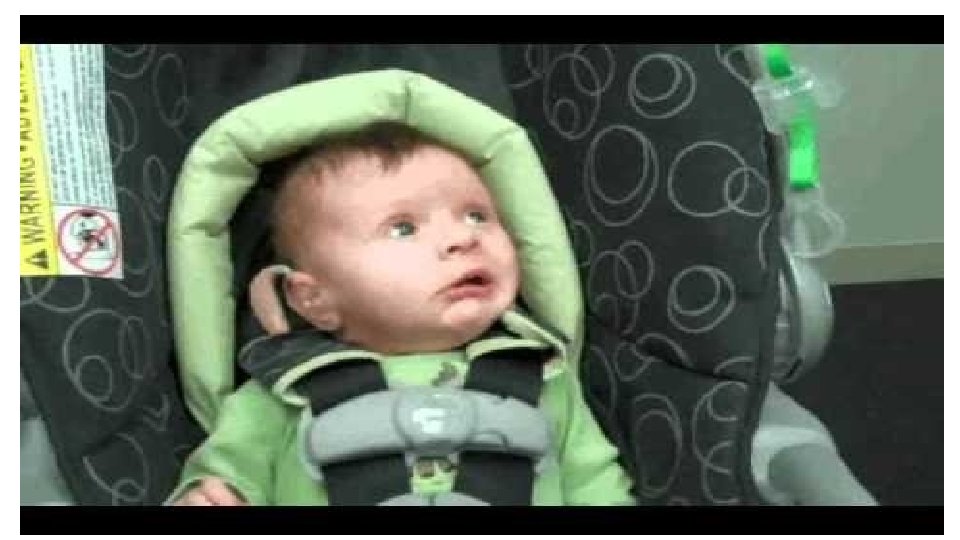
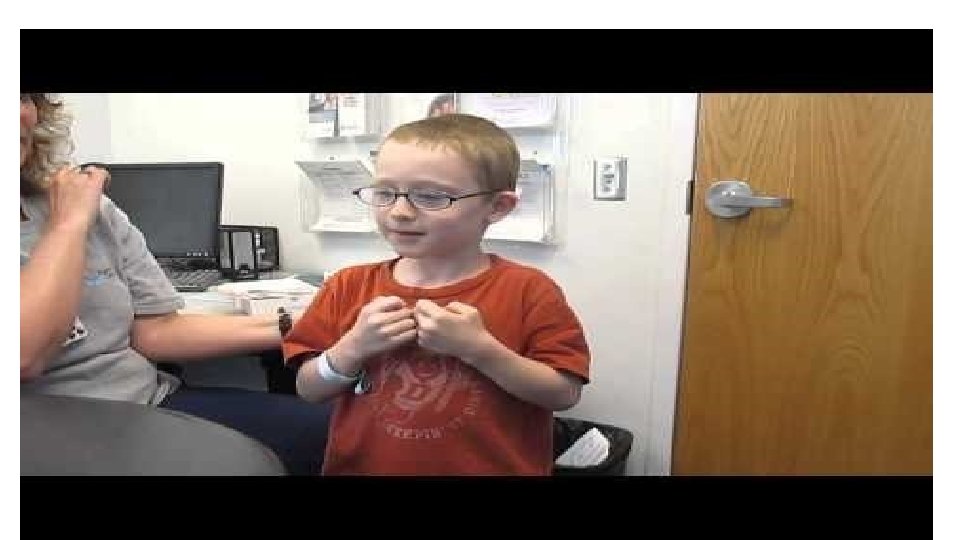
Show and Tell • Story of Natalie • You-tube
Resources in Auditory Function • • • Carol Flexer, Ph. D (Pediatrics) Terry Bellis, Ph. D (APD) Doug Beck, Au. D (Tinnitus) Linda Hood, Ph. D (Electrophysiology_ Jack Katz, Ph. D (General) Frank Lin M. D. , Ph. D (Aging and Cognitive Decline) Amieva, Helene, Ph. D. (Aging and Cognitive Decline) American Academy of Audiology (Audiology. org for Joint Statement) Better Hearing Institute (bhi. org)
Contact Cheryl Drost, Au. D cheryldrost@gmail. com Office: 307 -577 -4240 Ask for Audiology: who will pick up the phone? Sammi Shannon Alyssa Chere
- Slides: 35