
Arctic Tundra The Frozen Desert Stick Reves Travel



- Slides: 13
Arctic Tundra: The Frozen Desert Stick Reves® Travel Agency Joey Chin, Liem Tu, Andrew Weiss, Rachel Gallagher Period 7
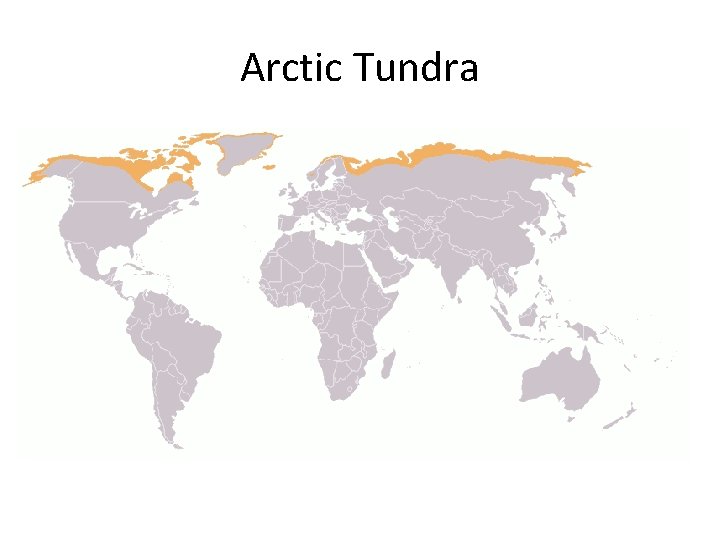
Arctic Tundra
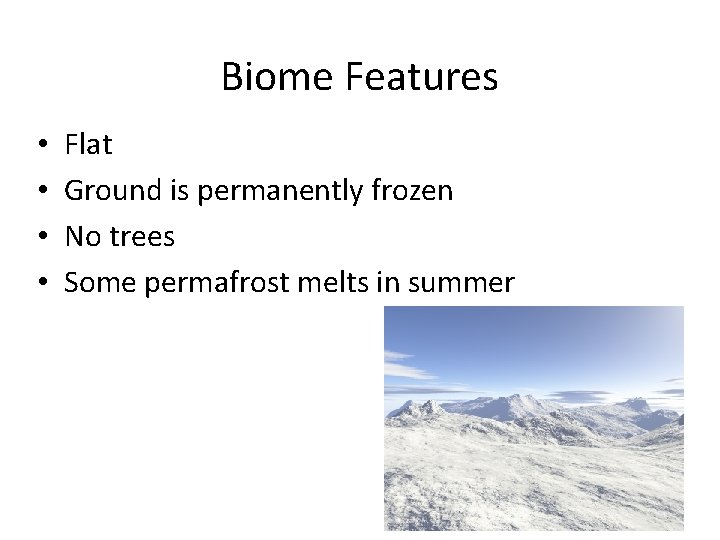
Biome Features • • Flat Ground is permanently frozen No trees Some permafrost melts in summer
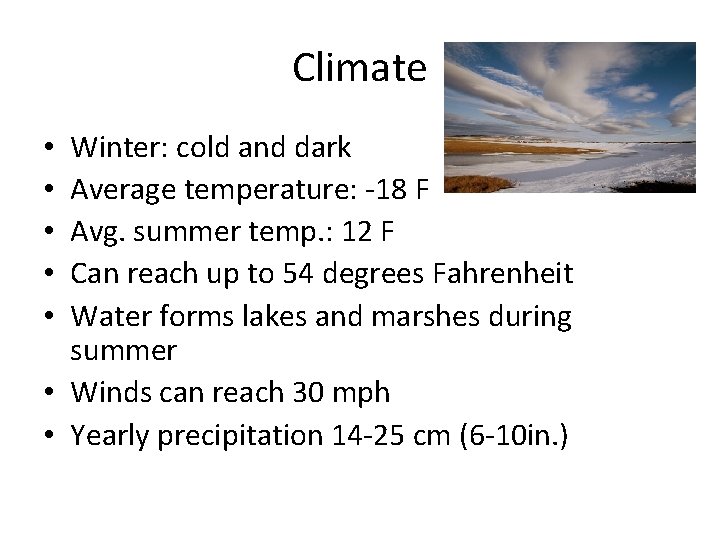
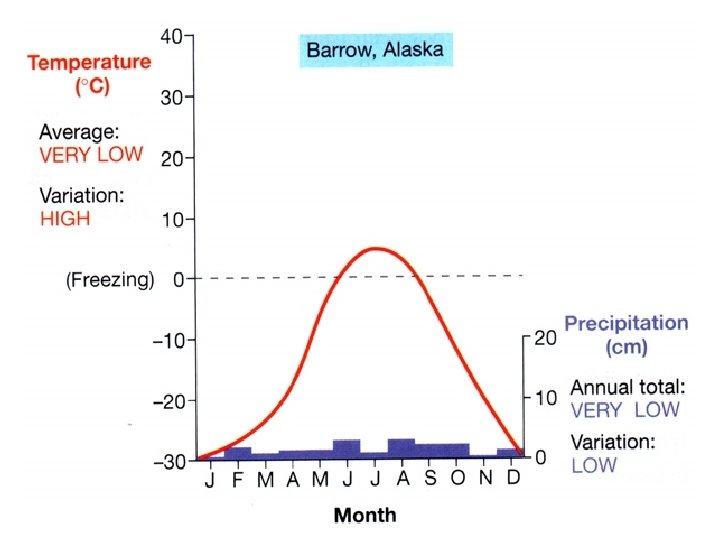
Climate Winter: cold and dark Average temperature: -18 F Avg. summer temp. : 12 F Can reach up to 54 degrees Fahrenheit Water forms lakes and marshes during summer • Winds can reach 30 mph • Yearly precipitation 14 -25 cm (6 -10 in. ) • • •
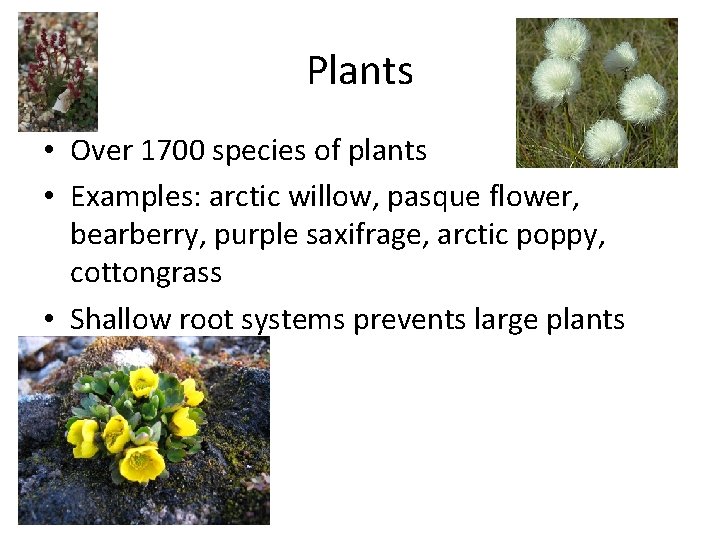
Plants • Over 1700 species of plants • Examples: arctic willow, pasque flower, bearberry, purple saxifrage, arctic poppy, cottongrass • Shallow root systems prevents large plants
Animals • Arctic Fox has short ears and with thick coat to keep warm • Low amounts of biodiversity in tundra • Snowy owls • Mining and drilling threaten animals
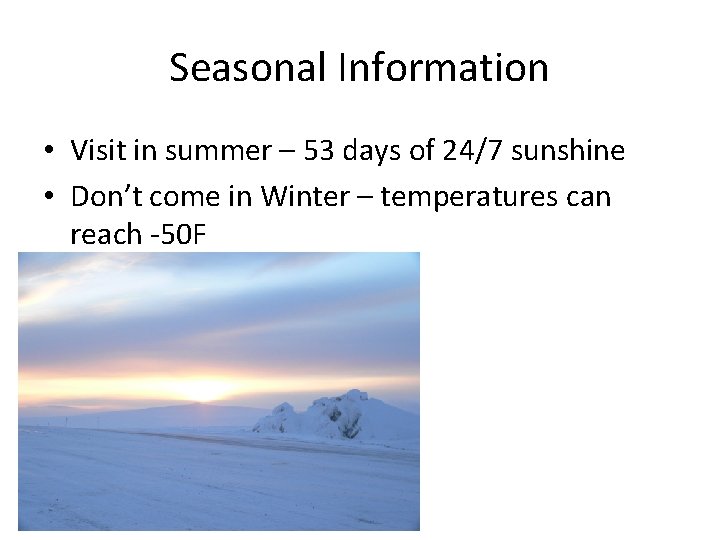
Seasonal Information • Visit in summer – 53 days of 24/7 sunshine • Don’t come in Winter – temperatures can reach -50 F
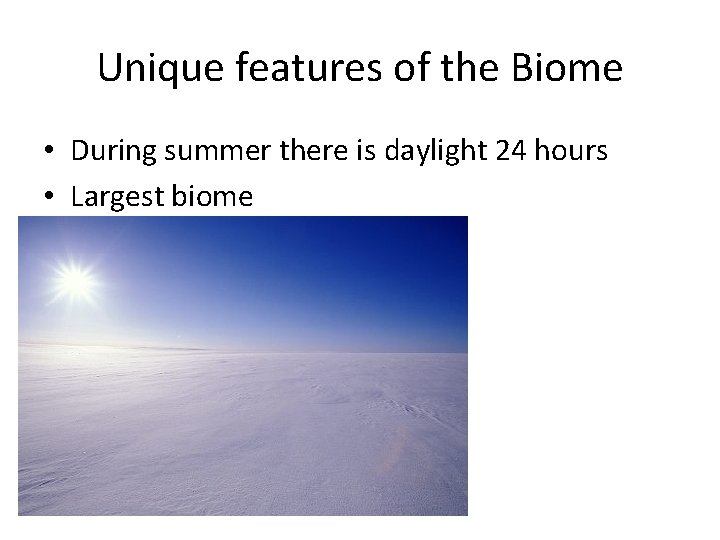
Unique features of the Biome • During summer there is daylight 24 hours • Largest biome
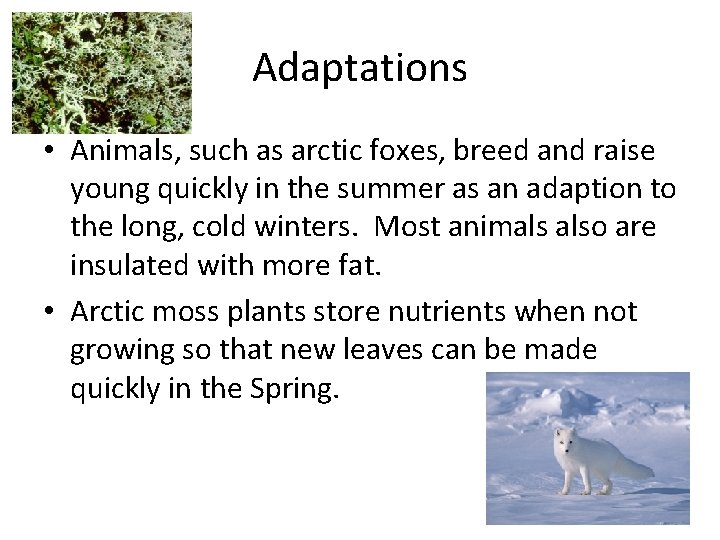
Adaptations • Animals, such as arctic foxes, breed and raise young quickly in the summer as an adaption to the long, cold winters. Most animals also are insulated with more fat. • Arctic moss plants store nutrients when not growing so that new leaves can be made quickly in the Spring.
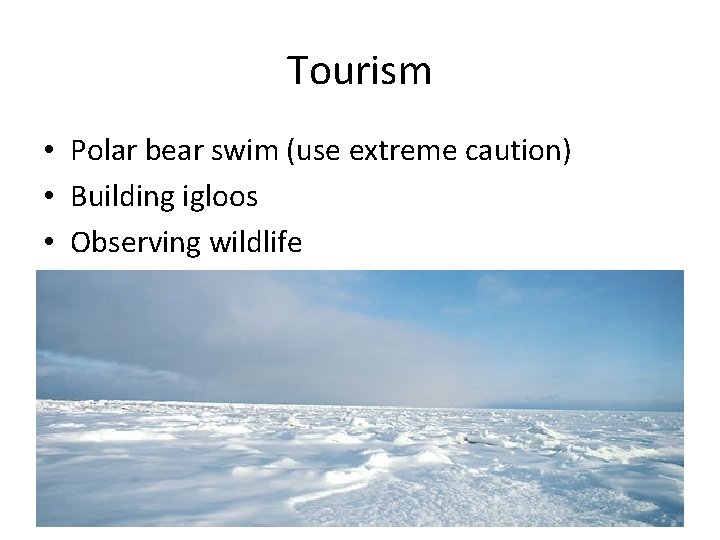
Tourism • Polar bear swim (use extreme caution) • Building igloos • Observing wildlife
• Joey Chin, Liem Tu, Andrew Weiss, Rachel Gallagher
Sources • “Biomes. ” coft. Earth floor. N. d. web. 15 Dec. 2013 http: //www. cotf. edu/ete/modules/msese/earthsysfl r/tundra. html • “Tundra Animals. ” Tundra Animals. N. d. web. 15 Dec. 2013. http: //www. tundraanimals. net/ • “Arctic Moss. ” Tundra Plants. N. d. web. 15. Dec. 2013 http: //www. blueplanetbiomes. org/tundra_plant_pa ge. htm