
ARCHITECTURE Medieval Solid thickwalled Castles Tall delicate cathedrals
- Slides: 31
ARCHITECTURE
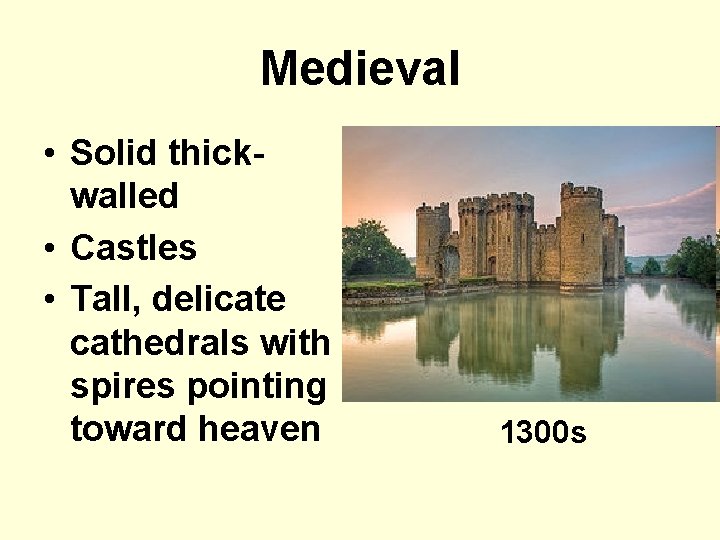
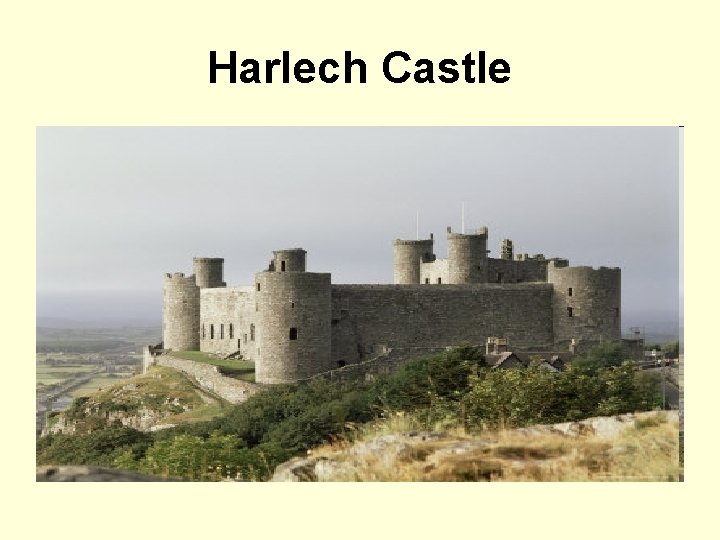
Medieval • Solid thickwalled • Castles • Tall, delicate cathedrals with spires pointing toward heaven 1300 s
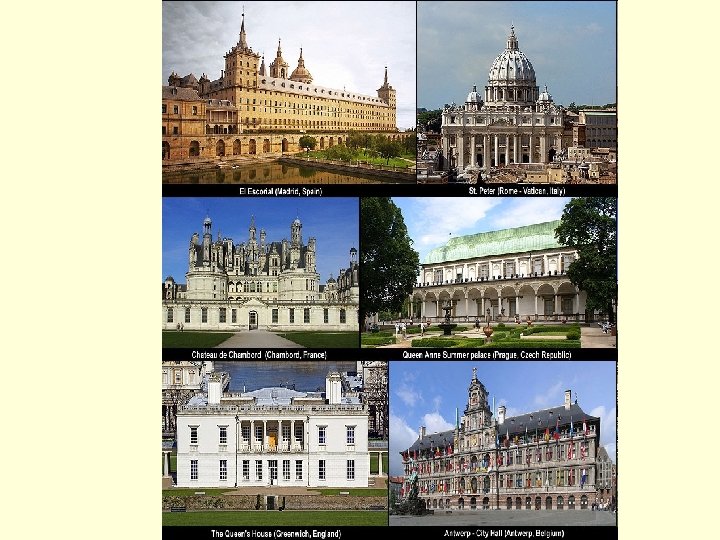
Renaissance 15 th - early 17 th c. • Revival of Roman architecture • Used Roman details • Added own principles • Began with Brunelleschi in Florence • Palaces • Numerous simple windows • Symmetrical arrangement of windows and doors • Extensive use of Classical columns and pilasters • Triangular pediments • Square lintels • Arches • Domes • Niches with sculptures
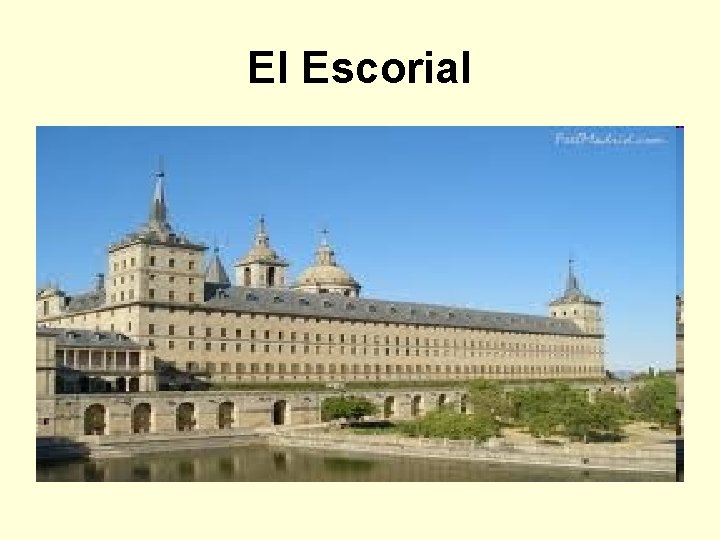
El Escorial
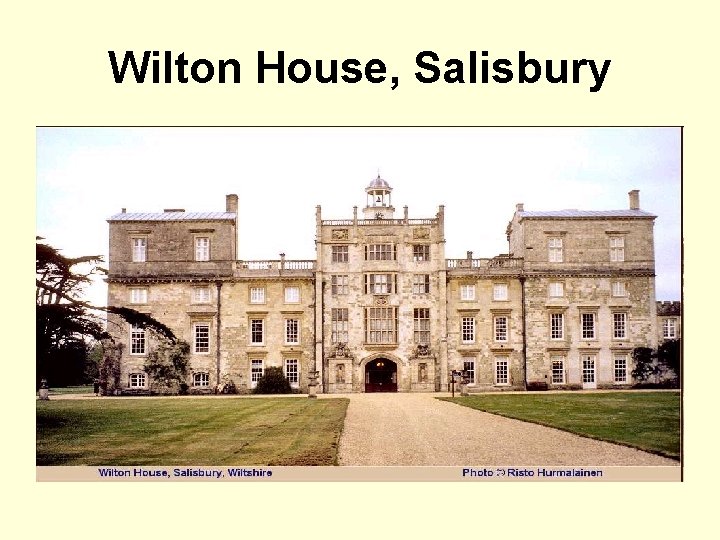
Wilton House, Salisbury
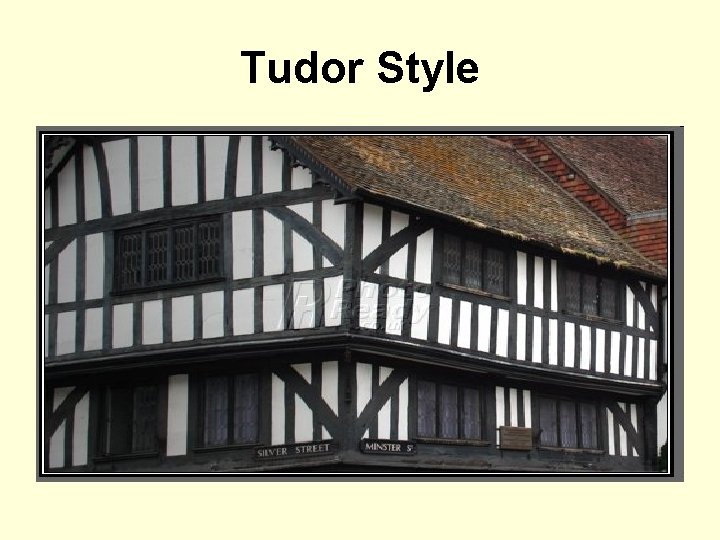
Tudor Style
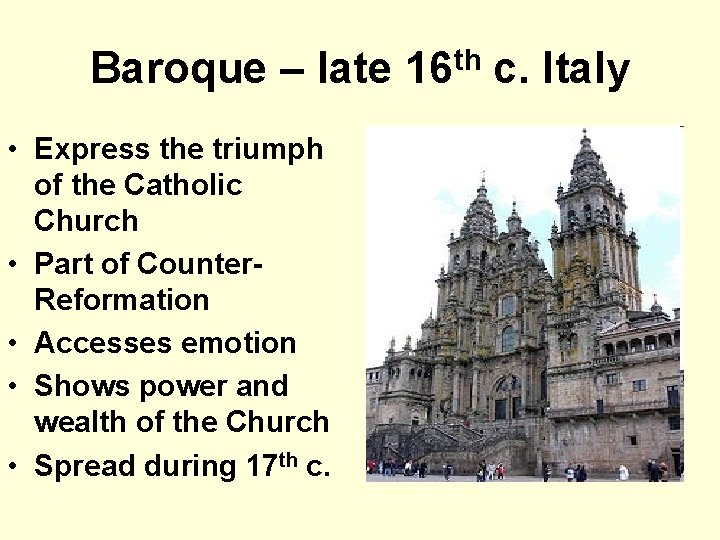
Baroque – late 16 th c. Italy • Express the triumph of the Catholic Church • Part of Counter. Reformation • Accesses emotion • Shows power and wealth of the Church • Spread during 17 th c.
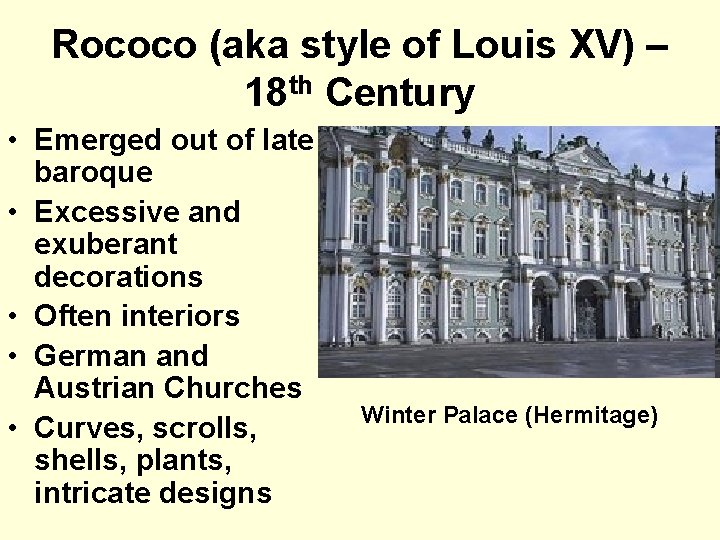
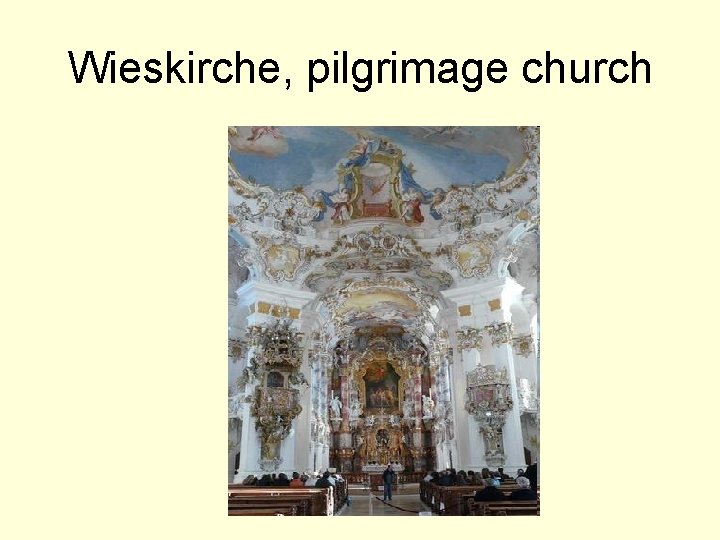
Rococo (aka style of Louis XV) – 18 th Century • Emerged out of late baroque • Excessive and exuberant decorations • Often interiors • German and Austrian Churches • Curves, scrolls, shells, plants, intricate designs Winter Palace (Hermitage)
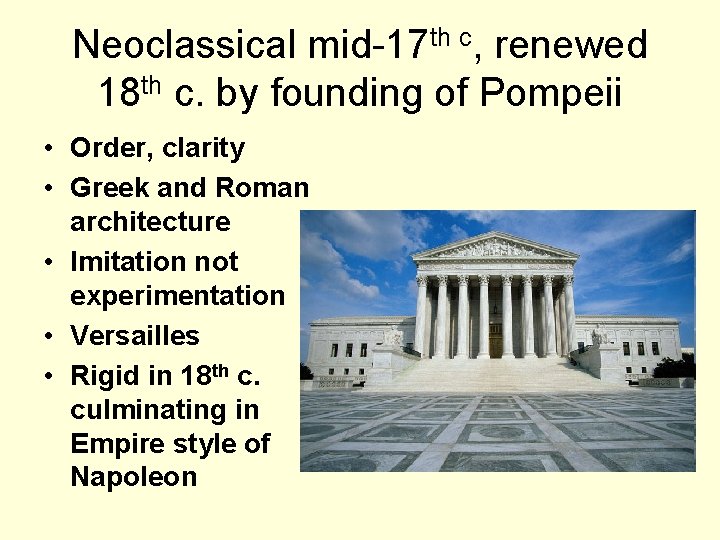
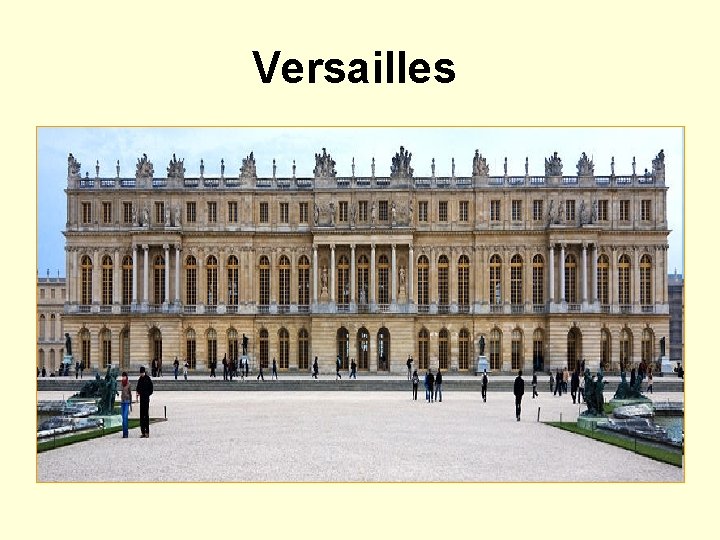
Neoclassical mid-17 th c, renewed 18 th c. by founding of Pompeii • Order, clarity • Greek and Roman architecture • Imitation not experimentation • Versailles • Rigid in 18 th c. culminating in Empire style of Napoleon
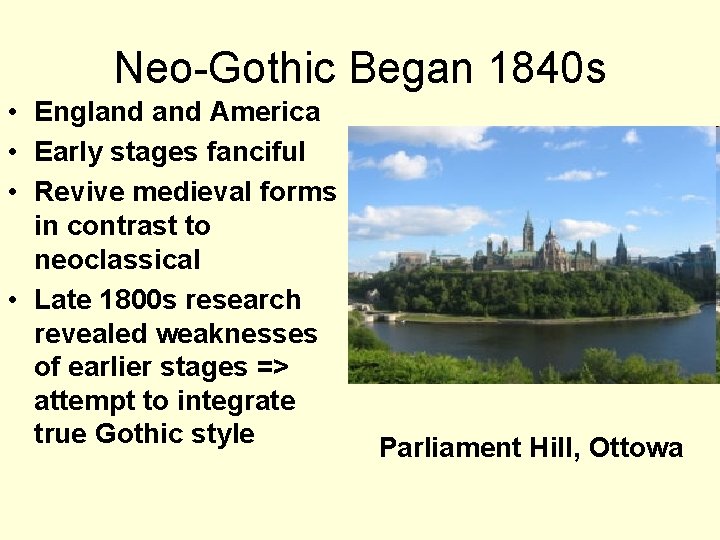
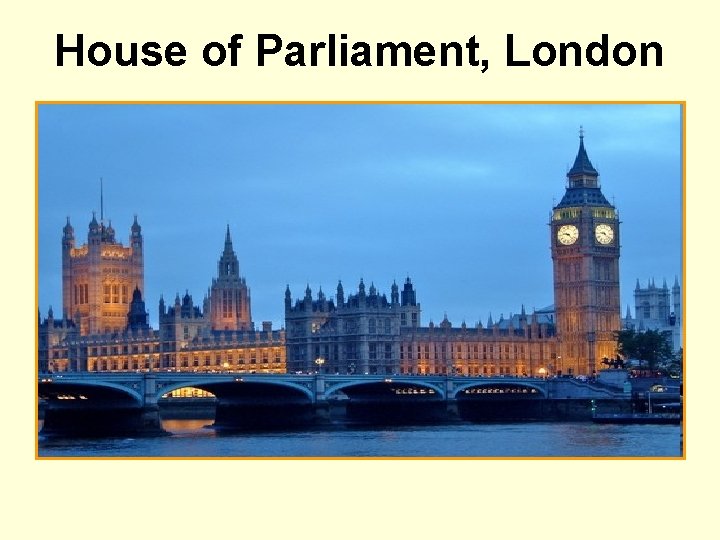
Neo-Gothic Began 1840 s • England America • Early stages fanciful • Revive medieval forms in contrast to neoclassical • Late 1800 s research revealed weaknesses of earlier stages => attempt to integrate true Gothic style Parliament Hill, Ottowa
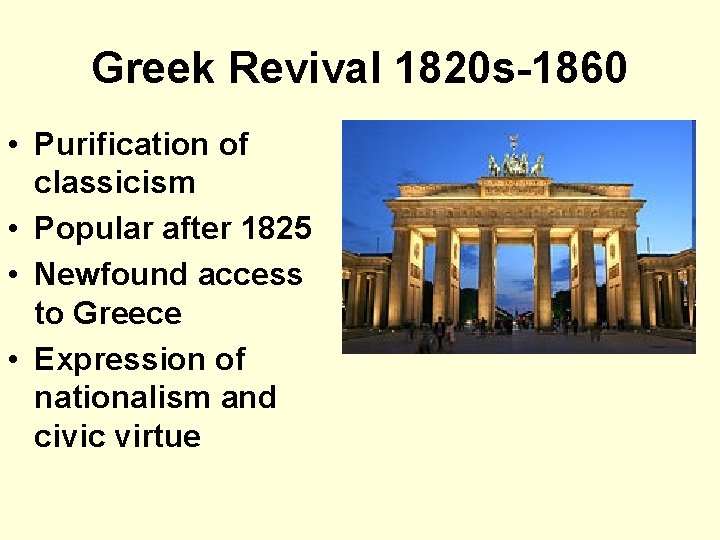
Greek Revival 1820 s-1860 • Purification of classicism • Popular after 1825 • Newfound access to Greece • Expression of nationalism and civic virtue
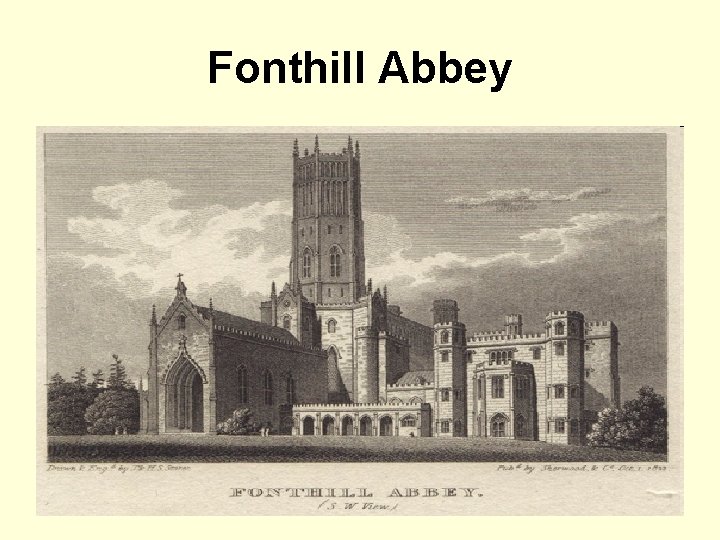
Fonthill Abbey
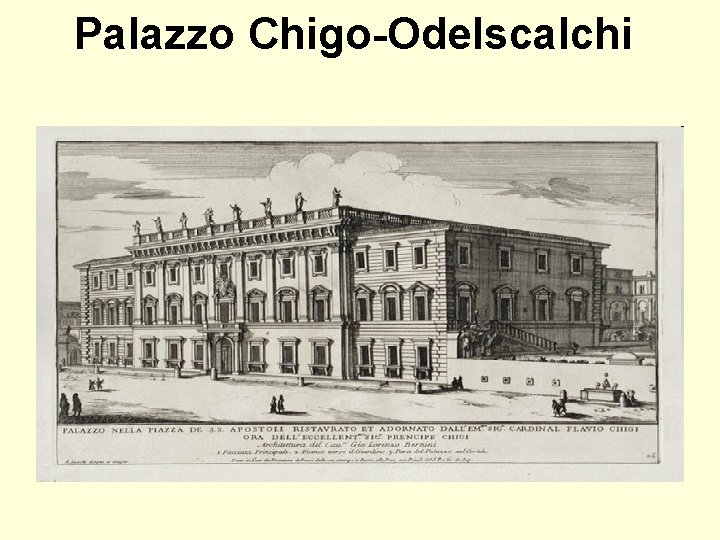
Palazzo Chigo-Odelscalchi
Potsdam
Versailles
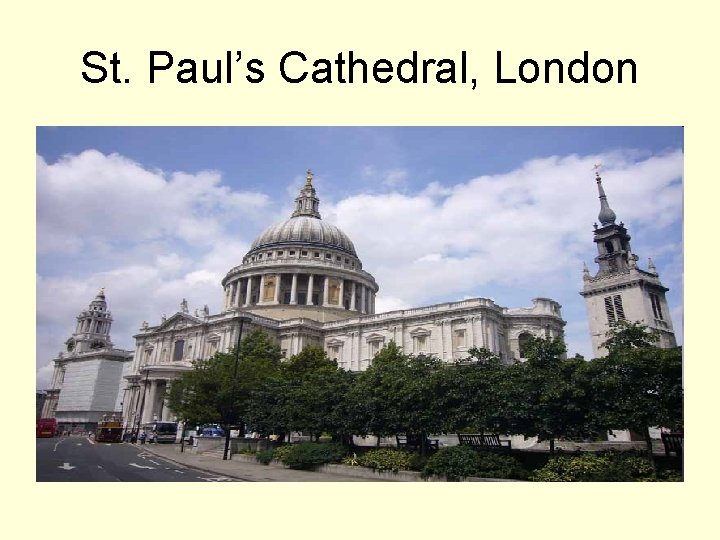
St. Paul’s Cathedral, London
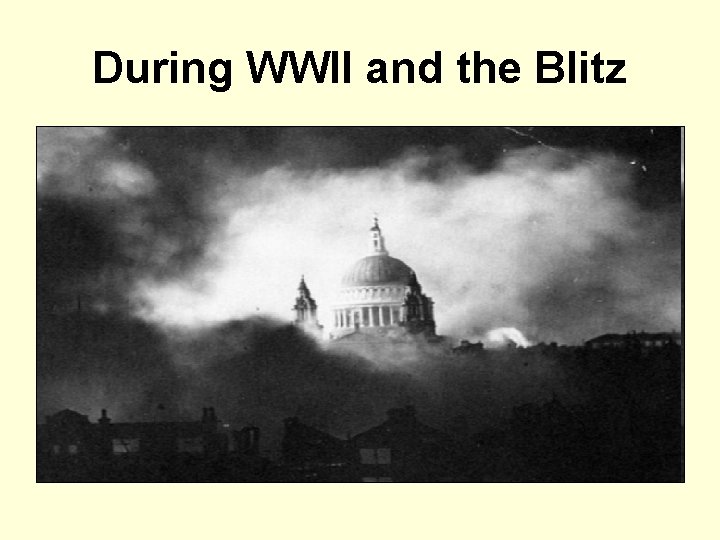
During WWII and the Blitz
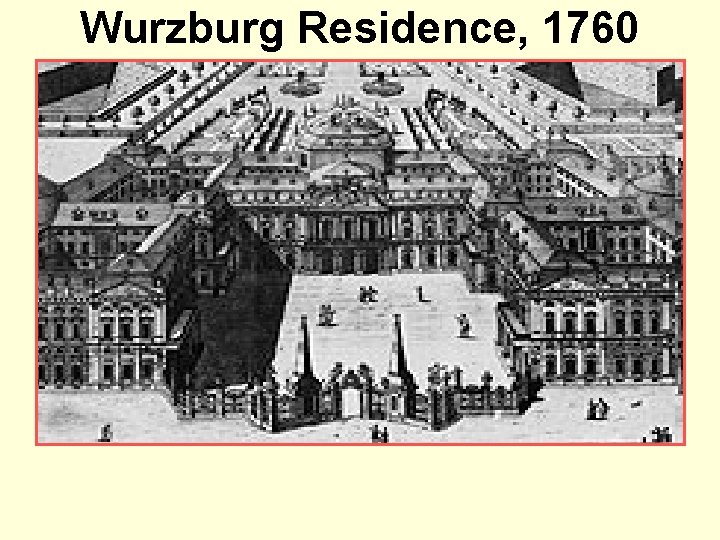
Wurzburg Residence, 1760
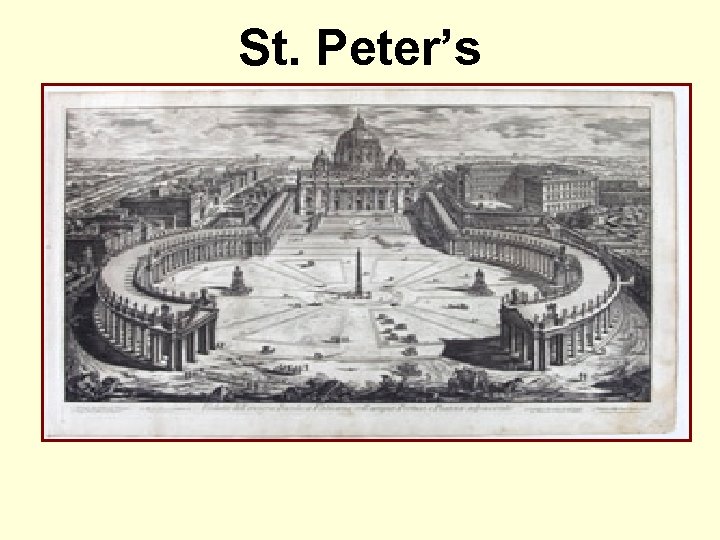
St. Peter’s
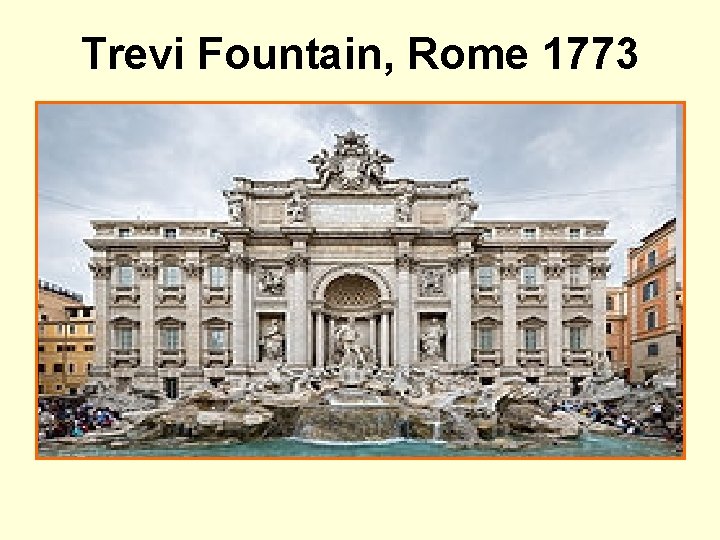
Trevi Fountain, Rome 1773
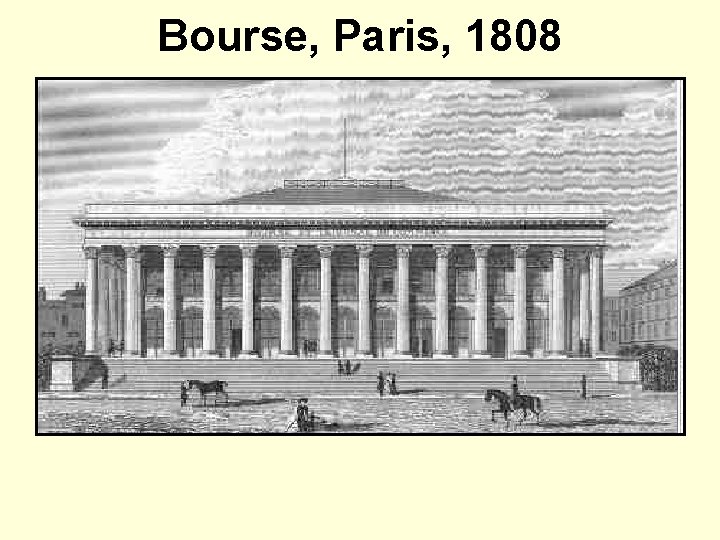
Bourse, Paris, 1808
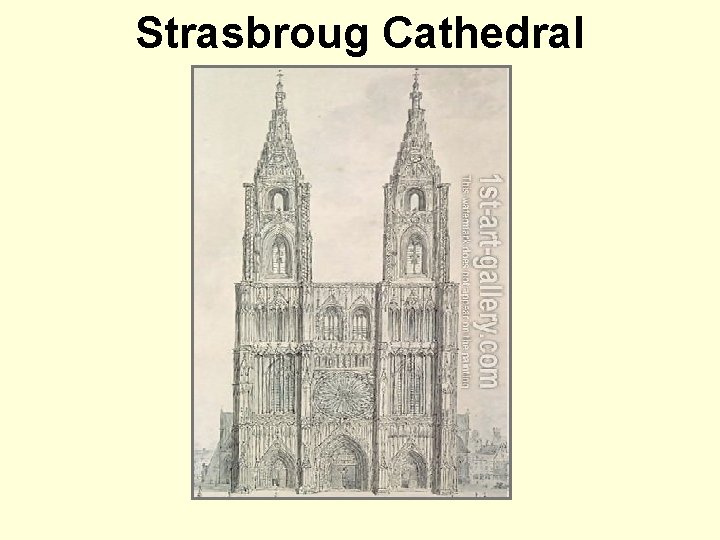
Strasbroug Cathedral
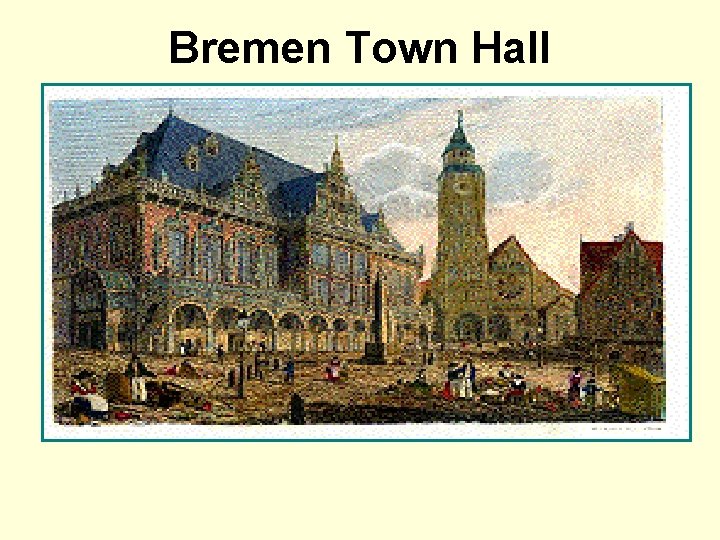
Bremen Town Hall
House of Parliament, London
Wieskirche, pilgrimage church
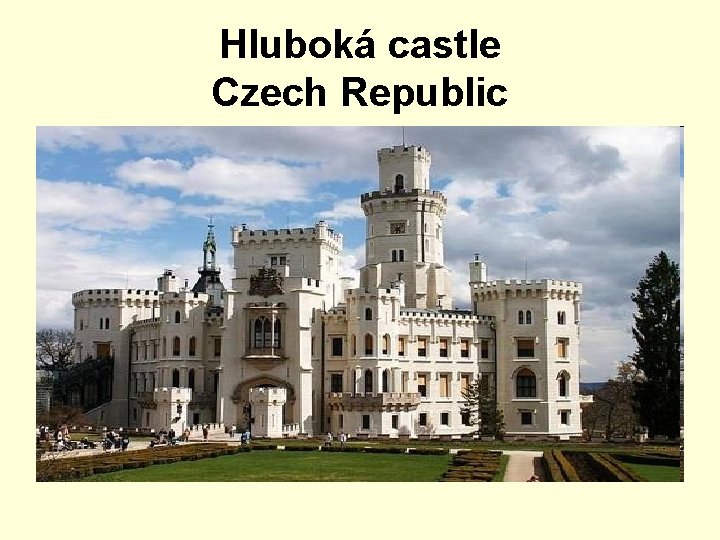
Hluboká castle Czech Republic
Harlech Castle
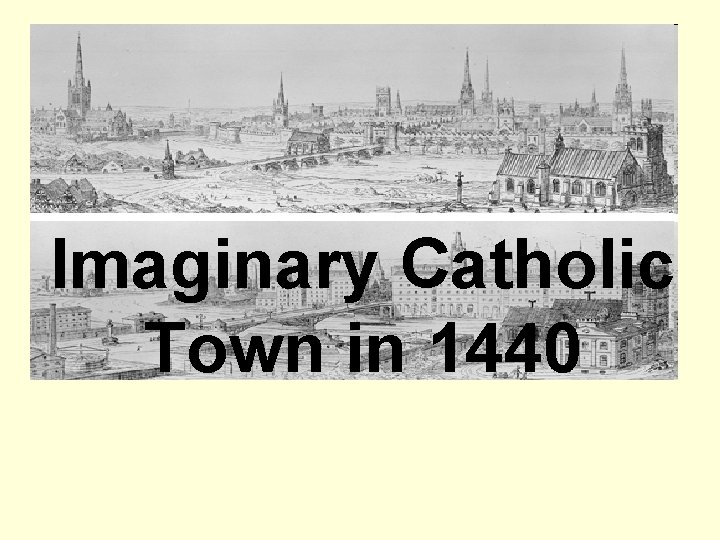
Imaginary Catholic Town in 1440
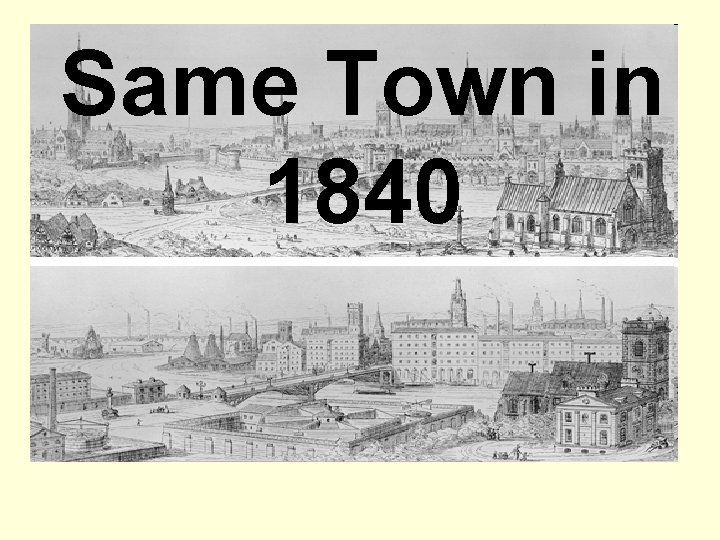
Same Town in 1840
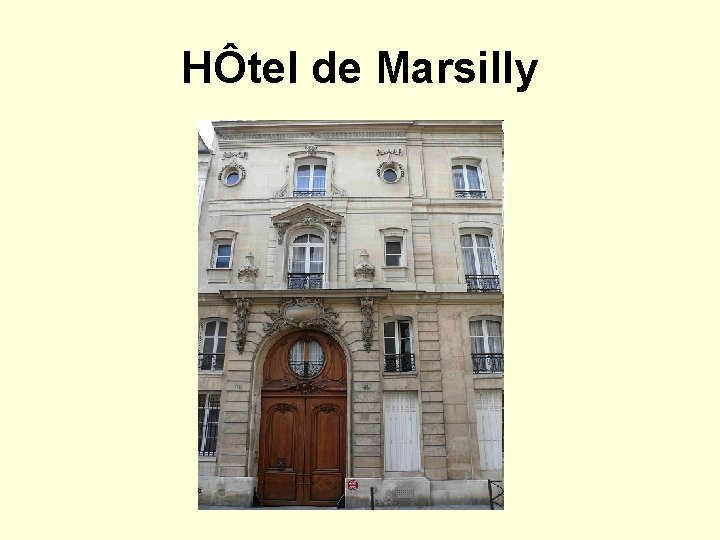
HÔtel de Marsilly