
Architectural Pattern of an Animal Chapter 9 The
- Slides: 21
Architectural Pattern of an Animal Chapter 9
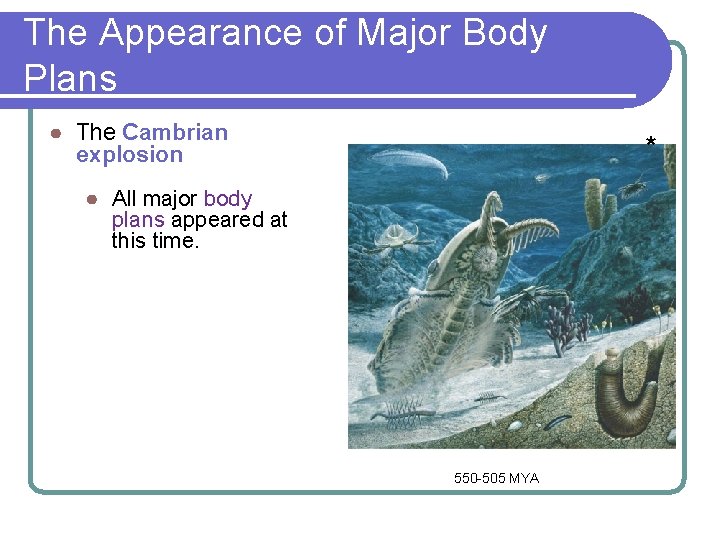
The Appearance of Major Body Plans ● The Cambrian explosion * ● All major body plans appeared at this time. 550 -505 MYA
Body Plans One way in which zoologists categorize the diversity of animals is according to general features of morphology (form) and development. ● A group of animal species that share the same level of organizational complexity is known as a grade. ● ● 5 different grades (simple to complex)
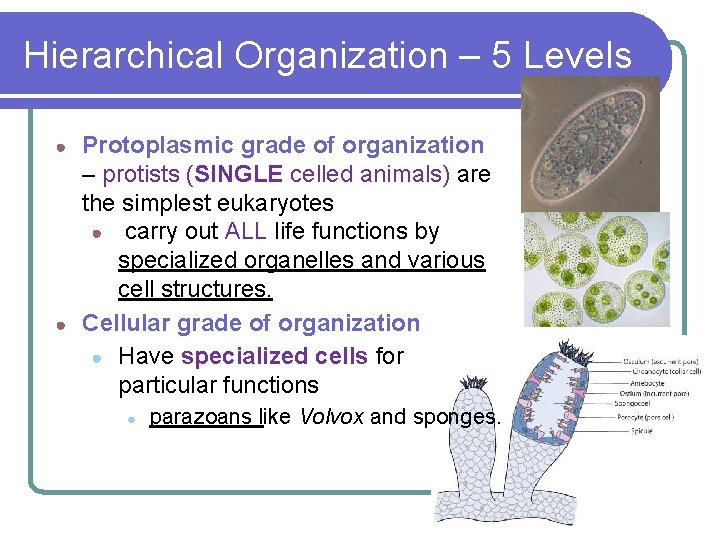
Hierarchical Organization – 5 Levels Protoplasmic grade of organization – protists (SINGLE celled animals) are the simplest eukaryotes ● carry out ALL life functions by specialized organelles and various cell structures. ● Cellular grade of organization ● Have specialized cells for particular functions ● ● parazoans like Volvox and sponges.
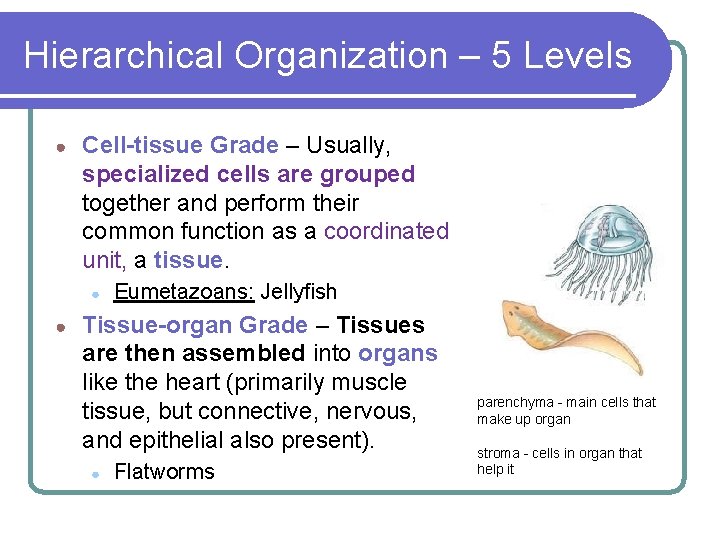
Hierarchical Organization – 5 Levels ● Cell-tissue Grade – Usually, specialized cells are grouped together and perform their common function as a coordinated unit, a tissue. ● ● Eumetazoans: Jellyfish Tissue-organ Grade – Tissues are then assembled into organs like the heart (primarily muscle tissue, but connective, nervous, and epithelial also present). ● Flatworms parenchyma - main cells that make up organ stroma - cells in organ that help it
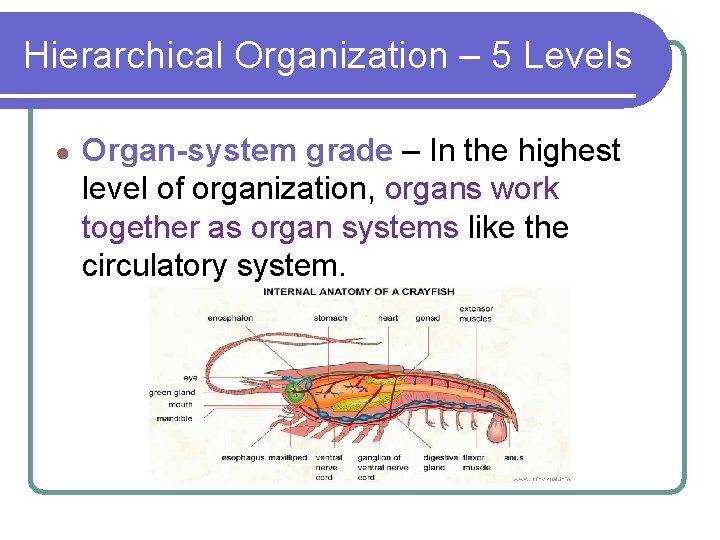
Hierarchical Organization – 5 Levels ● Organ-system grade – In the highest level of organization, organs work together as organ systems like the circulatory system.
Animal Body Plans Body plans are constrained by ancestry, major features may become modified, but are rarely lost. ● Animal body plans differ in their ● grade of organization ● body symmetry ● number of germ layers ● type of body cavity ●
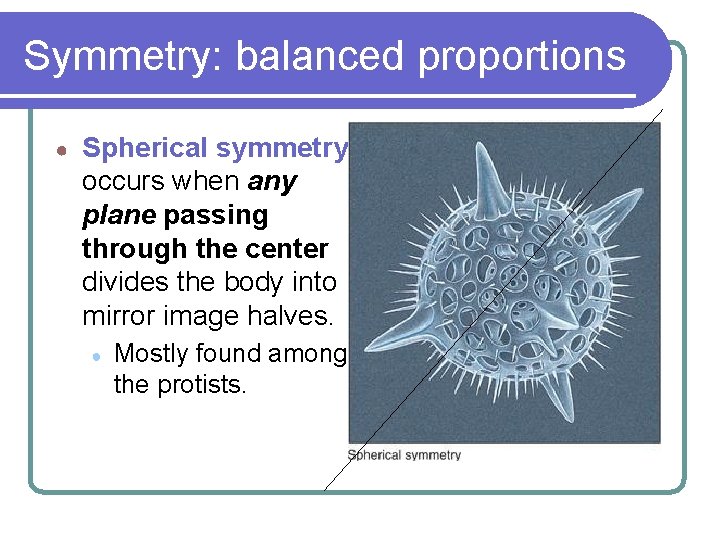
Symmetry: balanced proportions ● Spherical symmetry occurs when any plane passing through the center divides the body into mirror image halves. ● Mostly found among the protists.
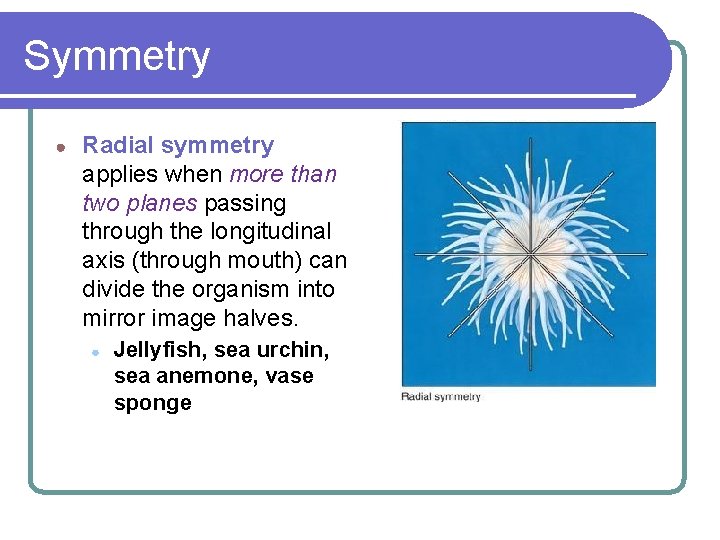
Symmetry ● Radial symmetry applies when more than two planes passing through the longitudinal axis (through mouth) can divide the organism into mirror image halves. ● Jellyfish, sea urchin, sea anemone, vase sponge
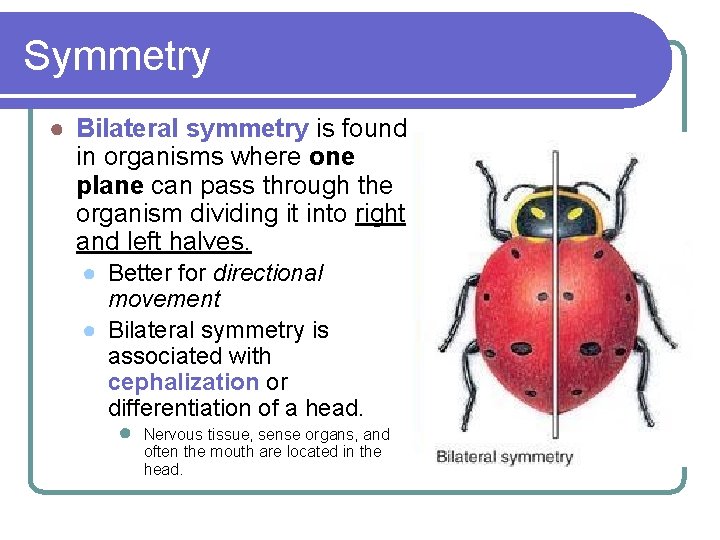
Symmetry ● Bilateral symmetry is found in organisms where one plane can pass through the organism dividing it into right and left halves. ● Better for directional movement ● Bilateral symmetry is associated with cephalization or differentiation of a head. ● Nervous tissue, sense organs, and often the mouth are located in the head.
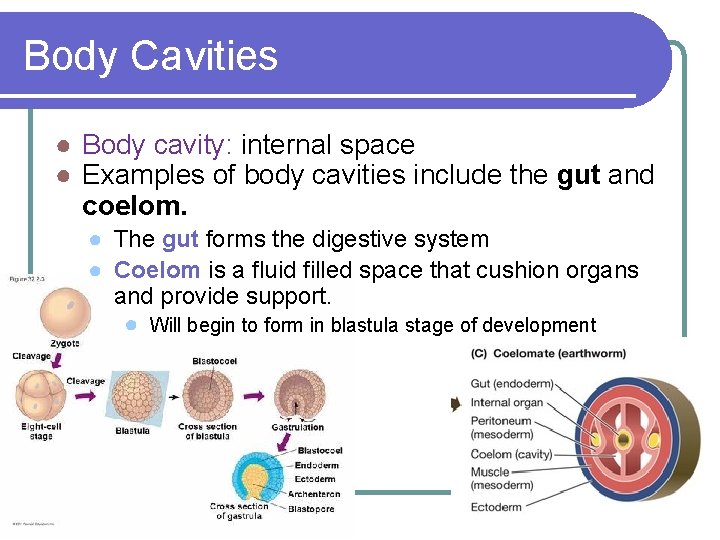
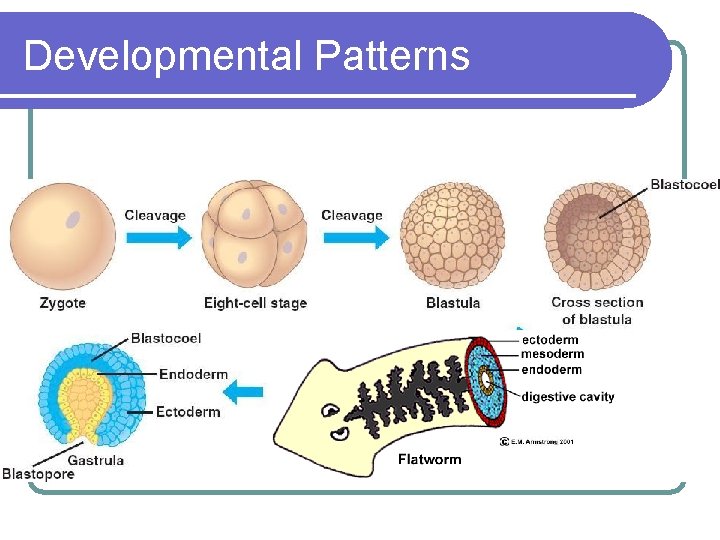
Body Cavities ● Body cavity: internal space ● Examples of body cavities include the gut and coelom. ● The gut forms the digestive system ● Coelom is a fluid filled space that cushion organs and provide support. ● Will begin to form in blastula stage of development
Radial symmetry is most common among sedentary organisms or organisms that drift passively with water currents. Speculate about the adaptive value/advantage of radial symmetry for these organisms.
Developmental Patterns
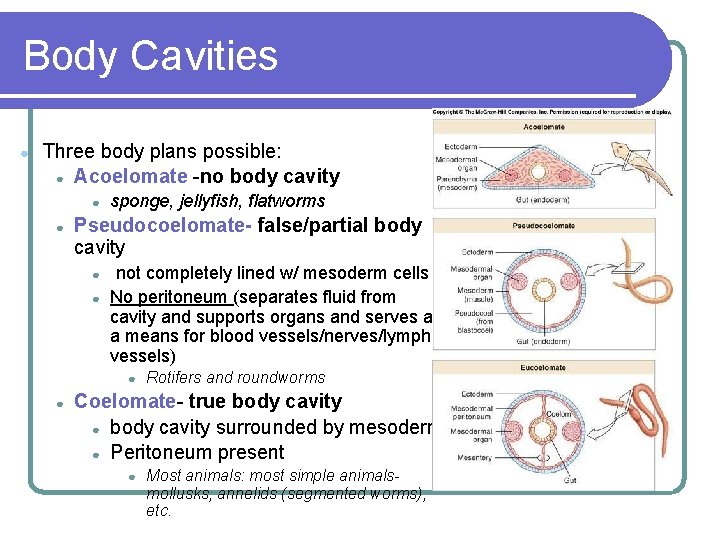
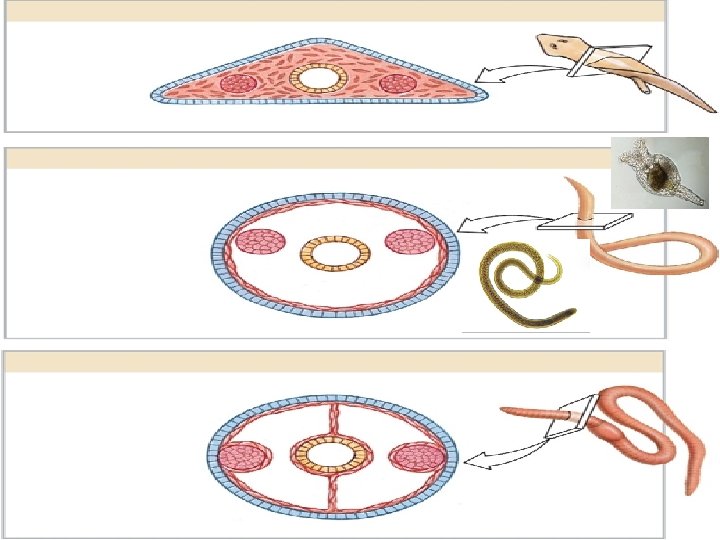
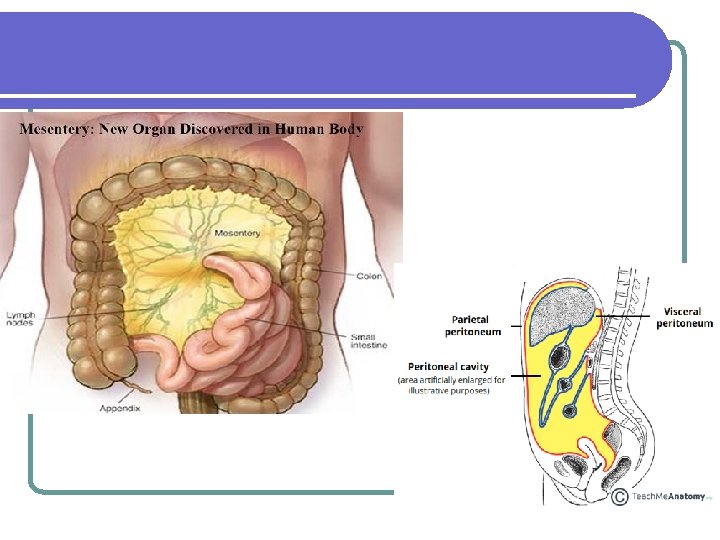
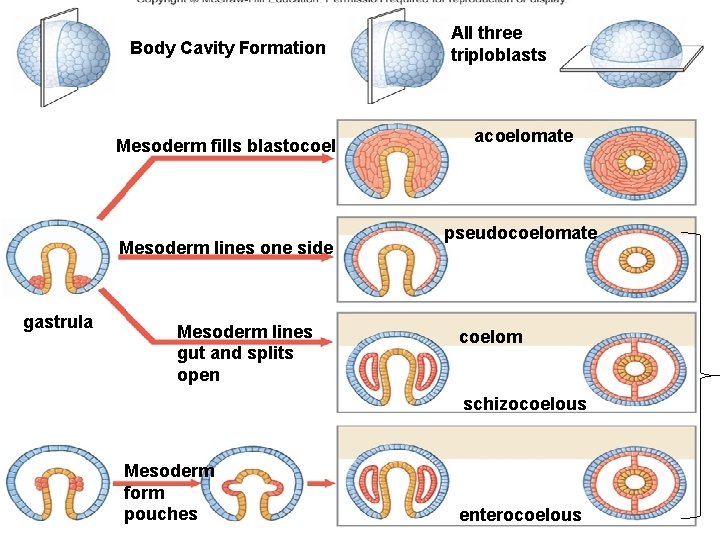
Body Cavities ● Three body plans possible: ● Acoelomate -no body cavity ● ● sponge, jellyfish, flatworms Pseudocoelomate- false/partial body cavity ● ● not completely lined w/ mesoderm cells No peritoneum (separates fluid from cavity and supports organs and serves as a means for blood vessels/nerves/lymph vessels) ● ● Rotifers and roundworms Coelomate- true body cavity ● body cavity surrounded by mesoderm ● Peritoneum present ● Most animals: most simple animalsmollusks, annelids (segmented worms), etc.
Body Cavity Formation Mesoderm fills blastocoel Mesoderm lines one side gastrula Mesoderm lines gut and splits open All three triploblasts acoelomate pseudocoelomate coelom schizocoelous Mesoderm form pouches enterocoelous
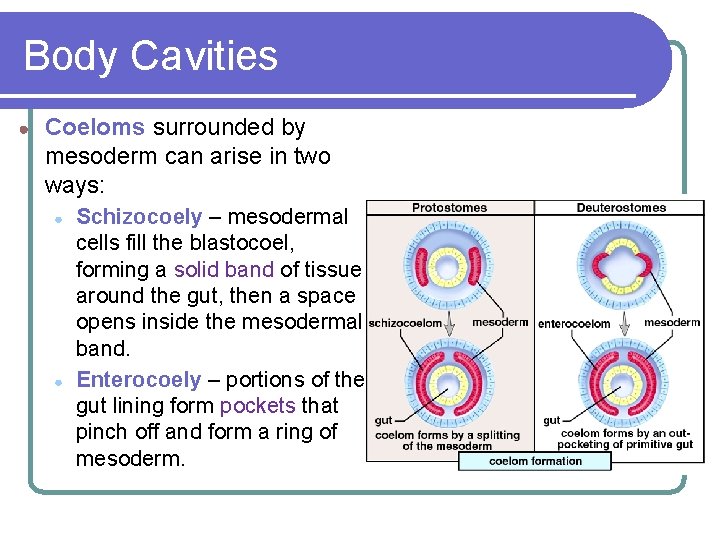
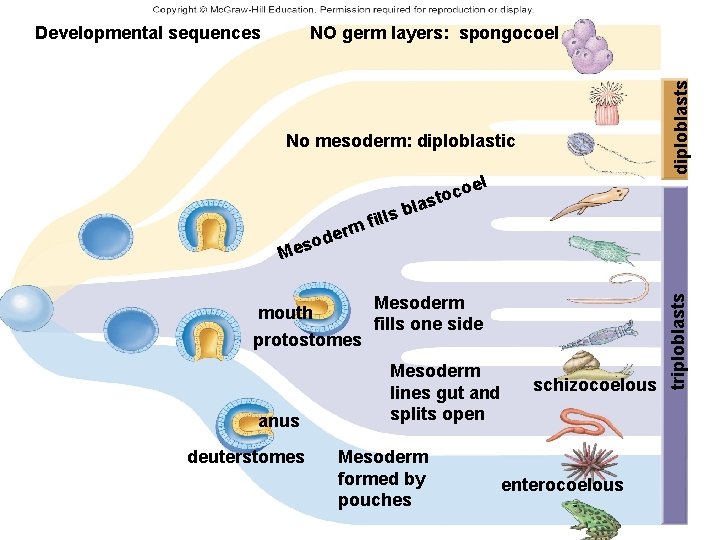
Body Cavities ● Coeloms surrounded by mesoderm can arise in two ways: ● ● Schizocoely – mesodermal cells fill the blastocoel, forming a solid band of tissue around the gut, then a space opens inside the mesodermal band. Enterocoely – portions of the gut lining form pockets that pinch off and form a ring of mesoderm.
diploblasts NO germ layers: spongocoel No mesoderm: diploblastic oel c o ast m der o s Me mouth protostomes anus deuterstomes bl s l l i f Mesoderm fills one side Mesoderm lines gut and splits open Mesoderm formed by pouches schizocoelous enterocoelous triploblasts Developmental sequences
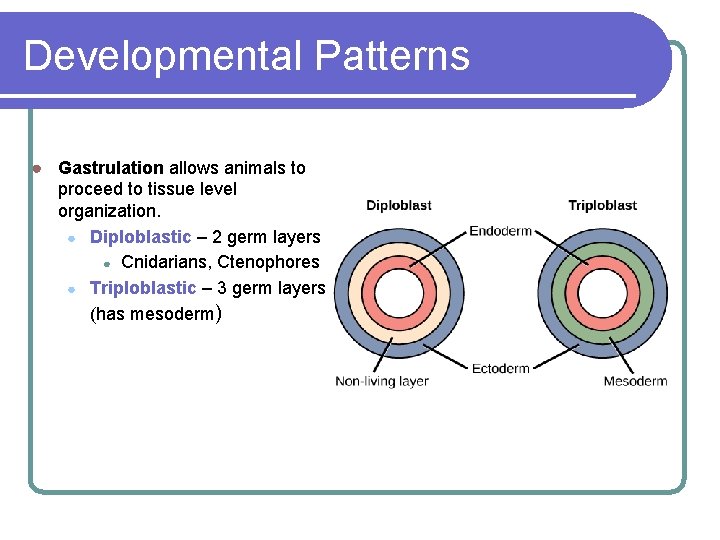
Developmental Patterns ● Gastrulation allows animals to proceed to tissue level organization. ● Diploblastic – 2 germ layers ● Cnidarians, Ctenophores ● Triploblastic – 3 germ layers (has mesoderm)
Other Key Features of Body Plans ● In some organisms, the gut does not form a complete tube. ● 1 -way system: mouth only ● Waste must come back out the mouth. ● Food must be digested & waste expelled before eating again ● Cnidarians (jellyfish) and platyhelminthes (flatworms). ● A complete gut forms a tube within a tube body plan. ● 2 -way system: mouth and anus ● All other animals