
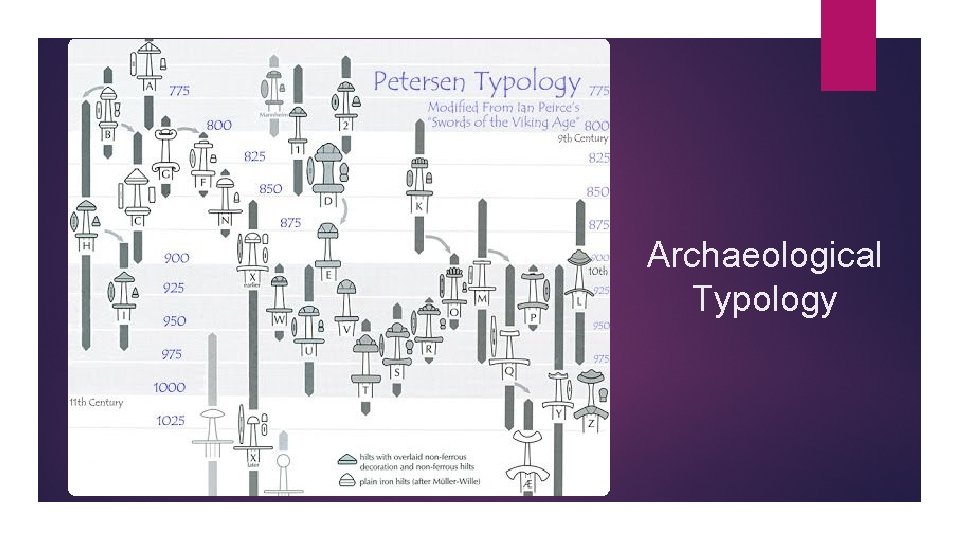
Archaeological Typology What is a Typology Defines Types


- Slides: 26
Archaeological Typology
What is a Typology? Defines Types to place an artifact in time Determined by Form and Function Usually the first step in archaeological analysis Allows for comparison of assemblages and determination of time sequences
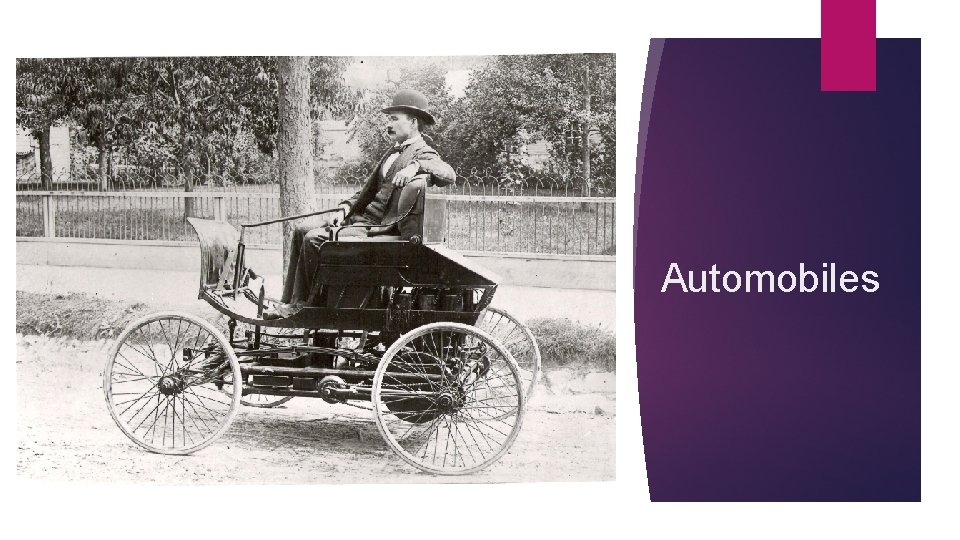
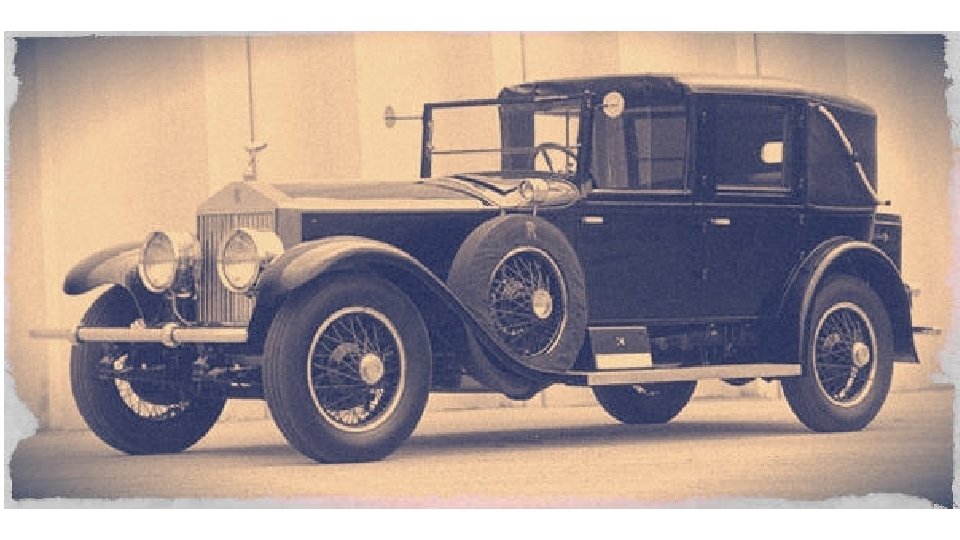
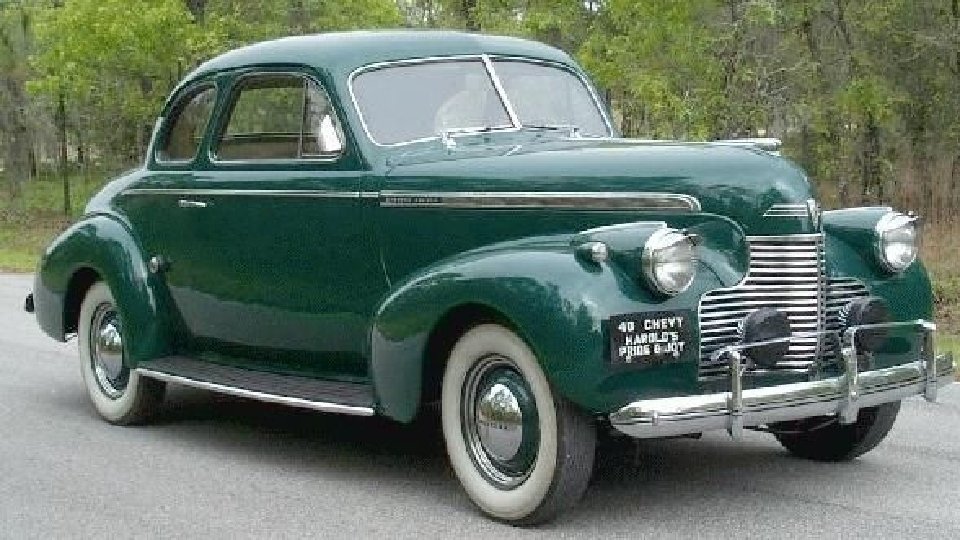
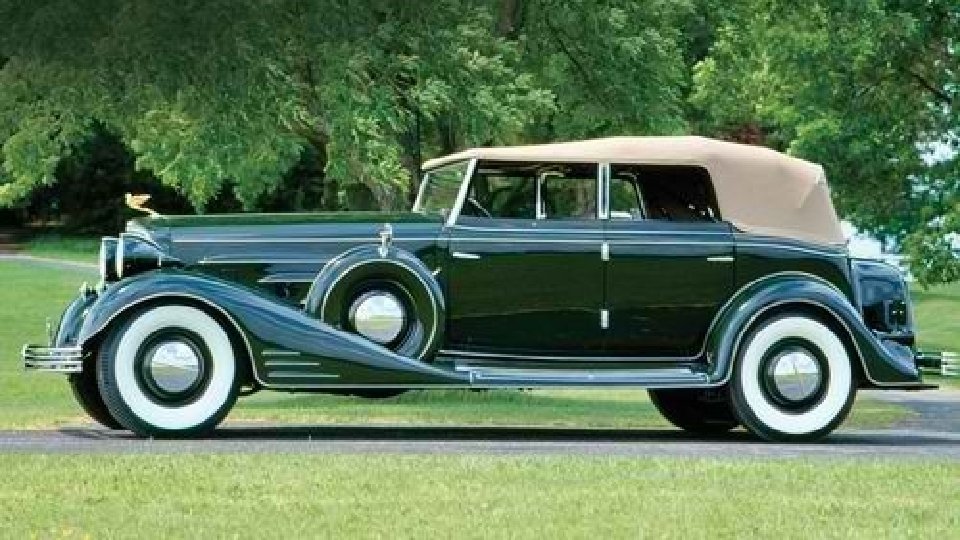
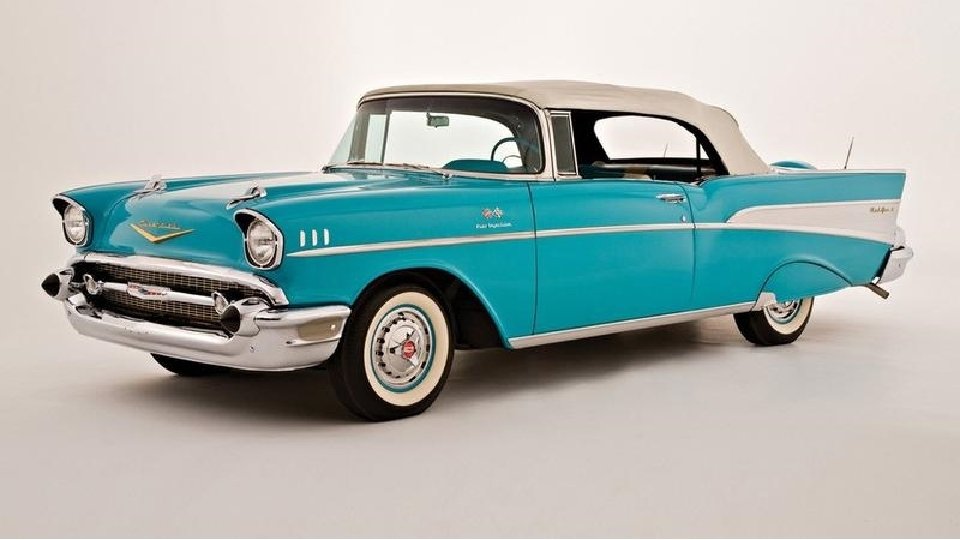
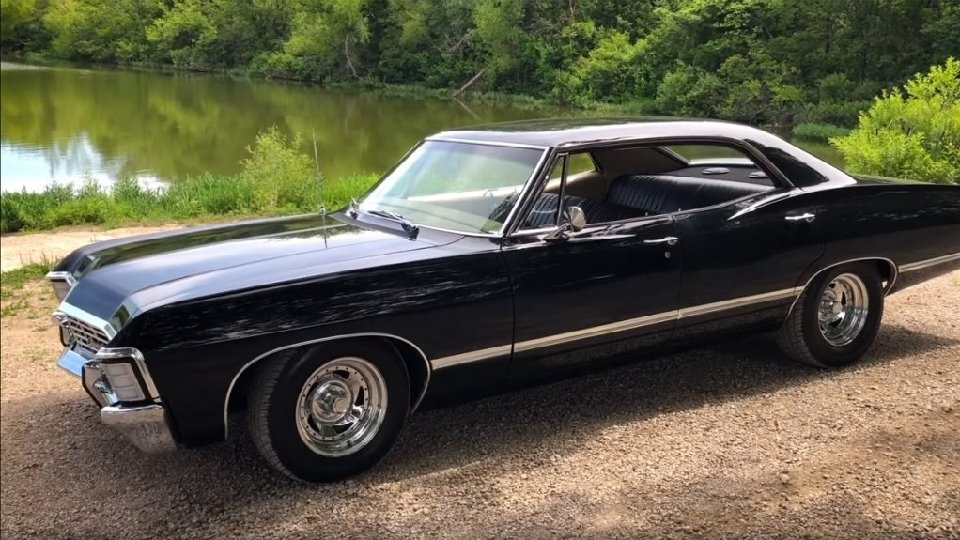
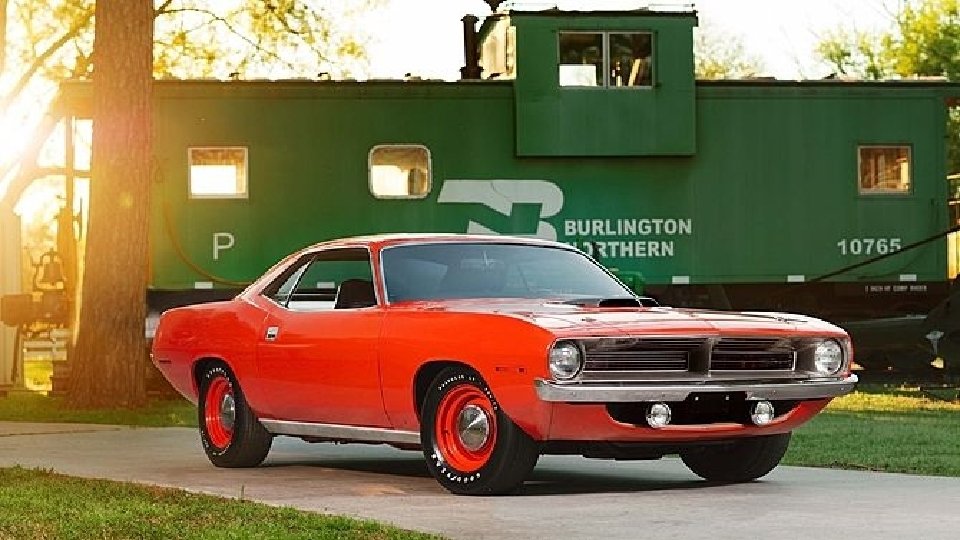
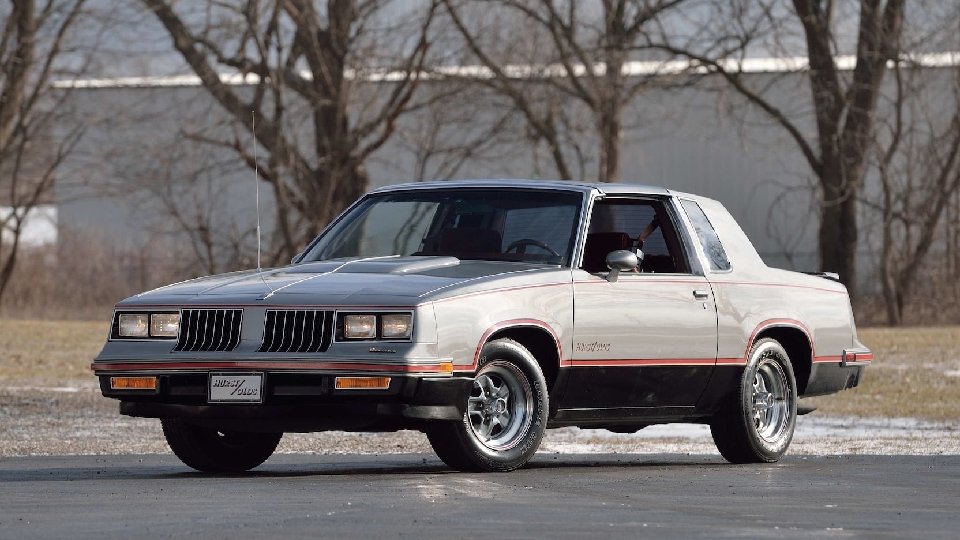
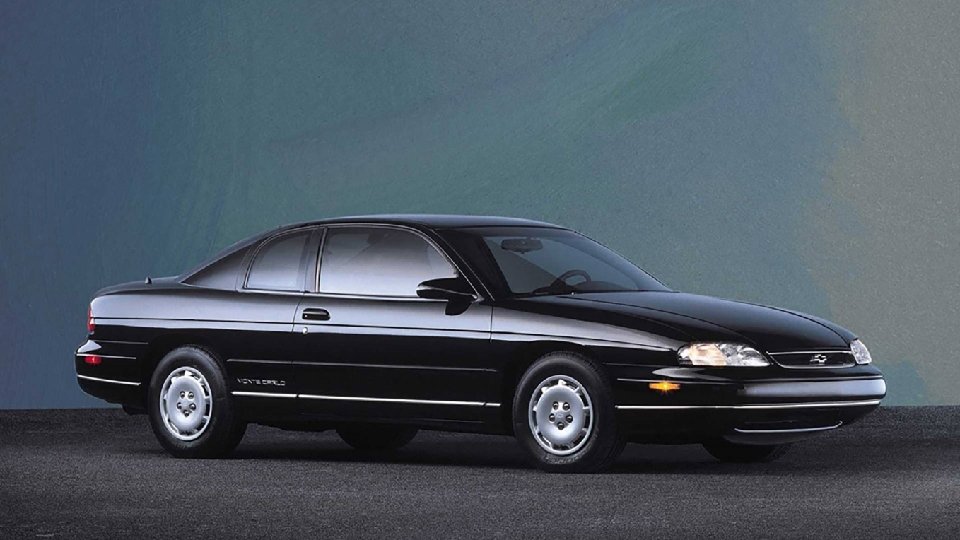
Automobiles
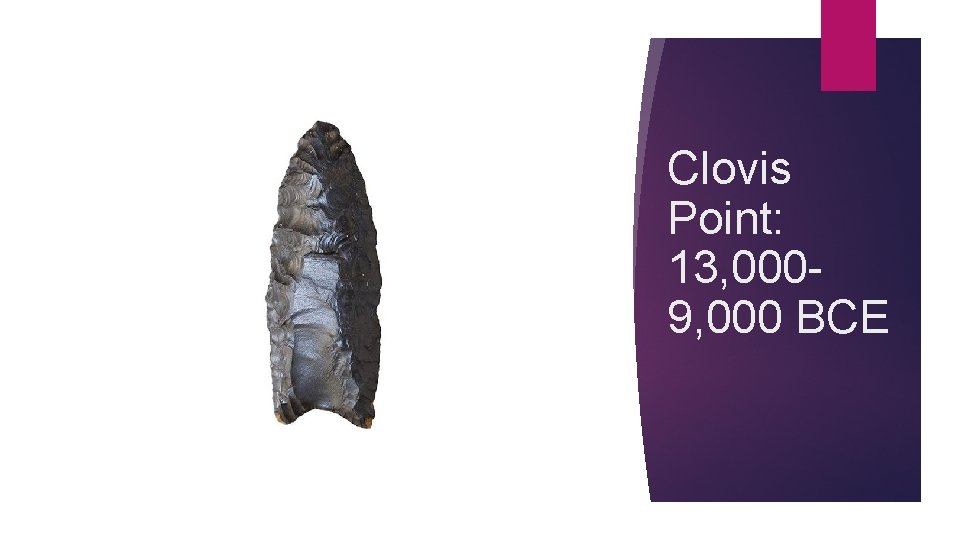
Clovis Point: 13, 0009, 000 BCE
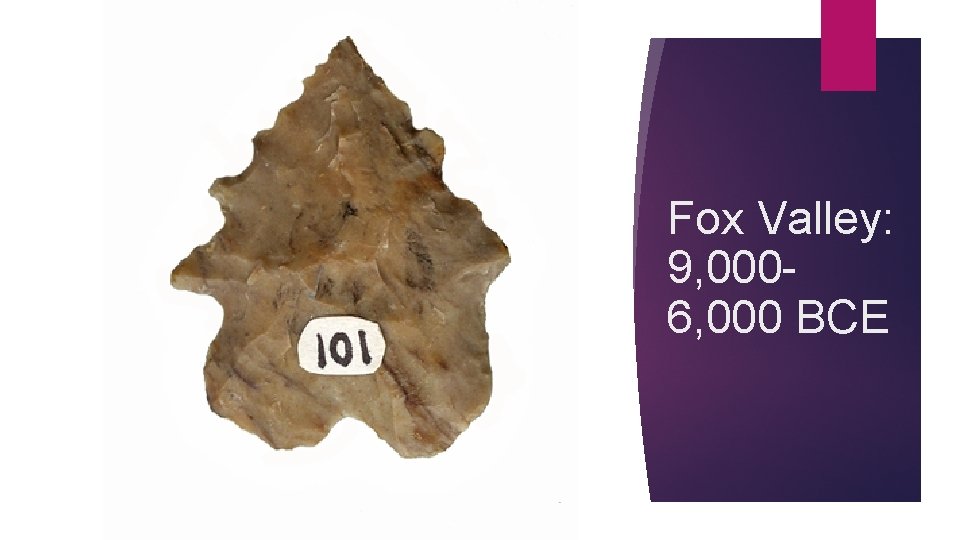
Fox Valley: 9, 0006, 000 BCE
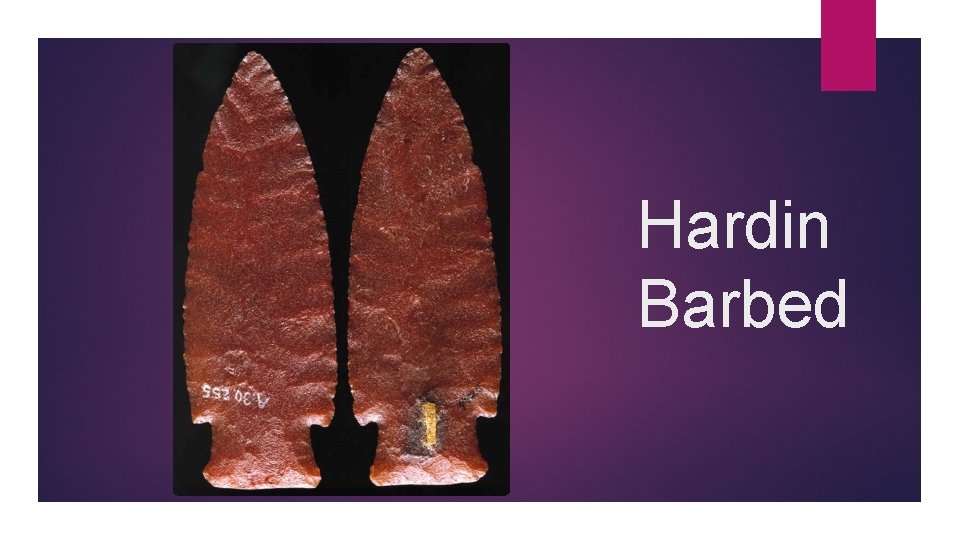
Hardin Barbed
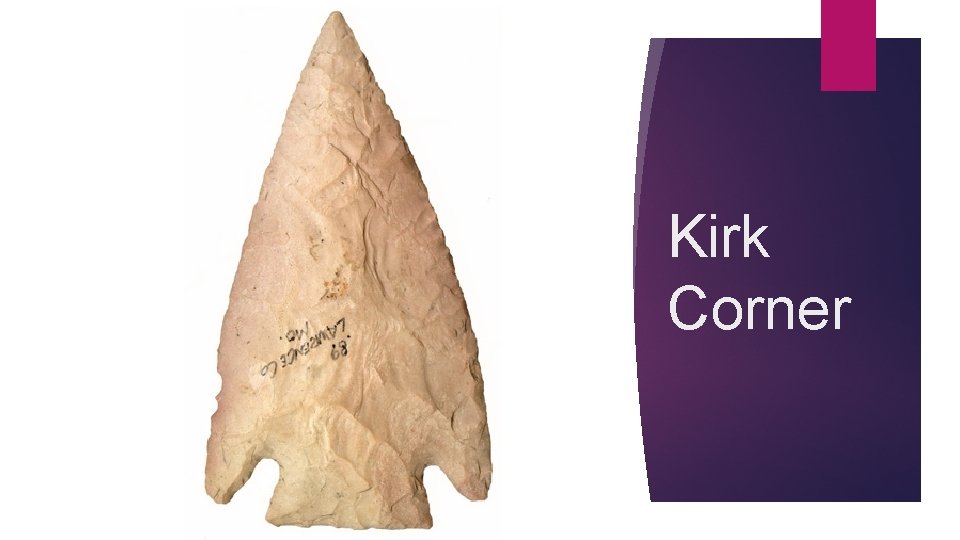
Kirk Corner
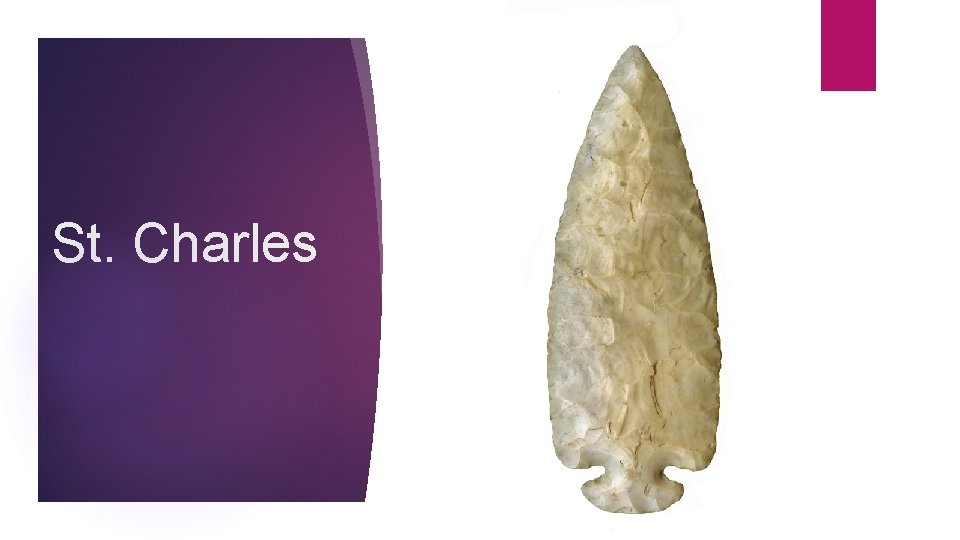
St. Charles
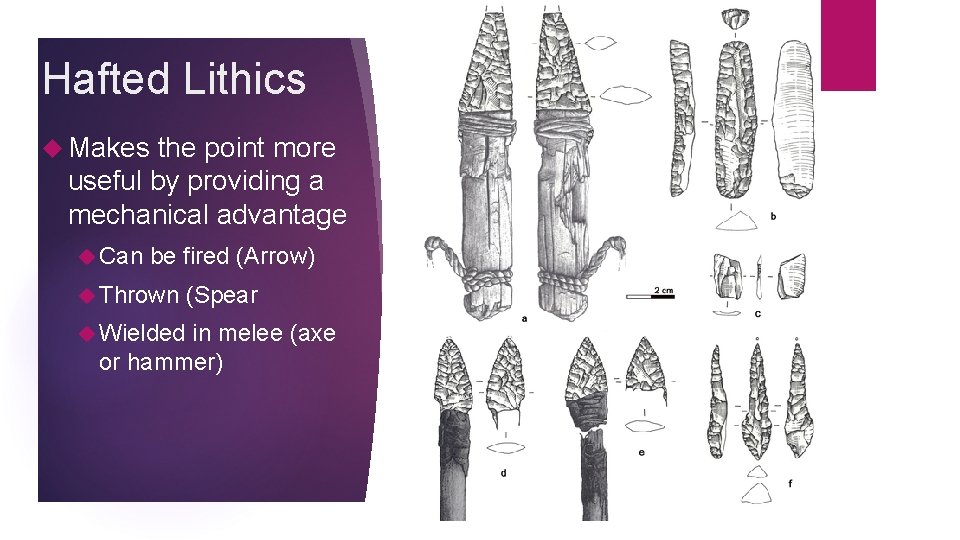
Hafted Lithics Makes the point more useful by providing a mechanical advantage Can be fired (Arrow) Thrown (Spear Wielded in melee (axe or hammer)
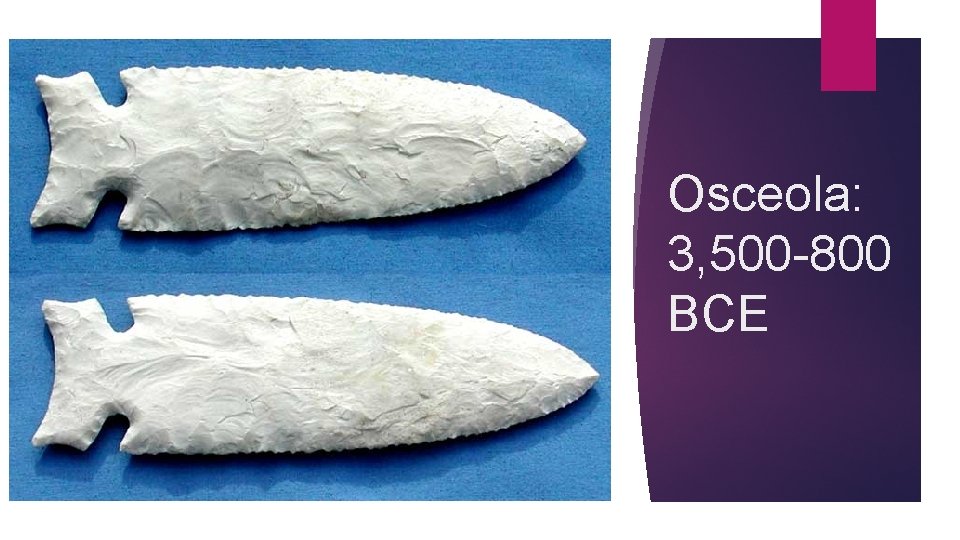
Osceola: 3, 500 -800 BCE
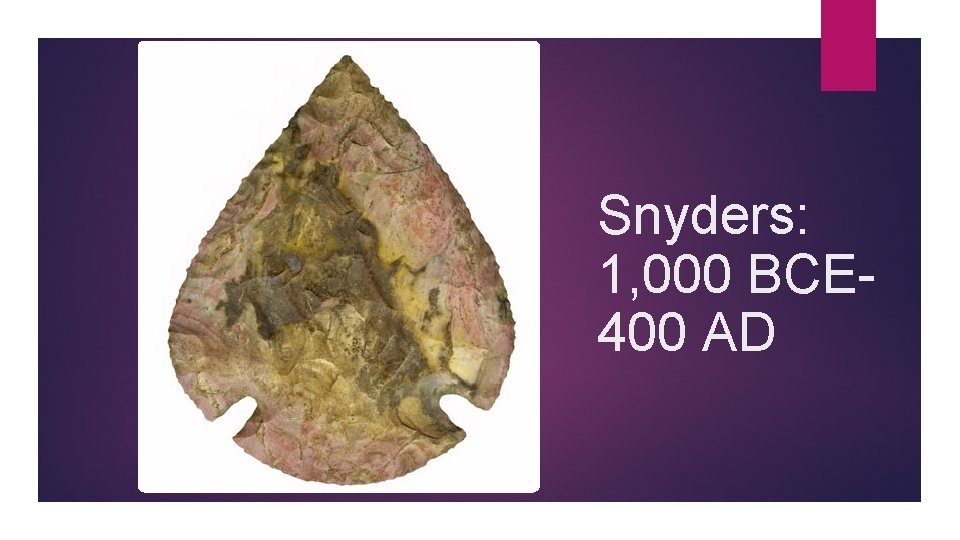
Snyders: 1, 000 BCE 400 AD
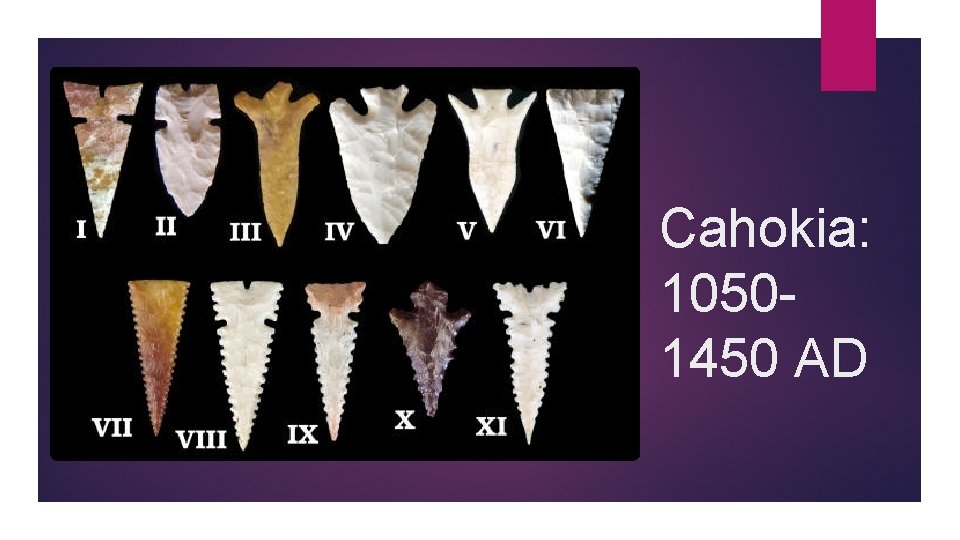
Cahokia: 10501450 AD
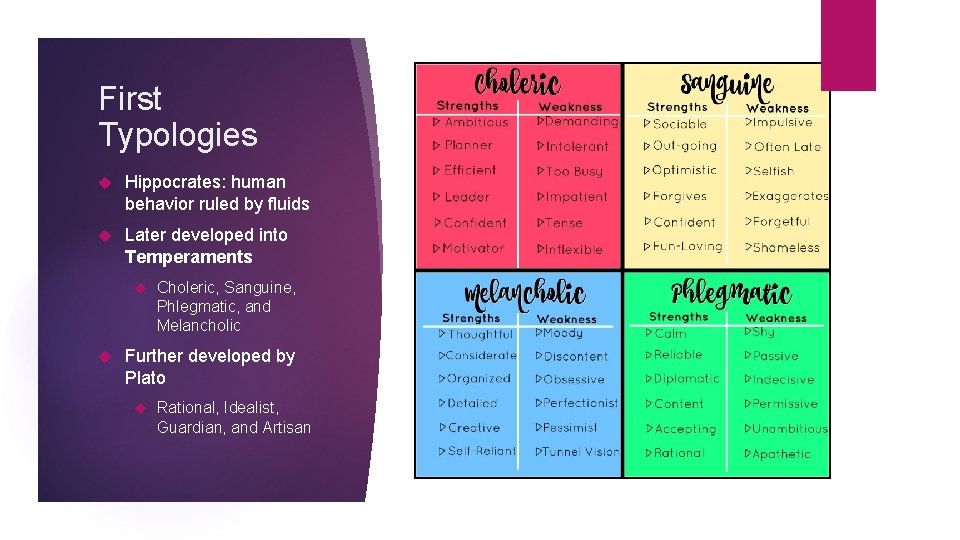
First Typologies Hippocrates: human behavior ruled by fluids Later developed into Temperaments Choleric, Sanguine, Phlegmatic, and Melancholic Further developed by Plato Rational, Idealist, Guardian, and Artisan
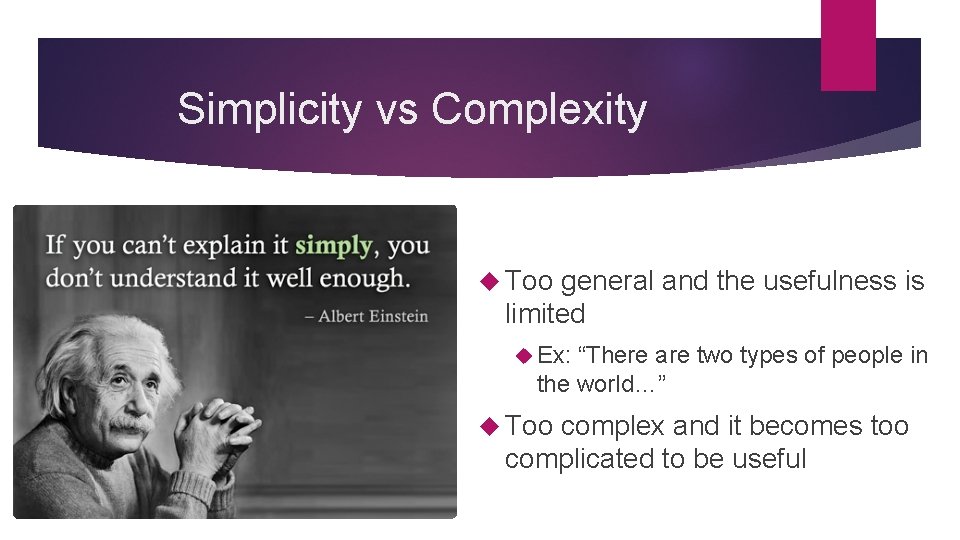
Simplicity vs Complexity Too general and the usefulness is limited Ex: “There are two types of people in the world…” Too complex and it becomes too complicated to be useful
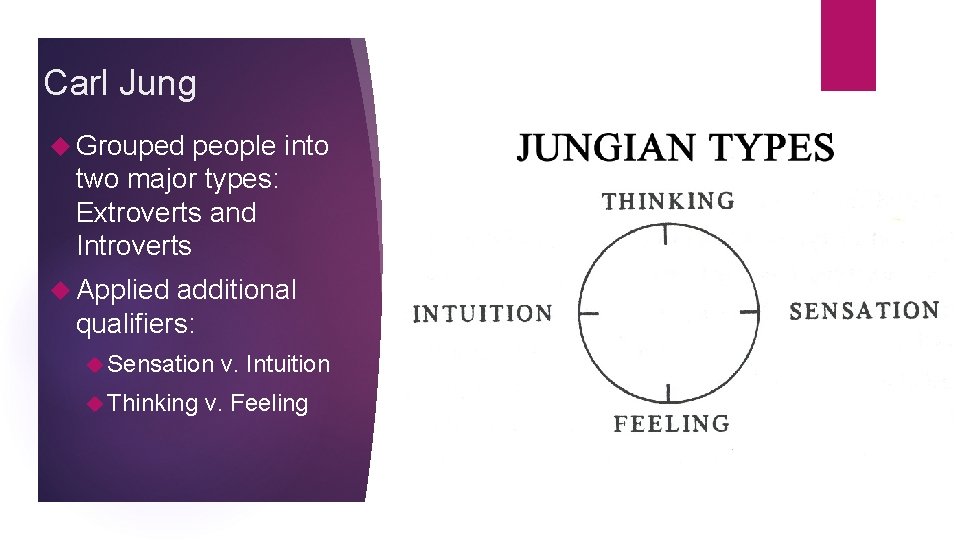
Carl Jung Grouped people into two major types: Extroverts and Introverts Applied additional qualifiers: Sensation Thinking v. Intuition v. Feeling
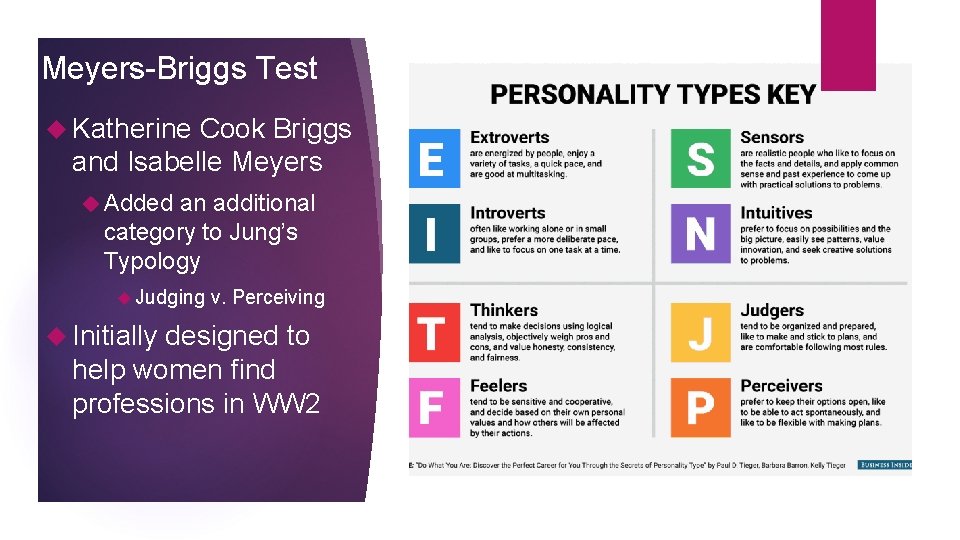
Meyers-Briggs Test Katherine Cook Briggs and Isabelle Meyers Added an additional category to Jung’s Typology Judging Initially v. Perceiving designed to help women find professions in WW 2