
Arachnida Spiders ticks mites scorpions Spider structure Cephalothorax
- Slides: 59
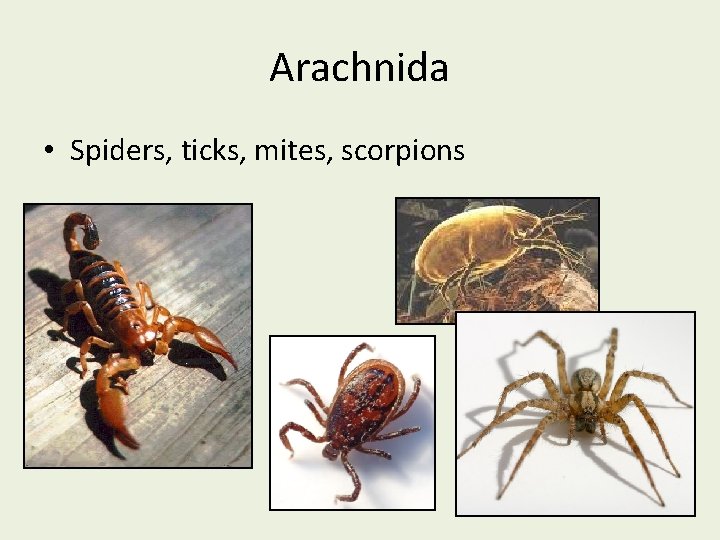
Arachnida • Spiders, ticks, mites, scorpions
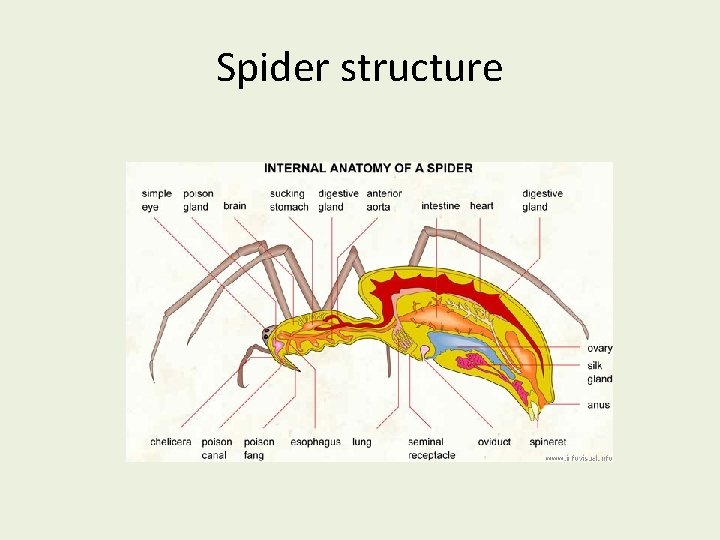
Spider structure
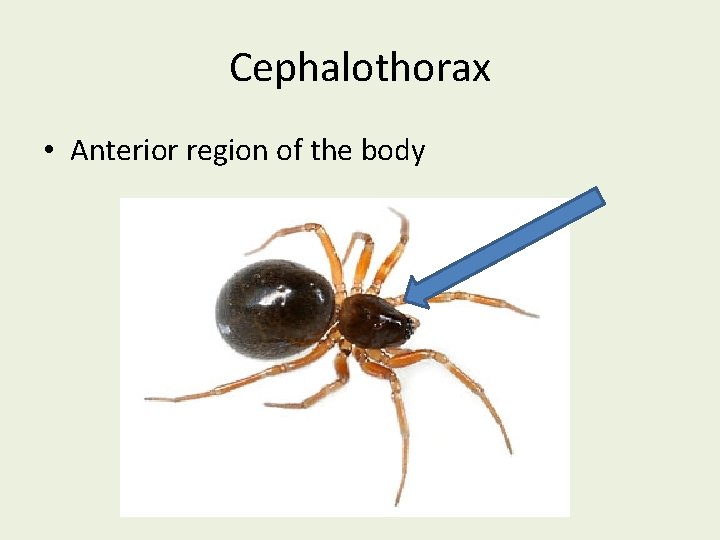
Cephalothorax • Anterior region of the body
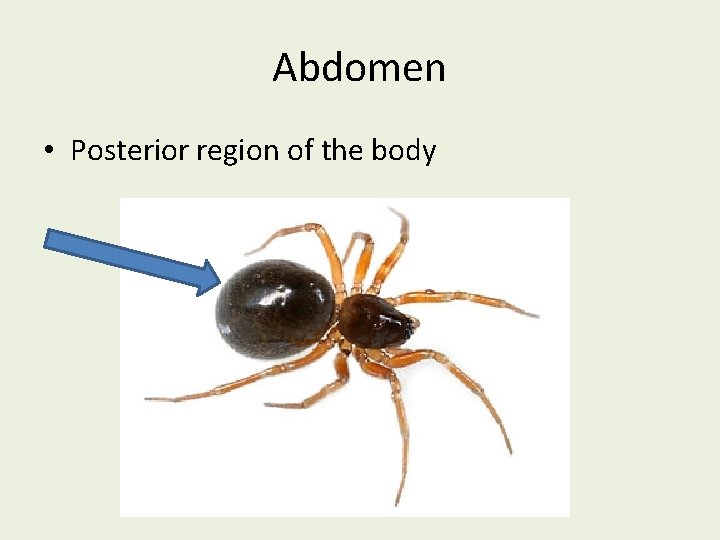
Abdomen • Posterior region of the body
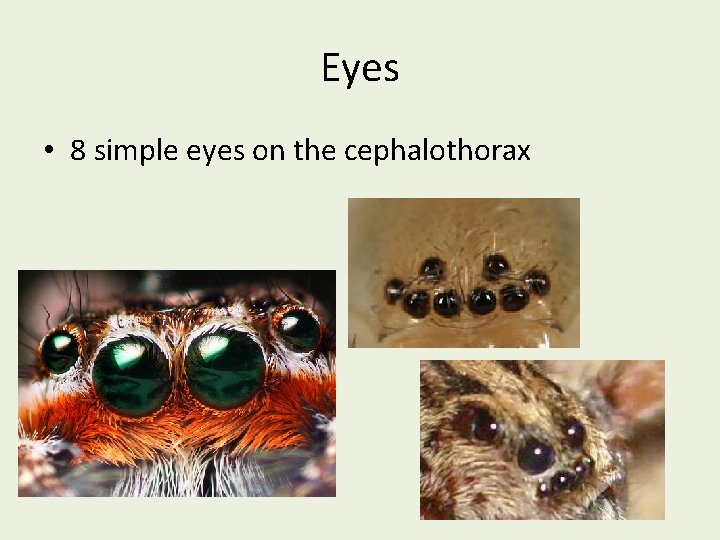
Eyes • 8 simple eyes on the cephalothorax
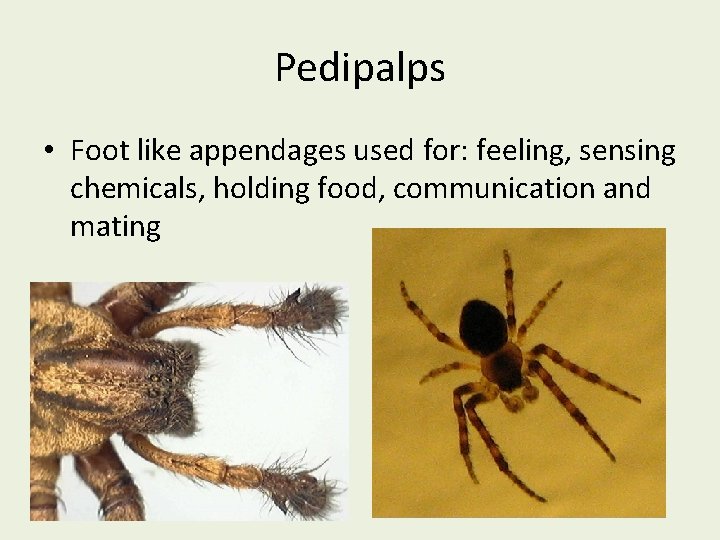
Pedipalps • Foot like appendages used for: feeling, sensing chemicals, holding food, communication and mating
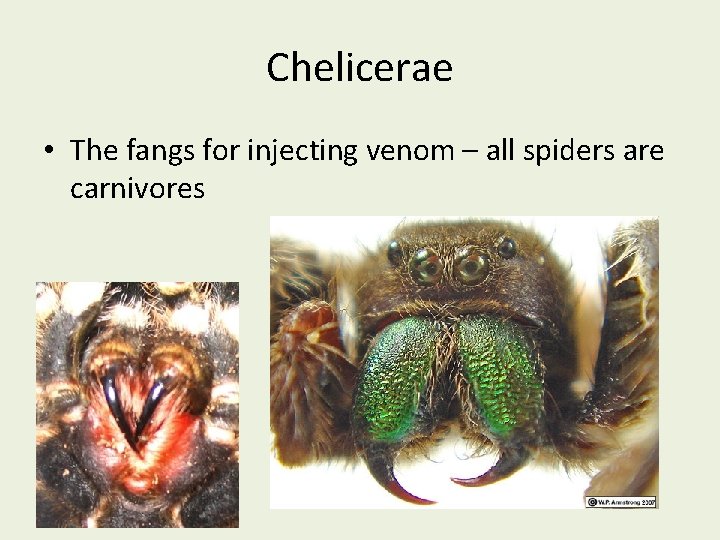
Chelicerae • The fangs for injecting venom – all spiders are carnivores
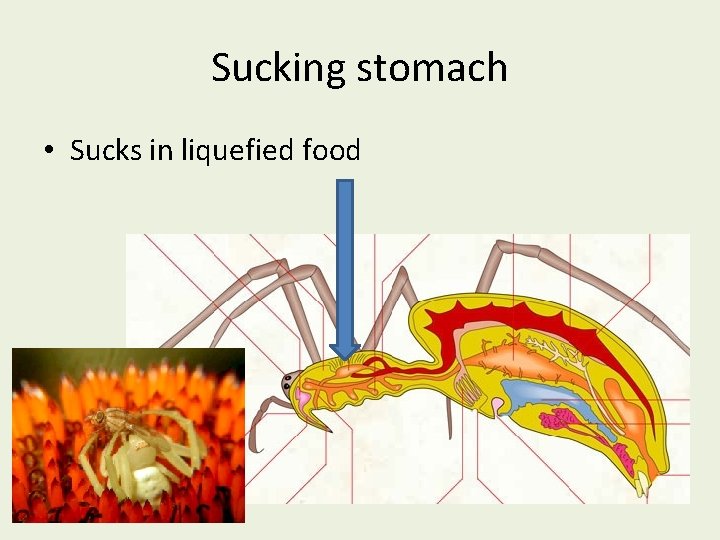
Sucking stomach • Sucks in liquefied food
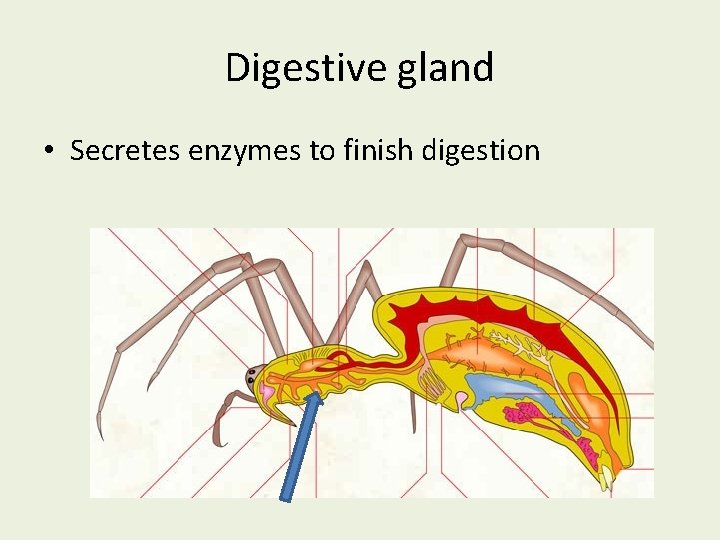
Digestive gland • Secretes enzymes to finish digestion
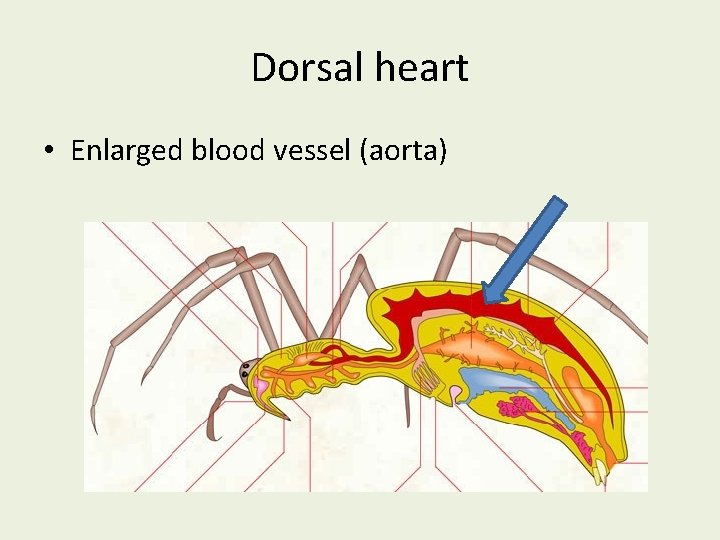
Dorsal heart • Enlarged blood vessel (aorta)
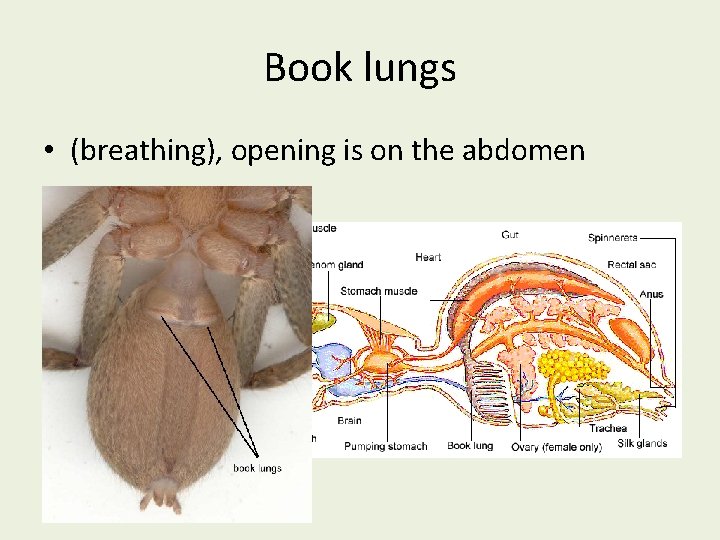
Book lungs • (breathing), opening is on the abdomen
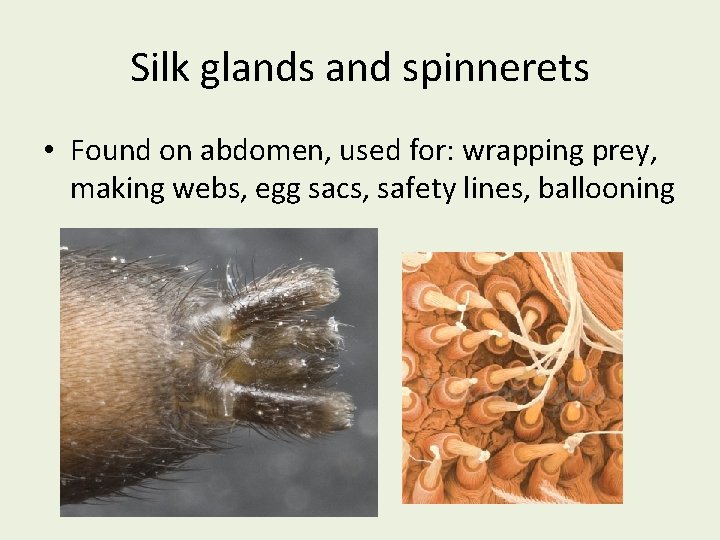
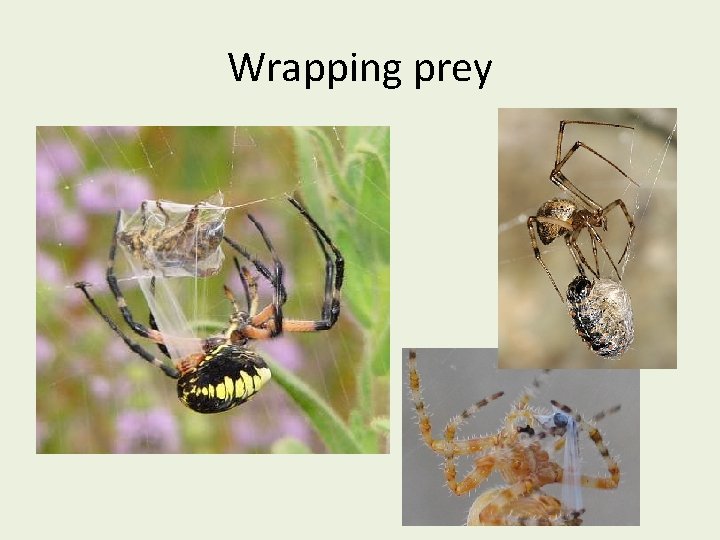
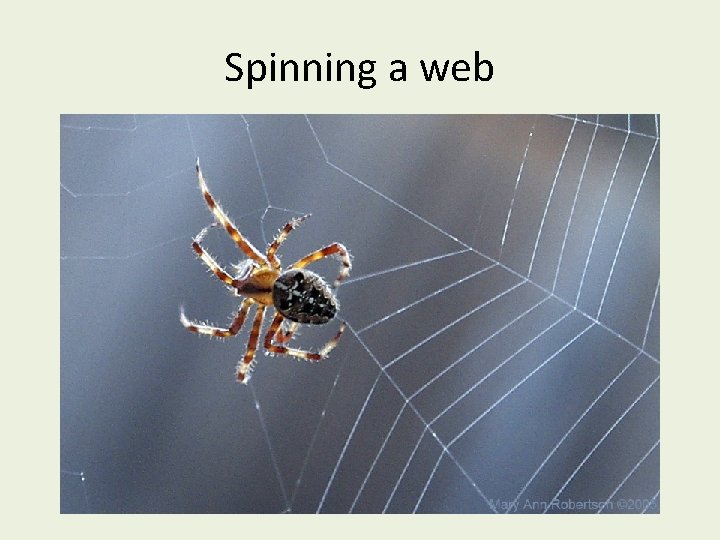
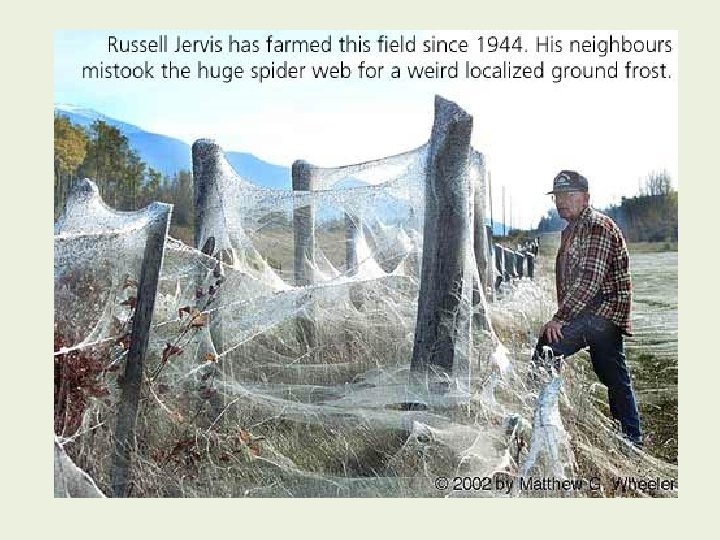
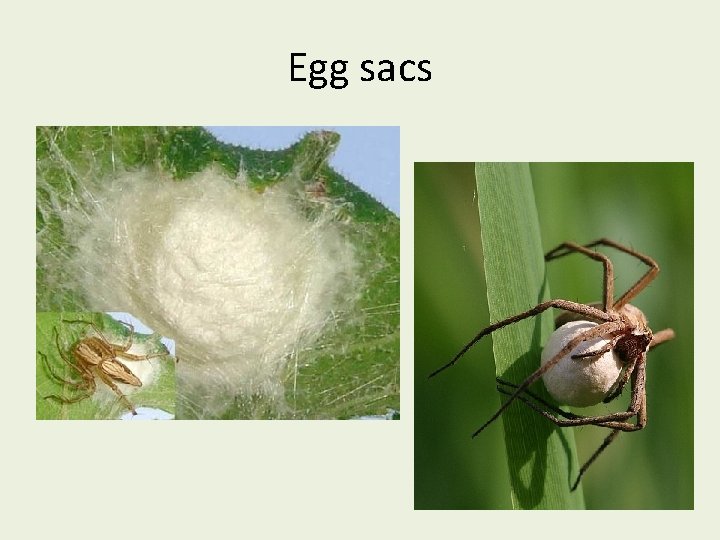
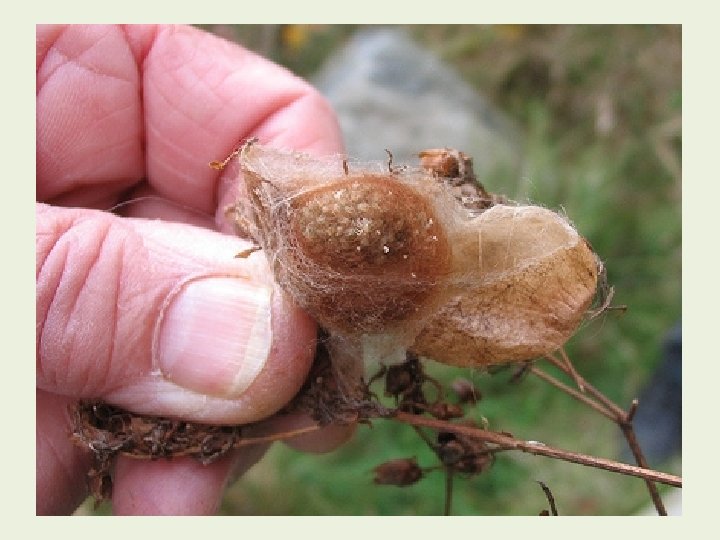
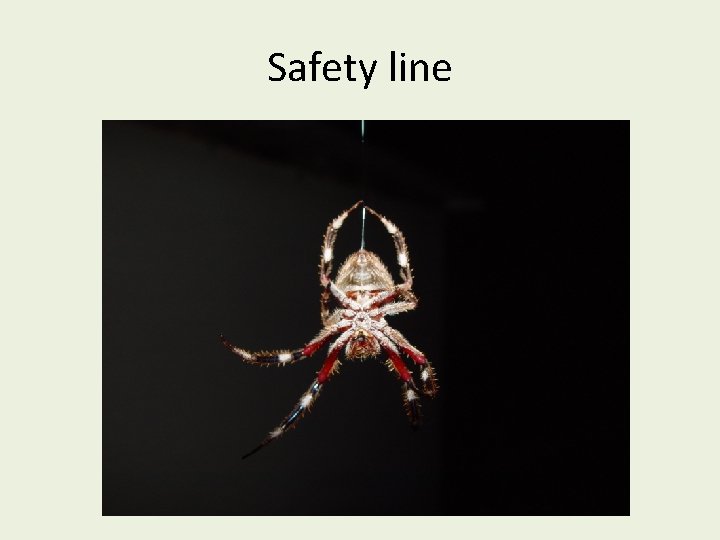
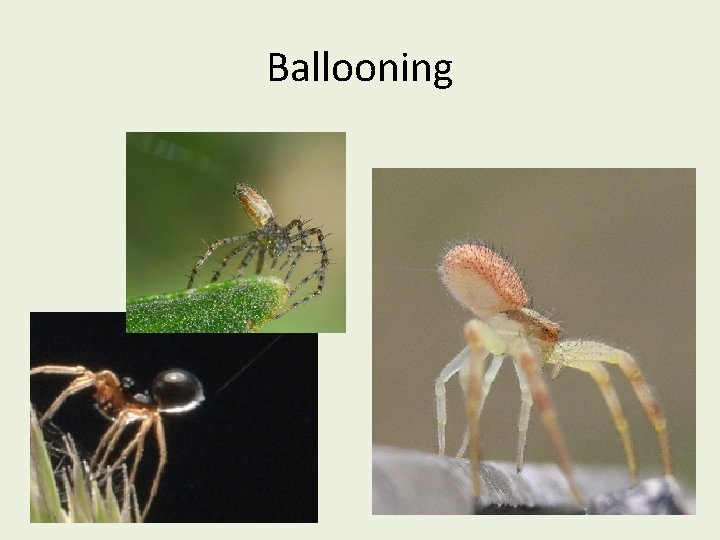
Silk glands and spinnerets • Found on abdomen, used for: wrapping prey, making webs, egg sacs, safety lines, ballooning
Wrapping prey
Spinning a web
Egg sacs
Safety line
Ballooning
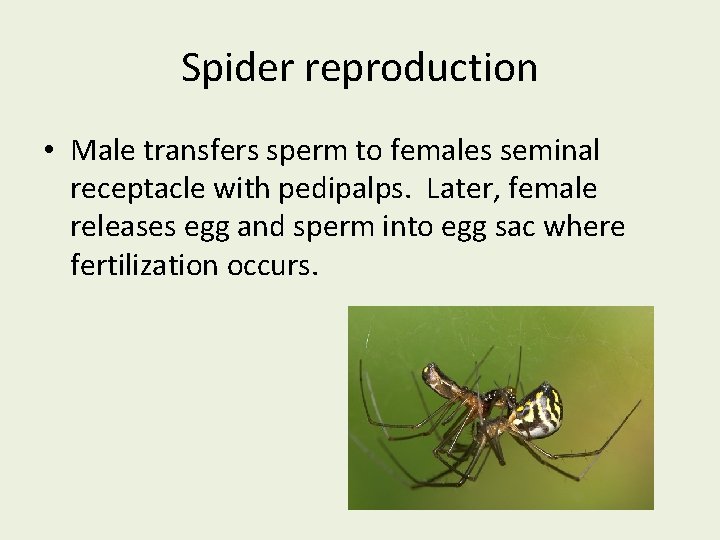
Spider reproduction • Male transfers sperm to females seminal receptacle with pedipalps. Later, female releases egg and sperm into egg sac where fertilization occurs.
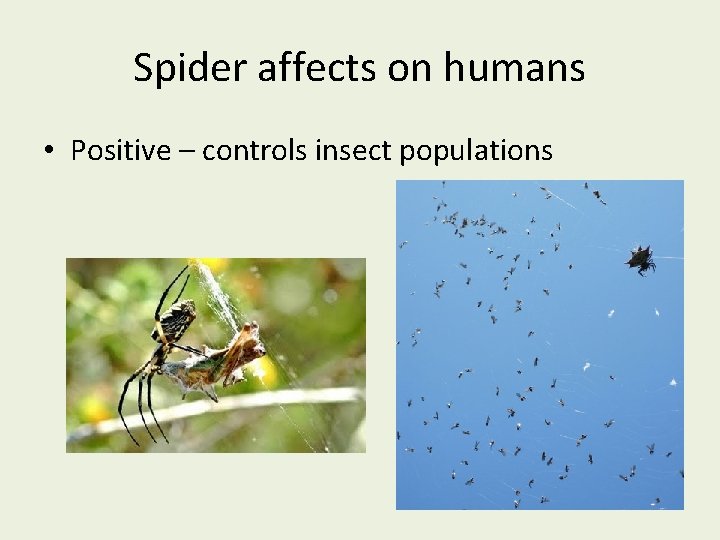
Spider affects on humans • Positive – controls insect populations
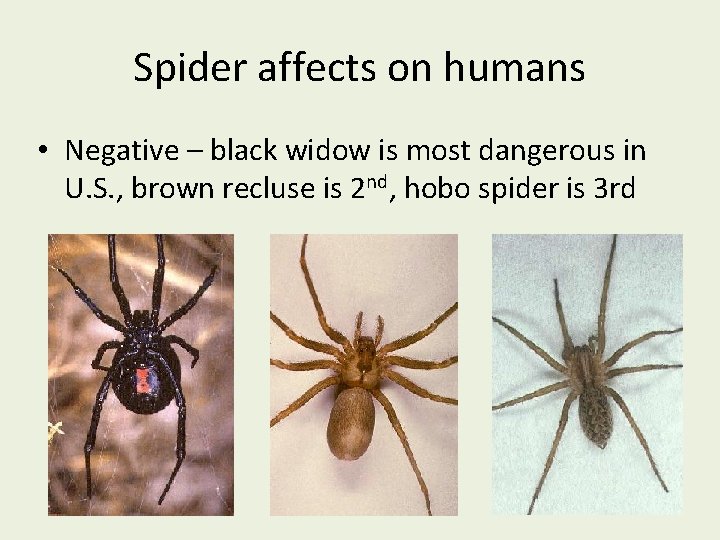
Spider affects on humans • Negative – black widow is most dangerous in U. S. , brown recluse is 2 nd, hobo spider is 3 rd
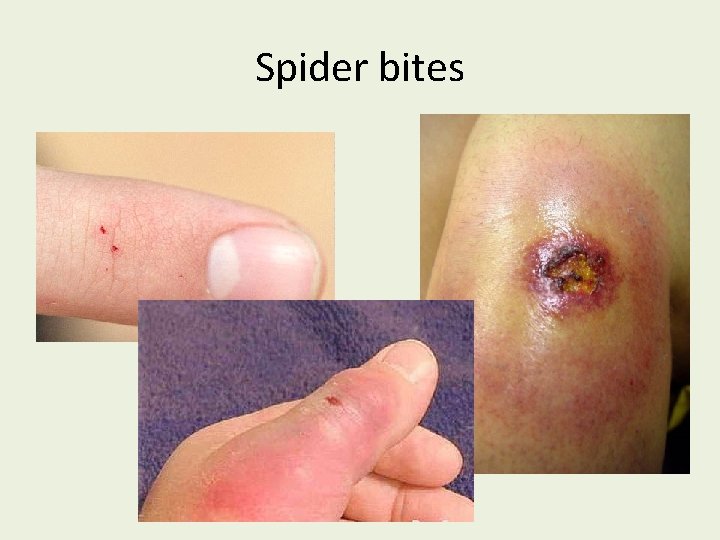
Spider bites
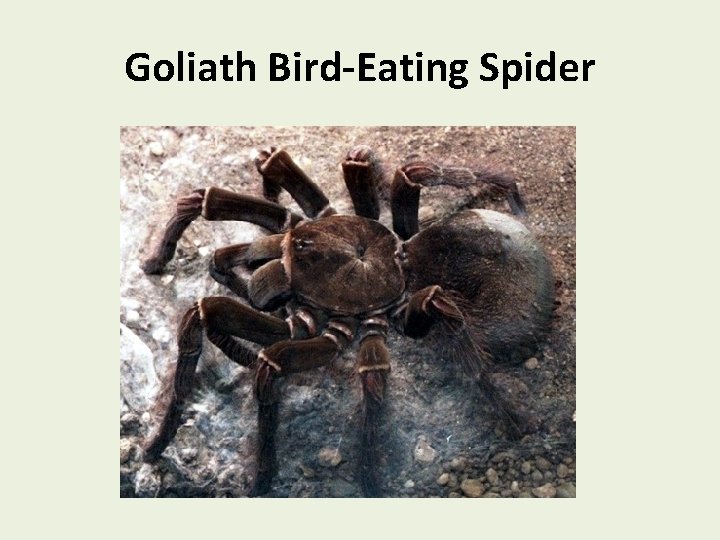
Goliath Bird-Eating Spider
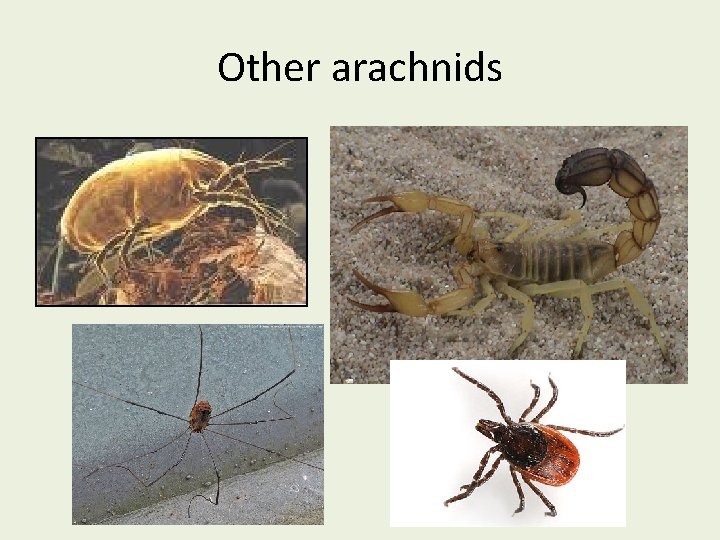
Other arachnids
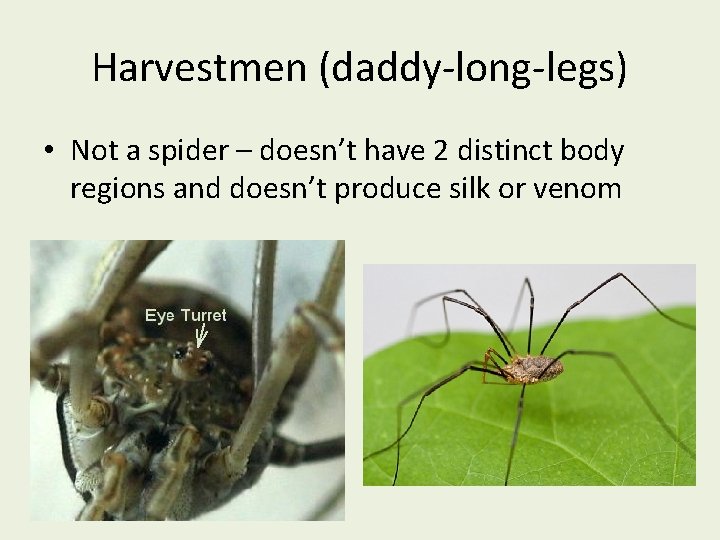
Harvestmen (daddy-long-legs) • Not a spider – doesn’t have 2 distinct body regions and doesn’t produce silk or venom
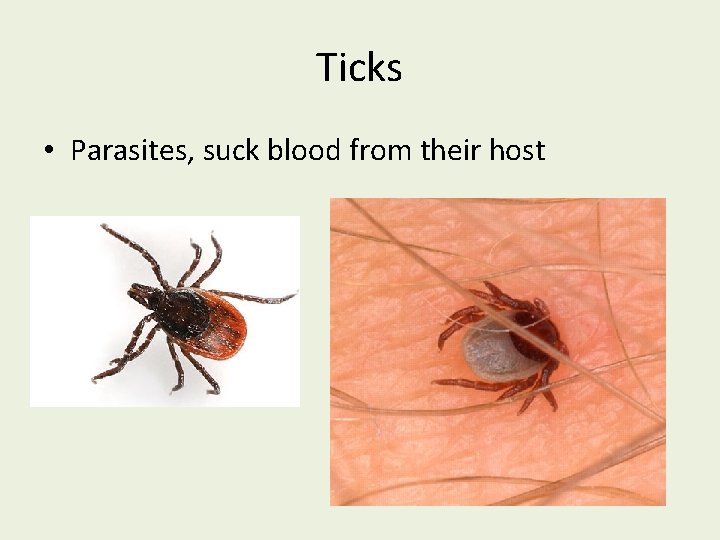
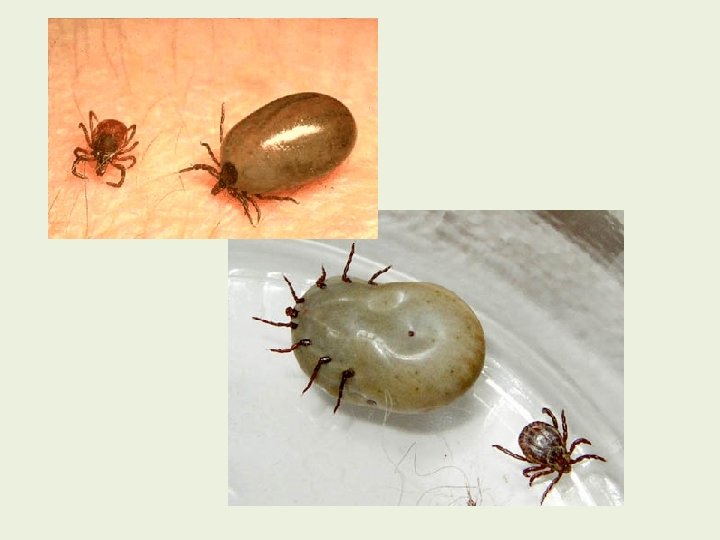
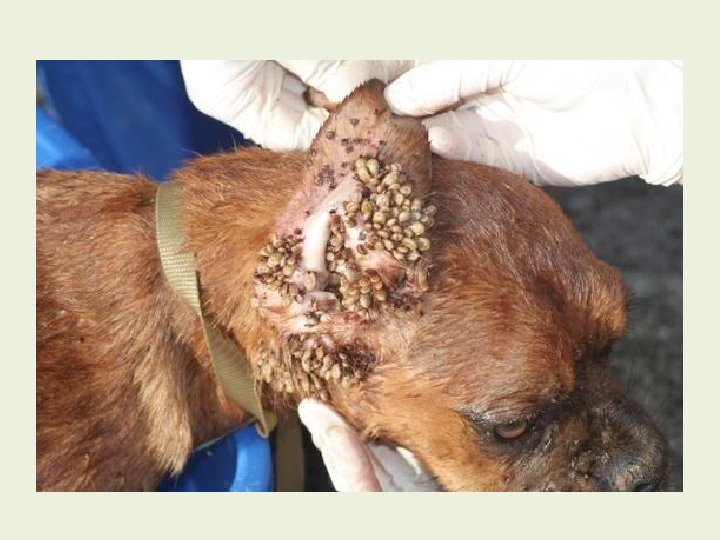
Ticks • Parasites, suck blood from their host
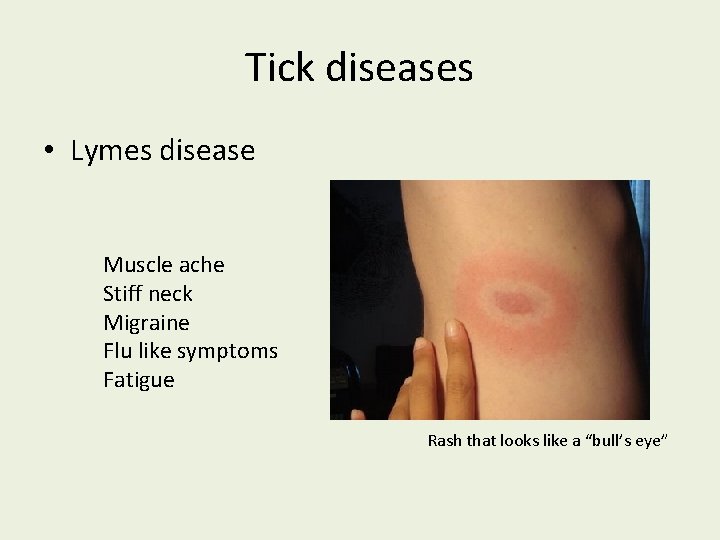
Tick diseases • Lymes disease Muscle ache Stiff neck Migraine Flu like symptoms Fatigue Rash that looks like a “bull’s eye”
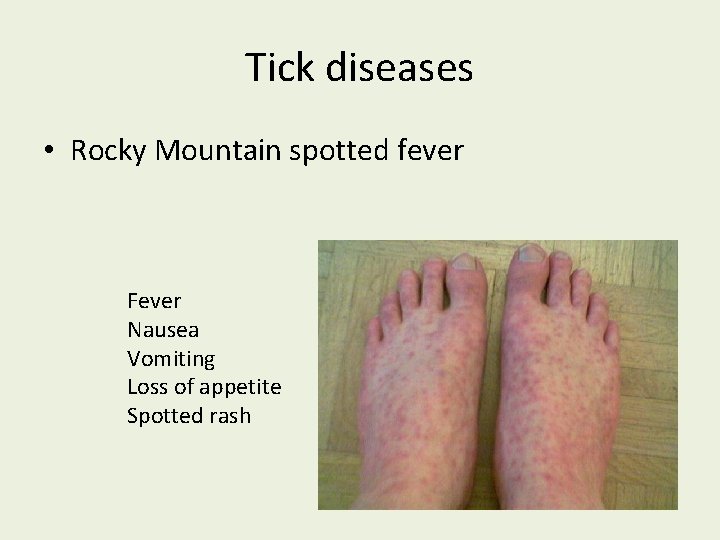
Tick diseases • Rocky Mountain spotted fever Fever Nausea Vomiting Loss of appetite Spotted rash
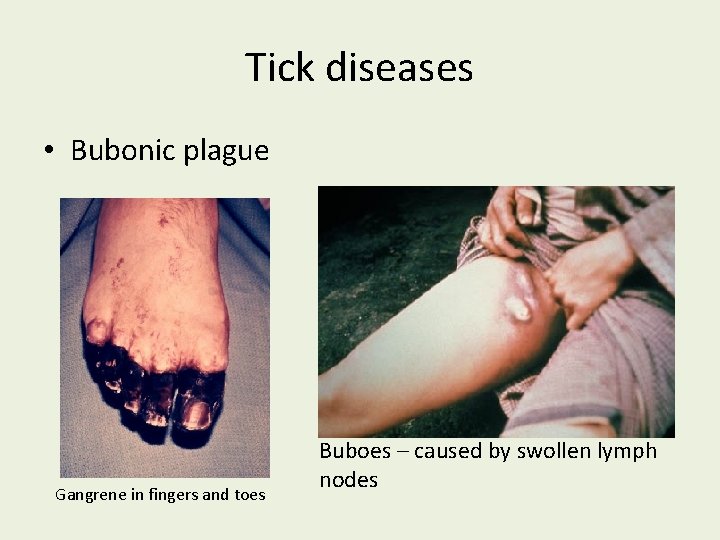
Tick diseases • Bubonic plague Gangrene in fingers and toes Buboes – caused by swollen lymph nodes
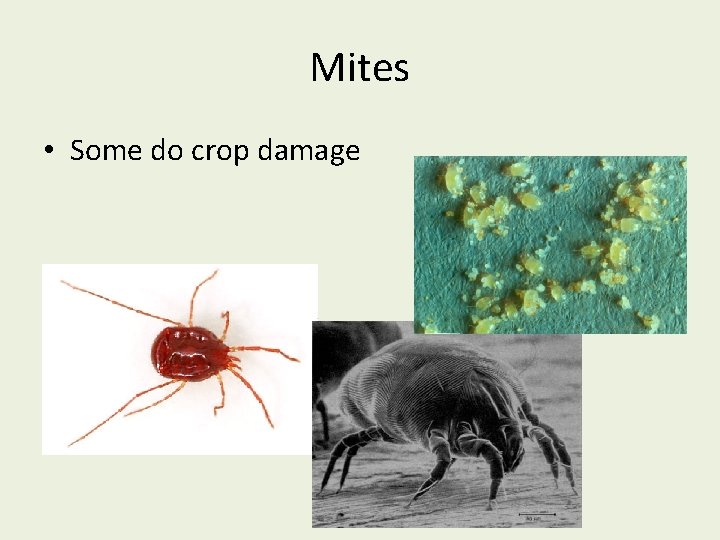
Mites • Some do crop damage
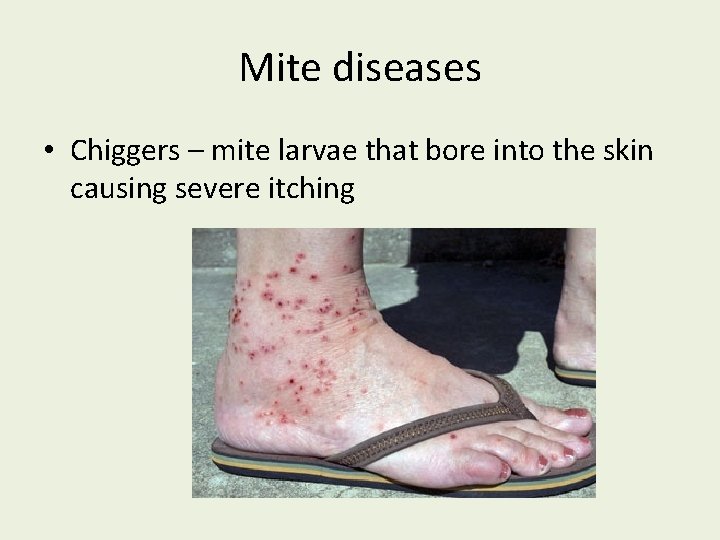
Mite diseases • Chiggers – mite larvae that bore into the skin causing severe itching
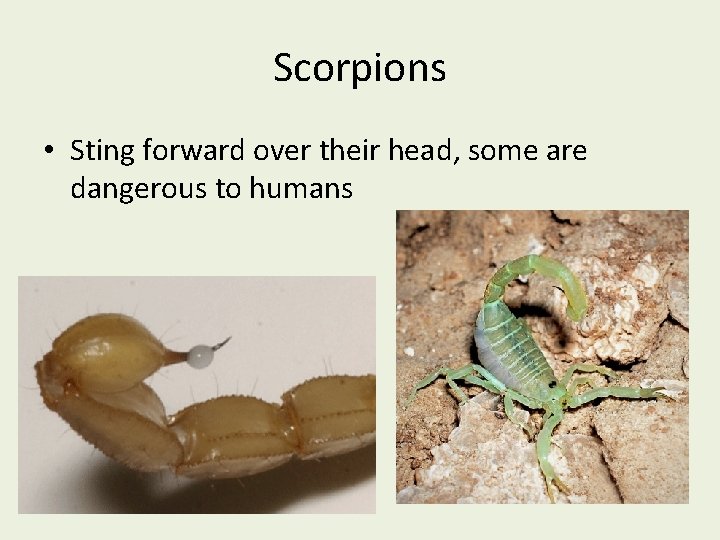
Scorpions • Sting forward over their head, some are dangerous to humans
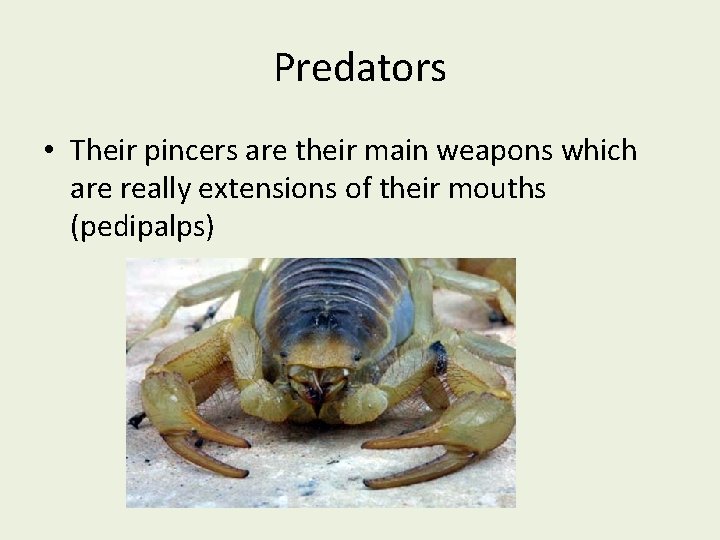
Predators • Their pincers are their main weapons which are really extensions of their mouths (pedipalps)
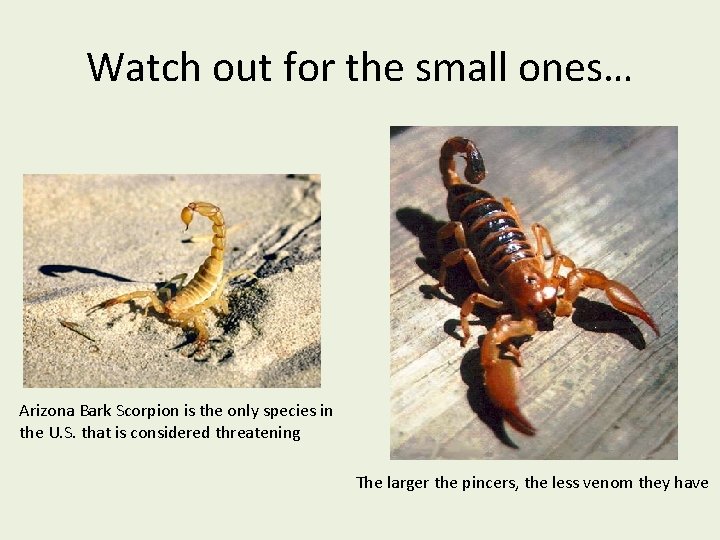
Watch out for the small ones… Arizona Bark Scorpion is the only species in the U. S. that is considered threatening The larger the pincers, the less venom they have
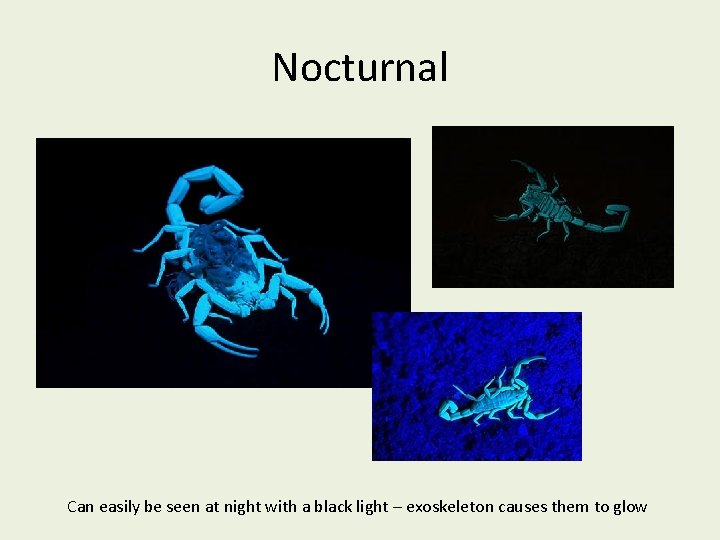
Nocturnal Can easily be seen at night with a black light – exoskeleton causes them to glow
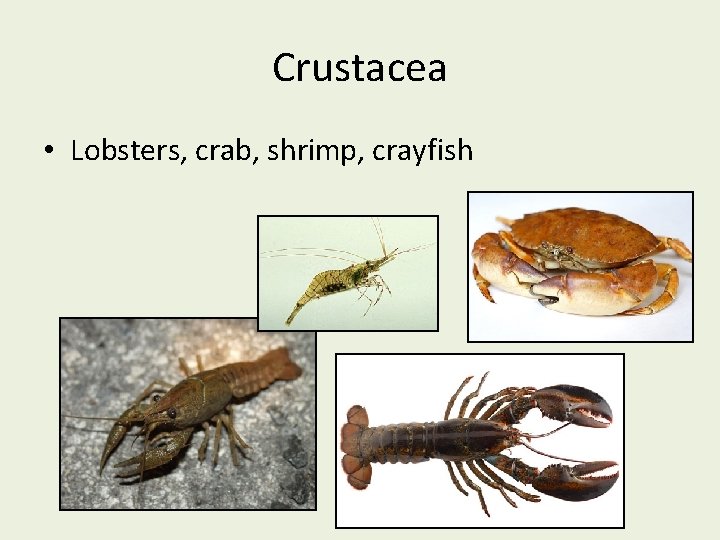
Crustacea • Lobsters, crab, shrimp, crayfish
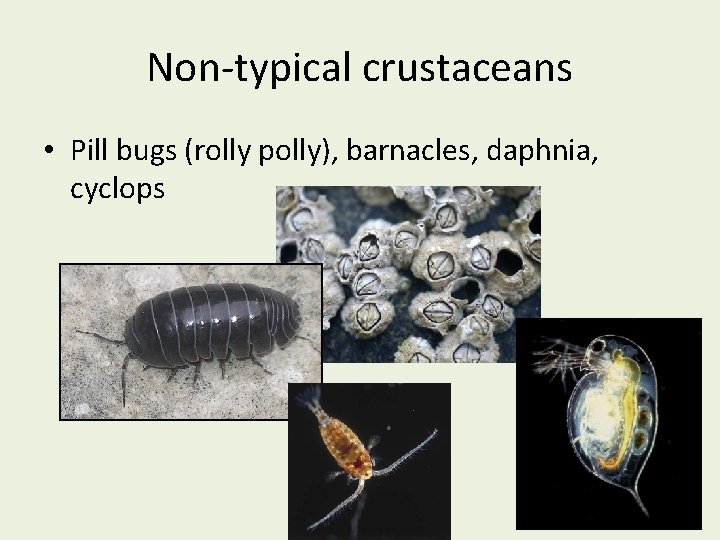
Non-typical crustaceans • Pill bugs (rolly polly), barnacles, daphnia, cyclops
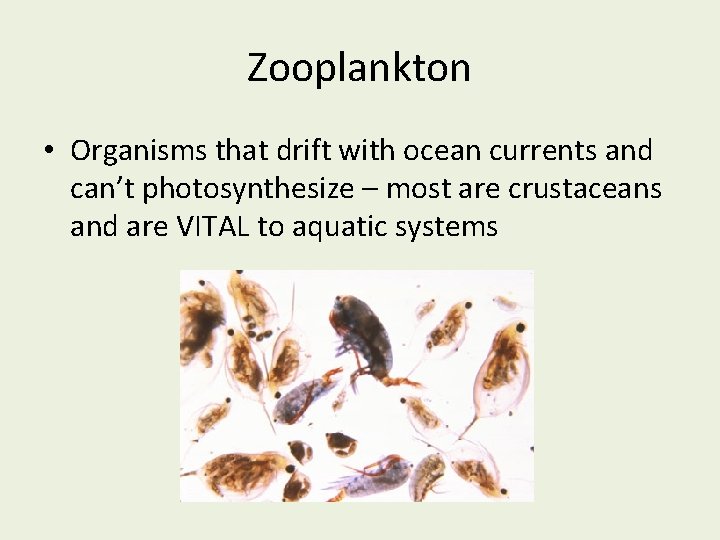
Zooplankton • Organisms that drift with ocean currents and can’t photosynthesize – most are crustaceans and are VITAL to aquatic systems
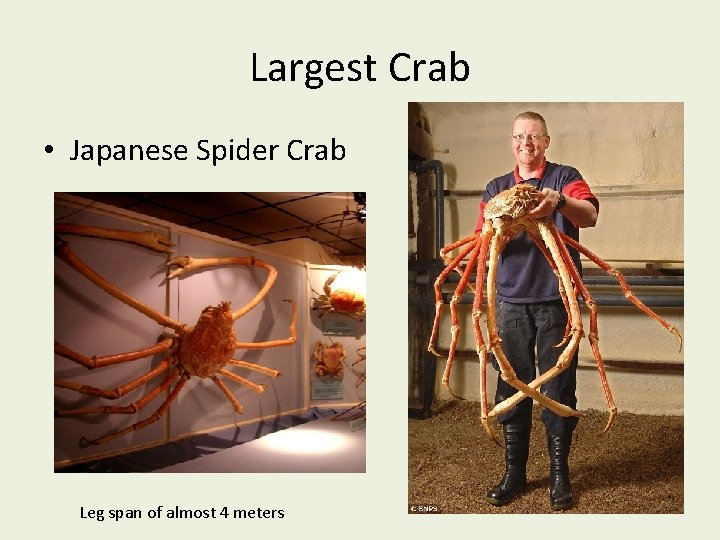
Largest Crab • Japanese Spider Crab Leg span of almost 4 meters
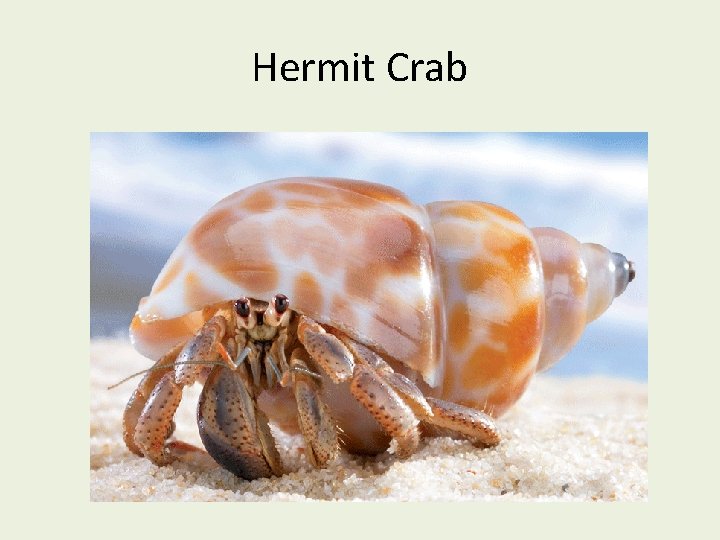
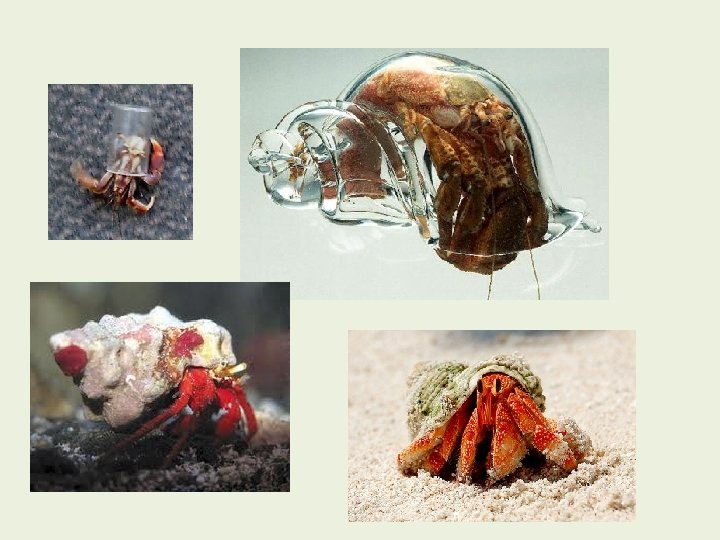
Hermit Crab
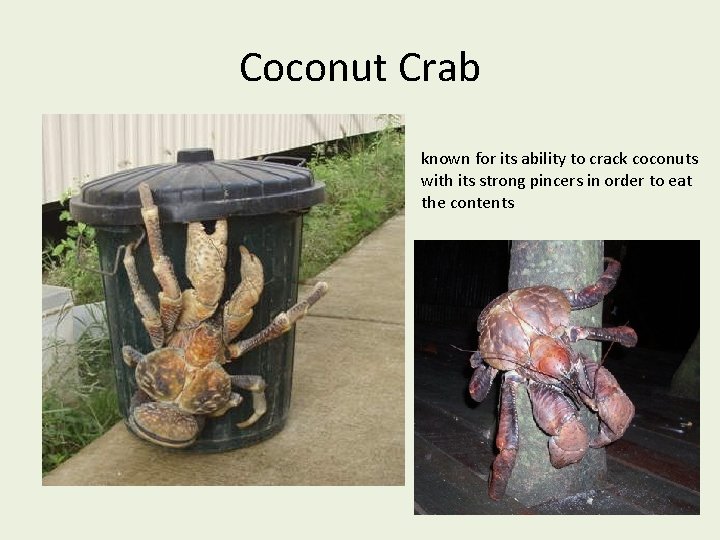
Coconut Crab known for its ability to crack coconuts with its strong pincers in order to eat the contents
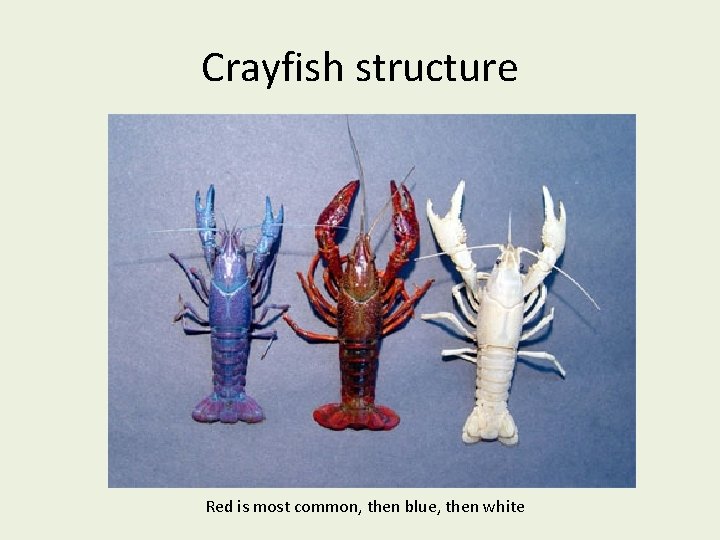
Crayfish structure Red is most common, then blue, then white
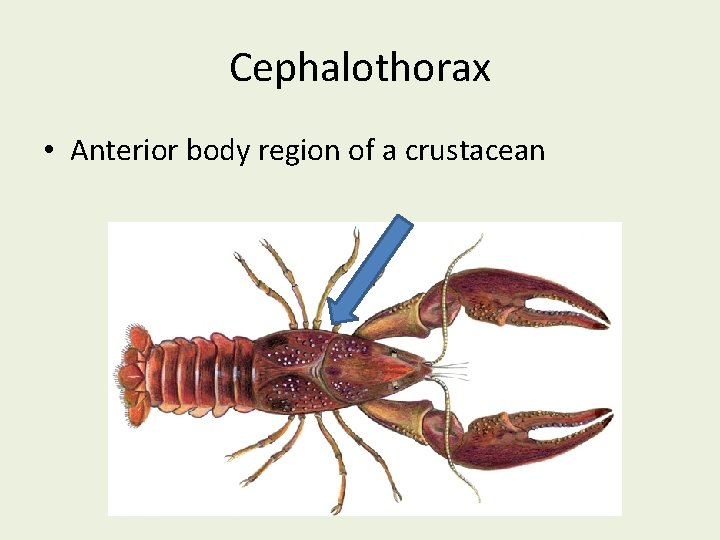
Cephalothorax • Anterior body region of a crustacean
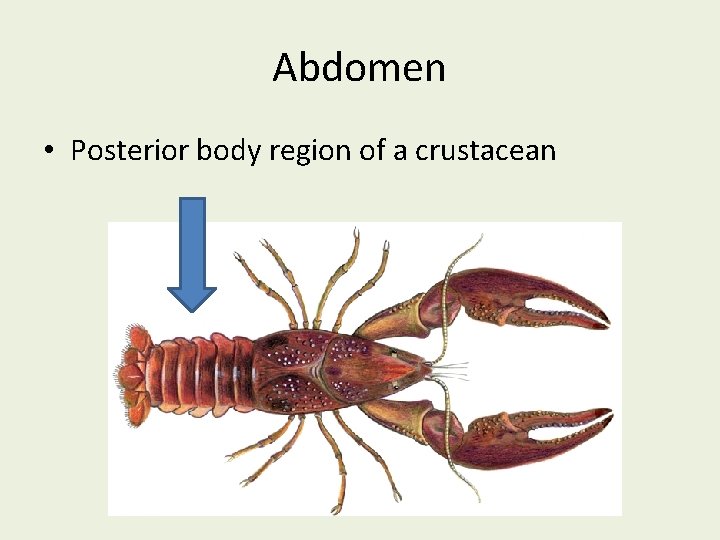
Abdomen • Posterior body region of a crustacean
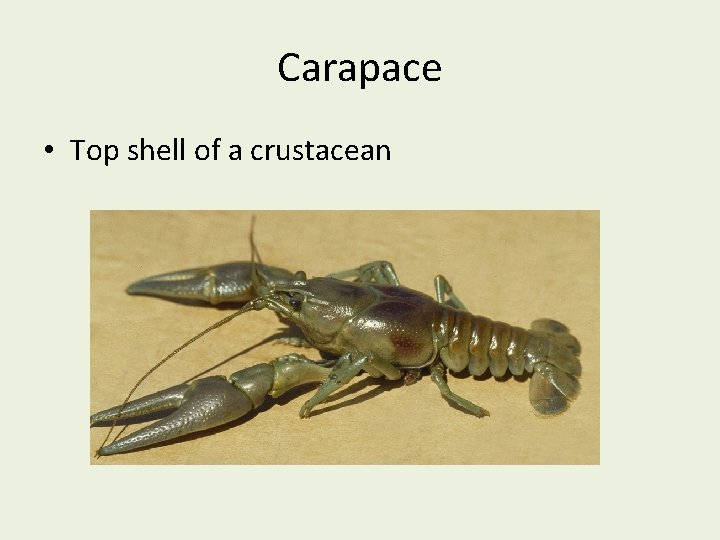
Carapace • Top shell of a crustacean
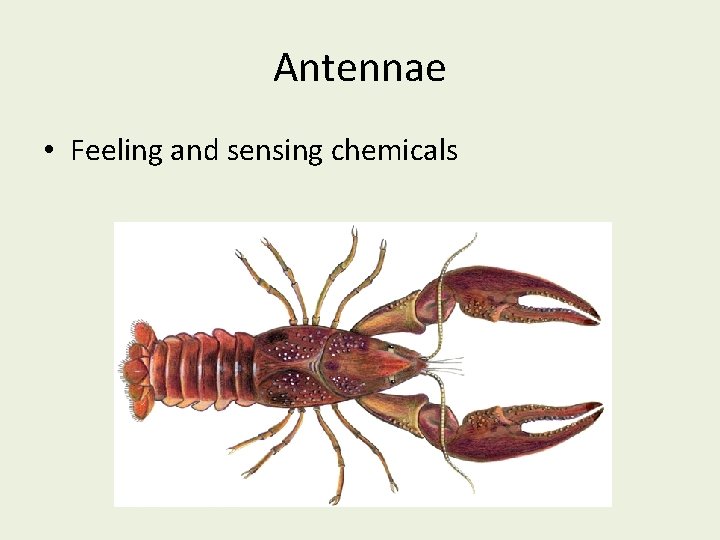
Antennae • Feeling and sensing chemicals
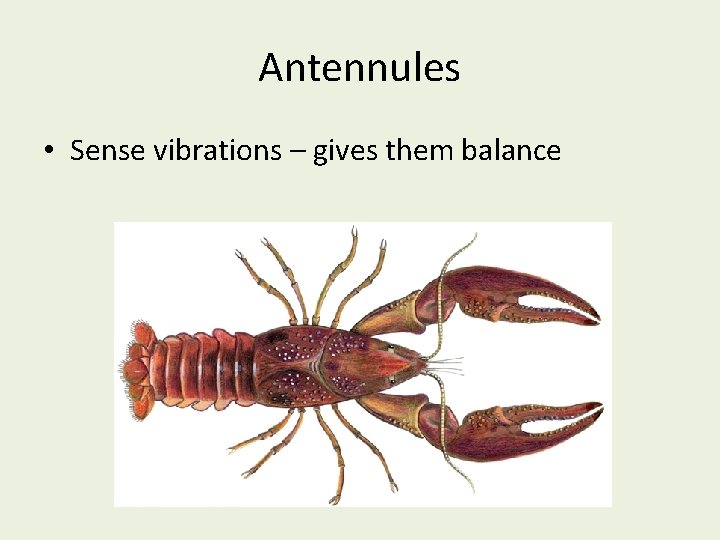
Antennules • Sense vibrations – gives them balance
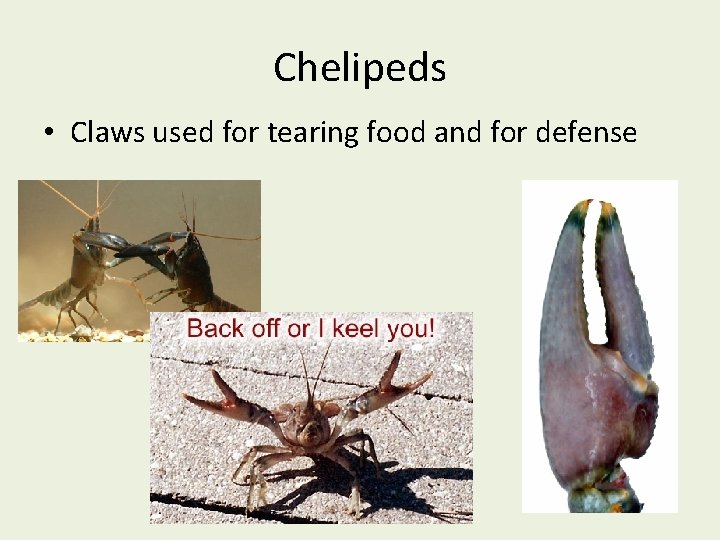
Chelipeds • Claws used for tearing food and for defense
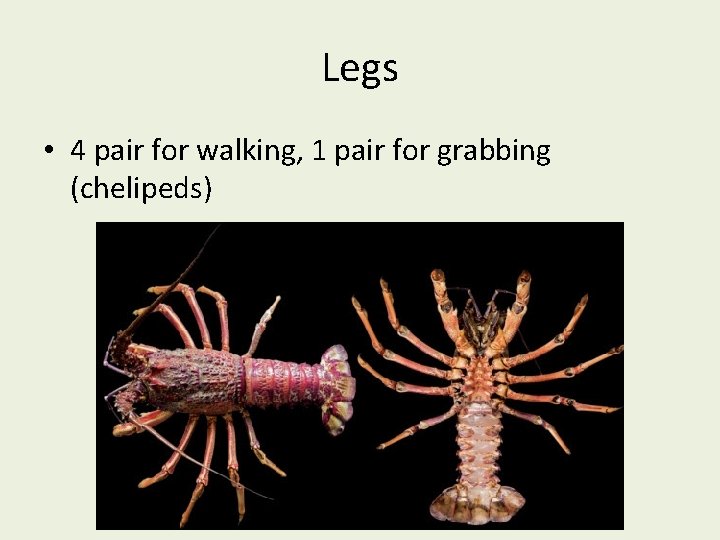
Legs • 4 pair for walking, 1 pair for grabbing (chelipeds)
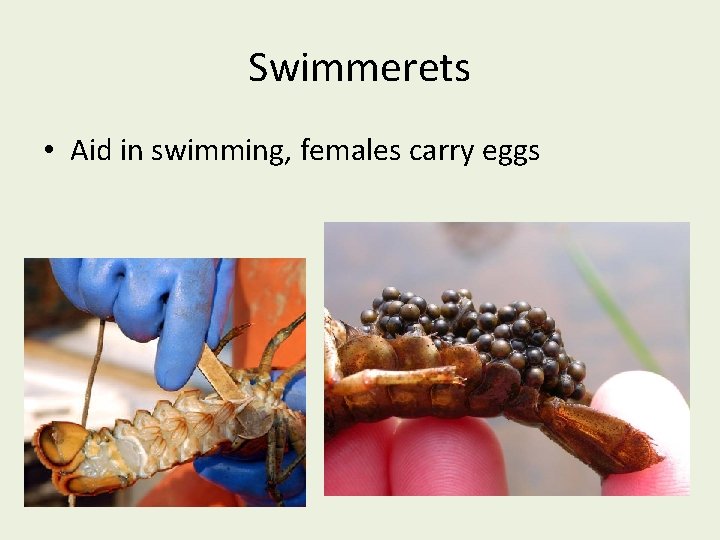
Swimmerets • Aid in swimming, females carry eggs
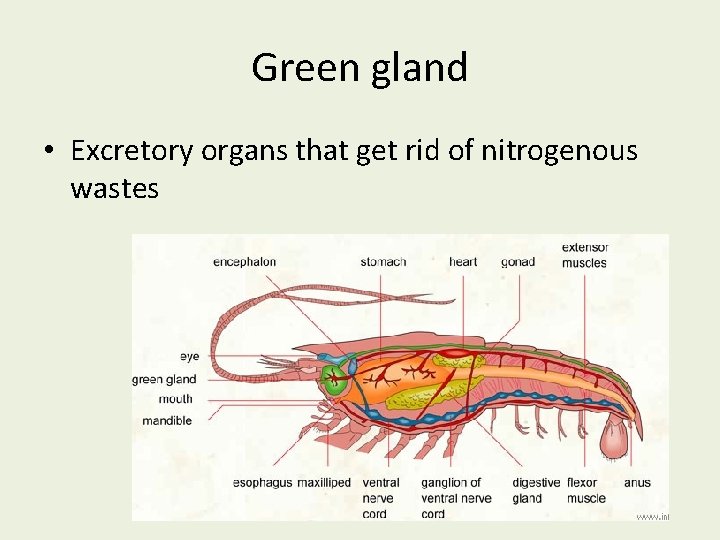
Green gland • Excretory organs that get rid of nitrogenous wastes
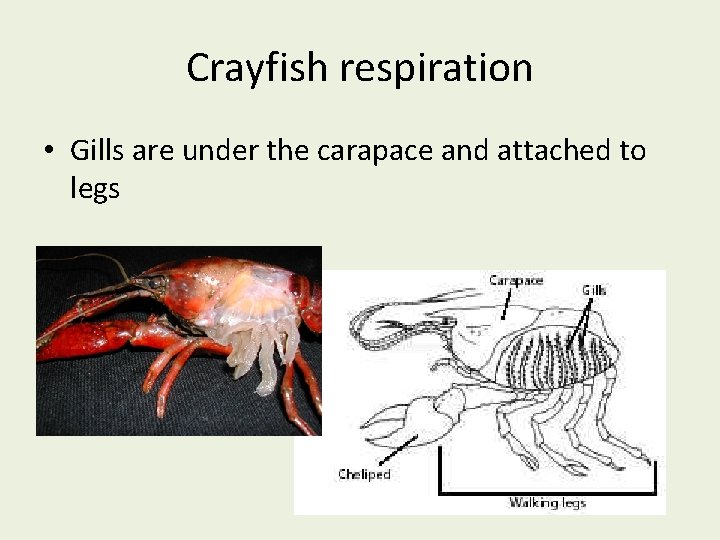
Crayfish respiration • Gills are under the carapace and attached to legs
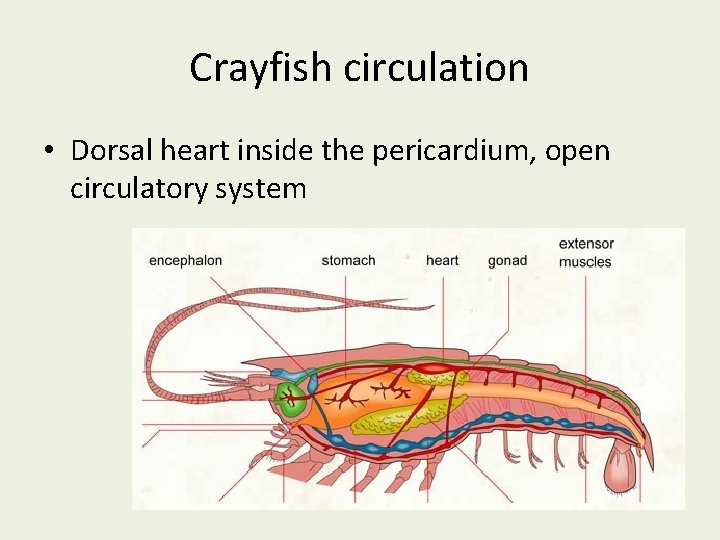
Crayfish circulation • Dorsal heart inside the pericardium, open circulatory system
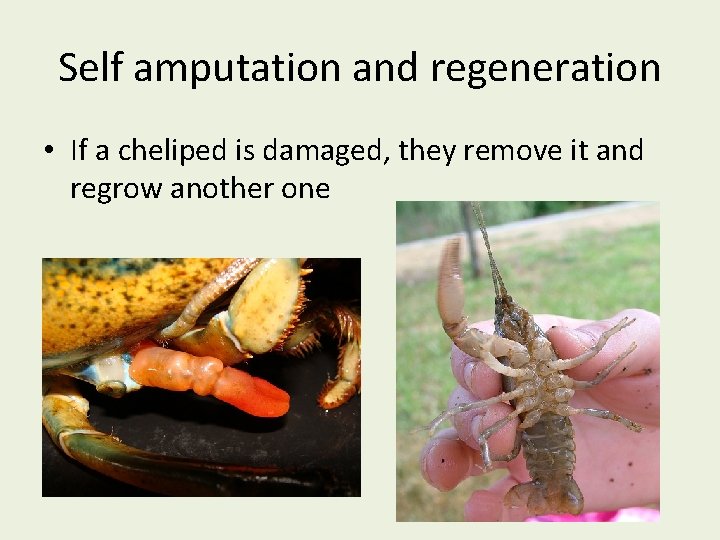
Self amputation and regeneration • If a cheliped is damaged, they remove it and regrow another one