
ArabIsraeli War 1948 At first the Egyptian air
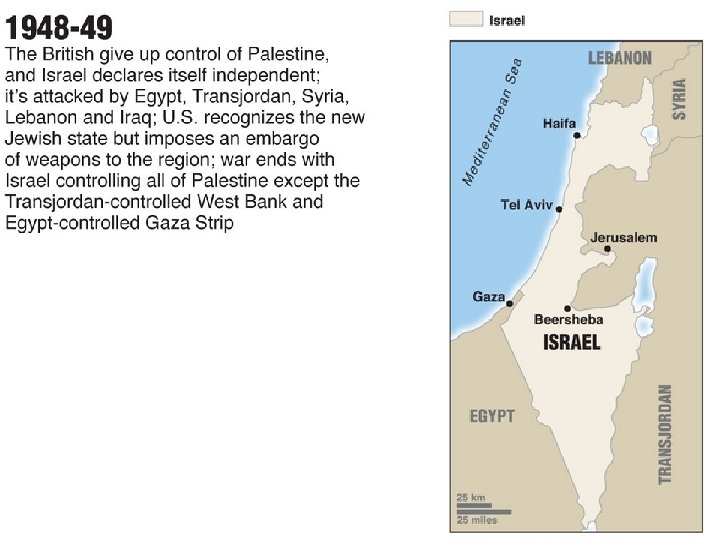
Arab-Israeli War (1948) • At first the Egyptian air force struck Tel Aviv • Soon after that forces from Egypt, Transjordan, Syria, Lebanon, Iraq, and Saudi Arabia all attacked • Most analysts felt the more numerous and better equipped Arabs would overwhelm the Israelis easily
Arab-Israeli War (1948) • Instead the Israelis fought with great courage and skill • The Arabs on the other hand frittered away their numerical advantage with uncoordinated attacks • The war turned into a series of disorganized clashes among small units • After four weeks of fighting, both sides accepted a UN-sponsored ceasefire
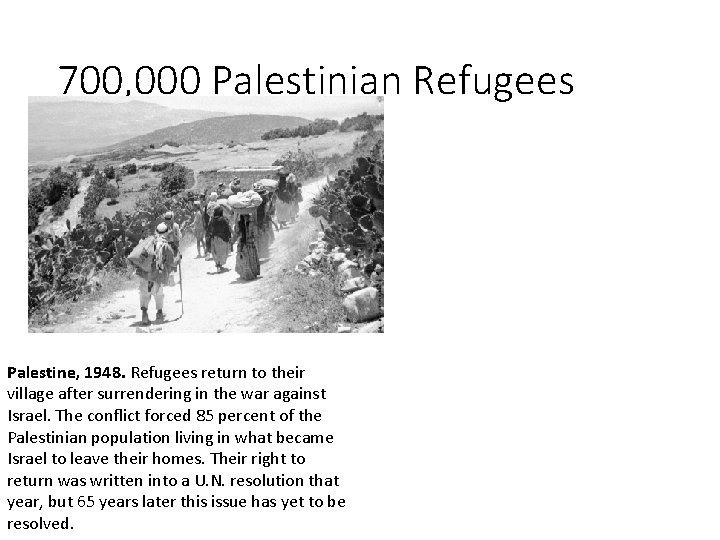
700, 000 Palestinian Refugees Palestine, 1948. Refugees return to their village after surrendering in the war against Israel. The conflict forced 85 percent of the Palestinian population living in what became Israel to leave their homes. Their right to return was written into a U. N. resolution that year, but 65 years later this issue has yet to be resolved.
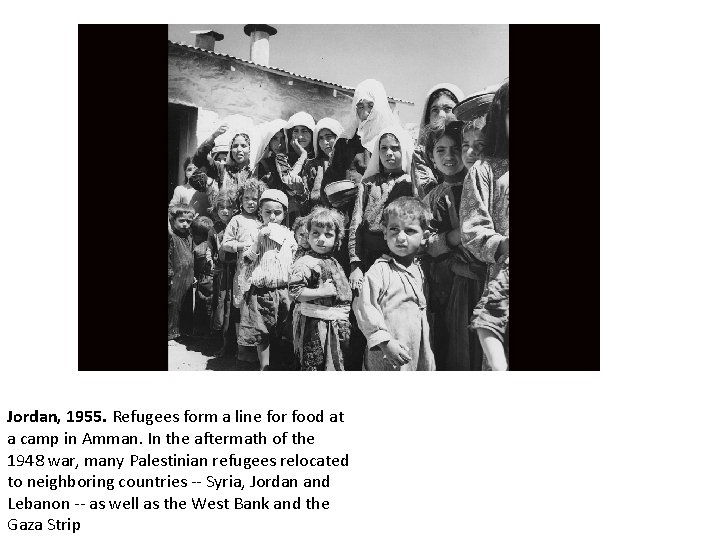
Jordan, 1955. Refugees form a line for food at a camp in Amman. In the aftermath of the 1948 war, many Palestinian refugees relocated to neighboring countries -- Syria, Jordan and Lebanon -- as well as the West Bank and the Gaza Strip
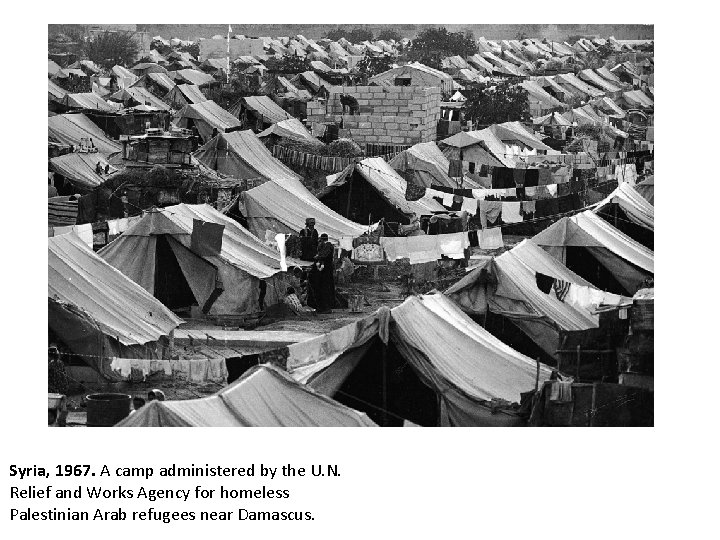
Syria, 1967. A camp administered by the U. N. Relief and Works Agency for homeless Palestinian Arab refugees near Damascus.
Abdel Nasser • In spite of the ceasefire, tensions remained high • They increased after 1954 when General Abdel Nasser, a bold Arab nationalist, gained control of the Egyptian government • Nasser first tried to acquire weapons from the West but when that failed he turned to the Soviet Union • The USSR began indirectly supplying Egypt with weapons through Czechoslovakia • France became upset with Egypt’s providing weapons to insurgents in Algeria so France began supplying Israel
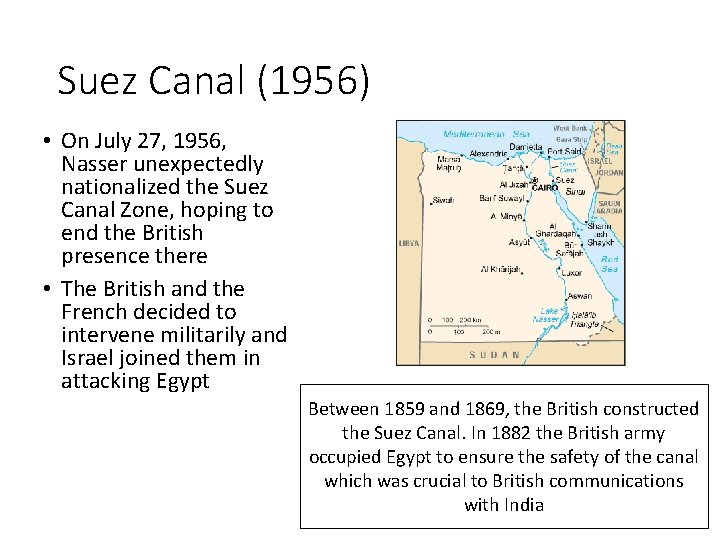
Suez Canal (1956) • On July 27, 1956, Nasser unexpectedly nationalized the Suez Canal Zone, hoping to end the British presence there • The British and the French decided to intervene militarily and Israel joined them in attacking Egypt Between 1859 and 1869, the British constructed the Suez Canal. In 1882 the British army occupied Egypt to ensure the safety of the canal which was crucial to British communications with India
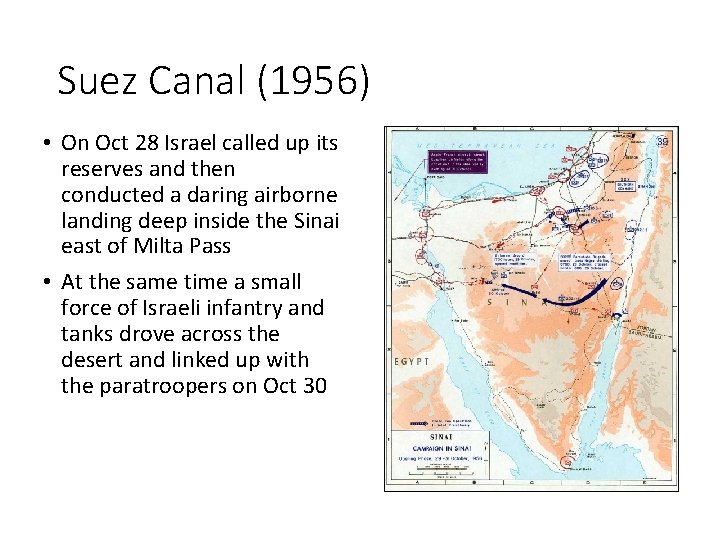
Suez Canal (1956) • On Oct 28 Israel called up its reserves and then conducted a daring airborne landing deep inside the Sinai east of Milta Pass • At the same time a small force of Israeli infantry and tanks drove across the desert and linked up with the paratroopers on Oct 30
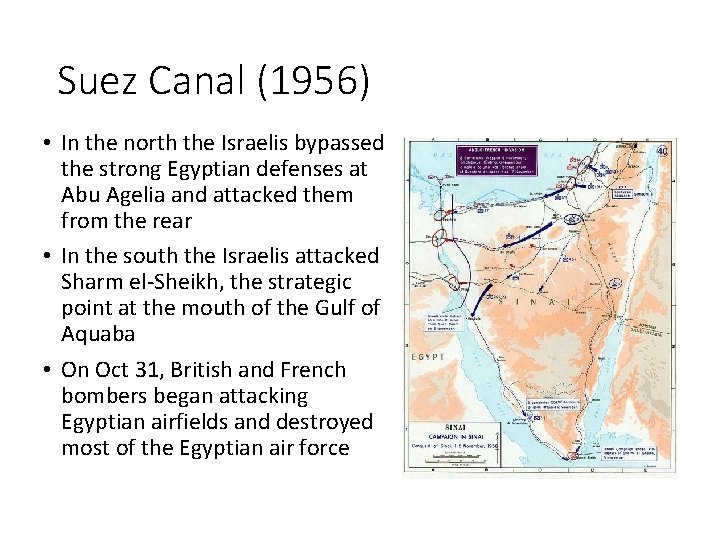
Suez Canal (1956) • In the north the Israelis bypassed the strong Egyptian defenses at Abu Agelia and attacked them from the rear • In the south the Israelis attacked Sharm el-Sheikh, the strategic point at the mouth of the Gulf of Aquaba • On Oct 31, British and French bombers began attacking Egyptian airfields and destroyed most of the Egyptian air force
Suez Canal (1956) • Nasser began fearing his forces would be cut off in the Sinai and ordered a withdraw • The Israelis continued to advance and halted about 15 km east of the Suez Canal • The British and French landed one and a half infantry divisions near the northern mouth of the canal on Nov 6 and started advancing down the canal
Suez Canal (1956) • Soon after they began moving, the British and French accepted a UN ceasefire • It was a decisive Israeli, French, and British victory • Nonetheless, the US, and then the USSR, began demanding the Israelis relinquish the captured Egyptian territory • Both the US and Russia were concerned about the explosiveness of the situation • One Soviet diplomat wrote President Eisenhower, “If this war is not curbed, it… can develop into a third world war. ”
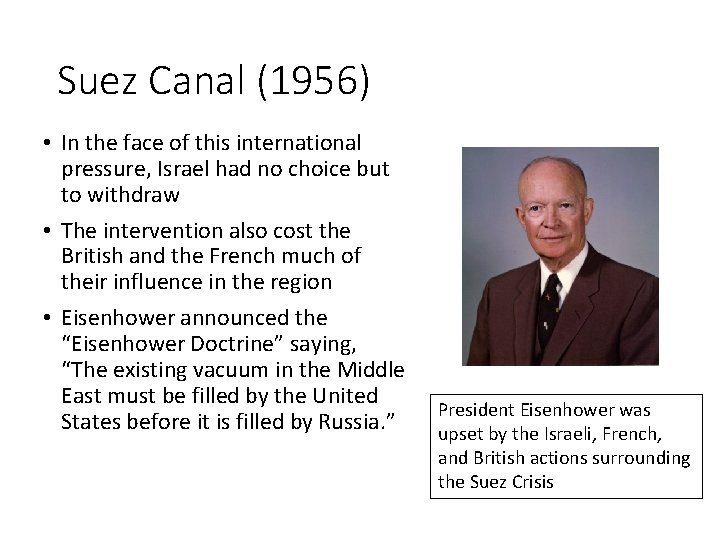
Suez Canal (1956) • In the face of this international pressure, Israel had no choice but to withdraw • The intervention also cost the British and the French much of their influence in the region • Eisenhower announced the “Eisenhower Doctrine” saying, “The existing vacuum in the Middle East must be filled by the United States before it is filled by Russia. ” President Eisenhower was upset by the Israeli, French, and British actions surrounding the Suez Crisis
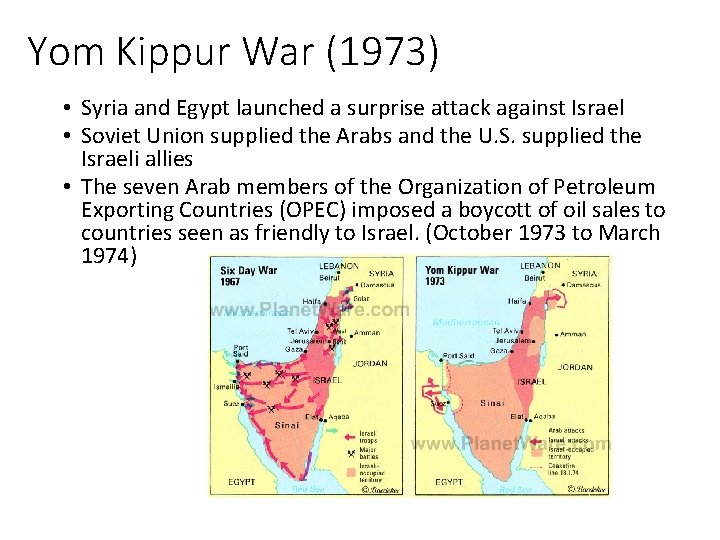
Yom Kippur War (1973) • Syria and Egypt launched a surprise attack against Israel • Soviet Union supplied the Arabs and the U. S. supplied the Israeli allies • The seven Arab members of the Organization of Petroleum Exporting Countries (OPEC) imposed a boycott of oil sales to countries seen as friendly to Israel. (October 1973 to March 1974)
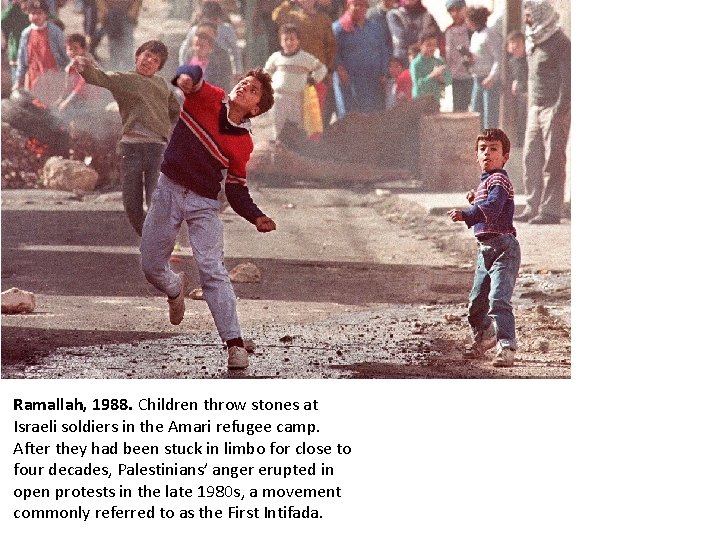
Ramallah, 1988. Children throw stones at Israeli soldiers in the Amari refugee camp. After they had been stuck in limbo for close to four decades, Palestinians’ anger erupted in open protests in the late 1980 s, a movement commonly referred to as the First Intifada.
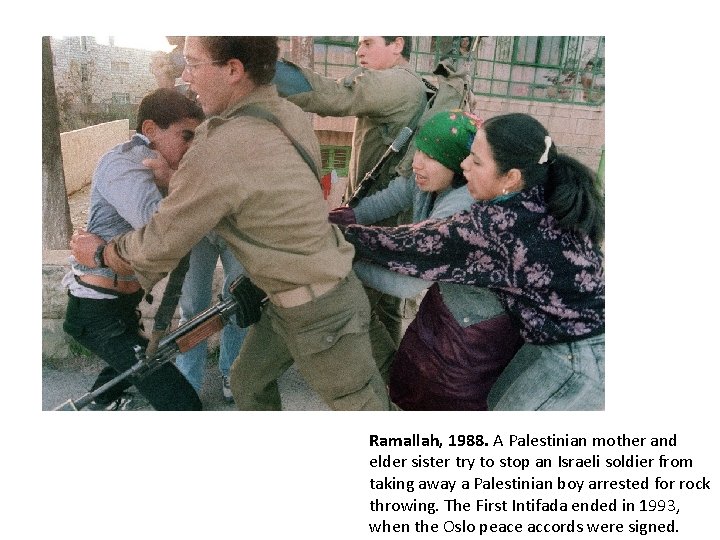
Ramallah, 1988. A Palestinian mother and elder sister try to stop an Israeli soldier from taking away a Palestinian boy arrested for rock throwing. The First Intifada ended in 1993, when the Oslo peace accords were signed.
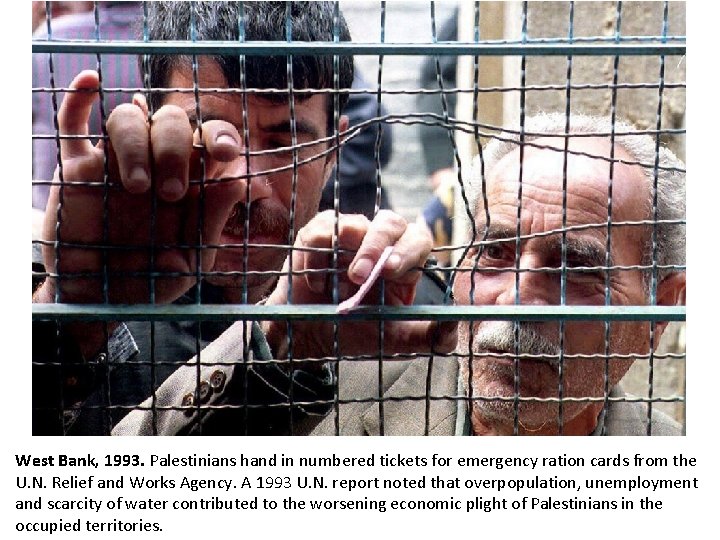
West Bank, 1993. Palestinians hand in numbered tickets for emergency ration cards from the U. N. Relief and Works Agency. A 1993 U. N. report noted that overpopulation, unemployment and scarcity of water contributed to the worsening economic plight of Palestinians in the occupied territories.
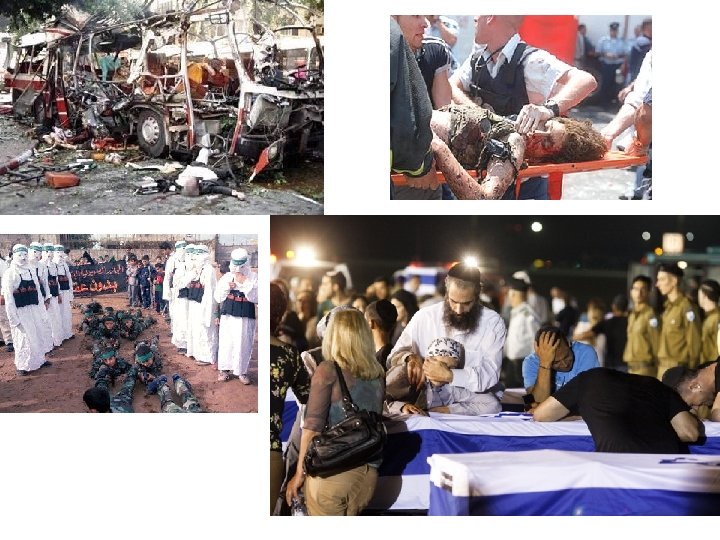
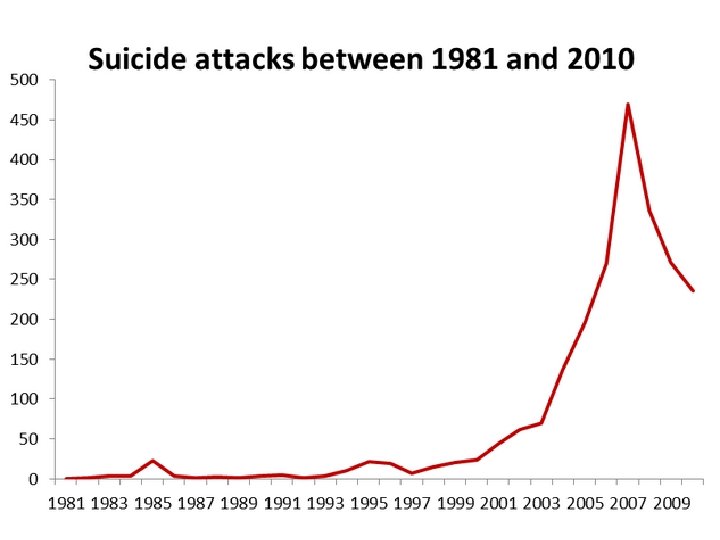
Suicide Bombings • Started by a militant group during the Lebonnese Civil War in the 1980 s • Used by Palestinians during the past 30 years.
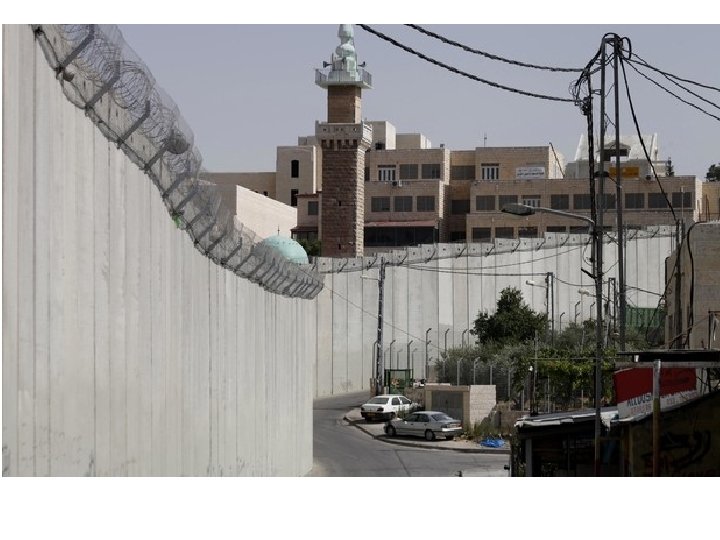
The Israeli West Bank Wall • a separation barrier in the West Bank or along the Green Line. Israel considers it a security barrier against terrorism, while Palestinians call it a racial segregation or apartheid wall.
- Slides: 25