
Aquatic Life Zones Marine Biomes Coastal Zone Nearest
Aquatic Life Zones
Marine Biomes
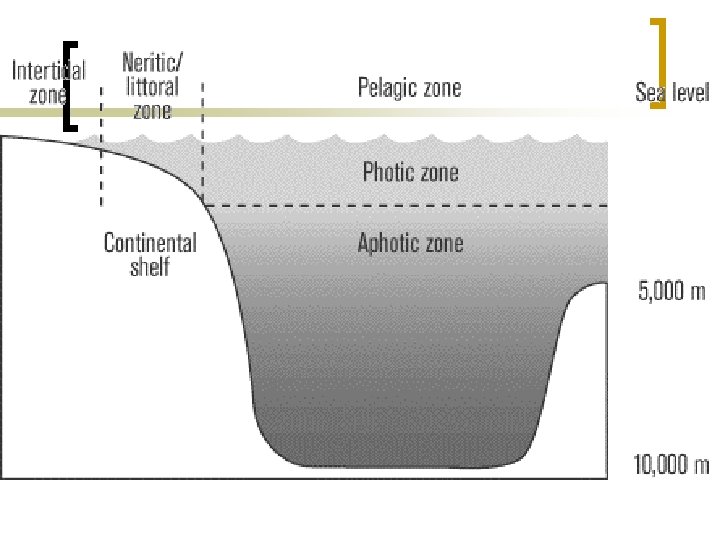
Coastal Zone Nearest to the shoreline n Relatively warm, nutrient rich, shallow. n Ample sunlight. n Most productive marine zone (90% of species). n
Examples of Coastal Zones n Examples: coral reefs, estuaries, coastal wetlands (marshes), beaches, barrier islands.
Open Ocean Zone n Euphotic zone- 0 -200 meters. Light penetration allows photosynthesis. Phytoplankton and zooplankton are abundant.
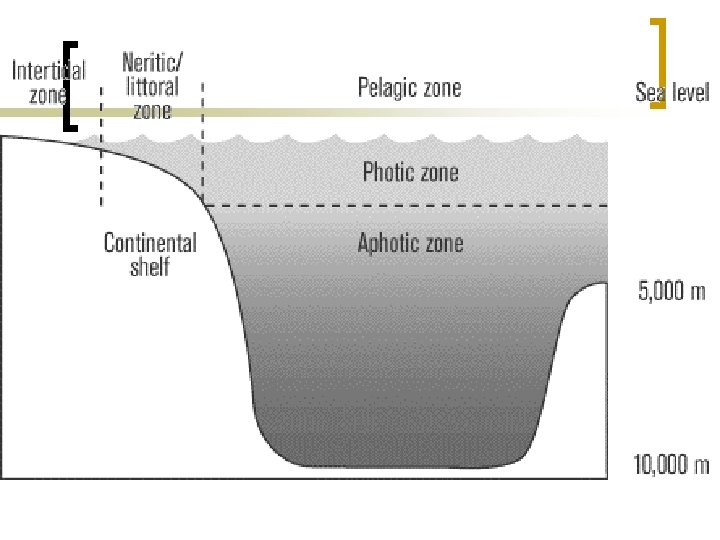
n Bathyal zone- 200 – 1500 meters. Twilight condition. Fewer organisms. Less productive.
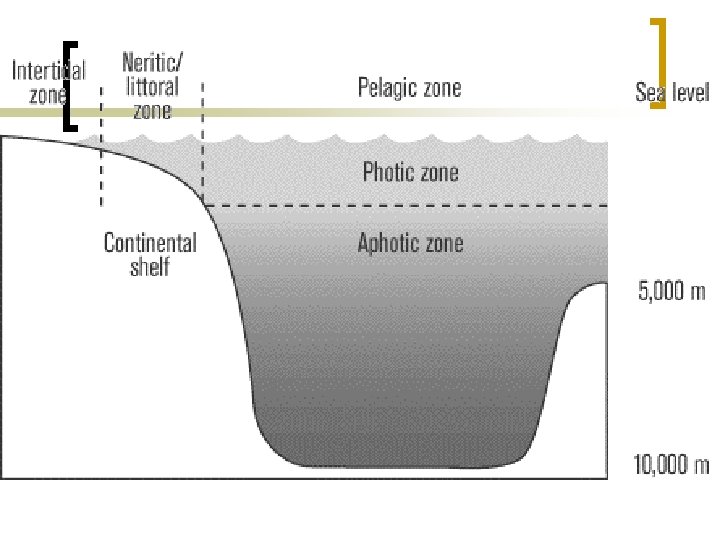
n Abyssal zone- 1500+. Total darkness. Organisms adapted to darkness and high pressure.
Freshwater Biomes
Lakes n Large, natural bodies of standing freshwater.
Lake types n Eutrophic- well nourished. n Oligotrophic- poorly nourished. n Mesotrophic- medium levels of nutrients.
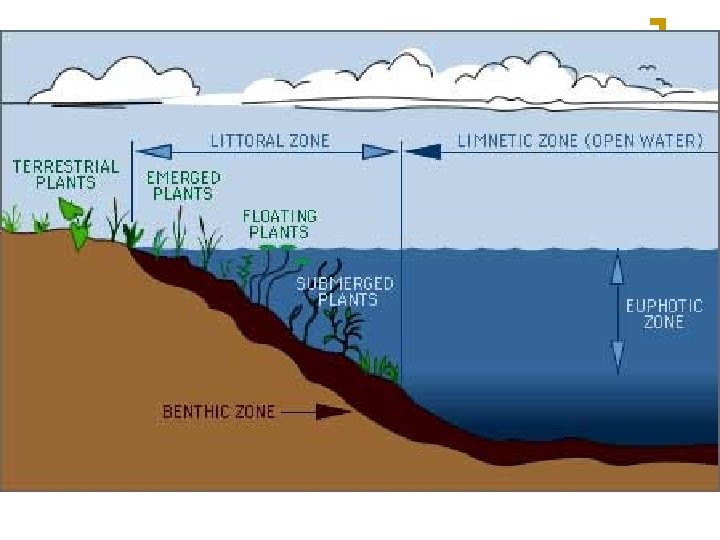
Lake Zones n Littoral- along shoreline, emergent plants. n Limnetic- water zone with light penetration.
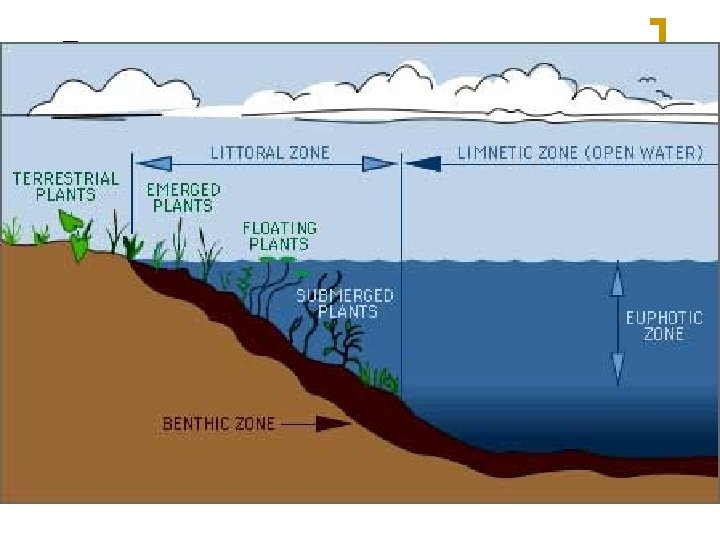
More lake zones… n Produndal- to deep for light penetration, sparsely populated.
Freshwater Streams n Water flows with gravity. Ex. river, creek. n Watershed- all areas which drain into a body of water.
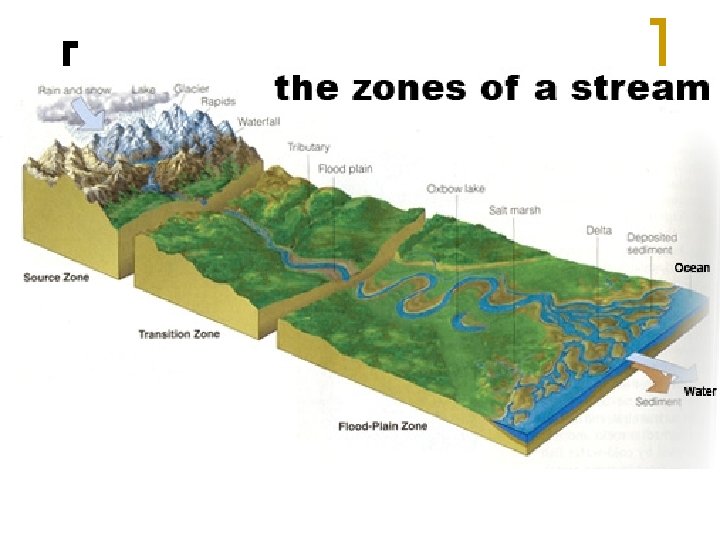
Stream Zones n Source- water rushes fast and cold from highland source. n Transition- begins to slow and warm
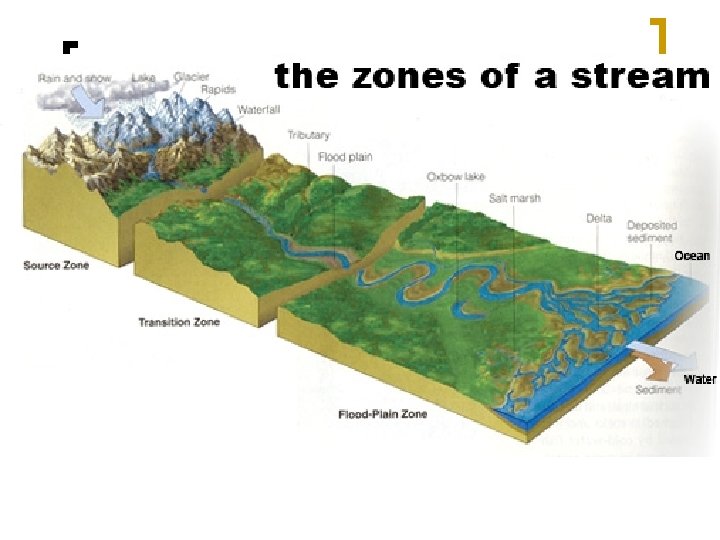
More stream zones n Flood plain- stream becomes slow and meandering through flat country.
Inland Wetlands n Lands covered with fresh water at least part of the year. Ex. Bogs, marshes, swamps, prairie potholes, mudflats, wet meadows.
Aquatic Life Zone Determining Factors Water type- salt or fresh n Light penetration- fuels photosynthesis n Nutrient inflow- near the land, upwellings n Depth- pressure, light penetration n
- Slides: 24