
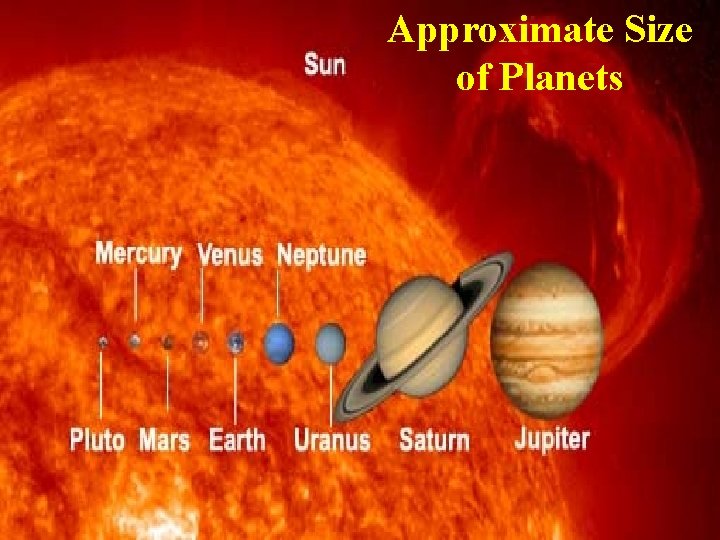
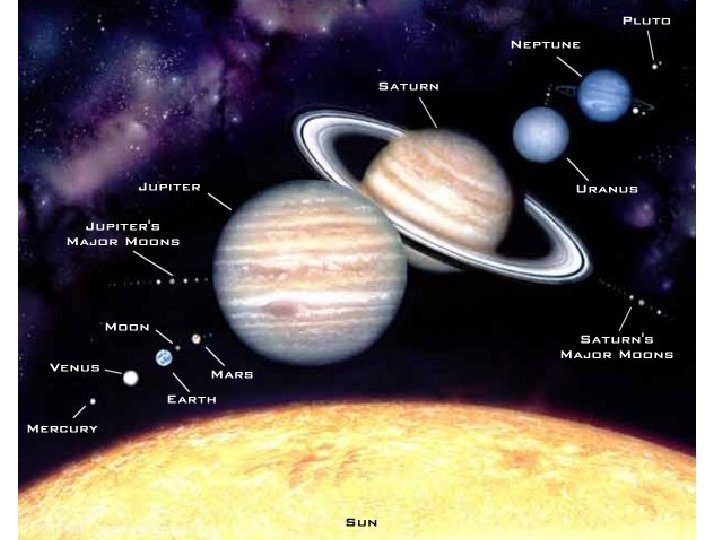
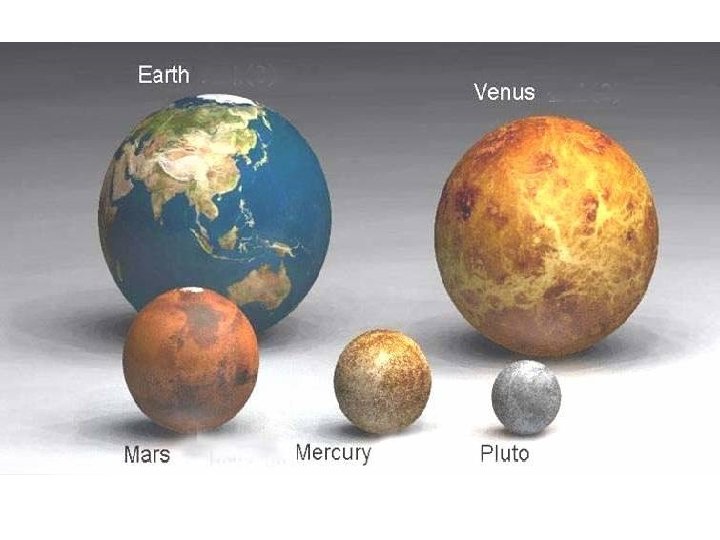
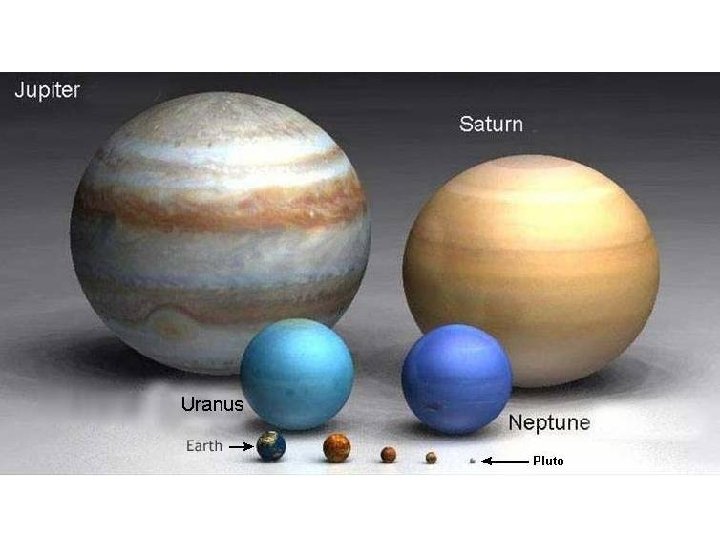
Approximate Size of Planets Mercury no atmospherewhat little
- Slides: 30
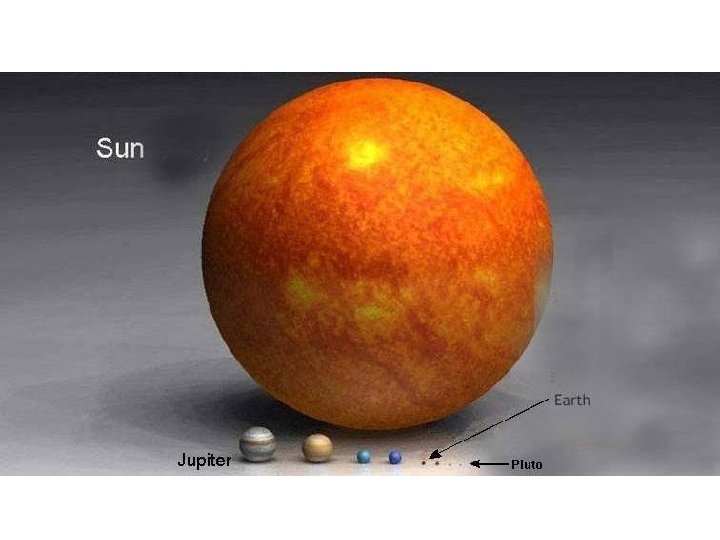
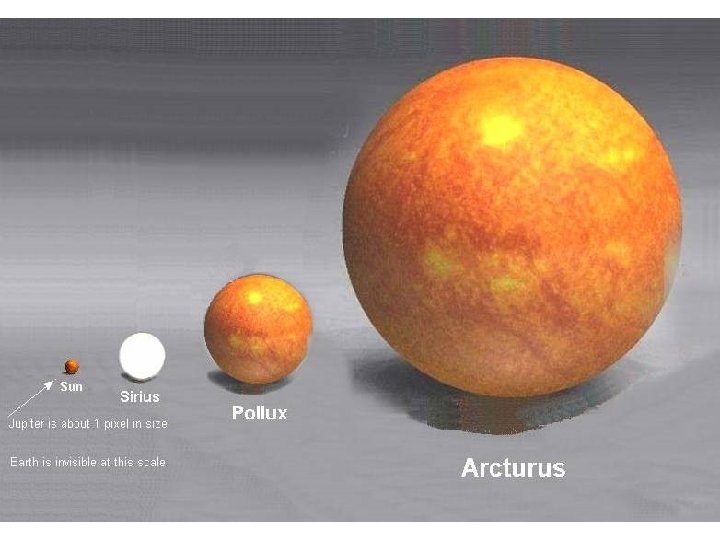
Approximate Size of Planets
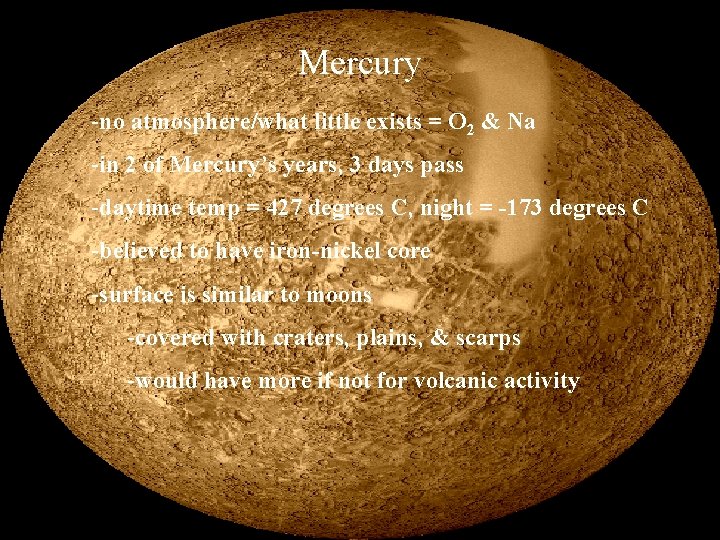
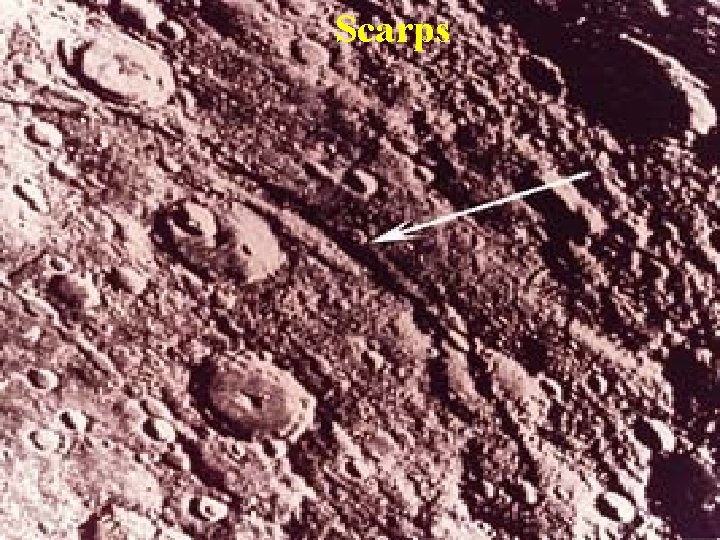
Mercury -no atmosphere/what little exists = O 2 & Na -in 2 of Mercury’s years, 3 days pass -daytime temp = 427 degrees C, night = -173 degrees C -believed to have iron-nickel core -surface is similar to moons -covered with craters, plains, & scarps -would have more if not for volcanic activity
Scarps
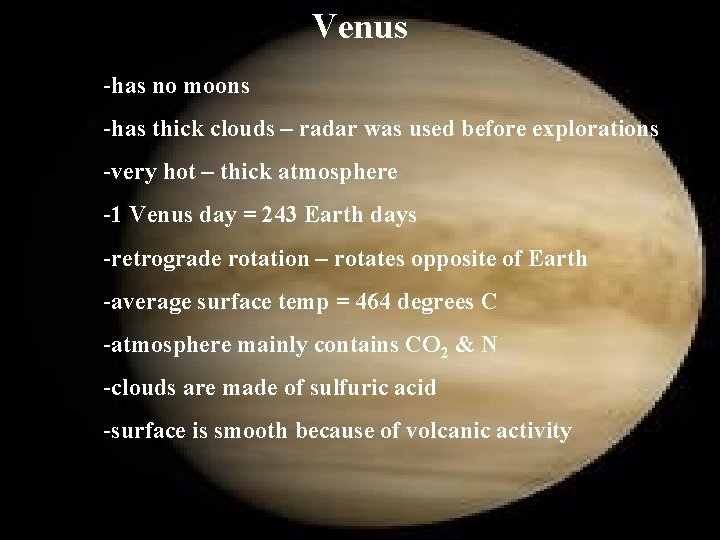
Venus -has no moons -has thick clouds – radar was used before explorations -very hot – thick atmosphere -1 Venus day = 243 Earth days -retrograde rotation – rotates opposite of Earth -average surface temp = 464 degrees C -atmosphere mainly contains CO 2 & N -clouds are made of sulfuric acid -surface is smooth because of volcanic activity
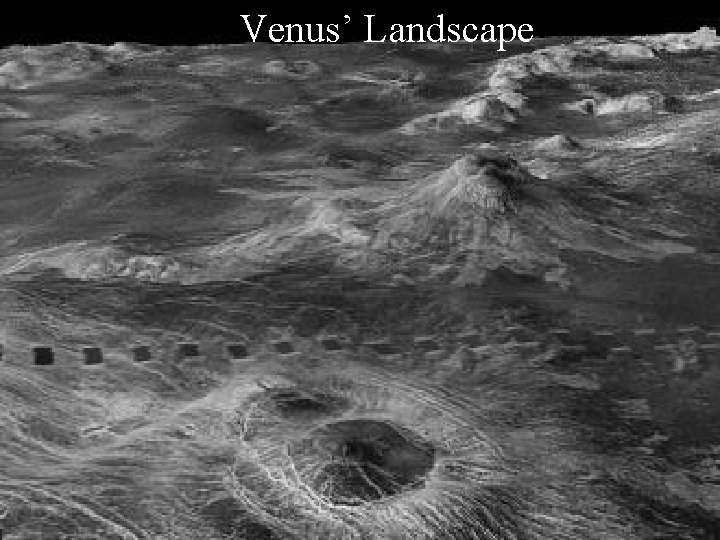
Venus’ Landscape
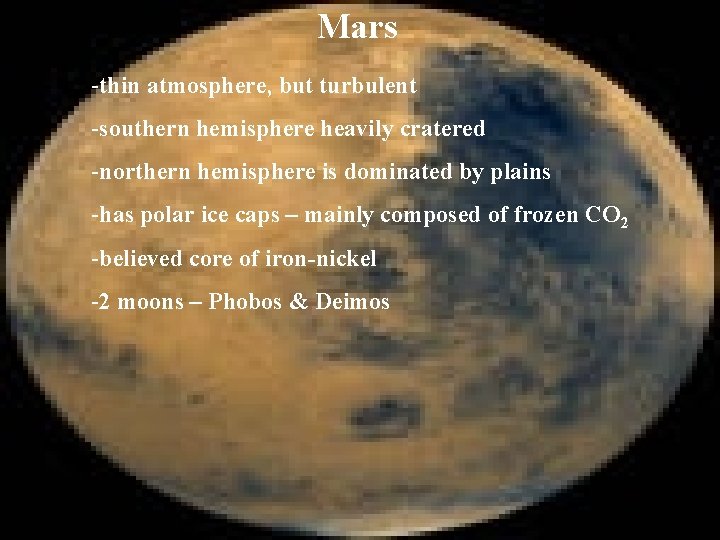
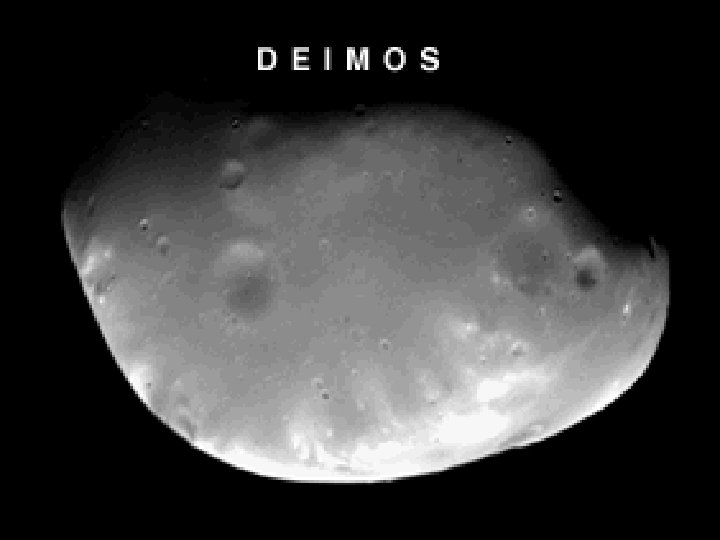
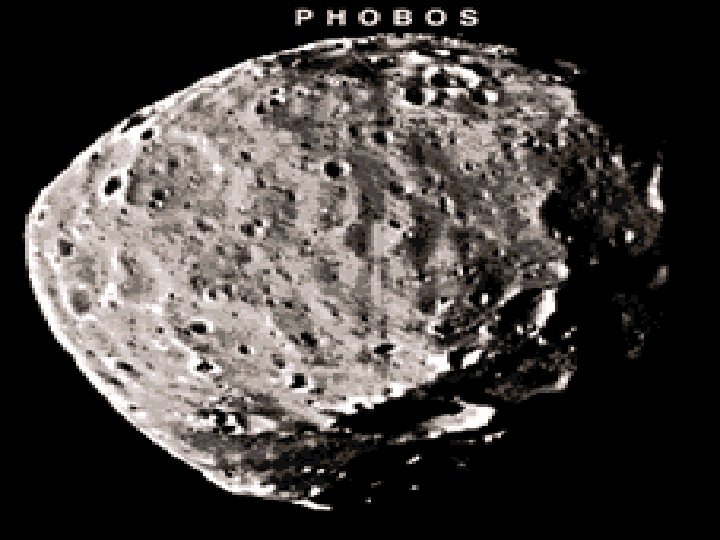
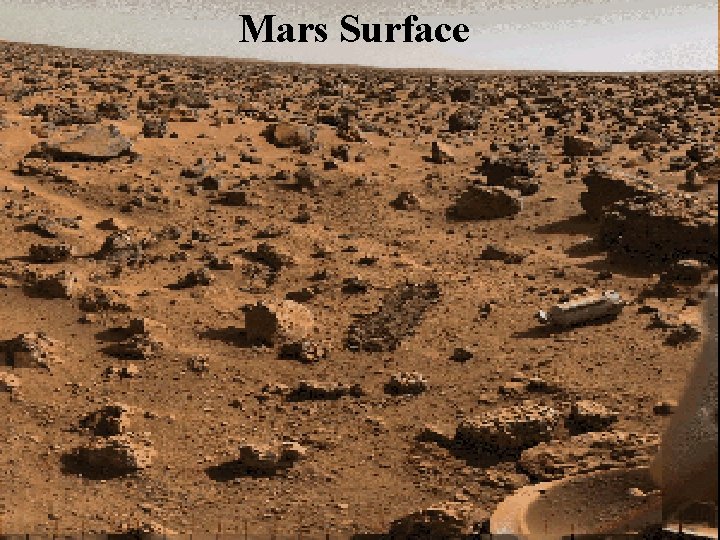
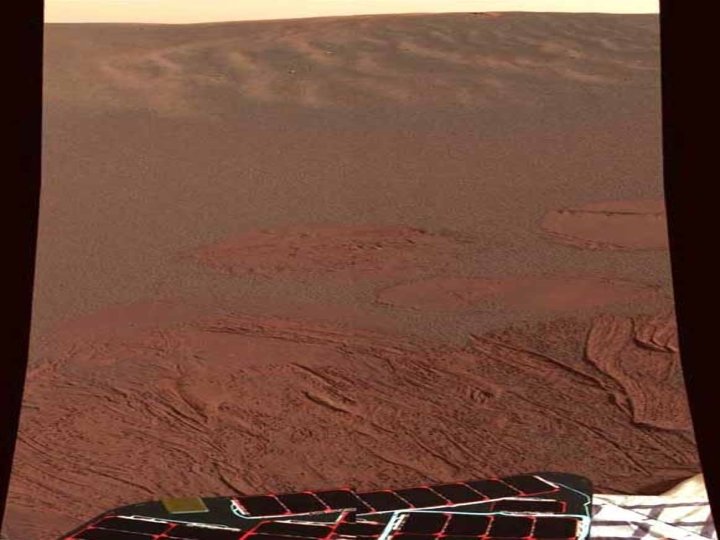
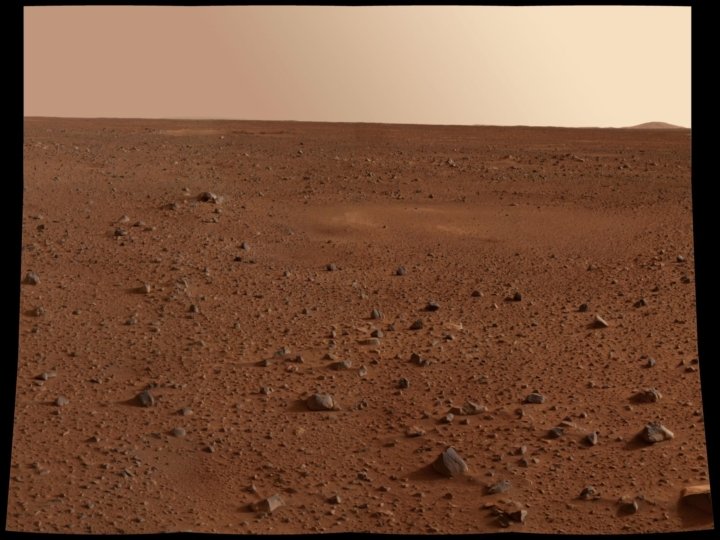
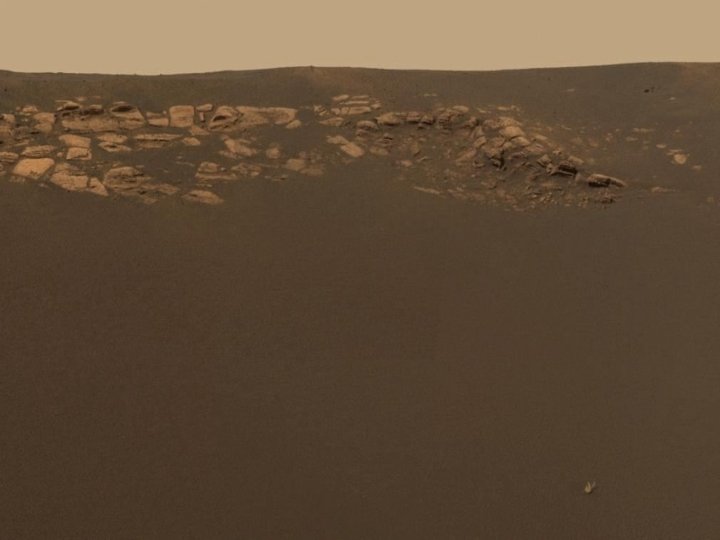
Mars -thin atmosphere, but turbulent -southern hemisphere heavily cratered -northern hemisphere is dominated by plains -has polar ice caps – mainly composed of frozen CO 2 -believed core of iron-nickel -2 moons – Phobos & Deimos
Mars Surface
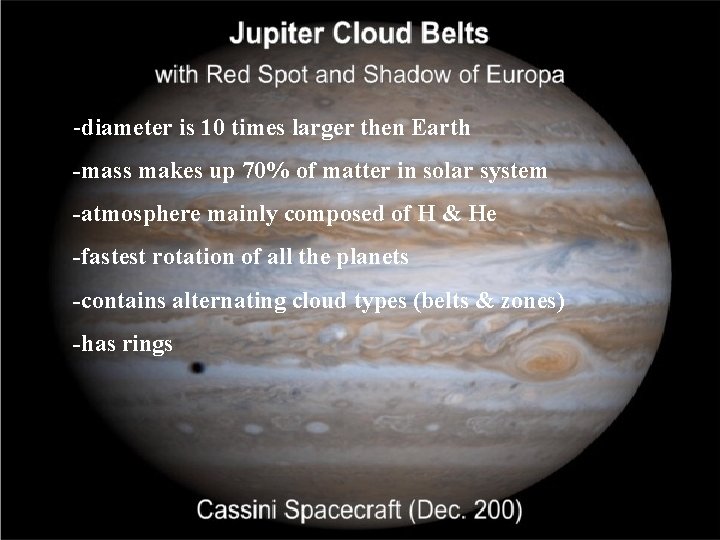
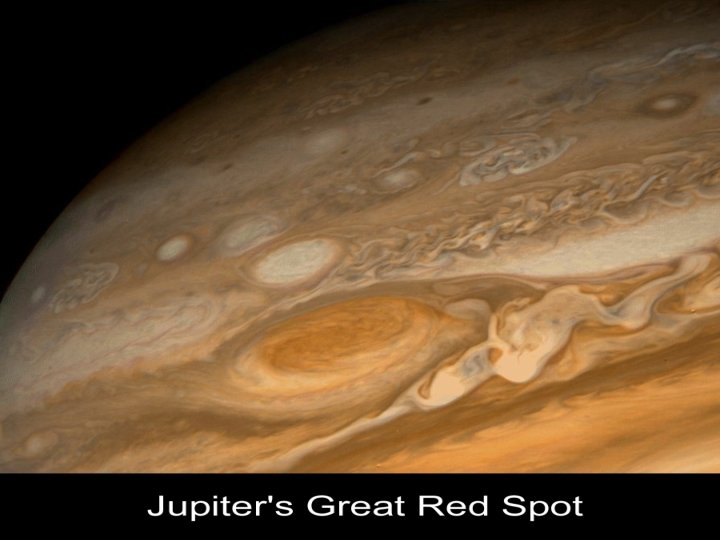
-diameter is 10 times larger then Earth -mass makes up 70% of matter in solar system -atmosphere mainly composed of H & He -fastest rotation of all the planets -contains alternating cloud types (belts & zones) -has rings
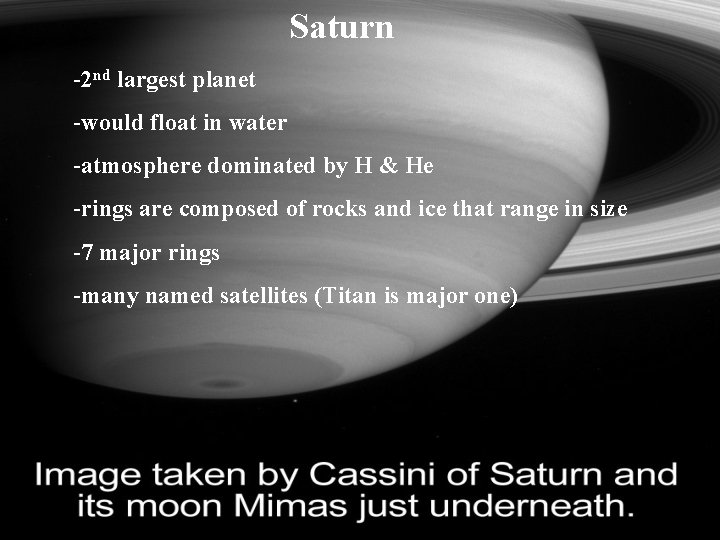
Saturn -2 nd largest planet -would float in water -atmosphere dominated by H & He -rings are composed of rocks and ice that range in size -7 major rings -many named satellites (Titan is major one)
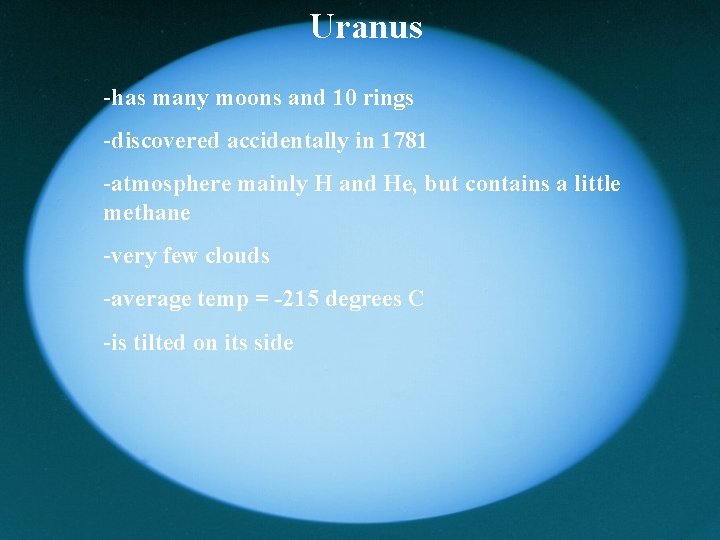
Uranus -has many moons and 10 rings -discovered accidentally in 1781 -atmosphere mainly H and He, but contains a little methane -very few clouds -average temp = -215 degrees C -is tilted on its side
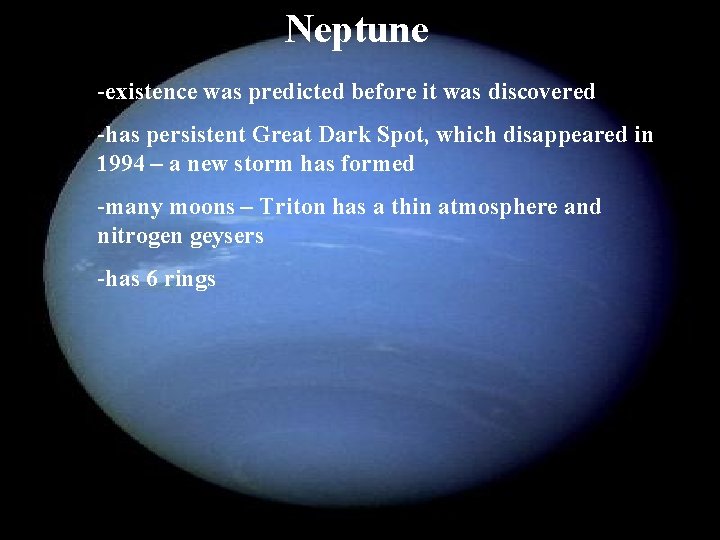
Neptune -existence was predicted before it was discovered -has persistent Great Dark Spot, which disappeared in 1994 – a new storm has formed -many moons – Triton has a thin atmosphere and nitrogen geysers -has 6 rings
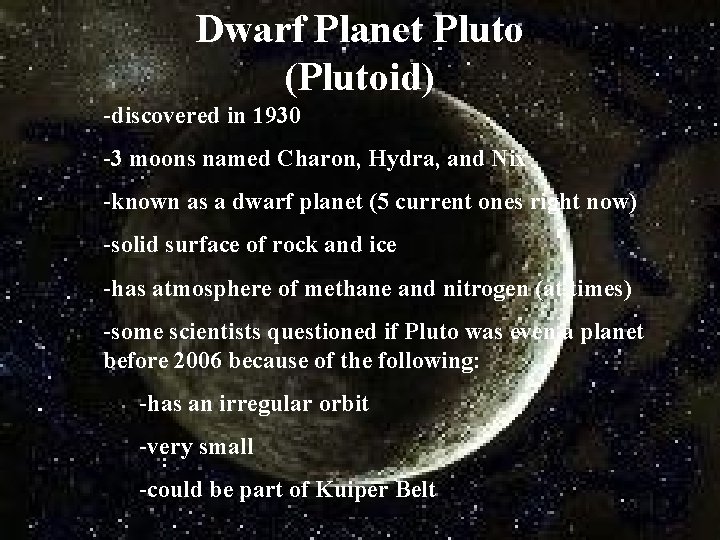
Dwarf Planet Pluto (Plutoid) -discovered in 1930 -3 moons named Charon, Hydra, and Nix -known as a dwarf planet (5 current ones right now) -solid surface of rock and ice -has atmosphere of methane and nitrogen (at times) -some scientists questioned if Pluto was even a planet before 2006 because of the following: -has an irregular orbit -very small -could be part of Kuiper Belt
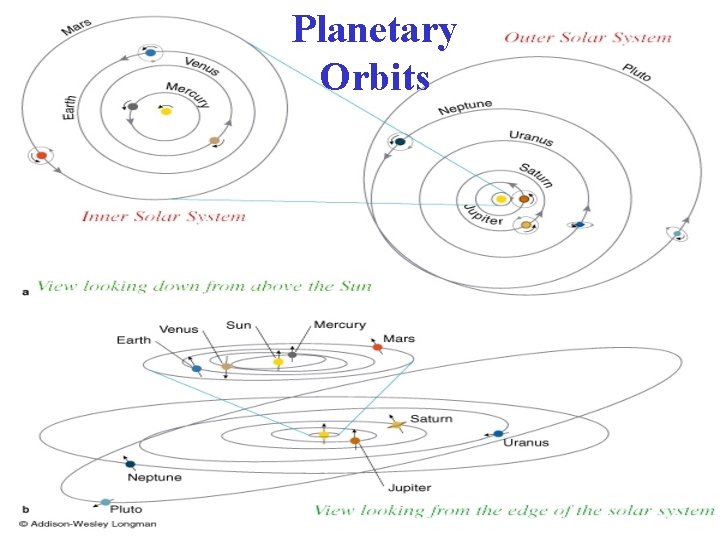
Planetary Orbits
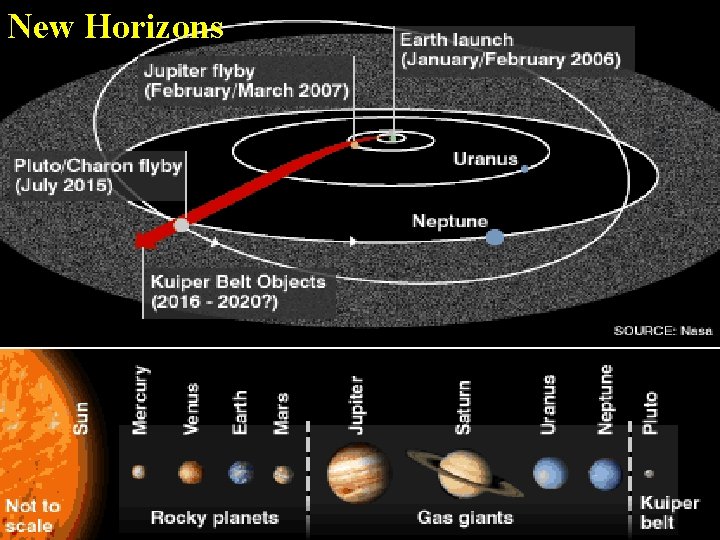
New Horizons
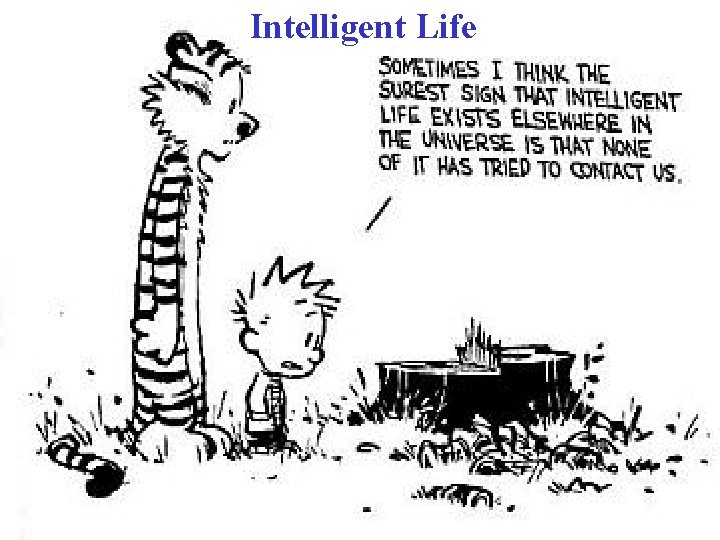
Intelligent Life
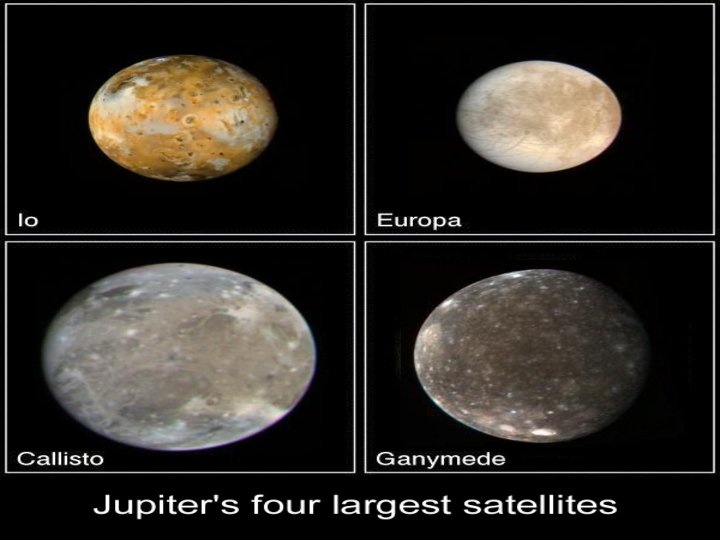
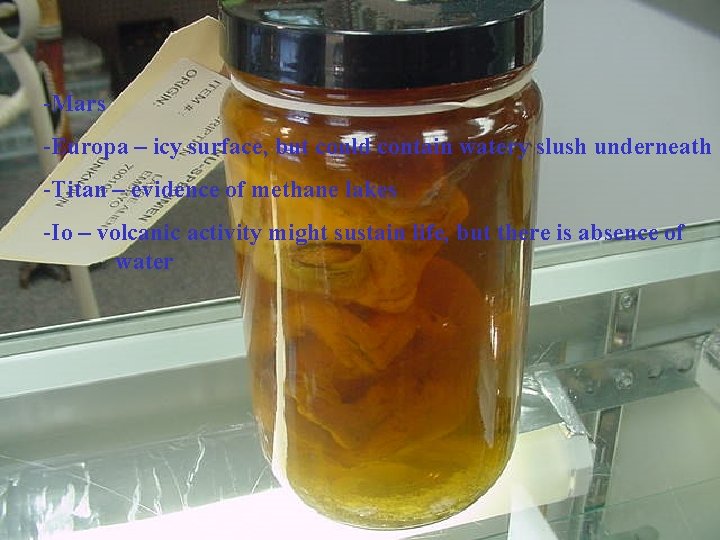
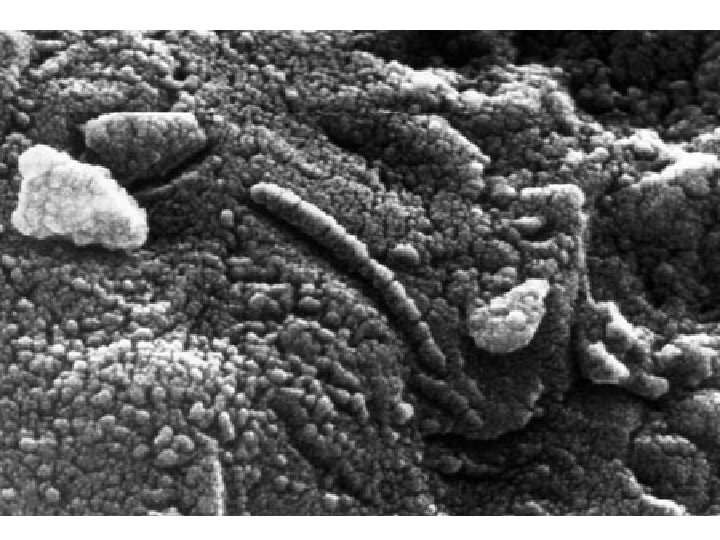
-Mars -Europa – icy surface, but could contain watery slush underneath -Titan – evidence of methane lakes -Io – volcanic activity might sustain life, but there is absence of water