
Approach to Writing Thesis A Practical Guideline for



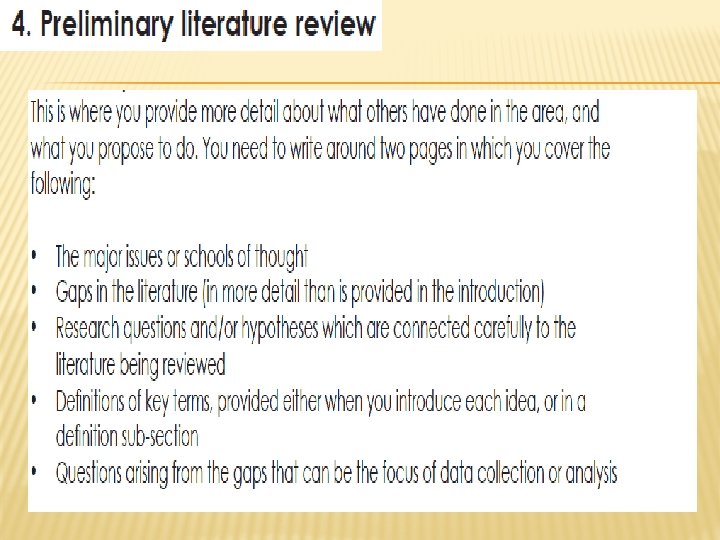
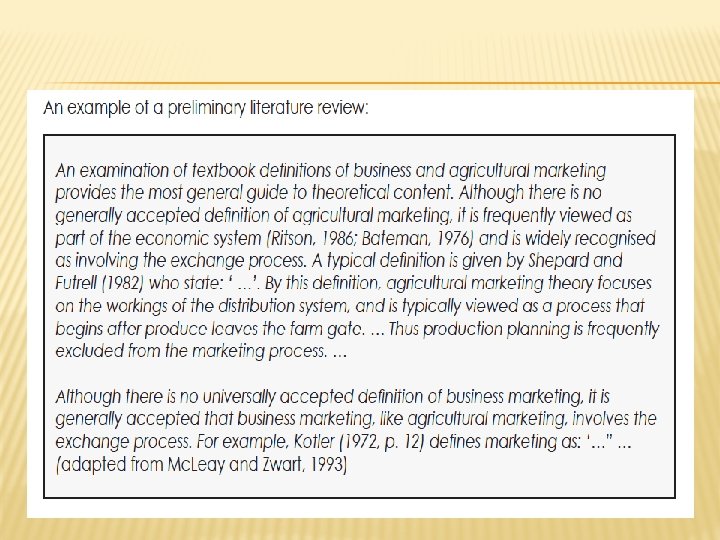
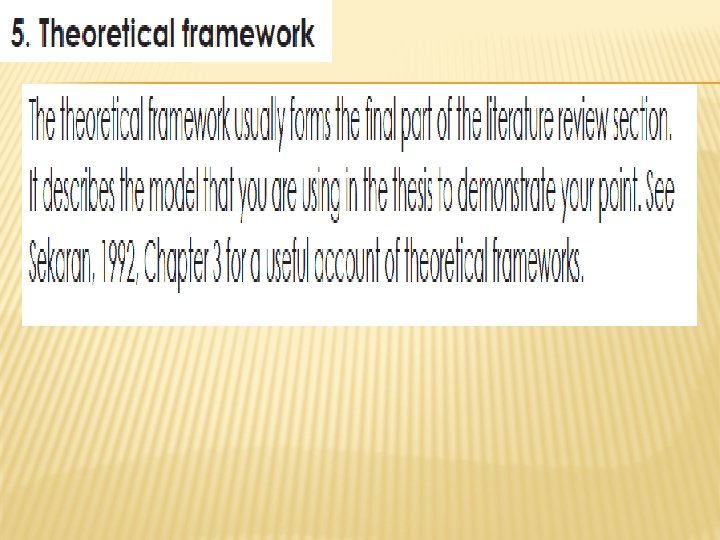
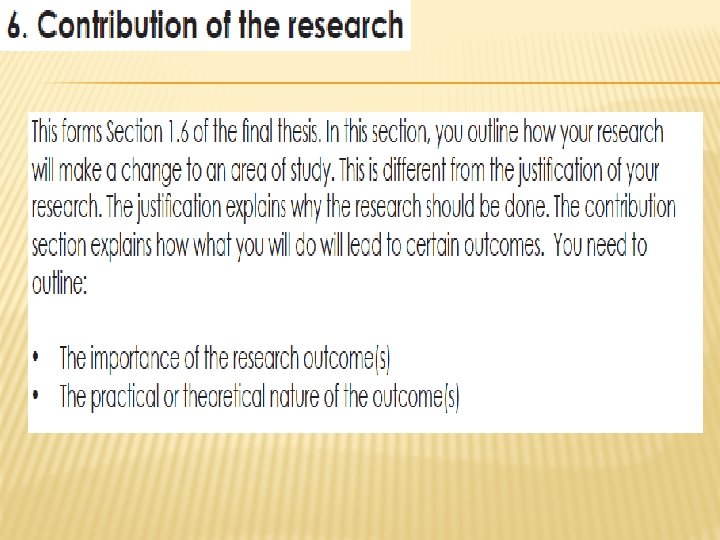
- Slides: 50
Approach to Writing Thesis: A Practical Guideline for Students and their Supervisors.
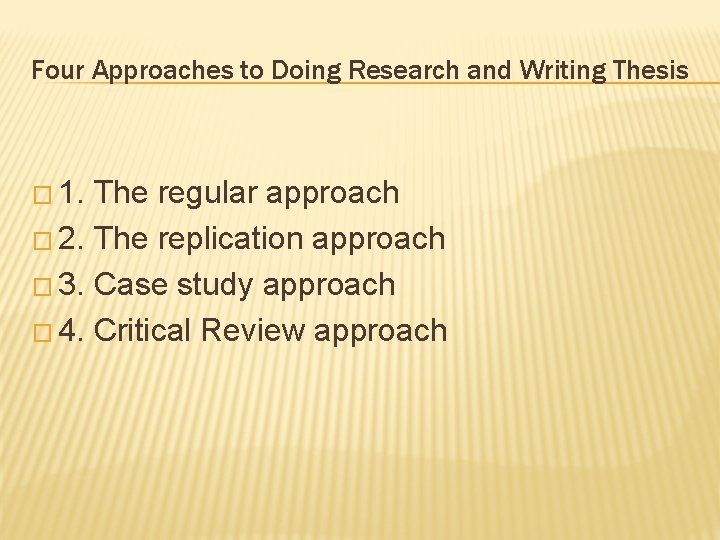
Four Approaches to Doing Research and Writing Thesis � 1. The regular approach � 2. The replication approach � 3. Case study approach � 4. Critical Review approach
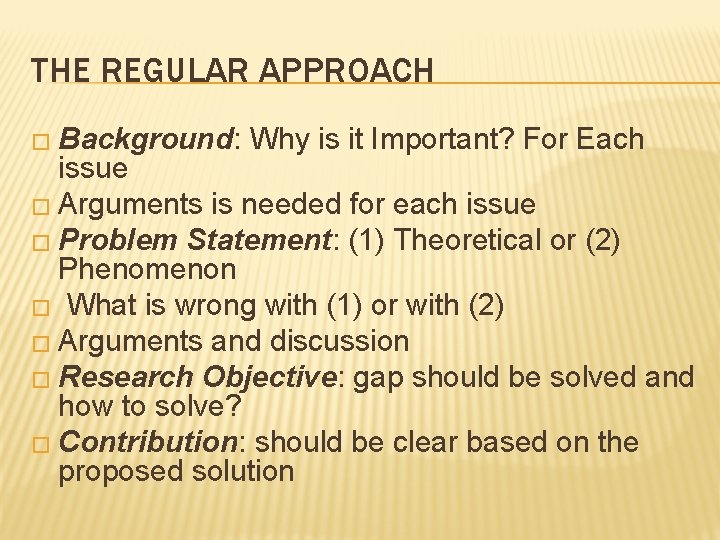
THE REGULAR APPROACH � Background: Why is it Important? For Each issue � Arguments is needed for each issue � Problem Statement: (1) Theoretical or (2) Phenomenon � What is wrong with (1) or with (2) � Arguments and discussion � Research Objective: gap should be solved and how to solve? � Contribution: should be clear based on the proposed solution
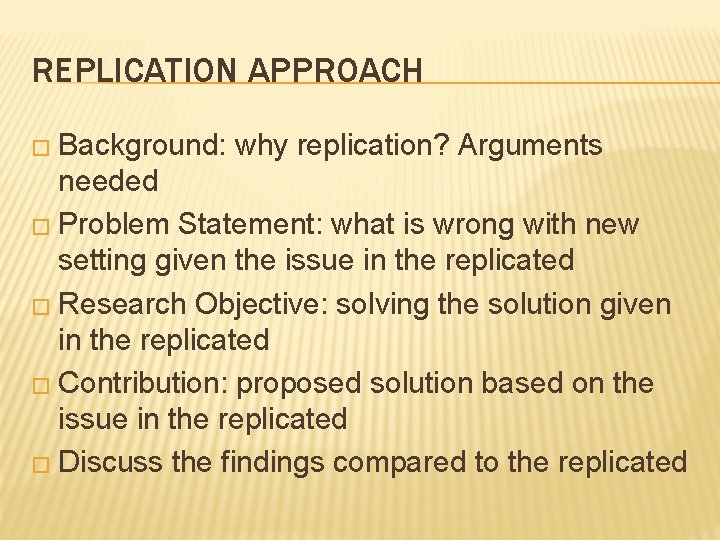
REPLICATION APPROACH � Background: why replication? Arguments needed � Problem Statement: what is wrong with new setting given the issue in the replicated � Research Objective: solving the solution given in the replicated � Contribution: proposed solution based on the issue in the replicated � Discuss the findings compared to the replicated
CASE STUDY APPROACH � Factual Summary � Problem Statements � Analysis of problems � Solutions � Recommended Solution � Implementation
FACTUAL SUMMARY � Comprehend case situation � Speed read case � Read case carefully, taking notes, underlining Write the important facts and data leading to a problem(s) � For that purpose avoid to: Copy and paste the case material � Paraphrasing is required �
PROBLEM STATEMENTS The case analysis is leading toward definition of a problem (s) � Problem? a situation where effective action can be planned to improve the situation of the organization‘ � Indicates both areas needing corrective action and areas of opportunities for new actions � Some steps: � identify problem areas, � list problem area from notes and a rereading of case �
IDENTIFYING PROBLEM AREAS � Identify problem areas situations exhibiting unusual behavior, conflicts, change, stagnation � The word problem is associated with the difference beween existing situation and some desired situation . . . The process of problem finding is the process of finding differences � Thus, the problem-finder must comprehend both the existing state and identify te attainable state
THE MODELING APPROACH TO PROBLEM IDENTIFICATION � Historical model � Model from the environment � Planning model � Personal model
PROBLEM STATEMENTS � Based on the identification of problem area, problem(s) should be stated � Major ad Minor problems are OK � State problem explicitly
ANALYSIS OF PROBLEMS � The objective of the analysis is to make sure the problems stated are `logical � Detailed data and facts are required � The analysis can also lead to the solutions
SOLUTIONS � Sources of Solutions are concepts and experiences � List the possible solutions with pros and cons points � Any possible solutions should be explained clearly first before listing the pros and cons
RECOMMENDED SOLUTIONS � Given the possible solutions, recommend the most possible solution � Argumentations are required
Implementation • List efforts to be done to make the recommended solution workable • Contingency plan if the recommended solution is not workable, what you are goingto?
CRITICAL REVIEW APPROACH � Introduction � Discussion � Conclusion � References � Attachment
INTRODUCTION � Summary of Article � Problem: � Theoretical concept � Research methodology � Research findings
DISCUSSION � Review of Theoretical Concept � Review of Research Methodology � Review of Research Findings
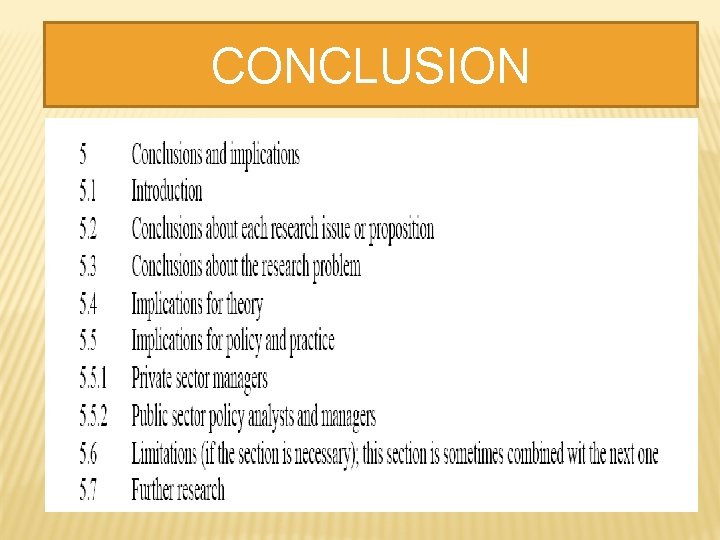
CONCLUSION: � This section contain conclusion you draw from based on your evaluation of main article you are commenting in terms of theoretical concept, methodological consideration, and research finding
MODEL OF DOCTORAL RESEARCH
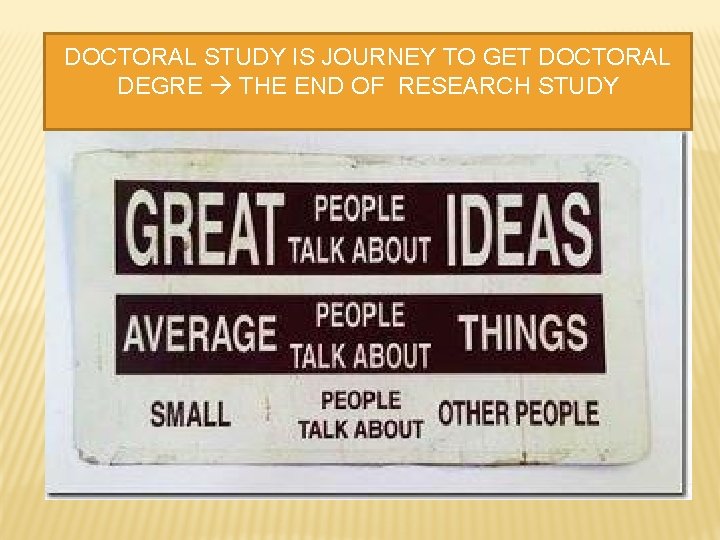
DOCTORAL STUDY IS JOURNEY TO GET DOCTORAL DEGRE THE END OF RESEARCH STUDY
WHY DO DOCTORAL RESEARCHERS GET ASKED TO READ SO MUCH? � � 1) To map the field or fields relevant to the inquiry. This is likely to involve both showing something of the historical development of the field(s), discussing its empirical and theoretical bases and biases, as well as identifying major debates, key figures and seminal texts. (2) To establish which studies, ideas and/or methods are most pertinent to the specific research being undertaken. No project starts from scratch – new research both uses and builds on existing findings. These pre -made building blocks are acknowledged through scrupulous citation practices. (3) To create the warrant for the research. This may involve identifying gaps, bringing together ideas and approaches which have previously remained separate and/or speaking to a particular difficulty, puzzle or debate within the field. Through these three processes, researchers are equipped to not only argue why their research is needed and important, but they also are able: (4) To identify the particular contribution that their research will make. Work with literatures allows researchers to name the conversation(s) which they will enter into and to articulate the ‘chunk’ of knowledge they are offering to the scholarly community. (
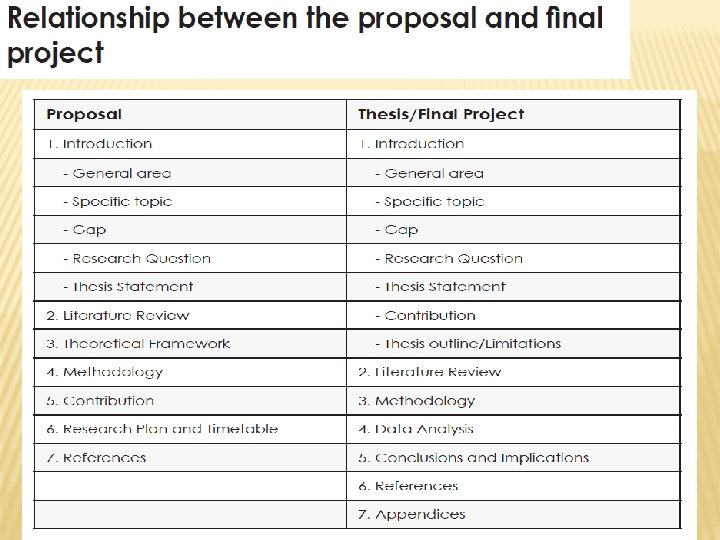
PROCESS �RESEARCH PROPOSAL � SUBMIT THE FINAL RESEARCH �DEFEND IMPORTAT ISSUE OF DOCTORAL RESEARCH IS CONTRIBUTION NOT
WHAT IS A RESEARCH GAP? �It's what makes your manuscript publishable �It's missing element in the existing research literature �It's the gap that you fill with your research approach
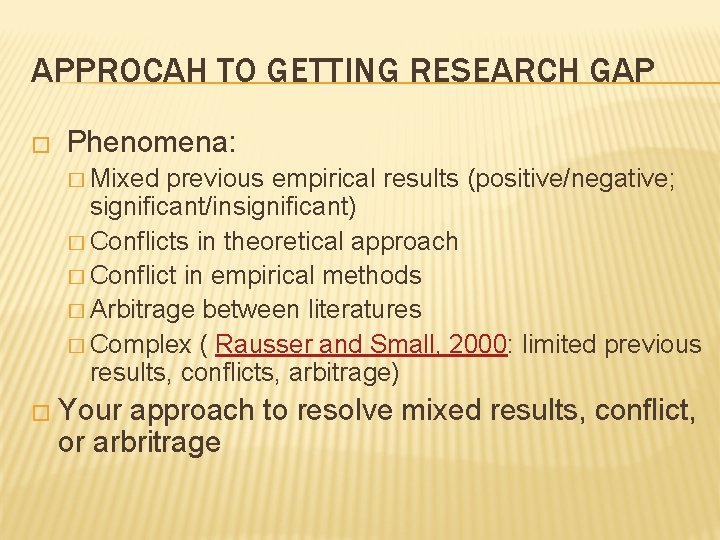
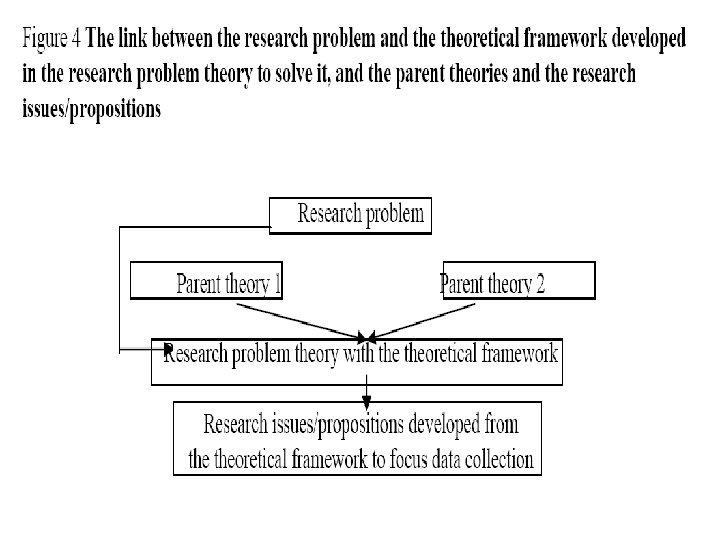
APPROCAH TO GETTING RESEARCH GAP � Phenomena: � Mixed previous empirical results (positive/negative; significant/insignificant) � Conflicts in theoretical approach � Conflict in empirical methods � Arbitrage between literatures � Complex ( Rausser and Small, 2000: limited previous results, conflicts, arbitrage) � Your approach to resolve mixed results, conflict, or arbritrage
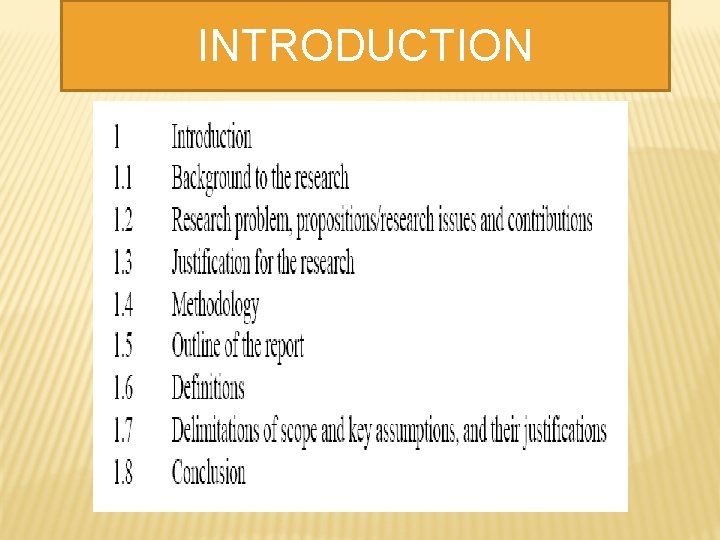
INTRODUCTION
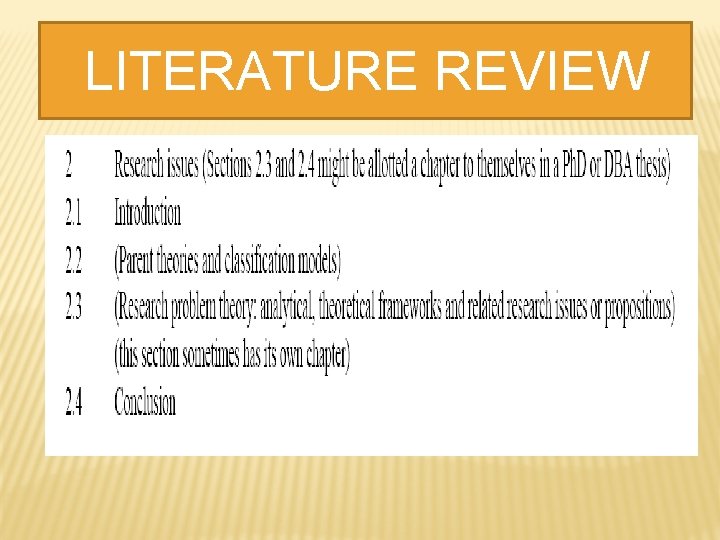
LITERATURE REVIEW
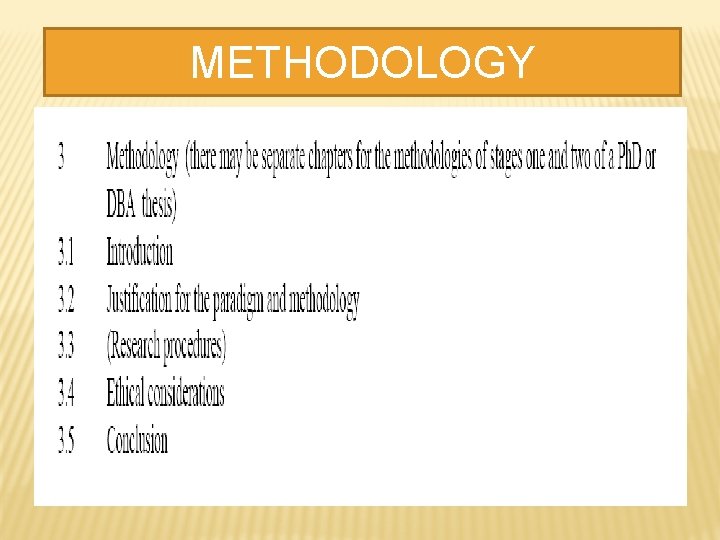
METHODOLOGY
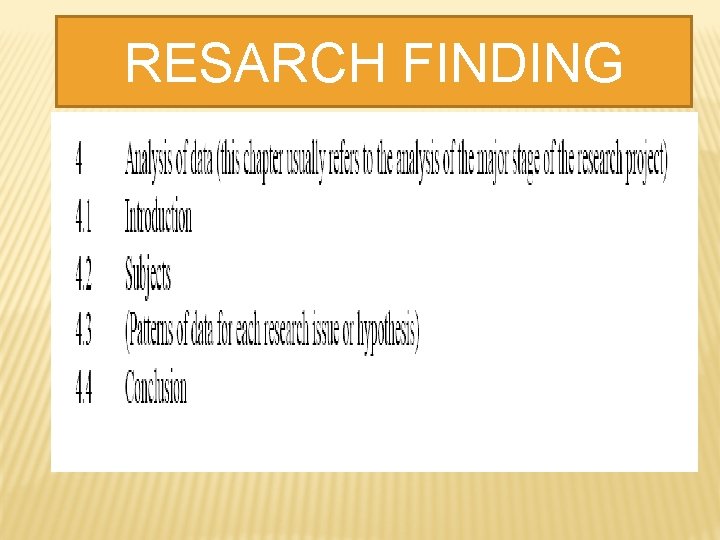
RESARCH FINDING
CONCLUSION
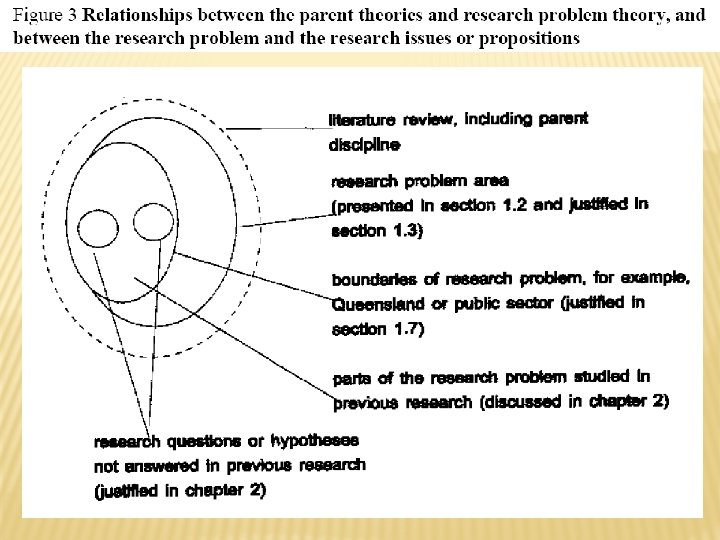
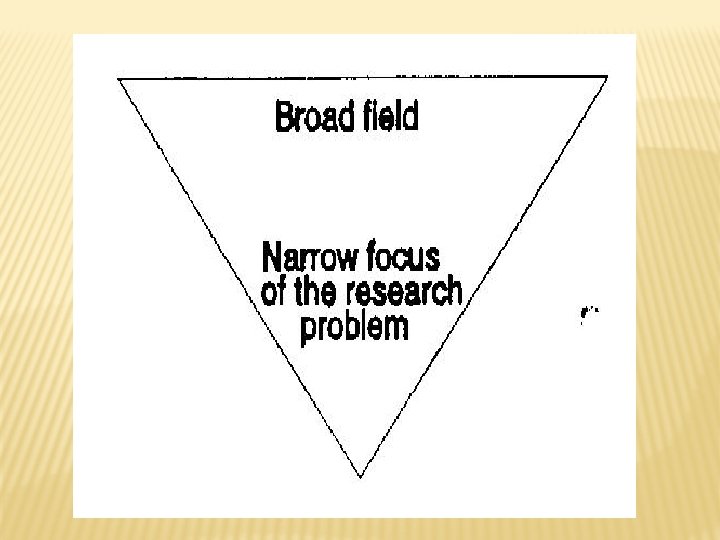
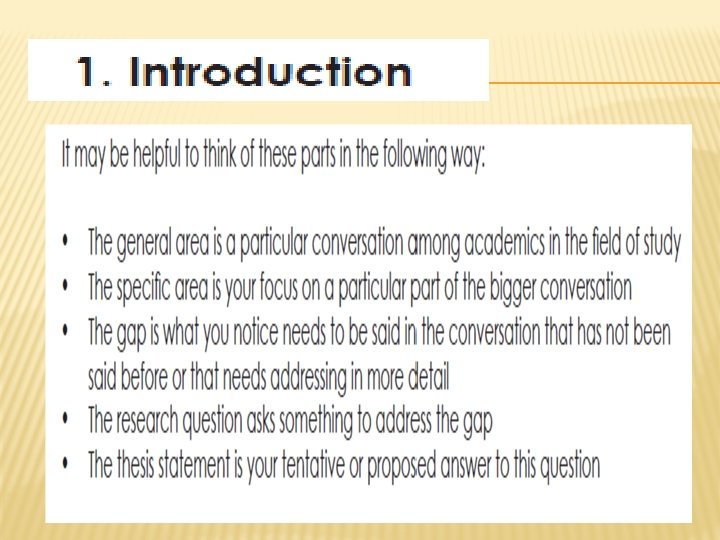
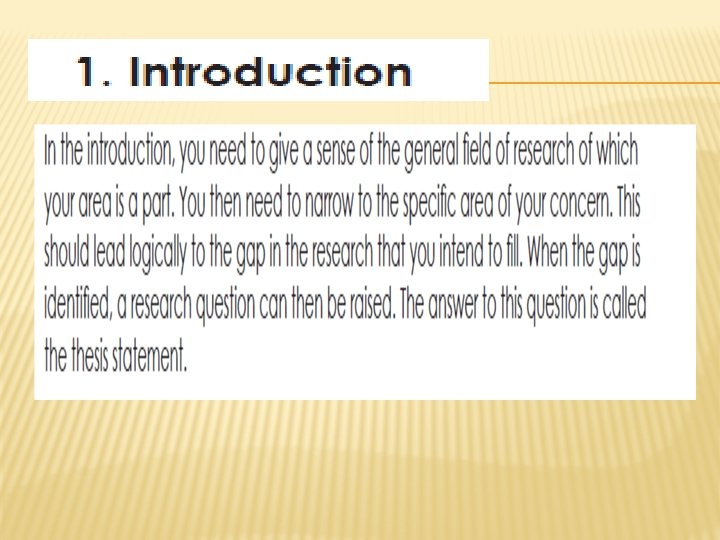
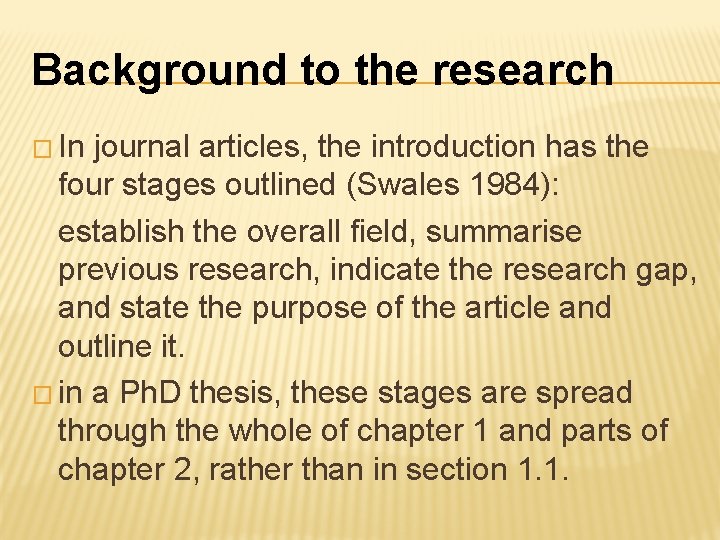
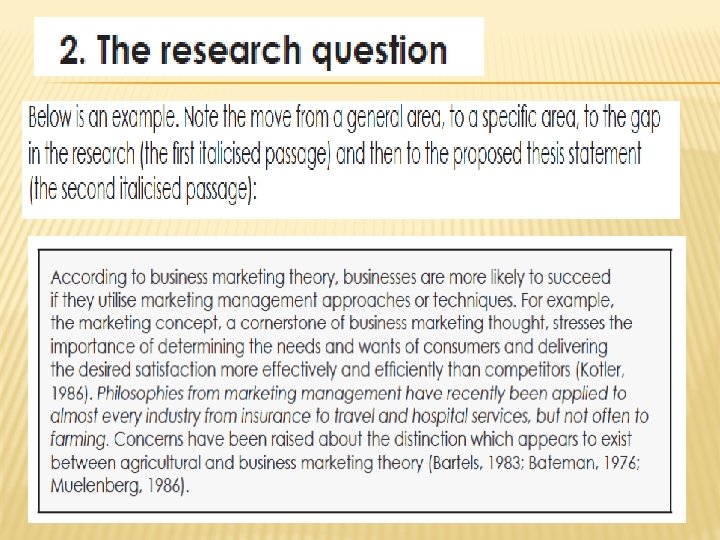
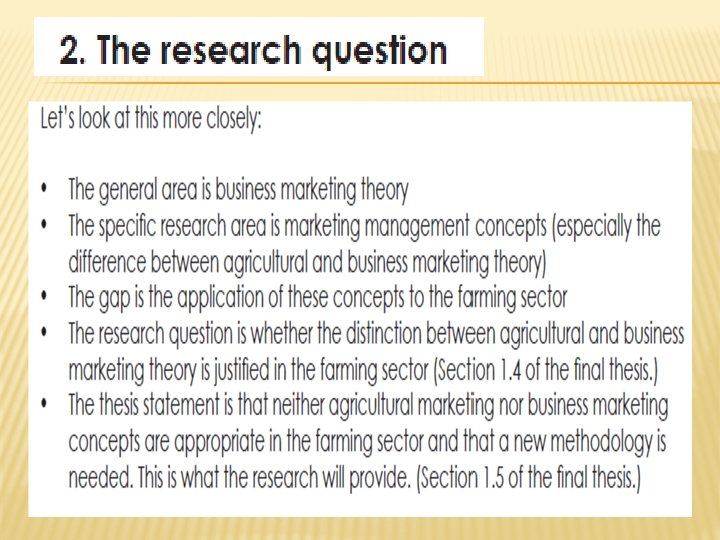
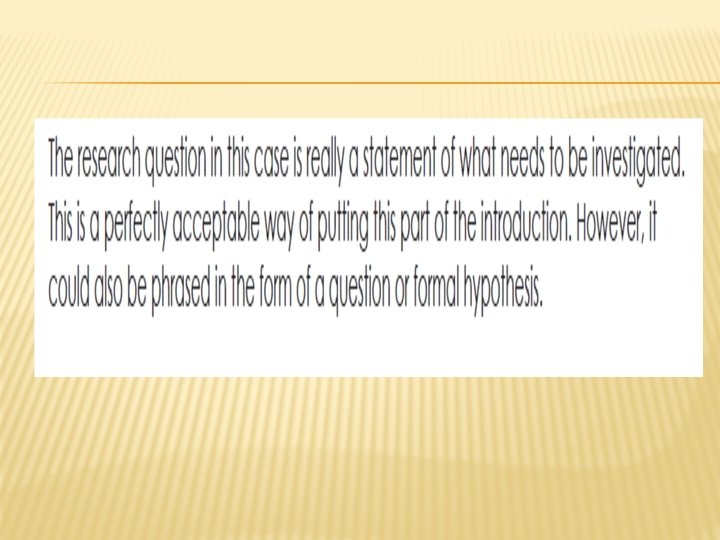
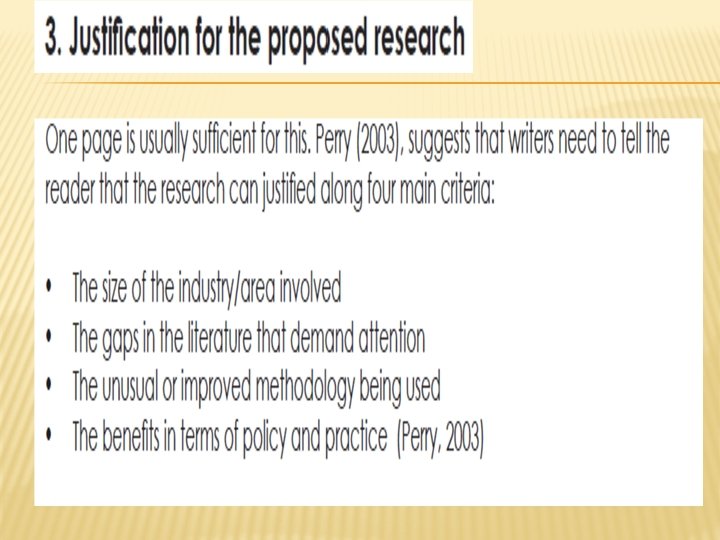
Background to the research � In journal articles, the introduction has the four stages outlined (Swales 1984): establish the overall field, summarise previous research, indicate the research gap, and state the purpose of the article and outline it. � in a Ph. D thesis, these stages are spread through the whole of chapter 1 and parts of chapter 2, rather than in section 1. 1.