
Approach to Acute renal failure Dr Mohammed AlGhonaim

- Slides: 41
Approach to Acute renal failure Dr. Mohammed Al-Ghonaim MBBS, FRCP(C)
Objective • • Definition of ARF Epidemiology Etiology of ARF Management of ARF – Diagnosis of ARF – Treatment of ARF
Acute renal failure (ARF) or acute kidney injury (AKI) • Deterioration of renal function over a period of hours to days, resulting in • the failure of the kidney to excrete nitrogenous waste products and • to maintain fluid and electrolyte homeostasis • ARF Rapid deterioration of renal function – – (increase of creatinine of >0. 5 mg/dl in <72 hrs. ) “azotemia” (accumulation of nitrogenous wastes) elevated BUN and Creatinine levels decreased urine output (usually but not always) • Oliguria: <400 ml urine output in 24 hours • Anuria: <100 ml urine output in 24 hours
Epidemiology • It occurs in – 5%of all hospitalized patients and – 35% of those in intensive care units • Mortality is high: • up to 75– 90% in patients with sepsis • 35– 45% in those without
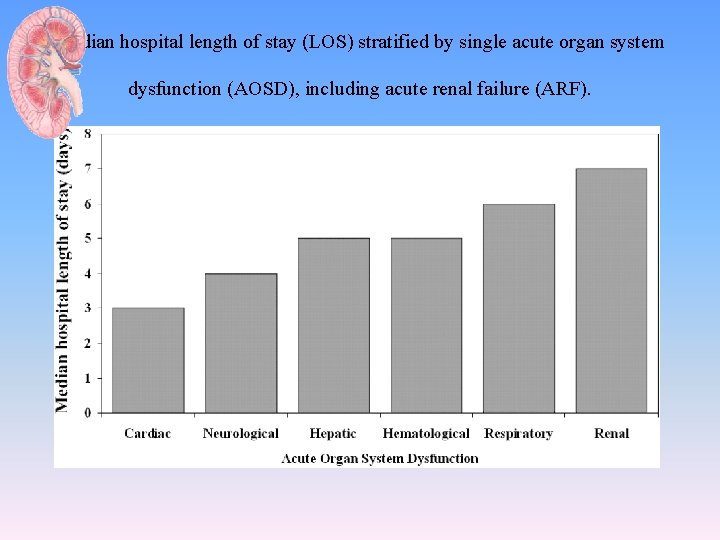
Median hospital length of stay (LOS) stratified by single acute organ system dysfunction (AOSD), including acute renal failure (ARF).
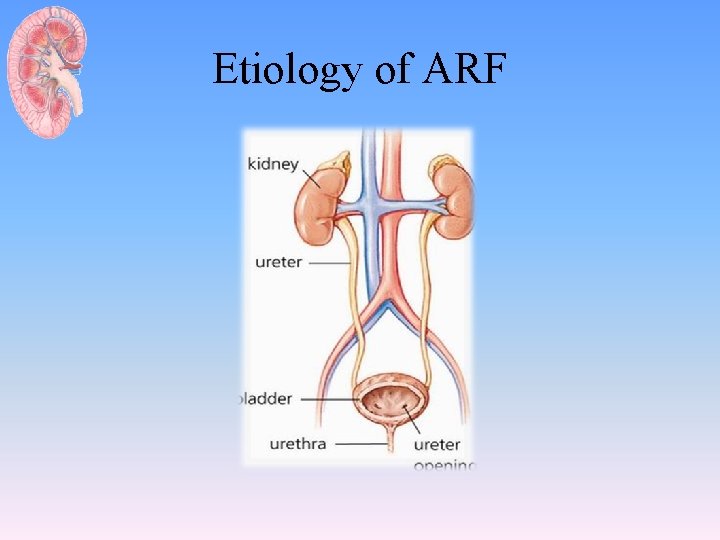
Etiology of ARF
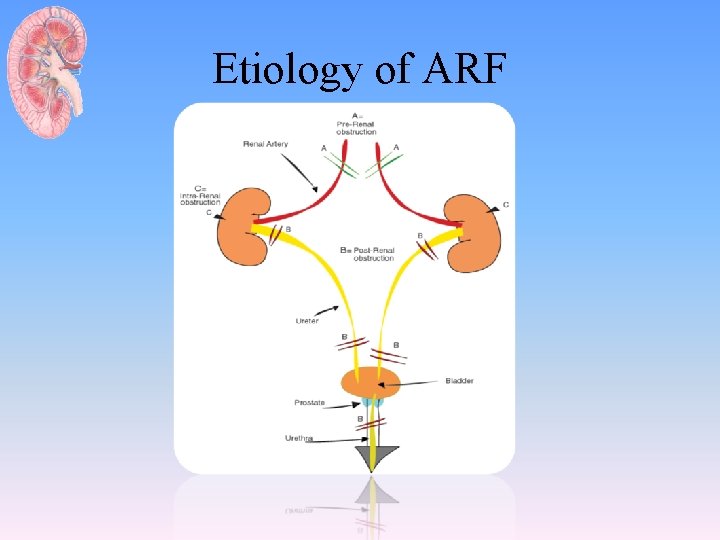
Etiology of ARF
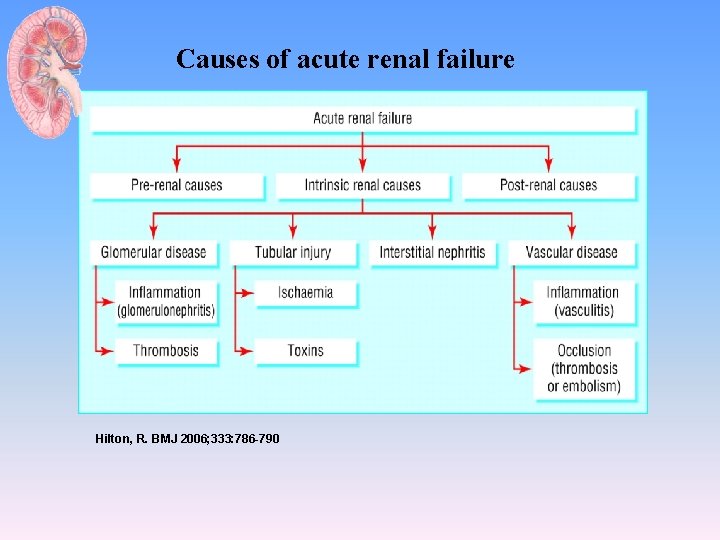
Causes of acute renal failure Hilton, R. BMJ 2006; 333: 786 -790
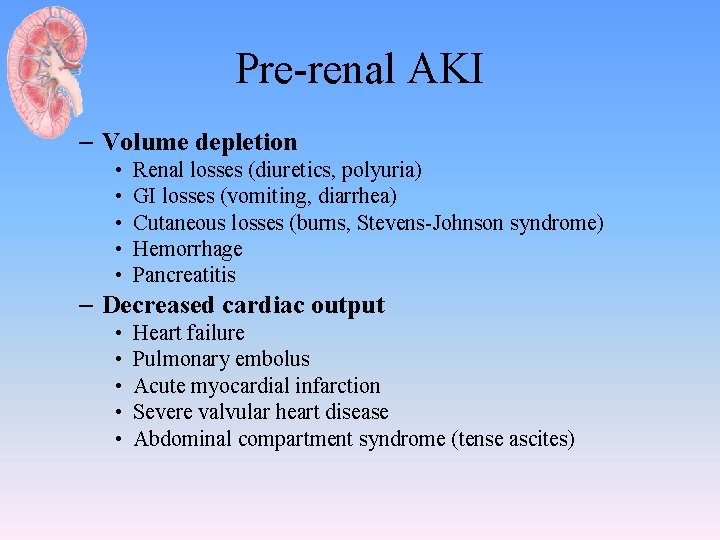
Pre-renal AKI – Volume depletion • • • Renal losses (diuretics, polyuria) GI losses (vomiting, diarrhea) Cutaneous losses (burns, Stevens-Johnson syndrome) Hemorrhage Pancreatitis – Decreased cardiac output • • • Heart failure Pulmonary embolus Acute myocardial infarction Severe valvular heart disease Abdominal compartment syndrome (tense ascites)
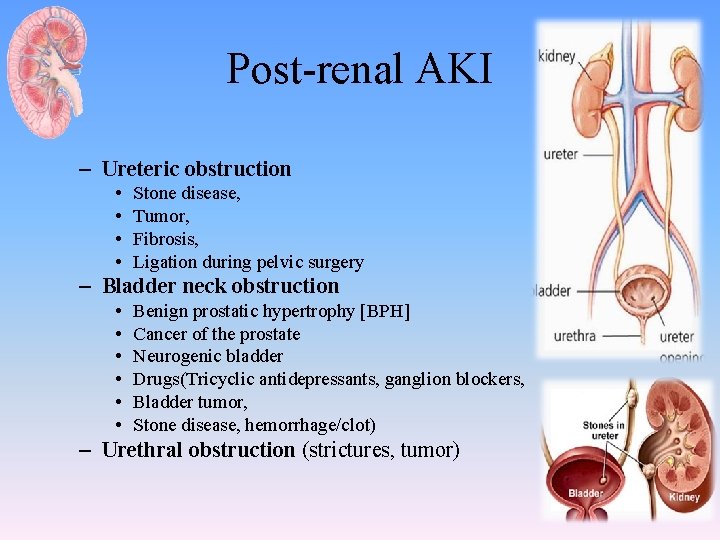
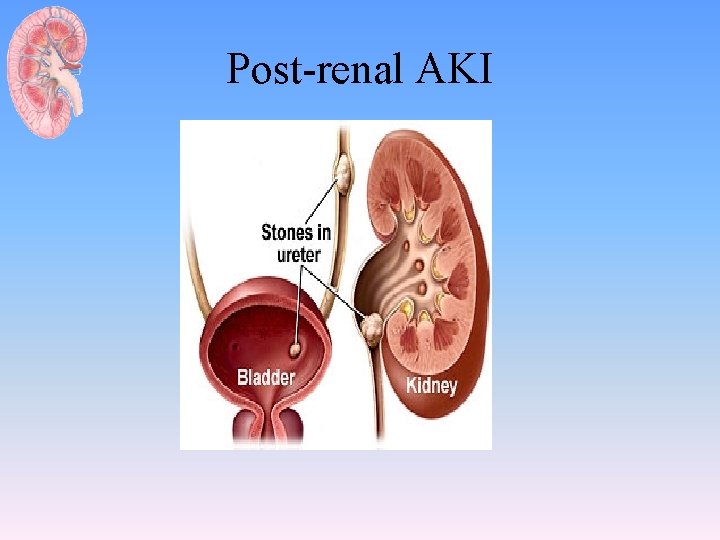
Post-renal AKI – Ureteric obstruction • • Stone disease, Tumor, Fibrosis, Ligation during pelvic surgery – Bladder neck obstruction • • • Benign prostatic hypertrophy [BPH] Cancer of the prostate Neurogenic bladder Drugs(Tricyclic antidepressants, ganglion blockers, Bladder tumor, Stone disease, hemorrhage/clot) – Urethral obstruction (strictures, tumor)
Post-renal AKI
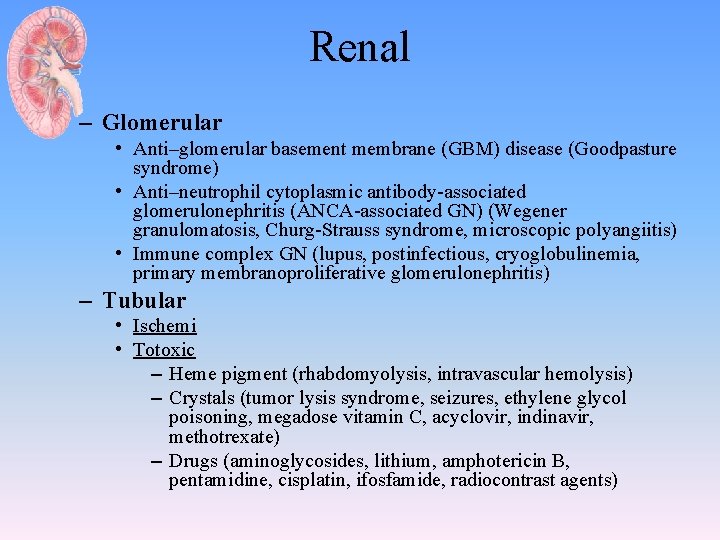
Renal – Glomerular • Anti–glomerular basement membrane (GBM) disease (Goodpasture syndrome) • Anti–neutrophil cytoplasmic antibody-associated glomerulonephritis (ANCA-associated GN) (Wegener granulomatosis, Churg-Strauss syndrome, microscopic polyangiitis) • Immune complex GN (lupus, postinfectious, cryoglobulinemia, primary membranoproliferative glomerulonephritis) – Tubular • Ischemi • Totoxic – Heme pigment (rhabdomyolysis, intravascular hemolysis) – Crystals (tumor lysis syndrome, seizures, ethylene glycol poisoning, megadose vitamin C, acyclovir, indinavir, methotrexate) – Drugs (aminoglycosides, lithium, amphotericin B, pentamidine, cisplatin, ifosfamide, radiocontrast agents)
Renal – Interstitial • Drugs (penicillins, cephalosporins, NSAIDs, proton -pump inhibitors, allopurinol, rifampin, indinavir, mesalamine, sulfonamides) • Infection (pyelonephritis, viral nephritides) • Systemic disease (Sjogren syndrome, sarcoid, lupus, lymphoma, leukemia, tubulonephritis, uveitis
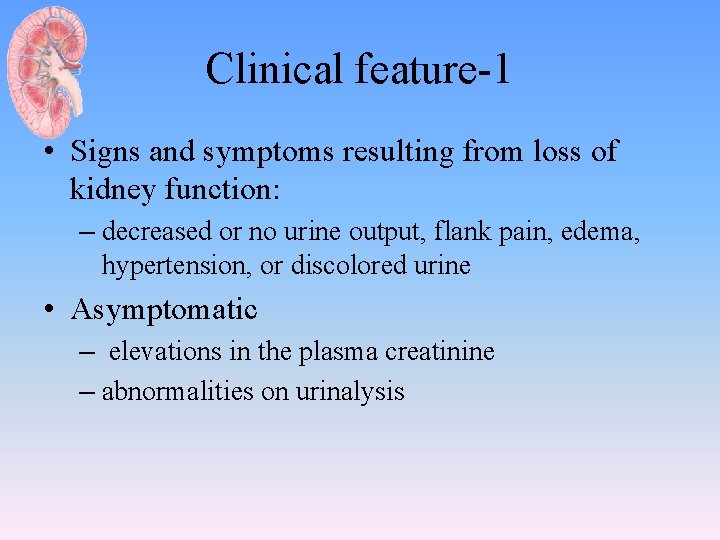
Clinical feature-1 • Signs and symptoms resulting from loss of kidney function: – decreased or no urine output, flank pain, edema, hypertension, or discolored urine • Asymptomatic – elevations in the plasma creatinine – abnormalities on urinalysis
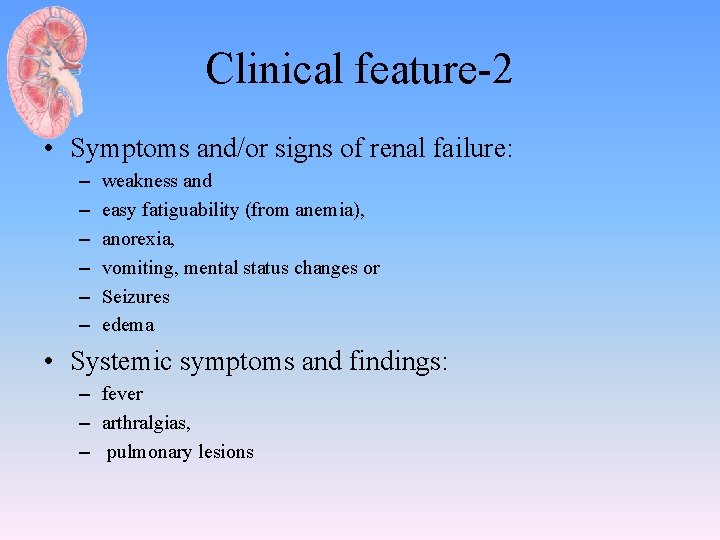
Clinical feature-2 • Symptoms and/or signs of renal failure: – – – weakness and easy fatiguability (from anemia), anorexia, vomiting, mental status changes or Seizures edema • Systemic symptoms and findings: – fever – arthralgias, – pulmonary lesions
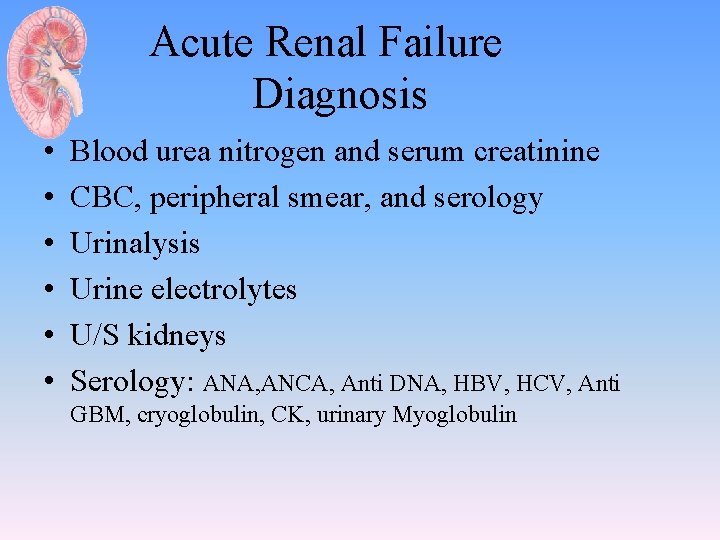
Acute Renal Failure Diagnosis • • • Blood urea nitrogen and serum creatinine CBC, peripheral smear, and serology Urinalysis Urine electrolytes U/S kidneys Serology: ANA, ANCA, Anti DNA, HBV, HCV, Anti GBM, cryoglobulin, CK, urinary Myoglobulin
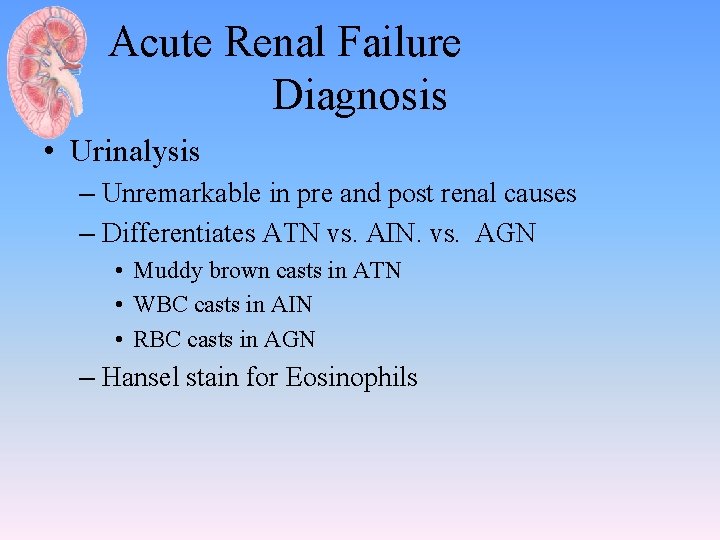
Acute Renal Failure Diagnosis • Urinalysis – Unremarkable in pre and post renal causes – Differentiates ATN vs. AIN. vs. AGN • Muddy brown casts in ATN • WBC casts in AIN • RBC casts in AGN – Hansel stain for Eosinophils
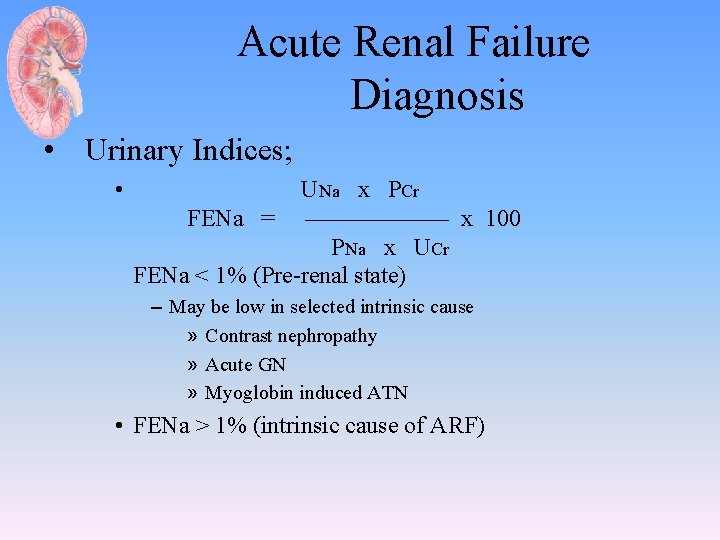
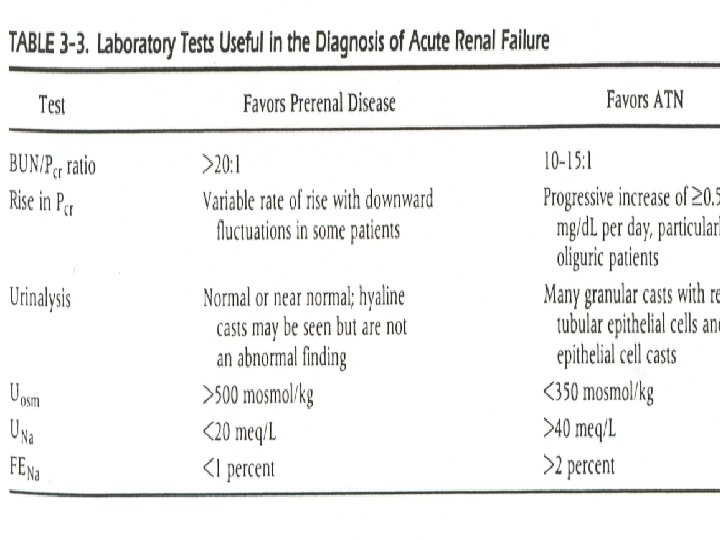
Acute Renal Failure Diagnosis • Urinary Indices; • UNa x PCr FENa = —————— x 100 PNa x UCr FENa < 1% (Pre-renal state) – May be low in selected intrinsic cause » Contrast nephropathy » Acute GN » Myoglobin induced ATN • FENa > 1% (intrinsic cause of ARF)
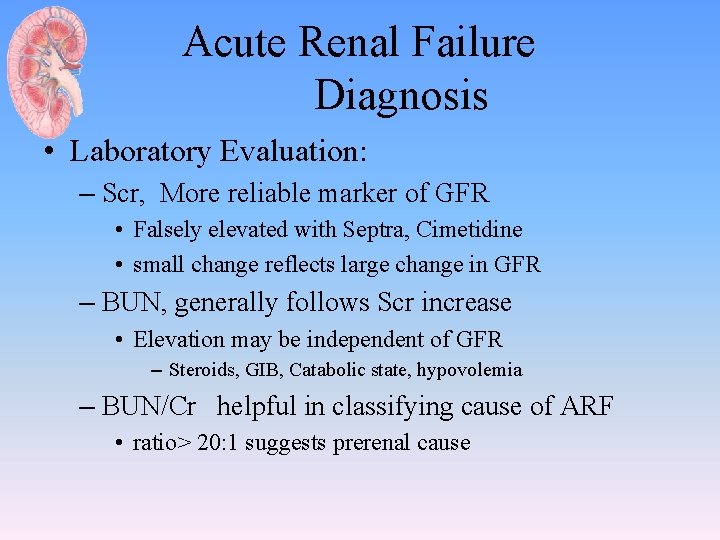
Acute Renal Failure Diagnosis • Laboratory Evaluation: – Scr, More reliable marker of GFR • Falsely elevated with Septra, Cimetidine • small change reflects large change in GFR – BUN, generally follows Scr increase • Elevation may be independent of GFR – Steroids, GIB, Catabolic state, hypovolemia – BUN/Cr helpful in classifying cause of ARF • ratio> 20: 1 suggests prerenal cause
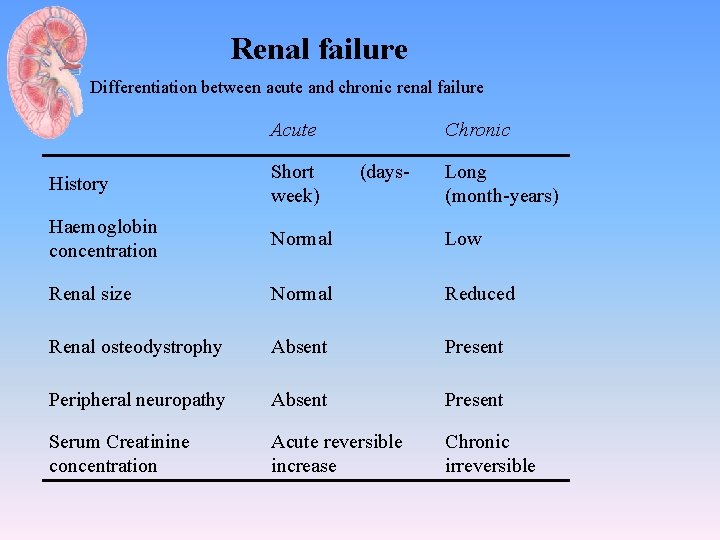
Renal failure Differentiation between acute and chronic renal failure Acute Chronic History Short (daysweek) Long (month-years) Haemoglobin concentration Normal Low Renal size Normal Reduced Renal osteodystrophy Absent Present Peripheral neuropathy Absent Present Serum Creatinine concentration Acute reversible increase Chronic irreversible
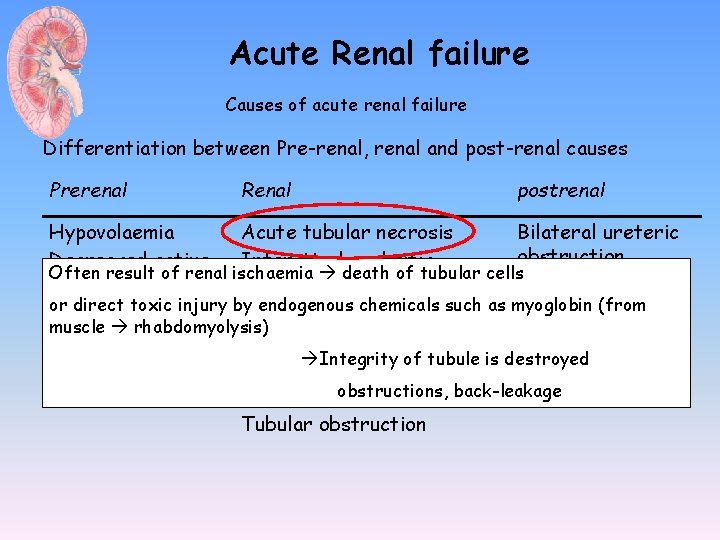
Acute Renal failure Causes of acute renal failure Differentiation between Pre-renal, renal and post-renal causes Prerenal Renal postrenal Hypovolaemia Acute tubular necrosis Bilateral ureteric obstruction Decreased active Interstinal nephritis Often result of renal ischaemia death of tubular cells blood volume Unilateral ureteric Glomerular disease (acute or direct toxic injury by endogenous chemicals such as myoglobin (from obstruction Decreased cardiac glomerulonephritis) muscle rhabdomyolysis) output Bladder outflow Small vessel diease Integrity of tubule is destroyed Renovascular Intrarenal vasoconstriction obstruction (in sepsis) obstructions, back-leakage Tubular obstruction
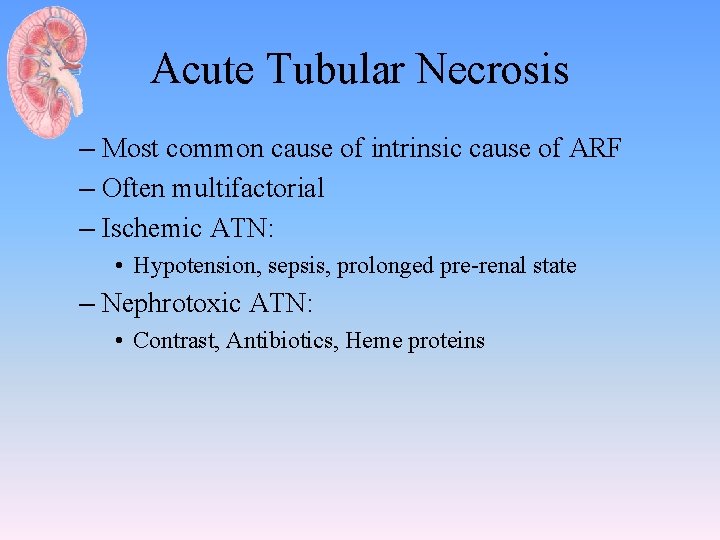
Acute Tubular Necrosis – Most common cause of intrinsic cause of ARF – Often multifactorial – Ischemic ATN: • Hypotension, sepsis, prolonged pre-renal state – Nephrotoxic ATN: • Contrast, Antibiotics, Heme proteins
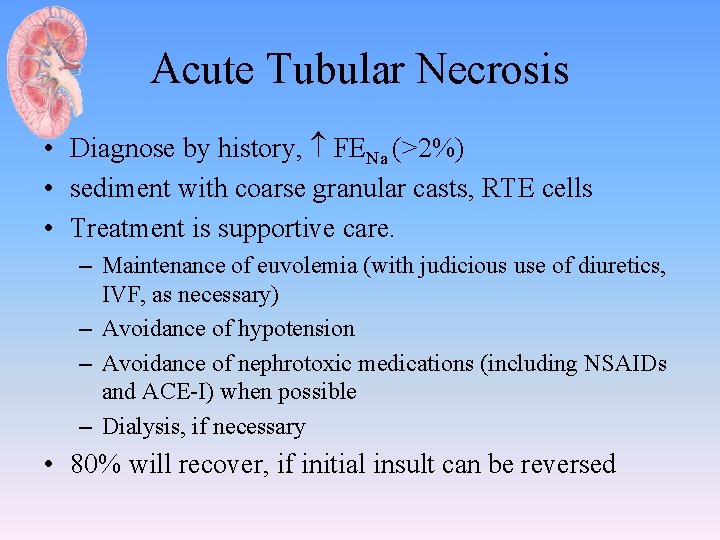
Acute Tubular Necrosis • Diagnose by history, FENa (>2%) • sediment with coarse granular casts, RTE cells • Treatment is supportive care. – Maintenance of euvolemia (with judicious use of diuretics, IVF, as necessary) – Avoidance of hypotension – Avoidance of nephrotoxic medications (including NSAIDs and ACE-I) when possible – Dialysis, if necessary • 80% will recover, if initial insult can be reversed
Contrast nephropathy • 12 -24 hours post exposure, peaks in 3 -5 days • Non-oliguric, FE Na <1% !! • RX/Prevention: 1/2 NS 1 cc/kg/hr 12 hours pre/post • Mucomyst 600 BID pre/post (4 doses) • Risk Factors: CKD, Hypovolemia , DM, CHF
Rhabdomyolysis • Diagnose with serum CK (usu. > 10, 000), urine dipstick (+) for blood, without RBCs on microscopy, pigmented granular casts • Common after trauma (“crush injuries”), seizures, burns, limb ischemia occasionally after IABP or cardiopulmonary bypass • Treatment is largely supportive care. With IVF
Acute Glomerulonephritis • Rare in the hospitalized patient • Diagnose by history, hematuria, RBC casts, proteinuria (usually non-nephrotic range), low serum complement in post-infectious GN), RPGN often associated with anti-GBM or ANCA • Usually will need to perform renal biopsy
Atheroembolic ARF • Associated with emboli of fragments of atherosclerotic plaque from aorta and other large arteries • Diagnose by history, physical findings (evidence of other embolic phenomena--CVA, ischemic digits, “blue toe” syndrome, etc), low serum C 3 and C 4, peripheral eosinophilia, eosinophiluria, rarely WBC casts • Commonly occur after intravascular procedures or cannulation (cardiac cath, CABG, AAA repair, etc. )
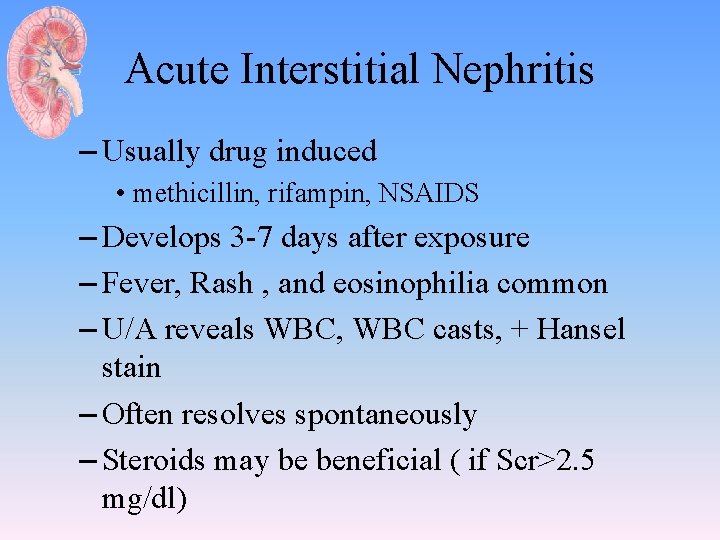
Acute Interstitial Nephritis – Usually drug induced • methicillin, rifampin, NSAIDS – Develops 3 -7 days after exposure – Fever, Rash , and eosinophilia common – U/A reveals WBC, WBC casts, + Hansel stain – Often resolves spontaneously – Steroids may be beneficial ( if Scr>2. 5 mg/dl)
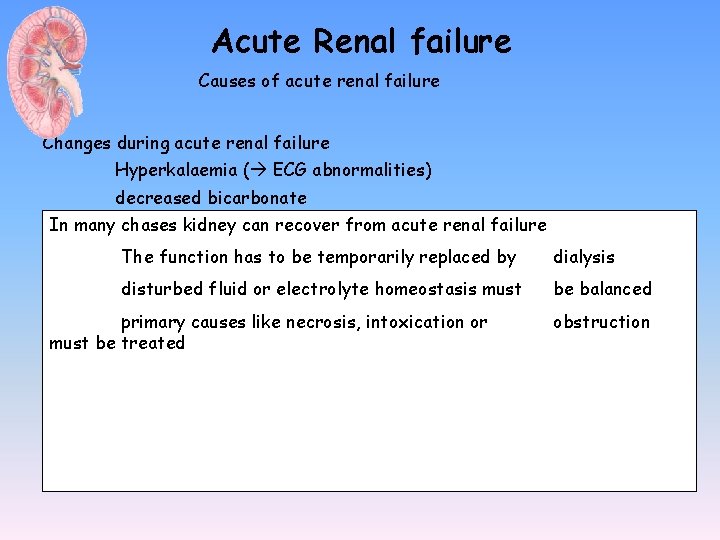
Acute Renal failure Causes of acute renal failure Changes during acute renal failure Hyperkalaemia ( ECG abnormalities) decreased bicarbonate In manyelevated chases kidney urea can recover from acute renal failure elevated creatinine The function has to be temporarily replaced by elevated uric acid disturbed fluid or electrolyte homeostasis must Hypocalcaemia primary causes like necrosis, intoxication or must be. Hyperphoshataemia treated dialysis be balanced obstruction
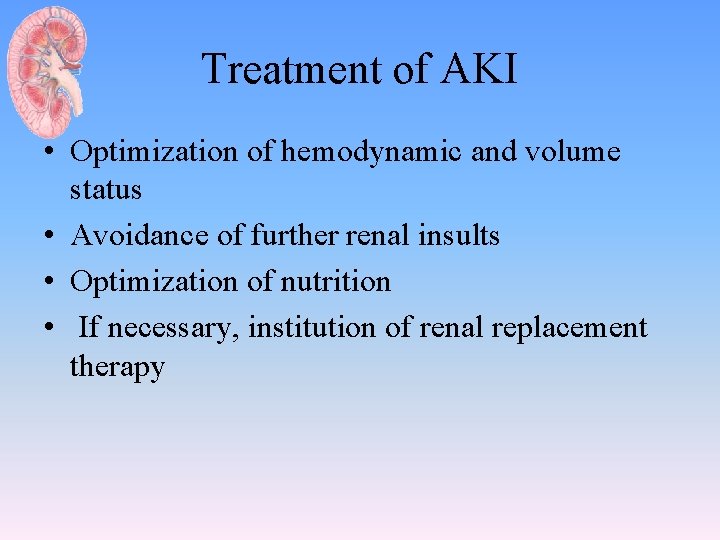
Treatment of AKI • Optimization of hemodynamic and volume status • Avoidance of further renal insults • Optimization of nutrition • If necessary, institution of renal replacement therapy
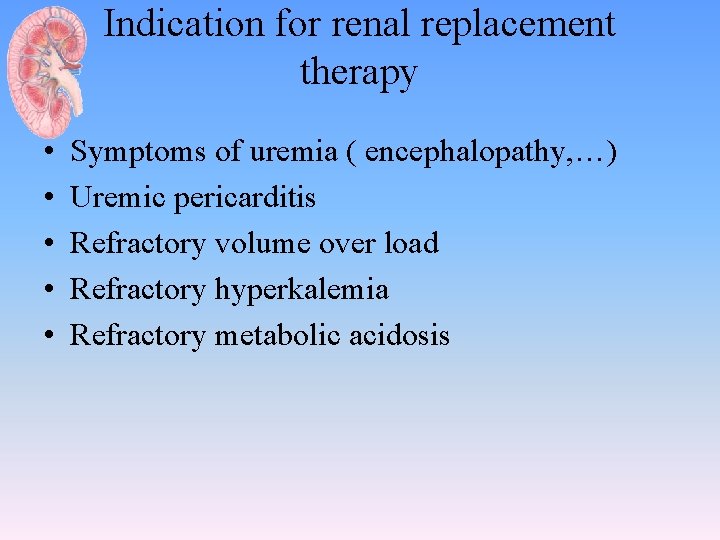
Indication for renal replacement therapy • • • Symptoms of uremia ( encephalopathy, …) Uremic pericarditis Refractory volume over load Refractory hyperkalemia Refractory metabolic acidosis
Case-1 • 63 yrs. old women with Hx of long standing – DM II and HTN (20 years) • C/O muscle aches and pain for 2 weeks – No Hx of nausea, vomiting and diarrhea – Seen 3 days before at private clinic – SCr 139 ALY 160 AST 83 U/A +3 glucose, +1 protein
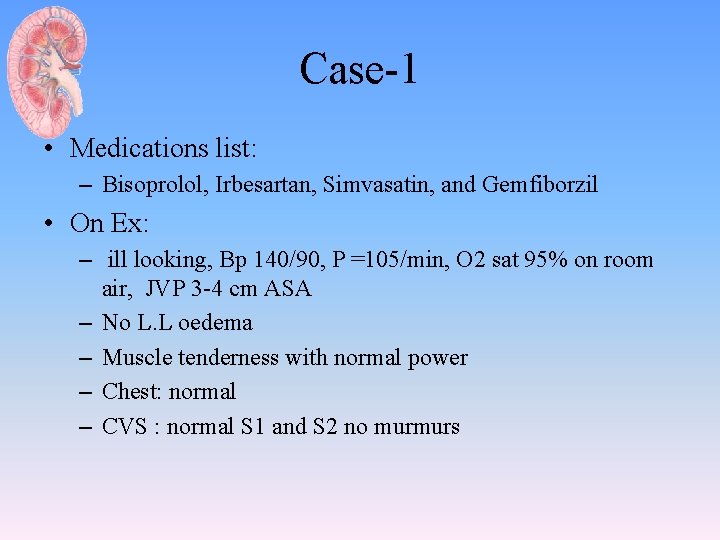
Case-1 • Medications list: – Bisoprolol, Irbesartan, Simvasatin, and Gemfiborzil • On Ex: – ill looking, Bp 140/90, P =105/min, O 2 sat 95% on room air, JVP 3 -4 cm ASA – No L. L oedema – Muscle tenderness with normal power – Chest: normal – CVS : normal S 1 and S 2 no murmurs
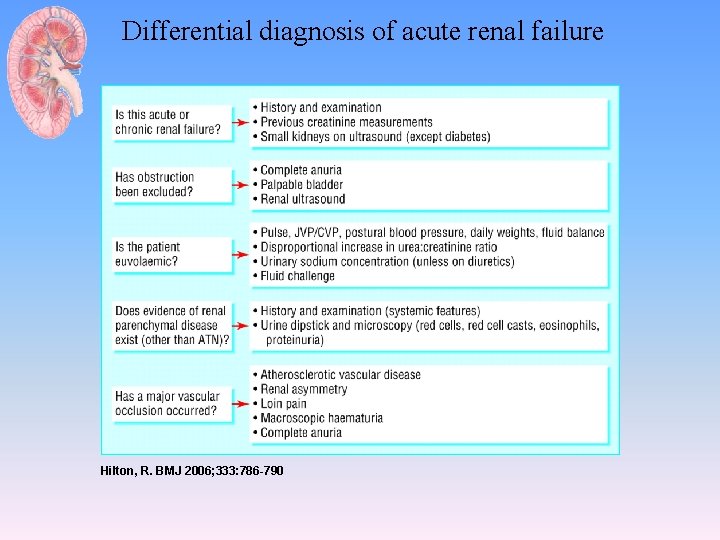
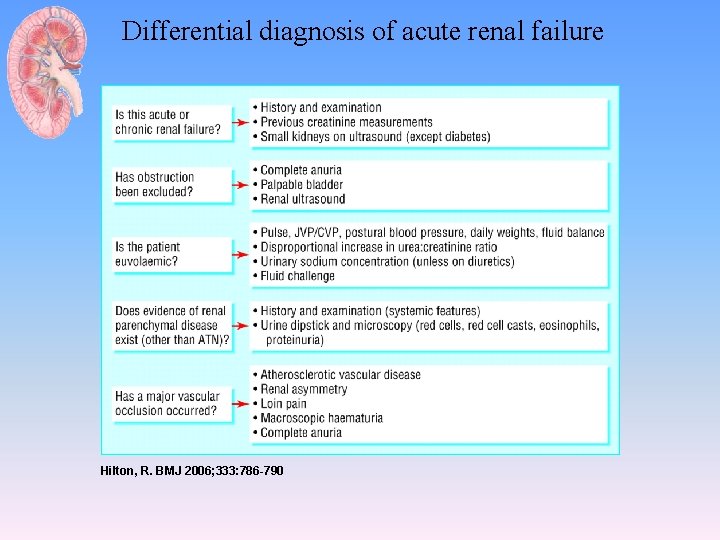
Differential diagnosis of acute renal failure Hilton, R. BMJ 2006; 333: 786 -790
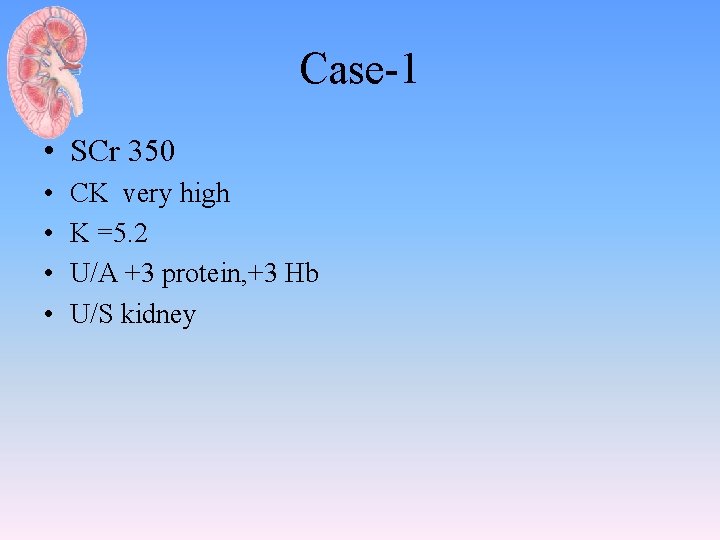
Case-1 • SCr 350 • • CK very high K =5. 2 U/A +3 protein, +3 Hb U/S kidney
Diagnosis and Treatment
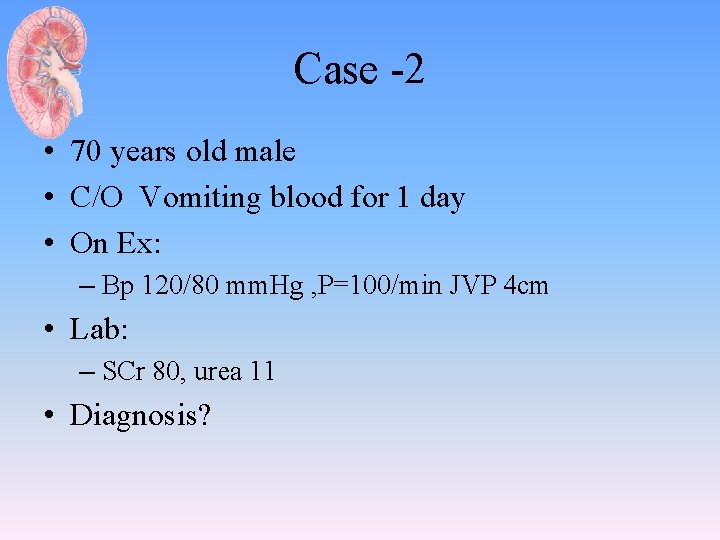
Case -2 • 70 years old male • C/O Vomiting blood for 1 day • On Ex: – Bp 120/80 mm. Hg , P=100/min JVP 4 cm • Lab: – SCr 80, urea 11 • Diagnosis?
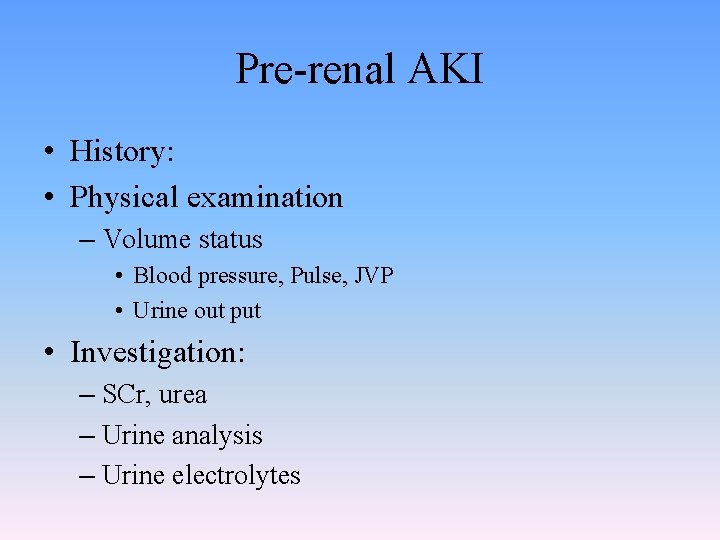
Pre-renal AKI • History: • Physical examination – Volume status • Blood pressure, Pulse, JVP • Urine out put • Investigation: – SCr, urea – Urine analysis – Urine electrolytes
Differential diagnosis of acute renal failure Hilton, R. BMJ 2006; 333: 786 -790