
Apixaban for the Reduction of ThromboEmbolism in DeviceDetected
Apixaban for the Reduction of Thrombo-Embolism in Device-Detected Sub-Clinical Atrial Fibrillation Study Protocol Overview Updated October 24, 2018
ARTESi. A Milestones Milestone Date Protocol Finalized August 20, 2014 1 st Regulatory approval March 27, 2015 1 st Site activation April 4, 2015 1 st Patient Enrolled May 7, 2015 Target: Enrollment complete Early 2020 Projected: Follow-up complete Early 2022 (event driven)
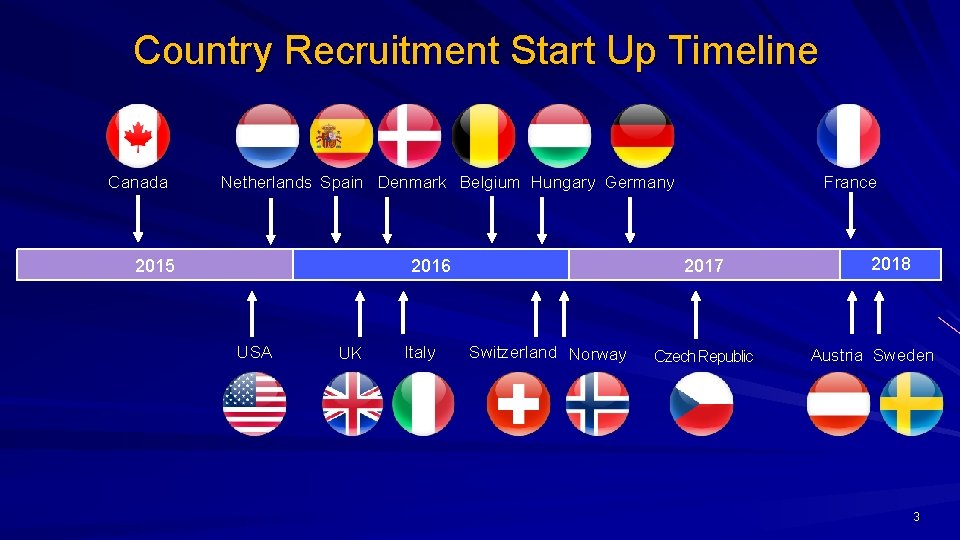
Country Recruitment Start Up Timeline Canada Netherlands Spain Denmark Belgium Hungary Germany France 2018 J F M A M 2015 J J A S O N D J F M A M 2016 J J A S O N D J F M A M 2017 J J A S O N D J F M A USA UK Italy Switzerland Norway Czech Republic Austria Sweden 3
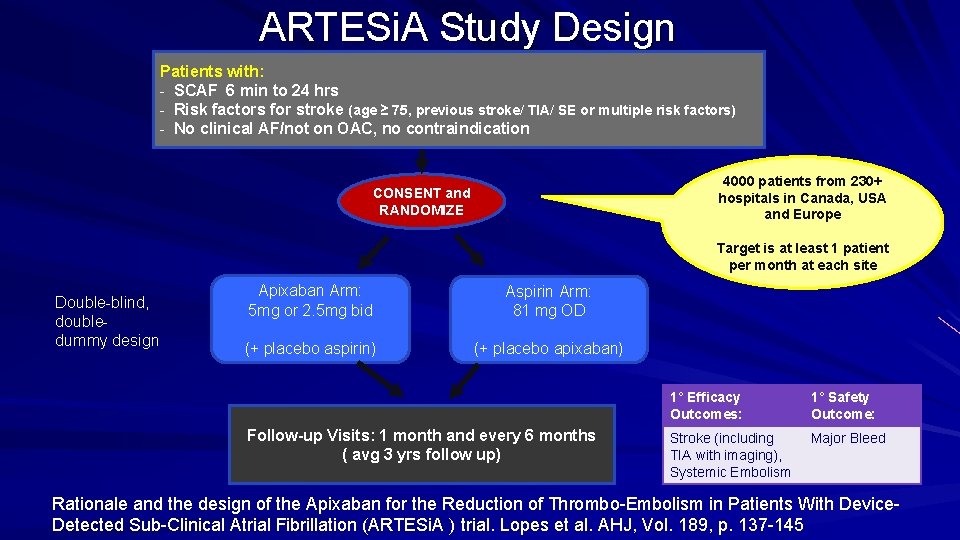
ARTESi. A Study Design Patients with: - SCAF 6 min to 24 hrs - Risk factors for stroke (age ≥ 75, previous stroke/ TIA/ SE or multiple risk factors) - No clinical AF/not on OAC, no contraindication 4000 patients from 230+ hospitals in Canada, USA and Europe CONSENT and RANDOMIZE Target is at least 1 patient per month at each site Double-blind, doubledummy design Apixaban Arm: 5 mg or 2. 5 mg bid Aspirin Arm: 81 mg OD (+ placebo aspirin) (+ placebo apixaban) Follow-up Visits: 1 month and every 6 months ( avg 3 yrs follow up) 1° Efficacy Outcomes: 1° Safety Outcome: Stroke (including TIA with imaging), Systemic Embolism Major Bleed Rationale and the design of the Apixaban for the Reduction of Thrombo-Embolism in Patients With Device. Detected Sub-Clinical Atrial Fibrillation (ARTESi. A ) trial. Lopes et al. AHJ, Vol. 189, p. 137 -145
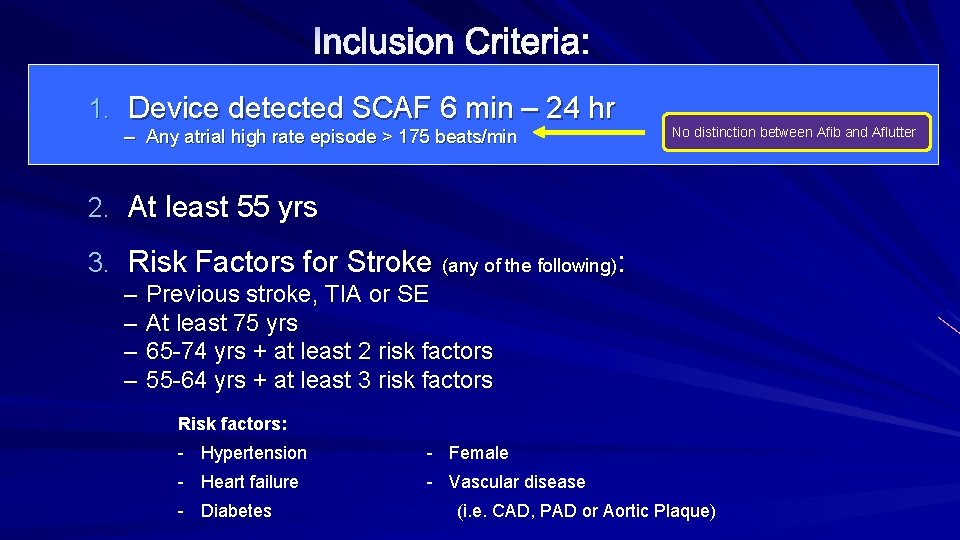
Inclusion Criteria: 1. Device detected SCAF 6 min – 24 hr – Any atrial high rate episode > 175 beats/min No distinction between Afib and Aflutter 2. At least 55 yrs 3. Risk Factors for Stroke (any of the following): – – Previous stroke, TIA or SE At least 75 yrs 65 -74 yrs + at least 2 risk factors 55 -64 yrs + at least 3 risk factors Risk factors: - Hypertension - Female - Heart failure - Vascular disease - Diabetes (i. e. CAD, PAD or Aortic Plaque)
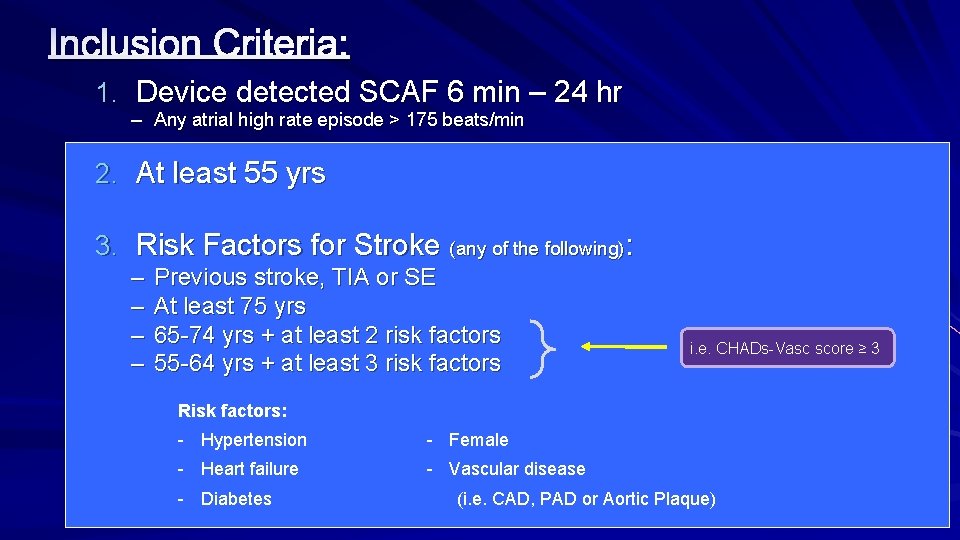
Inclusion Criteria: 1. Device detected SCAF 6 min – 24 hr – Any atrial high rate episode > 175 beats/min 2. At least 55 yrs 3. Risk Factors for Stroke (any of the following): – – Previous stroke, TIA or SE At least 75 yrs 65 -74 yrs + at least 2 risk factors 55 -64 yrs + at least 3 risk factors i. e. CHADs-Vasc score ≥ 3 Risk factors: - Hypertension - Female - Heart failure - Vascular disease - Diabetes (i. e. CAD, PAD or Aortic Plaque)
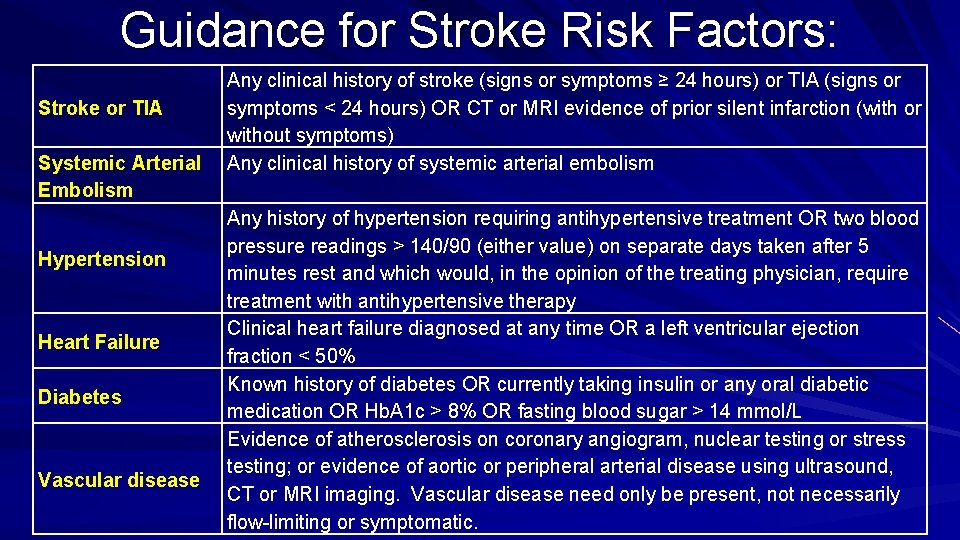
Guidance for Stroke Risk Factors: Stroke or TIA Systemic Arterial Embolism Hypertension Heart Failure Diabetes Vascular disease Any clinical history of stroke (signs or symptoms ≥ 24 hours) or TIA (signs or symptoms < 24 hours) OR CT or MRI evidence of prior silent infarction (with or without symptoms) Any clinical history of systemic arterial embolism Any history of hypertension requiring antihypertensive treatment OR two blood pressure readings > 140/90 (either value) on separate days taken after 5 minutes rest and which would, in the opinion of the treating physician, require treatment with antihypertensive therapy Clinical heart failure diagnosed at any time OR a left ventricular ejection fraction < 50% Known history of diabetes OR currently taking insulin or any oral diabetic medication OR Hb. A 1 c > 8% OR fasting blood sugar > 14 mmol/L Evidence of atherosclerosis on coronary angiogram, nuclear testing or stress testing; or evidence of aortic or peripheral arterial disease using ultrasound, CT or MRI imaging. Vascular disease need only be present, not necessarily flow-limiting or symptomatic.
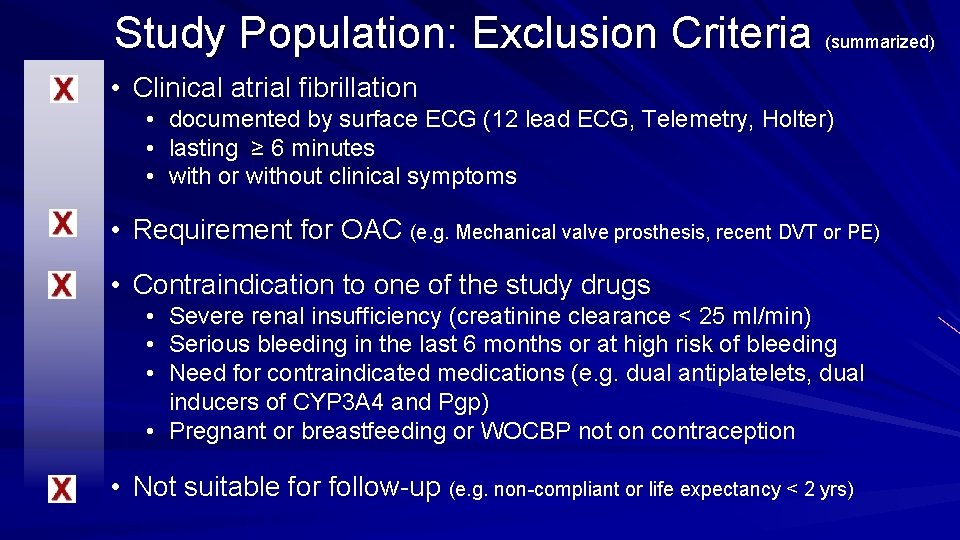
Study Population: Exclusion Criteria (summarized) • Clinical atrial fibrillation • • • documented by surface ECG (12 lead ECG, Telemetry, Holter) lasting ≥ 6 minutes with or without clinical symptoms • Requirement for OAC (e. g. Mechanical valve prosthesis, recent DVT or PE) • Contraindication to one of the study drugs • • • Severe renal insufficiency (creatinine clearance < 25 ml/min) Serious bleeding in the last 6 months or at high risk of bleeding Need for contraindicated medications (e. g. dual antiplatelets, dual inducers of CYP 3 A 4 and Pgp) • Pregnant or breastfeeding or WOCBP not on contraception • Not suitable for follow-up (e. g. non-compliant or life expectancy < 2 yrs)
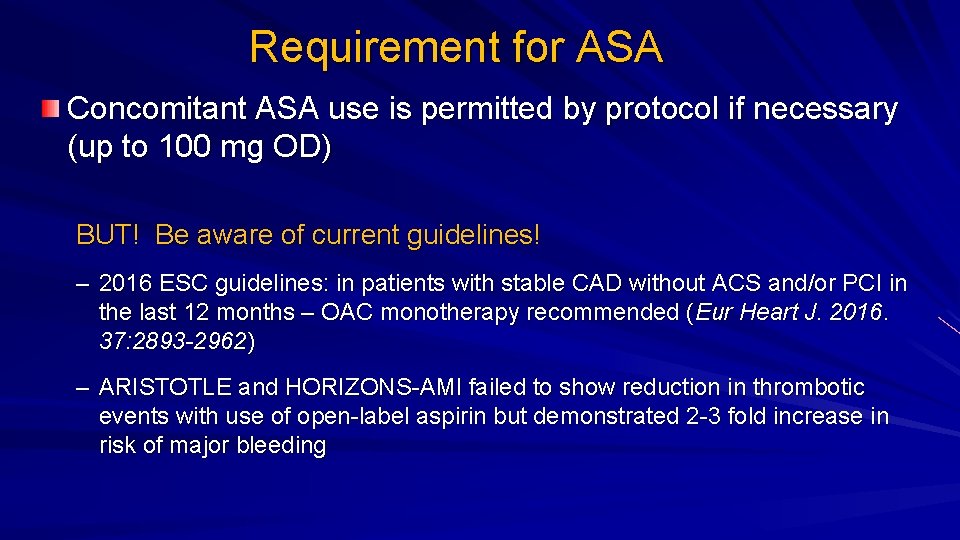
Requirement for ASA Concomitant ASA use is permitted by protocol if necessary (up to 100 mg OD) BUT! Be aware of current guidelines! – 2016 ESC guidelines: in patients with stable CAD without ACS and/or PCI in the last 12 months – OAC monotherapy recommended (Eur Heart J. 2016. 37: 2893 -2962) – ARISTOTLE and HORIZONS-AMI failed to show reduction in thrombotic events with use of open-label aspirin but demonstrated 2 -3 fold increase in risk of major bleeding
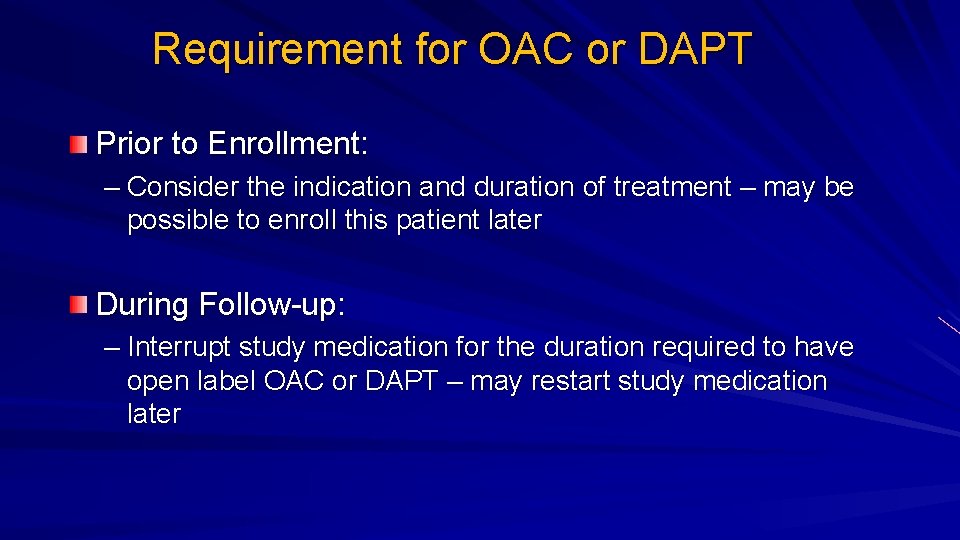
Requirement for OAC or DAPT Prior to Enrollment: – Consider the indication and duration of treatment – may be possible to enroll this patient later During Follow-up: – Interrupt study medication for the duration required to have open label OAC or DAPT – may restart study medication later
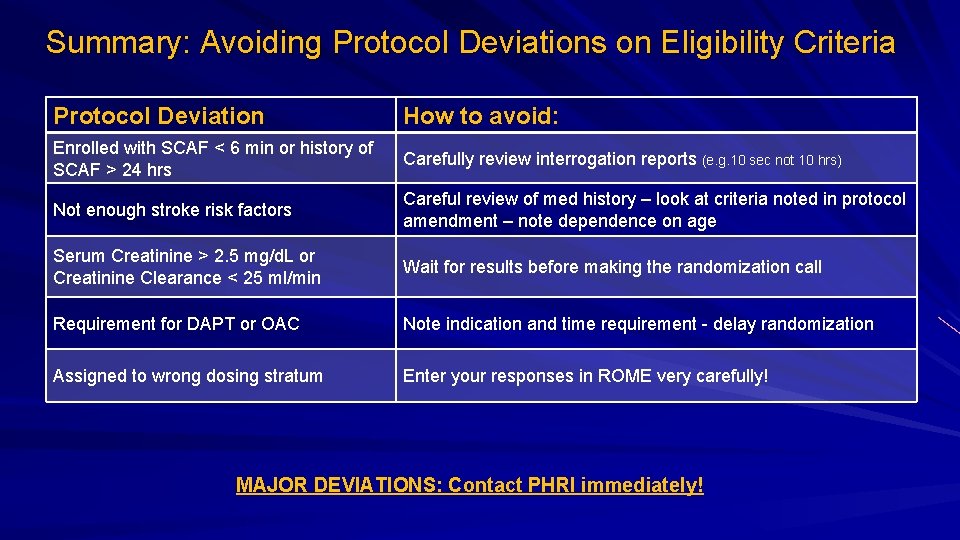
Summary: Avoiding Protocol Deviations on Eligibility Criteria Protocol Deviation How to avoid: Enrolled with SCAF < 6 min or history of SCAF > 24 hrs Carefully review interrogation reports (e. g. 10 sec not 10 hrs) Not enough stroke risk factors Careful review of med history – look at criteria noted in protocol amendment – note dependence on age Serum Creatinine > 2. 5 mg/d. L or Creatinine Clearance < 25 ml/min Wait for results before making the randomization call Requirement for DAPT or OAC Note indication and time requirement - delay randomization Assigned to wrong dosing stratum Enter your responses in ROME very carefully! MAJOR DEVIATIONS: Contact PHRI immediately!
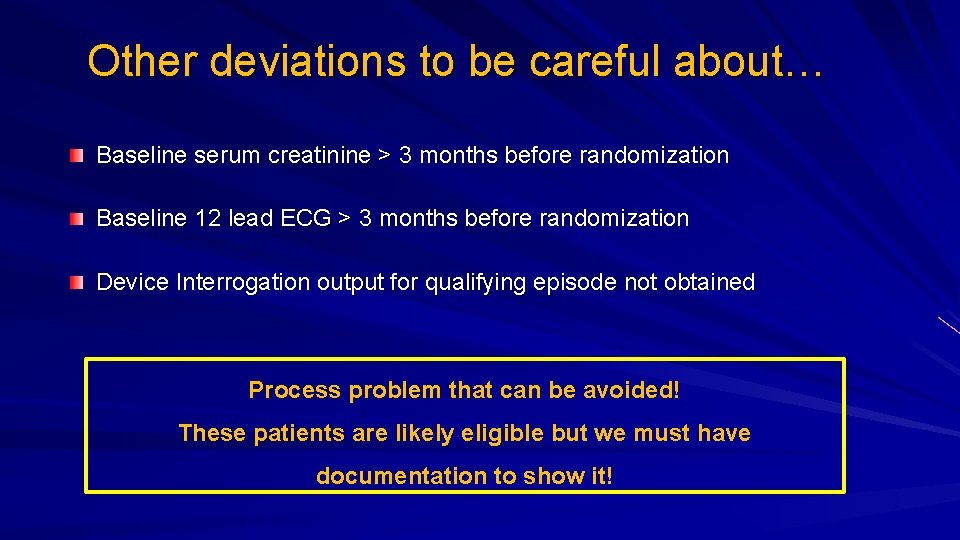
Other deviations to be careful about… Baseline serum creatinine > 3 months before randomization Baseline 12 lead ECG > 3 months before randomization Device Interrogation output for qualifying episode not obtained Process problem that can be avoided! These patients are likely eligible but we must have documentation to show it!
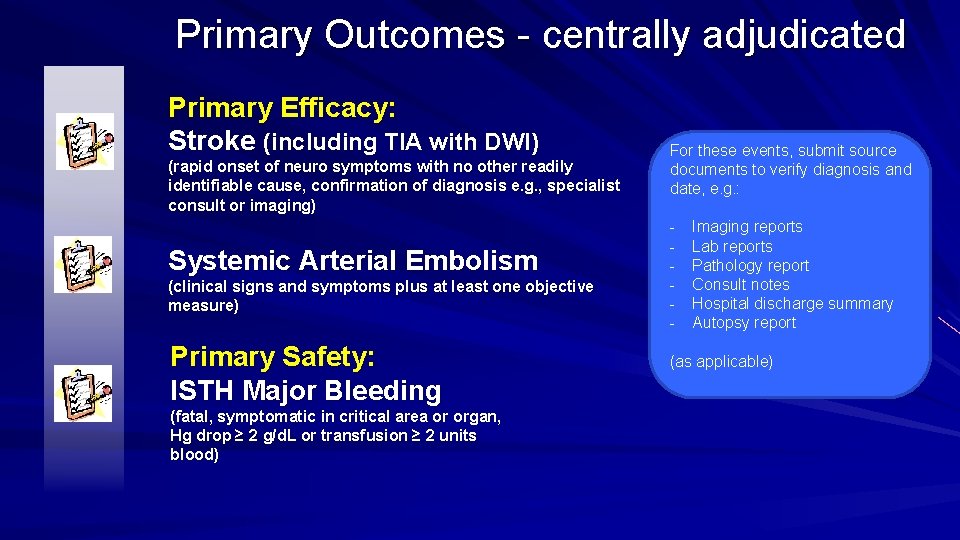
Primary Outcomes - centrally adjudicated Primary Efficacy: Stroke (including TIA with DWI) (rapid onset of neuro symptoms with no other readily identifiable cause, confirmation of diagnosis e. g. , specialist consult or imaging) Systemic Arterial Embolism (clinical signs and symptoms plus at least one objective measure) Primary Safety: ISTH Major Bleeding (fatal, symptomatic in critical area or organ, Hg drop ≥ 2 g/d. L or transfusion ≥ 2 units blood) For these events, submit source documents to verify diagnosis and date, e. g. : - Imaging reports Lab reports Pathology report Consult notes Hospital discharge summary Autopsy report (as applicable)
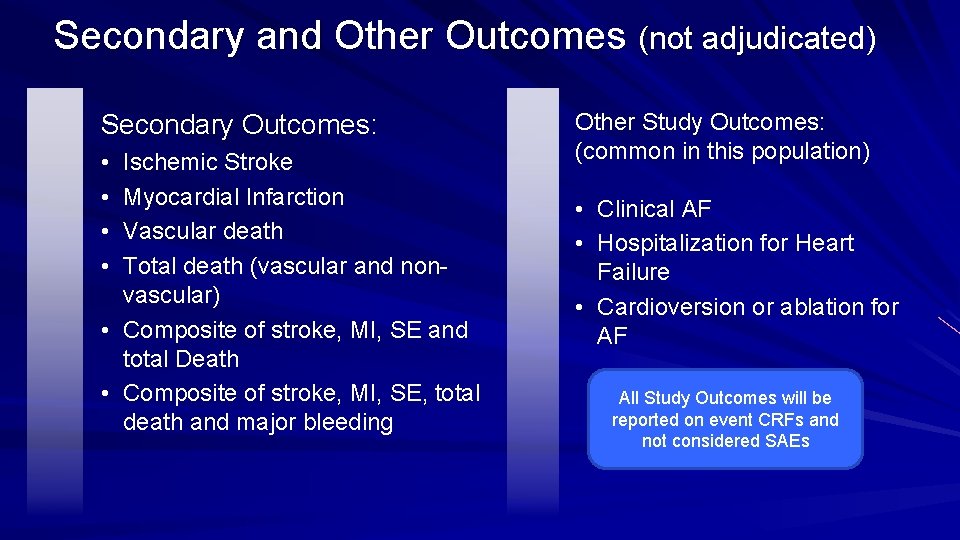
Secondary and Other Outcomes (not adjudicated) Secondary Outcomes: • • Ischemic Stroke Myocardial Infarction Vascular death Total death (vascular and nonvascular) • Composite of stroke, MI, SE and total Death • Composite of stroke, MI, SE, total death and major bleeding Other Study Outcomes: (common in this population) • Clinical AF • Hospitalization for Heart Failure • Cardioversion or ablation for AF All Study Outcomes will be reported on event CRFs and not considered SAEs
STUDY ADHERENCE Definitions and distinctions Withdrawal from randomized treatment Withdrawal of consent/Lost to follow up
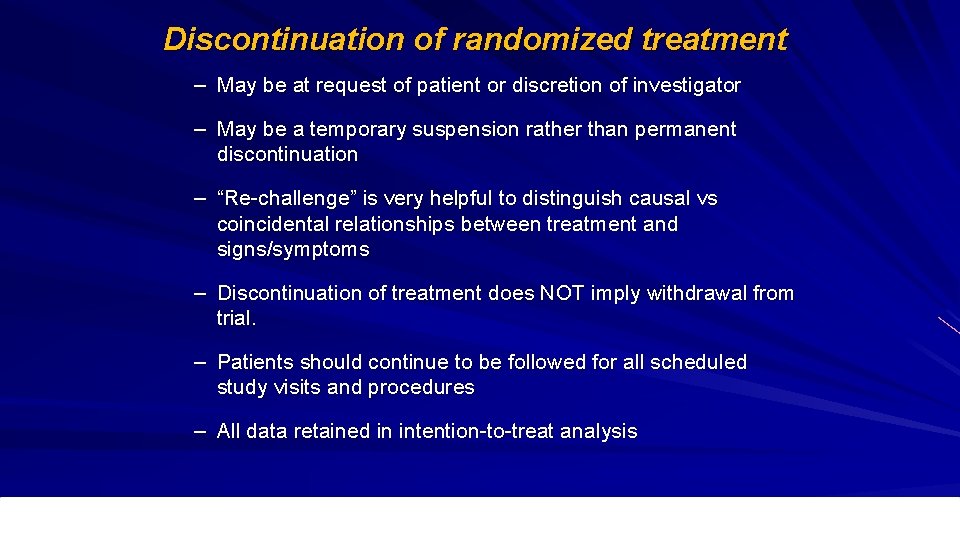
Discontinuation of randomized treatment – May be at request of patient or discretion of investigator – May be a temporary suspension rather than permanent discontinuation – “Re-challenge” is very helpful to distinguish causal vs coincidental relationships between treatment and signs/symptoms – Discontinuation of treatment does NOT imply withdrawal from trial. – Patients should continue to be followed for all scheduled study visits and procedures – All data retained in intention-to-treat analysis
Strategies to Minimize Study Drug Discontinuation Before Enrolment – Identify patients who might have early second thoughts – Identify family members who might need up-front engagement – Engage other clinicians in the circle of care – Pre-call for Remotely Monitored Patients After Enrolment – Use the 30 day visit to re-enforce and re-educate – Approach any stop as an “interruption” with a plan to re-assess – Leverage the captive follow-up of the pacemaker clinic to re-assess – Engage other clinicians in the circle of care
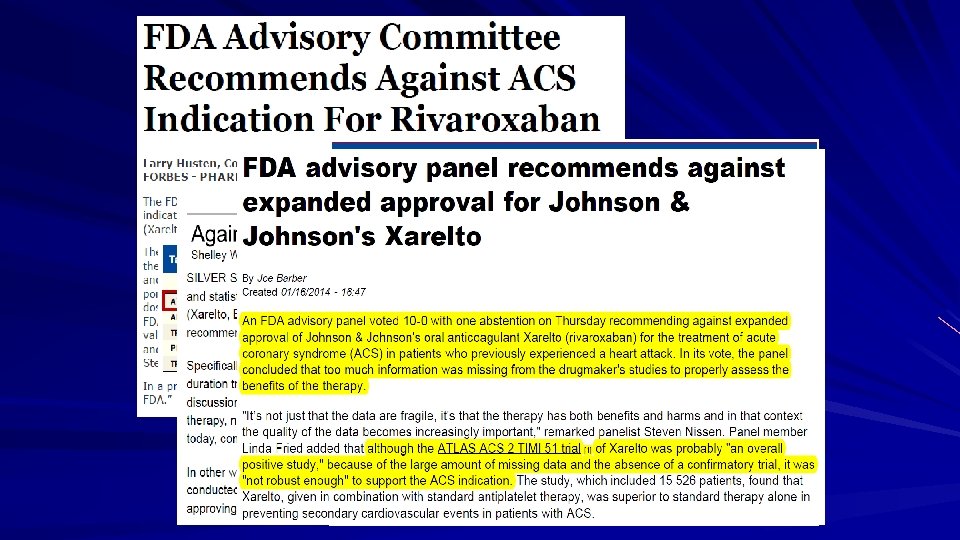
Withdrawal of consent and/or loss to follow up – Compromises the intention-to-treat analysis to a much greater extent than discontinuation of treatment with ongoing follow up – Differential loss to follow-up in two treatment arms is particularly problematic – Regulatory agencies may consider “worst case scenario” with patients lost to follow-up: assume no event in patients lost to follow up in the placebo group (0% event rate) assume occurrence of an event in every patient lost to follow up in the active treatment group (100% event rate)
Which has greater impact? 1. 20% withdrawal from treatment 2. 2% lost to follow-up Quintiles Material Not for Reuse Without Permission
Lost to Follow-up Complete follow-up of all randomized for the primary outcome is critical to clinical trial integrity – Primary outcome ≠ vital status (mortality) Withdrawal of consent – For continued study drug – For follow-up
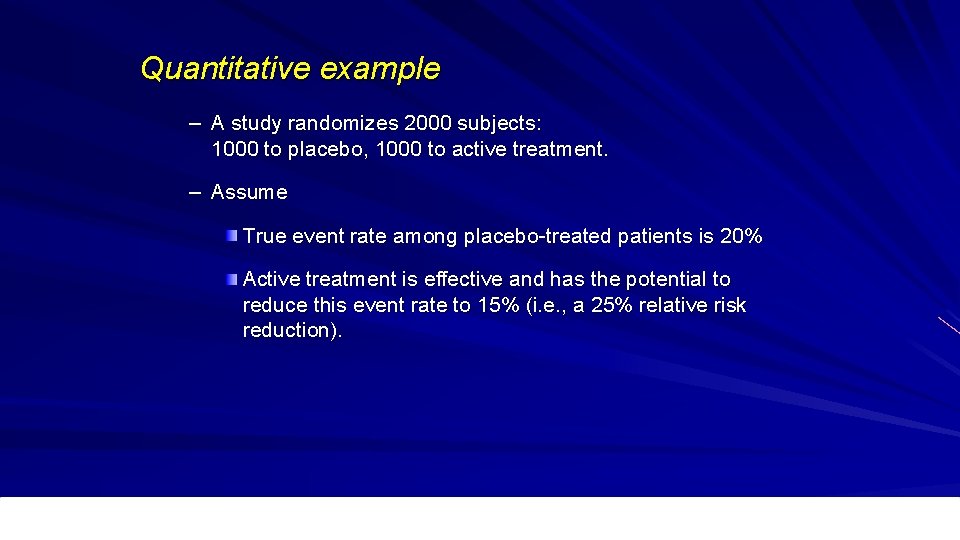
Quantitative example – A study randomizes 2000 subjects: 1000 to placebo, 1000 to active treatment. – Assume True event rate among placebo-treated patients is 20% Active treatment is effective and has the potential to reduce this event rate to 15% (i. e. , a 25% relative risk reduction).
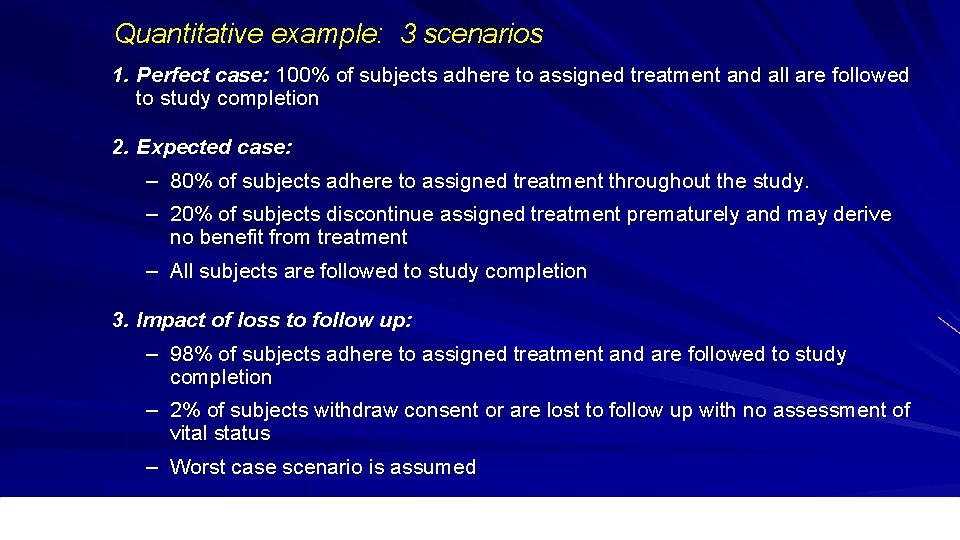
Quantitative example: 3 scenarios 1. Perfect case: 100% of subjects adhere to assigned treatment and all are followed to study completion 2. Expected case: – 80% of subjects adhere to assigned treatment throughout the study. – 20% of subjects discontinue assigned treatment prematurely and may derive no benefit from treatment – All subjects are followed to study completion 3. Impact of loss to follow up: – 98% of subjects adhere to assigned treatment and are followed to study completion – 2% of subjects withdraw consent or are lost to follow up with no assessment of vital status – Worst case scenario is assumed
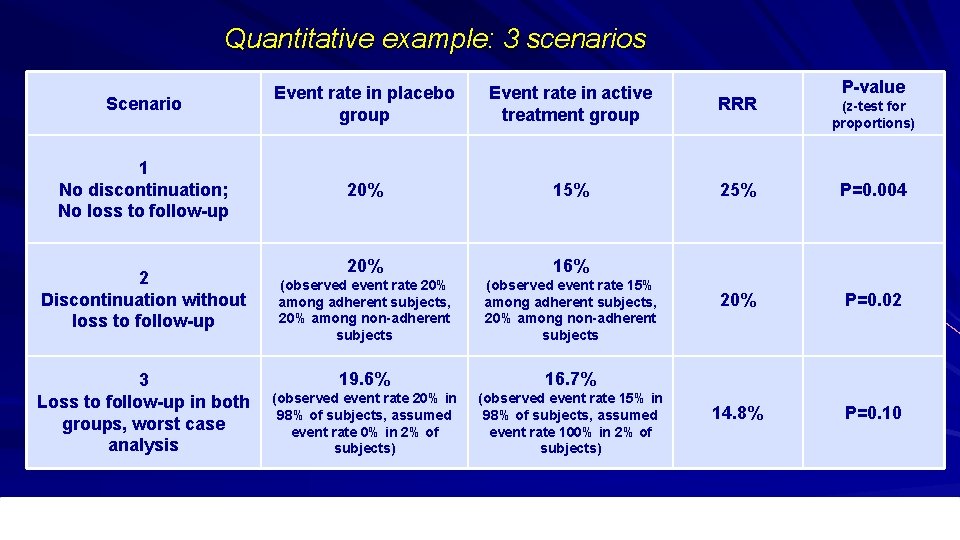
Quantitative example: 3 scenarios P-value Scenario Event rate in placebo group Event rate in active treatment group RRR (z-test for proportions) 1 No discontinuation; No loss to follow-up 20% 15% 25% P=0. 004 20% 16% (observed event rate 20% among adherent subjects, 20% among non-adherent subjects (observed event rate 15% among adherent subjects, 20% among non-adherent subjects 20% P=0. 02 19. 6% 16. 7% (observed event rate 20% in 98% of subjects, assumed event rate 0% in 2% of subjects) (observed event rate 15% in 98% of subjects, assumed event rate 100% in 2% of subjects) 14. 8% P=0. 10 2 Discontinuation without loss to follow-up 3 Loss to follow-up in both groups, worst case analysis
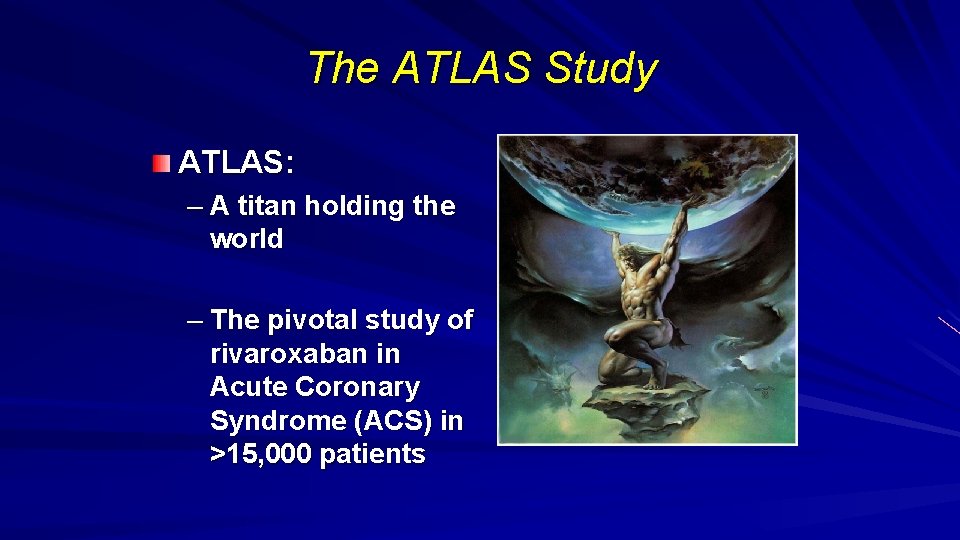
The ATLAS Study ATLAS: – A titan holding the world – The pivotal study of rivaroxaban in Acute Coronary Syndrome (ACS) in >15, 000 patients
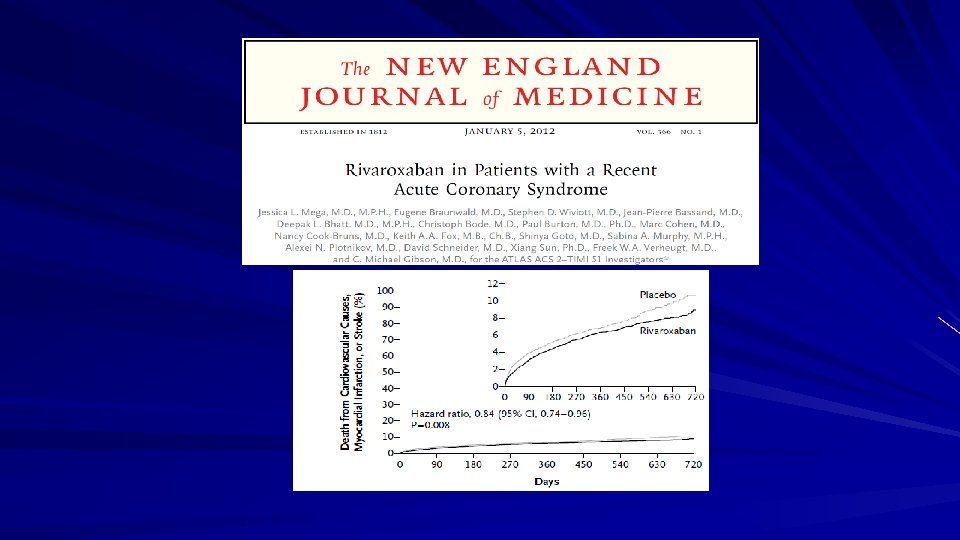
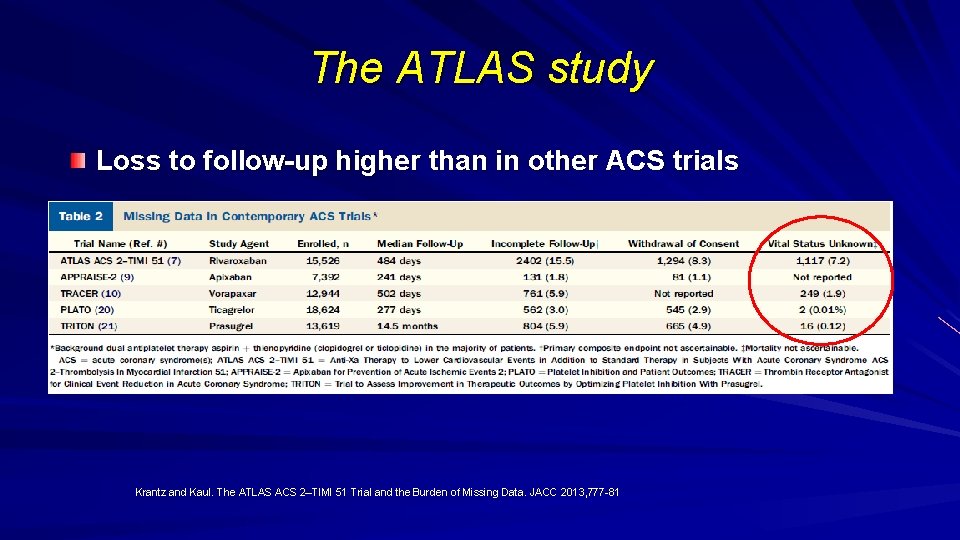
The ATLAS study Loss to follow-up higher than in other ACS trials Krantz and Kaul. The ATLAS ACS 2–TIMI 51 Trial and the Burden of Missing Data. JACC 2013, 777 -81
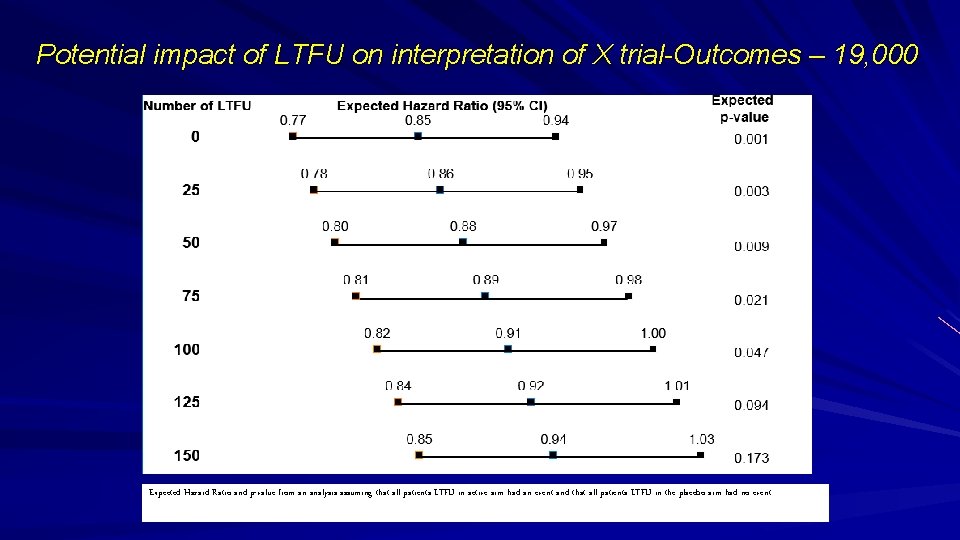
Potential impact of LTFU on interpretation of X trial-Outcomes – 19, 000 Expected Hazard Ratio and p-value from an analysis assuming that all patients LTFU in active arm had an event and that all patients LTFU in the placebo arm had no event.
We need less common sense
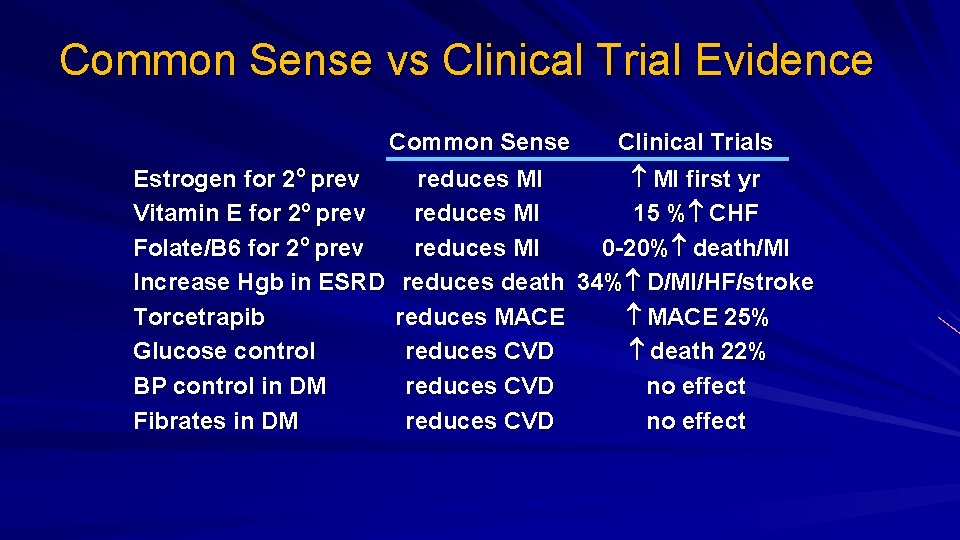
Common Sense vs Clinical Trial Evidence Common Sense Clinical Trials Estrogen for 2 o prev reduces MI first yr Vitamin E for 2 o prev reduces MI 15 % CHF Folate/B 6 for 2 o prev reduces MI 0 -20% death/MI Increase Hgb in ESRD reduces death 34% D/MI/HF/stroke Torcetrapib reduces MACE 25% Glucose control reduces CVD death 22% BP control in DM reduces CVD no effect Fibrates in DM reduces CVD no effect

“Common sense is the collection of prejudices acquired by age eighteen. ” Albert Einstein
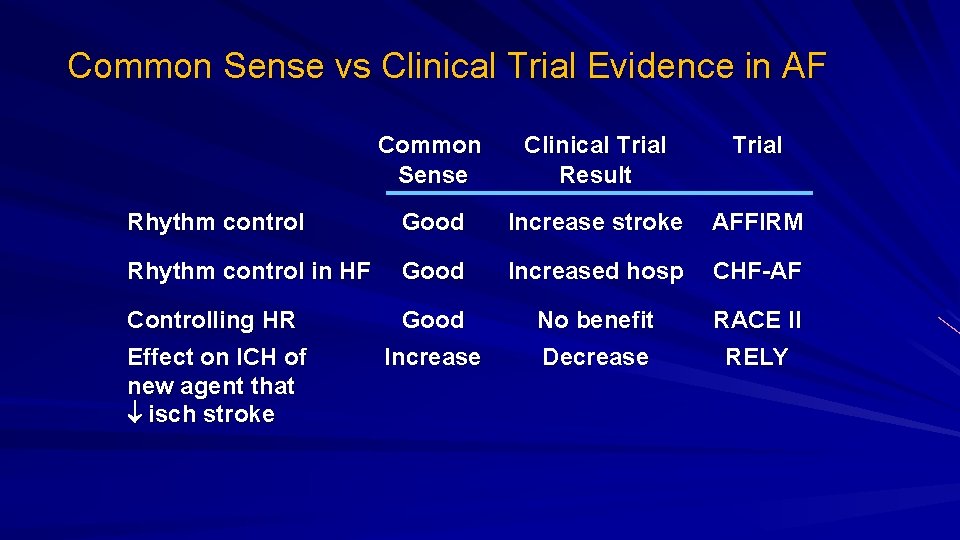
Common Sense vs Clinical Trial Evidence in AF Common Sense Clinical Trial Result Trial Rhythm control Good Increase stroke AFFIRM Rhythm control in HF Good Increased hosp CHF-AF Controlling HR Good No benefit RACE II Effect on ICH of new agent that isch stroke Increase Decrease RELY
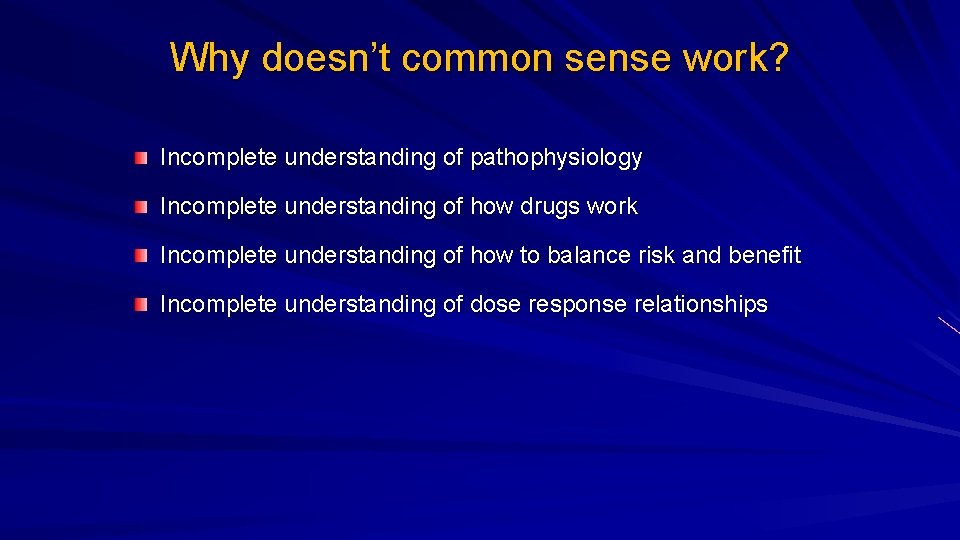
Why doesn’t common sense work? Incomplete understanding of pathophysiology Incomplete understanding of how drugs work Incomplete understanding of how to balance risk and benefit Incomplete understanding of dose response relationships
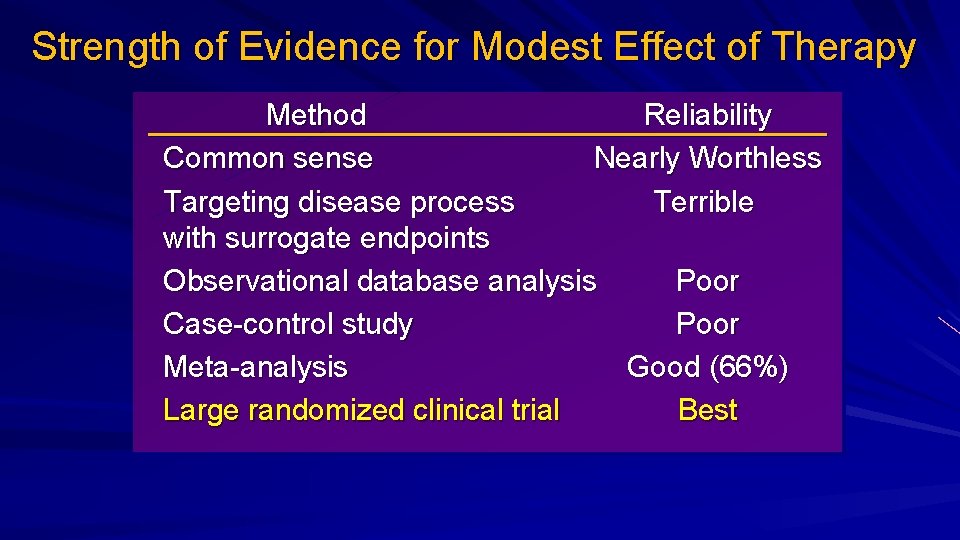
Strength of Evidence for Modest Effect of Therapy Method Reliability Common sense Nearly Worthless Targeting disease process Terrible with surrogate endpoints Observational database analysis Poor Case-control study Poor Meta-analysis Good (66%) Large randomized clinical trial Best
“The problem with common sense Is that it isn’t so common. ” Voltaire
Apixaban for the Reduction of Thrombo-Embolism in Device-Detected Sub-Clinical Atrial Fibrillation How do we influence the management of SCAF?
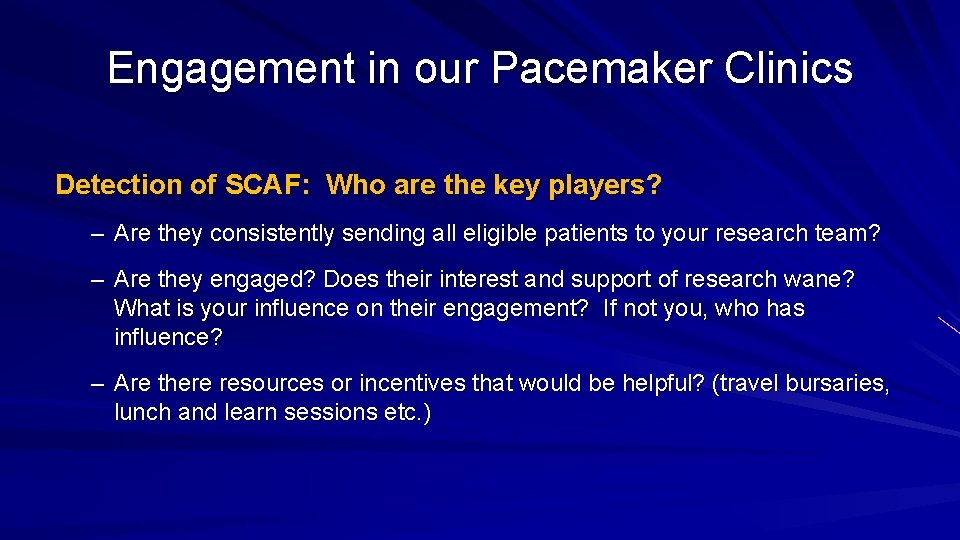
Engagement in our Pacemaker Clinics Detection of SCAF: Who are the key players? – Are they consistently sending all eligible patients to your research team? – Are they engaged? Does their interest and support of research wane? What is your influence on their engagement? If not you, who has influence? – Are there resources or incentives that would be helpful? (travel bursaries, lunch and learn sessions etc. )
Patient Education and Engagement During Consent process: – Do we adequately educate patients? – Are families and supports informed and involved in the decision to enroll? – Are we giving them adequate time to consider whether to enroll in ARTESi. A? During Follow-up: – Are we fostering positive relationships with patients? – Are we confirming contact information for patient and family members at every visit?
Engagement with Treating Physicians Do other physicians typically make treatment decisions for patients with SCAF? - Do I notify them when their patient is enrolled (or before) to explain study rationale and importance of compliance? - Am I doing this effectively? - What resources would facilitate this?
Sharing the ARTESi. A message with the Scientific Community What is the key message of ARTESi. A? - Evidence is needed to show whether SCAF should be treated with NOACs for prevent How are we getting the message across? - Rounds and local scientific sessions Publications and editorials Presentations at meetings Hallway discussions
- Slides: 40