
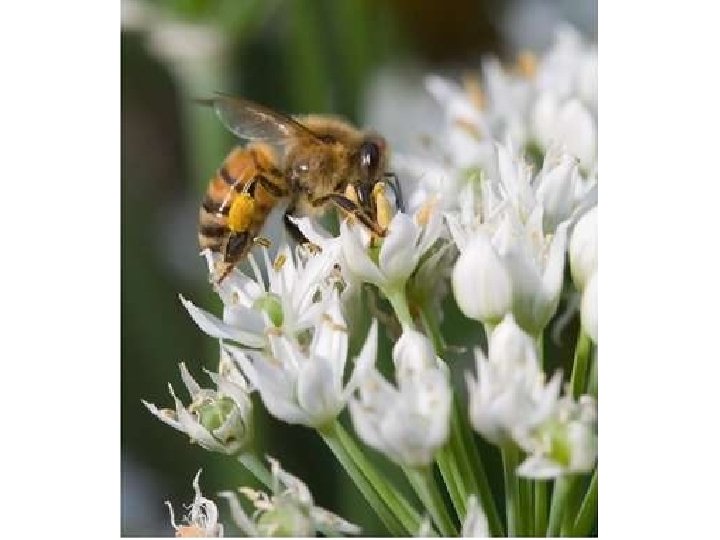
Apis Mellifera Kingdom Animalia Food Chain Consumers Phylum








- Slides: 60
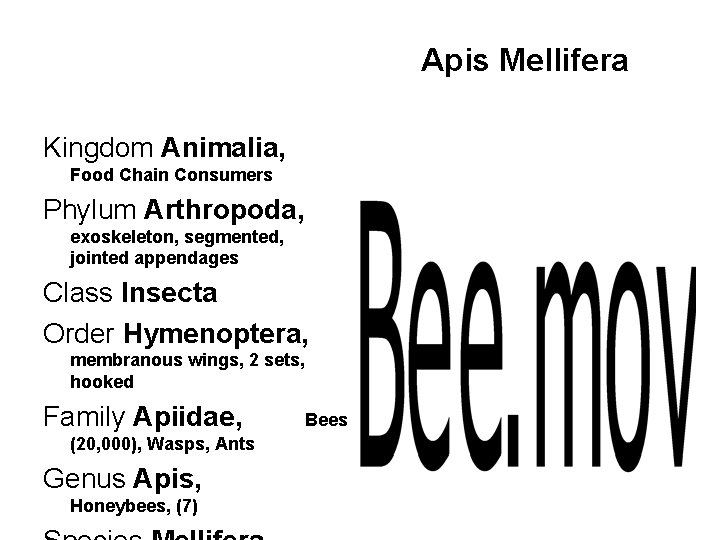
Apis Mellifera Kingdom Animalia, Food Chain Consumers Phylum Arthropoda, exoskeleton, segmented, jointed appendages Class Insecta Order Hymenoptera, membranous wings, 2 sets, hooked Family Apiidae, (20, 000), Wasps, Ants Genus Apis, Honeybees, (7) Bees
History of Beekeeping Essex County Beekeepers Association Practical Beekeeping 2007 Bill Bleem
So, Who were the first to exploit bees for their Honey and Wax?
Romans • Pliny wrote about beekeeping in about 50 AD • • Wrote about wax, and propolis Described a transparent (Observation) hive The Mead consumed by the Celts! “Bees are the smallest of birds, and are born from the bodies of oxen” • Virgil wrote about beekeeping in about 40 BC • • Keep hives: – Near water – Out of the wind – Away for lizards, moths, and birds Emphasized the hives ruler Praised Bees for their abstension from Sexual intercourse Spontaneous Generation?
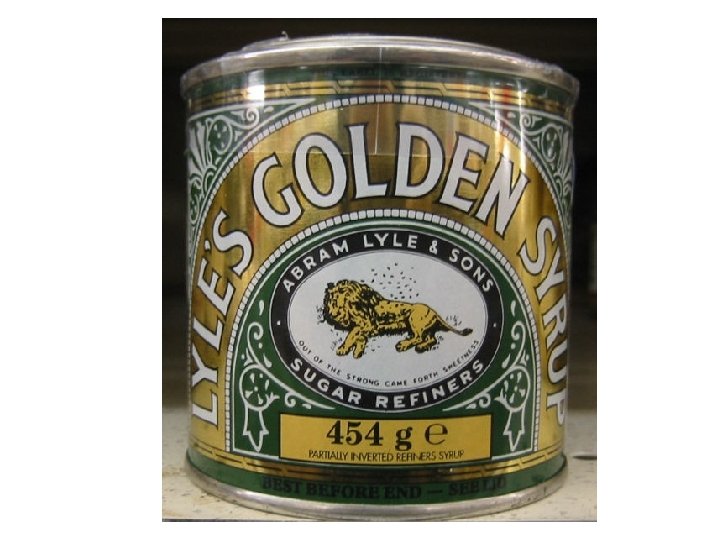
The Bible • In Exodus, Cannan is referred to as “The land of milk and honey. ” • King Solomon: "My son eat thou honey, because it is good, and the honeycomb which is sweet to thy taste". • Samson : “. . and he turned aside to see the carcass of the lion: and, behold, there was a swarm of bees and honey in the carcass of the lion. ”
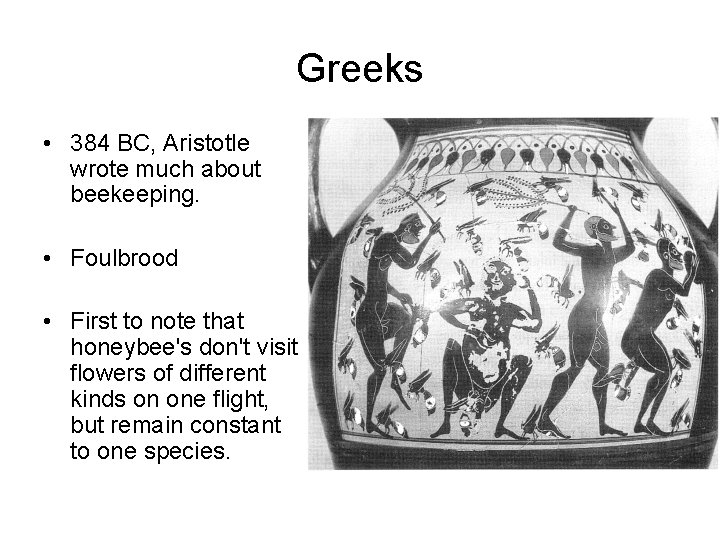
Greeks • 384 BC, Aristotle wrote much about beekeeping. • Foulbrood • First to note that honeybee's don't visit flowers of different kinds on one flight, but remain constant to one species.
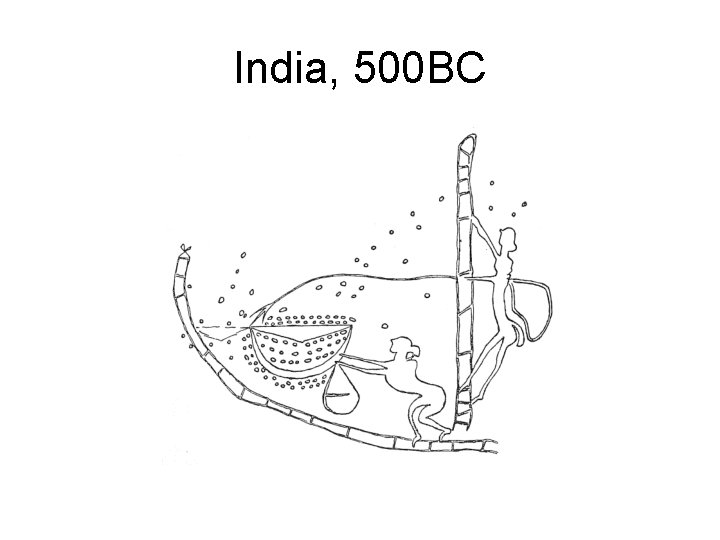
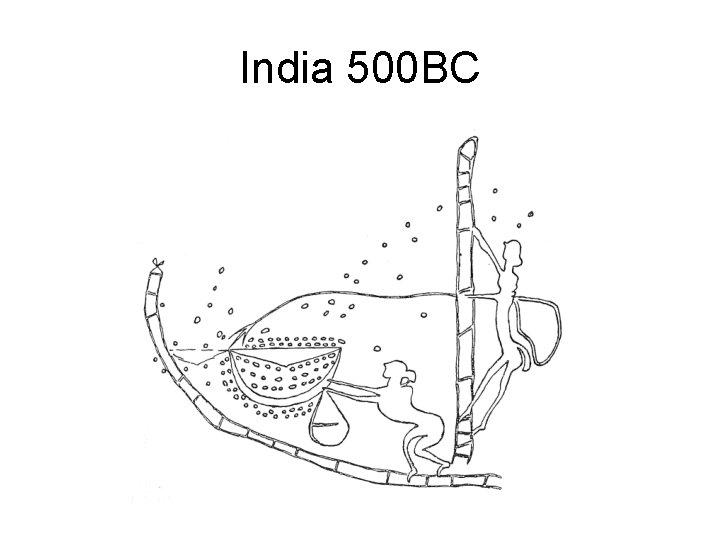
India, 500 BC
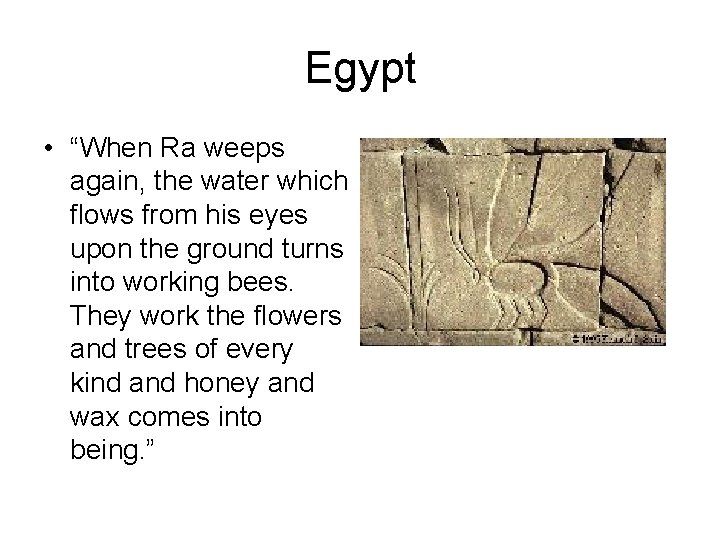
Egypt • “When Ra weeps again, the water which flows from his eyes upon the ground turns into working bees. They work the flowers and trees of every kind and honey and wax comes into being. ”
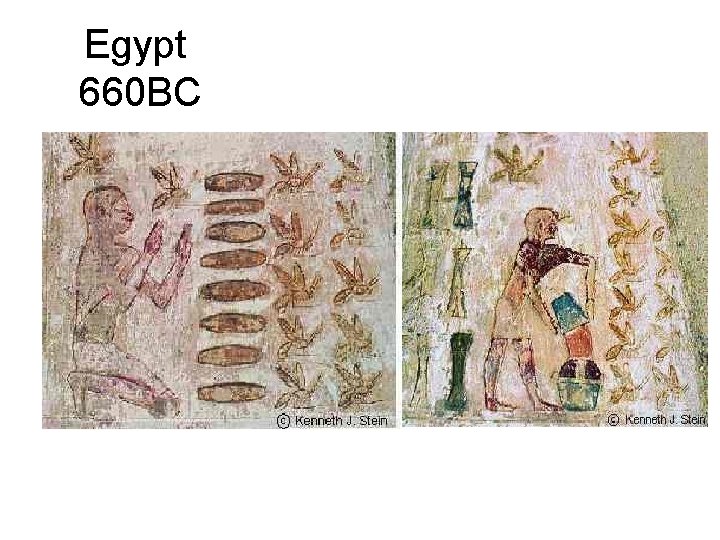
Egypt 660 BC
Egypt, 1450 BC
Egypt, 2400 BC
3000 BC we have written records on migratory beekeeping up and down the Nile river in ancient Egypt. Tablet from a Beekeeper pleading for someone to send donkeys to transport his hives before the floods took them!
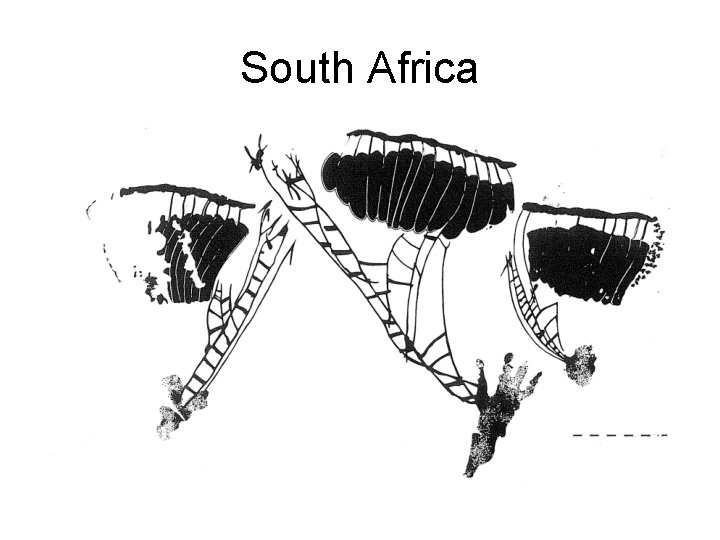
South Africa
Spain, 4500 BC
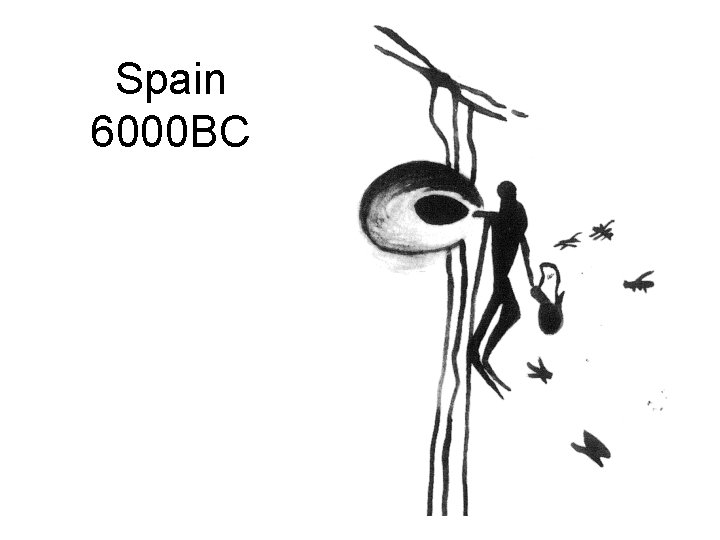
Spain, 6000 BC
Spain 6000 BC
Neanderthal, 130, 000
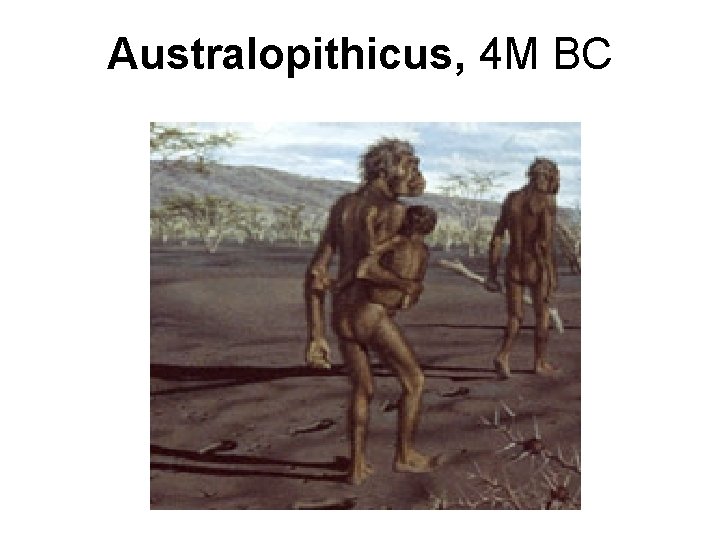
Australopithicus, 4 M BC
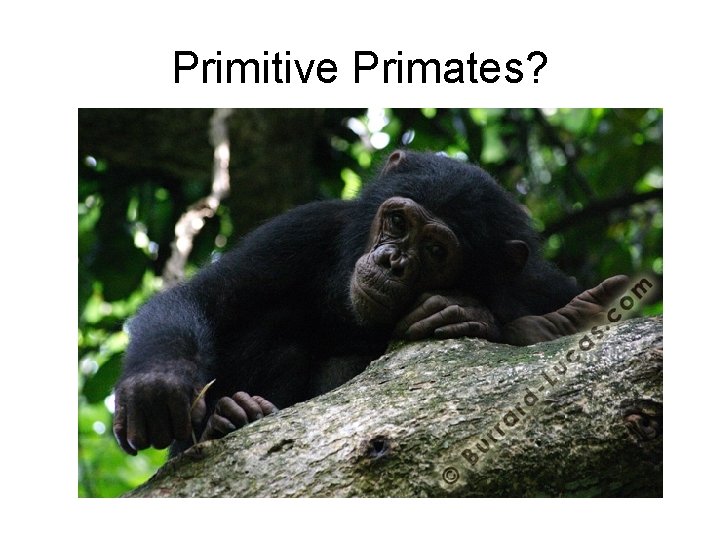
Primitive Primates?
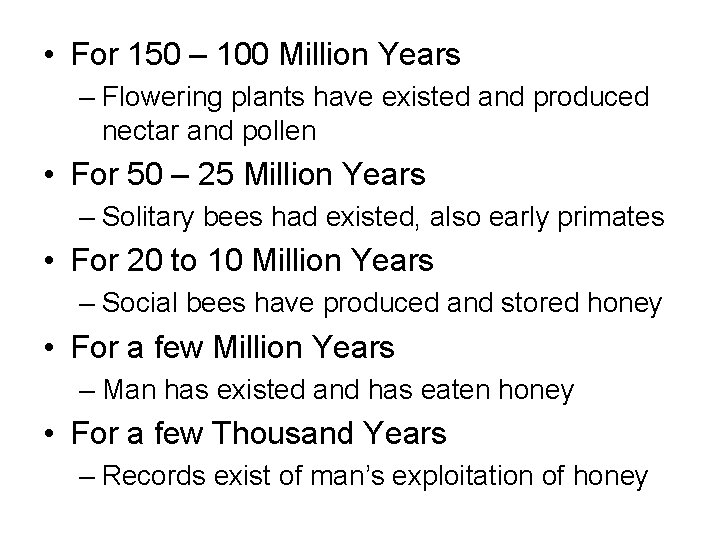
• For 150 – 100 Million Years – Flowering plants have existed and produced nectar and pollen • For 50 – 25 Million Years – Solitary bees had existed, also early primates • For 20 to 10 Million Years – Social bees have produced and stored honey • For a few Million Years – Man has existed and has eaten honey • For a few Thousand Years – Records exist of man’s exploitation of honey
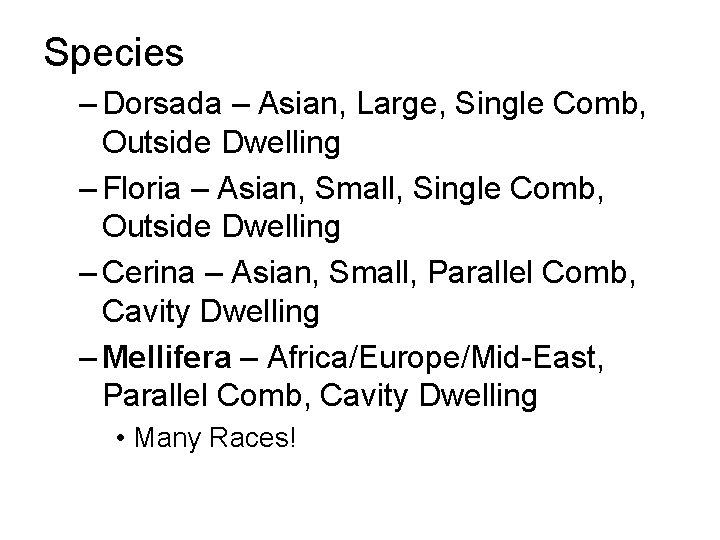
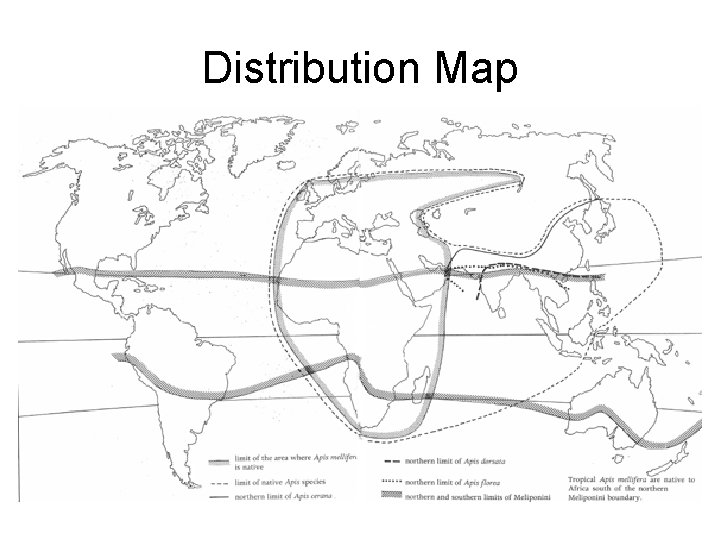
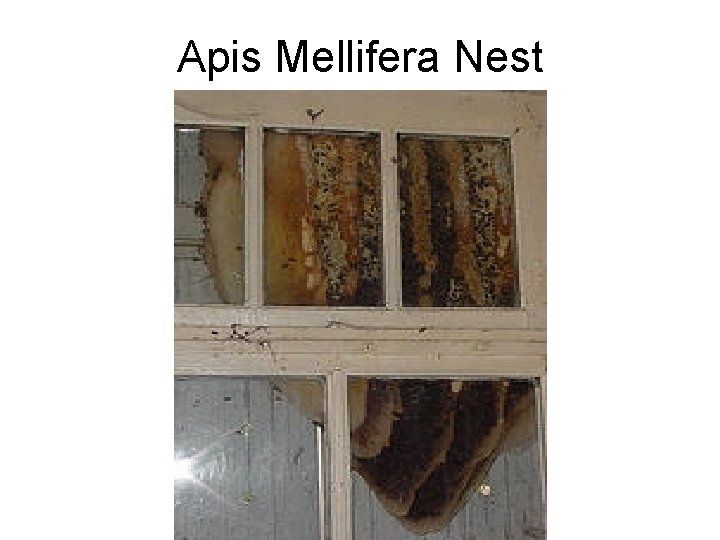
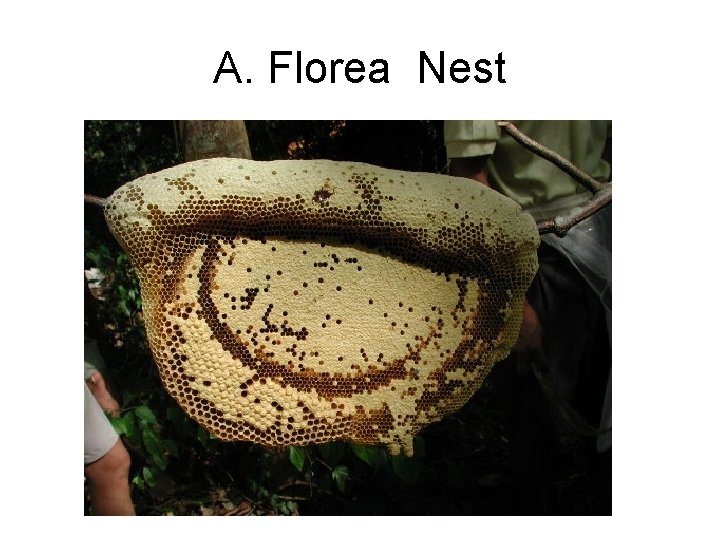
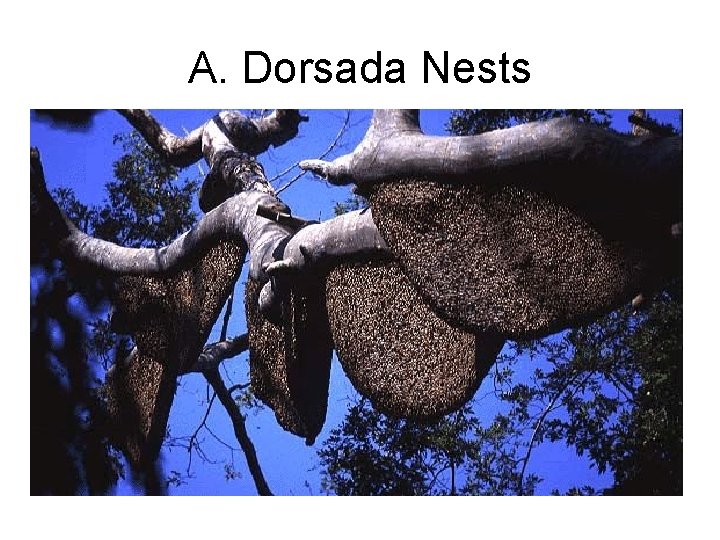
Species – Dorsada – Asian, Large, Single Comb, Outside Dwelling – Floria – Asian, Small, Single Comb, Outside Dwelling – Cerina – Asian, Small, Parallel Comb, Cavity Dwelling – Mellifera – Africa/Europe/Mid-East, Parallel Comb, Cavity Dwelling • Many Races!
Distribution Map
Apis Mellifera Nest
A. Florea Nest
A. Dorsada Nests
India 500 BC
Only 1 animal has more written about it than Bees: Man
Beekeeping Evolution • • Opportunistic Honey Hunting Tending of Wild Hives Relocating Wild Hives Purpose Built Hives – Hollow Logs – Pottery Vessels – Skeps – Wooden Hives • Modern Managed Hives
0 to 1400 AD • Rome declining (300 AD) • Fall of Rome (450 AD) – Travel Unsafe – Knowledge not easily disseminated • Dark Ages – No written history – No major achievements • Black Plague 1350 (75 Million Dead!) • Beginning of the Renaissance (1400 ish) • Printing Press 1450
1500 -1600 AD • In 1586, Luis Méndez de Torres first described the queen bee as a female that laid eggs. • 1609 Charles Butler identified the monarch as a female queen and the drone as a male bee. • In 1637, Richard Remnant recognized that the worker bees were females.
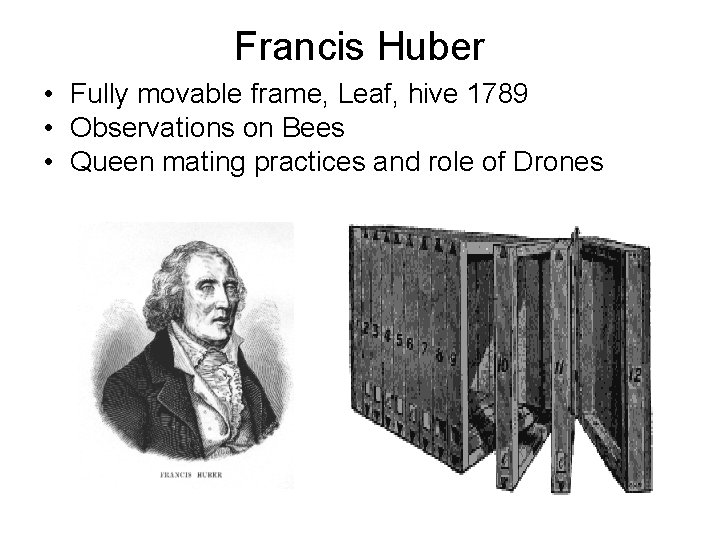
Francis Huber • Fully movable frame, Leaf, hive 1789 • Observations on Bees • Queen mating practices and role of Drones
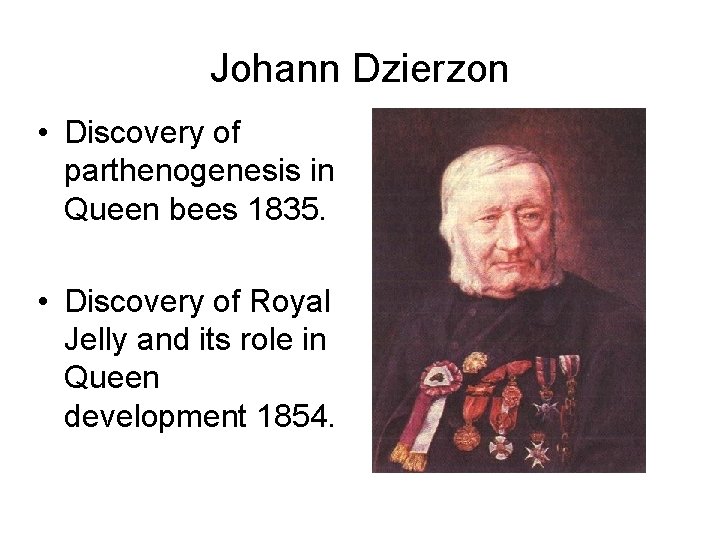
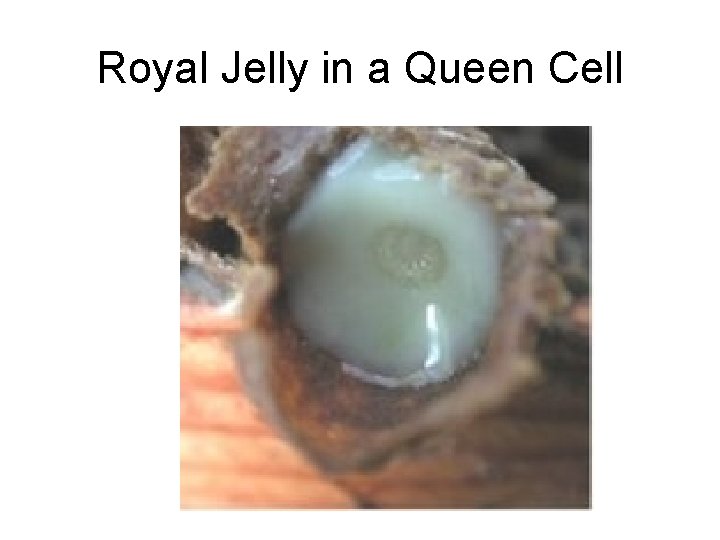
Johann Dzierzon • Discovery of parthenogenesis in Queen bees 1835. • Discovery of Royal Jelly and its role in Queen development 1854.
Royal Jelly in a Queen Cell
• Now we understood the basic lifecycle of the Honeybee. • BUT • We still did not have a hive we could manage!
The Problem with Hives • Excess Wax and Propolis make the hive very difficult to work. • Bees fill in everything and attach comb to walls. • To harvest the honey beekeepers would kill the bees and cut out the honeycomb. • Not at all efficient!
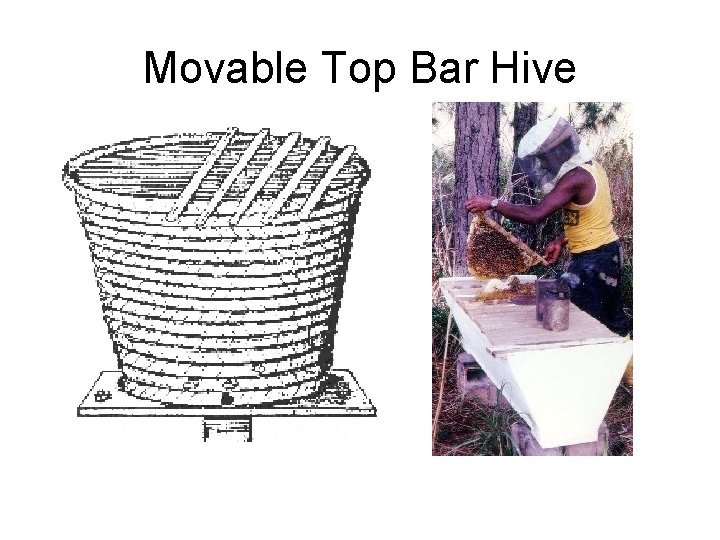
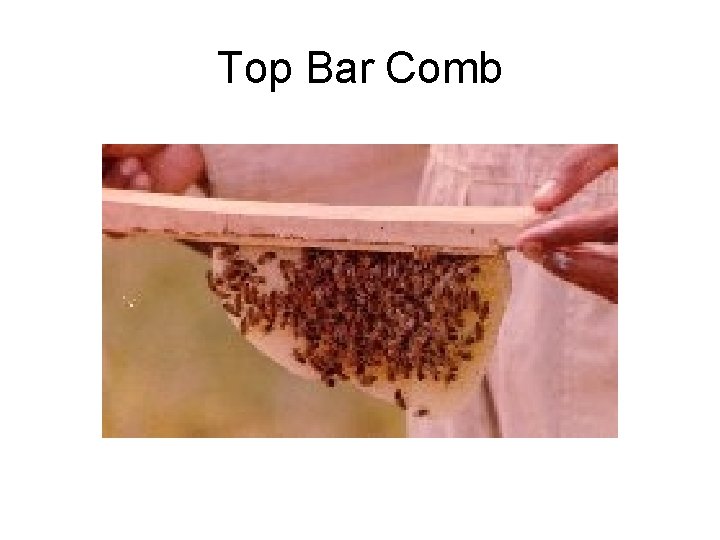
• Wild Bees build their honey combs about 1 and 3/8 inches apart. Honey comb is about one inch wide, so this left a 3/8 inch passageway between the combs. • Some beekeepers built hives that forced the bees to build combs along "top bars" that were spaced about 1 and 3/8 inches apart.
Movable Top Bar Hive
Top Bar Comb
Compartments!
Honeybees around America • First Honeybees to America in 1622 • First documented apiary, Newbury 1640 • Spread with Settlers and via Swarms • Per Thomas Jefferson, 1784, to Native Americans: ‘White Man’s Flies’
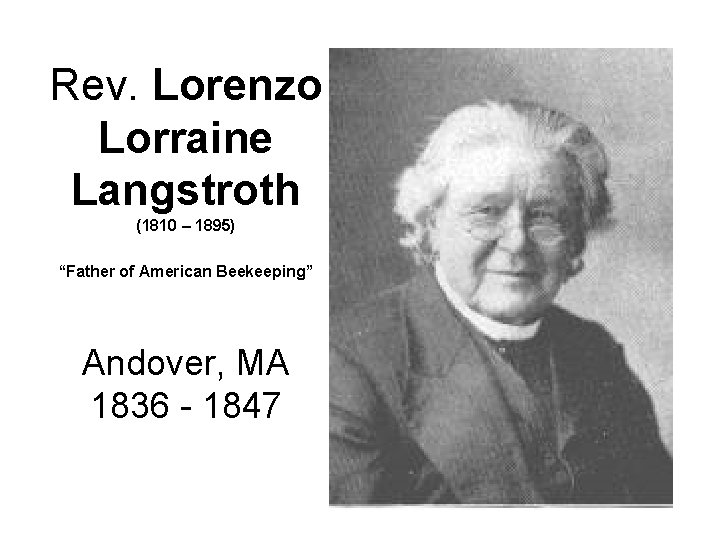
Rev. Lorenzo Lorraine Langstroth (1810 – 1895) “Father of American Beekeeping” Andover, MA 1836 - 1847
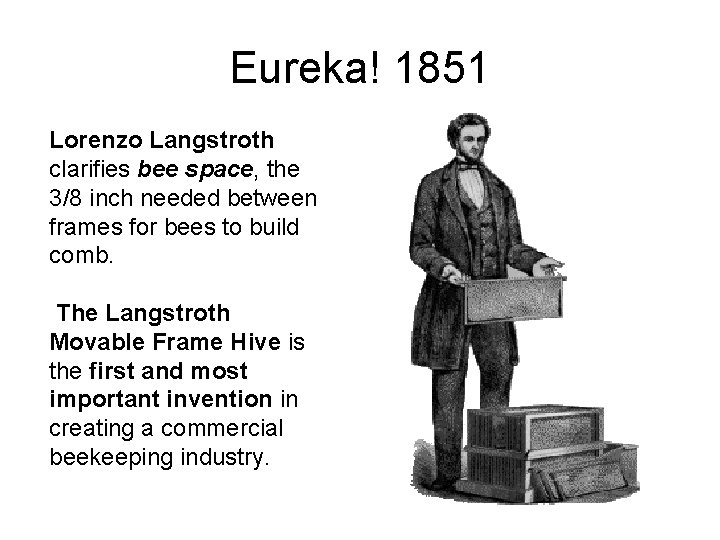
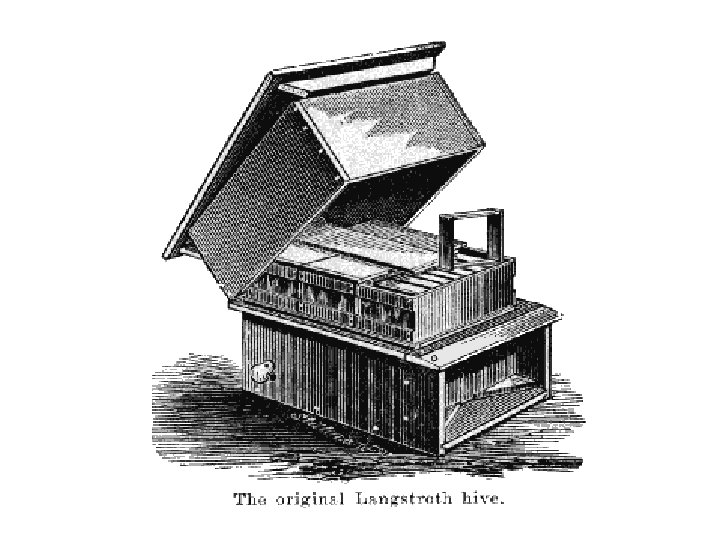
Eureka! 1851 Lorenzo Langstroth clarifies bee space, the 3/8 inch needed between frames for bees to build comb. The Langstroth Movable Frame Hive is the first and most important invention in creating a commercial beekeeping industry.
Honeybees around America • Langstroth Movable Frame Hive - 1851 • Honeybees to California 1860’s • 2 Million lbs of honey in CA in 1884 • What was a scarce product became an abundant commodity by 1880!
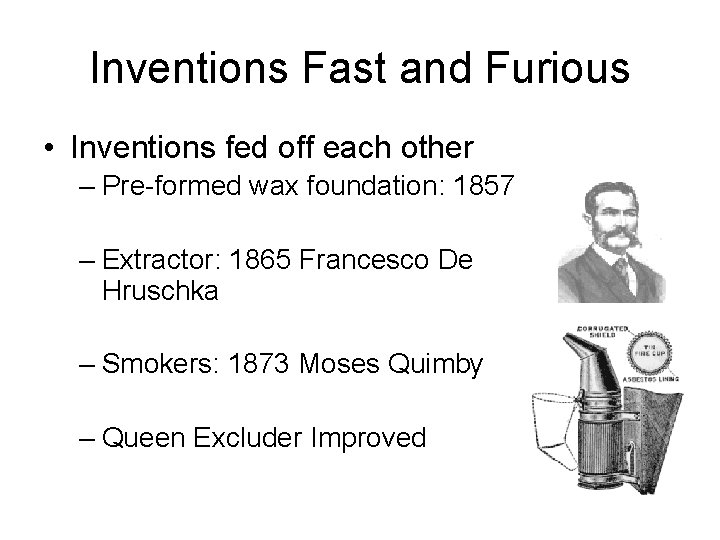
Inventions Fast and Furious • Inventions fed off each other – Pre-formed wax foundation: 1857 – Extractor: 1865 Francesco De Hruschka – Smokers: 1873 Moses Quimby – Queen Excluder Improved
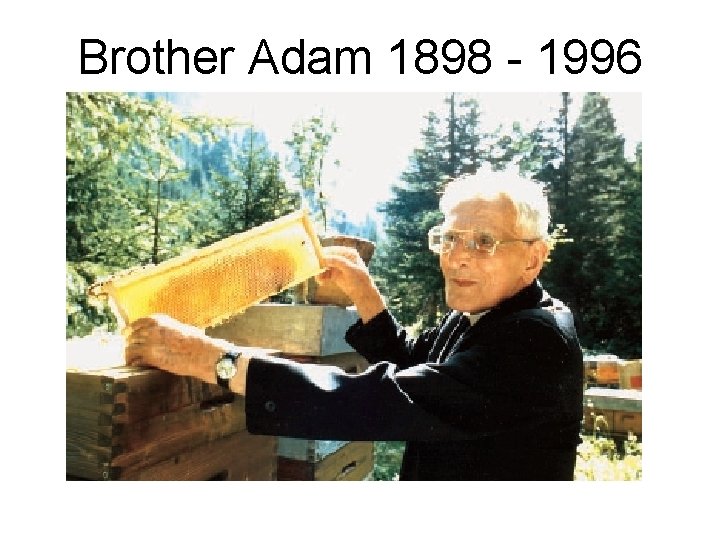
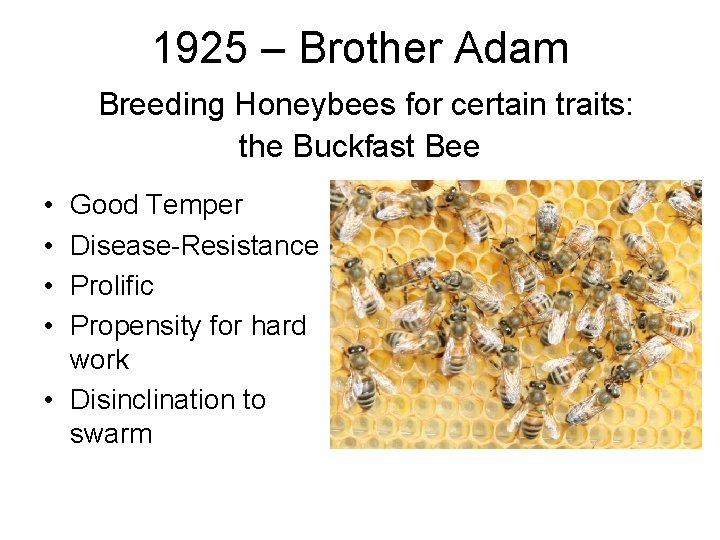
1900’s • Breeding Honeybees: – Brother Adam – Africanized Bees in the Americas 1950’s • Brazil breeding station • OOPS! • More Hybrids • More Scientific Studies • More interest in Beekeeping
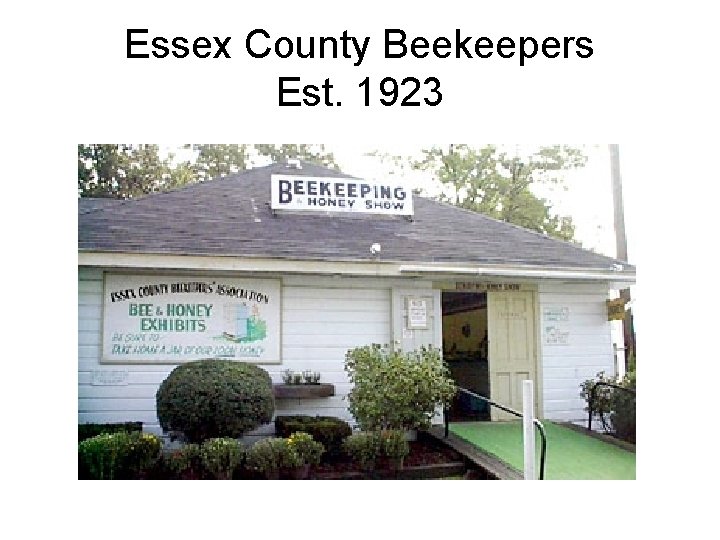
Essex County Beekeepers Est. 1923
Brother Adam 1898 - 1996
1925 – Brother Adam Breeding Honeybees for certain traits: the Buckfast Bee • • Good Temper Disease-Resistance Prolific Propensity for hard work • Disinclination to swarm
2000’s • Increased public awareness of the critical role that Honeybees play in the ecosystem and their role in pollination of food crops! • Increased literary interest in Bees and Beekeeping as evidenced by the success of ‘The Secret Life of Bees’, ‘The Beekeeper’s Apprentice’, etc.
2007 – You! Welcome to Beekeeping!