
AP Euro Introduction Review What is History 1

- Slides: 25
AP Euro Introduction Review
What is History? 1. Events of the past. 2. A record of those events. 3. A collection of ideas and points of view about those events.
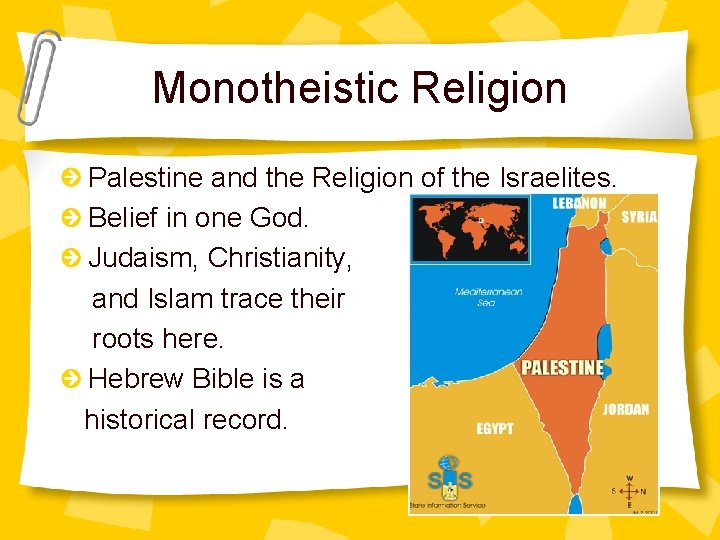
Monotheistic Religion Palestine and the Religion of the Israelites. Belief in one God. Judaism, Christianity, and Islam trace their roots here. Hebrew Bible is a historical record.
Hebrew History Abraham, Moses, and the land of Canaan. Kingdoms of David and Solomon. Contributed code of morals, ethics. 586 BCE: Foreign invaders destroy temple on Mt. Zion, Jews face the DIASPORA (scattering). Israel would never be a Jewish state again until 1948 CE/AD.
The Greeks The polis (city-state) Sparta (strong dictatorship) Athens (cultured democracy) Permanent damage done to Greek culture in Peloponnesian War (431 BCE)
Greek Philosophy Socrates: Teacher/disturber of peace – Encouraged questioning what is known and free thought. – Ideas led to rise of democracy Plato: Socrates’ best student – Founded the Academy – Order, harmony, justice, and philosopher-kings. Aristotle: Plato’s student/tutor to Alexander the Great. – Founded the Lyceum: 336 BCE. – Defended power of the middle class.
Rome Moved from kingdom to republic run by nobility. Expanded Roman rule by absorbing cities rather than destroying them. Rule of Roman Senate= Republic. Punic Wars damaged economy, farms, and constitution --> Senate loses control of armies, rise of Julius Caesar as Emperor.
Roman Decline By 100 AD/CE, Rome faced many problems. – Cost of maintaining standing army. – “Bread and circuses”: cost of providing food and entertainment for citizens. – Huge government bureaucracy with paid members. – Rise of Christianity: No longer worshipped the emperor as a “god”. – Expensive wars against invading “barbarians”: The Vandals, Vikings, and Visigoths of the north. • Ostrogoths, Franks (France), Angles and Saxons (England) • Many were Christian already.
Europe Enters Middle Ages “Barbarians” combined Greco-Roman culture with Christianity. – A. Byzantine Empire: The East. • Capital: Constantinople (Istanbul, Turkey today) – B. Rise of Islam: Middle East • Muhammad, prophet (570 -632 CE) • Means “submission to Allah (God)” • Formed common Arab culture and conquered Spain and eastern Mediterranean.
Charlemagne In the Middle Ages, there was no chief central political authority in Europe. Frankish King Charlemagne (r. 768 -814) was the only one. Ruled over Belgium, France, Holland, Switzerland, parts of Spain. – Developed strong ties with nobility and Church. – Led to creation of the Holy Roman Empire- a revival of Western Roman Empire, but based in Germany. – No more central authority after he died though.
Feudalism Europe was fragmented (no unity= lots of invading armies). Weak, local populations became dependent on armies for protection. Feudalism: social, political, military, and economic system that emerged in response to this system.
Feudalism/Manorial Society Regional prince/lord is dominant over a populace: – Vassalage- Lower nobles/warriors pledged “fealty”, loyalty to lord in exchange for his protection. Lord provided vassals with a fief. – Fief- wealth (cash or property) to meet vassal’s military needs. – Manor- local village farms owned by a landlord – Peasants labor as farmers, receive small farms to rent in exchange for crops, services, and taxes paid by PEASANTS. – Peasants bound to land (not free people) were called SERFS.
Church and State in the Middle Ages High Middle Ages (1000 -1300 AD) – More security, stronger armies= rise of “national” monarchies. – Emergence of towns, trade, commerce. – Western Church (with the Pope in Rome as the head) was independent/sovereign, and more powerful as a POLITICAL body. • Concordat of Worms- 1121
Division of Christendom Conflicts over religious practice and beliefs led to split in the Church. Eastern Europe no longer wanted to be under the Pope’s control.
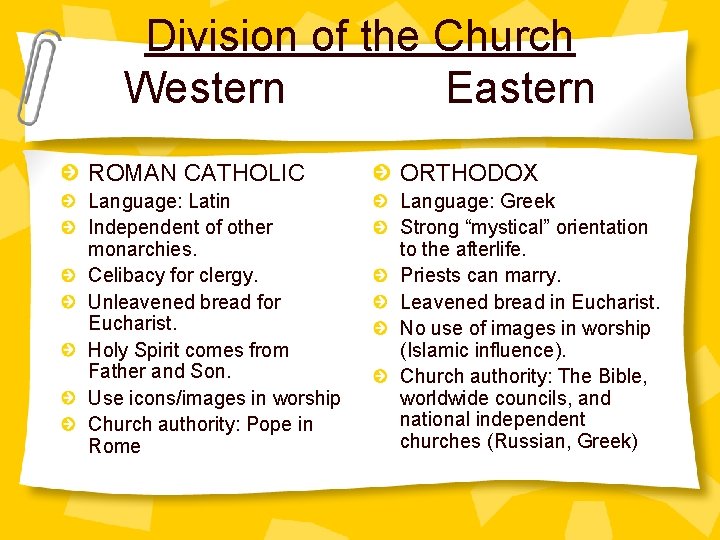
Division of the Church Western Eastern ROMAN CATHOLIC ORTHODOX Language: Latin Independent of other monarchies. Celibacy for clergy. Unleavened bread for Eucharist. Holy Spirit comes from Father and Son. Use icons/images in worship Church authority: Pope in Rome Language: Greek Strong “mystical” orientation to the afterlife. Priests can marry. Leavened bread in Eucharist. No use of images in worship (Islamic influence). Church authority: The Bible, worldwide councils, and national independent churches (Russian, Greek)
Rise of Towns After Rome collapsed, Western Europe became more agricultural and isolated. 500 -1000 CE: “The Dark Ages” Late 10 th c. , towns began to grow again. Seaports of Italy especially successful: Venice, Genoa, Pisa
Rise of Towns Led to rise of “new rich”: successful town merchants (non-nobles). “Bourgeois” or “burgher” was a negative term for townspeople. Merchants created “bourgs”: market towns. Had money, so they were a threat to the traditional powerful (nobles and clergy) Paid heavy taxes, resented the nobility and clergy. Formed merchant guilds to defend themselves.
The Crusades! 1095: Pope Urban II proclaims first Crusade to win the Holy Land (Israel) back from Muslims. Soldiers were promised forgiveness for all sins. Jerusalem fell to W. Europeans in 1099, but 50 years later the Muslims won it back. 2 more Crusades followed. Became more about control of trade than Holy Land.
Rise of New Monarchies England – William the Conqueror (duke of Normandy) defeated Anglo-Saxons at Hastings in 1066. Had control of England France. – Blended his rule with the nobility’s. – Henry II pressed his power against Church and nobles. – Brothers Richard the Lion-Hearted (1189 -1199 and John (1199 -1216) dealt with rebellions. • ROBIN HOOD?
Rise of New Monarchies England – Richard’s crusades caused heavy taxes – King John fought with the Pope and was excommunicated from the Church, abused his power and was forced to sign the Magna Carta in 1215 by his nobles: • King was not above the law • Had to ask nobles for permission to raise taxes!
Rise of New Monarchies France – Norman conquest of France led to Capet Dynasty (royal family and court) – Established national sentiment, patriotism (nationalism) – King Louis IX (1226 -1270) was sainted.
Rise of New Monarchies Holy Roman Empire – Germany, Burgundy, Northern Italy – Politically fragmented – Popes maintained superior power.
Formation of Modern European Nations England France – Strongest, most competitive Holy Roman Empire – Disunited; weak emperors – Papal power Italian city-states – Independent of each other, fragmented Arab presence in Spain and the Meditteranean Byzantine Empire (Turkey, Eastern Europe).
Universities and Scholasticism Muslim scholars preserved works of ancient philosophers and translated them. Universities at Bologna, Paris, and Oxford: – Liberal arts with medicine, science, law, grammar, rhetoric, logic, math, astronomy, music. Aristotle highly influential in European thought and education Worry that this would interfere with Church’s teachings.