
AP Biology Transition to Land Biomes Hadley Cell
AP Biology Transition to Land Biomes
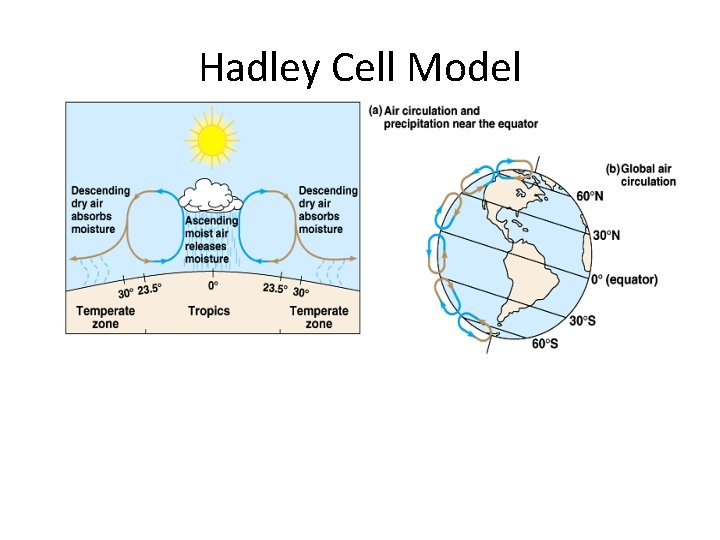
Hadley Cell Model
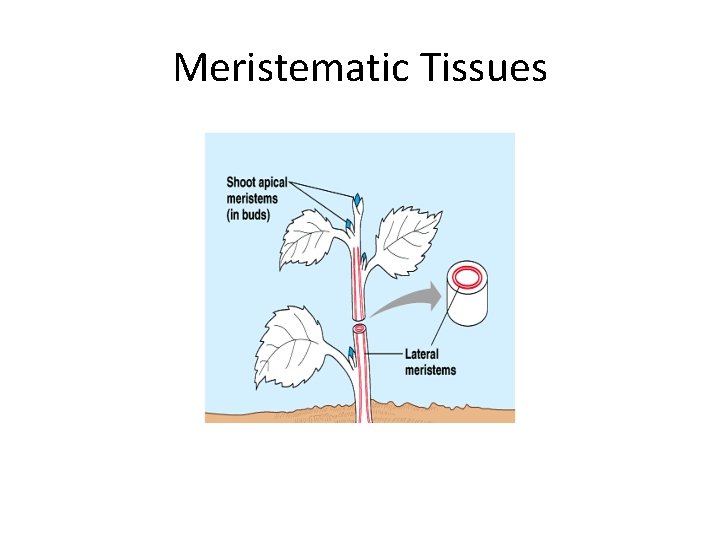
Meristematic Tissues
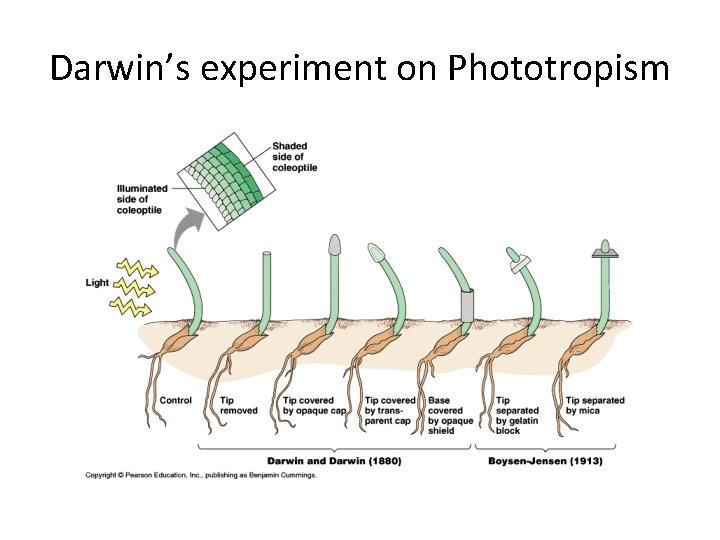
Darwin’s experiment on Phototropism
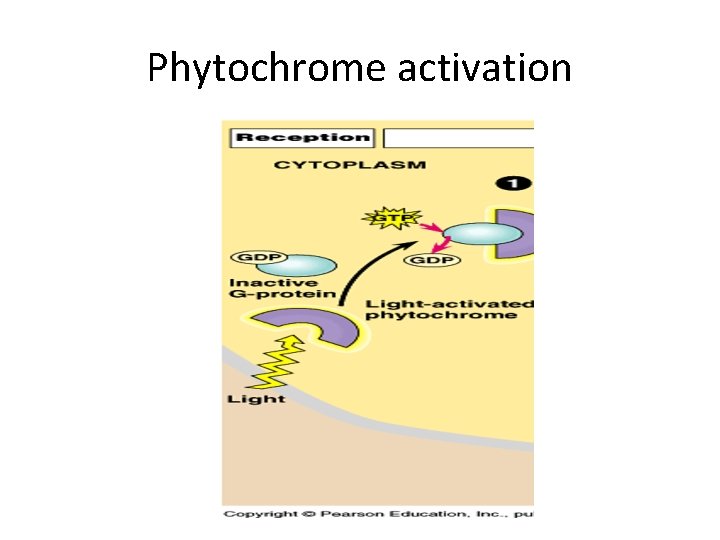
Phytochrome activation
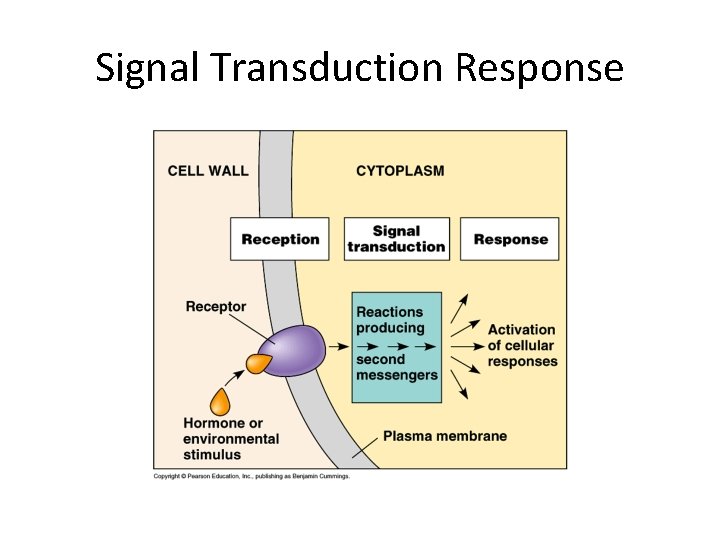
Signal Transduction Response
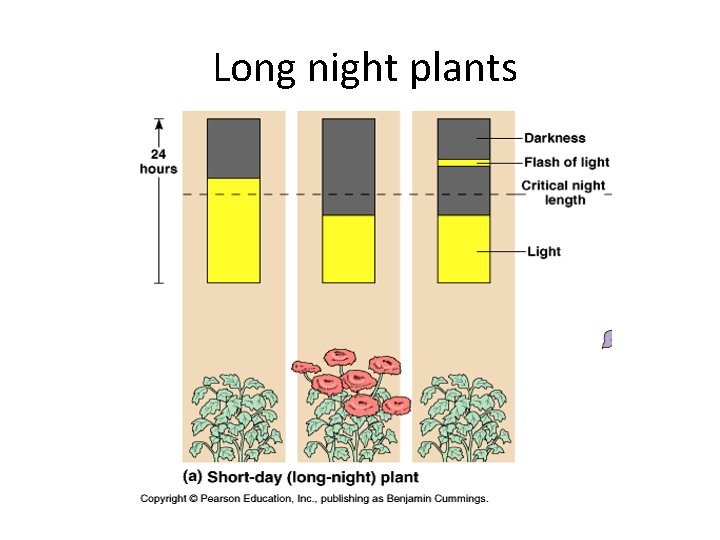
Long night plants
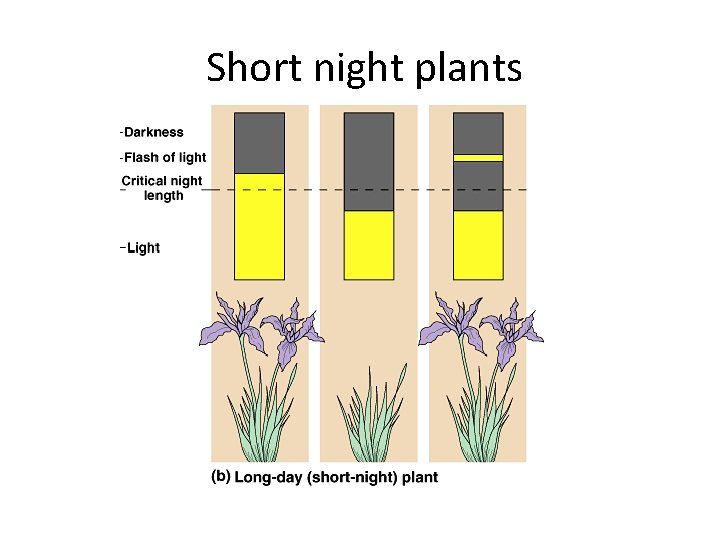
Short night plants
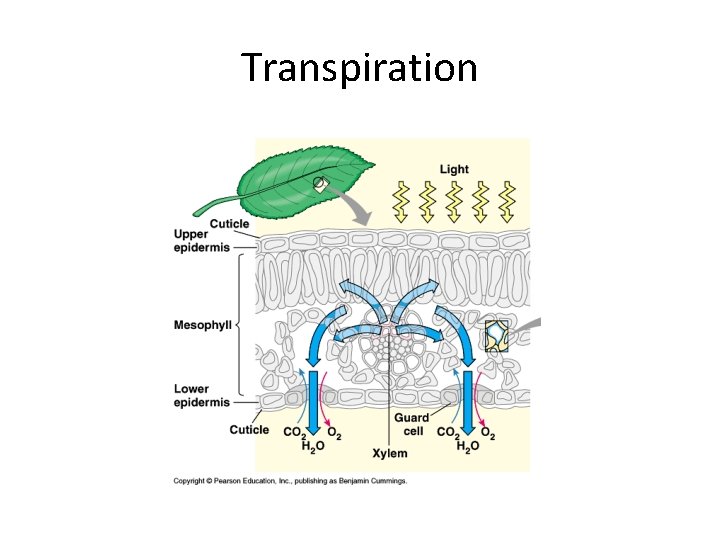
Transpiration
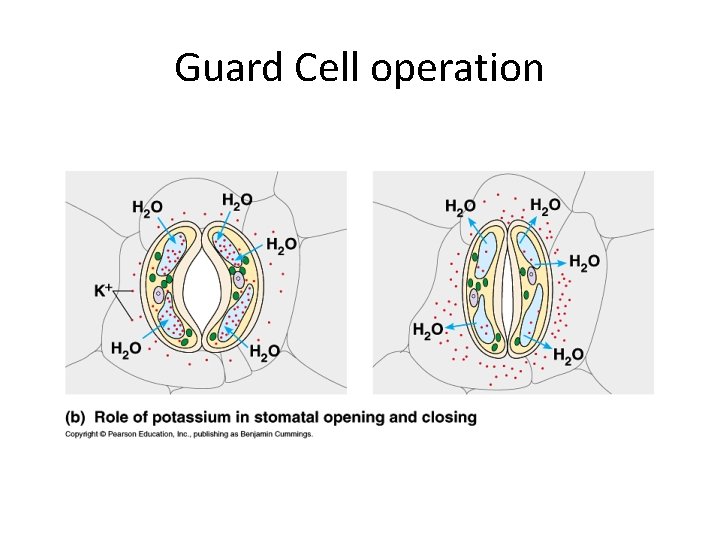
Guard Cell operation
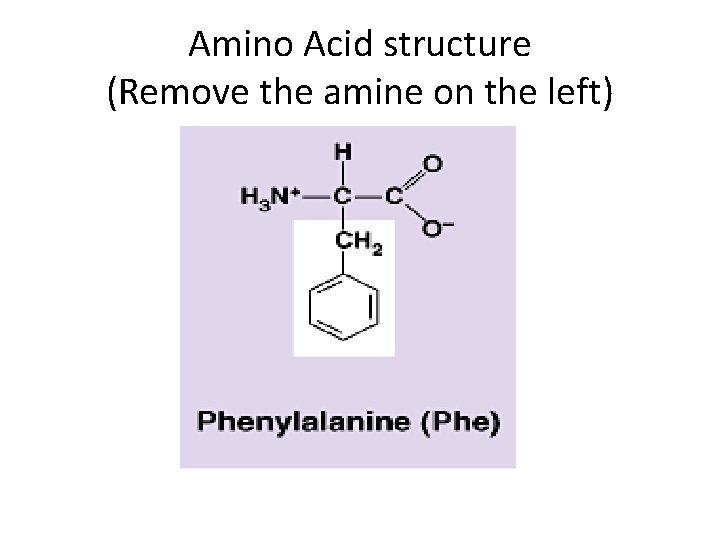
Amino Acid structure (Remove the amine on the left)
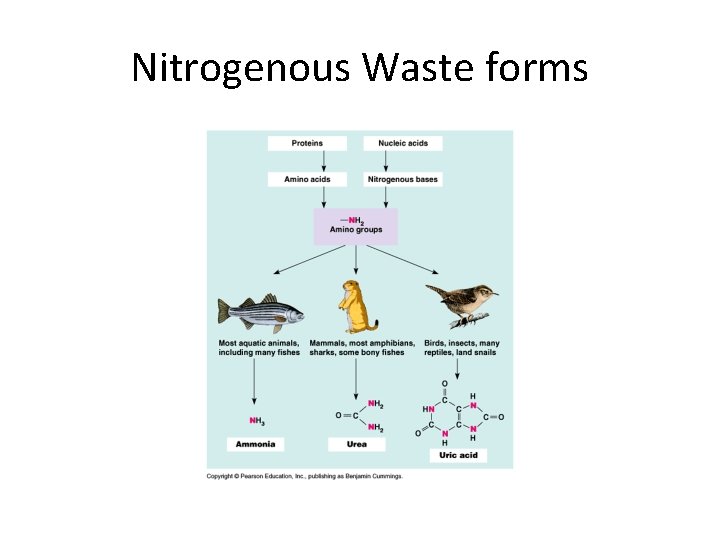
Nitrogenous Waste forms
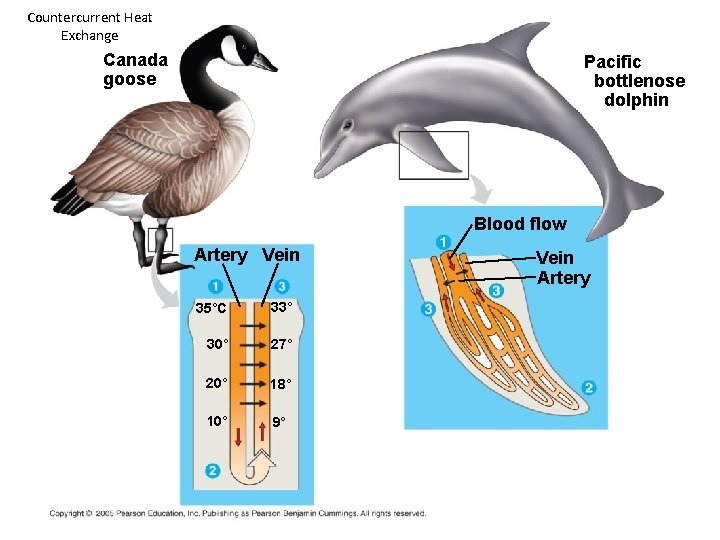
Countercurrent Heat Exchange Canada goose Pacific bottlenose dolphin Blood flow Artery Vein 35°C 33° 30° 27° 20° 18° 10° 9° Vein Artery
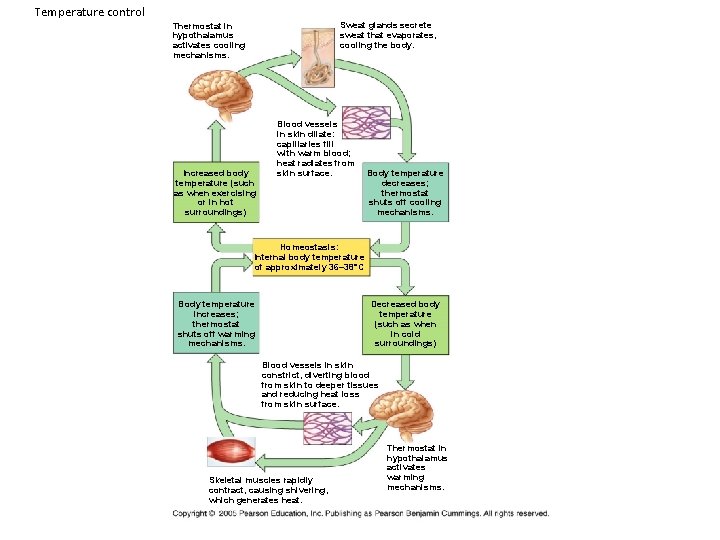
Temperature control Sweat glands secrete sweat that evaporates, cooling the body. Thermostat in hypothalamus activates cooling mechanisms. Increased body temperature (such as when exercising or in hot surroundings) Blood vessels in skin dilate: capillaries fill with warm blood; heat radiates from skin surface. Body temperature decreases; thermostat shuts off cooling mechanisms. Homeostasis: Internal body temperature of approximately 36– 38°C Body temperature increases; thermostat shuts off warming mechanisms. Decreased body temperature (such as when in cold surroundings) Blood vessels in skin constrict, diverting blood from skin to deeper tissues and reducing heat loss from skin surface. Skeletal muscles rapidly contract, causing shivering, which generates heat. Thermostat in hypothalamus activates warming mechanisms.
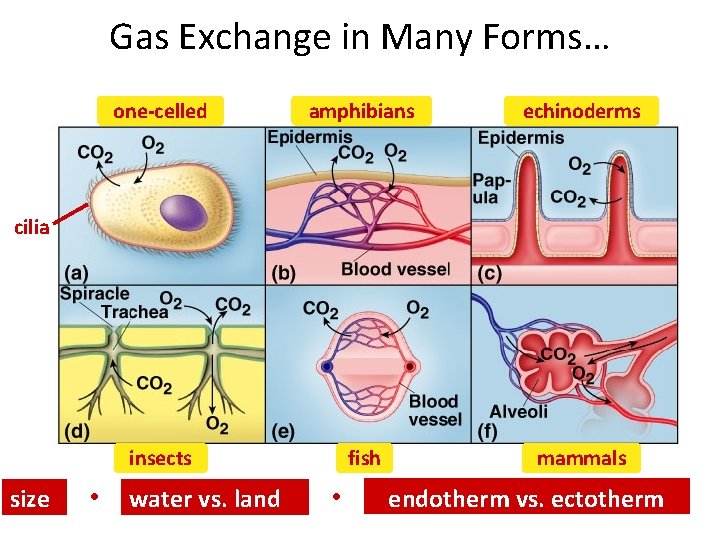
Gas Exchange in Many Forms… one-celled amphibians echinoderms insects fish mammals cilia size • water vs. land • endotherm vs. ectotherm
- Slides: 15