
AP BIOLOGY Mrs Thomas Chapter 1 Introduction Themes
AP BIOLOGY Mrs. Thomas
Chapter 1 Introduction: Themes in the Study of Life
What are Themes? u. General principles or ideas that occur over and over. u“Themes” are not a test item, but they are a framework to organize the study of Biology.
AP Biology Themes 1. Science as a process 2. Evolution 3. Energy Transfer 4. Continuity and Change
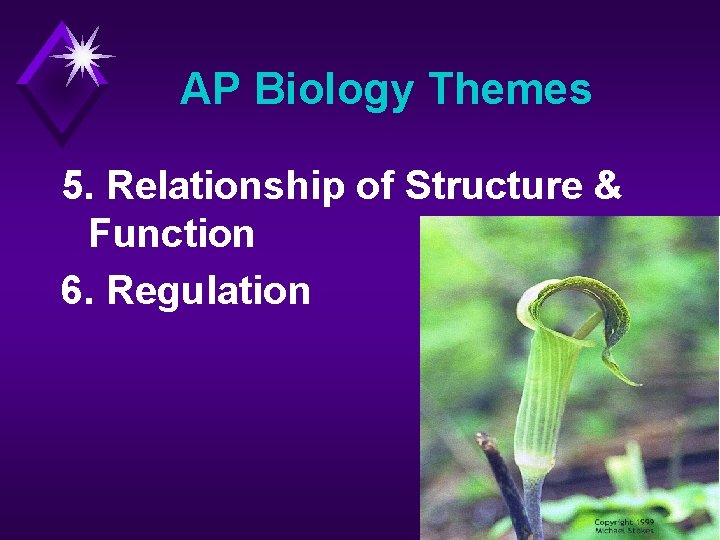
AP Biology Themes 5. Relationship of Structure & Function 6. Regulation
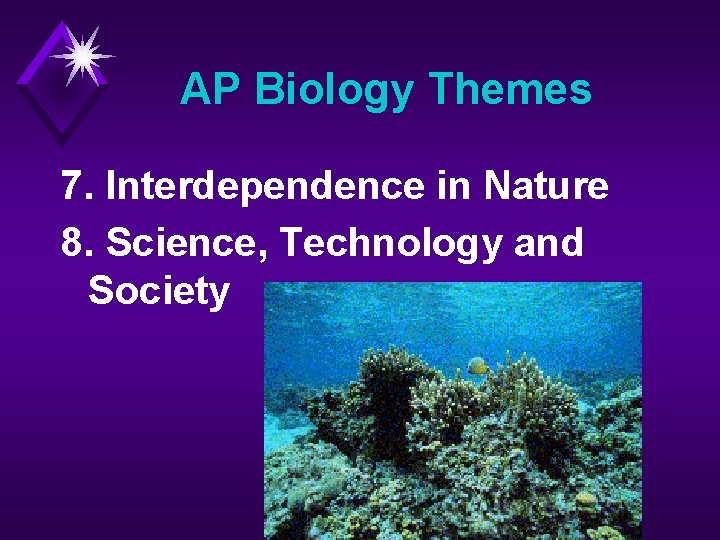
AP Biology Themes 7. Interdependence in Nature 8. Science, Technology and Society

Why Themes? u. We will see the “themes” at various times throughout the course. u. Themes can be the basis of essay exams u. Ex. Regulation of …
Question u. How do we know what is alive and what is not? u. What Life? are the properties of
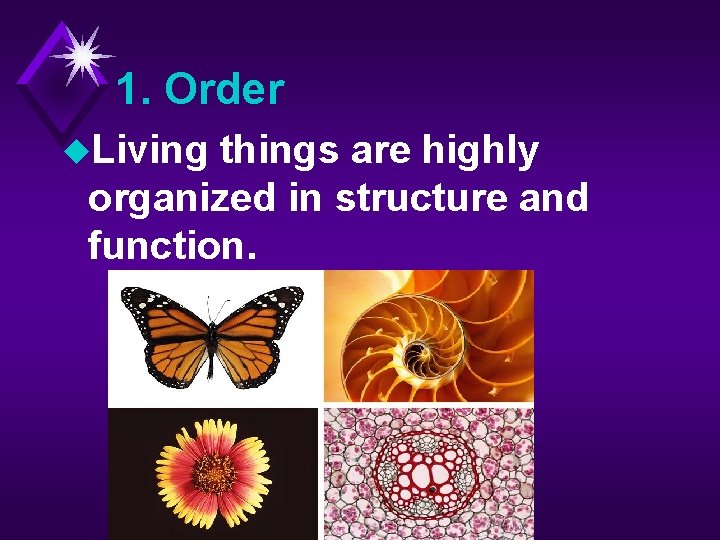
1. Order u. Living things are highly organized in structure and function.
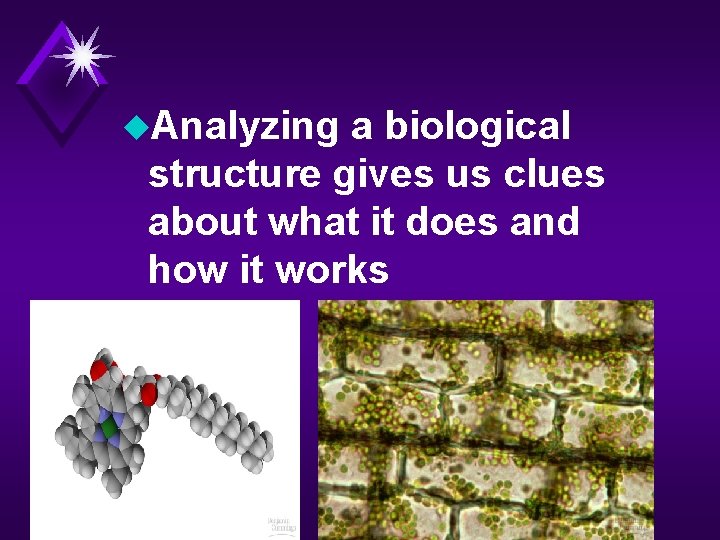
u. Analyzing a biological structure gives us clues about what it does and how it works
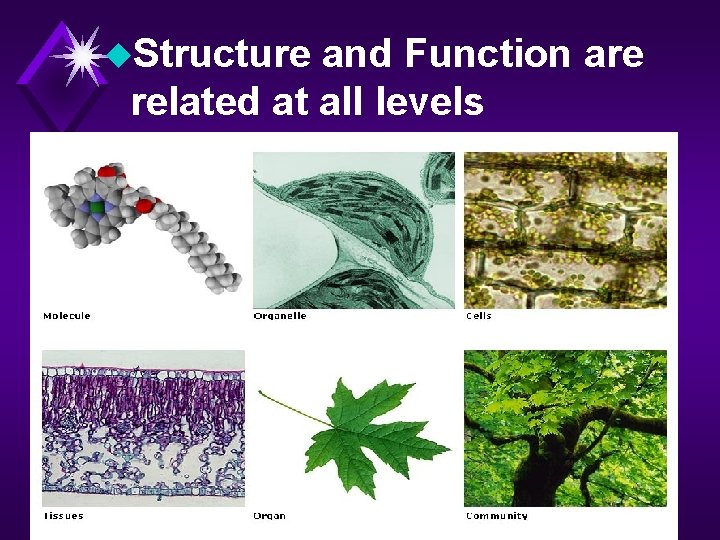
u. Structure and Function are related at all levels
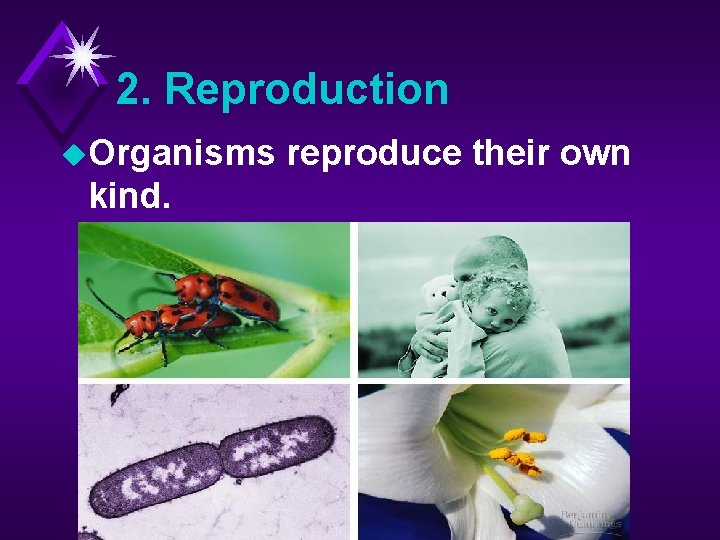
2. Reproduction u. Organisms kind. reproduce their own
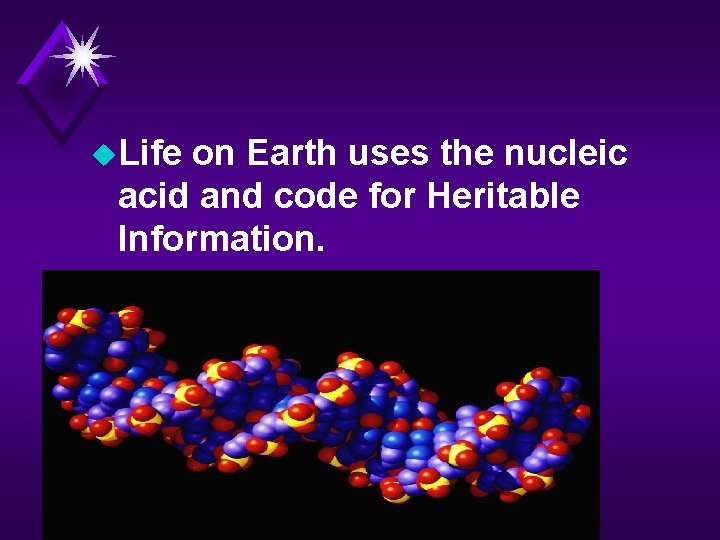
u. Life on Earth uses the nucleic acid and code for Heritable Information.
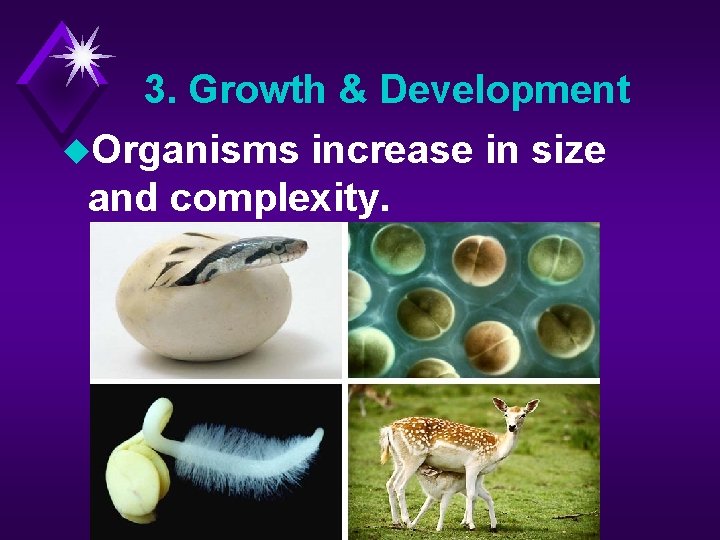
3. Growth & Development u. Organisms increase in size and complexity.
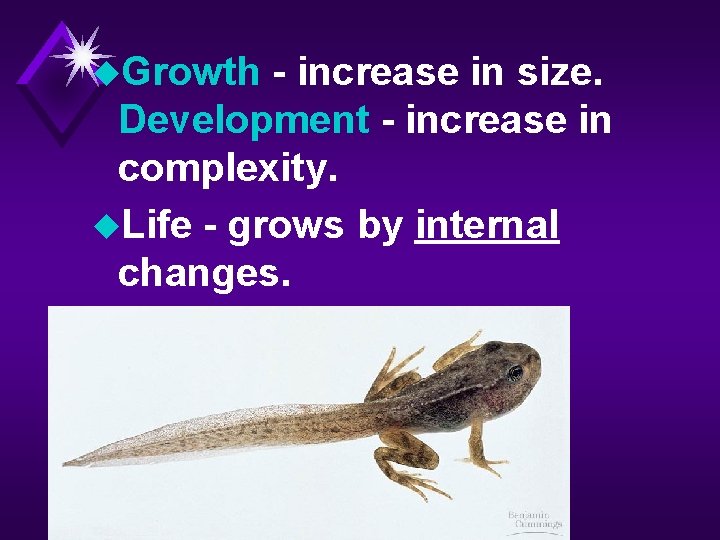
u. Growth - increase in size. Development - increase in complexity. u. Life - grows by internal changes.
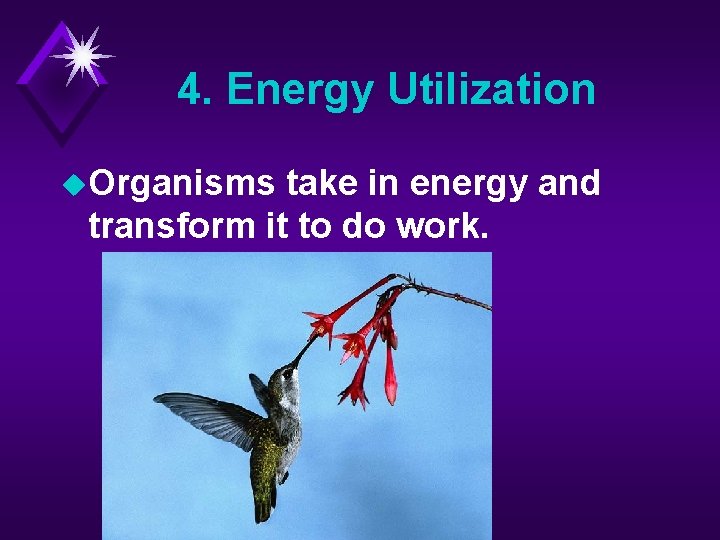
4. Energy Utilization u. Organisms take in energy and transform it to do work.
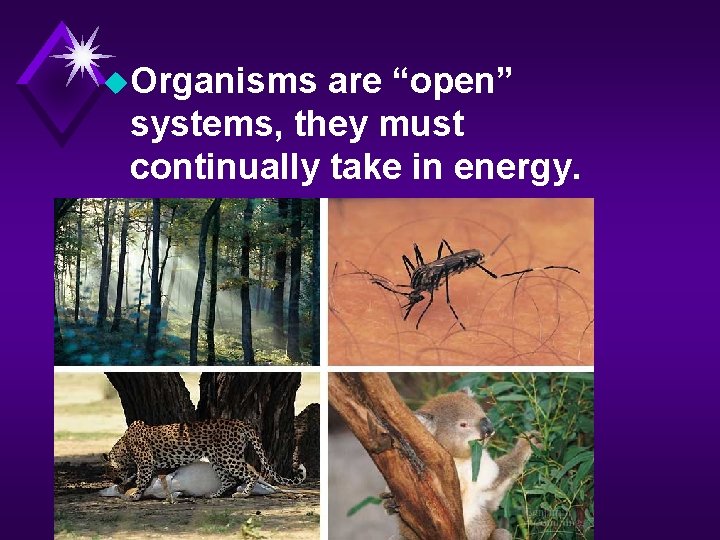
u. Organisms are “open” systems, they must continually take in energy.
5. Response To Environment u. Organisms respond to changes or stimuli in their environment.
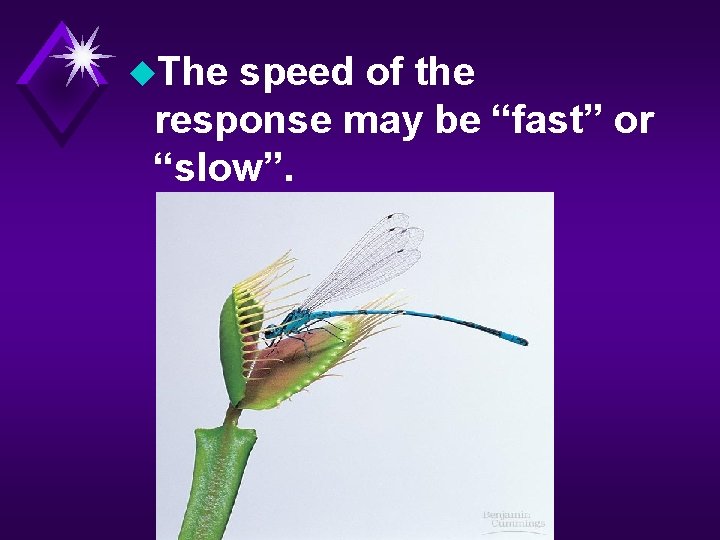
u. The speed of the response may be “fast” or “slow”.
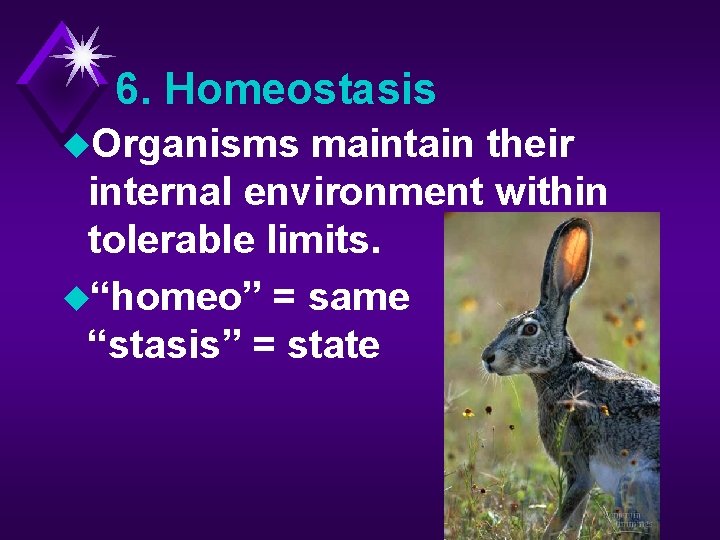
6. Homeostasis u. Organisms maintain their internal environment within tolerable limits. u“homeo” = same “stasis” = state
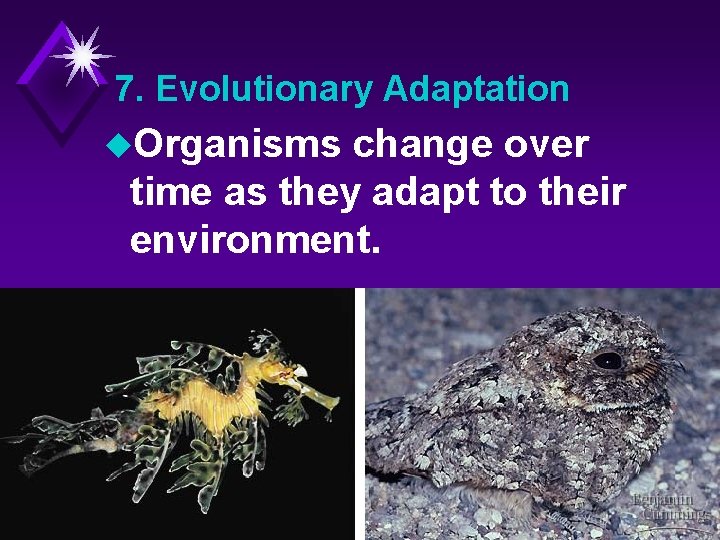
7. Evolutionary Adaptation u. Organisms change over time as they adapt to their environment.
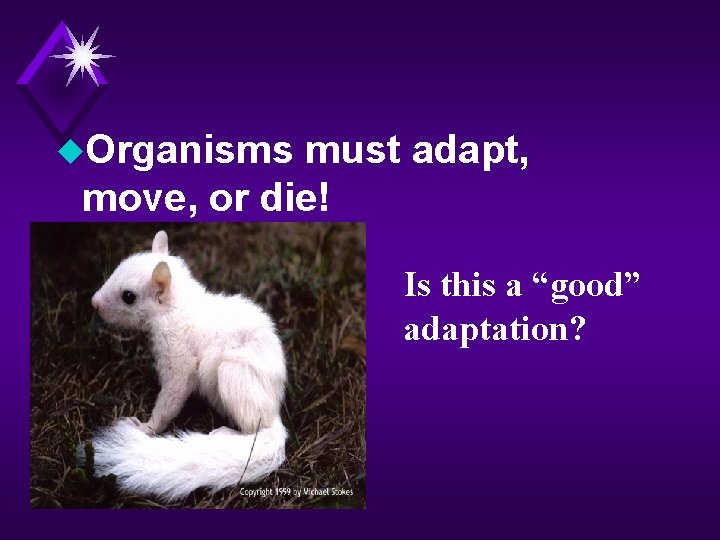
u. Organisms must adapt, move, or die! Is this a “good” adaptation?
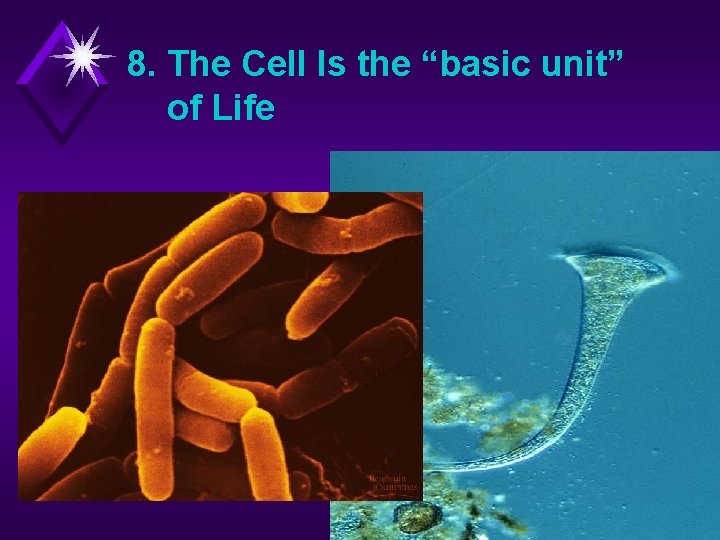
8. The Cell Is the “basic unit” of Life

9. Organisms Die
Science is: u. A process. u. A way of “knowing”.
Science is based on: u. Observations u. Experiments u. Deductive Reasoning
Observations: u. Are the “keystone” to Science. u. If it can’t be “observed”, it can’t be studied by the Scientific Method. u. Can be made through your senses or through the use of tools.
Process of Science u. Observational Science u. Naturalists, human genome u. May lead to experiments u. Experimental Science u. Hypothetico-Deductive Science u. Hypothesis u. Deductive reasoning
Reasoning u. Induction u. Specific observations to reach general conclusion u. Deduction u. From general premise make specific prediction
Example u. When I throw a ball in the air, why does it come back down? u. Inductive u. Whenever I have thrown a ball in the past, it always comes back down u. Specific observations to general conclusion
u. Deductive u. Gravity attracts ball to earth u. General rule to specific case
Scientific Method: u. Outlines a series of steps for answering questions. u. Obtains “evidence” through the use of experiments.
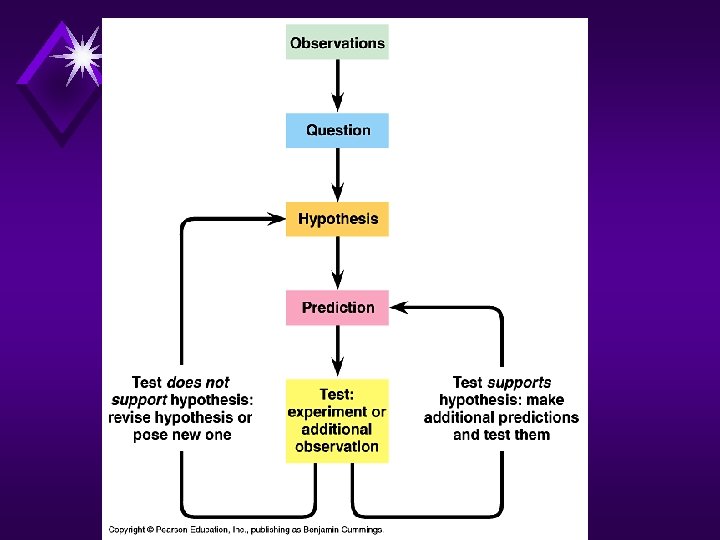
Scientific Method Steps 1. Identify the problem. 2. What is already known? 3. Formulate a hypothesis. 4. Conduct an experiment changing one variable at a time. All other factors are held constant. (Why? )
Scientific Method Steps 5. Collect data. Have replicates (Why? ) 6. Compare data to hypothesis. Does the data support the hypothesis?
Comment u Nothing is ever proven in science u Can be disproven u Experiments either support or fail to support a particular hypothesis.
u. Disproving a hypothesis is as important as supporting it u. These experiments are not a failure 7. Conclusions and new hypothesis.
Theory u Broader in scope than hypothesis. u Not determined by single experiment, but have been supported by many experiments by many scientists.
Theory u. Comprehensive explanation supported by abundance of evidence u. Theories allow predictions
Examples of Theories u. Atomic Theory u. Gravitational Theory u. Theory of Relativity u. Cell Theory u. Theory of Evolution by Natural Selection
Basic Evolution u. Nothing in Biology makes sense except in the light of Evolution. u. Theodosius Dobzhansky American Biology Teacher 35: 125 -129, 1973.
A few points to remember: u. Darwin’s greatest pieces of evidence were fossils u. Used finches for comparison from Galapagos islands u. Developed natural selection by spring-boarding from Malthus’ ideas on population limits.
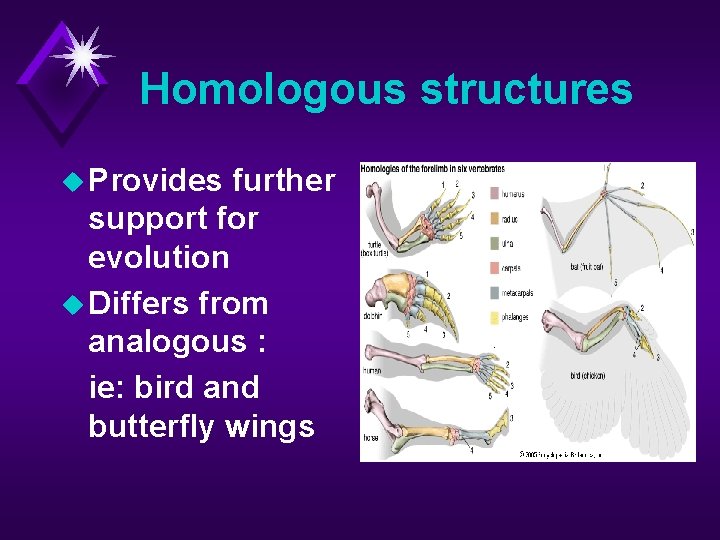
Homologous structures u Provides further support for evolution u Differs from analogous : ie: bird and butterfly wings
Success is measured by: 1. Survive 2. Reproduce Note – organisms survive because of their adaptations, they do not adapt to survive.
Evolution in Biology 1. What is the adaptive value of ____? 2. Why has ______ persisted over time? 3. How does _____ increase survival or reproduction?
4 themes that unify Biology as a science… u. Cell Theory u. Molecular basis of inheritance u. Evolutionary change u. Evolutionary conservation u. Know the basis of all of these!
Summary u. Themes can provide a common framework for learning Biology u. What are the characteristics of Life? u. What is Science and how does it work? u. Evolution’s role in the study of Biology
- Slides: 47