
Aortic stenosis Aetiology and pathophysiology Causes of aortic


- Slides: 11
Aortic stenosis Aetiology and pathophysiology Causes of aortic stenosis Infants, children , adolescents Congenital aortic stenosis Congenital subvalvular aortic stenosis Congenital supravalvular aortic stenosis
Young adults to middle-aged Calcification and fibrosis of congenitally bicuspid aortic valve Rheumatic aortic stenosis Middle-aged to elderly Senile degenerative aortic stenosis Calcification of bicuspid valve Rheumatic aortic stenosis
Clinical features Symptoms Mild / moderate stenosis: usually asymptomatic Exertional dyspnoea Angina Exertional syncope Episodes of acute pulmonary oedema Sudden death
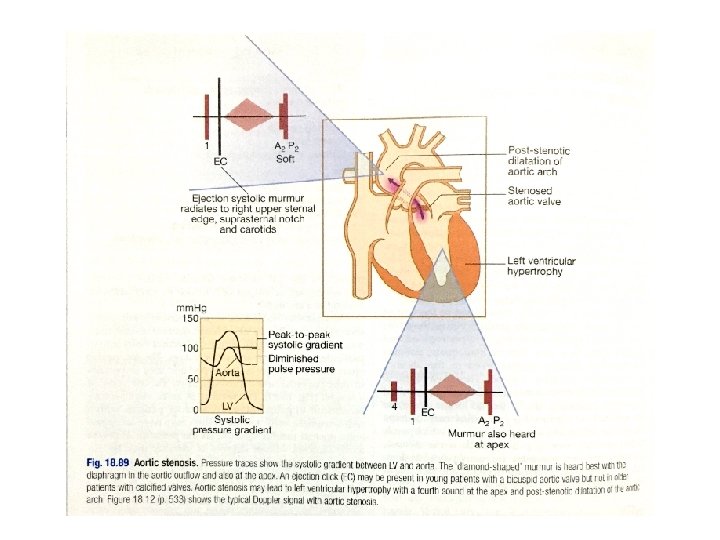
Signs Ejection systolic murmur Slow-rising carotid pulse Narrow pulse pressure Thrusting apex beat Signs of pulmonary venous congestion (e. g. crepitations )
A. S. is commonly asymptomatic but the three cardinal symptoms are angina, breathlessness and syncope A harsh ejection systolic murmur radiates to the neck, with a soft second heart sound, particularly in those with calcific valves.
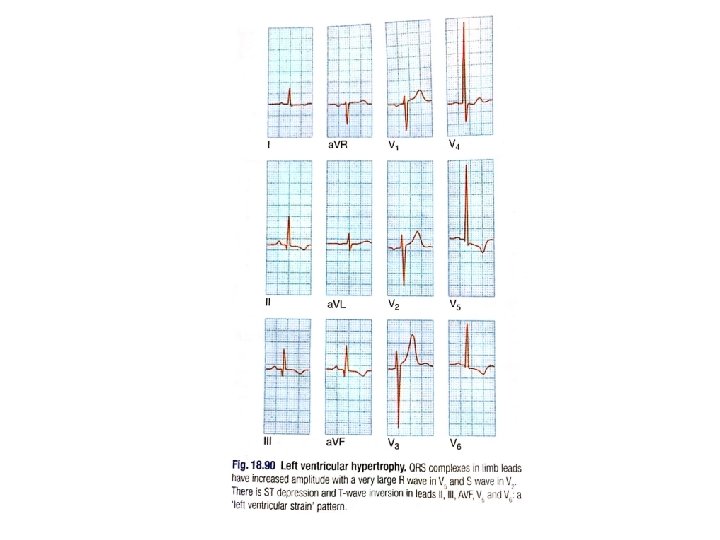
Investigations ECG Left ventricular hypertrophy(usually) Left bundle branch block Chest X-ray May be normal; sometimes enlarged LV and dilated ascending aorta on PA view , calcified valve on lateral view
Echo Calcified valve with restricted opening , hypertrophied LV Doppler Measurement of severity of stenosis Detection of associated aortic regurgitation Cardiac catheterization Mainly to identify associated coronary artery disease May be used to measure gradient between LV and aorta
Management Patients with asymptomatic aortic stenosis : conservative management is appropriate Patients with symptomatic severe aortic stenosis : prompt aortic valve replacement Aortic balloon valvuloplasty is useful in congenital aortic stenosis Anticoagulants in patients who have atrial fibrillation or valve replacement with a mechanical prosthesis