
Antipsychotic Drugs Department of pharmacology Classification n Antipsychotic
- Slides: 88
Antipsychotic Drugs Department of pharmacology
Classification n Antipsychotic Drugs n Antimanic drugs n Antidepressants n anxiolytics
Antipsychotic Drugs
Contents n Overview n Introduction of Schizophrenia n Classification of antipsychotic drugs n Chlorpromazine
Overview n n Antischizophrenic, neuroleptic drugs These agents are prescribed for treating schizophrenia or management of psychotic symptoms
Overview n n What is schizophrenia ? There appears to be a genetic component to schizophrenia. n There is also evidence for changes in brain structure.
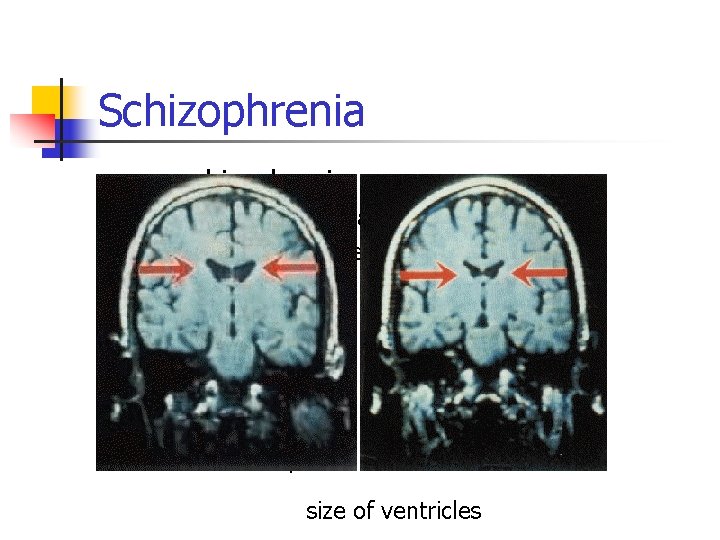
Schizophrenia schizophrenia n n n n n Clinical Manifestations Characteristics-- perturbations affecting: language perception thinking volition Behavior social activity size of ventricles
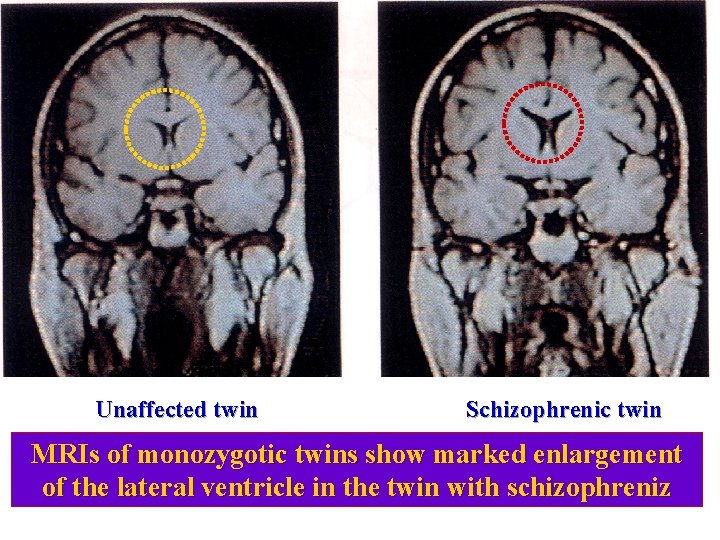
Unaffected twin Schizophrenic twin MRIs of monozygotic twins show marked enlargement of the lateral ventricle in the twin with schizophreniz
Schizophrenia n Syndrome overview: Typically begins in late adolescence n Insidious onset. n Poor outcome. n Social withdrawal /perceptual distortions lead to chronic delusions /hallucinations. n
Schizophrenia n n Positive Symptoms: Conceptual disorganization Delusions Hallucinations
Schizophrenia Negative Symptoms: n n Anhedonia Decreased emotional expression Impaired concentration Diminished socialization
The Nature of Schizophrenia • Incidence is about 70% of hospital patients mental health hospital, with a strong, but not invariable, hereditary component.
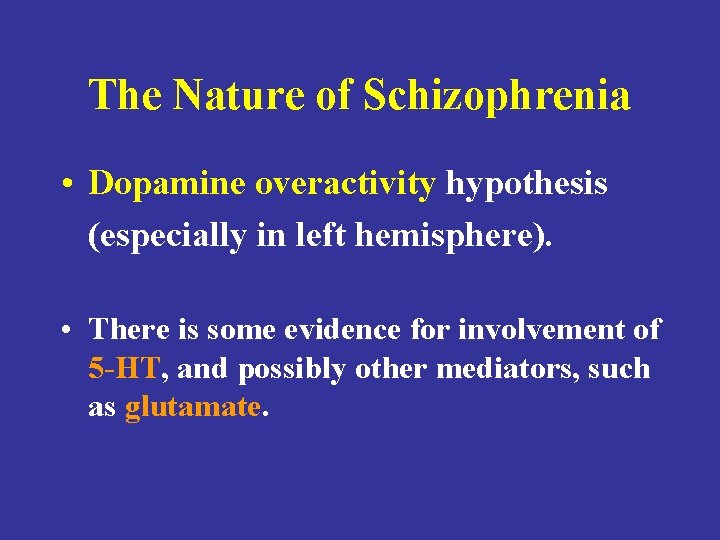
The Nature of Schizophrenia • Dopamine overactivity hypothesis (especially in left hemisphere). • There is some evidence for involvement of 5 -HT, and possibly other mediators, such as glutamate.
【pathogenesis of schizophrenia】 Relevance of pathogenesis of schizophrenia to dopaminergic nerve in CNS:
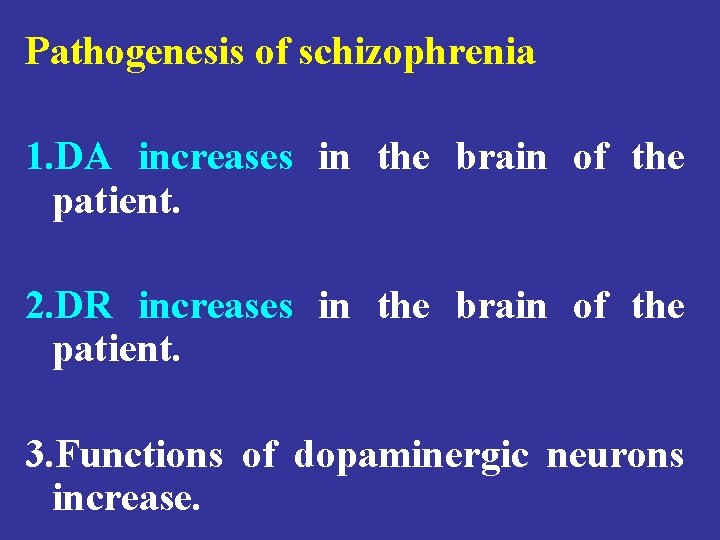
Pathogenesis of schizophrenia 1. DA increases in the brain of the patient. 2. DR increases in the brain of the patient. 3. Functions of dopaminergic neurons increase.
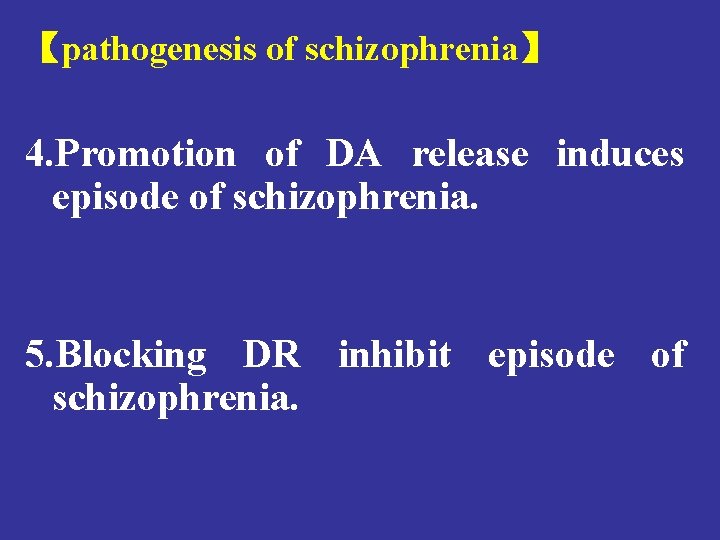
【pathogenesis of schizophrenia】 4. Promotion of DA release induces episode of schizophrenia. 5. Blocking DR inhibit episode of schizophrenia.
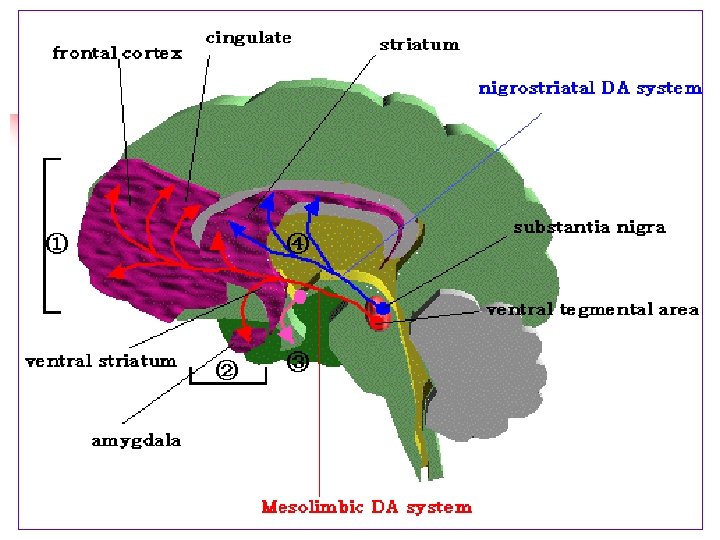
Four pathway of dopaminergic neurotransmission 1. limbic system- mesencephalic pathway emotion 2. cortico- mesencephalic pathway thinking and motion
Four pathway of dopaminergic neurotransmission 3. nigrostriatum pathway motion 4. hypothalamo-hypophysis pathway endocrine
Mechanism of action Antagonism of dopaminergic receptors (D 2) in CNS. 1. to block dopamine receptors in limbic system-mesencephalic pathway to improve emotion
Mechanism of action 2. to block dopamine receptor in cortico- mesencephalic pathway to restore thinking and motion 1 and 2 are therapeutic effects of drugs
Mechanism of action 3. to block dopamine receptor in nigrostriatum pathway to cause extrapyramidal symptoms ----the adverse effects of drugs
Mechanism of action 4. to bock dopamine receptor in hypothalamo-hypophysis pathway to cause endocrine dysfunction ----- the adverse effects of drugs
Classification of antipsychotic drugs Phenenothiazines n (Chlorpromazine) n Thioxanthenes (Tardan) n Butyrophenones (Haloperidol) n Atypicals (Clozapine) n
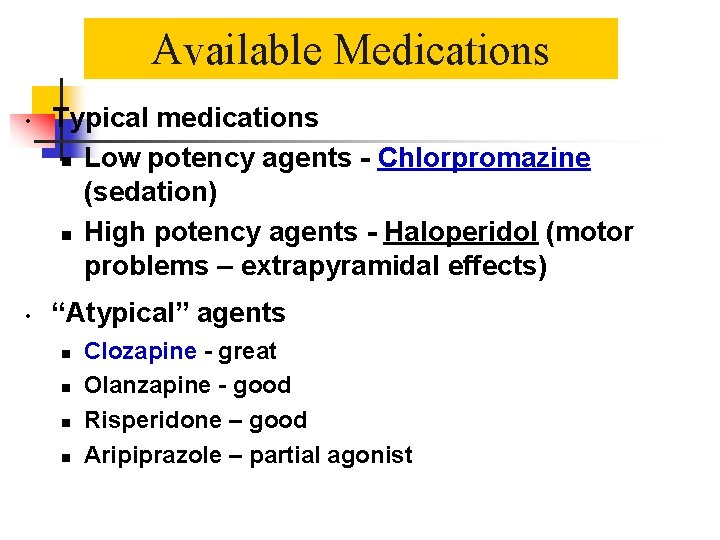
Available Medications • • Typical medications n Low potency agents - Chlorpromazine (sedation) n High potency agents - Haloperidol (motor problems – extrapyramidal effects) “Atypical” agents n n Clozapine - great Olanzapine - good Risperidone – good Aripiprazole – partial agonist
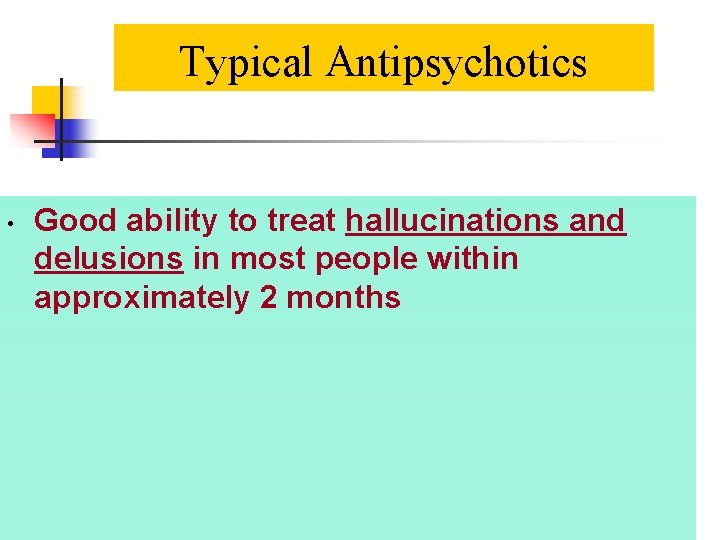
Typical Antipsychotics • Good ability to treat hallucinations and delusions in most people within approximately 2 months
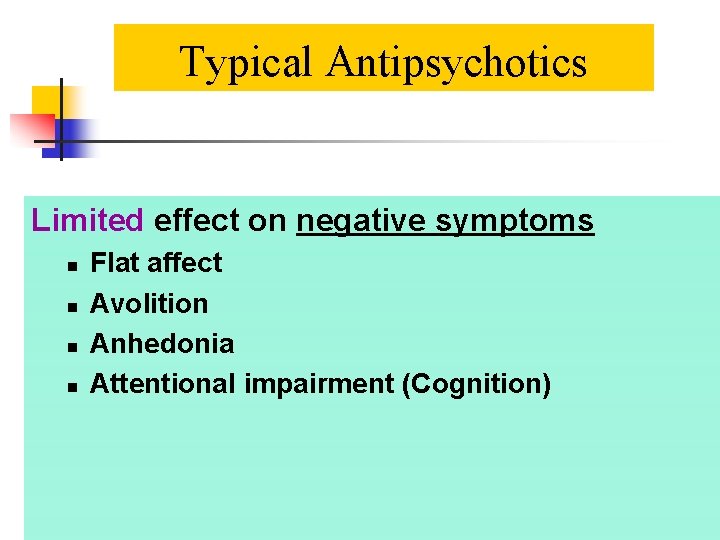
Typical Antipsychotics Limited effect on negative symptoms n n Flat affect Avolition Anhedonia Attentional impairment (Cognition)
n Chlorpromazine
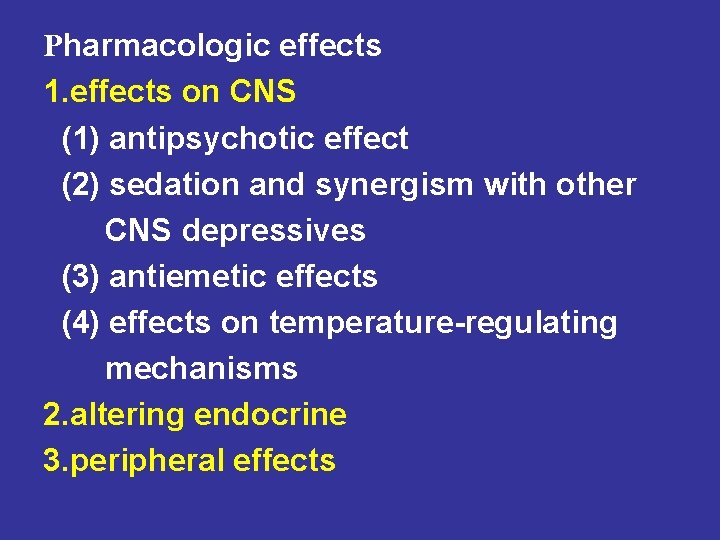
Pharmacologic effects 1. effects on CNS (1) antipsychotic effect (2) sedation and synergism with other CNS depressives (3) antiemetic effects (4) effects on temperature-regulating mechanisms 2. altering endocrine 3. peripheral effects
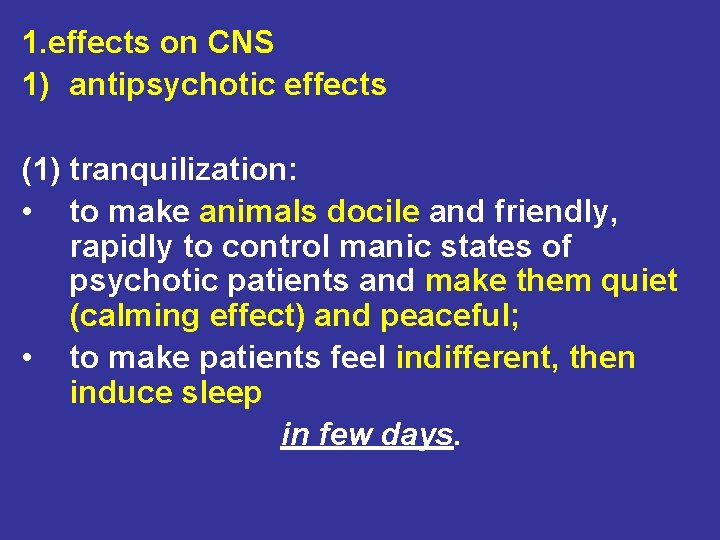
1. effects on CNS 1) antipsychotic effects (1) tranquilization: • to make animals docile and friendly, rapidly to control manic states of psychotic patients and make them quiet (calming effect) and peaceful; • to make patients feel indifferent, then induce sleep in few days.
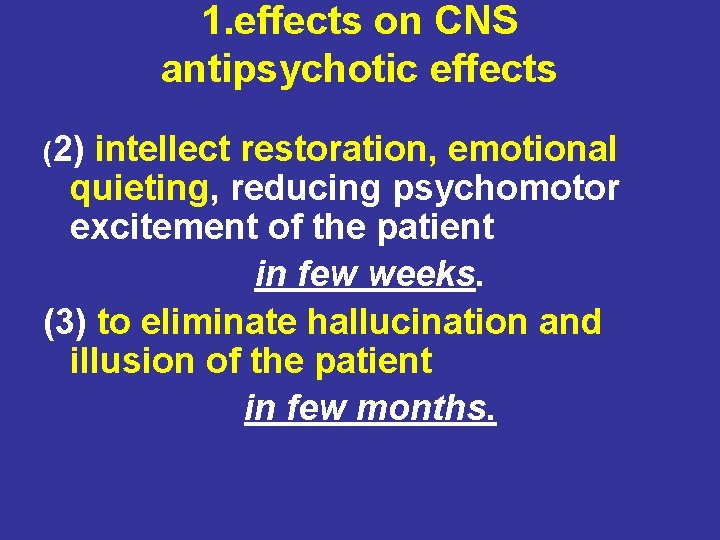
1. effects on CNS antipsychotic effects (2) intellect restoration, emotional quieting, reducing psychomotor excitement of the patient in few weeks. (3) to eliminate hallucination and illusion of the patient in few months.
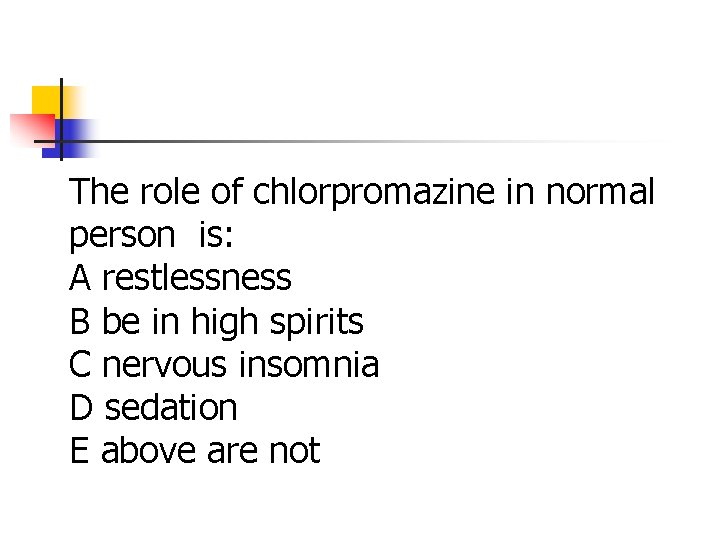
• (4) For normal person to induce sedation
Action mechanism Blocking dopamine D 2 receptor in limbic system- mesencephalic and corticomesencephalic pathways.
n Dopamin receptor: two type, five subtype - DA 1 (D 1 -like receptor): D 1, D 5 - DA 2 (D 2 -like receptor): D 2, D 3, D 4
n n D 2 receptor activation motor activity aggravates schizophrenia D 2 receptor blockade alleviation of schizophrenia
2) sedation and synergism with other CNS depressives analgesics, sedative-hypnotics, anesthetics.
Pharmalogical effects n 3)Antiemetic effect. -This is a results of blocking DA 2 receptor. -In low doses, blocking DA 2 receptor in chemoreceptor trigger zone(CTZ). -In high doses, chlorpromazine may directly depress the medulla vomiting center.
Pharmalogical effects 4)effect on temperature-regulating mechanism n to inhibit temperature-regulating center in hypothalamus to induce poikilothermia (hypothermia, hyperthermia).
4)effect on temperature-regulating mechanism in a cold climate it decrease temperature in body n in a hot climate they can cause hyperthermia
Pharmalogical effects (2) Autonomic nervous system effects a) Hypotensive effects receptor blockade, postural hypotension b) Anticholinergic effects---- Blocking Mreceptor dry mouth, constipation, blurred vision, urinary retention, etc.
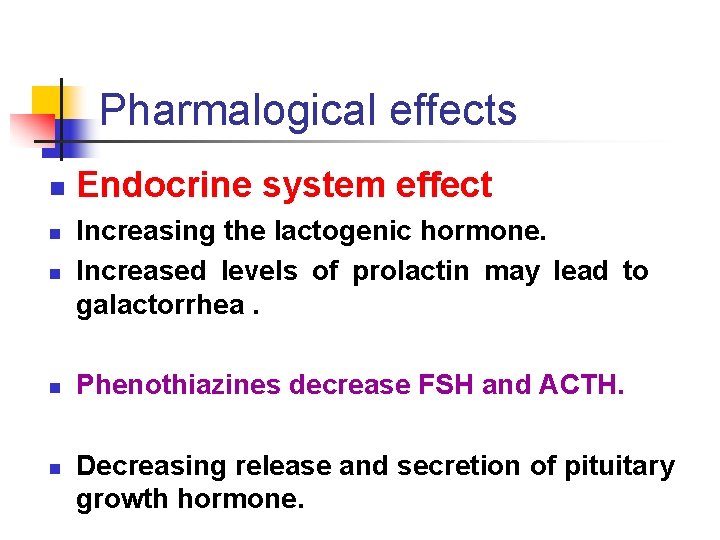
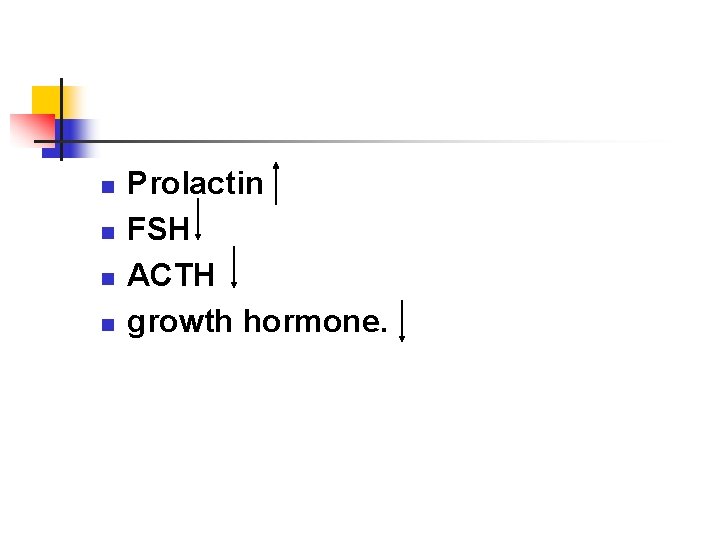
Pharmalogical effects n Endocrine system effect n Increasing the lactogenic hormone. Increased levels of prolactin may lead to galactorrhea. n Phenothiazines decrease FSH and ACTH. n n Decreasing release and secretion of pituitary growth hormone.
n n Prolactin FSH ACTH growth hormone.
Therapeutic uses § 1. Psychotic disorders, all kind of schizophrenia.
Therapeutic uses § 2. Nausea and vomiting. (except carsickness). n n ineffective for vomiting induced by stimulating vestibules of ears (motion sickness). effective for nausea and vomiting,
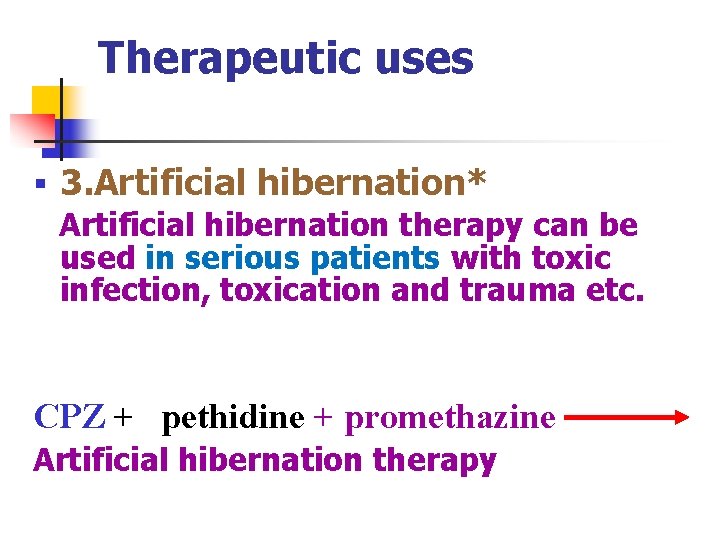
Therapeutic uses § 3. Artificial hibernation* Artificial hibernation therapy can be used in serious patients with toxic infection, toxication and trauma etc. CPZ + pethidine + promethazine Artificial hibernation therapy
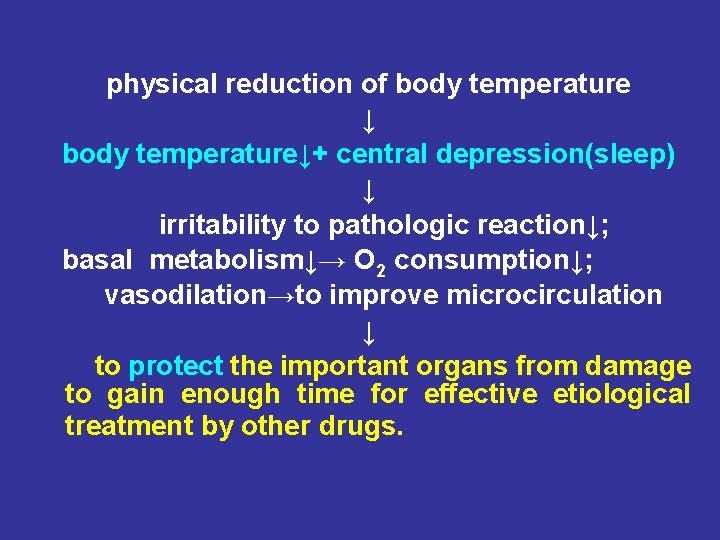
physical reduction of body temperature ↓ body temperature↓+ central depression(sleep) ↓ irritability to pathologic reaction↓; basal metabolism↓→ O 2 consumption↓; vasodilation→to improve microcirculation ↓ to protect the important organs from damage to gain enough time for effective etiological treatment by other drugs.
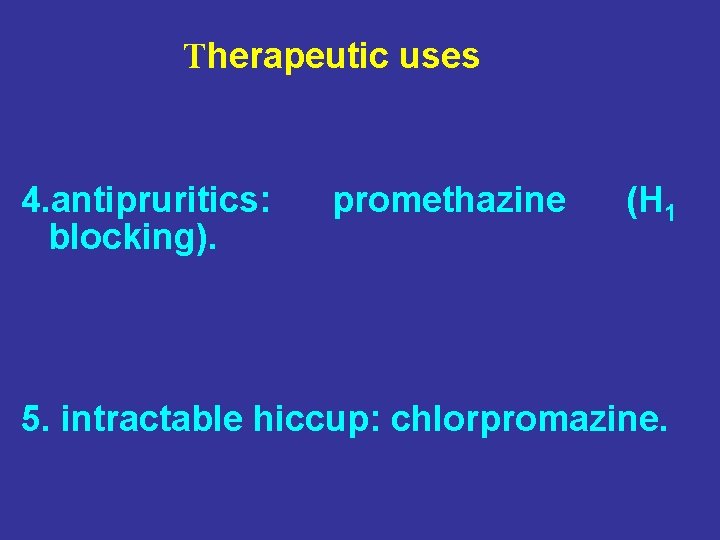
Therapeutic uses 4. antipruritics: blocking). promethazine (H 1 5. intractable hiccup: chlorpromazine.
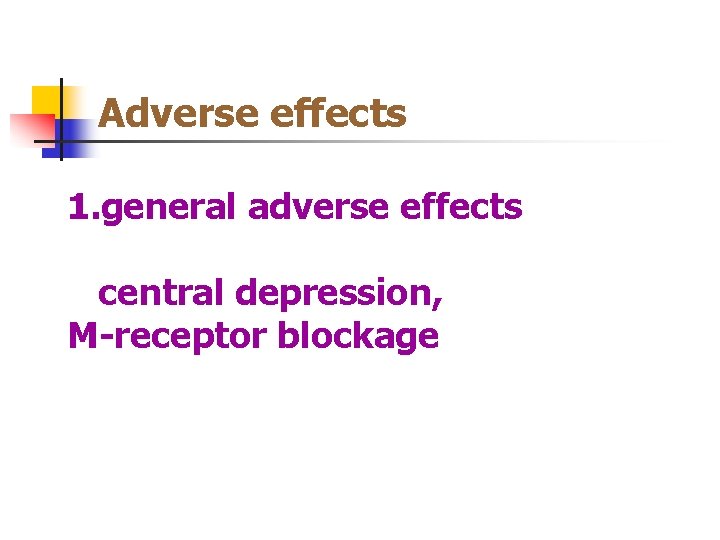
Adverse effects 1. general adverse effects central depression, M-receptor blockage
Adverse effects 2. Extrapyramidal effects: Duo to DA receptor block: n n n a) Parkinsonism b) Akathisia c) Acute dystonia treated by central muscarinic antagonists Duo to supersensitive to DA: Tardive dyskinesia
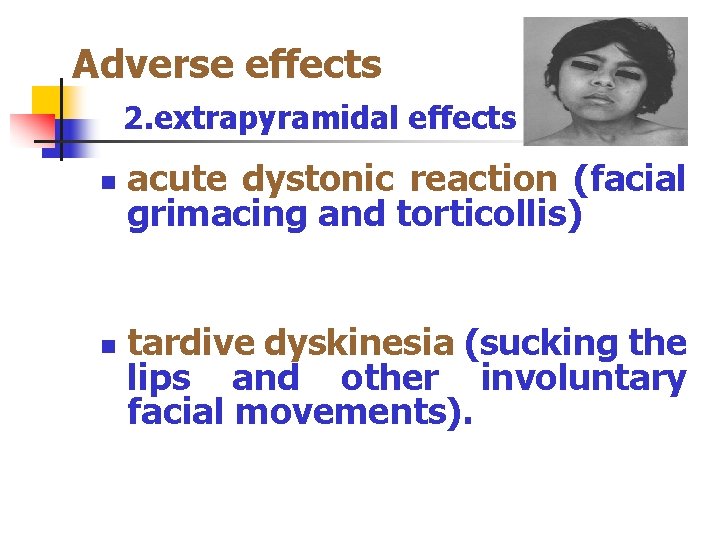
Adverse effects 2. extrapyramidal effects n n acute dystonic reaction (facial grimacing and torticollis) tardive dyskinesia (sucking the lips and other involuntary facial movements).
n patient display sucking of the lips and other involuntary facial movement. (The dyskinesia may persist for after discontinuation of therapy).
Adverse effects 33. cardiovascular effects: orthostatic hypotension (First choice NA or AD? ), syncope and reflex tachycardia.
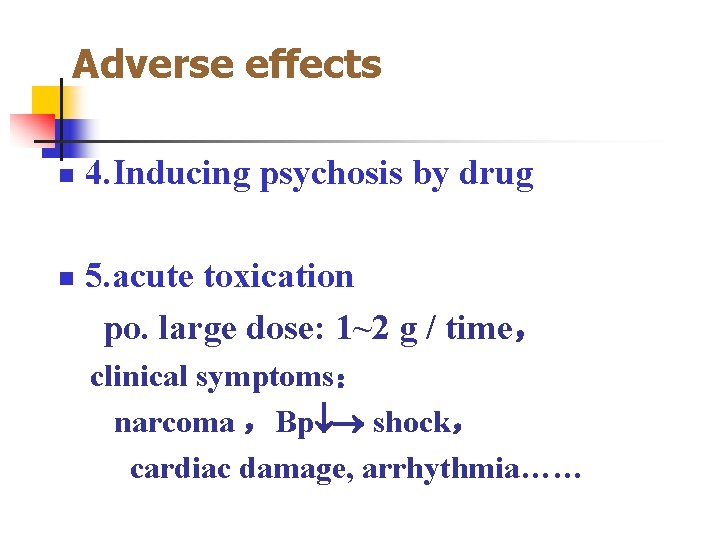
Adverse effects n n 4. Inducing psychosis by drug 5. acute toxication po. large dose: 1~2 g / time, clinical symptoms: narcoma ,Bp shock, cardiac damage, arrhythmia……
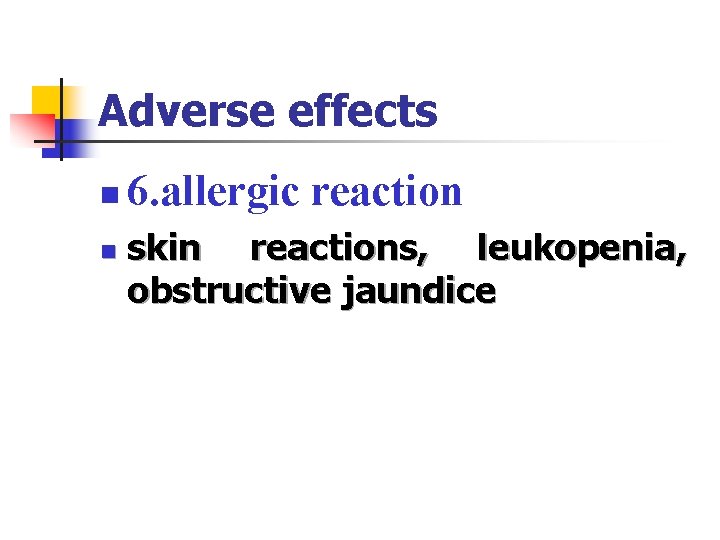
Adverse effects n n 6. allergic reaction skin reactions, leukopenia, obstructive jaundice
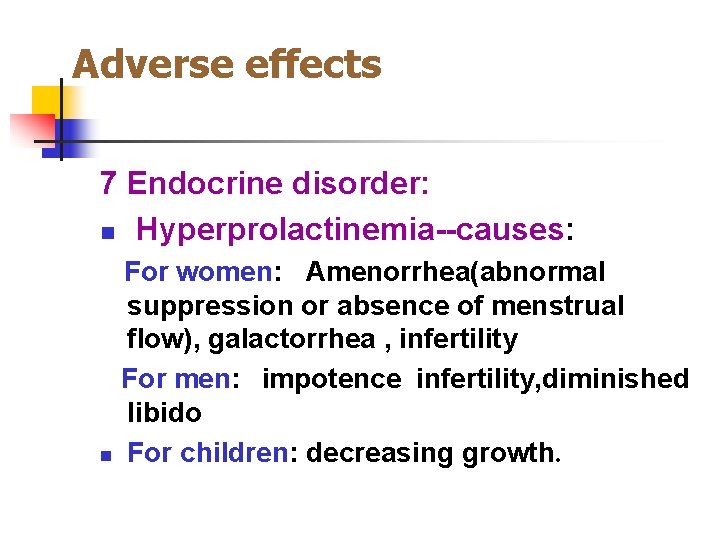
Adverse effects 7 Endocrine disorder: n Hyperprolactinemia--causes: For women: Amenorrhea(abnormal suppression or absence of menstrual flow), galactorrhea , infertility For men: impotence infertility, diminished libido n For children: decreasing growth.
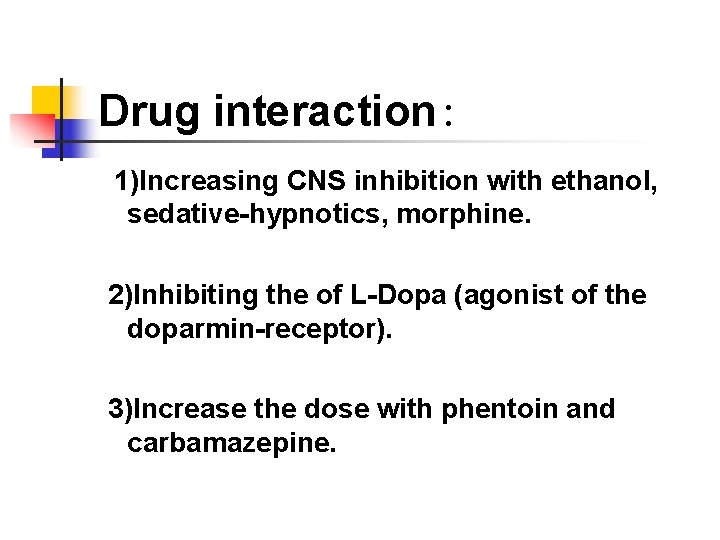
Drug interaction: 1)Increasing CNS inhibition with ethanol, sedative-hypnotics, morphine. 2)Inhibiting the of L-Dopa (agonist of the doparmin-receptor). 3)Increase the dose with phentoin and carbamazepine.
Antipsychotic drugs n n n Contraindications epilepsy coma elderly with CVS disorders severe hepatic and renal dysfunction
Atypical antipsychotic drugs n n Clozapine and Risperidone selectively inhibit D 4 and 5 -HT 2 receptors. Risperidone selectively inhibit D 2 and 5 -HT 2 -receptors.
Atypical antipsychotic drugs n n Sulpiride selectively inhibit D 2 receptors in the mesolimbic and mesocortical areas of the brain. Sulpiride , Clozapine and risperidone have low risk of extrapyramidal adverse reaction.
Atypical antipsychotic drugs Sulpiride n Selectively inhibit D 2 -receptors in the mesolimbic and mesocortical areas of the brain. n Producing low extra-pyramidal adverse reaction.
Summary for chlorpromazine
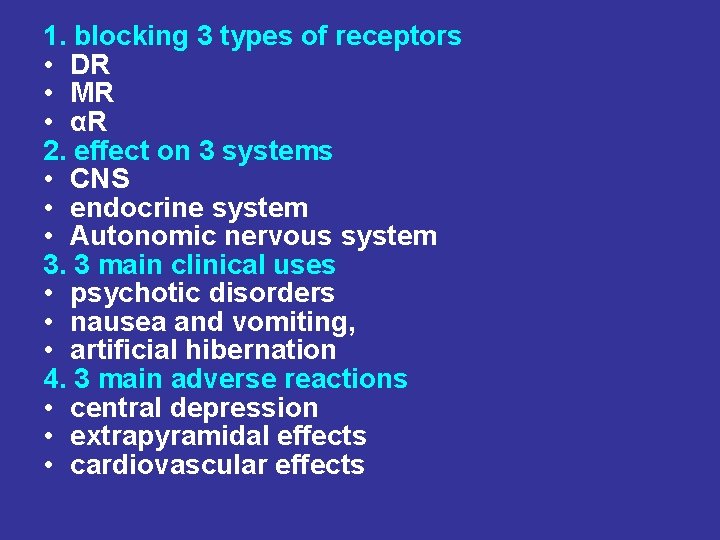
1. blocking 3 types of receptors • DR • MR • αR 2. effect on 3 systems • CNS • endocrine system • Autonomic nervous system 3. 3 main clinical uses • psychotic disorders • nausea and vomiting, • artificial hibernation 4. 3 main adverse reactions • central depression • extrapyramidal effects • cardiovascular effects
Antimanic drug n Lithium carbonate
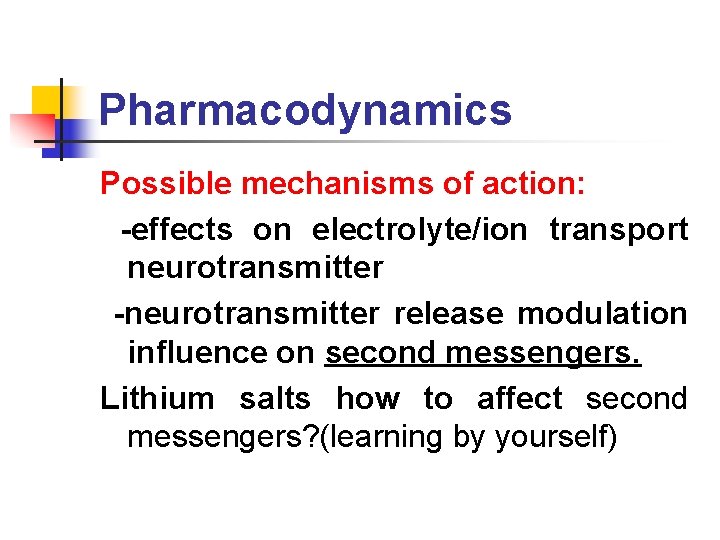
Pharmacodynamics Possible mechanisms of action: -effects on electrolyte/ion transport neurotransmitter -neurotransmitter release modulation influence on second messengers. Lithium salts how to affect second messengers? (learning by yourself)
Antidepressants n Overview n Classification n TCA Antidepressants
Overview n n Depression is an alteration of mood characterized by sadness, worry, and anxiety. The patient may suffer from losses of weight, libido, and enthusiasm.
Depression Clinical depression is a syndrome that may include: n Sustained mood disturbances n Impaired memory and concentration n Disturbed sleep n Reduced energy level n Reduced libido n Impaired sleep.
Depression n n n Patient complaints suggestive of depression may include: Pain (headaches, body aches) A mood of apathy, anxiety, or irritability Sexual complaints low energy, excessive tiredness reduced capacity for enjoyment.
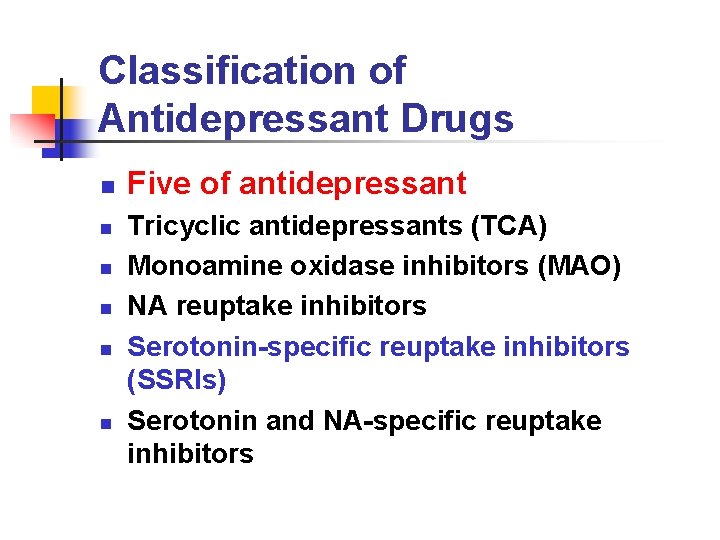
Classification of Antidepressant Drugs n n n Five of antidepressant Tricyclic antidepressants (TCA) Monoamine oxidase inhibitors (MAO) NA reuptake inhibitors Serotonin-specific reuptake inhibitors (SSRIs) Serotonin and NA-specific reuptake inhibitors
Most antidepressants are believed to improve by increasing NT n Catecholamine n 5 -HT stores
Tricyclic antidepressant TCAs Imipramine
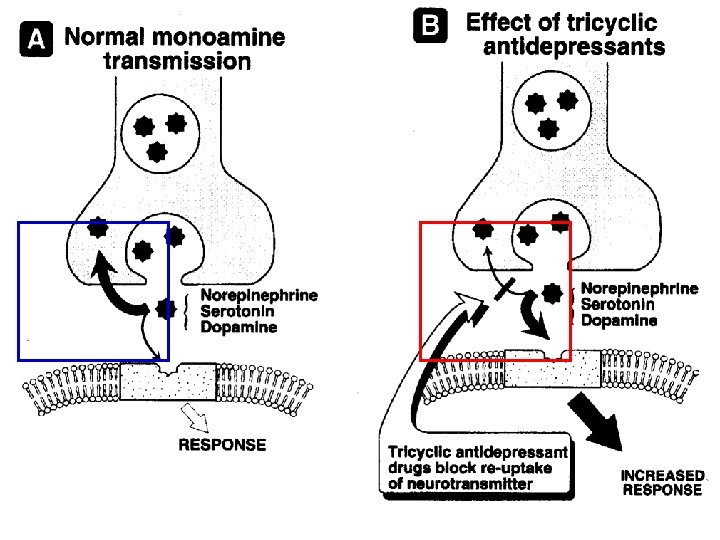
Pharmalogic effects CNS -In the depressed patients , an elevation of mood occur 2 -3 weeks after administration begins, the latency period can be as long as 4 weeks. -The imipramine blocks the re-uptake of serotonin and NA n
Pharmalogic effects Autonomic nervous system Blocking M-receptor
Pharmalogic effects Cardovascular effect: Hypotensin (blocking α receptor) n Tachycardia n
Mechanism of TCA: Blocking re-uptake of neurotransmitter n (NA) n (5 -HT) n
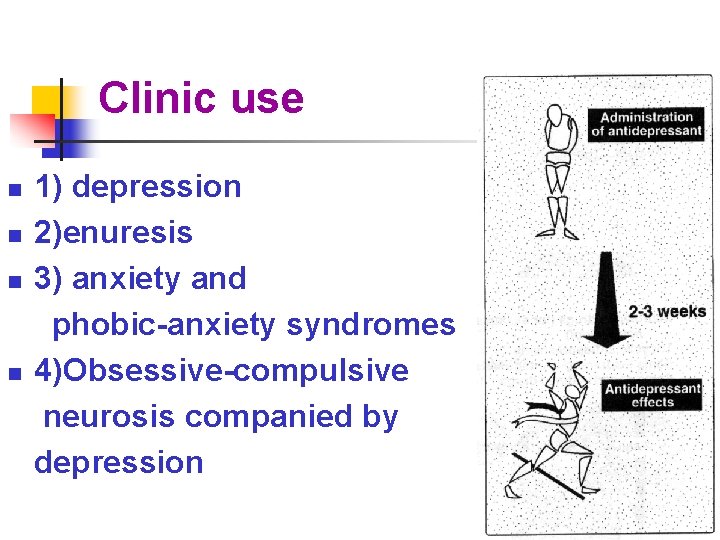
Clinic use 1) depression n 2)enuresis n 3) anxiety and phobic-anxiety syndromes n 4)Obsessive-compulsive neurosis companied by depression n
Untoward effects n 1)anticholinergic effect n 2)cardiac arrhythmas n 3)manic excitement can occur in patient with bipolar manic-deprssive illness
Untoward effects n 4)The combination of a MAO inhibtor with tricyclic antipressants should not be avoided , since hyperpyrexia, convulsions and coma can result
Selective Serotonin reuptake inhibitors (SSRI) n A. Fluoxetine n B. Paroxetine n
n Summary for antidepressant Drugs
Antidepressant Drugs n 1. Pharmacological effects n (1) Central effects n n n Inhibiting reuptake of monoamine transmitters Improving patient’s mood after 2 weeks Sedative effects in normal subjects
Antidepressant Drugs 1. Pharmacological effects n (2) Autonomic effects n Muscarinic blocking effects n (3) Cardiovascular effects n -blocker, arrhythmia Hypotension, tachycardia,
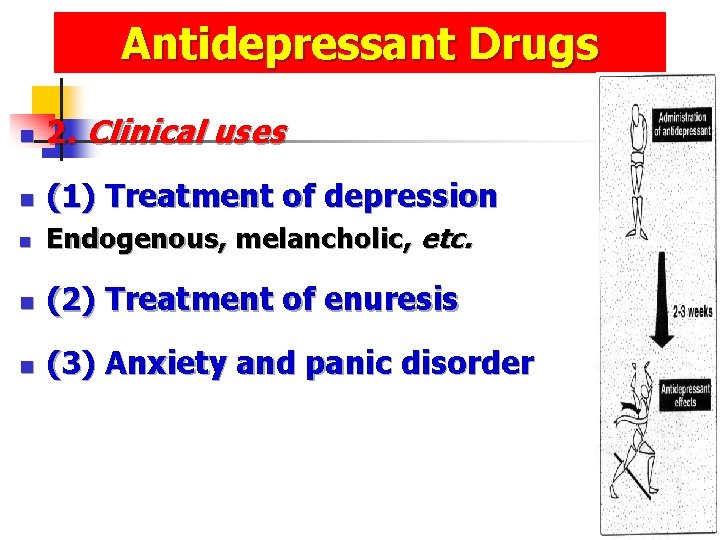
Antidepressant Drugs n 2. Clinical uses n (1) Treatment of depression n Endogenous, melancholic, etc. n (2) Treatment of enuresis n (3) Anxiety and panic disorder
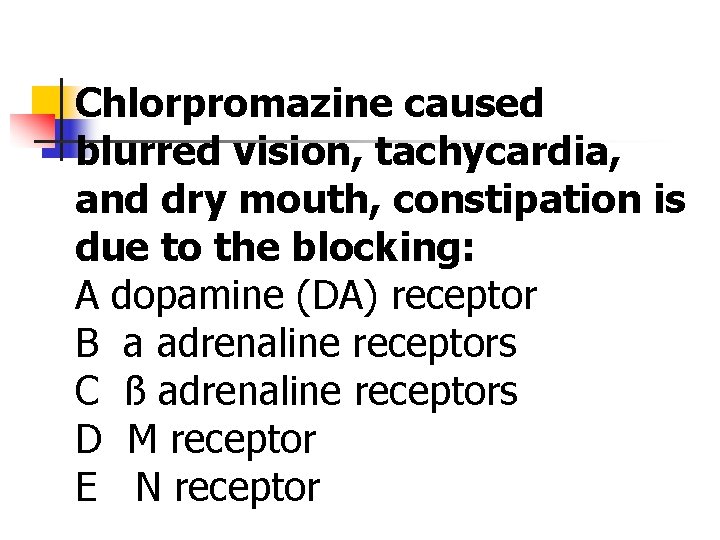
Chlorpromazine caused blurred vision, tachycardia, and dry mouth, constipation is due to the blocking: A dopamine (DA) receptor B a adrenaline receptors C ß adrenaline receptors D M receptor E N receptor
The role of chlorpromazine in normal person is: A restlessness B be in high spirits C nervous insomnia D sedation E above are not
n n n 1. How are agents in this chapter classified? 2. Describe the pharmacological effects of Chlorpromazine. 3 What are the major differences between the TCA and SSRIs?
n 4 Could adrenaline be used in the hypotension induced by chlorpromazine? Why?