
ANTIMICROBIAL DRUGS Epidemic History 14 th century Europe
ANTIMICROBIAL DRUGS
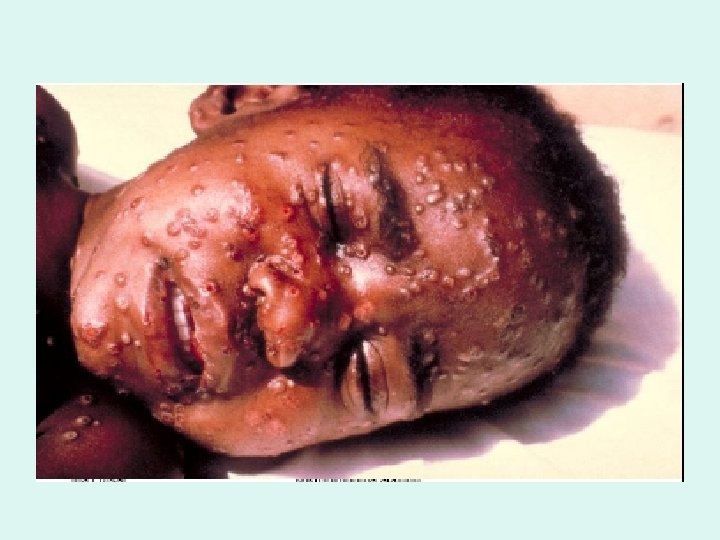
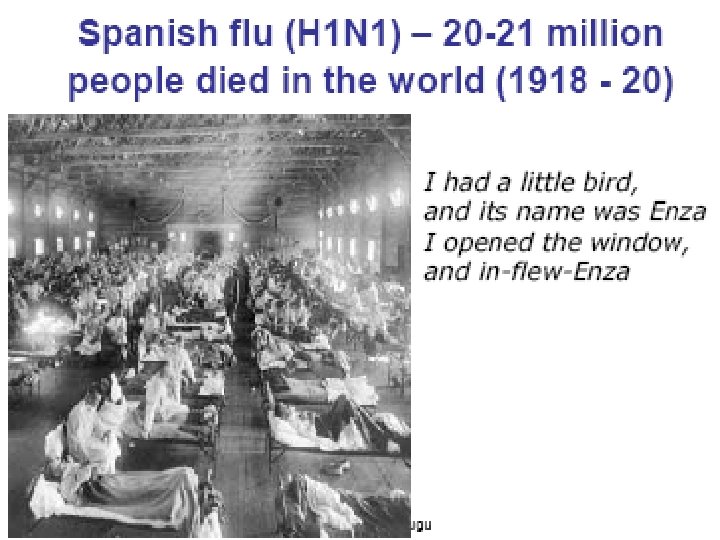
Epidemic History • 14 th century: Europe: 25 million: Plague • 1521: 3. 5 million: Small pox • 1918: Worldwide: at-least 20 million: Influenza • 2003: SARS: rapid global spread
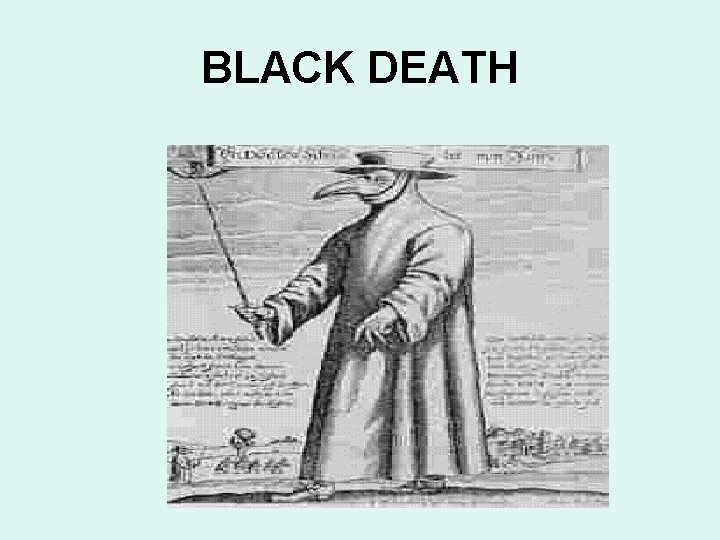
Plague The Black Death, or the Black Plague, was one of the most deadly pandemics in human history, widely thought to have been caused by a bacterium named Yersinia pestis. It probably began in Central Asia and spread to Europe by the late 1340 s. The total number of deaths worldwide from the pandemic is estimated at 75 million people; there were as many as 50 million deaths in Europe. The Black Death is estimated to have killed 60% of Europe's population.
BLACK DEATH
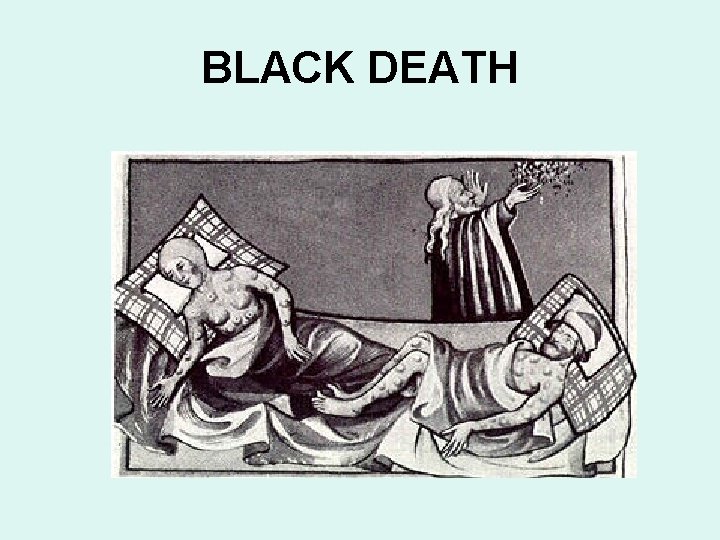
BLACK DEATH

Smallpox
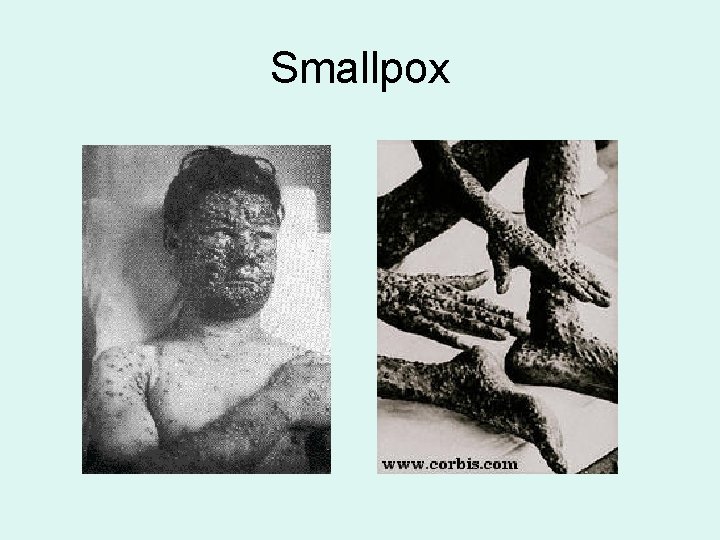
Smallpox
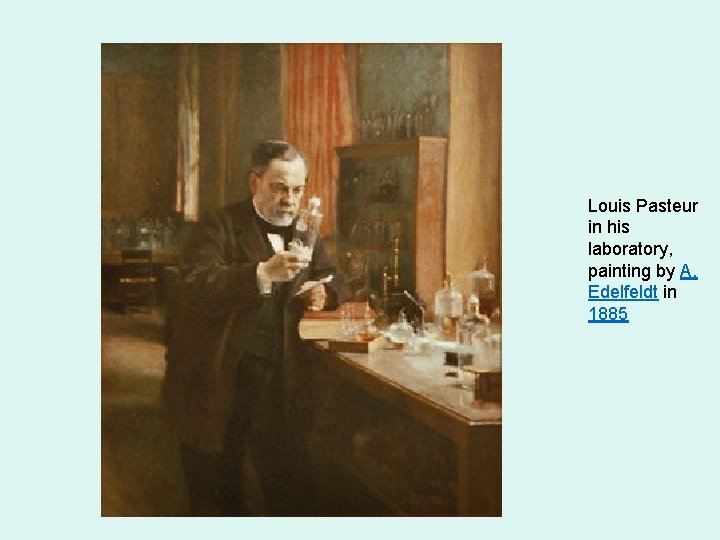
Louis Pasteur in his laboratory, painting by A. Edelfeldt in 1885
Louis Pasteur Beverage contamination led Pasteur to conclude that microorganisms infected animals and humans as well. He proposed preventing the entry of microorganisms into the human body, leading Joseph Lister to develop antiseptic methods in surgery.
1860 s: Joseph Lister used a chemical disinfectant to prevent surgical wound infections after looking at Pasteur’s work showing microbes are in the air, can spoil food, and cause animal diseases.
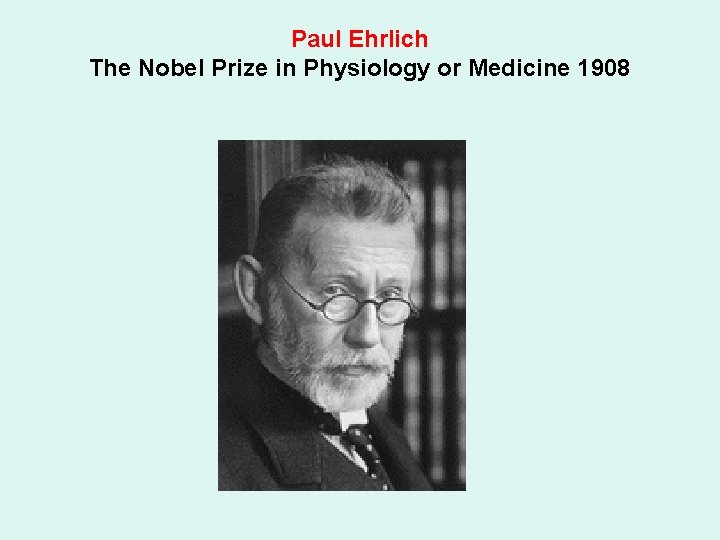
Paul Ehrlich The Nobel Prize in Physiology or Medicine 1908
Paul Ehrlich • 1910: developed a synthetic arsenic drug, salvarsan, to treat syphilis. • COINED TERM: CHEMOTHERAPY
Antimicrobial drugs 1) Drugs with non-selective action (antiseptic drugs) 2) Drugs with selective action (chemotherapeutic drugs)
Chemotherapy The goal of chemotherapeutic treatment is to selectively attenuate or destroy pathogenic micro-organisms or cells with minimal side effects to the host. These targeted cells or organisms may be bacteria, viruses, protozoans, fungi, helminths, or tumor cells.
Classification of chemotherapeutical drugs • • Antibiotics Sulfanilamides Synthetic antimicrobial drugs Antitubercular drugs Antiviral drugs Antiprotozoal drugs Anthelmintics
Principles of chemotherapy • Previous antibiotic therapy, e. g. symptoms have not responded
Principles of chemotherapy Identify the microorganisms responsible or likely to be responsible for the symptoms (disease).
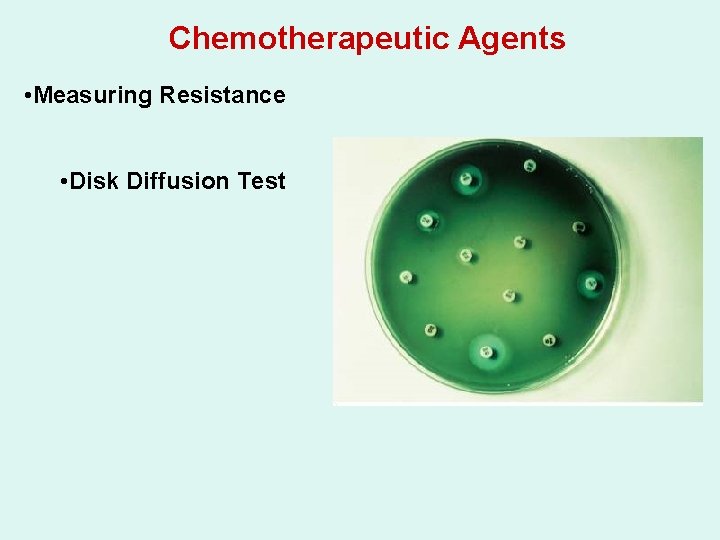
Chemotherapeutic Agents • Measuring Resistance • Disk Diffusion Test
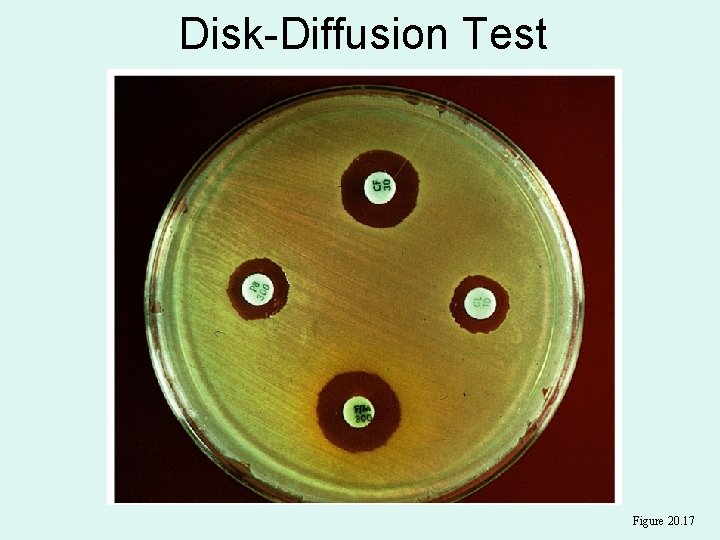
Disk-Diffusion Test Figure 20. 17
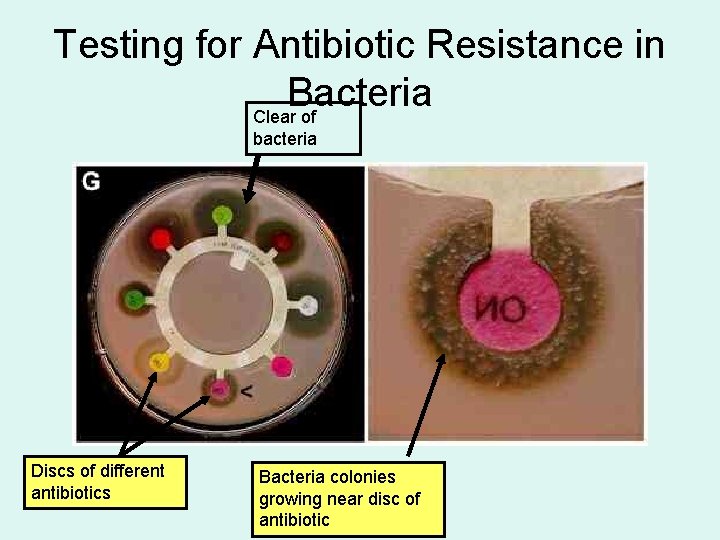
Testing for Antibiotic Resistance in Bacteria Clear of bacteria Discs of different antibiotics Bacteria colonies growing near disc of antibiotic
Principles of chemotherapy Use shock dozes of a preparation. It is a doze which in 2 -4 times above therapeutic and is appointed at once in the beginning of treatment.
Principles of chemotherapy Regular introduction of preparations in view of pharmacokinetics of substances.
Principles of chemotherapy Combinations of antimicrobial drugs – Some antibiotics work better together than alone
Principles of chemotherapy The prolonged treatment for the prevention of relapse of disease (within 2 -3 days after disappearance of clinical attributes of disease).
ANTIBIOTICS
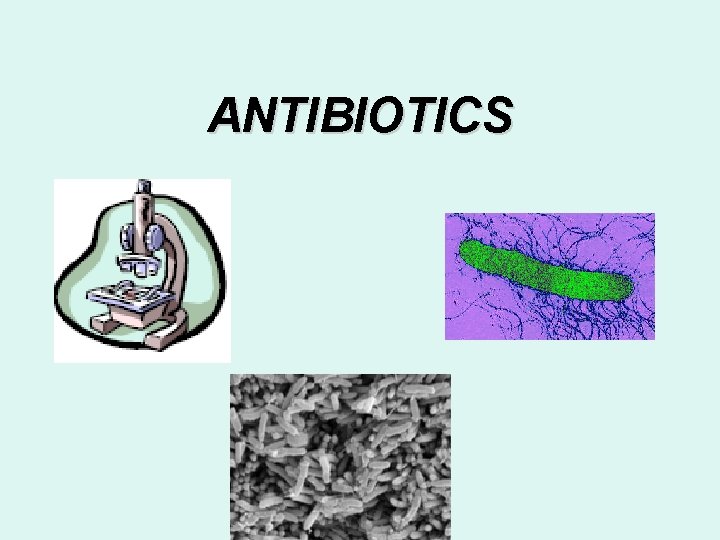
ANTIBIOTICS An antibiotic is a drug that kills or prevents the growth of bacteria. They have no effect against viruses or fungal infections. Technically, antibiotics are microbial or fungal products. But these substances can be synthesized and mass produced in the laboratory to use against harmful microorganisms in the environment.
ANTIBIOTICS • Many ancient cultures, including the ancient Egyptians, ancient Greeks and ancient Chinese, already used moulds and plants to treat infections. This worked because some moulds produce antibiotic substances. However, they couldn't distinguish or distill the active component in the moulds.
Characteristics of Antibiotics • It must be able to reach the part of the human body where the infection is occurring.
History • The penicillins were the first antibiotics discovered as natural products from the mold Penicillium. In 1928, Sir Alexander Fleming, professor of bacteriology at St. Mary's Hospital in London, was culturing Staphylococcus aureus. He noticed zones of inhibition where mold spores were growing. He named the mold Penicillium rubrum. It was determined that a secretion of the mold was effective against Gram -positive bacteria.
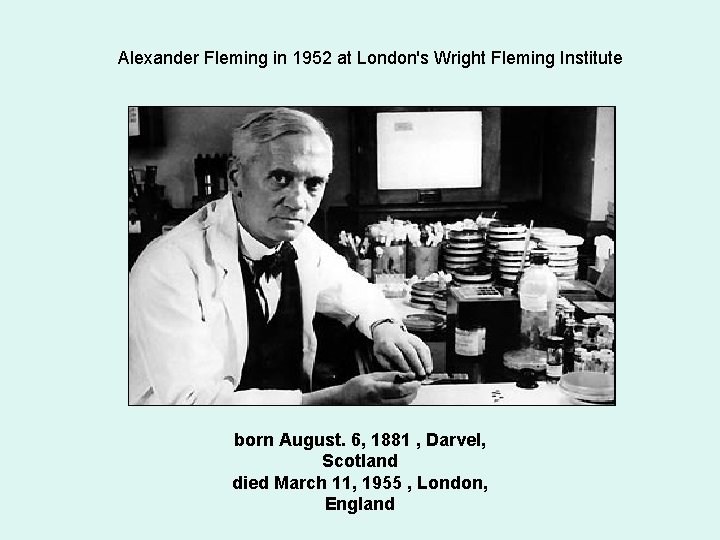
Alexander Fleming in 1952 at London's Wright Fleming Institute born August. 6, 1881 , Darvel, Scotland died March 11, 1955 , London, England
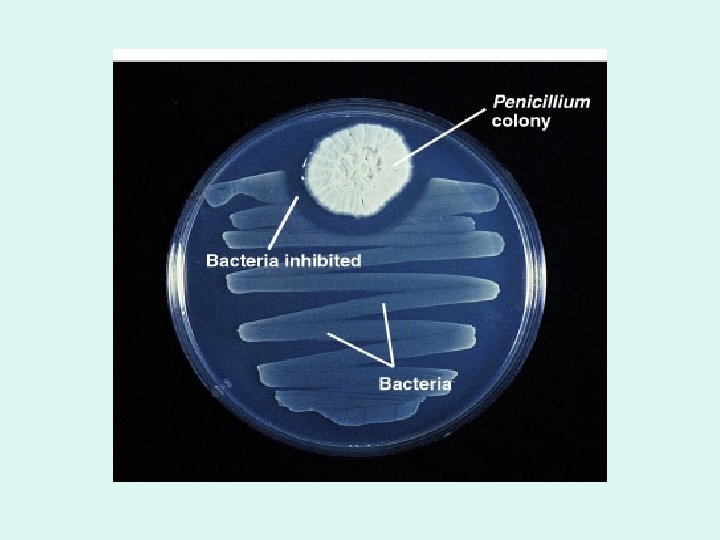
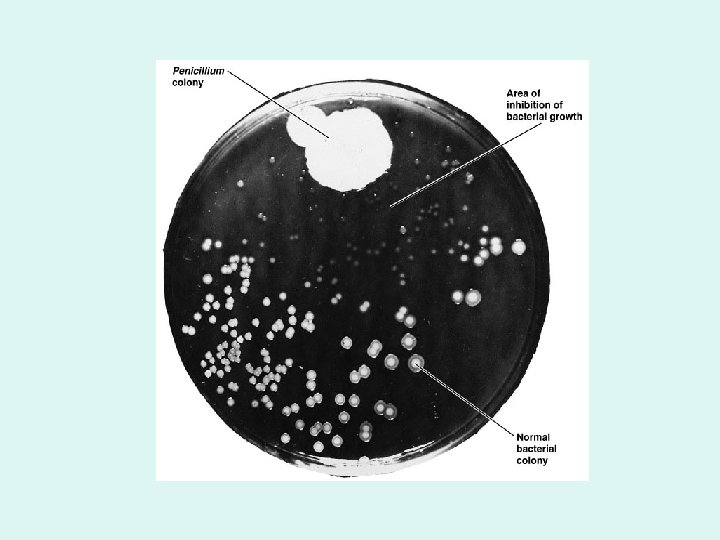
• Florey and Chain developed a system of growing penicillin: which was complicated initially, and tested its effectiveness on mice. The tests were successful and the two men became convinced that the drug would cure many people who would otherwise die.
![Selman Waksman born July 22, 1888, Priluka, Ukraine, Russian Empire [now Pryluky, Ukraine] died](http://slidetodoc.com/presentation_image_h2/a8bb20ee3175f160fd37f59f91f342d1/image-38.jpg "Selman Waksman born July 22, 1888, Priluka, Ukraine, Russian Empire [now Pryluky, Ukraine] died")
Selman Waksman born July 22, 1888, Priluka, Ukraine, Russian Empire [now Pryluky, Ukraine] died Aug. 16, 1973, Hyannis, Mass. , U. S. Isolated streptomycin from soil bacteria Streptomyces. Effective against Mycobacterium tuberculosis and gram negatives.
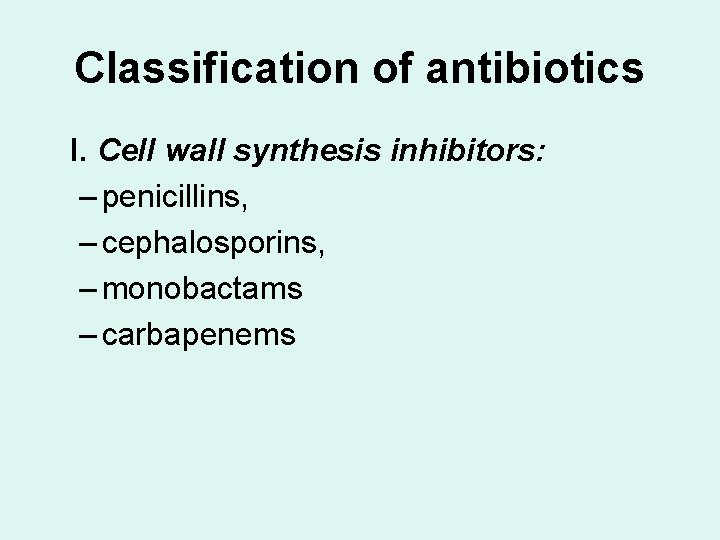
Classification of antibiotics I. Cell wall synthesis inhibitors: – penicillins, – cephalosporins, – monobactams – carbapenems
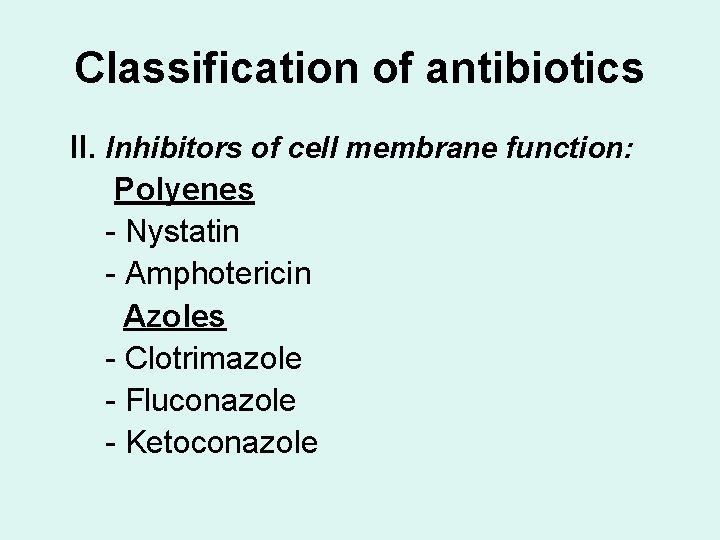
Classification of antibiotics II. Inhibitors of cell membrane function: Polyenes - Nystatin - Amphotericin Azoles - Clotrimazole - Fluconazole - Ketoconazole
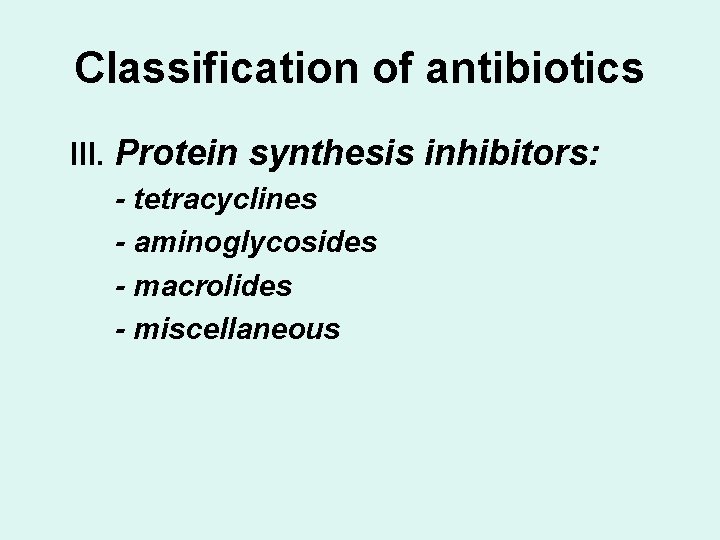
Classification of antibiotics III. Protein synthesis inhibitors: - tetracyclines - aminoglycosides - macrolides - miscellaneous
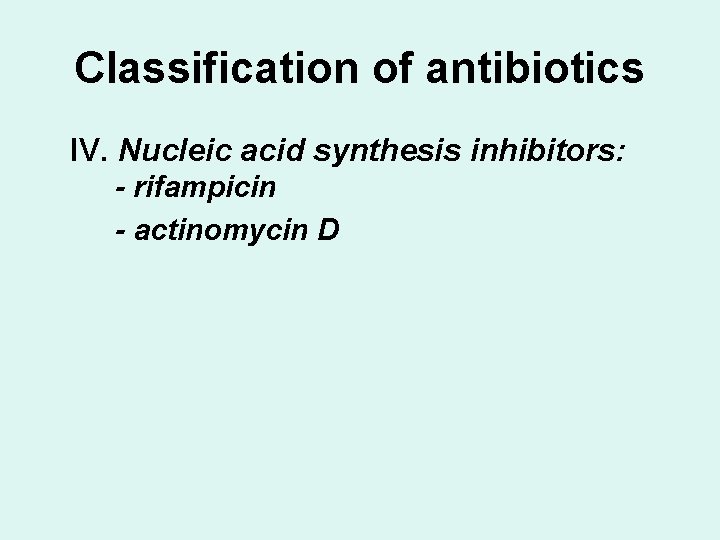
Classification of antibiotics IV. Nucleic acid synthesis inhibitors: - rifampicin - actinomycin D
PENICILLINS
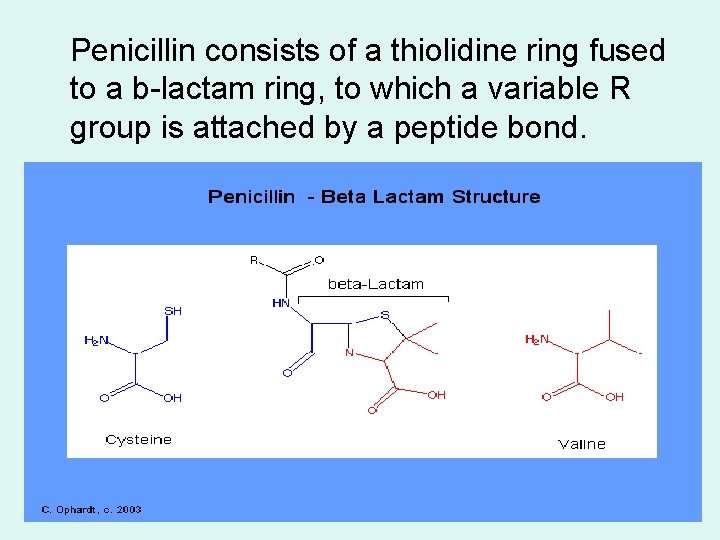
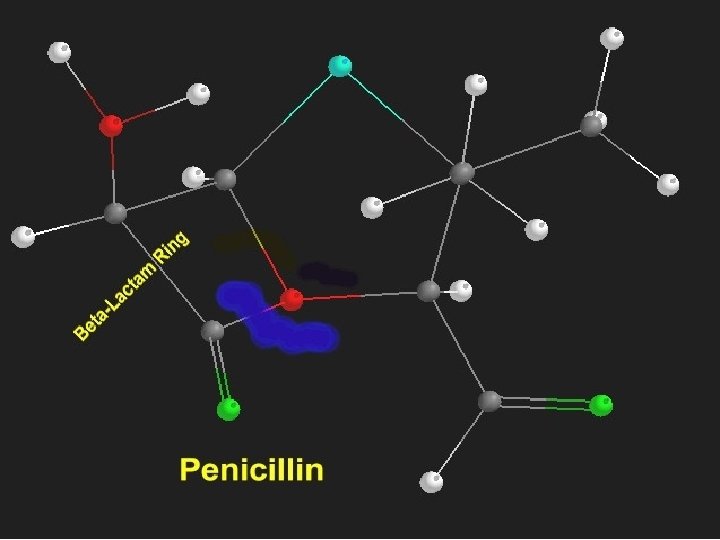
Penicillin consists of a thiolidine ring fused to a b-lactam ring, to which a variable R group is attached by a peptide bond.
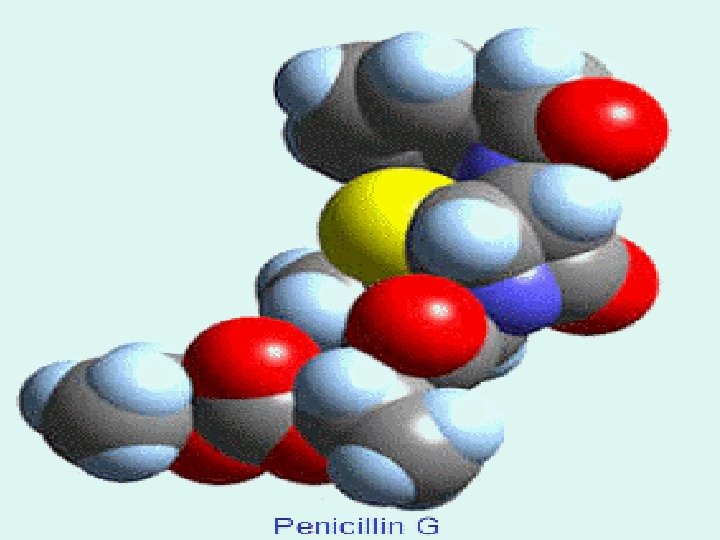
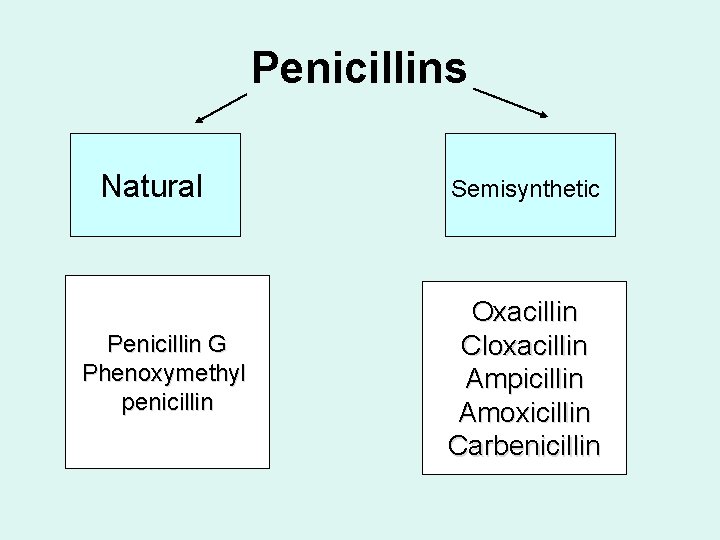
Penicillins Natural Penicillin G Phenoxymethyl penicillin Semisynthetic Oxacillin Cloxacillin Ampicillin Amoxicillin Carbenicillin
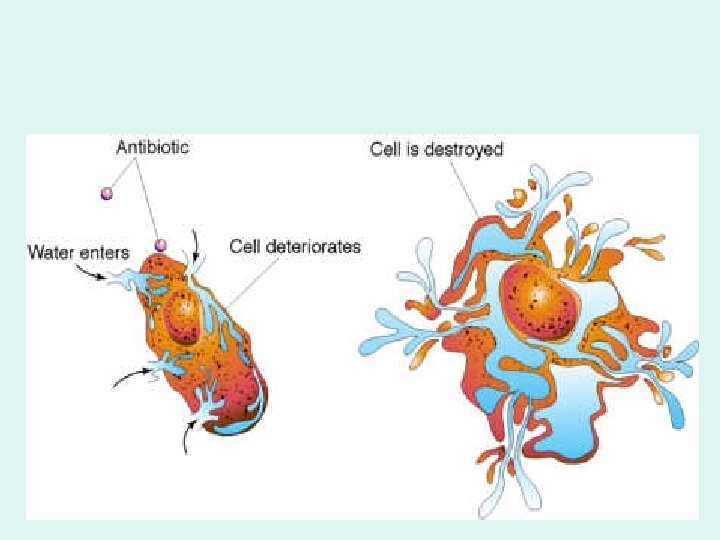
Mechanism of action The cell walls of bacteria are essential for their normal growth and development. Peptidoglycan is a heteropolymeric component of the cell wall that provides rigid mechanical stability by virtue of its highly cross-linked latticework structure.
Mechanism of action Last step in peptidoglycan synthesis is inhibited by penicillins. Penicillins irreversibly inhibits the enzyme transpeptidase. This reaction is irreversible and so the growth of the bacterial cell wall is inhibited.
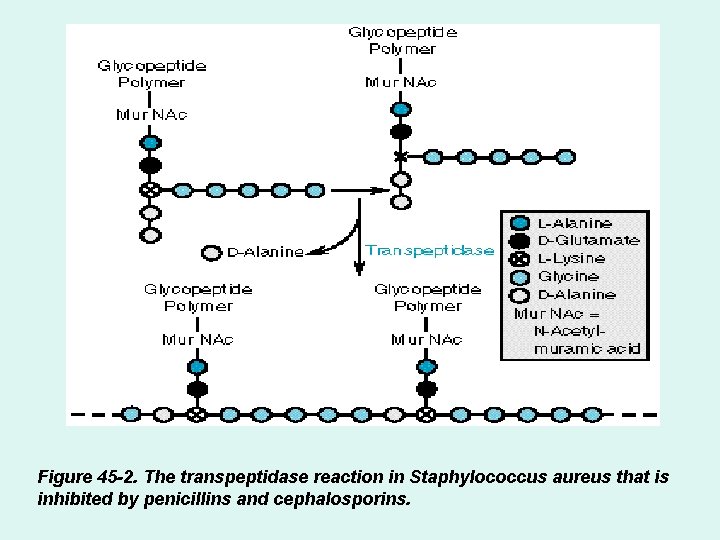
Figure 45 -2. The transpeptidase reaction in Staphylococcus aureus that is inhibited by penicillins and cephalosporins.
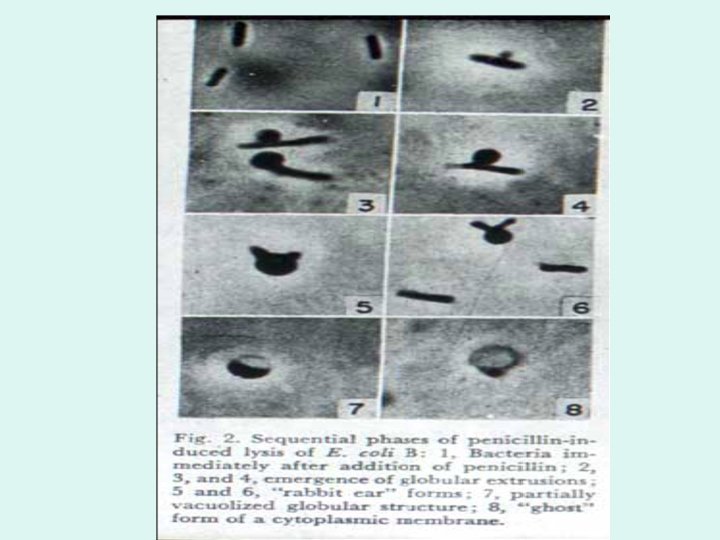
Penicillin (Penicillin G) Effective Against: Staphylococci and streptococci non-beta-lactamase producing, Bacillus anthracis, enterococci, Meningococci, Actinomyces, Spirochetes, Clostridium, Gram-positive rods.
Penicillin (Penicillin G) Preparation of fast and short action (only 3 -4 hours). It is unstable in sour. It is entered only parenteral intramuscularly, and at heavy infections and intravenously. It is destroyed by microbial enzymes – beta-lactamases.
Phenoxymethyl penicillin • • Preparation of fast and short action. It is stable in sour. Used orally. It is destroyed by microbial enzymes – beta-lactamases.
Oxacillin • Preparation of fast and short action. • It is stable in sour. • It is entered orally or parenteral (intramuscularly). • It is stable to microbial beta-lactamases action.
Ampicillin • It is water soluble and acid resistent. • It is entered orally or parenteral (intramuscularly). • It is destroyed by microbial enzymes – beta-lactamases. • But: It is highly effective against Gramnegative bacteria.
Amoxicillin • This is derivative of ampicilline. • Absorbed better. • Has broad spectrum of antibacterial activity.
• Because of the high use of penicillin, some bacteria have developed resistance by producing molecules that can disable penicillin. Penicillinase (beta-lactomase) is an enzyme produced by certain penicillinresistant bacteria which reacts irreversibly with the b-lactam ring.
• Scientists have responded with other drugs that inturn react and disable penicillinase. One such drug is clavulanic acid. This compound irreversibly binds to penicillinase and prevent the enzyme from working. Therefore, sometimes clavulanic acid is given along with one of the semisynthetic penicillins.
Clavulanic acid, Sulbactam • Clavulanic acid and sulbactam are potent inhibitors of many bacterial ß-lactamases. • These agents are given together with hydrolyzable penicillins to protect them from inactivation. • Amoxicillin + clavulanic acid = amoxiclav
Adverse effects • Hypersensitivity Reactions. Hypersensitivity reactions are by far the most common adverse effects noted with the penicillins, and these agents probably are the most common cause of drug allergy.

Penicillins: Adverse Effects • Allergic reactions occur in 0. 7% to 8% of cases – Urticaria, pruritus, angioedema • 10% of allergic reactions are life threatening – 10% of these are fatal
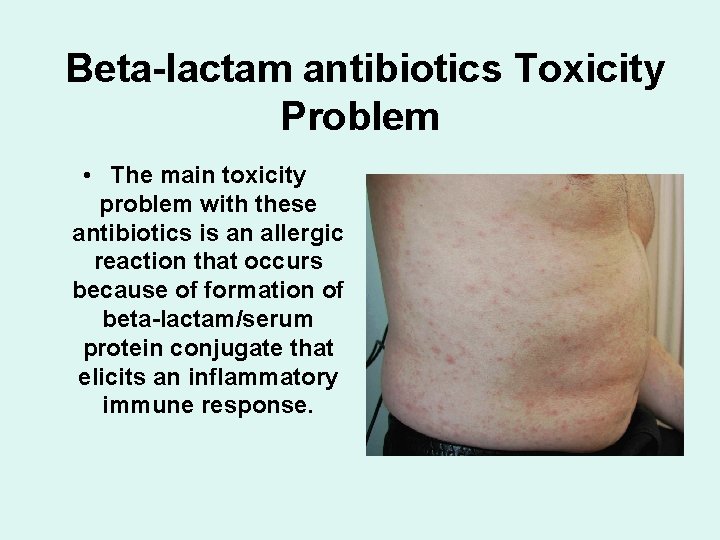
Beta-lactam antibiotics Toxicity Problem • The main toxicity problem with these antibiotics is an allergic reaction that occurs because of formation of beta-lactam/serum protein conjugate that elicits an inflammatory immune response.
Penicillins: Side Effects • Common side effects – Nausea, vomiting, diarrhea, abdominal pain • Other side effects are less common
- Slides: 65