
AntigenAntibody Interaction Dr Mariam Alomari Medical immunology M
Antigen-Antibody Interaction Dr. Mariam Alomari Medical immunology M 215 Lecture 4
Antigen-Antibody interactions Characterized as: Non-covalent interaction (similar to “lock and key” fit of enzyme-substrate) Does not lead to irreversible alteration of Ag or Ab This exact and specific interaction has led to many immunological assays used to: Ødetect Ag or Ab Ødiagnose disease Ømeasure magnitude of humoral IR
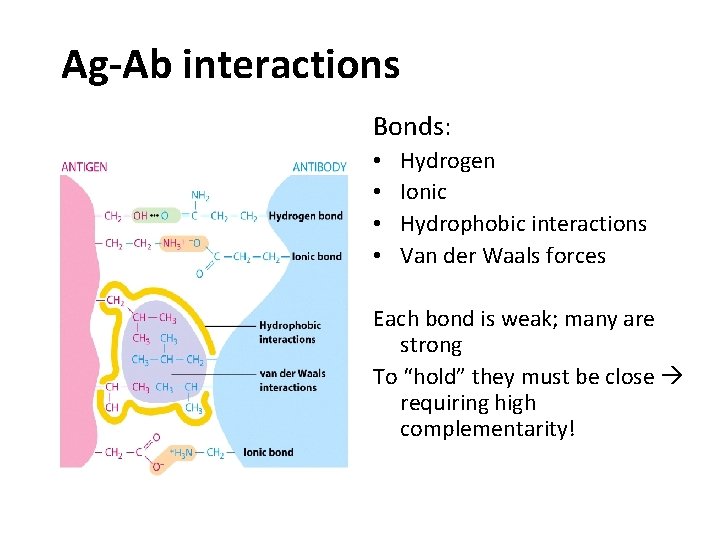
Ag-Ab interactions Bonds: • • Hydrogen Ionic Hydrophobic interactions Van der Waals forces Each bond is weak; many are strong To “hold” they must be close requiring high complementarity!
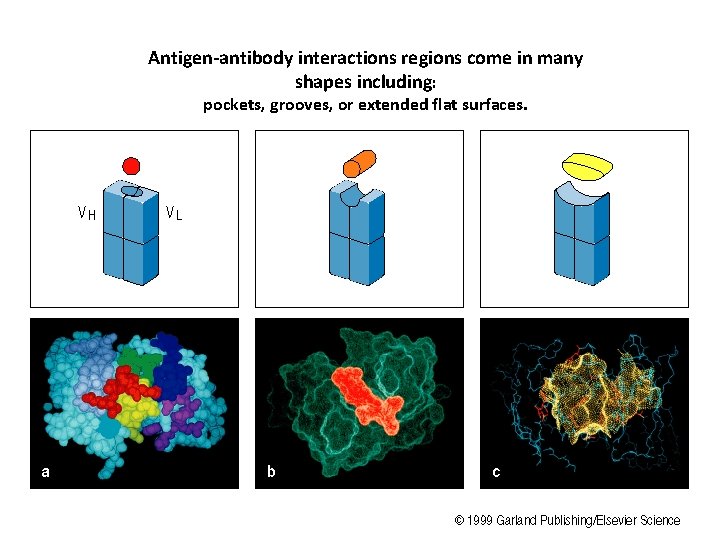
Antigen-antibody interactions regions come in many shapes including: pockets, grooves, or extended flat surfaces.
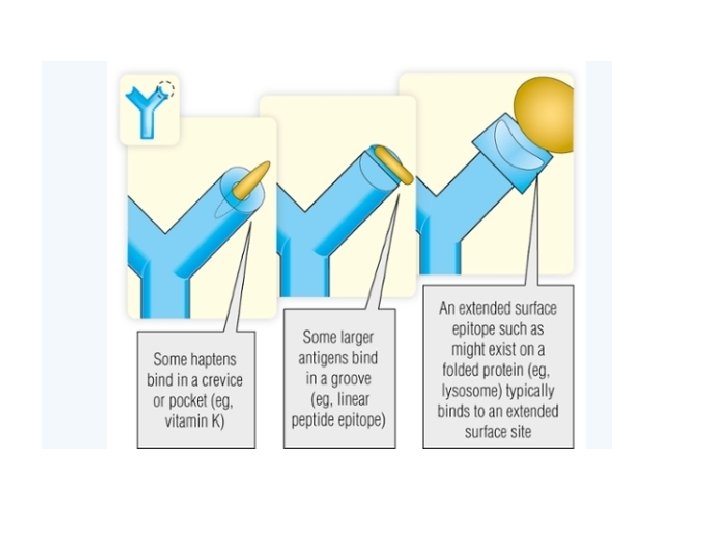

Cross-Reactivity An antibody occasionally binds to more than one antigen, which is referred to as cross-reactivity or multispecificity
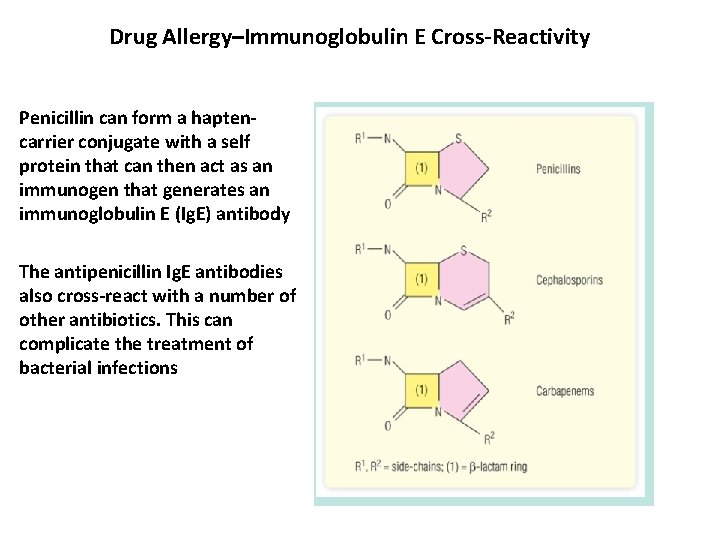
Drug Allergy–Immunoglobulin E Cross-Reactivity Penicillin can form a haptencarrier conjugate with a self protein that can then act as an immunogen that generates an immunoglobulin E (Ig. E) antibody The antipenicillin Ig. E antibodies also cross-react with a number of other antibiotics. This can complicate the treatment of bacterial infections

Antigen-Antibody Interactions • Quality and quantity are important in resolution of disease • May contribute to pathology • Useful in immunological assays
Immunoassays I • Enzyme linked immunosorbent assay (ELISA)- Highly sensitive. Uses solid phase polyvinyl or polystyrine microtiter plates to adsorb antigen on their surfaces. • Uses a covalent complex of an enzyme linked to an antibody • The enzyme chosen is one that is capable of catalyzing a reaction to generate a colored product from a colorless substrate (e. g. , alkaline phosphatase or horseradish peroxidase) 9
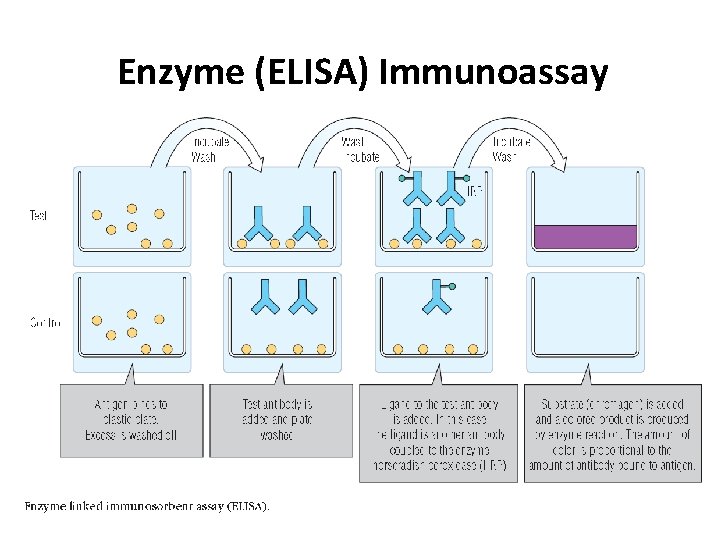
Enzyme (ELISA) Immunoassay
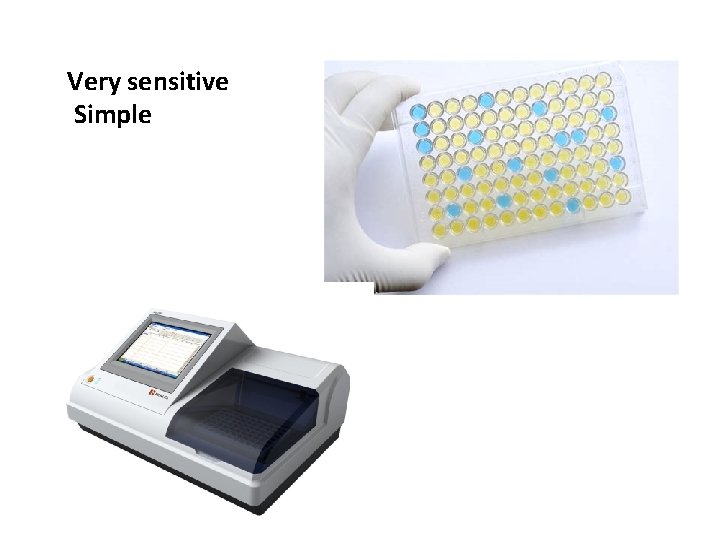
Very sensitive Simple
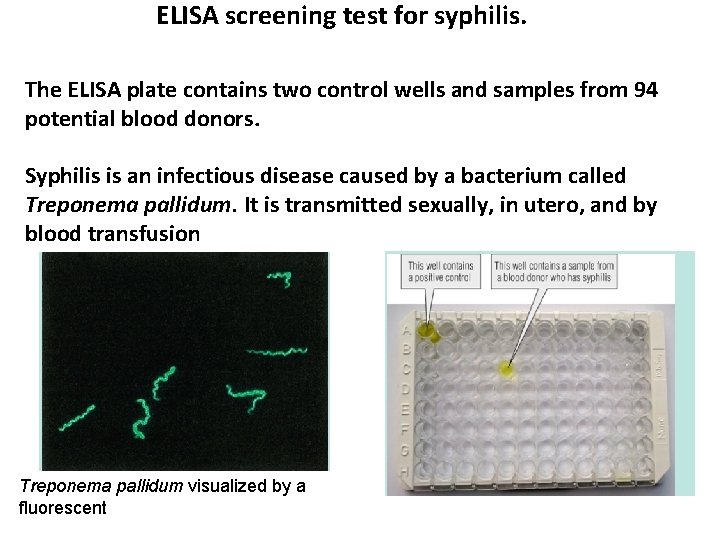
ELISA screening test for syphilis. The ELISA plate contains two control wells and samples from 94 potential blood donors. Syphilis is an infectious disease caused by a bacterium called Treponema pallidum. It is transmitted sexually, in utero, and by blood transfusion Treponema pallidum visualized by a fluorescent
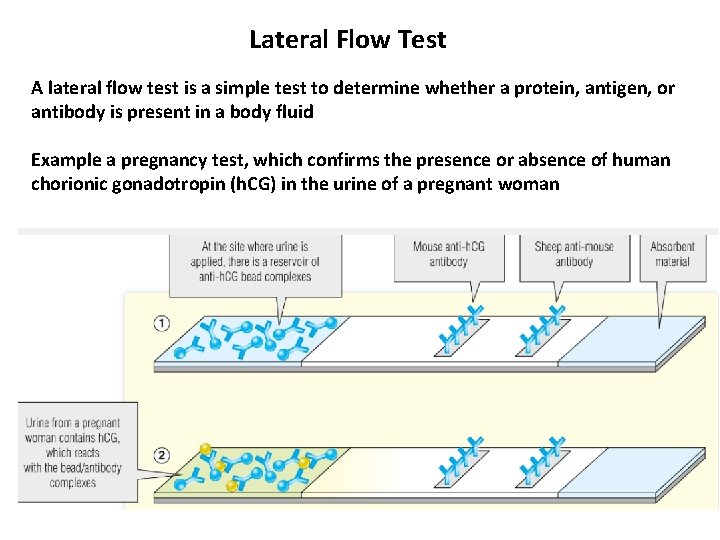
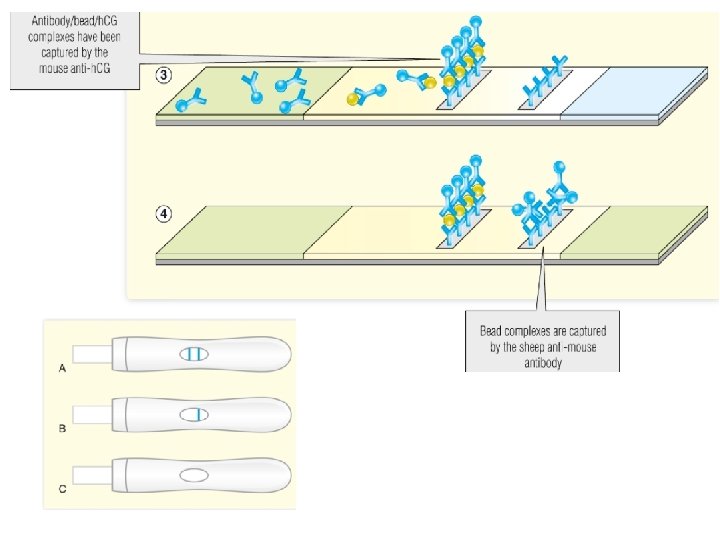
Lateral Flow Test A lateral flow test is a simple test to determine whether a protein, antigen, or antibody is present in a body fluid Example a pregnancy test, which confirms the presence or absence of human chorionic gonadotropin (h. CG) in the urine of a pregnant woman
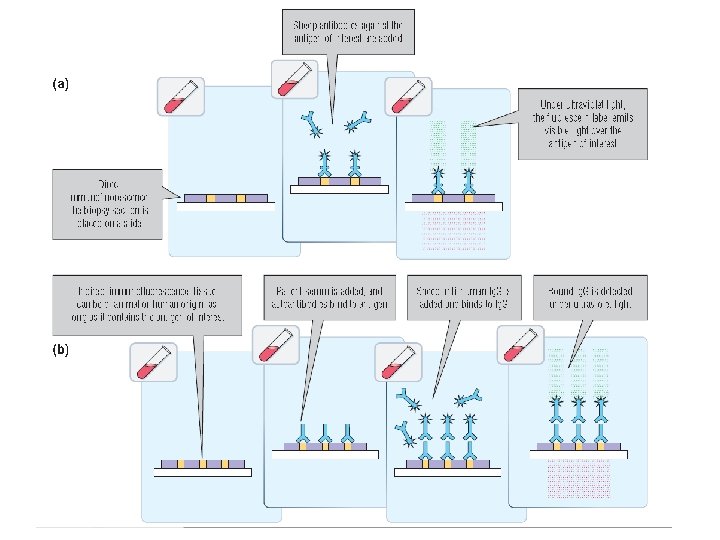
Immunoassays III Immunofluorescence • Uses antibodies to which fluorescent compounds (fluorochromes) covalently attached. • One fluorescent compound that is widely used is fluorescein isothiocyanate (FITC), which couples to free amino groups on proteins It emits a greenish light when exposed to ultraviolet light
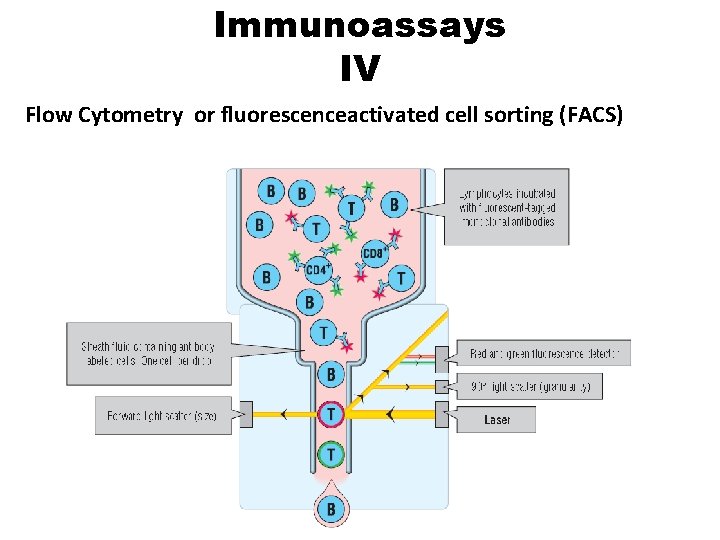
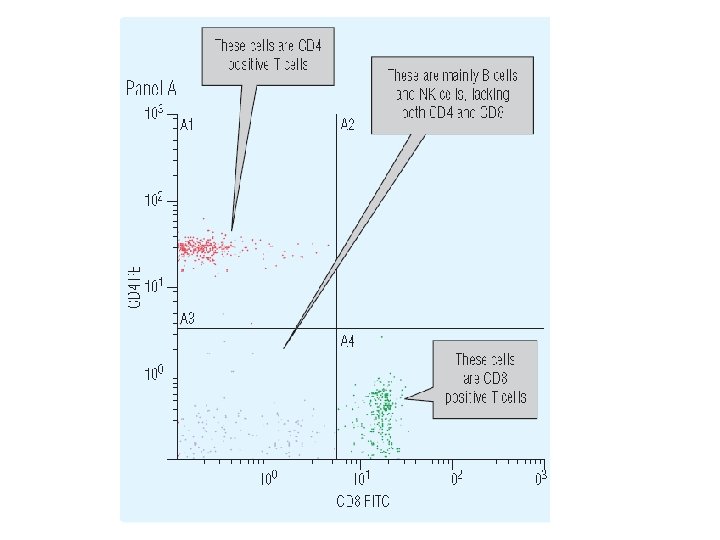
Immunoassays IV Flow Cytometry or fluorescenceactivated cell sorting (FACS)
- Slides: 18