
Antidiabetic Drugs Criteria for Diagnosis of DM DM
Antidiabetic Drugs

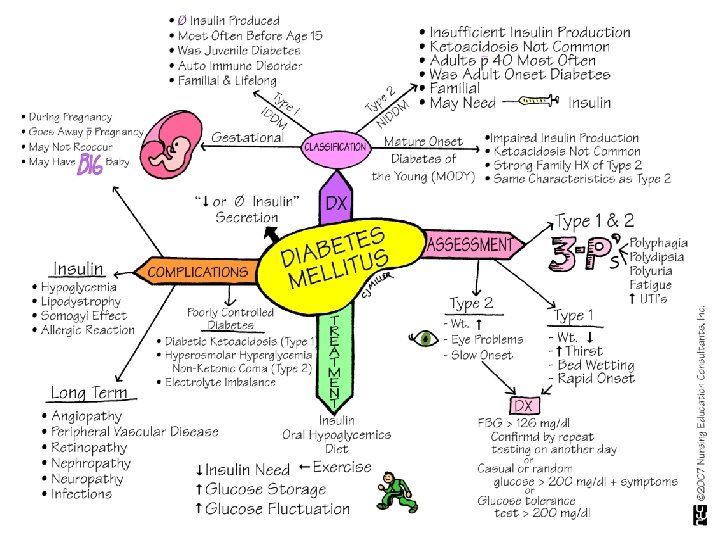
Criteria for Diagnosis of DM DM Screening Symptoms of diabetes + casual plasma glucose level less than or equal to 200 mg/d. L OR Fasting plasma glucose higher than or equal to 126 mg/d. L OR 2 -hour postload glucose level higher than or equal to 200 mg/d. L during an oral glucose tolerance test Impaired glucose tolerance (IGT) ◦ FPG <110 mg/d. L: normal fasting glucose ◦ FPG ≥ 110 mg/d. L but <126 mg/d. L: impaired fasting glucose (IFG) ◦ FPG ≥ 126 mg/d. L: provisional diagnosis of diabetes mellitus
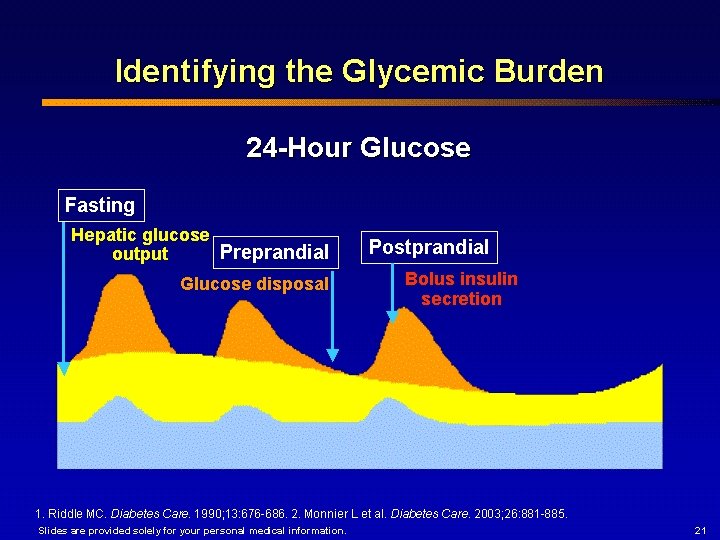
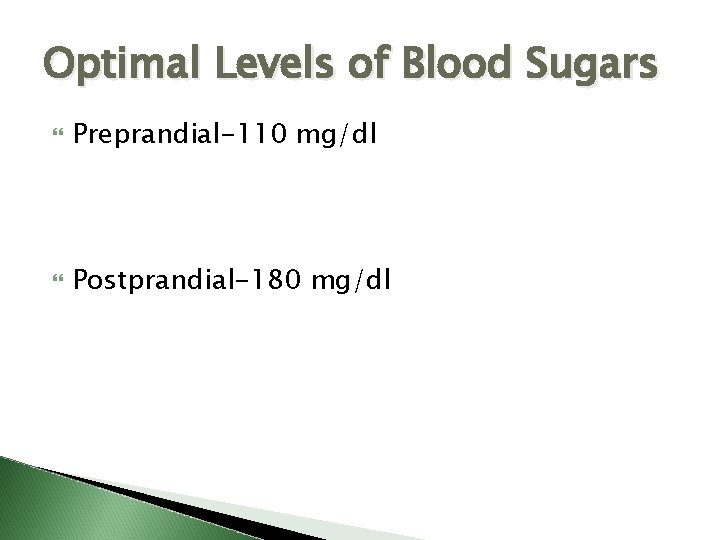
Optimal Levels of Blood Sugars Preprandial-110 mg/dl Postprandial-180 mg/dl
Diabetes Mellitus Facts Of the 16 million Americans – 5 million are probably unaware they 2, 000 per day are diagnosed with DM Causes 200, 000 deaths annually 6 th leading cause of death Leading cause of blindness Causes >50% of nontraumatic lower-limb amputations Leading cause of end stage renal disease
Diabetes Mellitus Two types ◦ Type 1 ◦ Type 2
Type 1 Diabetes Mellitus Lack of insulin production OR Production of defective insulin Affected patients need exogenous insulin Complications ◦ Diabetic ketoacidosis (DKA) ◦ Hyperosmolar nonketotic syndrome Oral antidiabetic drugs not effective

Diabetes Mellitus Symptoms ◦ ◦ ◦ ◦ Polyuria Polydipsia Polyphagia Glycosuria Unexplained weight loss Fatigue Hyperglycemia
Type 2 Diabetes Mellitus Most common type Caused by insulin deficiency and insulin resistance Many tissues are resistant to insulin ◦ Reduced number insulin receptors ◦ Insulin receptors less responsive
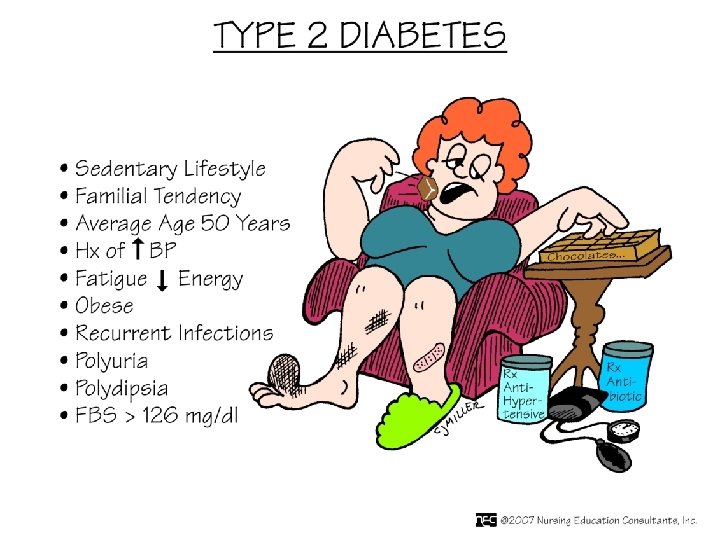
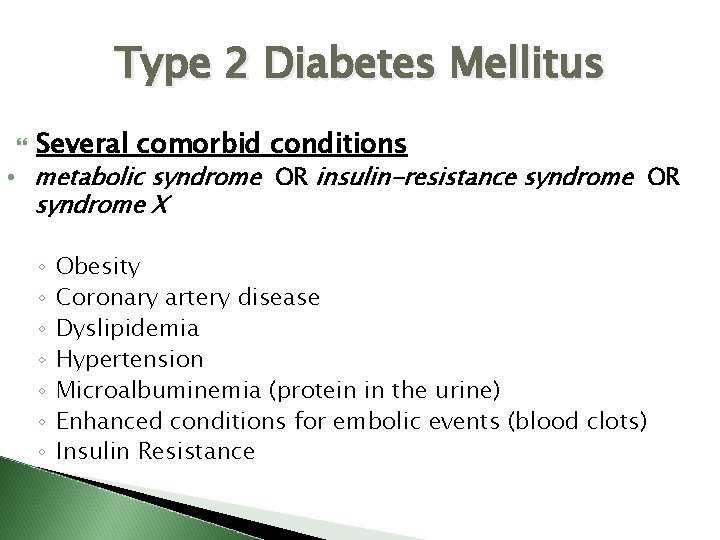
Type 2 Diabetes Mellitus Several comorbid conditions • metabolic syndrome OR insulin-resistance syndrome OR syndrome X ◦ ◦ ◦ ◦ Obesity Coronary artery disease Dyslipidemia Hypertension Microalbuminemia (protein in the urine) Enhanced conditions for embolic events (blood clots) Insulin Resistance
Treatment DIfferences Type 1 ◦ Exogenous insulin ◦ Dietary control Type 2 ◦ Lifestyle changes Dietary control Weight reduction Exercise ◦ May require oral hypoglycemic therapy or exogenous insulin ◦ Insulin when oral hypoglycemic medications can no longer provide glycemic control
Gestational Diabetes ◦ Hyperglycemia that develops during pregnancy ◦ Insulin must be given to prevent birth defects ◦ 4% of all pregnancies ◦ Must be reclassified if it persists 6 weeks post -delivery ◦ Usually subsides after delivery ◦ 30% of patients may develop Type 2 DM within 10 to 15 years
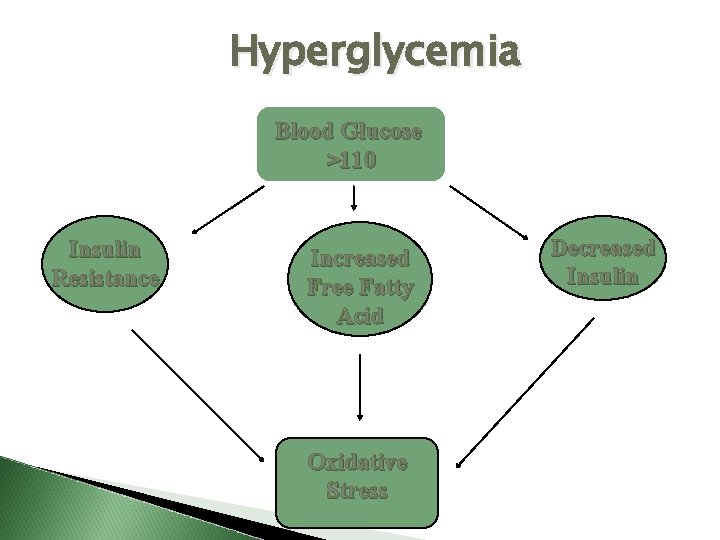
Hyperglycemia Blood Glucose >110 Insulin Resistance Increased Free Fatty Acid Oxidative Stress Decreased Insulin
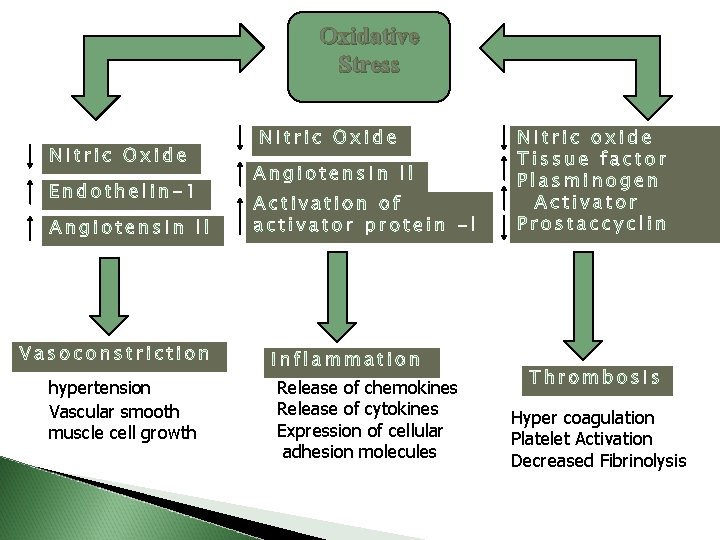
Oxidative Stress hypertension Vascular smooth muscle cell growth Release of chemokines Release of cytokines Expression of cellular adhesion molecules Hyper coagulation Platelet Activation Decreased Fibrinolysis
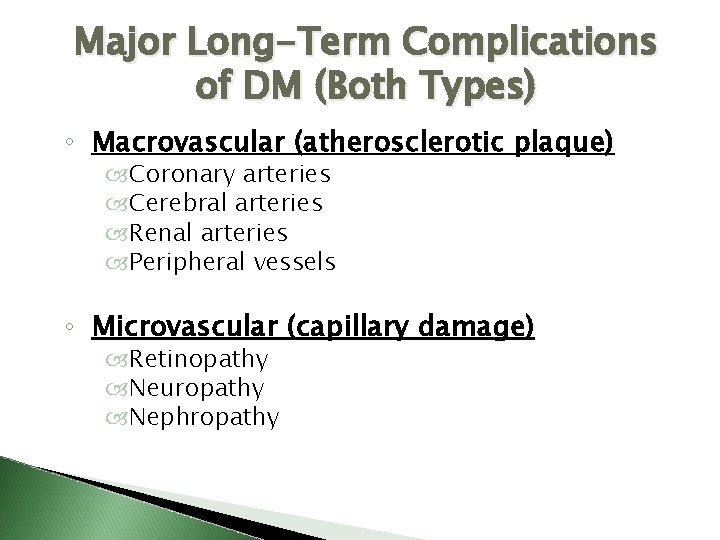
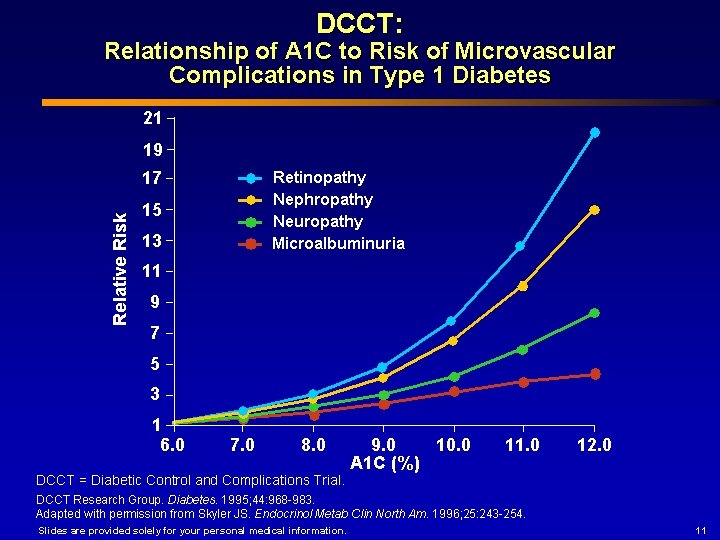
Major Long-Term Complications of DM (Both Types) ◦ Macrovascular (atherosclerotic plaque) Coronary arteries Cerebral arteries Renal arteries Peripheral vessels ◦ Microvascular (capillary damage) Retinopathy Neuropathy Nephropathy
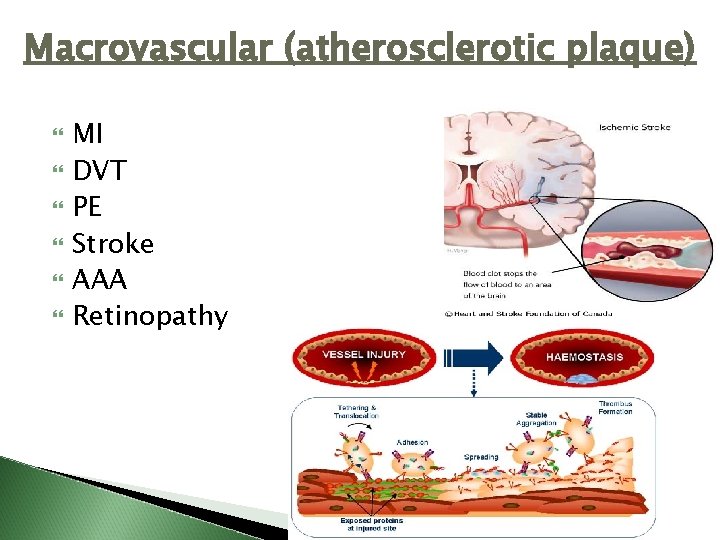
Macrovascular (atherosclerotic plaque) MI DVT PE Stroke AAA Retinopathy
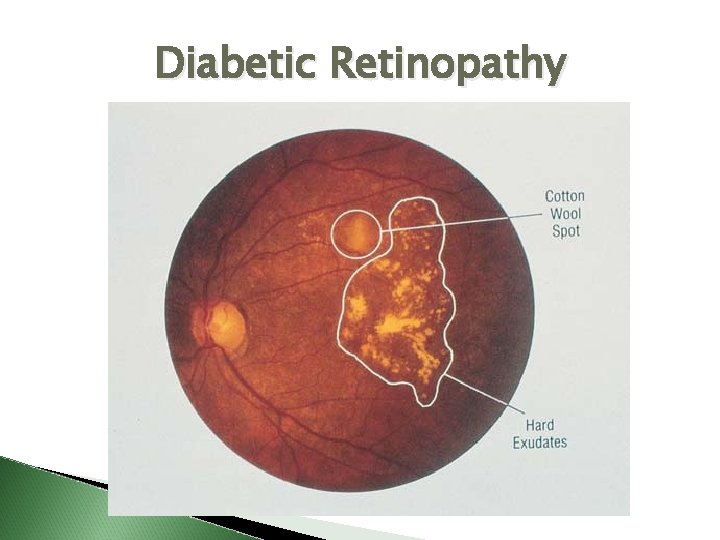
Diabetic Retinopathy
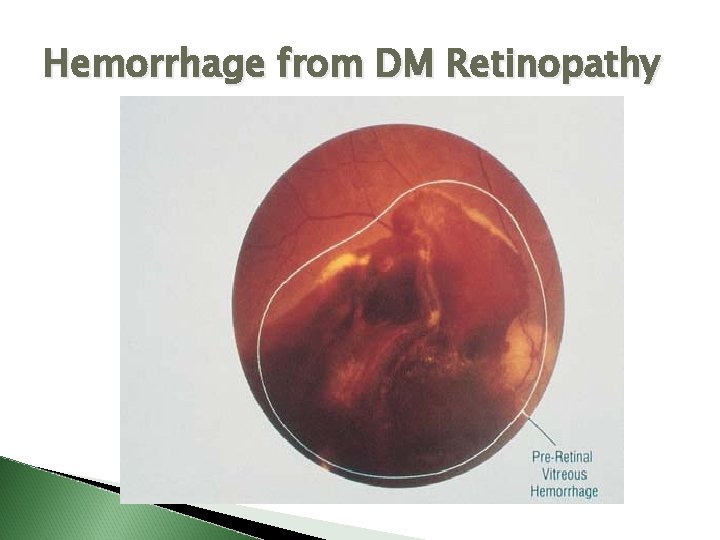
Hemorrhage from DM Retinopathy
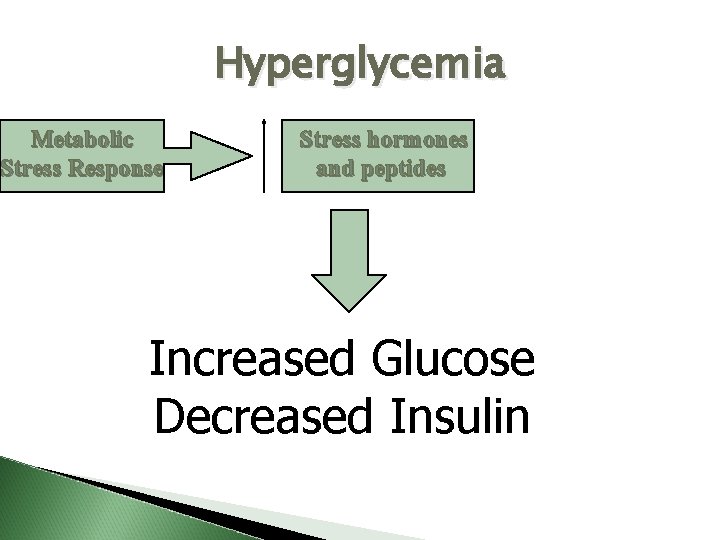
Hyperglycemia Metabolic Stress Response Stress hormones and peptides Increased Glucose Decreased Insulin
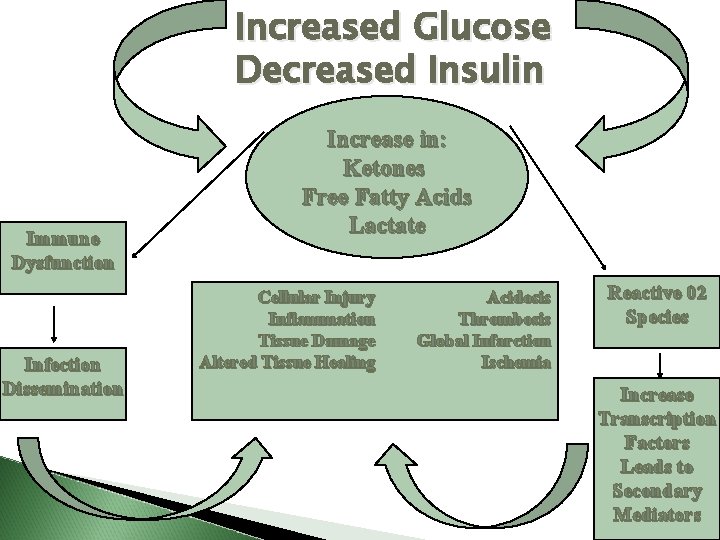
Increased Glucose Decreased Insulin Immune Dysfunction Infection Dissemination Increase in: Ketones Free Fatty Acids Lactate Cellular Injury Inflammation Tissue Damage Altered Tissue Healing Acidosis Thrombosis Global Infarction Ischemia Reactive 02 Species Increase Transcription Factors Leads to Secondary Mediators
Complications Associated with Diabetes Mellitus Cardiovascular disease, including hypertension Peripheral vascular disease ◦ Delayed healing Visual defects, including blindness Renal disease Infection Neuropathies Impotence
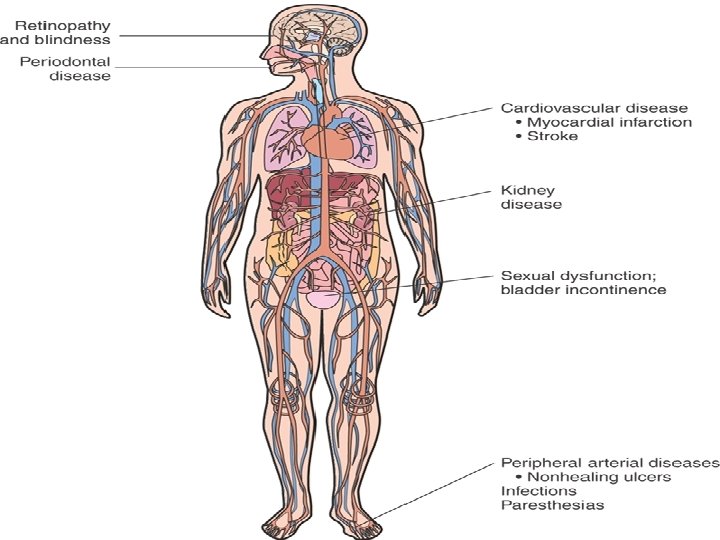
FIGURE 36 -1 Complications of diabetes mellitus. Mosby items and derived items © 2007, 2004 by Mosby, Inc. , an affiliate of Elsevier Inc.
Types of Antidiabetic Drugs Insulins Oral hypoglycemic drugs Both aim to produce normal blood glucose states
Insulins Substitute for & same effects as endogenous insulin Restores the diabetic patient’s ability to: ◦ Metabolize carbohydrates, fats, and proteins ◦ Store glucose in the liver ◦ Convert glycogen to fat stores Some derived from porcine sources Most now human-derived, using recombinant DNA technologies Goal: tight glucose control ◦ To reduce the incidence of long-term complications
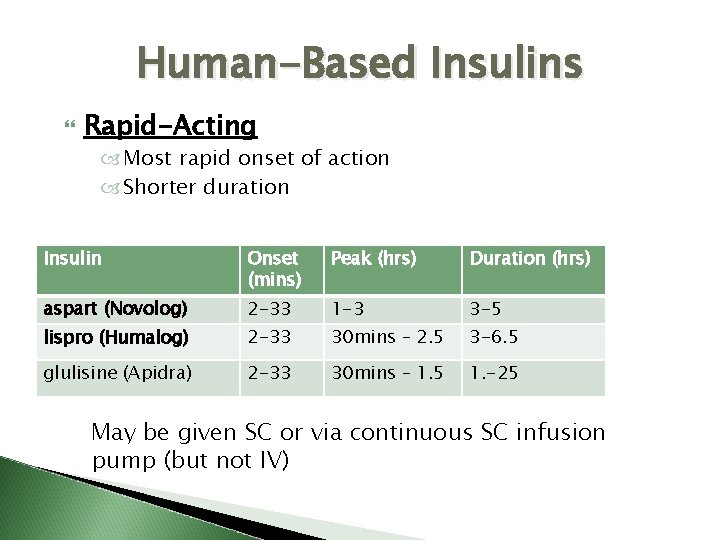
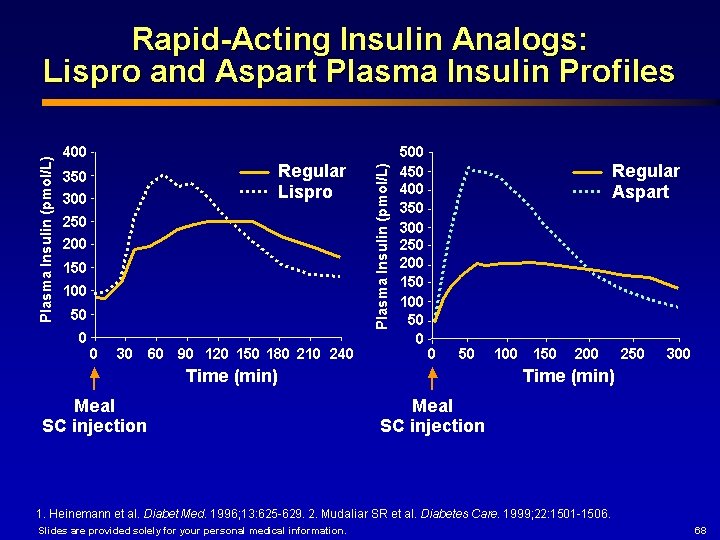
Human-Based Insulins Rapid-Acting Most rapid onset of action Shorter duration Insulin Onset (mins) Peak (hrs) Duration (hrs) aspart (Novolog) 2 -33 1 -3 3 -5 lispro (Humalog) 2 -33 30 mins – 2. 5 3 -6. 5 glulisine (Apidra) 2 -33 30 mins – 1. 5 1. -25 May be given SC or via continuous SC infusion pump (but not IV)
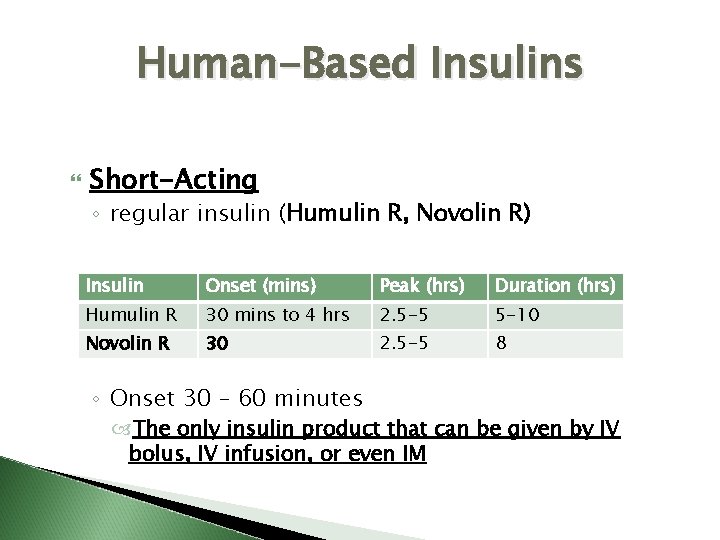
Human-Based Insulins Short-Acting ◦ regular insulin (Humulin R, Novolin R) Insulin Onset (mins) Peak (hrs) Duration (hrs) Humulin R 30 mins to 4 hrs 2. 5 -5 5 -10 Novolin R 30 2. 5 -5 8 ◦ Onset 30 – 60 minutes The only insulin product that can be given by IV bolus, IV infusion, or even IM
Sliding-Scale Insulin Dosing SC rapid or short-acting doses adjusted according to blood glucose test results Typically used in hospitalized diabetic patients ◦ Or in patients on TPN / enteral tube feedings or receiving steroids Subcutaneous insulin is ordered in an amount that increases as the blood glucose increases
Human-Based Insulins Intermediate-Acting ◦ isophane insulin suspension (also called NPH) (Humulin N, Novolin N) ◦ isophane insulin suspension & insulin injection (Humulin 50/50 , Humulin 70/30, Novolin 70 -30) ◦ Lispro protamine suspension (Humalog 75/25, Novolog Mix 70/30) ◦ insulin zinc suspension (Lente, Novolin L) Cloudy appearance Slower in onset and more prolonged duration than endogenous insulin

Human-Based Insulins Intermediate -Acting Insulin Onset (hrs) Peak (hrs) Duration (hrs) Isophane (NPH): Humulin N 1 -4 4 -12 16 -28 Novolin N 1 -5 4 -12 24 Humulin 50/50 0. 5 4 -8 24 Humulin 70/30 0. 5 4 -12 24 Novolin 70/30 0. 5 2 -12 24 Isophane & Insulin:
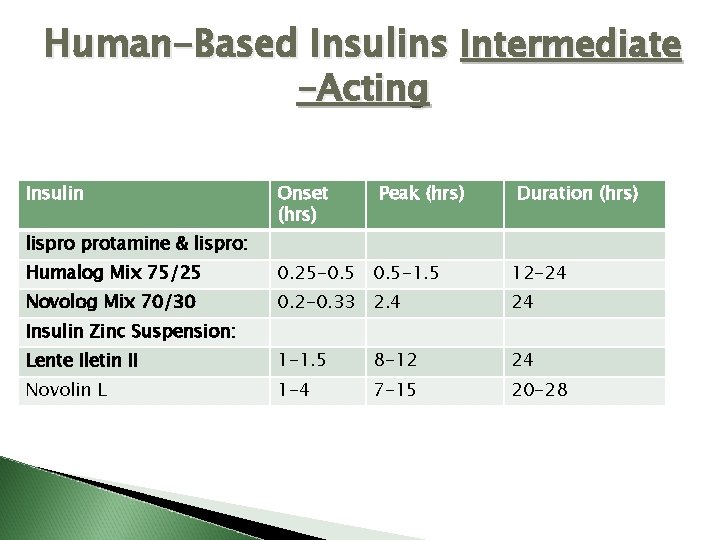
Human-Based Insulins Intermediate -Acting Insulin Onset (hrs) Peak (hrs) Duration (hrs) lispro protamine & lispro: Humalog Mix 75/25 0. 25 -0. 5 -1. 5 12 -24 Novolog Mix 70/30 0. 2 -0. 33 2. 4 24 Lente Iletin II 1 -1. 5 8 -12 24 Novolin L 1 -4 7 -15 20 -28 Insulin Zinc Suspension:
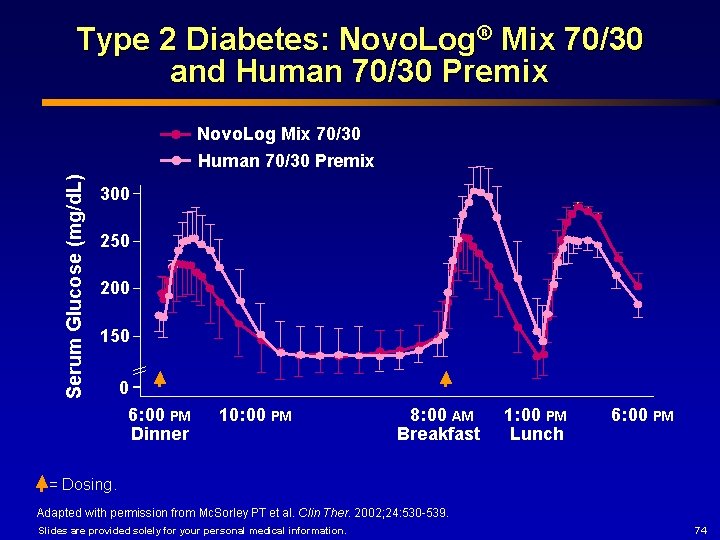
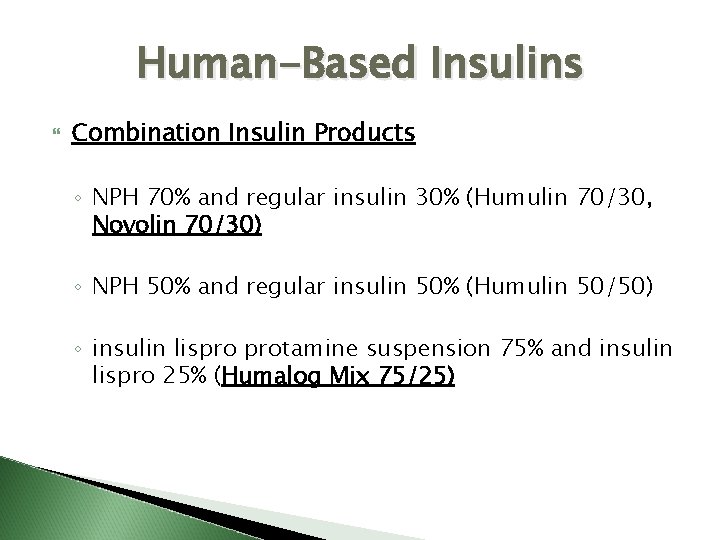
Human-Based Insulins Combination Insulin Products ◦ NPH 70% and regular insulin 30% (Humulin 70/30, Novolin 70/30) ◦ NPH 50% and regular insulin 50% (Humulin 50/50) ◦ insulin lispro protamine suspension 75% and insulin lispro 25% (Humalog Mix 75/25)
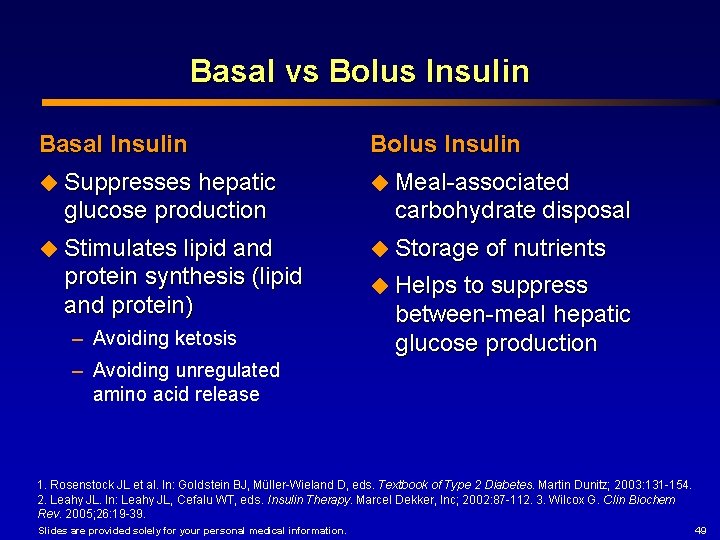
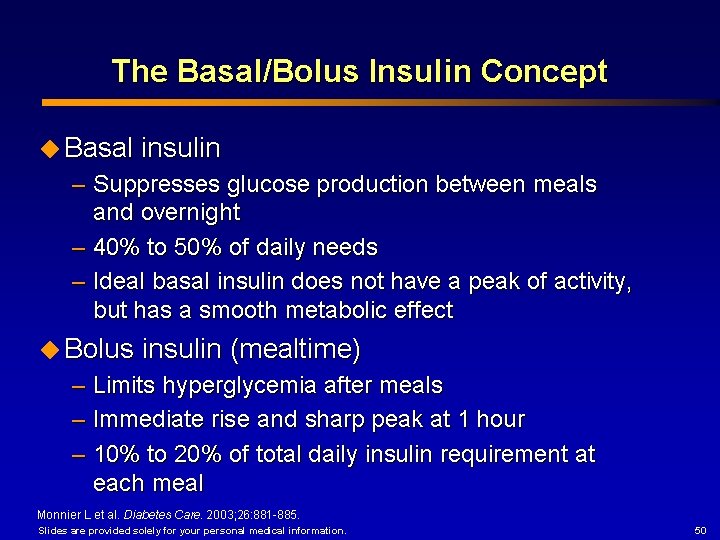
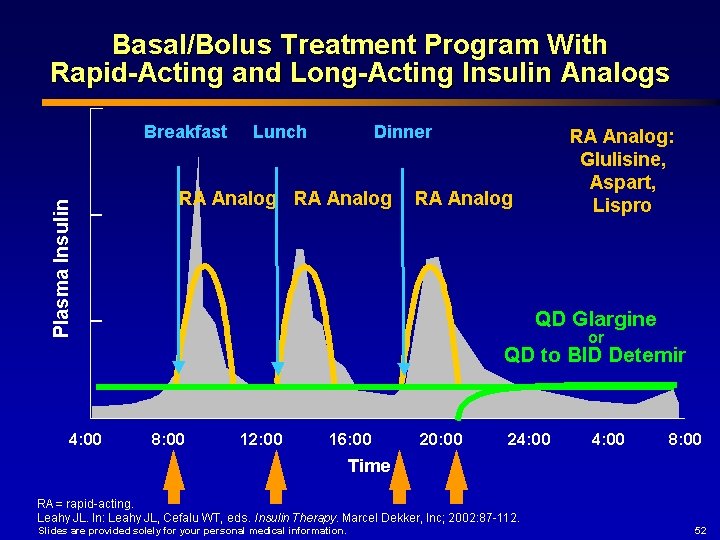
Human-Based Insulins Long-Acting Insulin Onset Peak Duration glargine (Lantus 1 No peak activity 24 (when administered at hs) detemir (Levemir) 1 6 -8 6 -28
Hb. A 1 c It is a test that allows healthcare providers to see how diabetics have managed their blood glucose level over the last 2 -3 months….
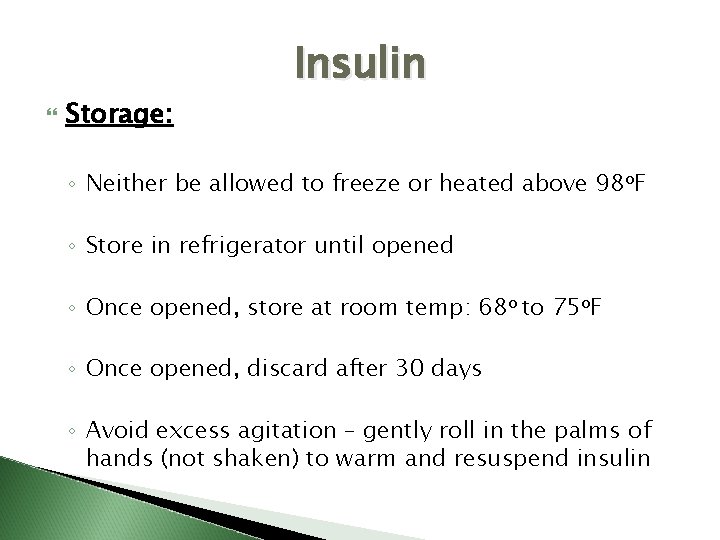
Storage: Insulin ◦ Neither be allowed to freeze or heated above 98 o. F ◦ Store in refrigerator until opened ◦ Once opened, store at room temp: 68 o to 75 o. F ◦ Once opened, discard after 30 days ◦ Avoid excess agitation – gently roll in the palms of hands (not shaken) to warm and resuspend insulin
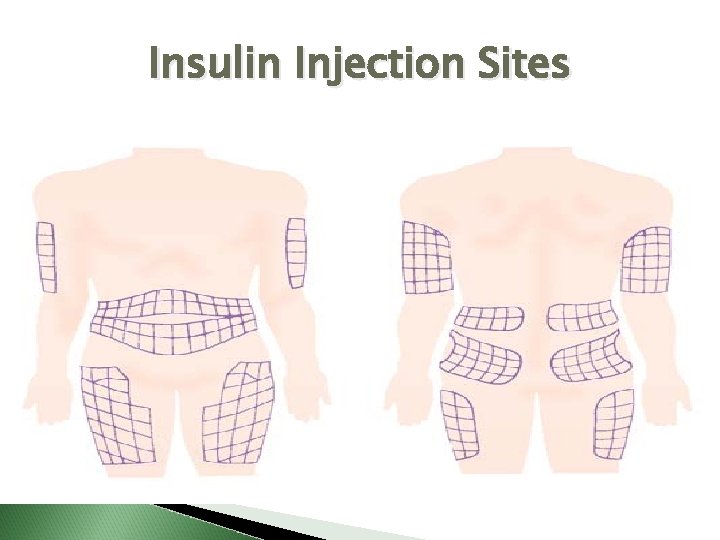
Insulin Injection Sites
Insulin Injection Sites Lipodystrophies Atrophy or hypertrophy ◦ Dermatologic conditions ◦ Hypertrophy more common Fat pads become anesthetized Results in prolonged & erratic insulin absorption Loss of diabetic control

Insulin Pumps External Internal
Oral Antidiabetic Drugs Used for type 2 diabetes Treatment for type 2 diabetes includes lifestyle modifications ◦ Diet, exercise, smoking cessation, weight loss Oral antidiabetic drugs may not be effective unless the patient also makes behavioral or lifestyle changes
DM Monitoring Glycosylated Hemoglobin Assays Hb. A 1 c ◦ Good indicator of the average blood glucose levels. ◦ Shows the average blood glucose level during the previous 120 days ◦ Used to assess long term glycemic control ◦ Performed at diagnosis and at specific intervals to evaluate the treatment plan ◦ Altered by pregnancy, increased triglycerides & bilirubin ◦ Twice annually for patients with good control ◦ ◦ Quarterly for patients whose therapy has changed
Oral Antidiabetic Drugs Sulfonylureas ◦ First generation: chlorpropamide (Diabinese), tolazamide (Tolinase) tolbutamide (Orinase) ◦ Second generation: glimepiride (Amaryl) glipizide (Glucotrol) glyburide (Dia. Beta, Micronase)
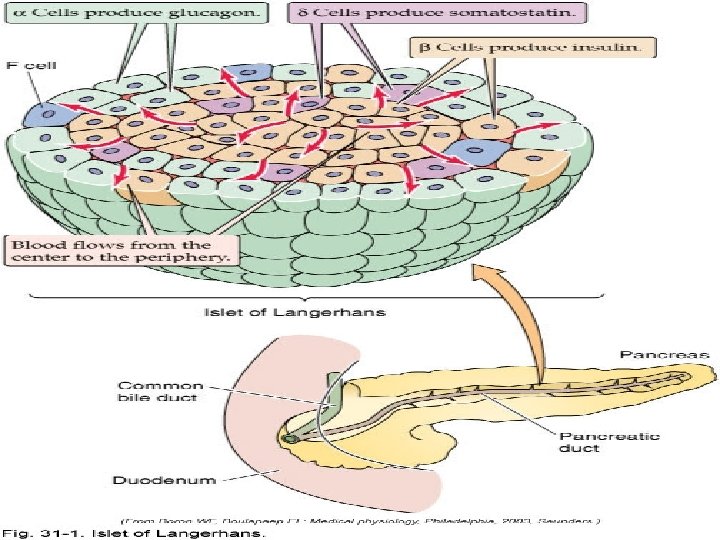
Oral Antidiabetic Drugs: Sulfonylureas Stimulate insulin secretion from the beta cells of the pancreas, thus increasing insulin levels Beta cell function must be present Improve sensitivity to insulin in tissues Result: lower blood glucose levels First-generation drugs not used as frequently now
Oral Antidiabetic Drugs: Sulfonylureas --Adverse Effects Sulfonylureas ◦ ◦ ◦ Hypoglycemia hematologic effects nausea epigastric fullness heartburn many others
Oral Antidiabetic Drugs: Sulfonylureas -- Interactions Sulfonylureas ◦ Hypoglycemic effect increases when taken with alcohol, anabolic steroids, many other drugs ◦ Adrenergics (beta blockers) may mask many of the symptoms of hypoglycemia ◦ Hyperglycemia: corticosteroids, phenothiazines, diuretics, oral contraceptives, thyroid replacement hormones, phenytoin, diazoxide and lithium. ◦ Allergic cross-sensitivity may occur with loop diuretics and sulfonamide antibiotics ◦ May interact with alcohol/OTC medication containing alcohol) causing a disulfiram (Antabuse) -type reaction (facial flushing, pounding headache, feeling of breathlessness, and nausea)
Oral Antidiabetic Drugs: Meglitinides ◦ repaglinide (Prandin) ◦ nateglinide (Starlix) Meglitinides ◦ Action similar to sulfonylureas ◦ Increase insulin secretion from the pancreas
Oral Antidiabetic Drugs: Meglitinides -- Adverse Effects Meglitinides ◦ ◦ ◦ Headache hypoglycemic effects Dizziness weight gain joint pain upper respiratory infection or flu-like symptoms
Oral Antidiabetic Drugs: Biguanides ◦ metformin (Glucophage) Biguanides ◦ Decrease production of glucose ◦ Increase uptake of glucose by tissues ◦ Does not increase insulin secretion from the pancreas (does not cause hypoglycemia)
Oral Antidiabetic Drugs: Biguanides – Adverse Effects Metformin ◦ Primarily affects GI tract: abdominal bloating, nausea, cramping, diarrhea, feeling of fullness ◦ May also cause metallic taste, reduced vitamin B 12 levels ◦ Lactic acidosis is rare but lethal if it occurs ◦ Does not cause hypoglycemia
Oral Antidiabetic Drugs: Thiazolidinediones ◦ pioglitazone (Actos), ◦ rosiglitazone (Avandia) ◦ Also known as “glitazones” Thiazolidinediones ◦ ◦ Decrease insulin resistance “Insulin sensitizing drugs” Increase glucose uptake and use in skeletal muscle Inhibit glucose and triglyceride production in the liver
Oral Antidiabetic Drugs: Thiazolidinediones -- Adverse Effects Thiazolidinediones ◦ ◦ Moderate weight gain Edema Mild anemia Hepatic toxicity—monitor liver function tests
Oral Antidiabetic Drugs: Alpha-glucosidase inhibitors ◦ acarbose (Precose) ◦ miglitol (Glyset) Alpha-glucosidase inhibitors ◦ Reversibly inhibit the enzyme alpha-glucosidase in the small intestine ◦ Result: delayed absorption of glucose ◦ Must be taken with meals to prevent excessive postprandial blood glucose elevations (with the “first bite” of a meal)
Oral Antidiabetic Drugs: α-glucosidase inhibitors. Adverse Effects α-glucosidase inhibitors ◦ Flatulence ◦ diarrhea ◦ abdominal pain ◦ Do not cause hypoglycemia, hyperinsulinemia, or weight gain
Oral Antidiabetic Drugs: Indications Used alone or in combination with other drugs and/or diet and lifestyle changes to lower the blood glucose levels in patients with type 2 diabetes
Other Antidiabetic Drugs Amylin Mimetic: pramlintide (Symlin) ◦ Mimics the natural hormone amylin ◦ Slows gastric emptying ◦ Suppressed glucagon secretion, reducing hepatic glucose output ◦ Centrally modulates appetite and satiety ◦ Used when other drugs have not achieved adequate glucose control
Other Antidiabetic Drugs Incretin Mimetic: exenatide (Byetta) ◦ Mimics the incretin hormones ◦ Enhances glucose-driven insulin secretion from β cells of the pancreas ◦ Only used for Type 2 diabetes ◦ Injection pen device Inhaled Insulin: Exubera
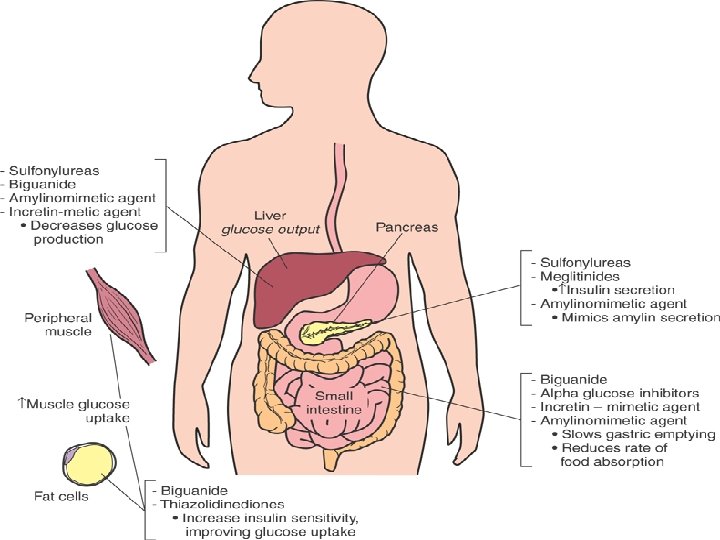
FIGURE 36 -2 Mechanisms of action of antidiabetic agents. Mosby items and derived items © 2007, 2004 by Mosby, Inc. , an affiliate of Elsevier Inc.
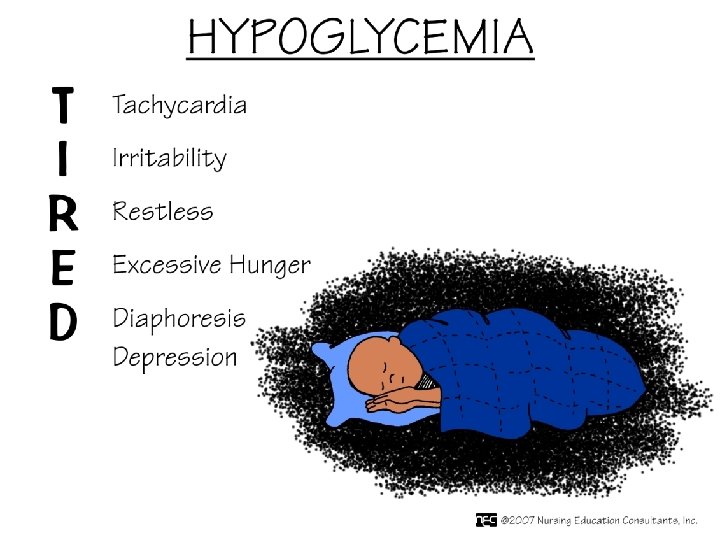
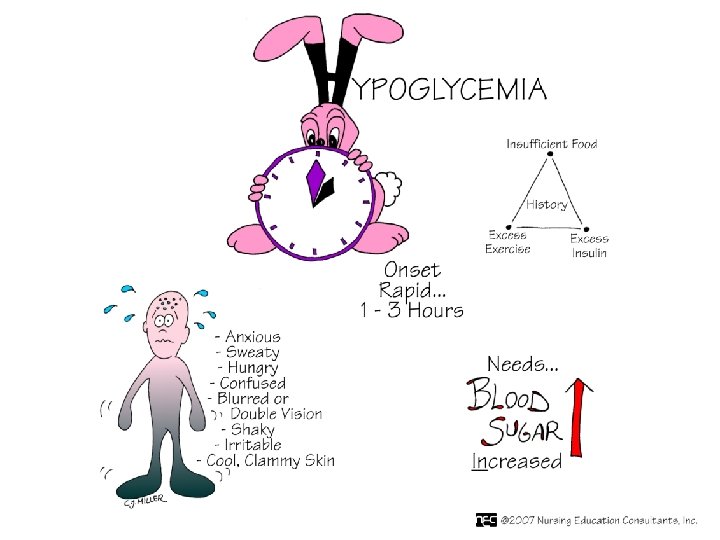
Hypoglycemia Adverse Effect of Insulin Early ◦ Confusion, irritability, tremor, sweating Later ◦ Hypothermia, seizures ◦ Coma and death will occur if not treated Abnormally low blood glucose level (<50 mg/d. L) Mild cases can be treated with diet—higher intake of protein and lower intake of carbs—to prevent a rebound postprandial hypoglycemia
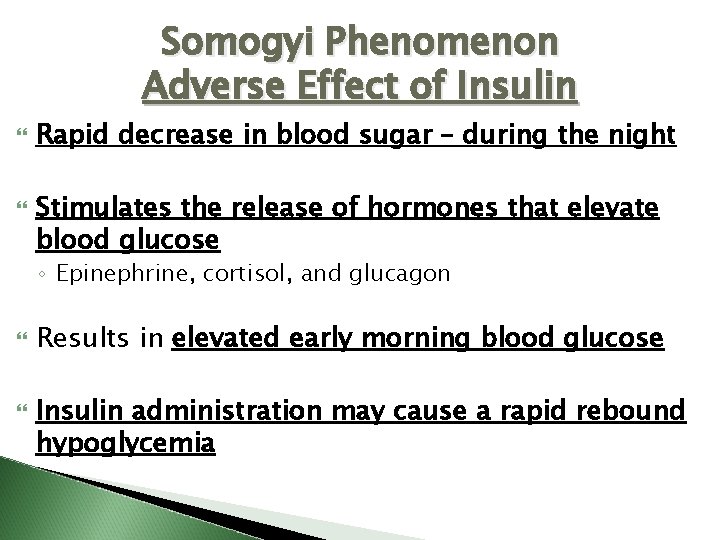
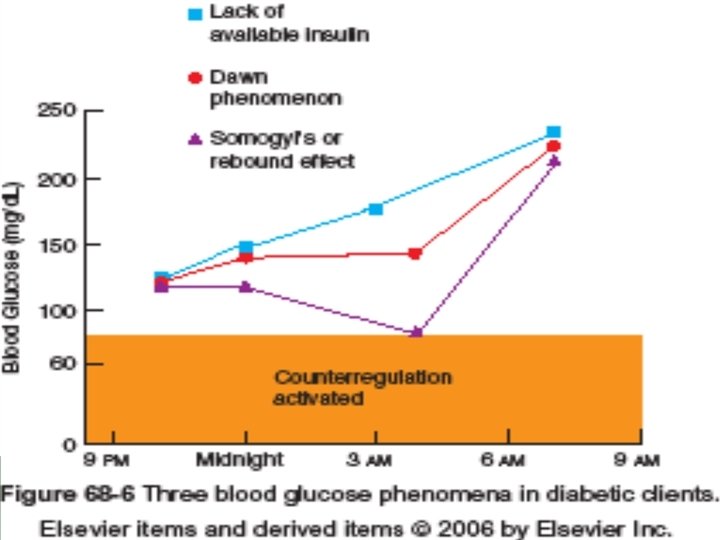
Somogyi Phenomenon Adverse Effect of Insulin Rapid decrease in blood sugar – during the night Stimulates the release of hormones that elevate blood glucose ◦ Epinephrine, cortisol, and glucagon Results in elevated early morning blood glucose Insulin administration may cause a rapid rebound hypoglycemia
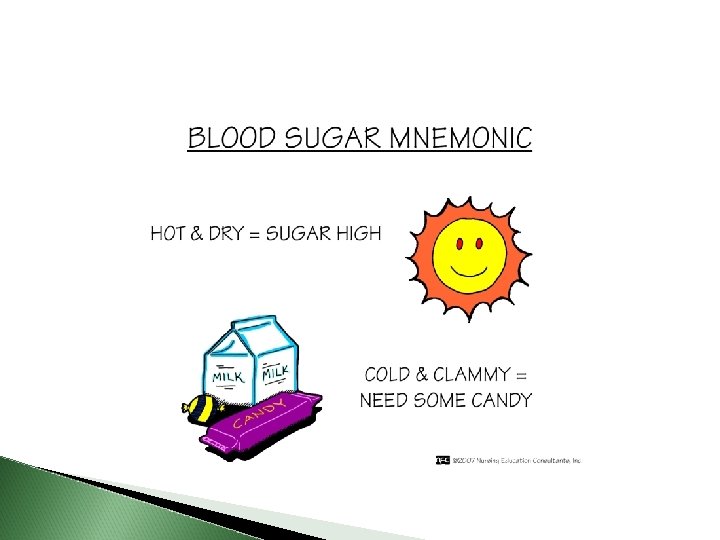
Glucose-Elevating Drugs Oral forms of concentrated glucose ◦ Buccal tablets, semisolid gel 50% dextrose in water (D 50 W) Glucagon diazoxide
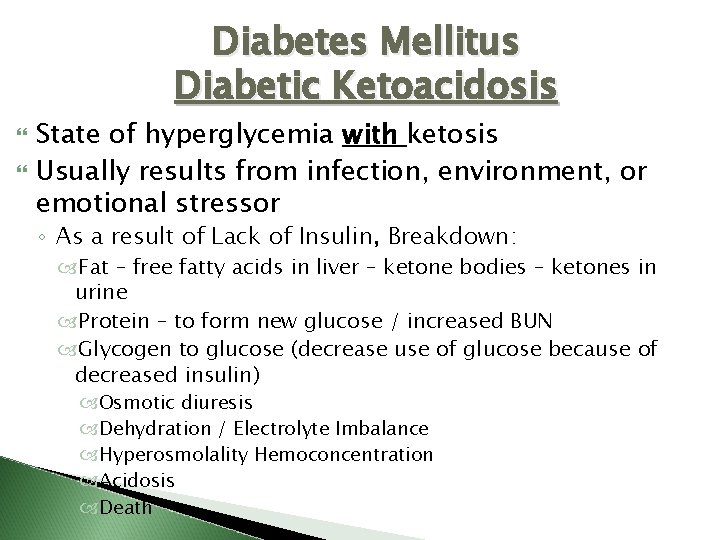
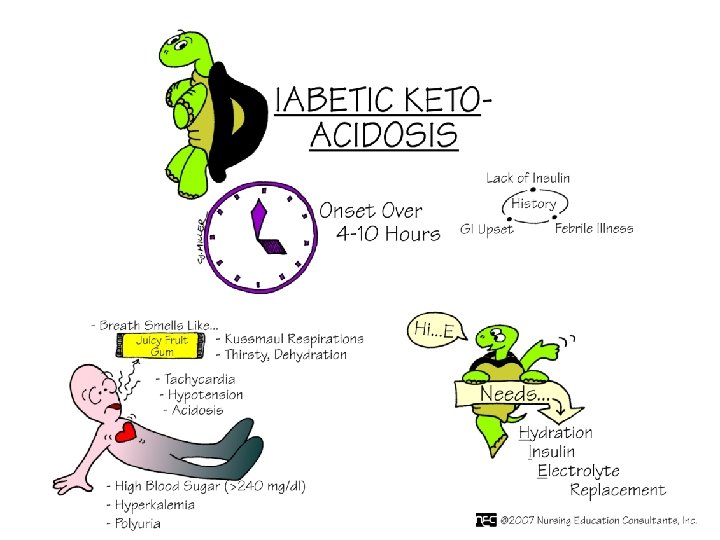
Diabetes Mellitus Diabetic Ketoacidosis State of hyperglycemia with ketosis Usually results from infection, environment, or emotional stressor ◦ As a result of Lack of Insulin, Breakdown: Fat – free fatty acids in liver – ketone bodies – ketones in urine Protein – to form new glucose / increased BUN Glycogen to glucose (decrease use of glucose because of decreased insulin) Osmotic diuresis Dehydration / Electrolyte Imbalance Hyperosmolality Hemoconcentration Acidosis Death
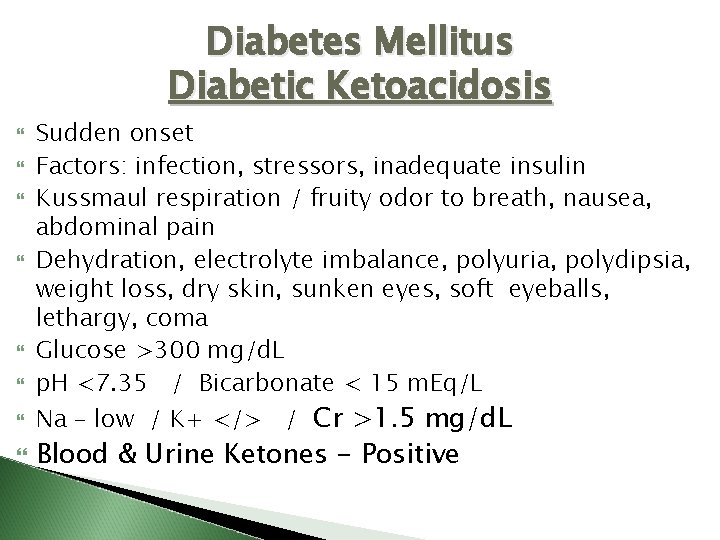
Diabetes Mellitus Diabetic Ketoacidosis Sudden onset Factors: infection, stressors, inadequate insulin Kussmaul respiration / fruity odor to breath, nausea, abdominal pain Dehydration, electrolyte imbalance, polyuria, polydipsia, weight loss, dry skin, sunken eyes, soft eyeballs, lethargy, coma Glucose >300 mg/d. L p. H <7. 35 / Bicarbonate < 15 m. Eq/L Na – low / K+ </> / Cr >1. 5 mg/d. L Blood & Urine Ketones - Positive
Diabetes Mellitus Diabetic Ketoacidosis Treatment Insulin Bolus (0. 1 U/kg IV) & Infusion (0. 1 U/kg/hr) ◦ Regular Insulin only insulin that can be given by intravenous infusion Restore fluid volume Potassium Runs ◦ K+ depleted severely with insulin therapy Insure urine output >30 m. L/hr Correct acidosis ◦ Bicarbonate is used rarely arterial p. H < 7. 0 or bicarbonate level < 5 m. Eq/L
Diabetes Mellitus Hyperglycemic-hyperosmolar nonketotic syndrome (HHNS) State of hyperglycemia without ketosis Little breakdown of fat (little or no ketone bodies) Breakdown ◦ Glycogen– formation of new glucose – hyperglycemia Very high levels of glucose >800 mg d. L ◦ Osmotic diuresis – extracellular dehydration ◦ Renal insufficiency – hyperosmolality – intracellular dehydration ◦ Hypokalemia – shock – tissue hypoxia - Coma
Diabetes Mellitus Hyperglycemic-hyperosmolar nonketotic syndrome (HHNS) Gradual onset Factors: infection, other stressors, poor fluid intake Altered CNS function – neurologic symptoms Dehydration / electrolyte loss Glucose > 800 mg/d. L p. H >7. 4 / Bicarbonate >20 m. Eq/L Na & K+ normal or low Bun & Cr – elevated Blood & Urine Ketones - negative
Diabetes Mellitus Hyperglycemic-hyperosmolar nonketotic syndrome (HHNS Treatment Rehydrate with NS (if severe) or ½ NS ◦ Use CVP or PCWP / UO / blood pressure monitoring IV insulin 10 U/hr ◦ Reduce hyperglycemia by 10% /hr Replace Potassium (will not be as severe as DKA)
Antidiabetic Drugs: Nursing Implications Before giving any drugs that alter glucose levels, obtain and document: ◦ ◦ A thorough history Vital signs Blood glucose level, Hb. A 1 c level Potential complications and drug interactions
Antidiabetic Drugs: Nursing Implications Before giving any drugs that alter glucose levels: ◦ Assess the patient’s ability to consume food ◦ Assess blood glucose level ◦ Assess for nausea or vomiting ◦ Hypoglycemia may be a problem if antidiabetic drugs are given and the patient does not eat ◦ If a patient is NPO for a test or procedure, consult physician to clarify orders for antidiabetic drug therapy
Antidiabetic Drugs: Nursing Implications Keep in mind that overall concerns for any diabetic patient increase when the patient: ◦ Is under stress ◦ Has an infection ◦ Has an illness or trauma ◦ Is pregnant or lactating
Antidiabetic Drugs: Patient Education Thorough patient education is essential regarding: ◦ Disease process ◦ Other Risk Factors: Smoking HTN CAD ◦ Self-Care: Medication Psychological adjustment Nutrition Activity and Exercise Blood-glucose testing Self-administration of insulin or oral drugs ◦ Potential complications How to recognize and treat hypoglycemia and hyperglycemia
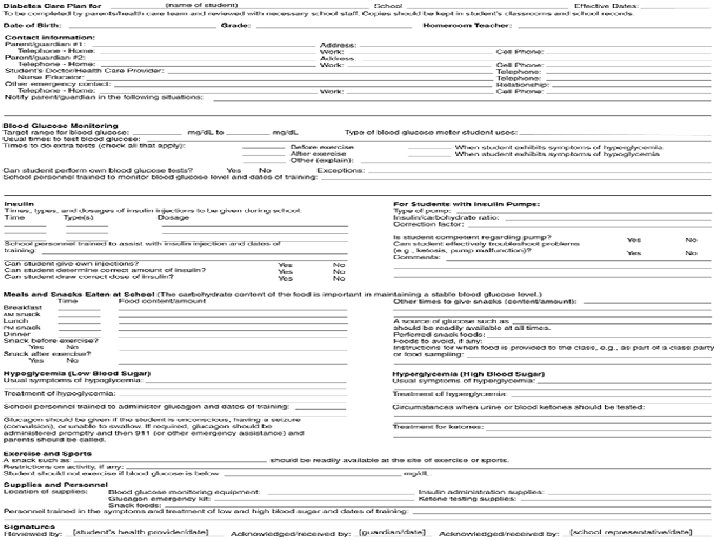
FIGURE 36 -3 Diabetes health care plan. Mosby items and derived items © 2007, 2004 by Mosby, Inc. , an affiliate of Elsevier Inc.
Nursing Implications Insulin When insulin is ordered, ensure: ◦ ◦ Correct route Correct type of insulin Timing of the dose Correct dosage Insulin order and prepared dosages are secondchecked with another nurse ◦ ◦ ◦ Check blood glucose level before giving insulin Roll vials between hands them to mix suspensions – no shaking! Ensure correct storage of insulin vials ONLY insulin syringes, calibrated in units, to administer insulin Ensure correct timing of insulin dose with meals
Nursing Implications Insulin ◦ When drawing up two types of insulin in one syringe: Always withdraw the regular or rapid-acting insulin first ◦ Provide thorough patient education regarding selfadministration of insulin injections, including timing of doses, monitoring blood glucoses, and injection site rotations
Nursing Implications. Oral antidiabetic drugs Always check blood glucose levels before giving Usually given 30 minutes before meals ◦ Administer the medication at exact time – with meal or when food is in sight* Alpha-glucosidase inhibitors are given with the first bite of each main meal Metformin is taken with meals to reduce GI effects
Nursing Implications Insulin & hypoglycemic medications Assess for signs of hypoglycemia If hypoglycemia occurs: ◦ Give glucagon or ◦ Have the patient eat glucose tablets or gel, corn syrup, honey, fruit juice, or nondiet soft drink or ◦ Have the patient eat a small snack such as crackers or half a sandwich ◦ Monitor blood glucose levels
Nursing Implications Monitor for therapeutic response ◦ Decrease in blood glucose levels to the level prescribed by physician ◦ Measure hemoglobin A 1 c to monitor long-term compliance to diet and drug therapy ◦ Watch for hypoglycemia and hyperglycemia
Review 1. Neuropathies are: low blood sugar. 2. degenerations in the central nervous system. 3. degeneration of peripheral nerves. 4. a numbness and tingling of the extremities
Review A dose of long acting insulin has been ordered for bedtime for a diabetic patient. The nurse expects to give which type of insulin? ◦ ◦ A: Regular B: Lente C: NPH D: Glargine (Lantus)
DM - Review Diabetic ketoacidosis is: 1. an abnormality in the metabolism of fats. 2. an accumulation of ketones associated with poor control of diabetes mellitus. 3. an abnormal increase in hydrogen ion concentration. 4. abnormal deposits of fat caused by repeated injection of insulin at the same site.
DM - Review The biguanide oral antidiabetic metformin (Glucophage) has the expected side effect of: 1. hepatotoxicity. 2. blood dyscrasias. 3. hypotension. 4. abdominal cramping and flatulence.
Review A dose of long acting insulin has been ordered for bedtime for a diabetic patient. The nurse expects to give which type of insulin? ◦ ◦ A: Regular B: Lente C: NPH D: Glargine (Lantus)

Review The order reads 10 units of U-100 Regular insulin. U -100 means there is/are: 1. 10 units of insulin in 1 m. L of solution. 2. 1 m. L solution/unit of insulin. 3. 100 units of Regular insulin in 1 m. L of solution 4. 10 units of insulin in each bottle.
- Slides: 95