
Antidepressant Discontinuation Syndrome Flavio Guzmn MD Overview Discontinuation


- Slides: 25
Antidepressant Discontinuation Syndrome Flavio Guzmán, MD
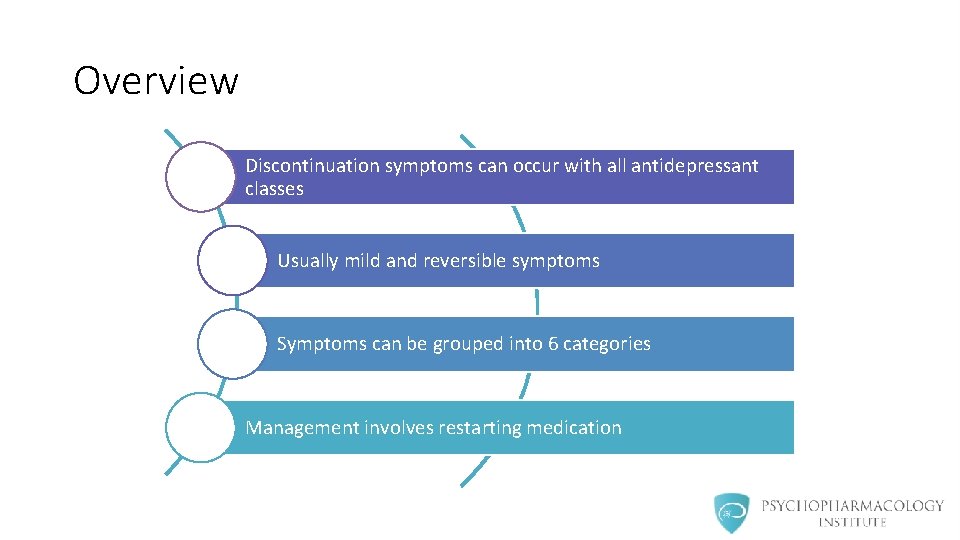
Overview Discontinuation symptoms can occur with all antidepressant classes Usually mild and reversible symptoms Symptoms can be grouped into 6 categories Management involves restarting medication
Clinical Relevance
Are antidepressants addictive? • Discontinuation vs withdrawal • No evidence of antidepressant craving Haddad, P. M. , & Anderson, I. M. (2007). Recognising and managing antidepressant discontinuation symptoms. Advances in Psychiatric treatment, 13(6), 447 -457.
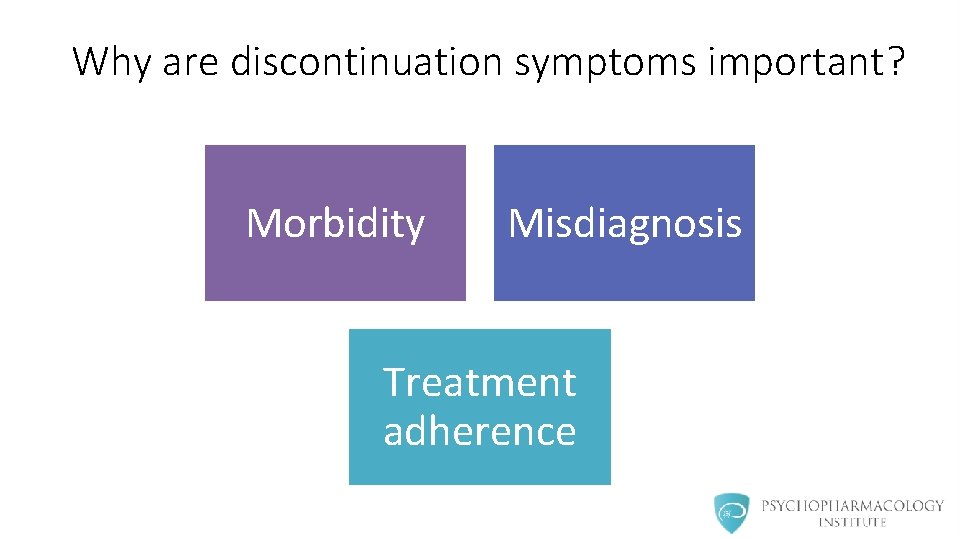
Why are discontinuation symptoms important? Morbidity Misdiagnosis Treatment adherence
Misdiagnosis • Adverse effect of a new medication • Recurrence of the underlying psychiatric illness Haddad, P. M. , & Anderson, I. M. (2007). Recognising and managing antidepressant discontinuation symptoms. Advances in Psychiatric treatment, 13(6), 447 -457.
Misdiagnosis • Failure to respond to treatment • Physical disorder Haddad, P. M. , & Anderson, I. M. (2007). Recognising and managing antidepressant discontinuation symptoms. Advances in Psychiatric treatment, 13(6), 447 -457.
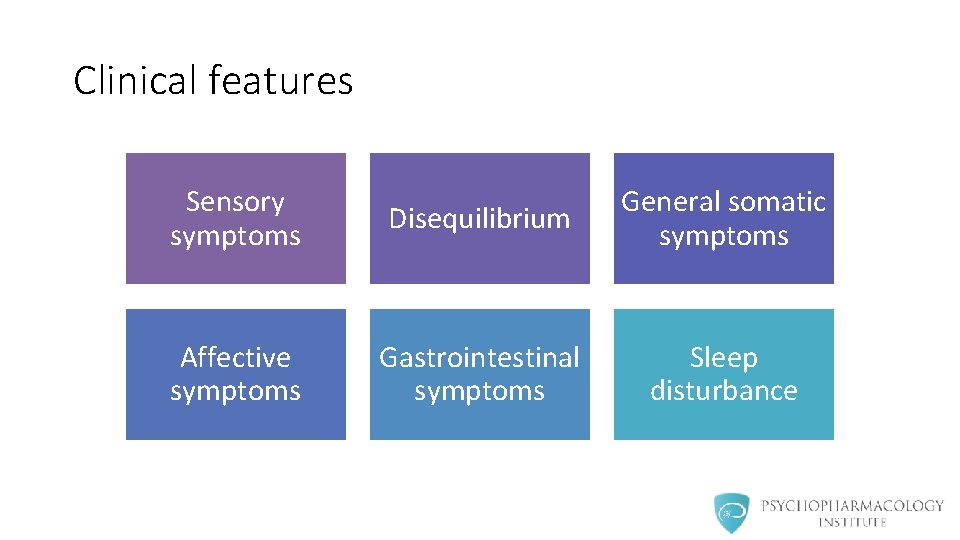
Clinical features Sensory symptoms Disequilibrium General somatic symptoms Affective symptoms Gastrointestinal symptoms Sleep disturbance
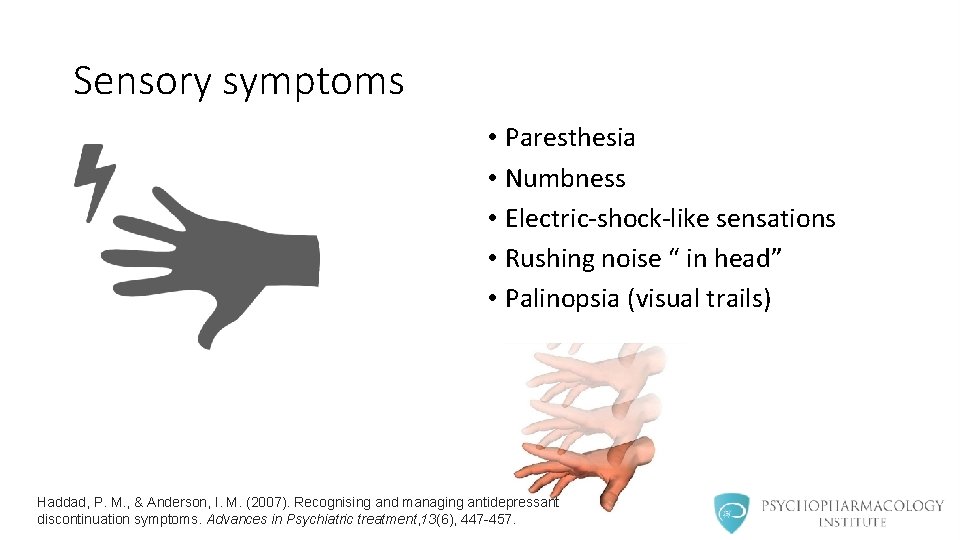
Sensory symptoms • Paresthesia • Numbness • Electric-shock-like sensations • Rushing noise “ in head” • Palinopsia (visual trails) Haddad, P. M. , & Anderson, I. M. (2007). Recognising and managing antidepressant discontinuation symptoms. Advances in Psychiatric treatment, 13(6), 447 -457.
Disequilibrium • Light-headedness • Dizziness • Vertigo Haddad, P. M. , & Anderson, I. M. (2007). Recognising and managing antidepressant discontinuation symptoms. Advances in Psychiatric treatment, 13(6), 447 -457.
General somatic symptoms • Lethargy • Headache • Tremor • Sweating • Anorexia Haddad, P. M. , & Anderson, I. M. (2007). Recognising and managing antidepressant discontinuation symptoms. Advances in Psychiatric treatment, 13(6), 447 -457.
Affective symptoms • Irritability • Anxiety/agitation • Low mood • Tearfulness Haddad, P. M. , & Anderson, I. M. (2007). Recognising and managing antidepressant discontinuation symptoms. Advances in Psychiatric treatment, 13(6), 447 -457.
Gastrointestinal symptoms • Nausea • Vomiting • Diarrhea Haddad, P. M. , & Anderson, I. M. (2007). Recognising and managing antidepressant discontinuation symptoms. Advances in Psychiatric treatment, 13(6), 447 -457.
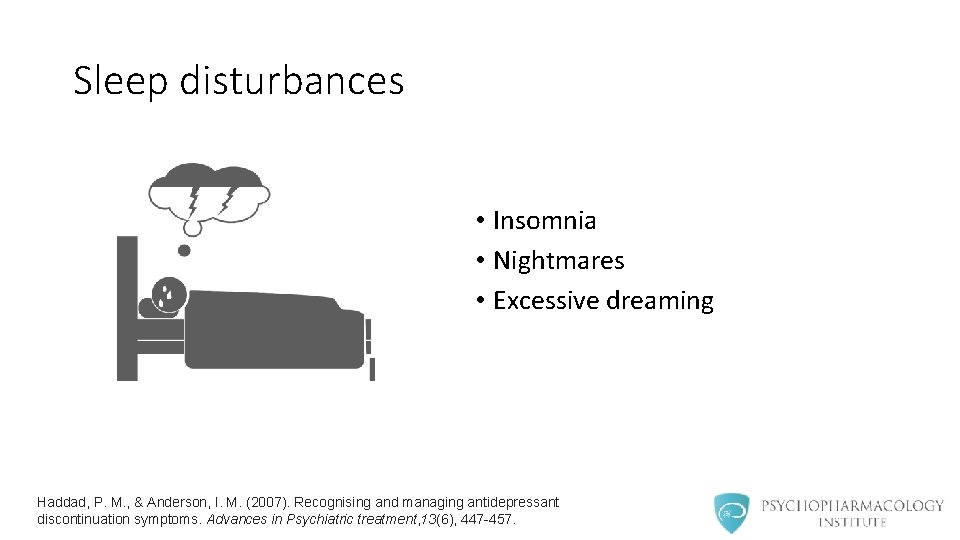
Sleep disturbances • Insomnia • Nightmares • Excessive dreaming Haddad, P. M. , & Anderson, I. M. (2007). Recognising and managing antidepressant discontinuation symptoms. Advances in Psychiatric treatment, 13(6), 447 -457.
FINISH: A mnemonic for discontinuation symptoms • F – Flu-like symptoms • I – Insomnia • N – Nausea • I – Imbalance • S – Sensory disturbances • H – Hyperarousal Warner, C. H. , Bobo, W. , Warner, C. , Reid, S. , & Rachal, J. (2006). Antidepressant discontinuation syndrome. American Family Physician, 74(3), 449 -456.
Primary TCA discontinuation syndrome Lack of : • Sensory abnormalities • Problems with equilibrium MAOI discontinuation syndrome More severe: worsening of depressive episode, acute confusional state, anxiety symptoms, catatonia
Time of onset and duration Onset: • Generally in the first week • Studies suggest a mean time of onset of 2 days after stopping Duration: • Spontaneous resolution between 1 day and 3 weeks after onset Warner, C. H. , Bobo, W. , Warner, C. , Reid, S. , & Rachal, J. (2006). Antidepressant discontinuation syndrome. American Family Physician, 74(3), 449 -456.
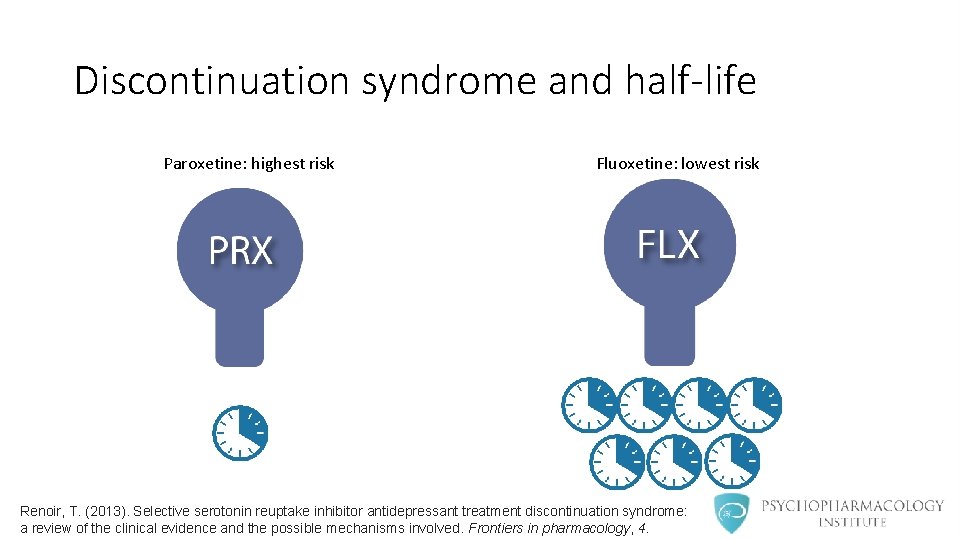
Discontinuation syndrome and half-life Paroxetine: highest risk Fluoxetine: lowest risk Renoir, T. (2013). Selective serotonin reuptake inhibitor antidepressant treatment discontinuation syndrome: a review of the clinical evidence and the possible mechanisms involved. Frontiers in pharmacology, 4.
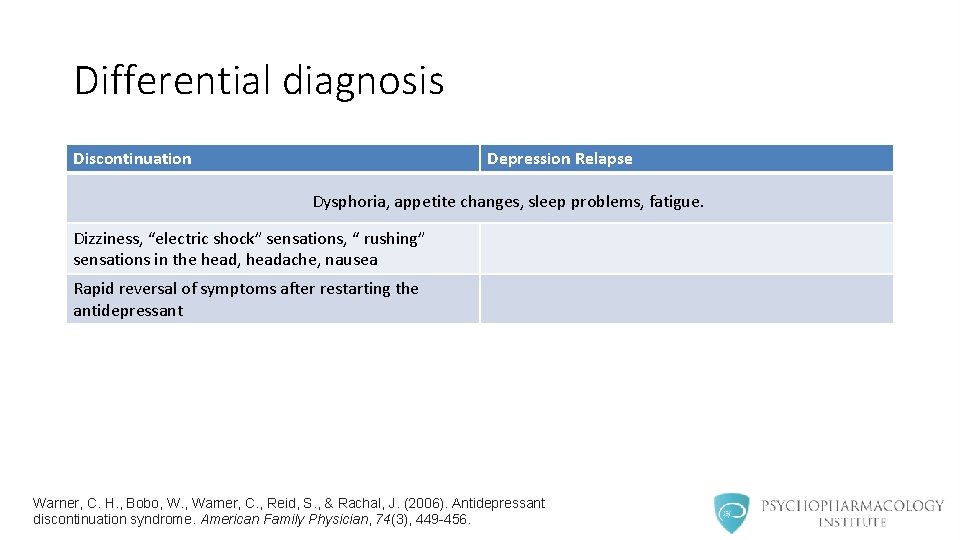
Differential diagnosis Discontinuation Depression Relapse Dysphoria, appetite changes, sleep problems, fatigue. Dizziness, “electric shock” sensations, “ rushing” sensations in the head, headache, nausea Rapid reversal of symptoms after restarting the antidepressant Warner, C. H. , Bobo, W. , Warner, C. , Reid, S. , & Rachal, J. (2006). Antidepressant discontinuation syndrome. American Family Physician, 74(3), 449 -456.
Prevention and Management
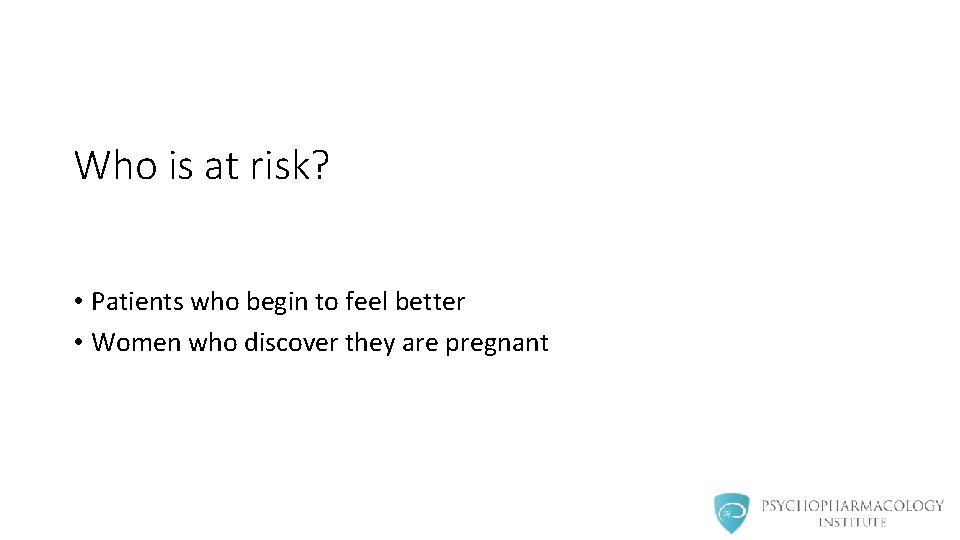
Who is at risk? • Patients who begin to feel better • Women who discover they are pregnant
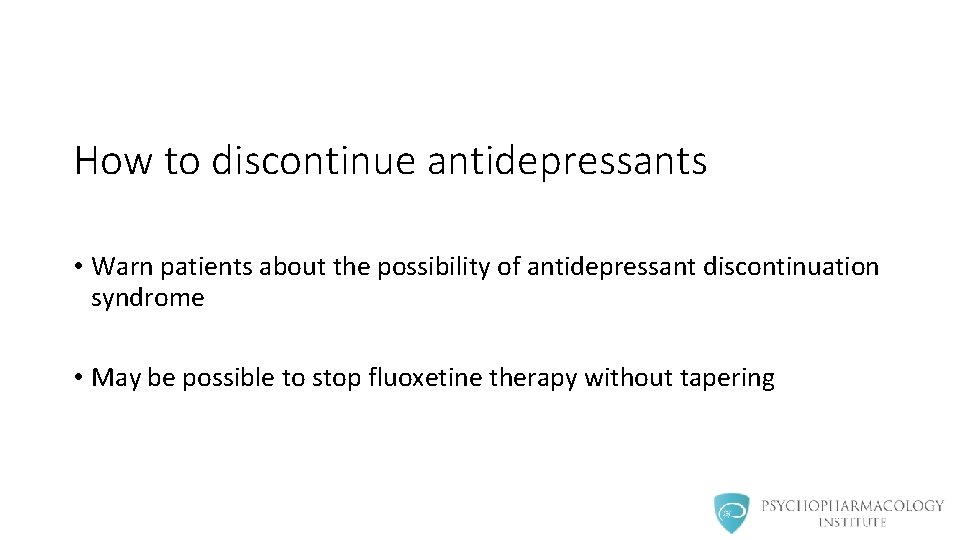
How to discontinue antidepressants • Warn patients about the possibility of antidepressant discontinuation syndrome • May be possible to stop fluoxetine therapy without tapering
What to do ? 1. Provide reassurance to the patient • Reversible, not life threatening, will run its course within 1 to 2 weeks Warner, C. H. , Bobo, W. , Warner, C. , Reid, S. , & Rachal, J. (2006). Antidepressant discontinuation syndrome. American Family Physician, 74(3), 449 -456.
What to do ? 2. Consider restarting the medication with a slow dose taper • If symptoms occur during tapering: • Consider restarting at the original dose and then taper at a slower rate. • If slow tapering is poorly tolerated: • Consider substituting with fluoxetine Warner, C. H. , Bobo, W. , Warner, C. , Reid, S. , & Rachal, J. (2006). Antidepressant discontinuation syndrome. American Family Physician, 74(3), 449 -456.
Key points • Discontinuation symptoms include flu-like symptoms, insomnia, nausea, imbalance, sensory disturbances and hyperarousal (FINISH) • More commonly seen with paroxetine • Restarting the antidepressant is generally enough