
ANTIBIOTICS1 Bacteria Shapes a Round cocci b Rodlike

ANTIBIOTICS-1

Bacteria Shapes (a) Round cocci (b) Rod-like bacilli (c) Spiral-shaped spirochetes
Principles of rational antibiotic therapy l l l l Presence of substantiated indications for prescription of an antibiotic Choosing of the most effective and the least toxic drug, in time administration Introduction of optimal doses with optimal frequency, taking into consideration complexity of the disease Choosing of the optimal way of introduction Estimation of duration of treatment Control after treatment Monitoring and prophylaxis of negative side effects Decision on expediency of combined antibiotic therapy

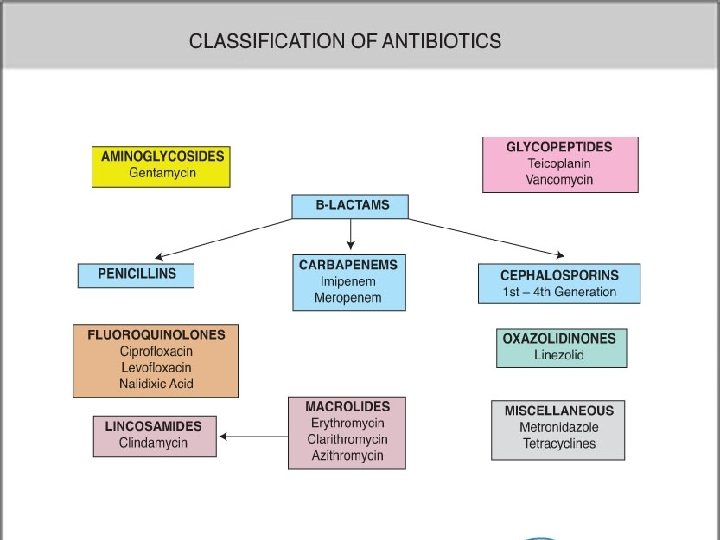
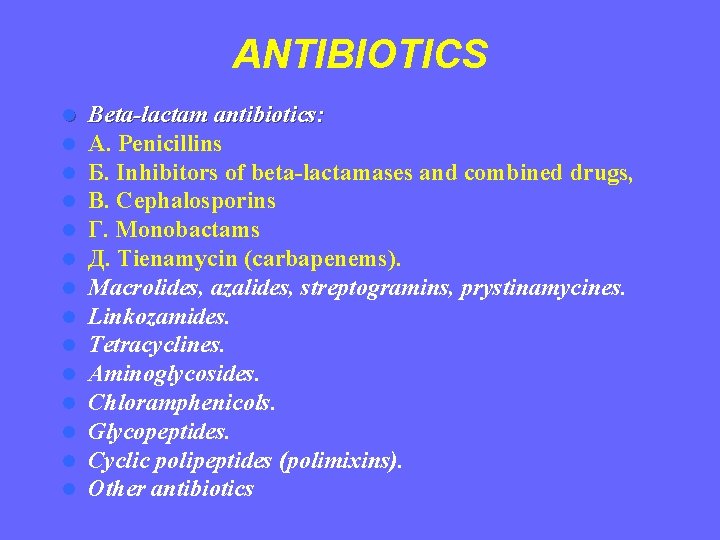
ANTIBIOTICS l l l l Beta-lactam antibiotics: А. Penicillins Б. Inhibitors of beta-lactamases and combined drugs, В. Cephalosporins Г. Monobactams Д. Tienamycin (carbapenems). Macrolides, azalides, streptogramins, prystinamycines. Linkozamides. Tetracyclines. Aminoglycosides. Chloramphenicols. Glycopeptides. Cyclic polipeptides (polimixins). Other antibiotics
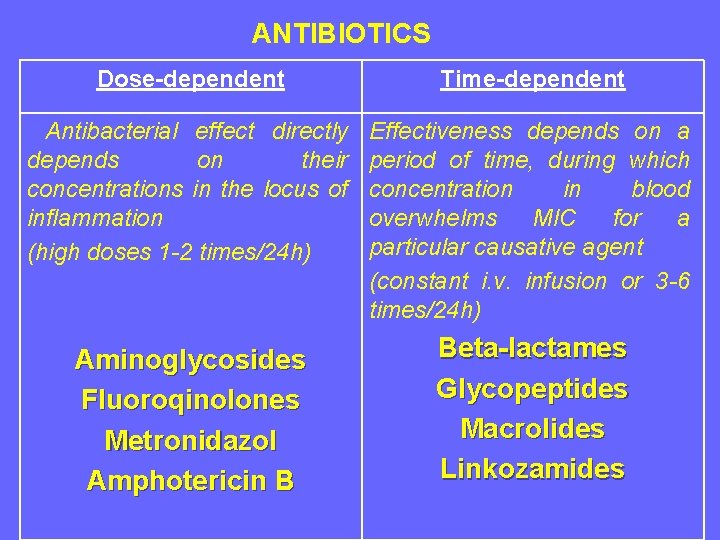
ANTIBIOTICS Dose-dependent Time-dependent Antibacterial effect directly depends on their concentrations in the locus of inflammation (high doses 1 -2 times/24 h) Effectiveness depends on a period of time, during which concentration in blood overwhelms MIC for a particular causative agent (constant i. v. infusion or 3 -6 times/24 h) Aminoglycosides Fluoroqinolones Metronidazol Amphotericin B Beta-lactames Glycopeptides Macrolides Linkozamides
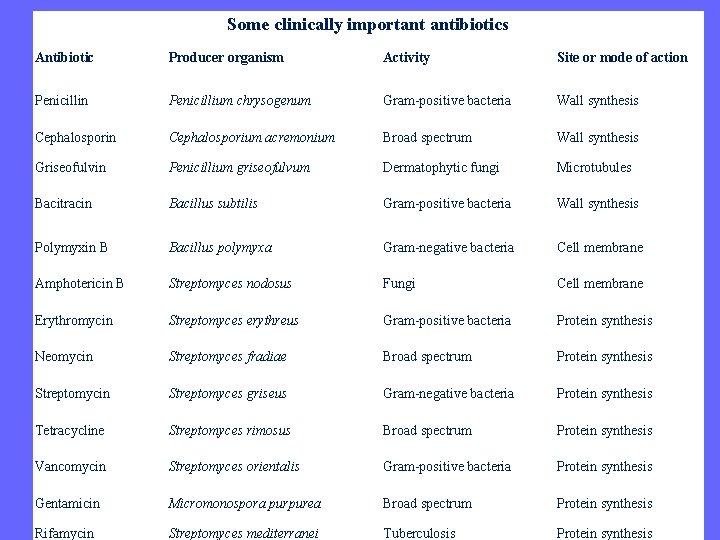
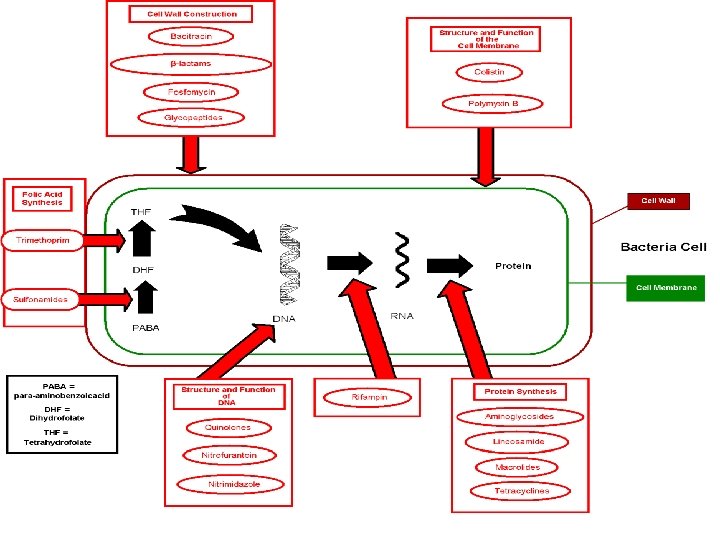
Some clinically important antibiotics Antibiotic Producer organism Activity Site or mode of action Penicillium chrysogenum Gram-positive bacteria Wall synthesis Cephalosporin Cephalosporium acremonium Broad spectrum Wall synthesis Griseofulvin Penicillium griseofulvum Dermatophytic fungi Microtubules Bacitracin Bacillus subtilis Gram-positive bacteria Wall synthesis Polymyxin B Bacillus polymyxa Gram-negative bacteria Cell membrane Amphotericin B Streptomyces nodosus Fungi Cell membrane Erythromycin Streptomyces erythreus Gram-positive bacteria Protein synthesis Neomycin Streptomyces fradiae Broad spectrum Protein synthesis Streptomycin Streptomyces griseus Gram-negative bacteria Protein synthesis Tetracycline Streptomyces rimosus Broad spectrum Protein synthesis Vancomycin Streptomyces orientalis Gram-positive bacteria Protein synthesis Gentamicin Micromonospora purpurea Broad spectrum Protein synthesis Rifamycin Streptomyces mediterranei Tuberculosis Protein synthesis

PENICILLINS Natural (biosynthetic) penicillins: l benzylpenicillin (penicillin G), phenoxymethylpenicillin (penicillin V), novocain salt of benzylpenicillin (benzylpenicillin procain), bicillin-1 (benzatyn benzylpenicillin), bicillin-3, bicillin-5. l l Semisynthetic penicillins: 1 antistaphylococci penicillinase resistant penicillins – izoxazolilpenicillins (oxacillin, dicloxacillin, methicillin); 2 of a spread spectrum – aminopenicillins (ampicillin, amoxicillin); 3 antipseudomonade – carboxypenicillins (carbenicillin, ticarcillin); ureidopenicillins (azlocillin, piperacillin, sulbenicillin); 4 combined with inhibitors of beta-lactamases - “protected” penicillins (amoxicillin/clavulanate, ampicillin/sulbactam, ticarcillin/clavulanate, piperacillin/tazobactam).
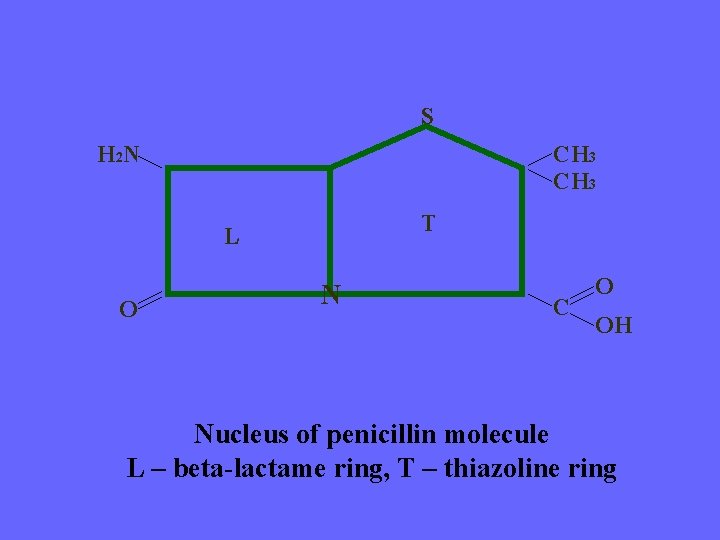
S H 2 N CH 3 T L O N C O OH Nucleus of penicillin molecule L – beta-lactame ring, T – thiazoline ring
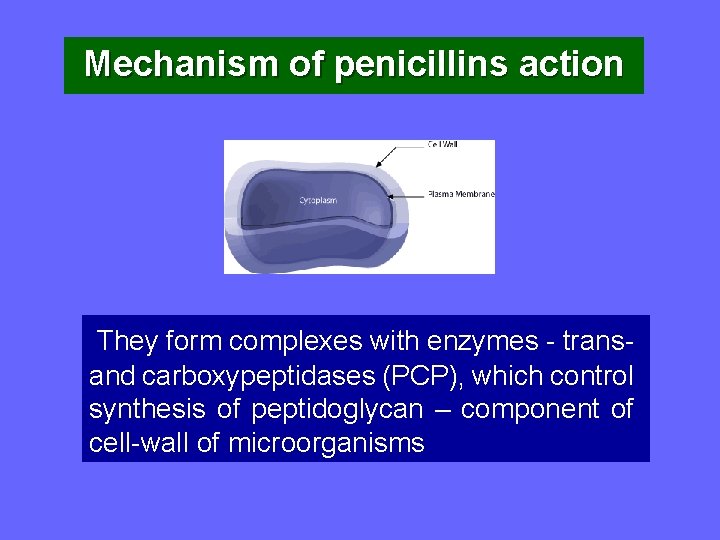
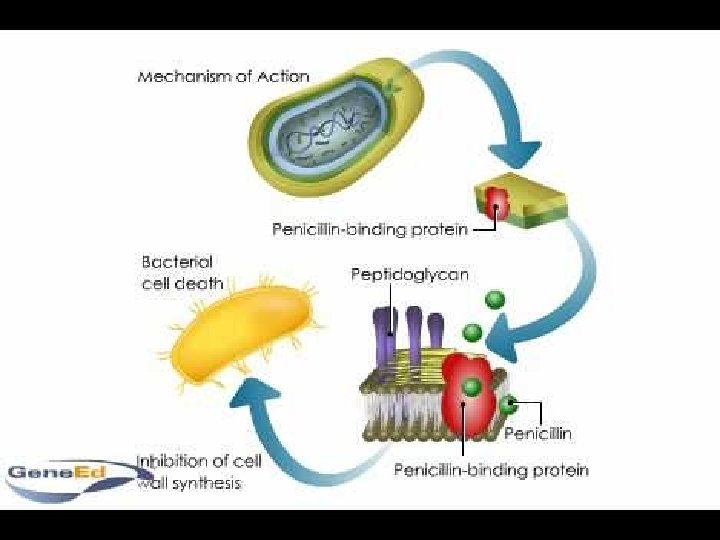
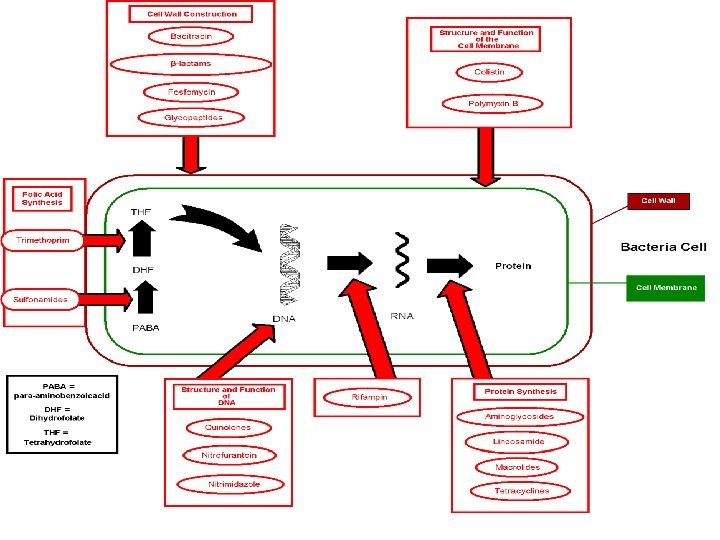
Mechanism of penicillins action They form complexes with enzymes - trans- and carboxypeptidases (PCP), which control synthesis of peptidoglycan – component of cell-wall of microorganisms
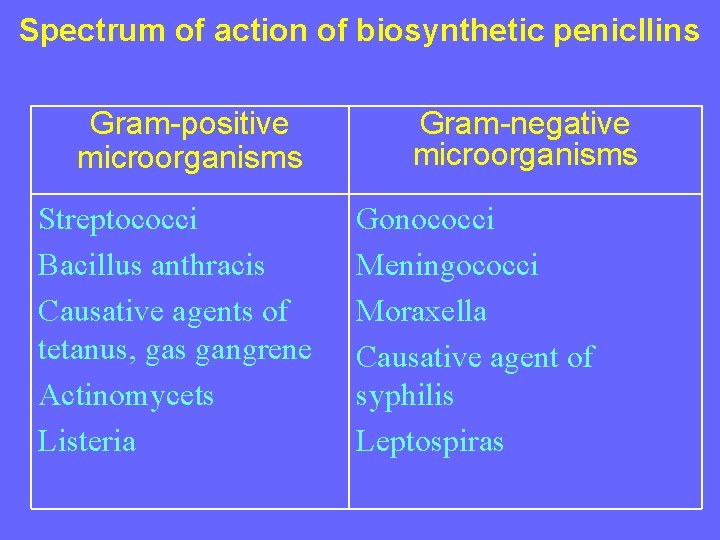
Spectrum of action of biosynthetic penicllins Gram-positive microorganisms Streptococci Bacillus anthracis Causative agents of tetanus, gas gangrene Actinomycets Listeria Gram-negative microorganisms Gonococci Meningococci Moraxella Causative agent of syphilis Leptospiras
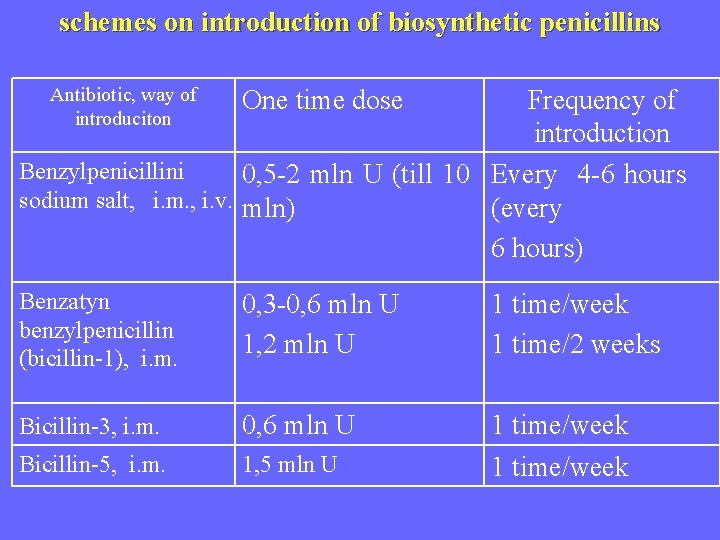
schemes on introduction of biosynthetic penicillins Antibiotic, way of introduciton One time dose Frequency of introduction Benzylpenicillini 0, 5 -2 mln U (till 10 Every 4 -6 hours sodium salt, i. m. , i. v. mln) (every 6 hours) Benzatyn benzylpenicillin (bicillin-1), i. m. 0, 3 -0, 6 mln U 1, 2 mln U 1 time/week 1 time/2 weeks Bicillin-3, i. m. 0, 6 mln U Bicillin-5, i. m. 1, 5 mln U 1 time/week
Complications of biosynthetic penicillins Allergic reactions (10 %) Endotoxic shock Disorders of electrolyte balance Neurotoxic reactions (in using of big doses) – encephalopathy (hyperreflexia, seizures, hallucinations, coma) l Daily dose of BP during intratecal introduction should not overcome 10 000 U (5 000 U – for children) l Interstitial nephritis l l
Oxacillin Antistaphylococci penicillinase-resistant semisynthetic penicillin, acid stable Administration: intramuscular, intravenously, oraly 3 -6 -8 g/24 hours (4 -6 times of injections)
Spectrum of action of aminopecillins (ampicillin, amoxicillin) wide spectrum, destroyed by beta-lactamases . Influence on: streptococci, Haemophilus influenzae, causative agent of wooping cough, gonococci, meningococci, proteus, Escherichia coli, salmonella, shigella
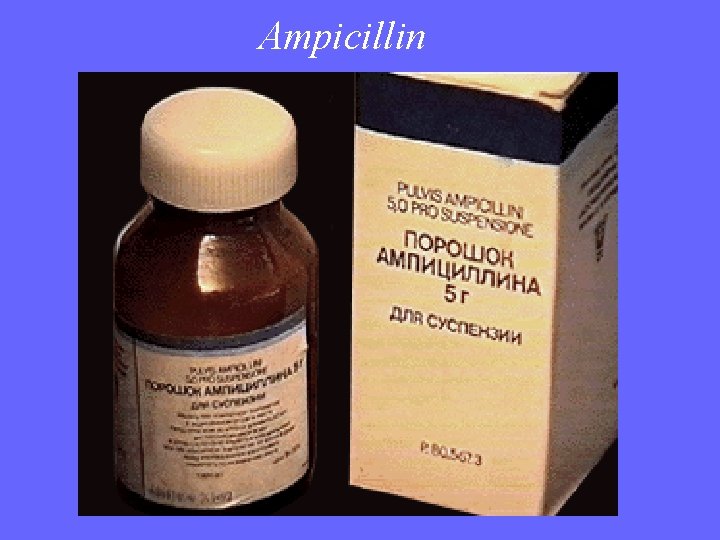
Ampicillin
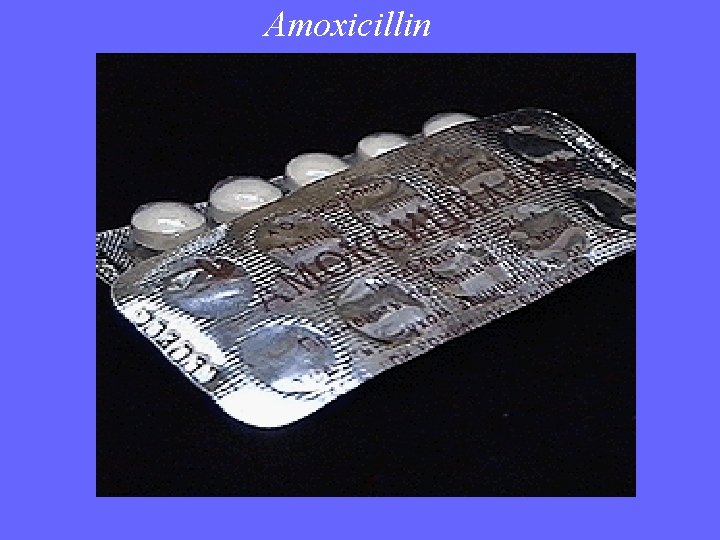
Amoxicillin
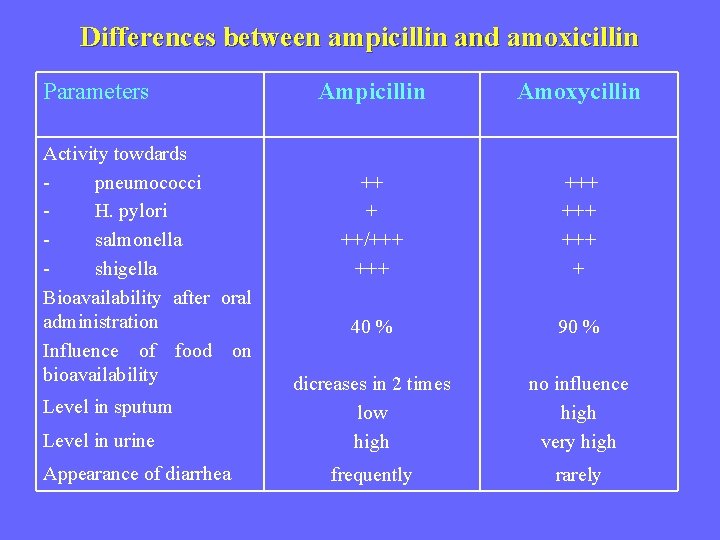
Differences between ampicillin and amoxicillin Parameters Ampicillin Activity towdards - pneumococci ++ - H. pylori + - salmonella ++/+++ - shigella +++ Bioavailability after oral administration 40 % Influence of food on bioavailability dicreases in 2 times Level in sputum low Level in urine high Appearance of diarrhea frequently Amoxycillin +++ +++ + 90 % no influence high very high rarely

Indications for administration of amoxicillin Localisation of ifection Drug of choice Respiratory tracts Acute midlle otitis Acute pharingitis Bacterial sinusitit Chronical bronchitis Acute bronchitits Extrahospital pneumonia of light or medium-severe complexity Kidneys and urinary tracts Acute pielonephritis Chronical pielonephritis Acute cystitis Acute prostatitis Bacteriouria in children Gonorrhea and pregnant women Digestive tract Other pathology Alternative drug Cholangitis, cholecystitis Typhoid fever Borreliosis Leptospirosis
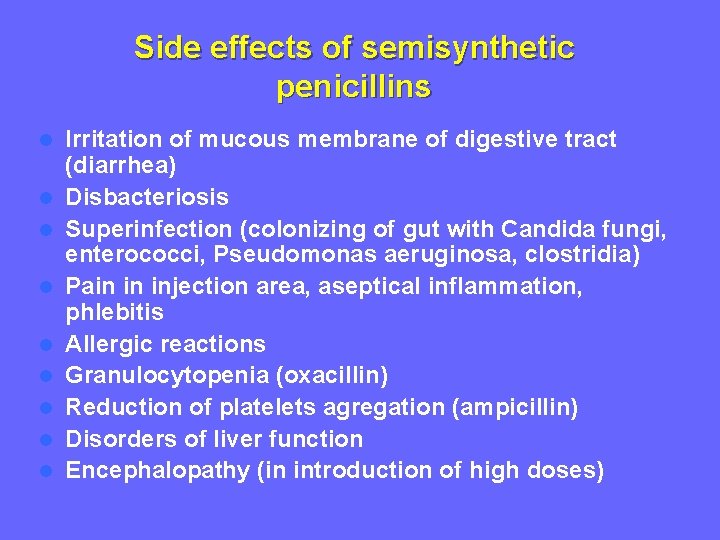
Side effects of semisynthetic penicillins l l l l l Irritation of mucous membrane of digestive tract (diarrhea) Disbacteriosis Superinfection (colonizing of gut with Candida fungi, enterococci, Pseudomonas aeruginosa, clostridia) Pain in injection area, aseptical inflammation, phlebitis Allergic reactions Granulocytopenia (oxacillin) Reduction of platelets agregation (ampicillin) Disorders of liver function Encephalopathy (in introduction of high doses)
Inhibitors of beta-lactamases Clavulanic acid Sulbactam Tazobactam
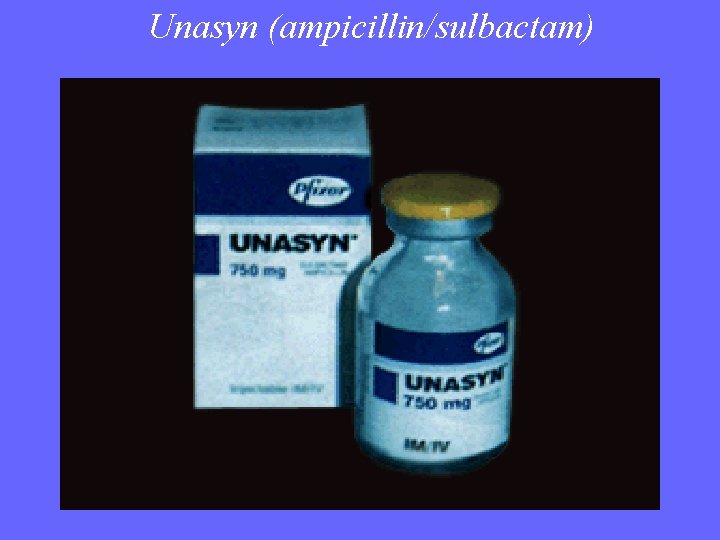
Unasyn (ampicillin/sulbactam)
Inhibitor-protected (“screened”, “protected”) penicillins Amoxicillin/clavulanate (amoxyclav, augmentin) Ampicillin/sulbactam (sultamycillin, unasin) Ticarcillin/clavulanate (timentin) Piperacillin/tazobactam
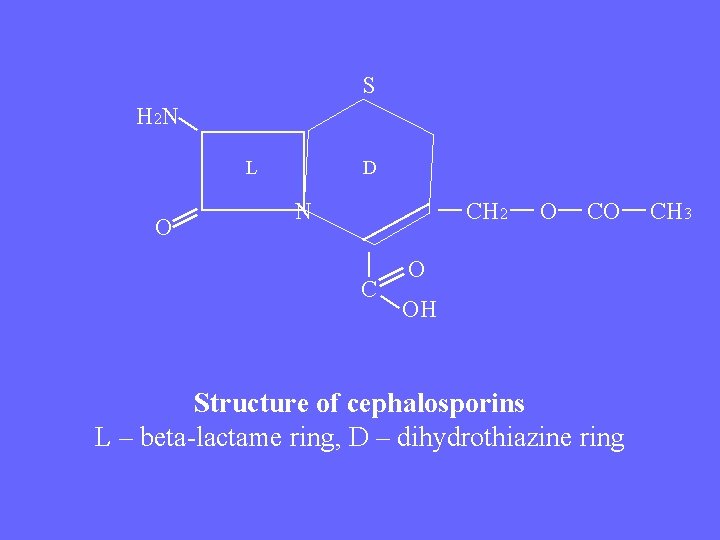
S H 2 N L D O N CH 2 O CO CH 3 C O OH Structure of cephalosporins L – beta-lactame ring, D – dihydrothiazine ring
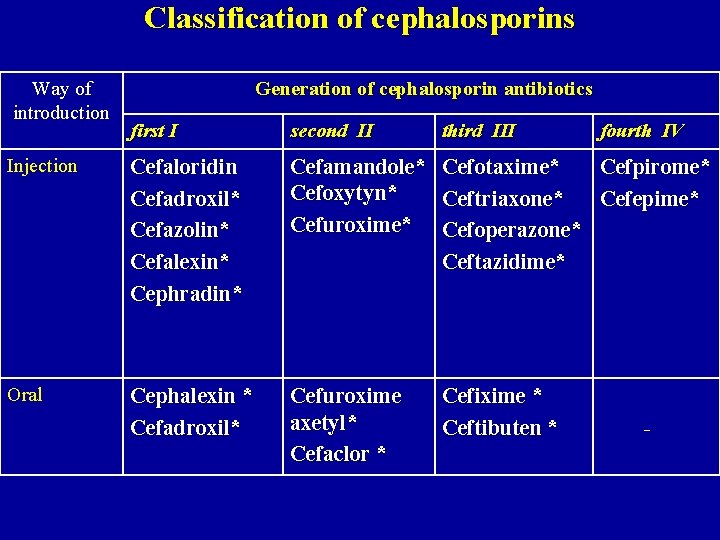
Classification of cephalosporins Way of introduction Generation of cephalosporin antibiotics first I second II third III fourth IV Injection Cefaloridin Cefadroxil* Cefazolin* Cefalexin* Cephradin* Cefamandole* Cefoxytyn* Cefuroxime* Cefotaxime* Cefpirome* Ceftriaxone* Cefepime* Cefoperazone* Ceftazidime* Oral Cephalexin * Cefadroxil* Cefuroxime Cefixime * axetyl* Ceftibuten * Cefaclor * -
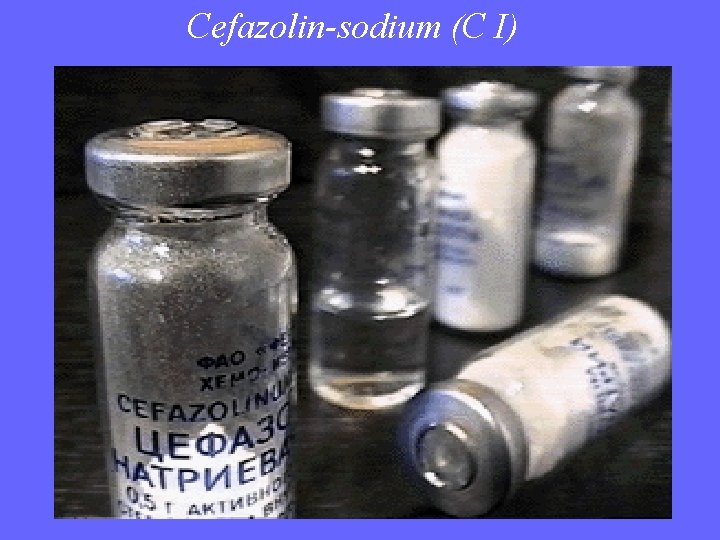
Cefazolin-sodium (C I)
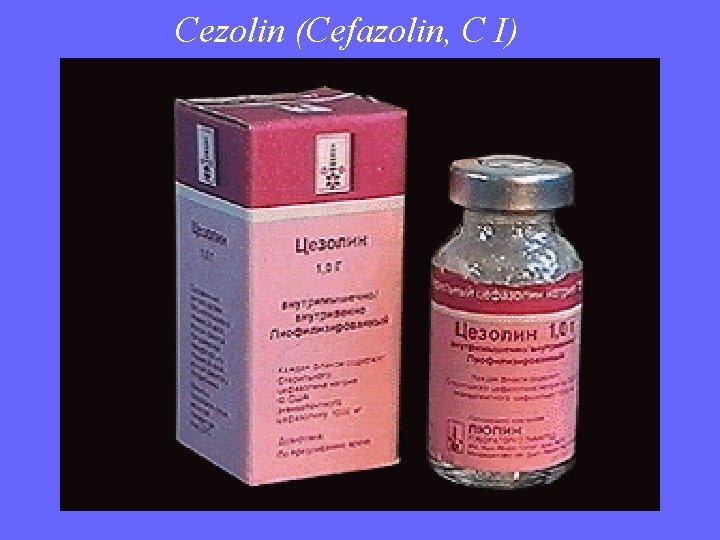
Cezolin (Cefazolin, C I)
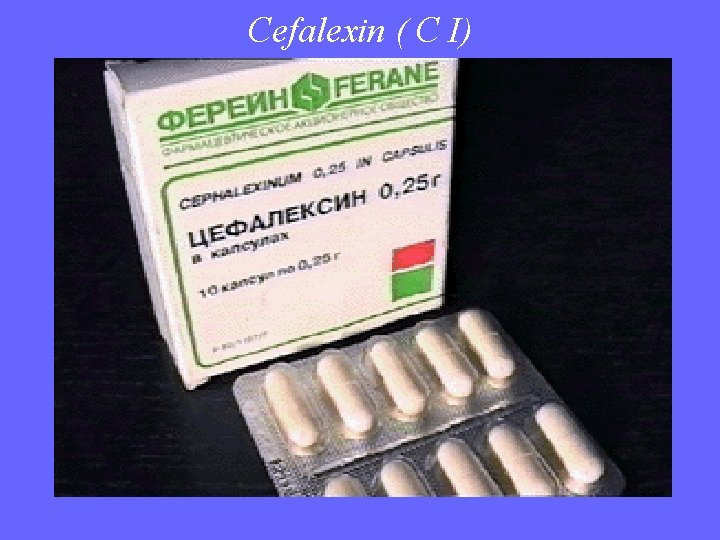
Cefalexin ( C I)
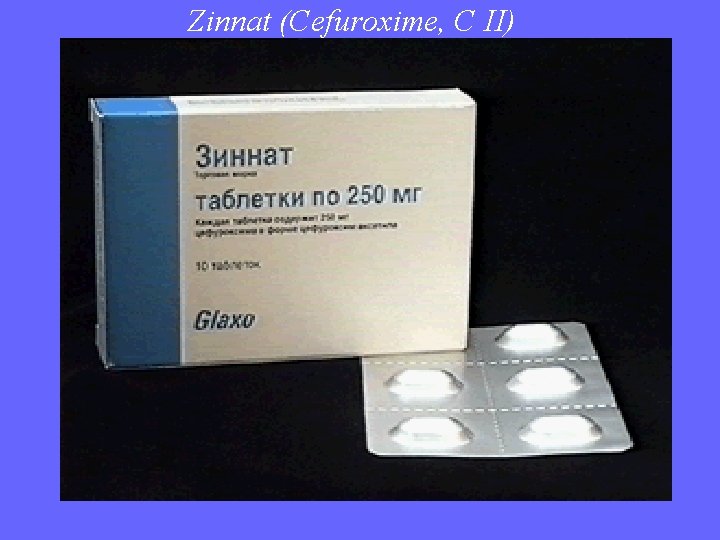
Zinnat (Cefuroxime, C II)
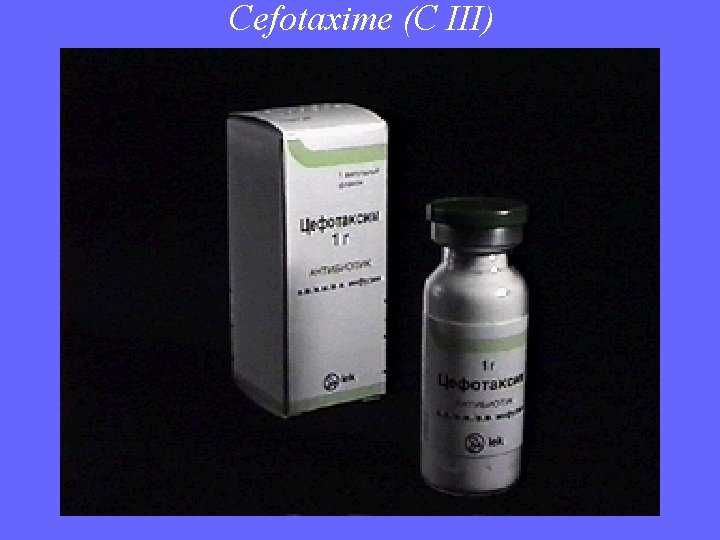
Cefotaxime (C III)
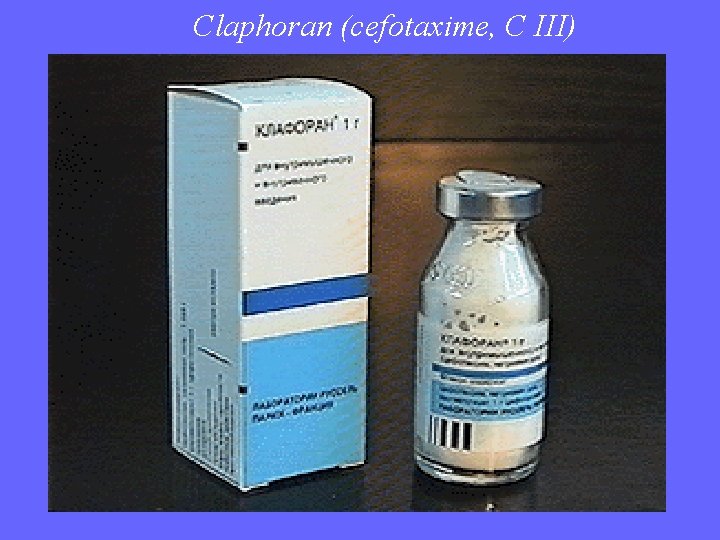
Claphoran (cefotaxime, C III)

Cefobid (Cefoperazone, C III)

Antimicrobial spectrum of cephalosporins Generation of cephalosporins Active towards Grampositive bacteria Stability towards betalactamase Gram. Staphylo Gramnegative cocci negative bacteria І +++ +/- ++ - ІІ ++ +/- ІІІ + +++ + + ІV ++ ++ ++
Complications, caused by cephalosporins l l l l Irritation of mucous membrane of digestive tract, infiltrates after intromuscular introduction , phlebitis after inrtavenous introduction Disbacteriosis, superinfection Allergic reactions, including cross allergy with penicillins Granulocytopenia (in case of treatment during more than 2 weeks) Hemorrhages (inhibition of synthesis of factors of blood coagulation in liver) – cephalosporins ІІІ Nephrotoxicity (accumulation in epithilial cells of kidney canalicules) Encephalopathy (hyperreflexia, seizures, coma)
Cephalosporines Not recommended to combine with other nephrotoxic drugs (aminoglycosides) Contraindicated to combine with loop diuretics (furosemid, etacrinic acid)
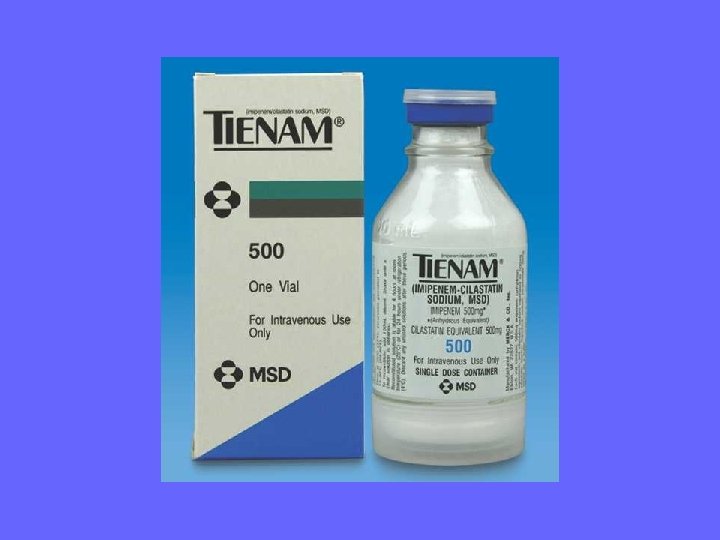
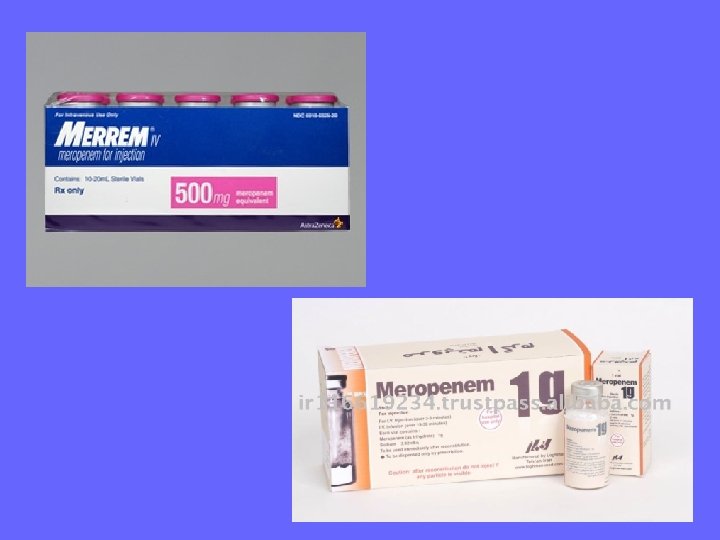
Carbapenems (tienamytsin) Tienam (imipenem + cylastatin) Meropenem The widest spectrum of antibacterial action most of aerobe and anaerobe Gram (+) and Gram (-) bacteria, including those which produce beta-lactamase

ANTIBIOTICS -2
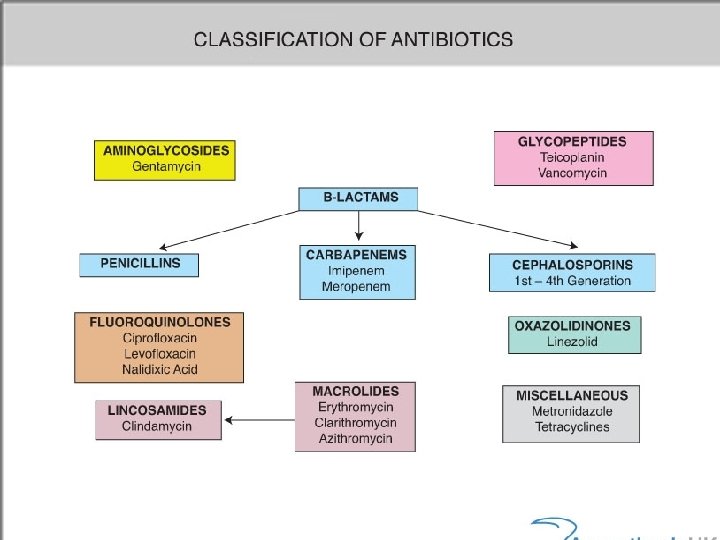
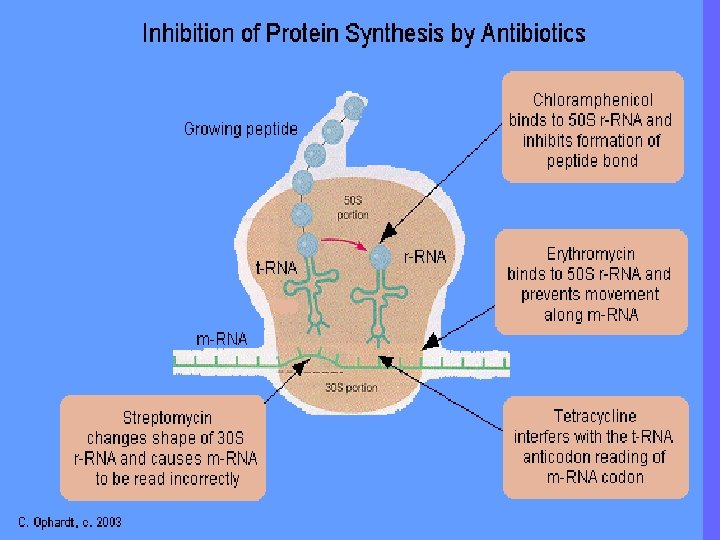

Classification of macrolides І. Natural substances: erythromycin, oleandomycin, spiramycin, jozamycin, midecamycin. ІІ. Semi-synthetic substances: roxythromycin, clarithromycin, flurythromycin, dyrythromycin, miokamycin, rokitamycin. III. Azalides (neutrogen atom is introduced in lacton ring): azithromycin.
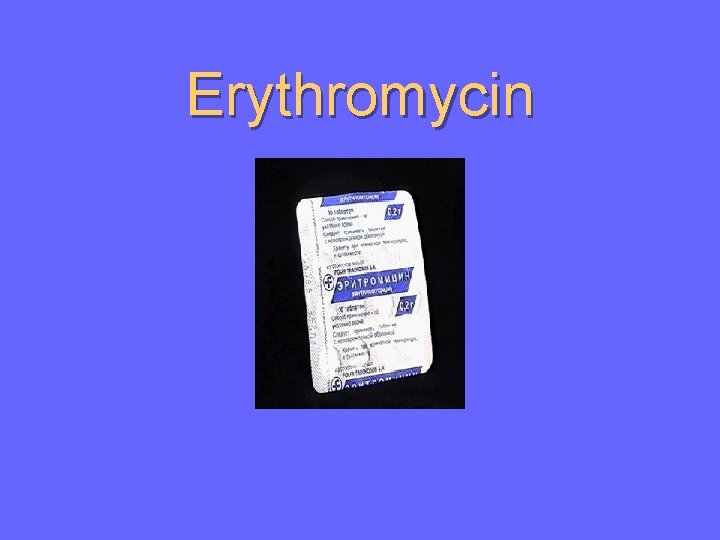
Erythromycin

Macropen (midecamycin)

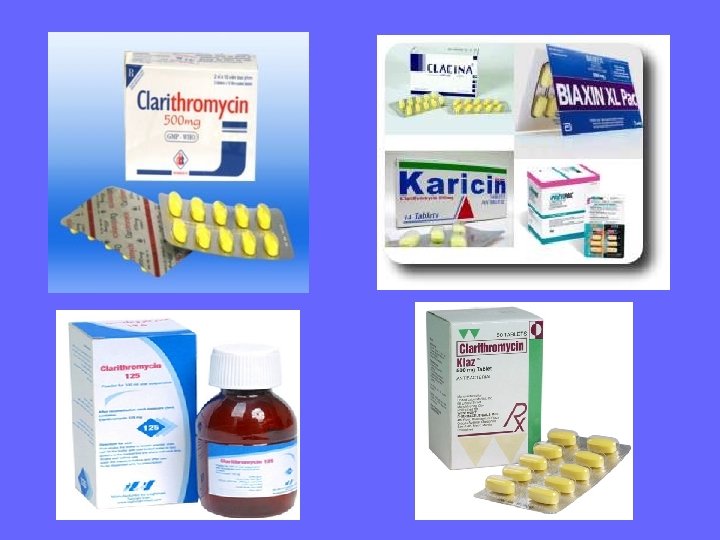
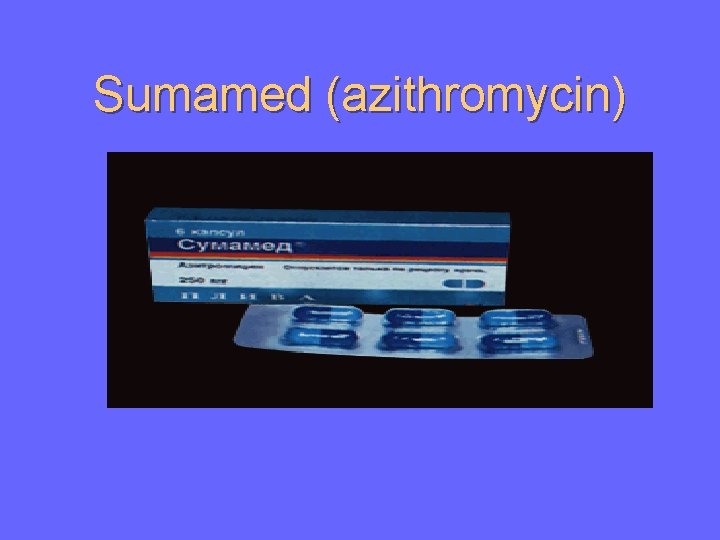
Sumamed (azithromycin)
spectrum of action of maclrolides and azalides l staphylo-, strepto-, hono-, anaerobe cocci, enterobacteria l H. influenzae (clarythromycin, azithromycin) l intracellular situated microorganisms (strains of Helicobacter, Chlamydia, Legionellа, M. pneumoniae, U. urealyticum etc. )
Pharmacokinetics of macrolides Quiclkly and fully distributed through the tissues (do not pass through HEB) Correlation concentration tissues/blood: Erythromycin – (5 -10) : 1 Azithromycin – (100 -500) : 1 Their concentration in phagocyting cells prevails concentration in blood pasma in 12 -20 times, they get accumulated in source of inflammation - macrolides paradoxis
Side affects of macrolides Dispeptic disorders, disbacteriosis, superinfection Cholestasis, cholestatic jaundice (erythromycin) Depression of liver microsome enzyme activity (erythromycin, oleandomycin can not be combined with theophylline, ergot alkaloids, carbamazepine) Development of resistance in process of treatment
Linkosamides Linkomycin Clindamycin Action spectrum: Gram positive aerobe cocci, grampositive and gramnegatvie anaerobes Penetrate all the tissues (don’t pass through HEB) including intracellurally Usage: usually in heavy infections, caused by anaerobe microorganisms A lot of side effects
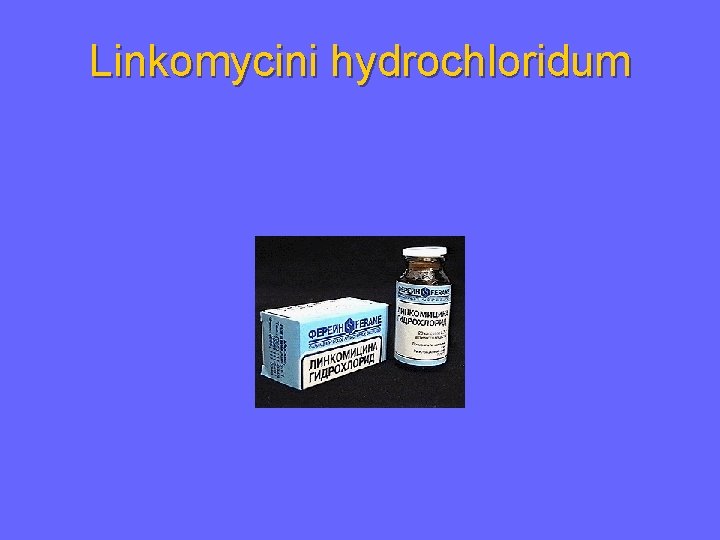
Linkomycini hydrochloridum
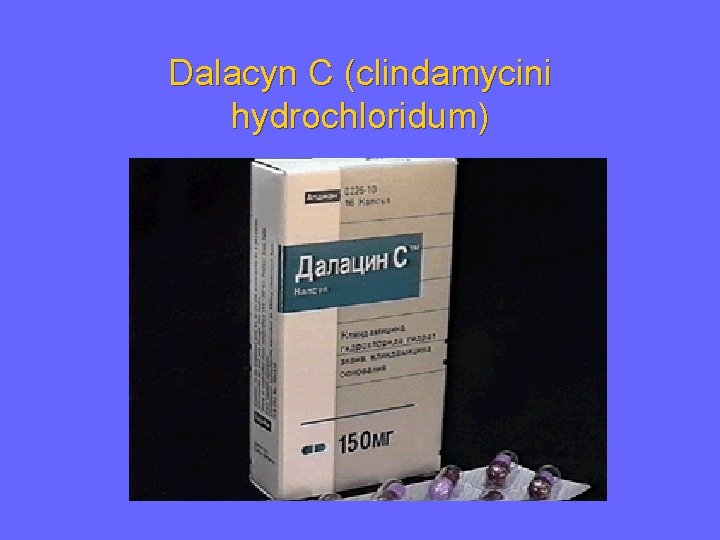
Dalacyn C (clindamycini hydrochloridum)
Tetracyclines 1. Natural - biosynthetic: chlortetracycline, oxytetracycline, dimethylchlortetracycline. 2. Semisynthetic: doxycycline (vibramycin), metacycline (rondomycin), minocycline.
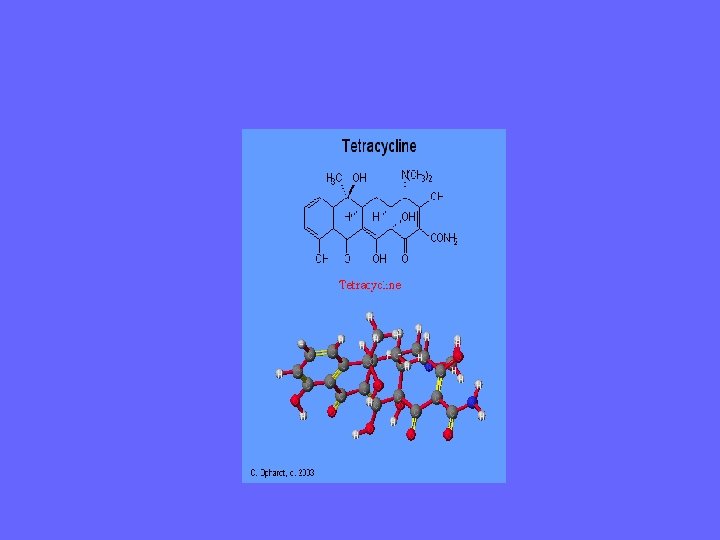
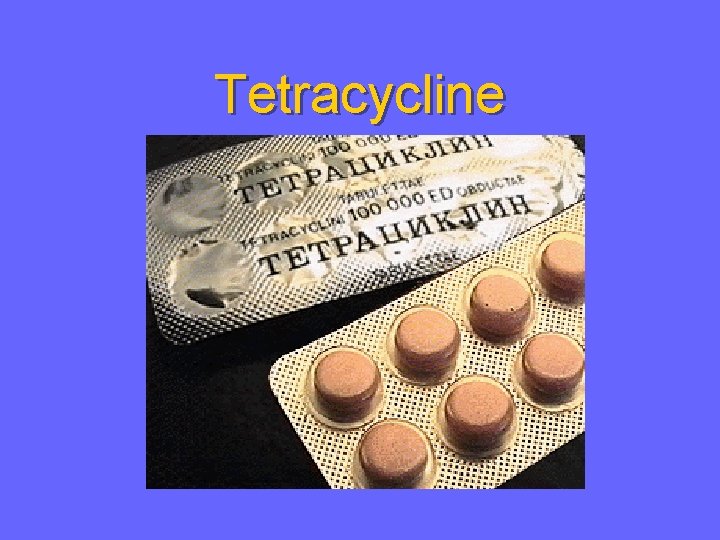
Tetracycline
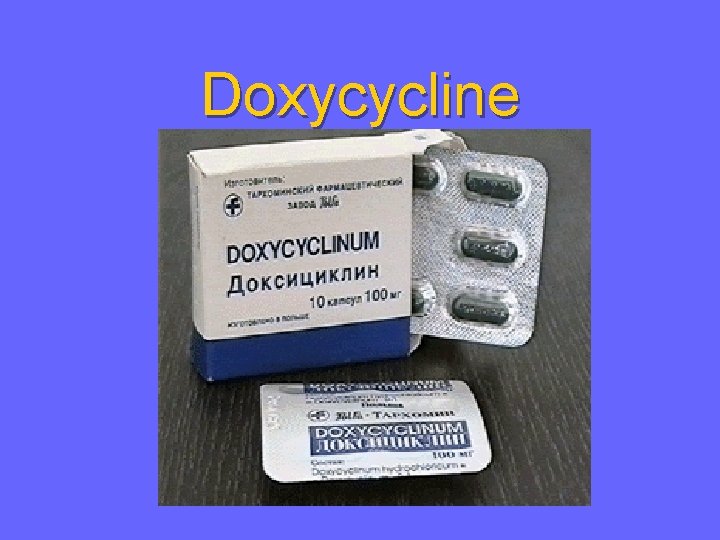
Doxycycline

Vibramycin (doxycycline)

Shemes of tetracyclines administration Tetracycline - 0, 25 -0, 5 g 4 times per 24 hours Methacycline – 0, 3 -0, 6 g 2 times per 24 hours Doxycycline – 0, 2 g (first day), 0, 1 g (next days) 1 time per 24 hours
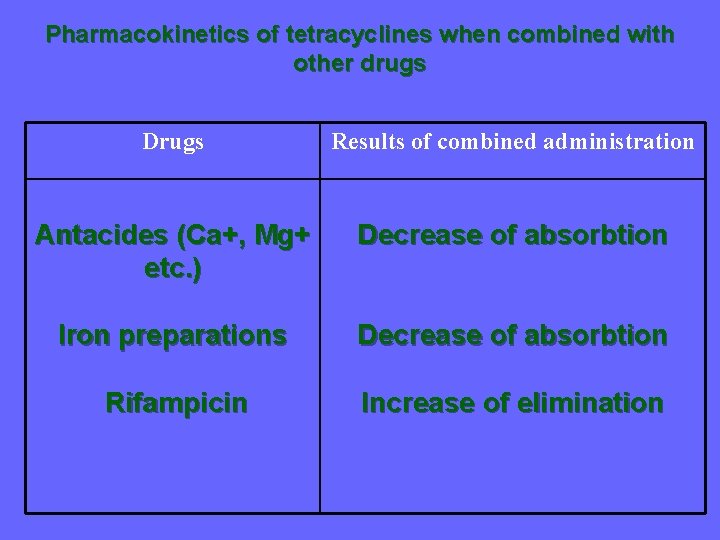
Pharmacokinetics of tetracyclines when combined with other drugs Drugs Results of combined administration Antacides (Ca+, Mg+ etc. ) Decrease of absorbtion Iron preparations Decrease of absorbtion Increase of elimination Rifampicin
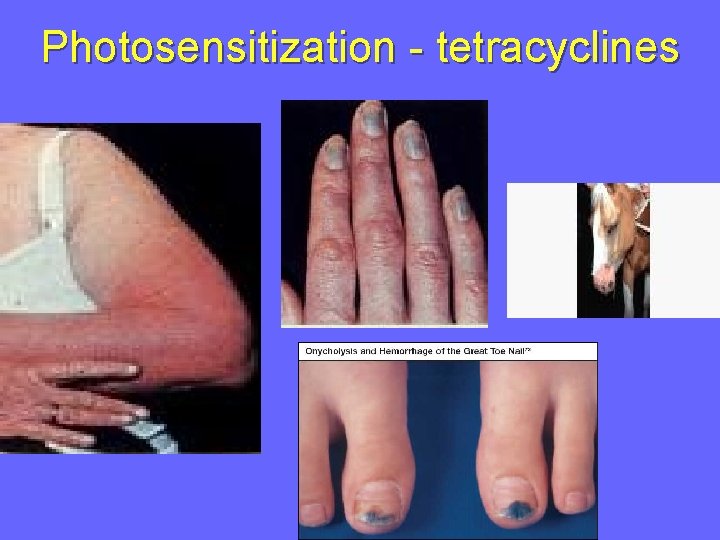
Photosensitization - tetracyclines
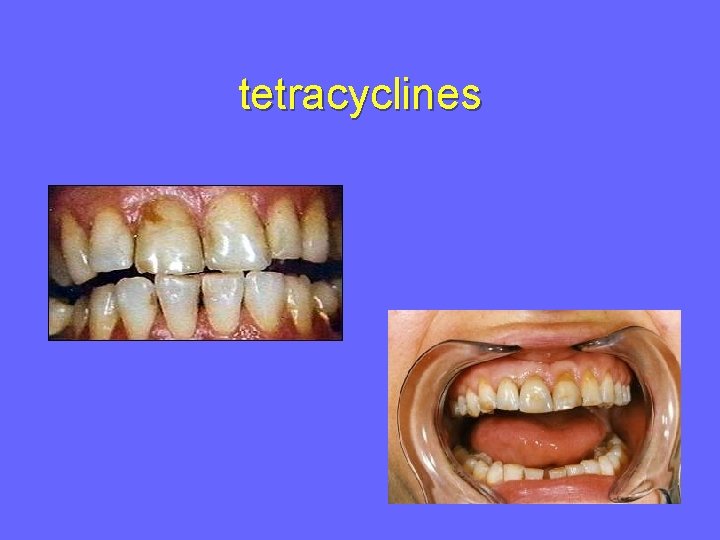
tetracyclines
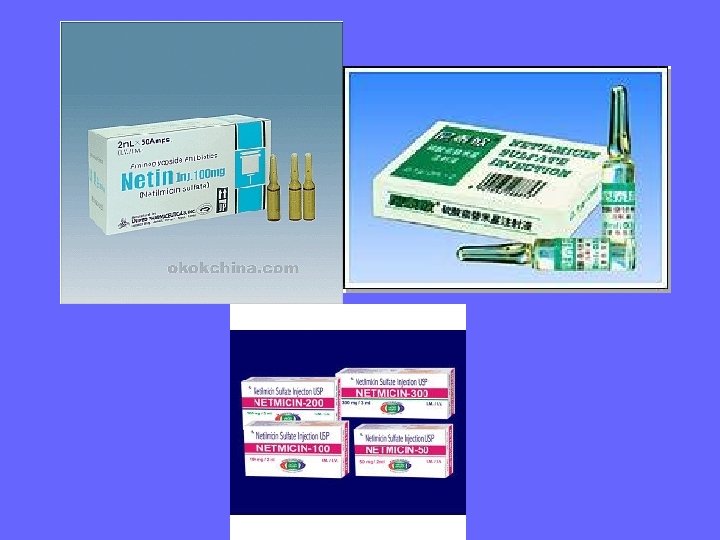
AMINOGLYCOSIDES І generation: streptomycin, neomycin, monomycin, kanamycin ІІ generation: gentamycin (garamycin), tobramycin, syzomycin ІІІ generation: netilmycin (netromycin), amikacin.
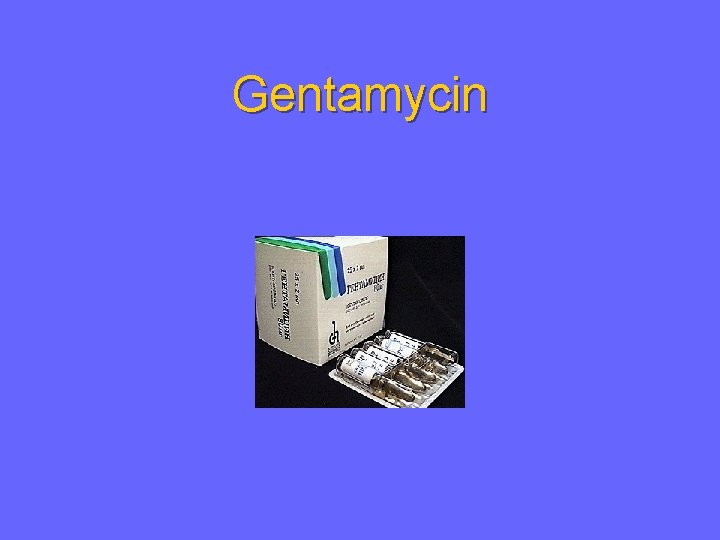
Gentamycin
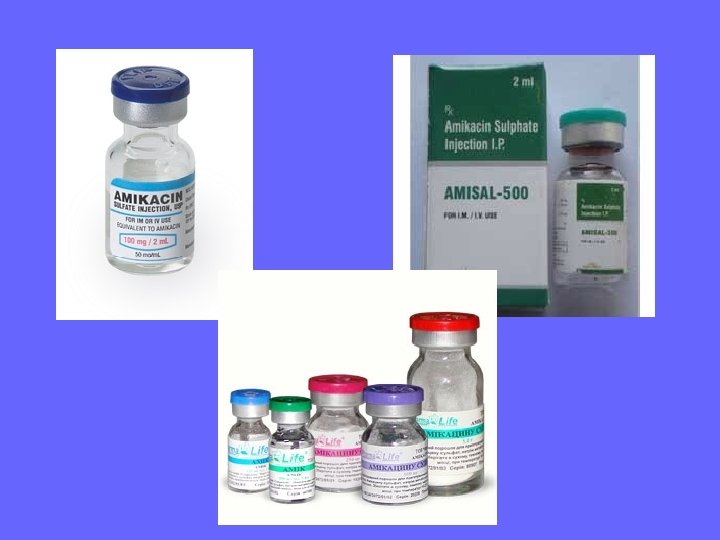
Concentration of aminoglycosides in blood should not overcome: Amikacin, kanamycin – 35 -40 mkg/ml Gentamicin, tobramycin – 10 -12 mkg/ml
Complications in administration of aminoglycosides Ototoxicity Nephrotoxicity Neurotoxicity According to extent of toxicity netilmicin < gentamicin <tobramycin < amikacin < neomycin < streptomycin < monomycin < kanamycin Leuko-, thrombocytopenia, hemmorhages, hemolisis Allergic reactions
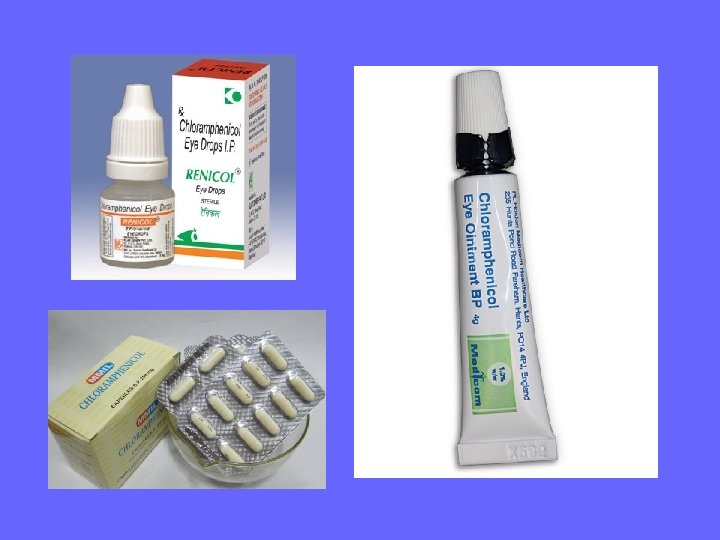
Chloramphenicol – levomycetin Indications: meningitis, typhoid fever, paratyphoid fever, brucellosis, tularemia Side effects: Hypochrome and aplastic anemia Granulocytopenia, thrombocytopenia «Grey syndrome of a featus» Disbacteriosis and superinfection
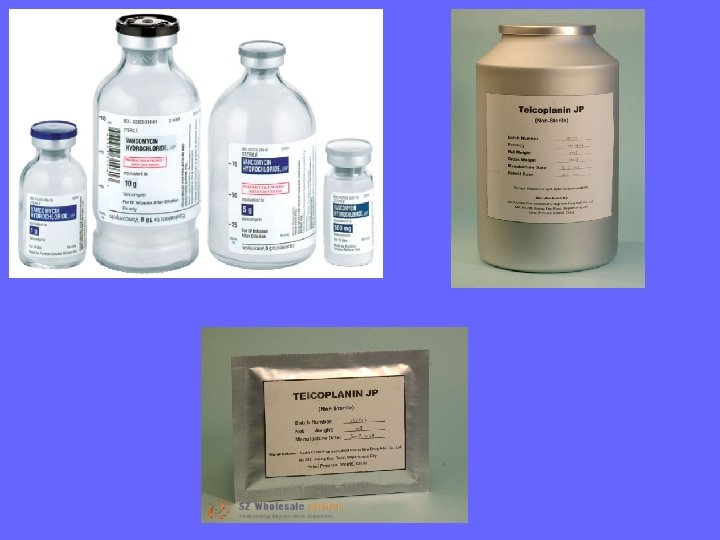
Glycopeptide antibiotics Vankomycin, Teikoplanin Active towards МRS і MRCNS Drugs of choice for C. difficile - associated colitis
Sulfonamides One of the first groups of antibасterial agents l sulfadiazine l sulfamethizole l sulfamethoxazole l sulfisoxazole

Sulfonamides: Mechanism of Action l Bacteriostatic action l Prevent synthesis of folic acid required for synthesis of purines and nucleic acid l Does not affect human cells or certain bacteria—they can use preformed folic acid
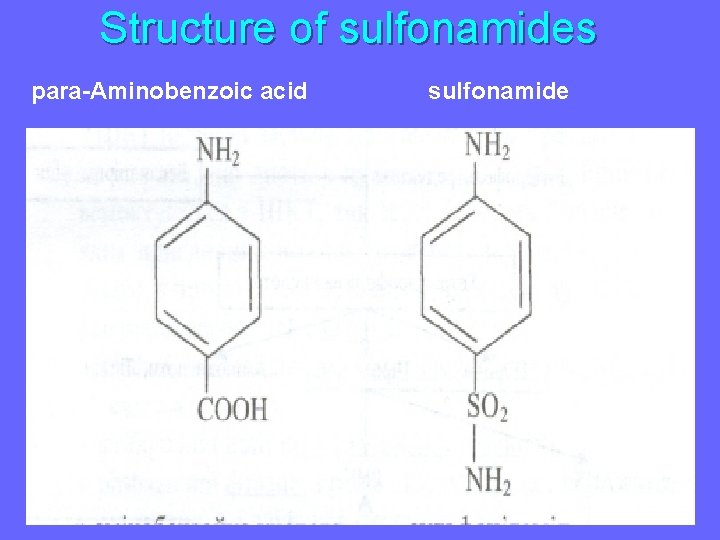
Structure of sulfonamides para-Aminobenzoic acid sulfonamide
Classification of sulfonamides (accordingly to duration of action) Short action: streptocid, sulfadimezine, aethazole, norsulfazole, urosulfan, sulfizoxazole, sulfacyl-sodium l Medium duration of action: sulfamethoxazole (is a part of co-trimoxazole) l Longlasting action: sulfadimethoxyn, sulfapirydazin, sulfamonomethoxyn l Super longlasting action: sulfalen, sulfadoxyn (is a part of fansidar) l
Sulfonamides: sulfamethoxazole Therapeutic Uses Azo-Gantanol Combined with phenazopyridine (an analgesic-anesthetic that affects the mucosa of the urinary tract). Used to treat urinary tract infections (UTIs) and to reduce the pain associated with UTIs. Bactrim Combined with trimethoprim. Used to treat UTIs, Pneumocystis carinii pneumonia, ear infections, bronchitis, gonorrhea, etc.
Co-trimoxazole (Bactrim) l 480 - for adults l 960 - for adults l 120 – for children l 240 – for children Orally 2 times daily
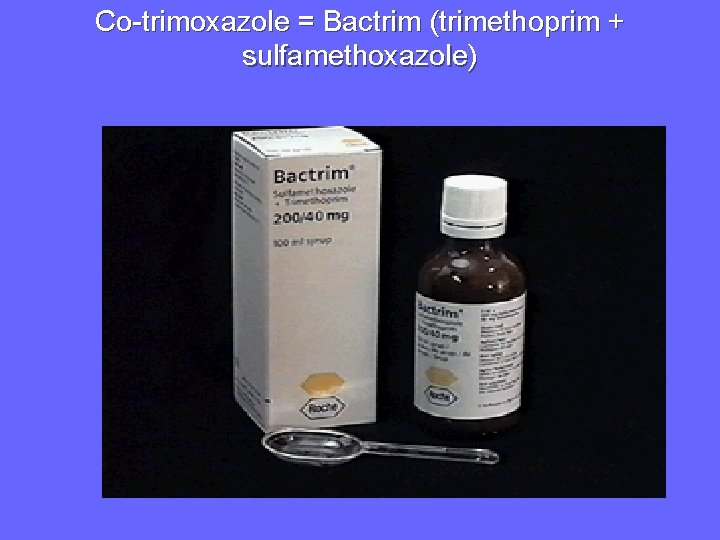
Co-trimoxazole = Bactrim (trimethoprim + sulfamethoxazole)
Sulfonamides: sulfisoxazole Therapeutic Uses Azo-Gantrisin Combined with phenazopyridine l Used for UTIs l Pediazole l Combined with erythromycin l Used to treat otitis media
Sulfonamides: Side Effects Body System Effect Blood Hemolytic and aplastic anemia, thrombocytopenia Photosensitivity, exfoliative dermatitis, Stevens-Johnson syndrome, epidermal necrolysis Integumentary
Sulfonamides: Side Effects Body System Effect GI diarrhea, Other Nausea, vomiting, pancreatitis Convulsions, crystalluria, toxic nephrosis, headache, peripheral neuritis, urticaria

Sulfonamides’ Dispensing Issues l Avoid the sun l Maintain adequate fluid intake
- Slides: 90