
Anthropological Approach What is Anthropology Anthropology The study




- Slides: 54
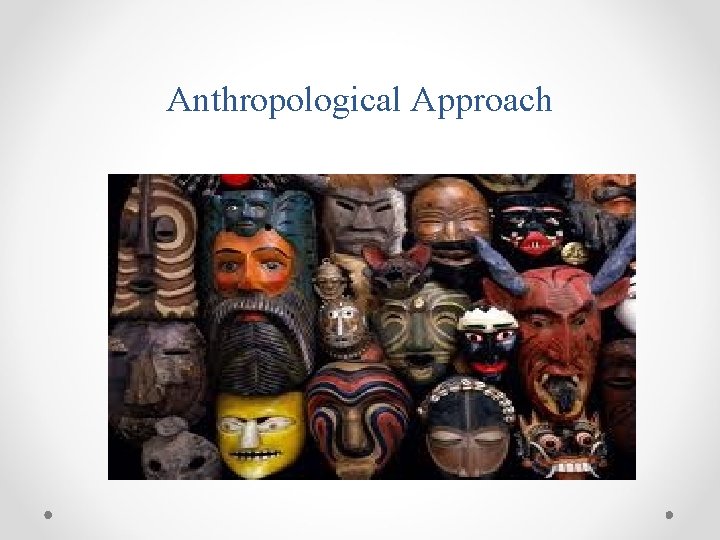
Anthropological Approach
What is Anthropology?
Anthropology The study (logos) of human beings (anthropos)
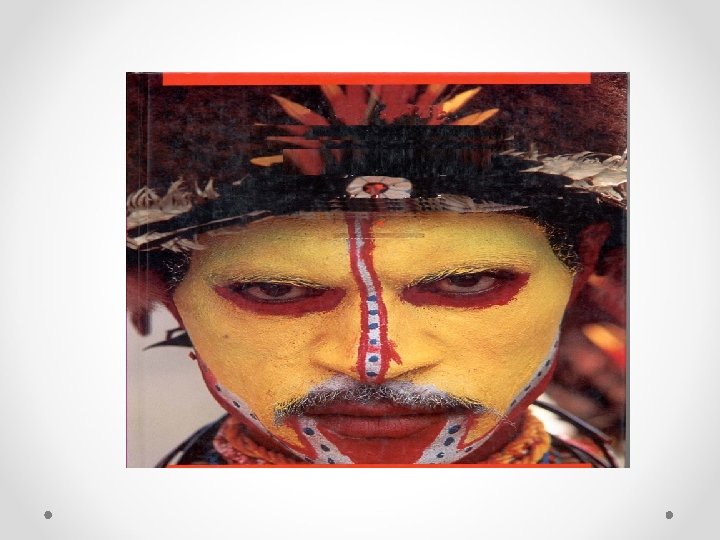
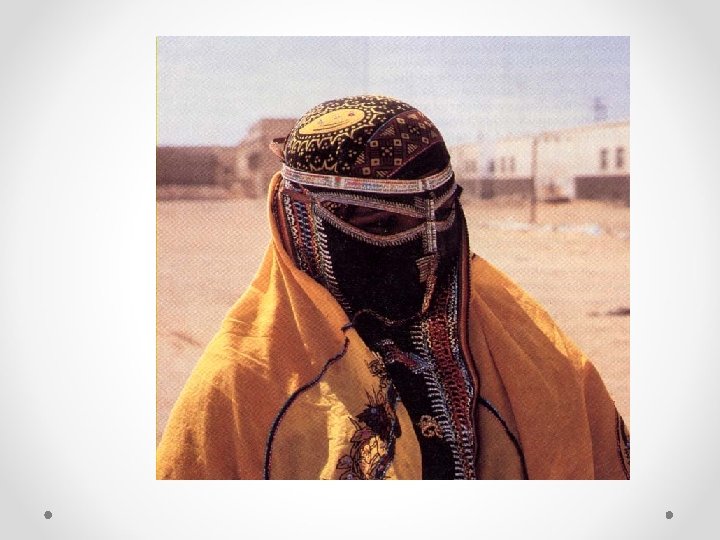
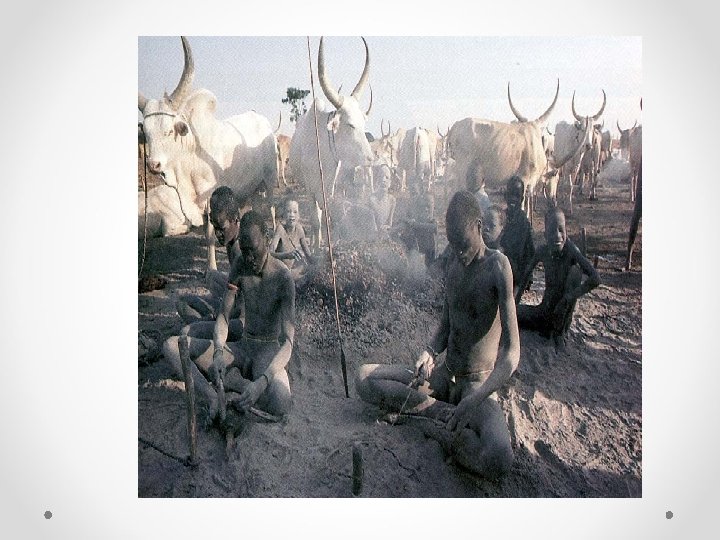
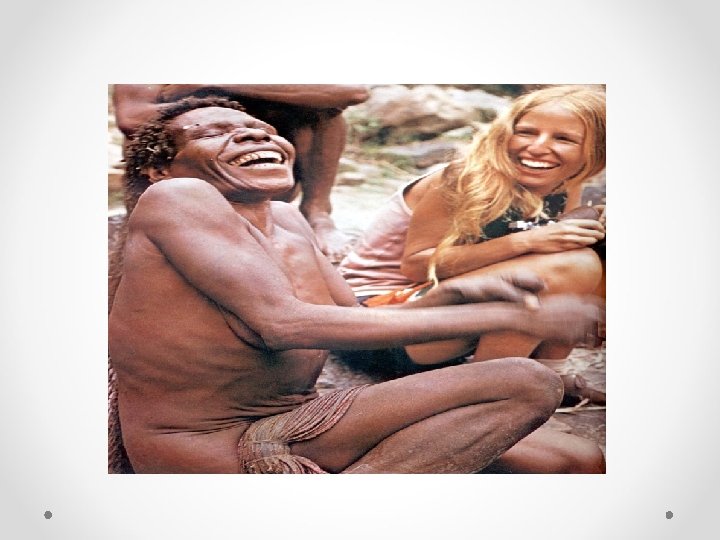
The aim of anthropology is to discover and explain the similarities and differences among human groups.
Specializations in Anthropology
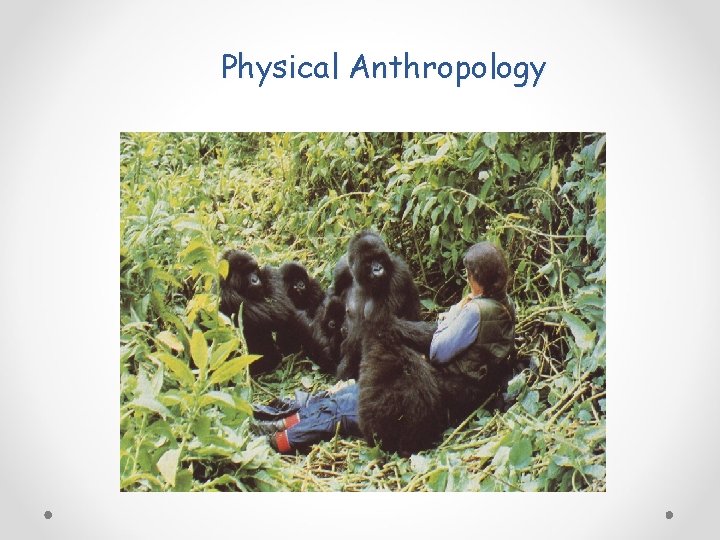
Physical Anthropology
Physical anthropology This is the study of human kind from biological perspective. A major task of physical anthropology is to study the evolution of the human species over time and the biological processes involved in human adaptation.
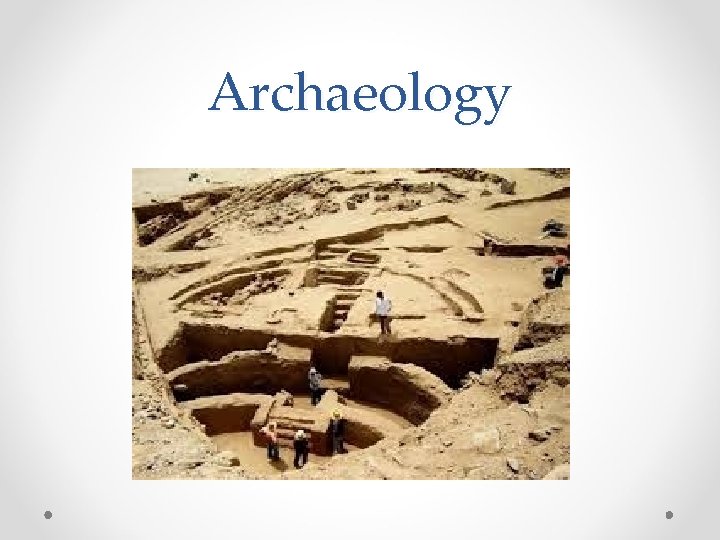
Archaeology
Archaeology The study of human history and prehistory through the excavation of sites and the analysis of artefacts and other physical remains
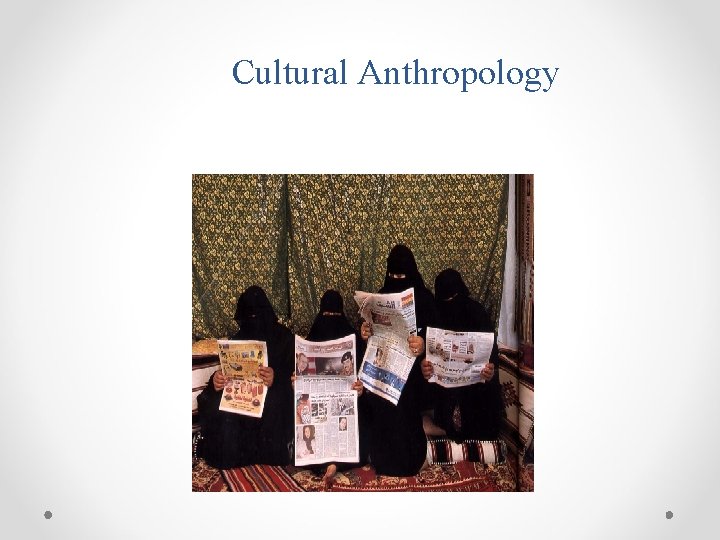
Cultural Anthropology
Cultural Anthropology This field studies human behavior that is learned, rather than genetically transmitted and that is typical of a particular human group. These learned and shared kinds of human behavior are called culture.
Linguistic Anthropology
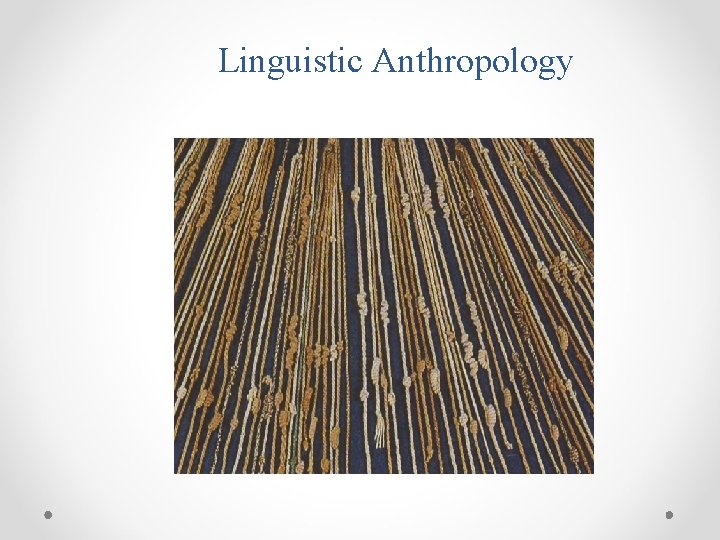
Linguistic Anthropology Studies languages, which is more than just written or spoken; it includes any kind of pattern communication between people.
Concept Of Culture
71
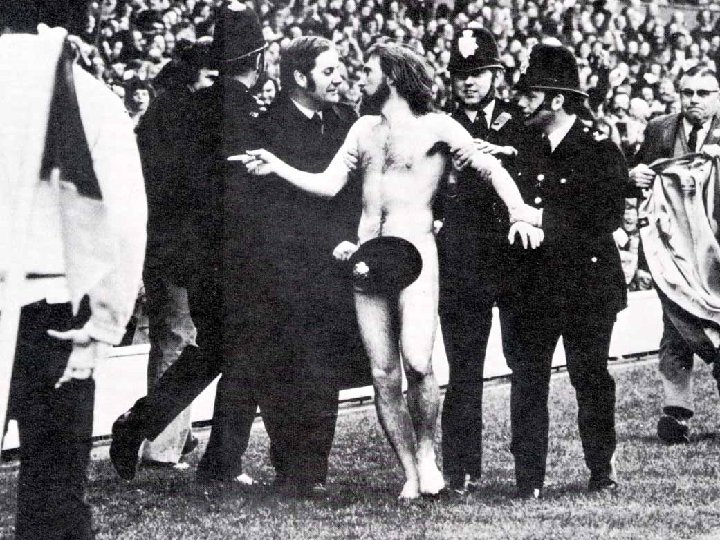
Culture is the customs, ideas, symbols, artifacts, and languages that human beings in groups share with and learn with one another.
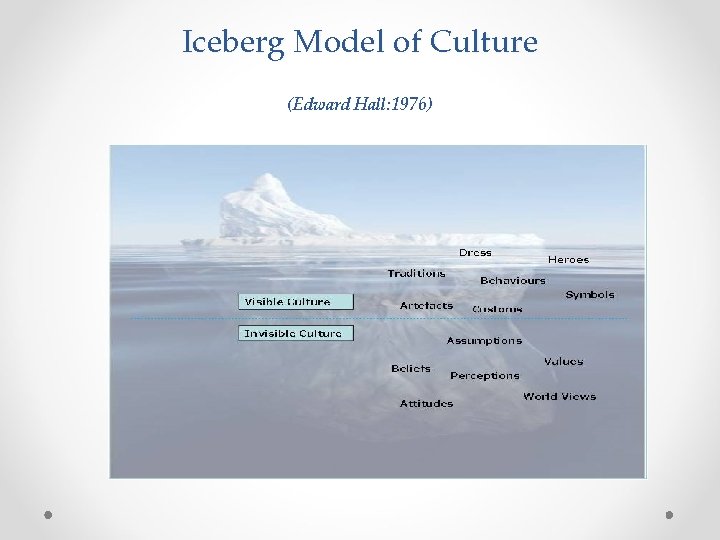
Iceberg Model of Culture (Edward Hall: 1976)
Characteristic of culture • Culture is not the same as Nature
What about eating ? • What to eat • How to eat • When to eat • Where to eat
Then what about defecating? • Place of defecation • Defecating position • Variation of toilet • Use of toilet paper
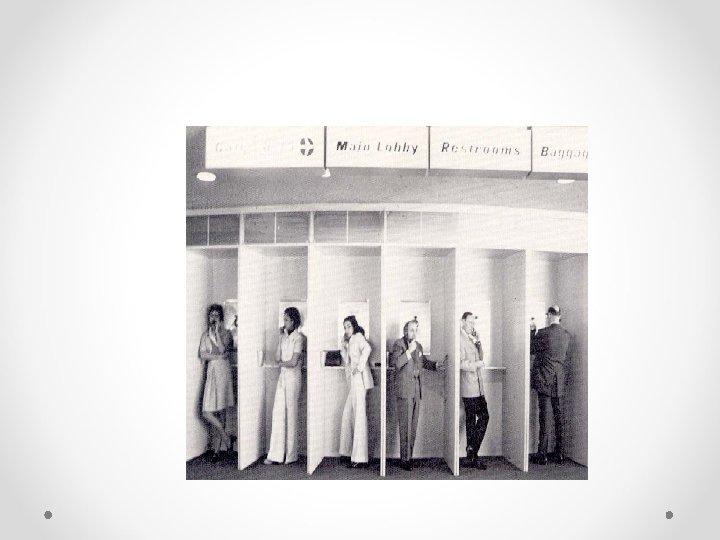
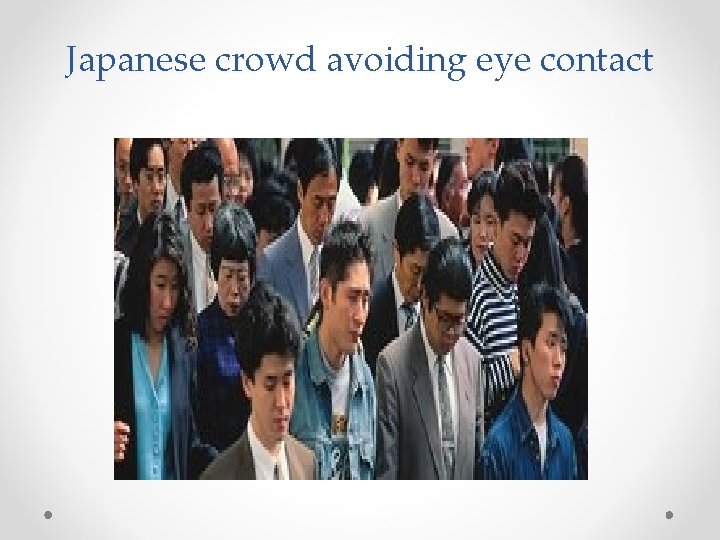
Is ‘Space’ cultural ? • Public – Private • Proximity • Hierarchy
Japanese crowd avoiding eye contact
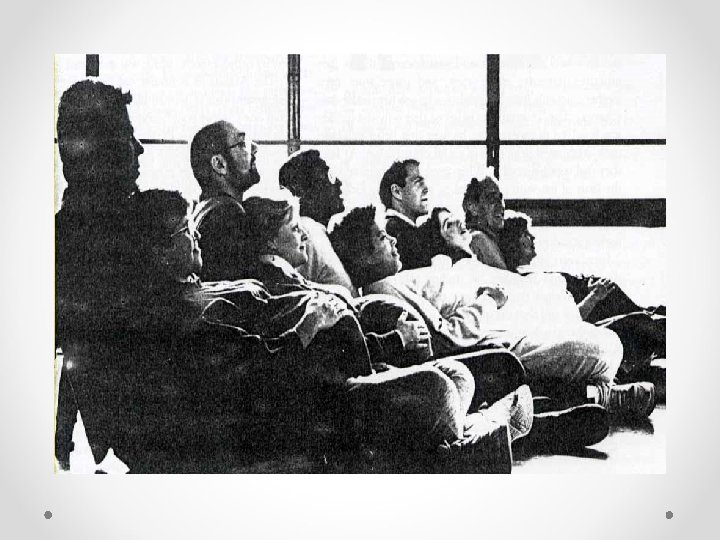
• Culture is learned
Enculturation • This is the process by which an individual absorbs the details of his or her particular culture, starting from birth.
• Culture is dynamic
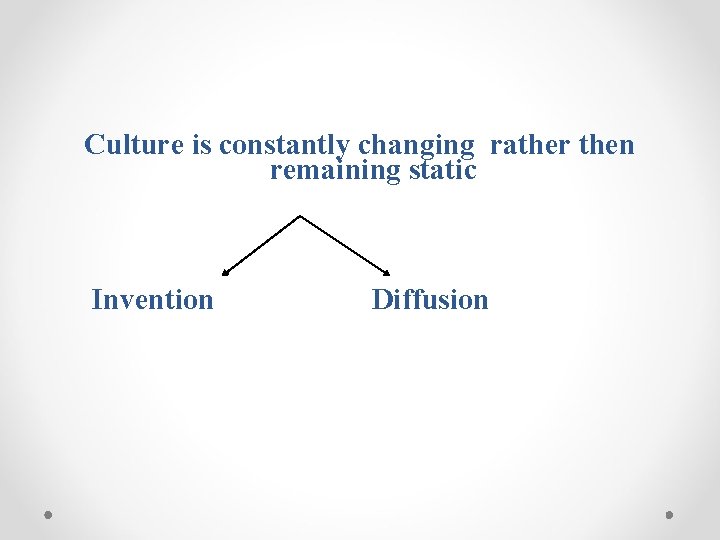
Culture is constantly changing rather then remaining static Invention Diffusion
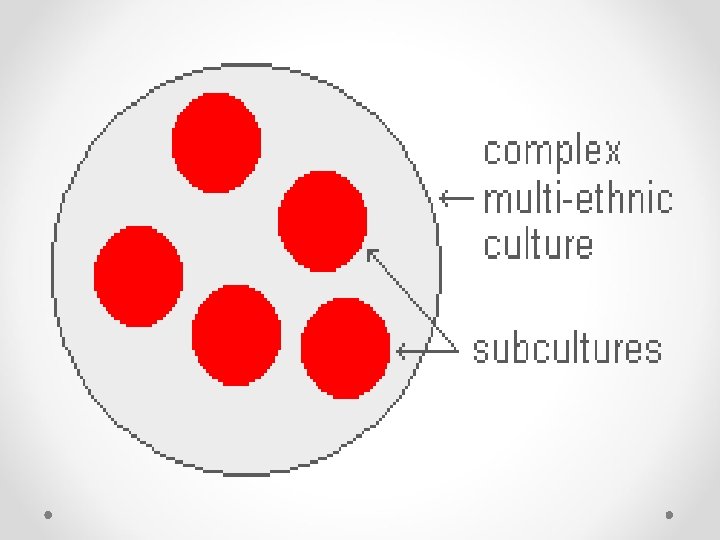
• Culture is Multiple
How to deal with the beliefs and behaviors that are different from my own? • Ethnocentrism
Ethnocentrism The tendency to view the world through the narrow lens of ones own culture or social position.
Cultural relativism • The idea that each culture must be understood in terms of the values and beliefs of that culture and should not be judged by the standard of another culture.
Critical cultural relativism • Offers an alternative view that poses questions about cultural practices and ideas in terms of who accepts them and why and who they might be harming or helping.
A different point of view is simply the view from a place where you are not
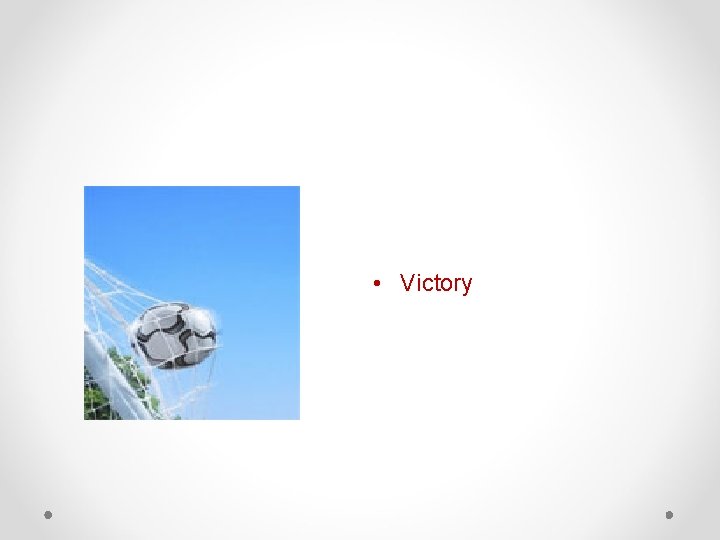
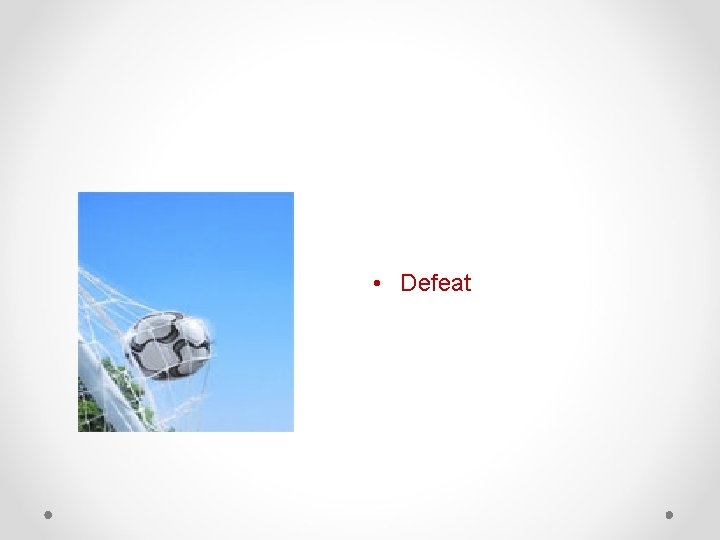
• Victory
• Defeat
Is it possible to see the world through the eyes of others?
Two crucial terms • Emic view • Etic view
Emic View • Refers to what insiders do and perceive about their culture. It included their perceptions of reality and their explanations for why they do what they do.
Etic view • Refer to the analytical framework and tools used by outsiders in searching for patterns of the insiders culture.
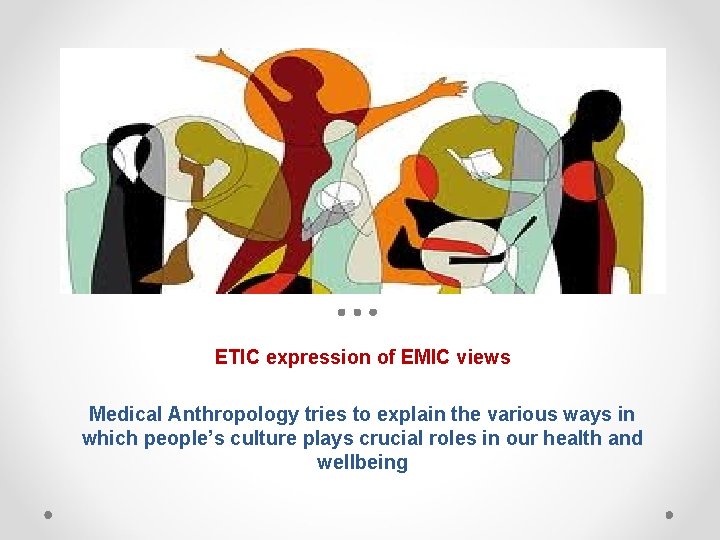
ETIC expression of EMIC views Medical Anthropology tries to explain the various ways in which people’s culture plays crucial roles in our health and wellbeing