
Another cardiac cycle AHHHH 20 1 Cardiac cycle
- Slides: 11
Another cardiac cycle! AHHHH! 20 -1
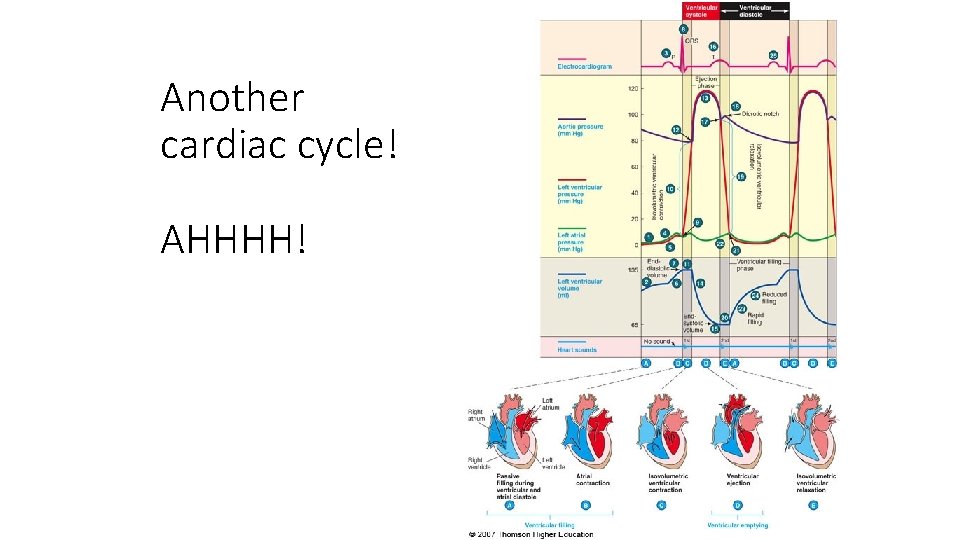
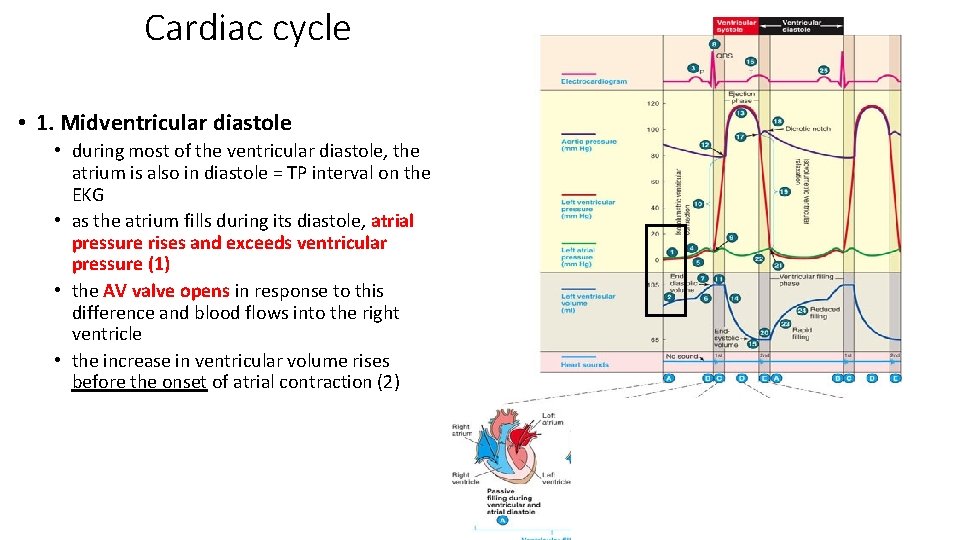
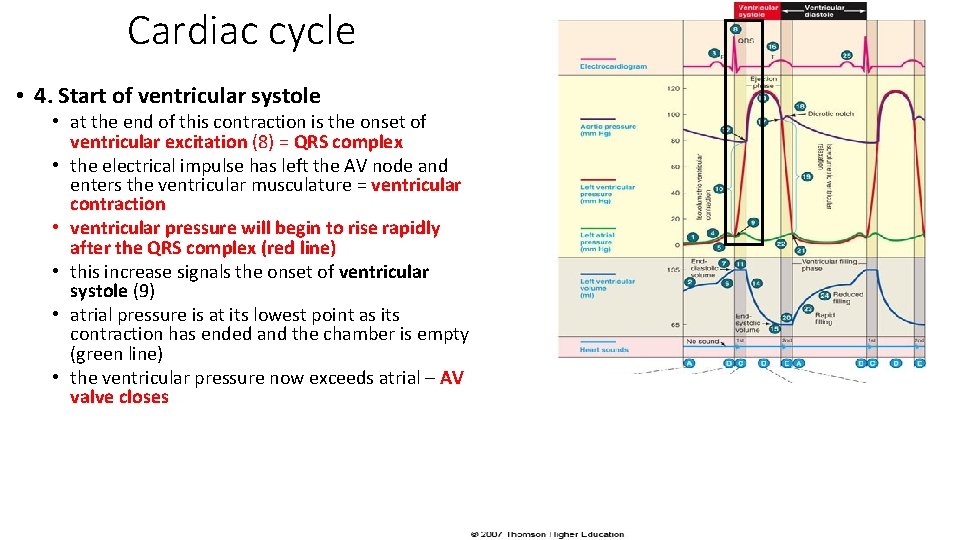
Cardiac cycle • 1. Midventricular diastole • during most of the ventricular diastole, the atrium is also in diastole = TP interval on the EKG • as the atrium fills during its diastole, atrial pressure rises and exceeds ventricular pressure (1) • the AV valve opens in response to this difference and blood flows into the right ventricle • the increase in ventricular volume rises before the onset of atrial contraction (2) 20 -2
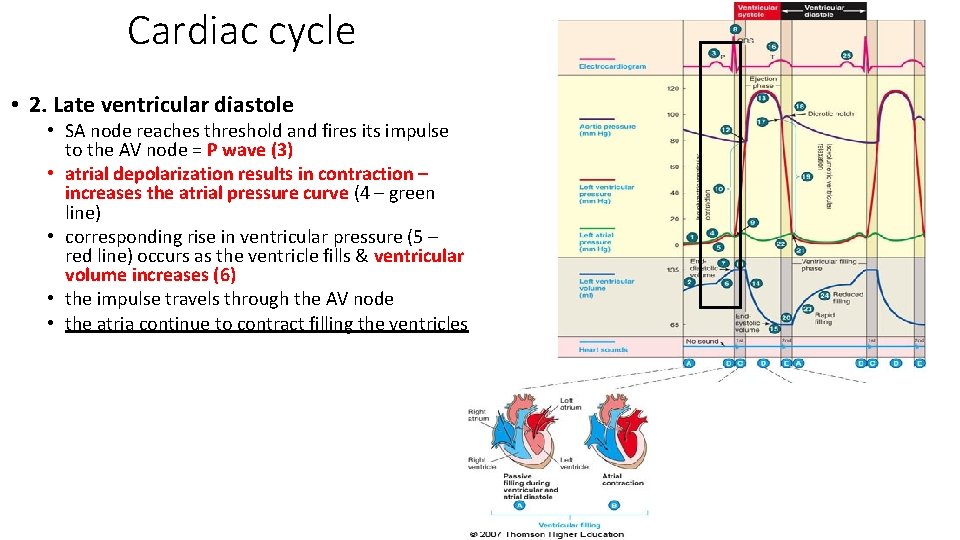
Cardiac cycle • 2. Late ventricular diastole • SA node reaches threshold and fires its impulse to the AV node = P wave (3) • atrial depolarization results in contraction – increases the atrial pressure curve (4 – green line) • corresponding rise in ventricular pressure (5 – red line) occurs as the ventricle fills & ventricular volume increases (6) • the impulse travels through the AV node • the atria continue to contract filling the ventricles 20 -3
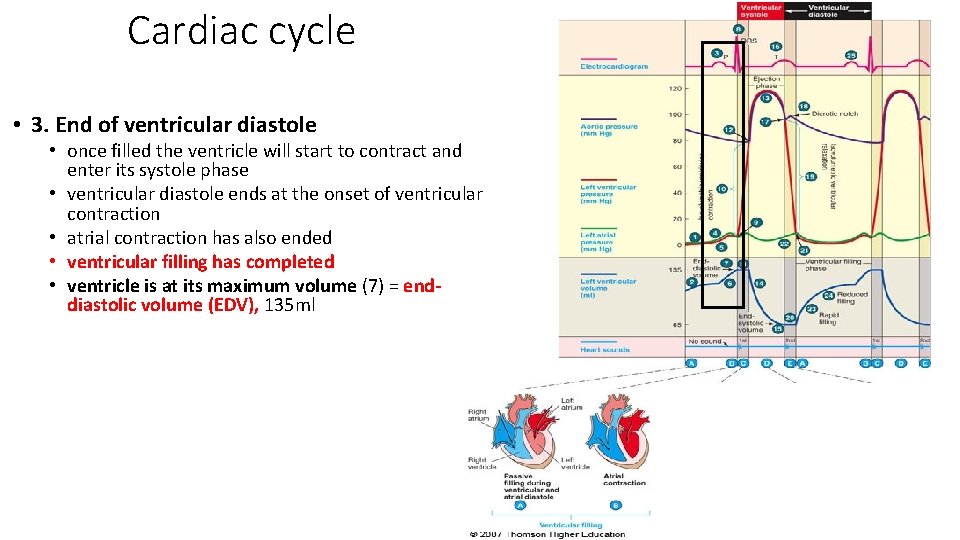
Cardiac cycle • 3. End of ventricular diastole • once filled the ventricle will start to contract and enter its systole phase • ventricular diastole ends at the onset of ventricular contraction • atrial contraction has also ended • ventricular filling has completed • ventricle is at its maximum volume (7) = enddiastolic volume (EDV), 135 ml
Cardiac cycle • 4. Start of ventricular systole • at the end of this contraction is the onset of ventricular excitation (8) = QRS complex • the electrical impulse has left the AV node and enters the ventricular musculature = ventricular contraction • ventricular pressure will begin to rise rapidly after the QRS complex (red line) • this increase signals the onset of ventricular systole (9) • atrial pressure is at its lowest point as its contraction has ended and the chamber is empty (green line) • the ventricular pressure now exceeds atrial – AV valve closes 20 -5
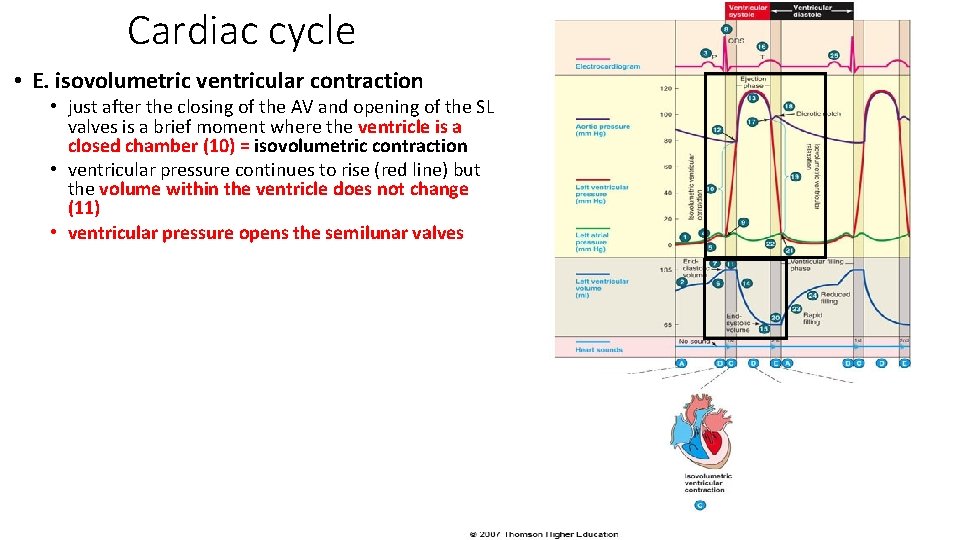
Cardiac cycle • E. isovolumetric ventricular contraction • just after the closing of the AV and opening of the SL valves is a brief moment where the ventricle is a closed chamber (10) = isovolumetric contraction • ventricular pressure continues to rise (red line) but the volume within the ventricle does not change (11) • ventricular pressure opens the semilunar valves 20 -6
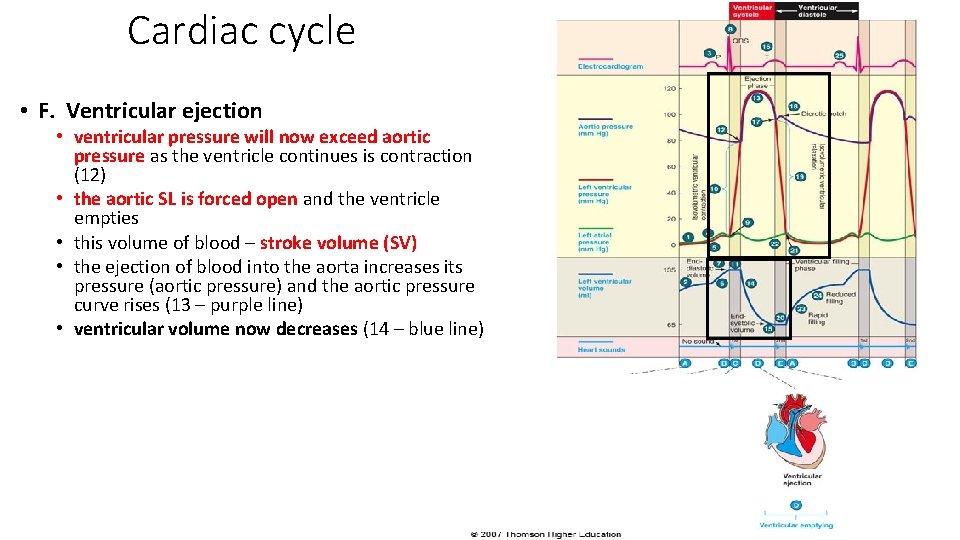
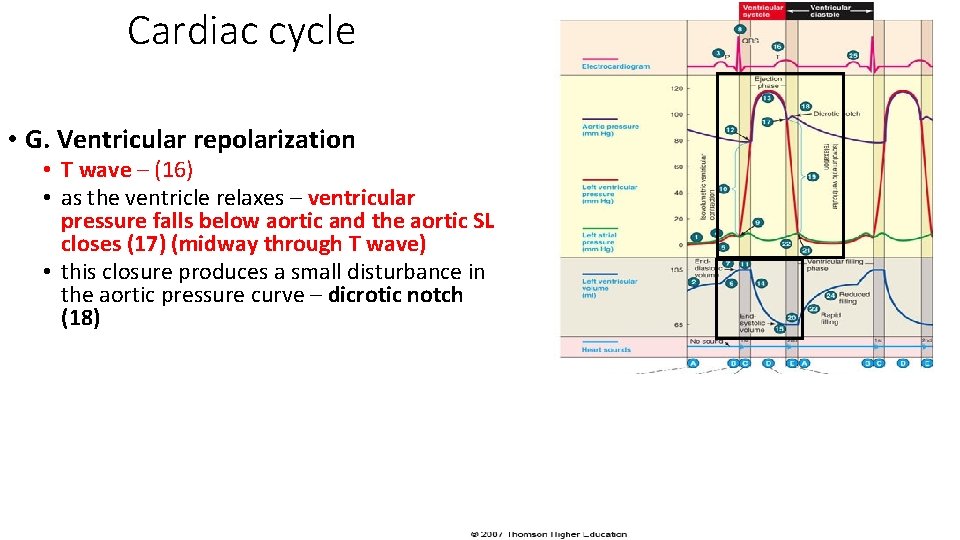
Cardiac cycle • F. Ventricular ejection • ventricular pressure will now exceed aortic pressure as the ventricle continues is contraction (12) • the aortic SL is forced open and the ventricle empties • this volume of blood – stroke volume (SV) • the ejection of blood into the aorta increases its pressure (aortic pressure) and the aortic pressure curve rises (13 – purple line) • ventricular volume now decreases (14 – blue line) 20 -7
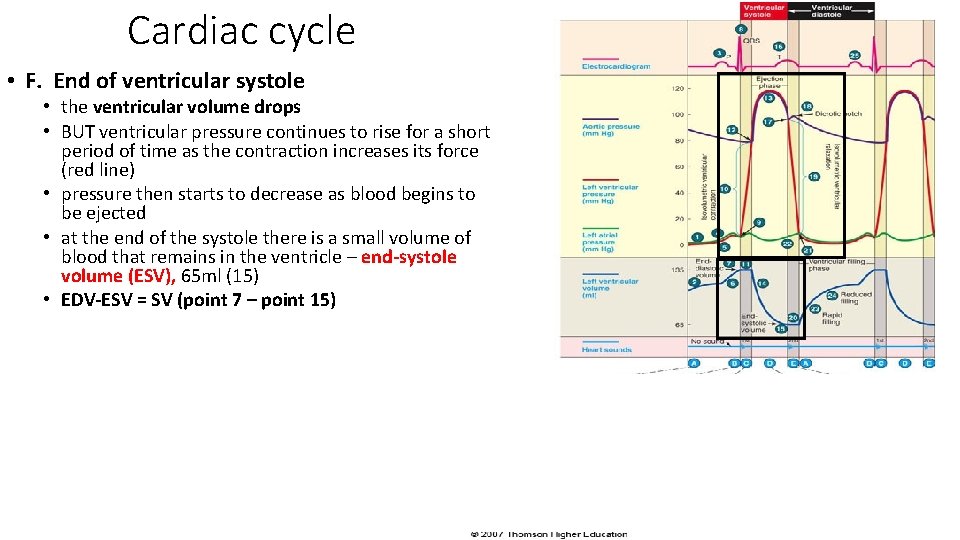
Cardiac cycle • F. End of ventricular systole • the ventricular volume drops • BUT ventricular pressure continues to rise for a short period of time as the contraction increases its force (red line) • pressure then starts to decrease as blood begins to be ejected • at the end of the systole there is a small volume of blood that remains in the ventricle – end-systole volume (ESV), 65 ml (15) • EDV-ESV = SV (point 7 – point 15) 20 -8
Cardiac cycle • G. Ventricular repolarization • T wave – (16) • as the ventricle relaxes – ventricular pressure falls below aortic and the aortic SL closes (17) (midway through T wave) • this closure produces a small disturbance in the aortic pressure curve – dicrotic notch (18) 20 -9
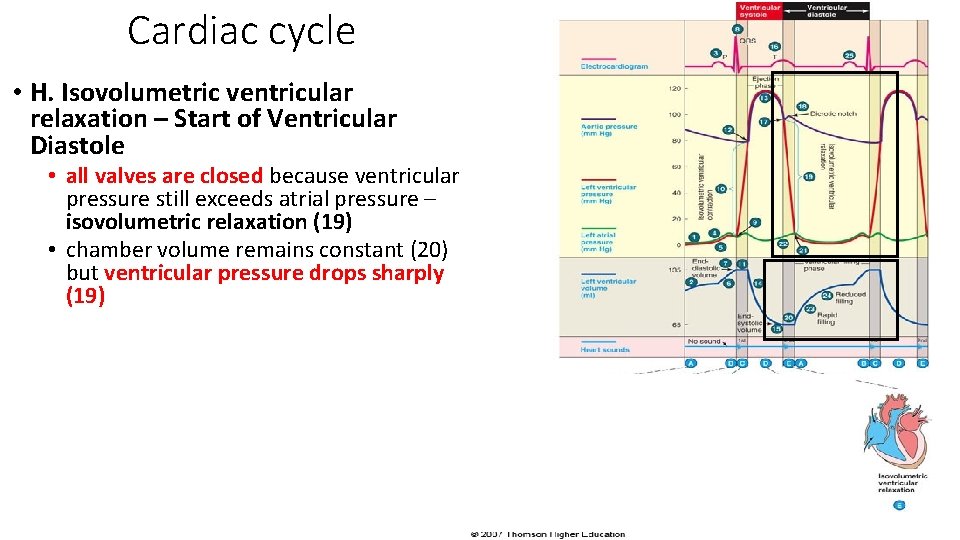
Cardiac cycle • H. Isovolumetric ventricular relaxation – Start of Ventricular Diastole • all valves are closed because ventricular pressure still exceeds atrial pressure – isovolumetric relaxation (19) • chamber volume remains constant (20) but ventricular pressure drops sharply (19) 20 -10
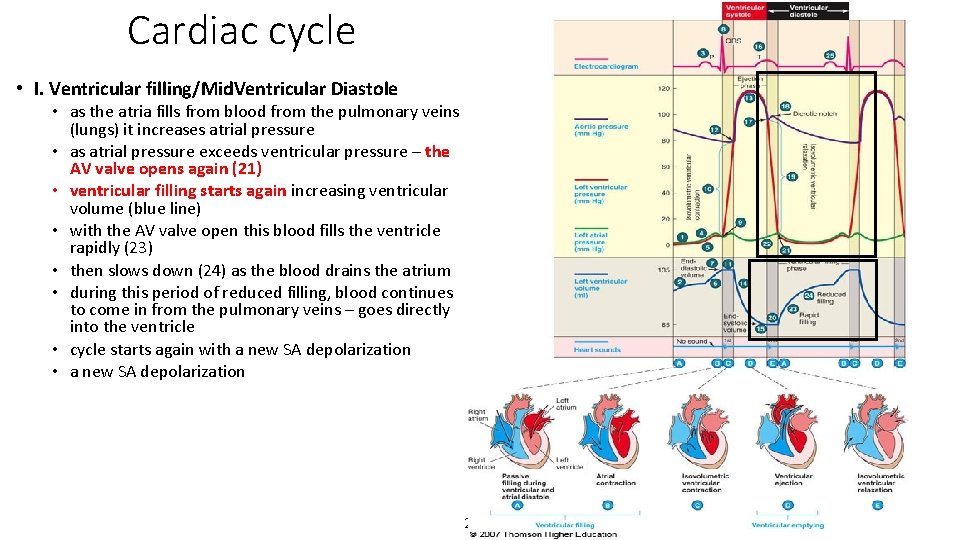
Cardiac cycle • I. Ventricular filling/Mid. Ventricular Diastole • as the atria fills from blood from the pulmonary veins (lungs) it increases atrial pressure • as atrial pressure exceeds ventricular pressure – the AV valve opens again (21) • ventricular filling starts again increasing ventricular volume (blue line) • with the AV valve open this blood fills the ventricle rapidly (23) • then slows down (24) as the blood drains the atrium • during this period of reduced filling, blood continues to come in from the pulmonary veins – goes directly into the ventricle • cycle starts again with a new SA depolarization • a new SA depolarization 20 -11