
Announcements 30 April 2008 Please turn in onepage

- Slides: 45
Announcements 30 April 2008 • Please turn in one-page essays now. • Final Exam = Monday, 5/19 @ 8: 30 a. m. • Exact format to be determined… • All rewrites, extra credit, etc. must be submitted by Monday, May 5 th. • For this Fri. , read Wiesner, Chap. 11 on “Mental World of Columbus” • N. B. Document 15 (Columbus’ letter) is quite long; and the whole chapter is longer than usual.
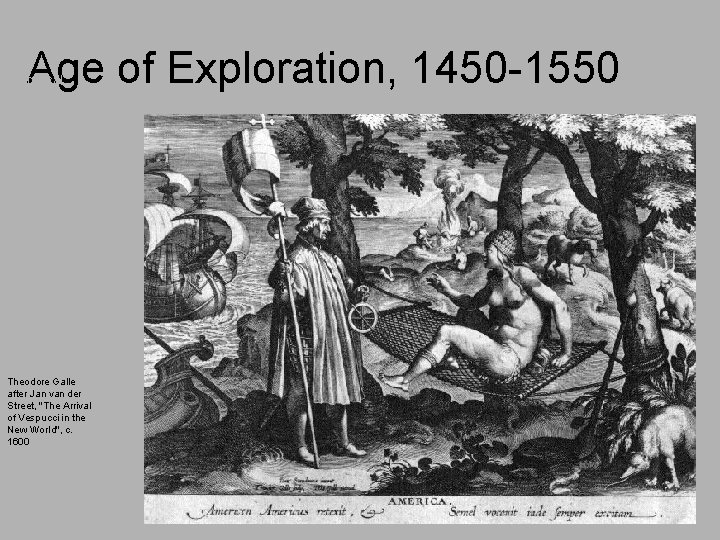
Age of Exploration, 1450 -1550 Allegorical engraving showing Vespucci "disembarking in the New World. " The background shows the oftenillustrated cannibal account; the foreground shows Vespucci, astrolabe in hand, confronting "America" in her hammock. Theodore Galle after Jan van der Street, "The Arrival of Vespucci in the New World", c. 1600
Agenda: Europeans & the World • Pre-Columbian knowledge of the world – Classical sources, Muslim sources, Christian sources (cf. Wiesner, chap. 11) • Portuguese Exploration • Spanish Exploration – Columbus, Cortes, Pizzarro, et al. • The New World – “Columbian Exchange”
European knowledge of the world very limited before c. 1300 • Trade with China dates back to the Roman Empire – Marco Polo traveled to China 1271 -92 • Trade with India also ancient (via Venice) • Long connections with North Africa, but very little knowledge of Africa beyond the Sahara • Almost no knowledge of Scandinavian voyages to Iceland, Greenland, and Vinland (Canada)
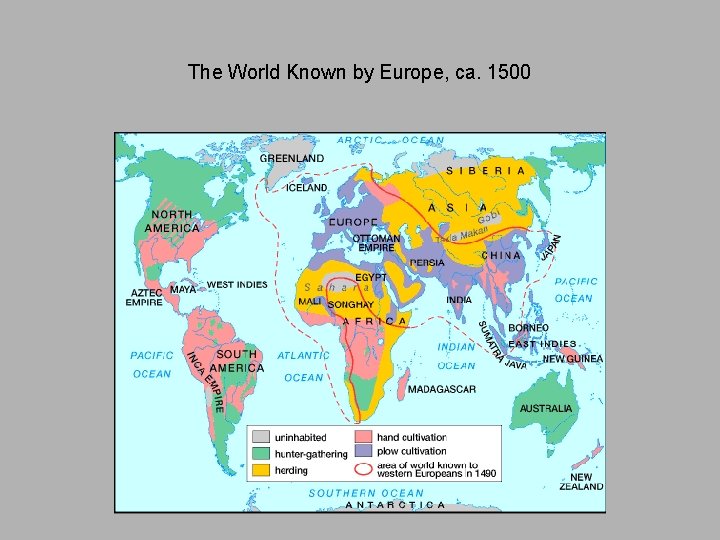
The World Known by Europe, ca. 1500
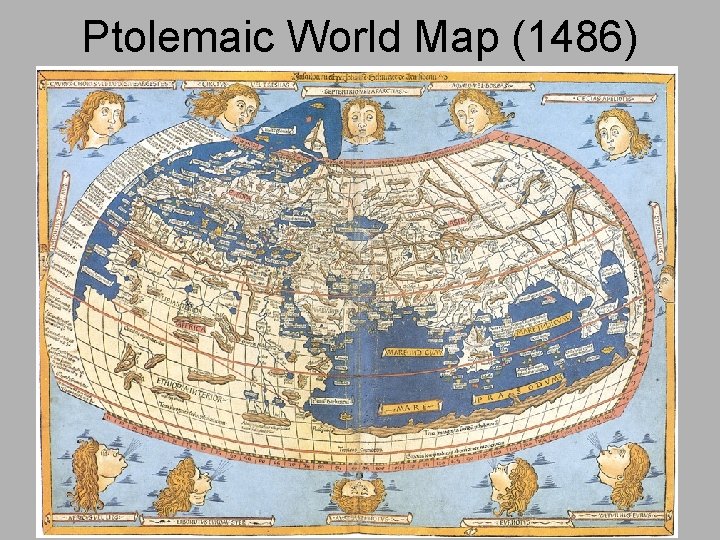
Ptolemaic World Map (1486)
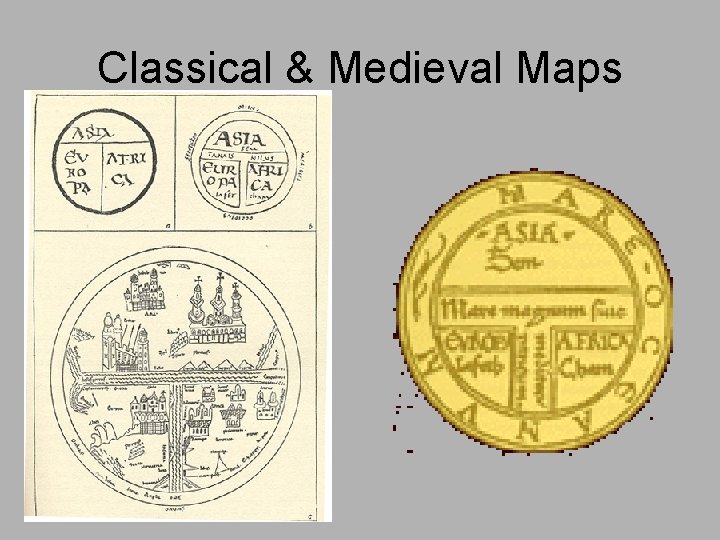
Classical & Medieval Maps
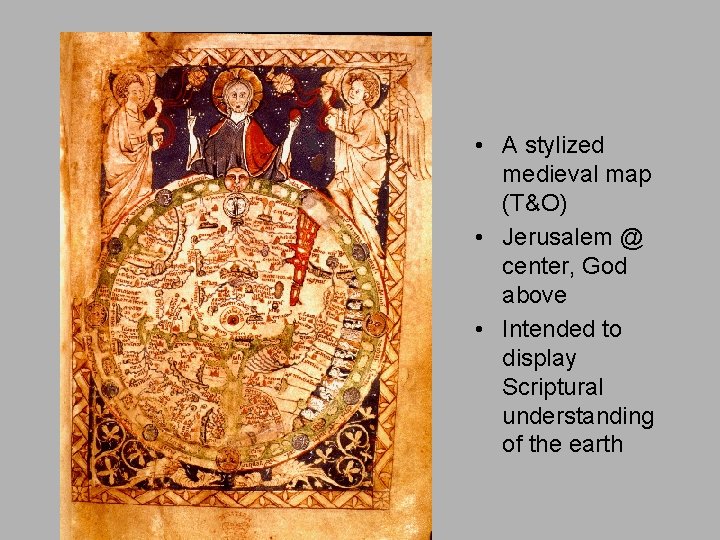
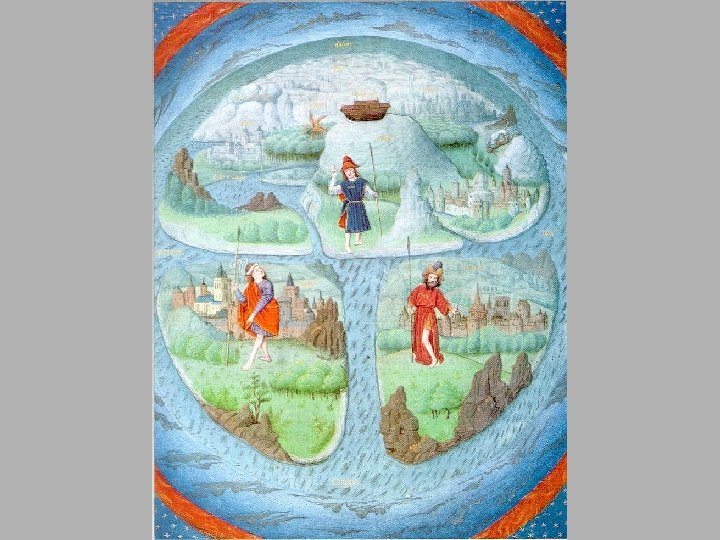
• A stylized medieval map (T&O) • Jerusalem @ center, God above • Intended to display Scriptural understanding of the earth
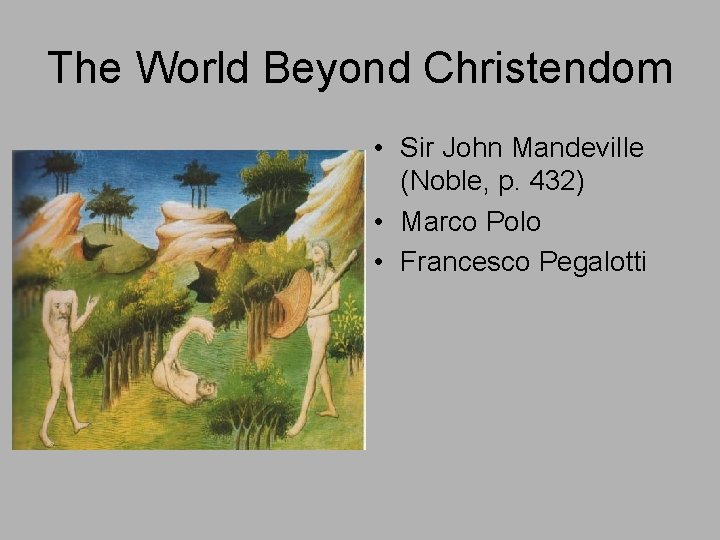
The World Beyond Christendom • Sir John Mandeville (Noble, p. 432) • Marco Polo • Francesco Pegalotti
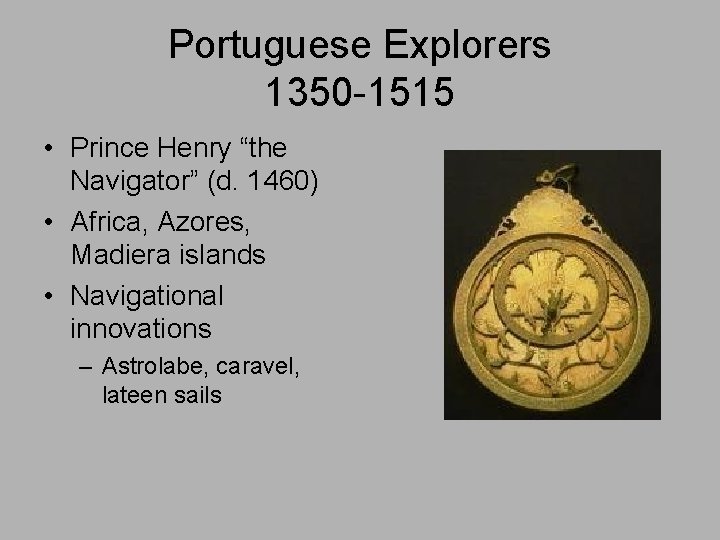
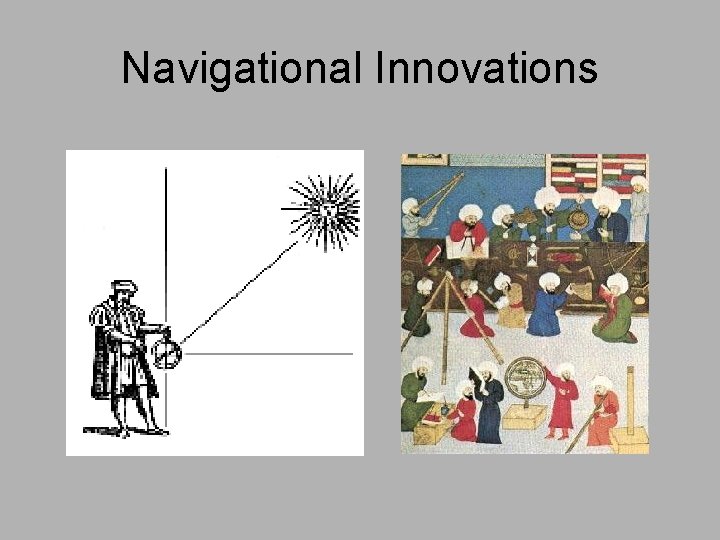
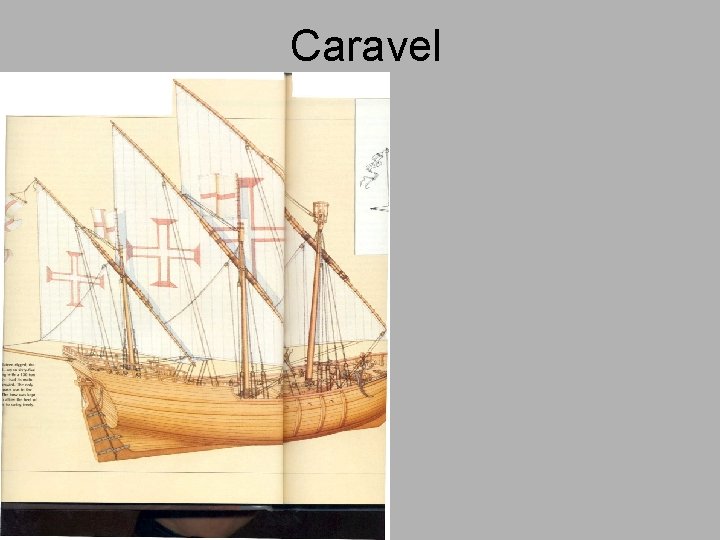
Portuguese Explorers 1350 -1515 • Prince Henry “the Navigator” (d. 1460) • Africa, Azores, Madiera islands • Navigational innovations – Astrolabe, caravel, lateen sails
Navigational Innovations
Caravel
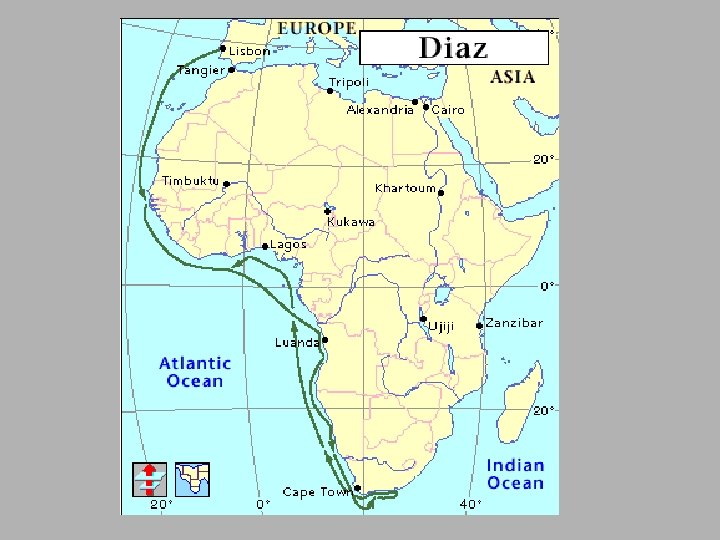
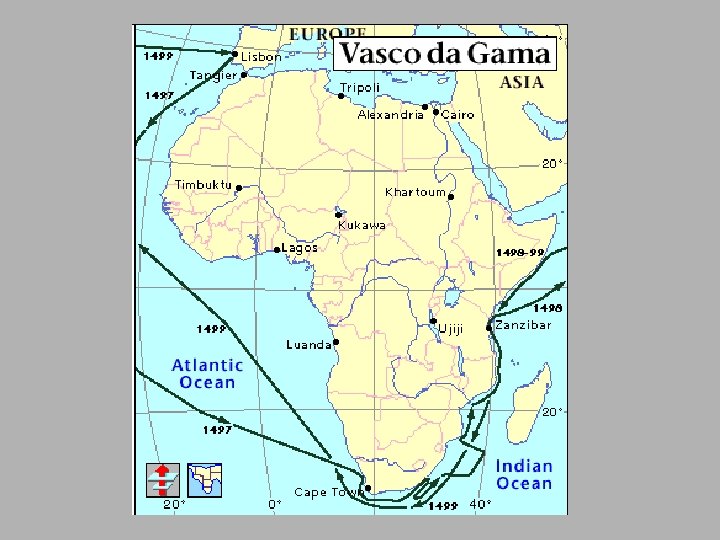
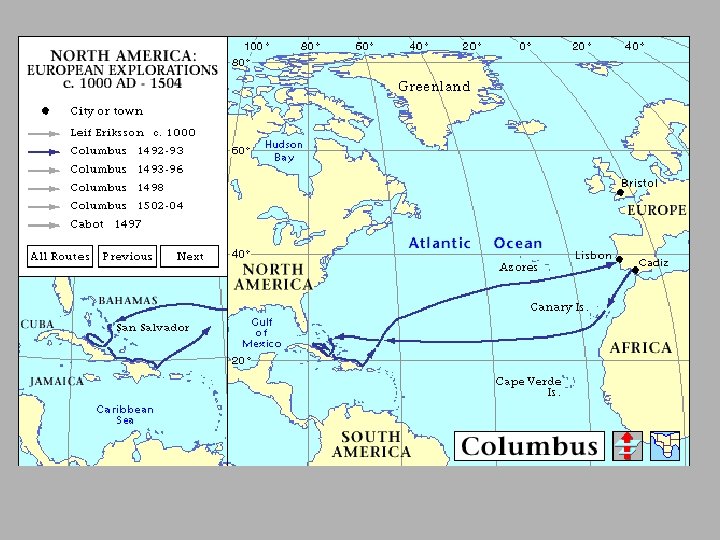
The European Age of Exploration • The goal: get to the Indies and control the flow of trade goods from there – circumnavigate Africa – Cape of Good Hope rounded by Bartolomeo Diaz in 1487 under the sponsorship of the Portuguese crown – in 1497, Vasco da Gama reached the coast of India, and returned with cargo worth sixty times the cost of the voyage
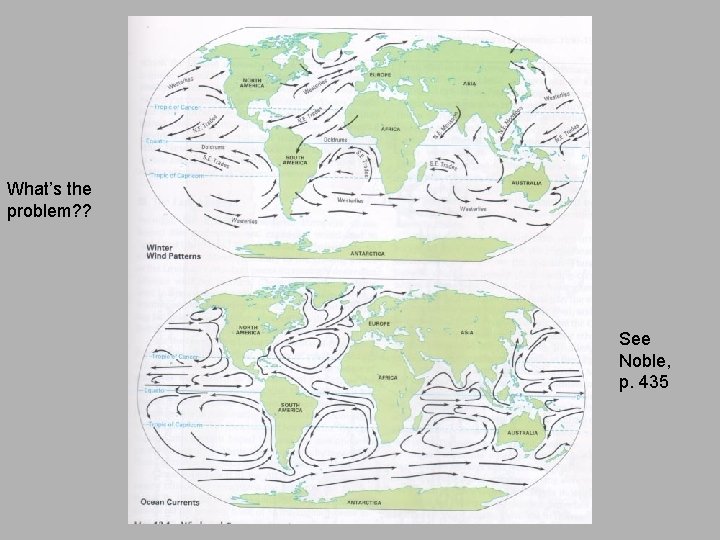
What’s the problem? ? See Noble, p. 435
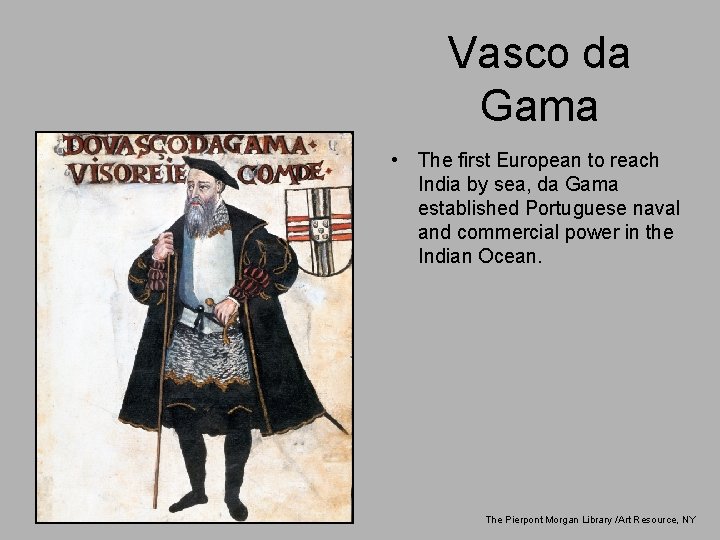
Vasco da Gama • The first European to reach India by sea, da Gama established Portuguese naval and commercial power in the Indian Ocean. The Pierpont Morgan Library /Art Resource, NY
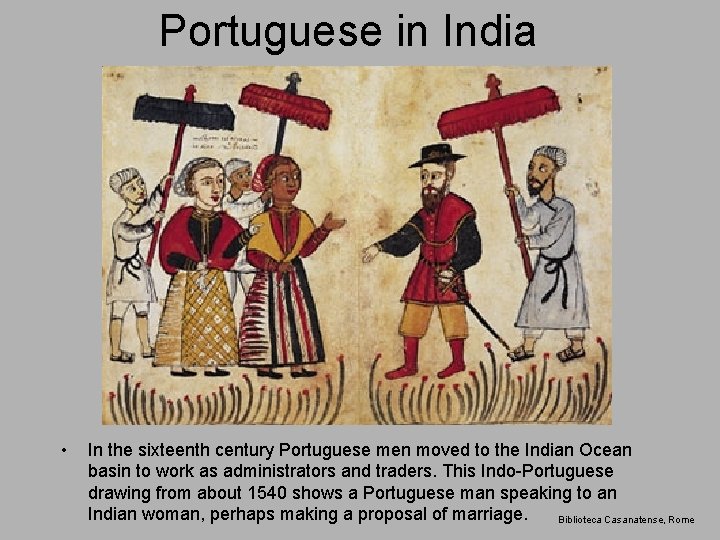
Portuguese in India • In the sixteenth century Portuguese men moved to the Indian Ocean basin to work as administrators and traders. This Indo-Portuguese drawing from about 1540 shows a Portuguese man speaking to an Indian woman, perhaps making a proposal of marriage. Biblioteca Casanatense, Rome
Spanish Explorers 1492 -1532 • Christopher Columbus • Hernan Cortes • Ferdinand Magellan • Francisco Pizzarro
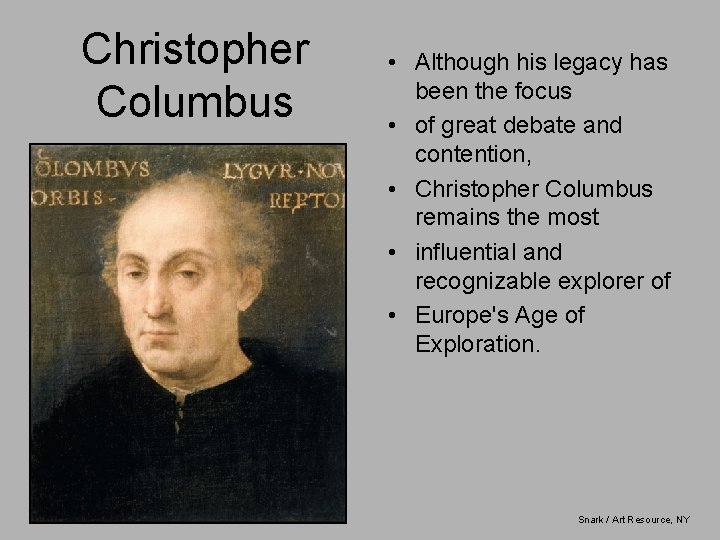
Christopher Columbus • Although his legacy has been the focus • of great debate and contention, • Christopher Columbus remains the most • influential and recognizable explorer of • Europe's Age of Exploration. Snark / Art Resource, NY
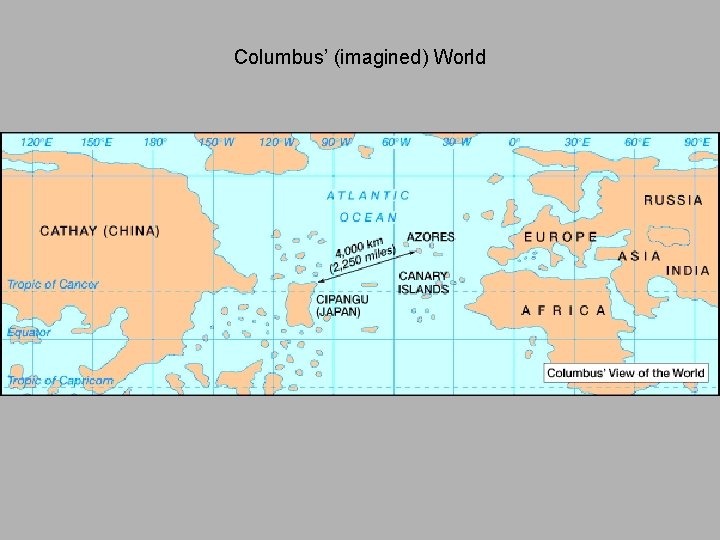
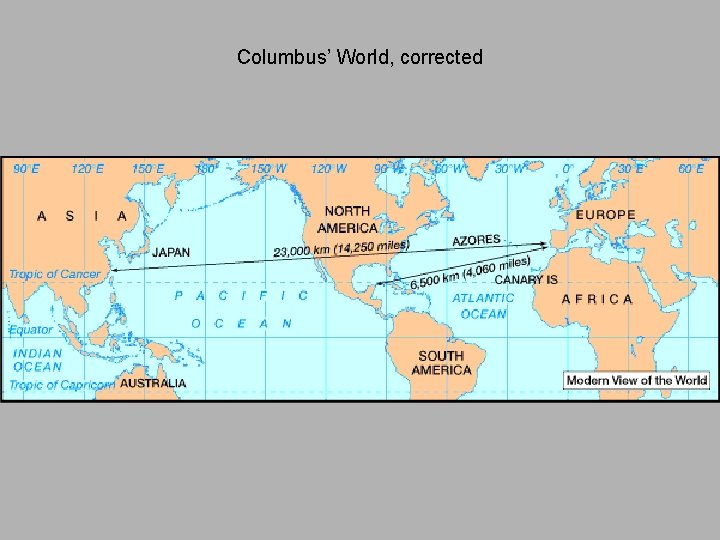
Columbus’ approach • Go to China and India by going west • geographical theory based on myth and faulty science – Fictional accounts • Polo & Mandeville – Renaissance rediscovery of ancient geographical treatises • Ptolemy (2 nd c. AD, Egypt) • Flat-earth theory disbelieved by most educated people, incl. Columbus
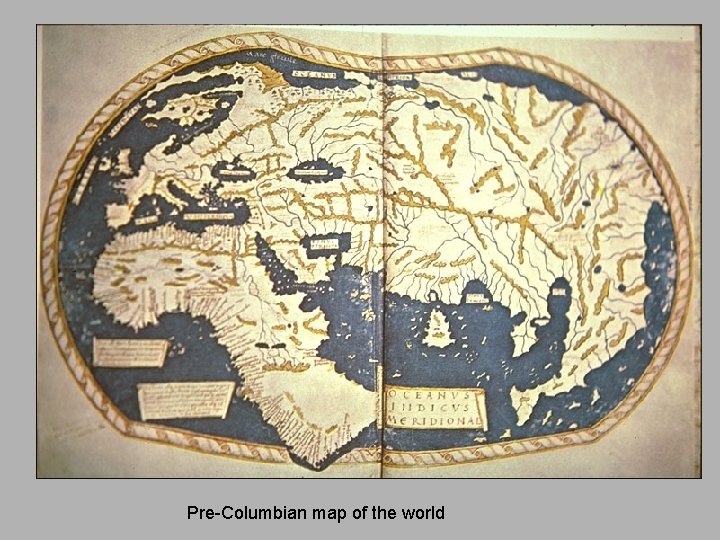
Pre-Columbian map of the world
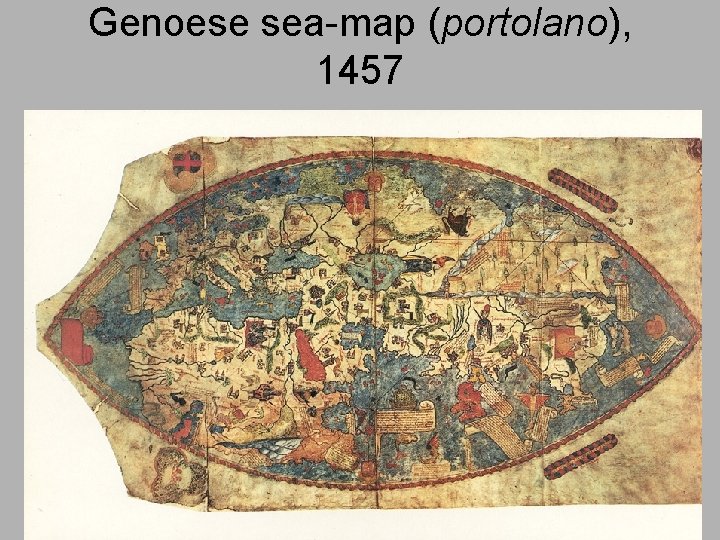
Genoese sea-map (portolano), 1457
Columbus’ (imagined) World
Columbus’ World, corrected
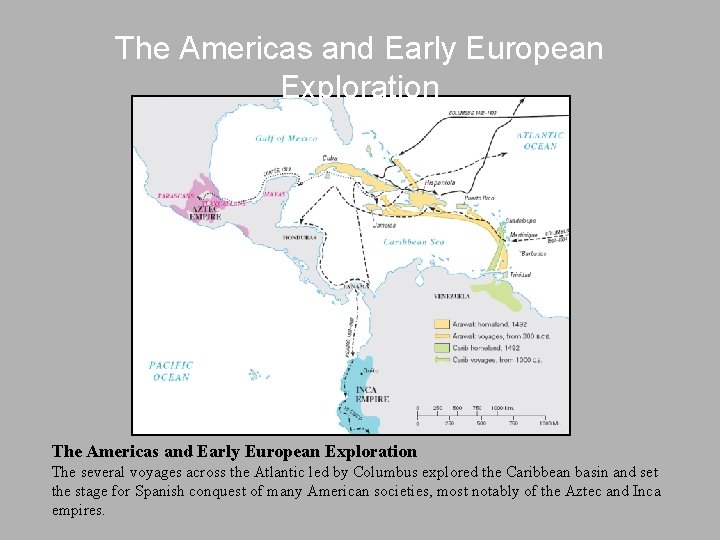
The Americas and Early European Exploration The several voyages across the Atlantic led by Columbus explored the Caribbean basin and set the stage for Spanish conquest of many American societies, most notably of the Aztec and Inca empires.
• ‘View Show' to view and zoom map World Exploration, 1492 -1535 • The voyages of Columbus, da Gama, and Magellan charted the major sea-lanes that became essential for communication, trade, and warfare for the next three hundred years. Copyright © Houghton Mifflin. All rights reserved.
Why 1492? • Renaissance optimism & wealth • Humanist curiosity • Technology improvements in navigation & military hardware • Success of Reconquista vs. Moors • $$ now available • Divine right of conquest
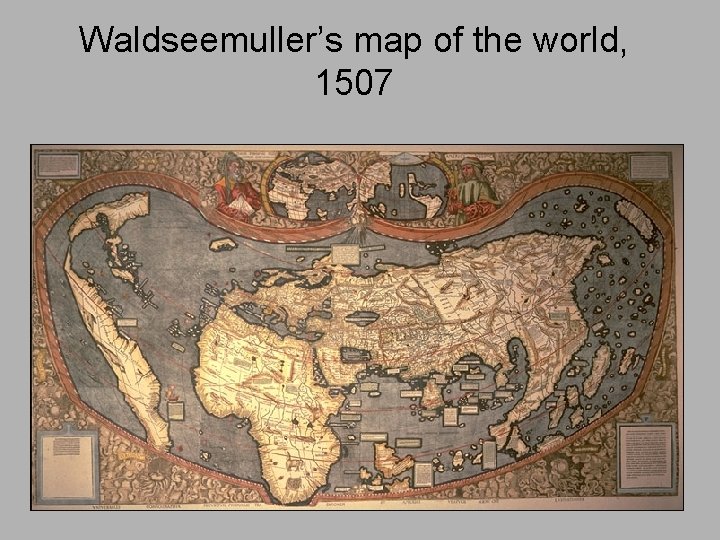
Waldseemuller’s map of the world, 1507
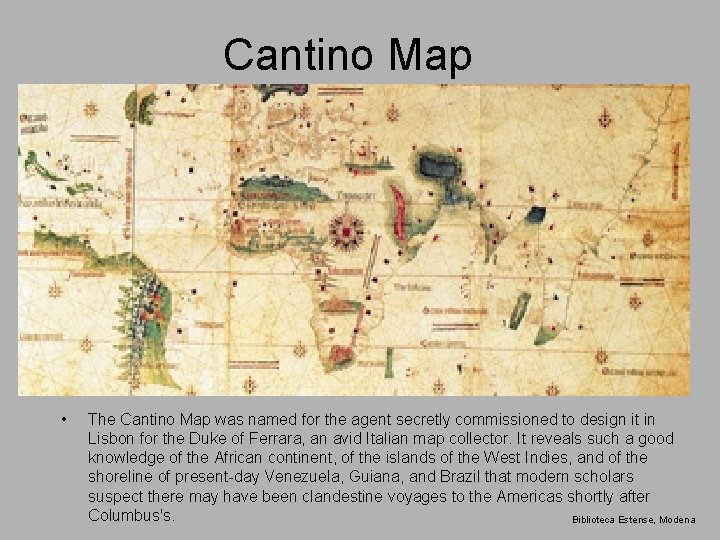
Cantino Map • The Cantino Map was named for the agent secretly commissioned to design it in Lisbon for the Duke of Ferrara, an avid Italian map collector. It reveals such a good knowledge of the African continent, of the islands of the West Indies, and of the shoreline of present-day Venezuela, Guiana, and Brazil that modern scholars suspect there may have been clandestine voyages to the Americas shortly after Columbus's. Biblioteca Estense, Modena
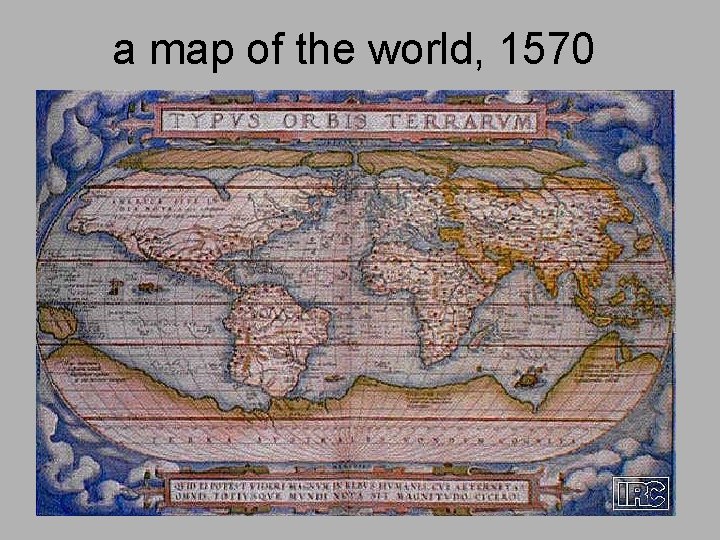
a map of the world, 1570
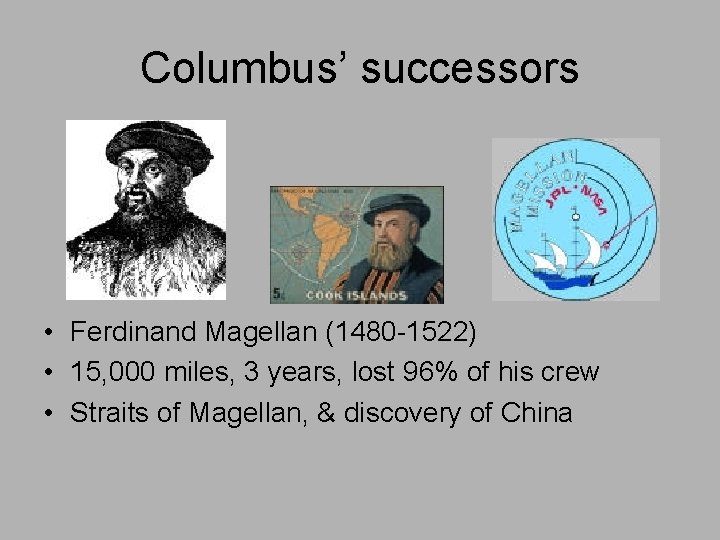
Columbus’ successors • Ferdinand Magellan (1480 -1522) • 15, 000 miles, 3 years, lost 96% of his crew • Straits of Magellan, & discovery of China
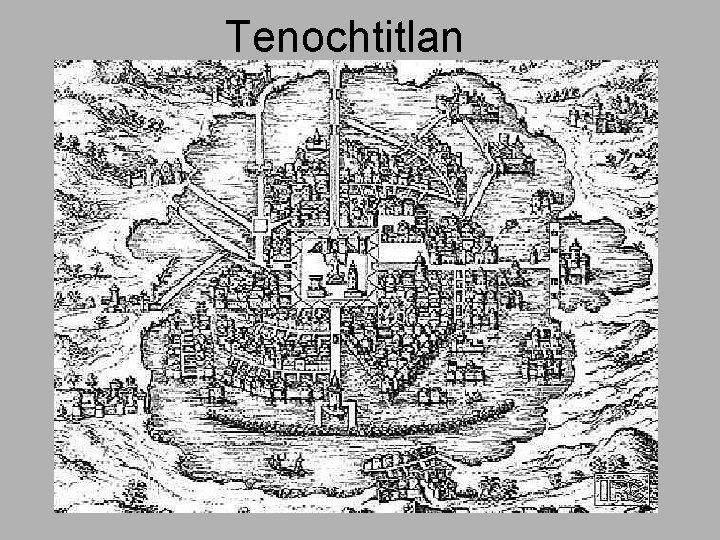
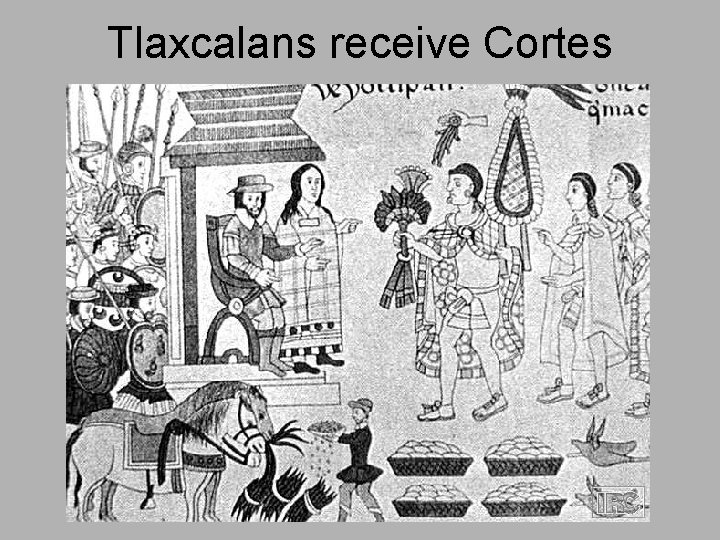
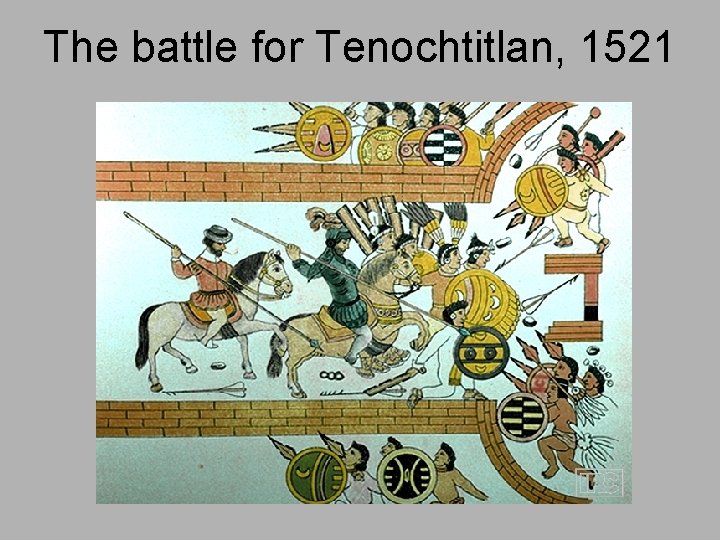
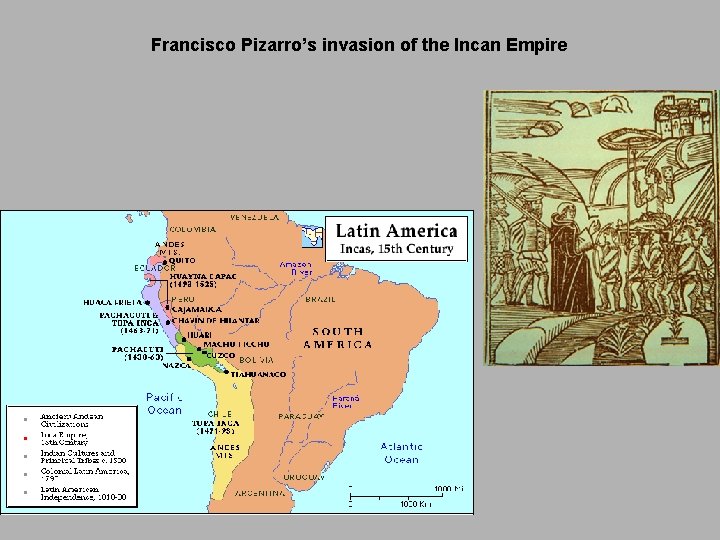
The conquest of the Americas • Arawak peoples of Hispaniola – Approx. 3 million in 1492; none by 1555 • Aztec Empire – Defeated by Hernan Cortes and a few hundred Spanish soldiers, 1521 • Incan Empire – Defeated by Francesco Pizarro and 168 Spanish soldiers, 1532
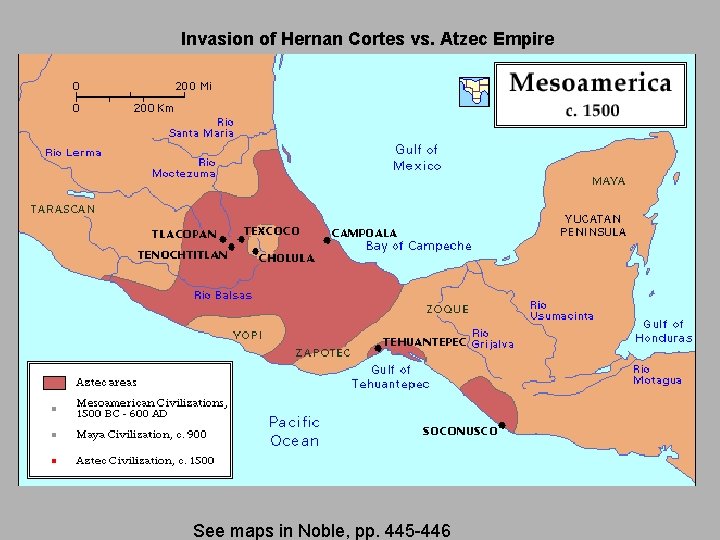
Invasion of Hernan Cortes vs. Atzec Empire See maps in Noble, pp. 445 -446
Tenochtitlan
Tlaxcalans receive Cortes
The battle for Tenochtitlan, 1521
Francisco Pizarro’s invasion of the Incan Empire
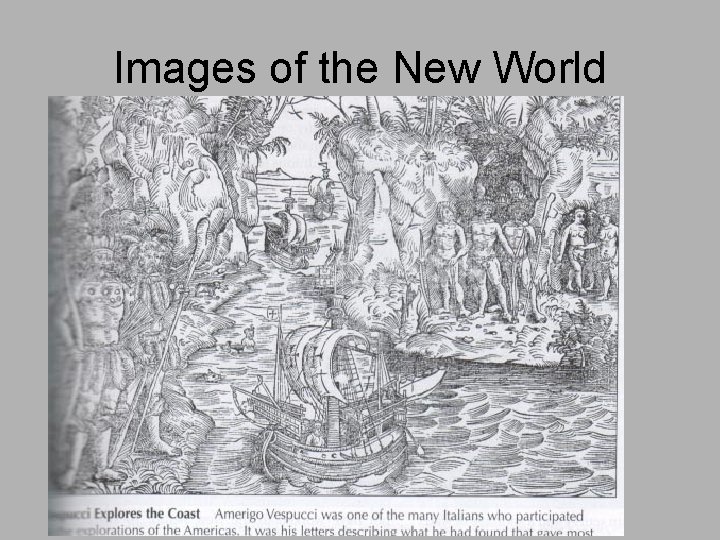
Images of the New World
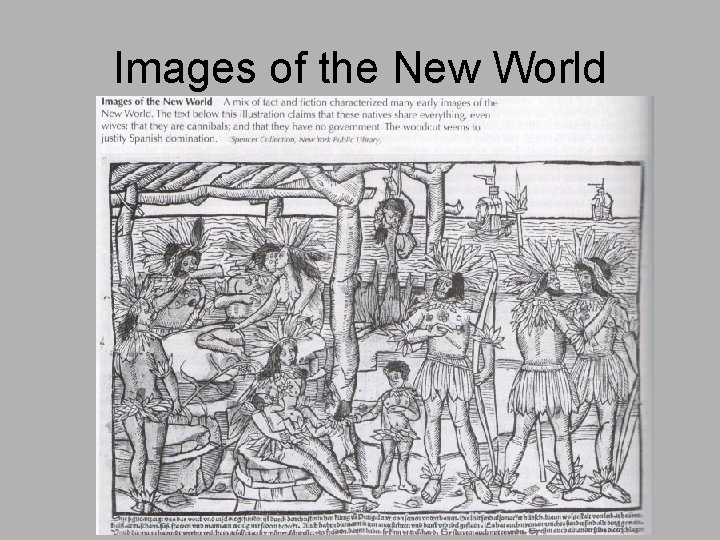
Images of the New World
Why were the Europeans successful? • • brutality superior military technology (guns) the horse introduction of other livestock, which went wild and provided ready food stock • Disease (smallpox, measles, syphillis) • Different conceptions of warfare • Religious awe (initially)
Primary Sources for understanding the “Columbian Exchange” • Columbus’ letter to Ferdinand & Isabella • Bartolome de las Casas, History of the Indies • Nahuatl accounts of the invasion • Images in Noble, pp. 443, 451, 454 • Wiesner, ch. 11