
Aniseikonia A rare cause of diplopia Including after




- Slides: 27
Aniseikonia: A rare cause of diplopia (Including after “successful” cataract surgery) Logan Mitchell 1, Lionel Kowal 1, 2 1. 2. Royal Victorian Eye and Ear Hospital, Melbourne Private Eye Clinic, Melbourne
Barriers to Sensory Fusion Aniseikonia Torsion Metamorphopsia Often under-recognised All diagnosable on careful history-taking
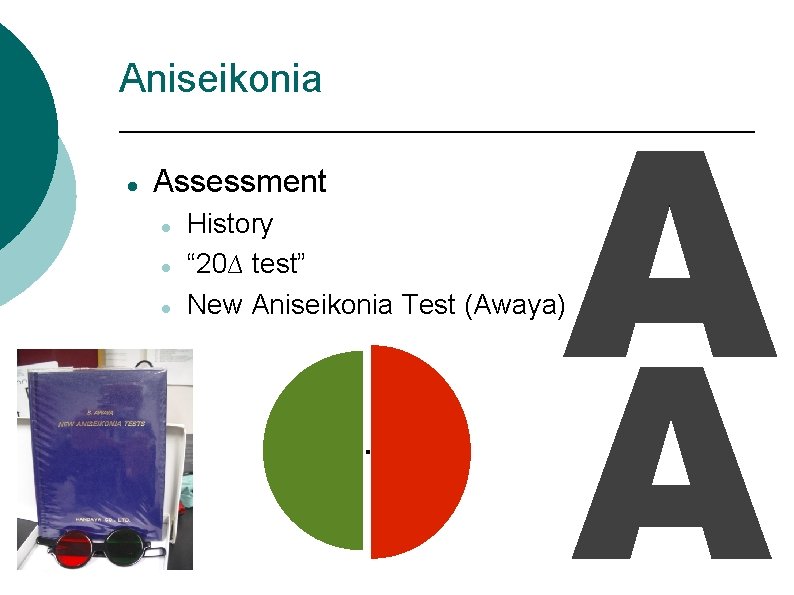
Aniseikonia Assessment History “ 20∆ test” New Aniseikonia Test (Awaya) .
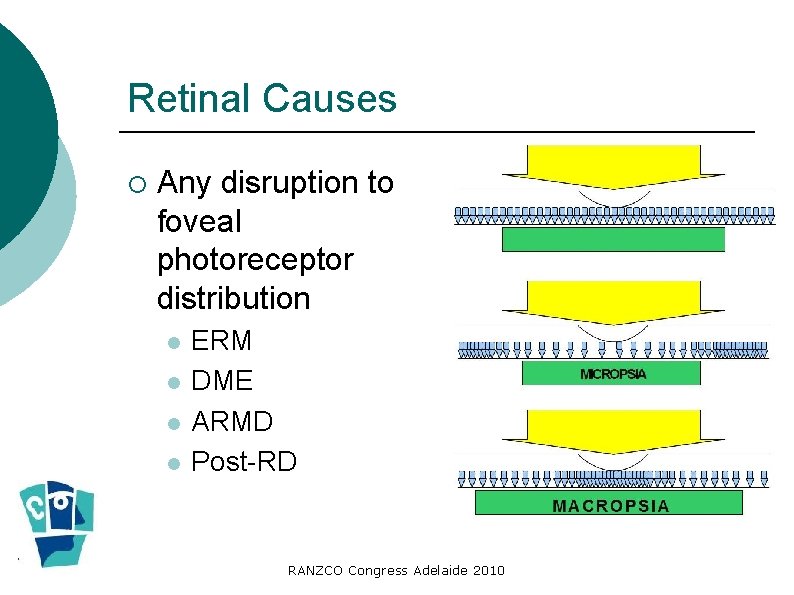
Retinal Causes ¡ Any disruption to foveal photoreceptor distribution ERM DME ARMD Post-RD RANZCO Congress Adelaide 2010
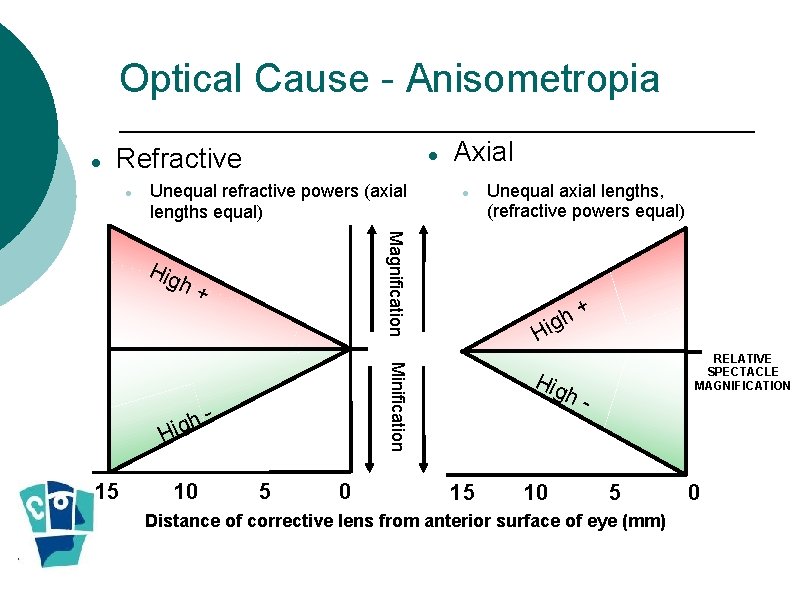
Optical Cause - Anisometropia Refractive Unequal refractive powers (axial lengths equal) Hig 5 0 Unequal axial lengths, (refractive powers equal) h g i H Minification h- 10 Magnification Hig h+ 15 Axial Hig h 15 10 + RELATIVE SPECTACLE MAGNIFICATION - 5 Distance of corrective lens from anterior surface of eye (mm) 0
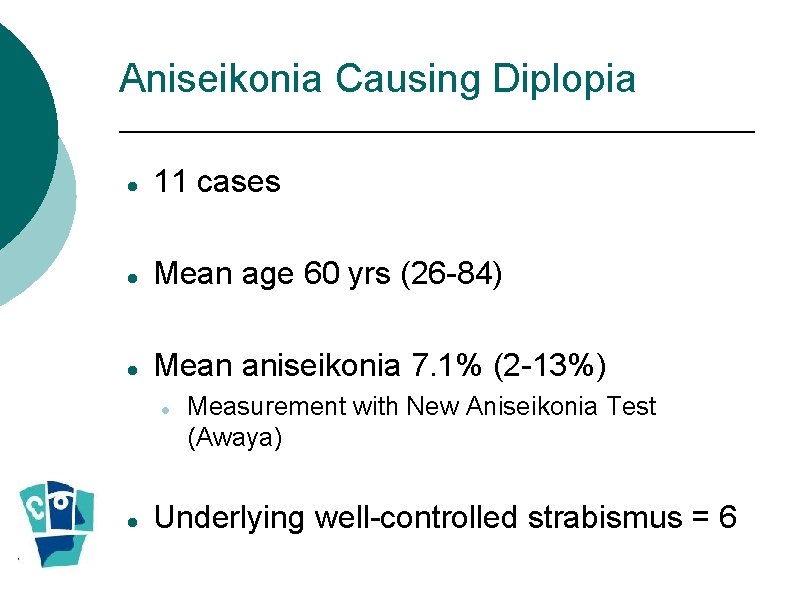
Aniseikonia Causing Diplopia 11 cases Mean age 60 yrs (26 -84) Mean aniseikonia 7. 1% (2 -13%) Measurement with New Aniseikonia Test (Awaya) Underlying well-controlled strabismus = 6
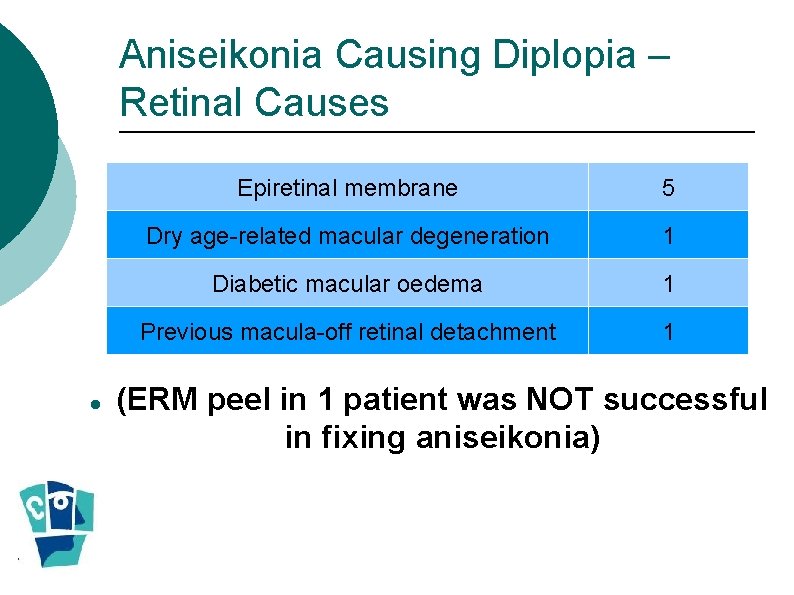
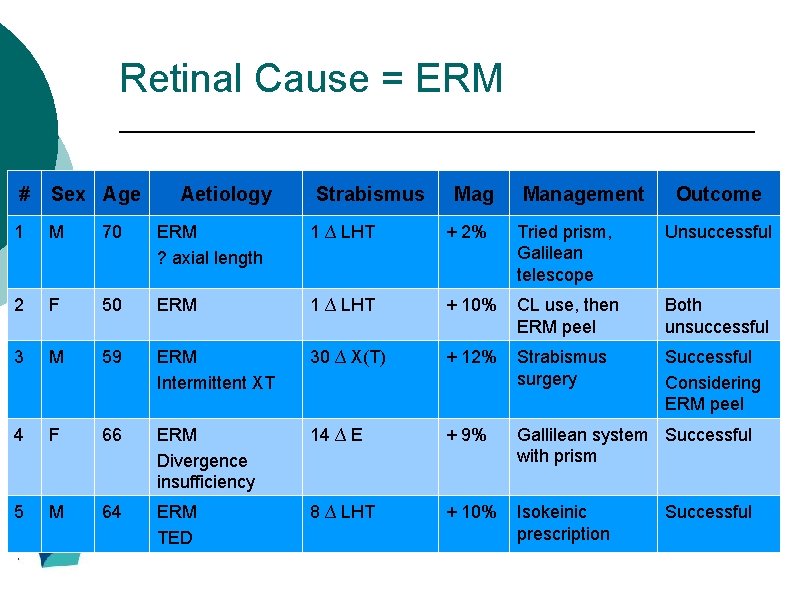
Aniseikonia Causing Diplopia – Retinal Causes Epiretinal membrane 5 Dry age-related macular degeneration 1 Diabetic macular oedema 1 Previous macula-off retinal detachment 1 (ERM peel in 1 patient was NOT successful in fixing aniseikonia)
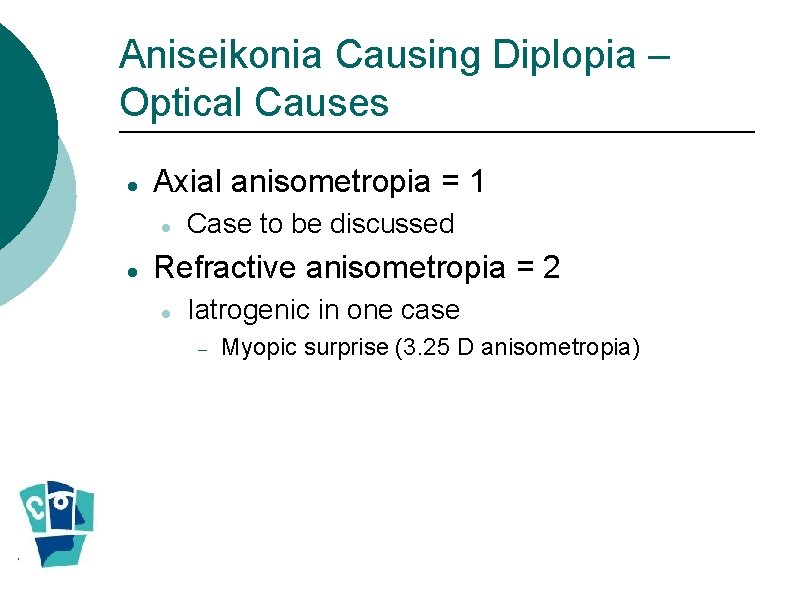
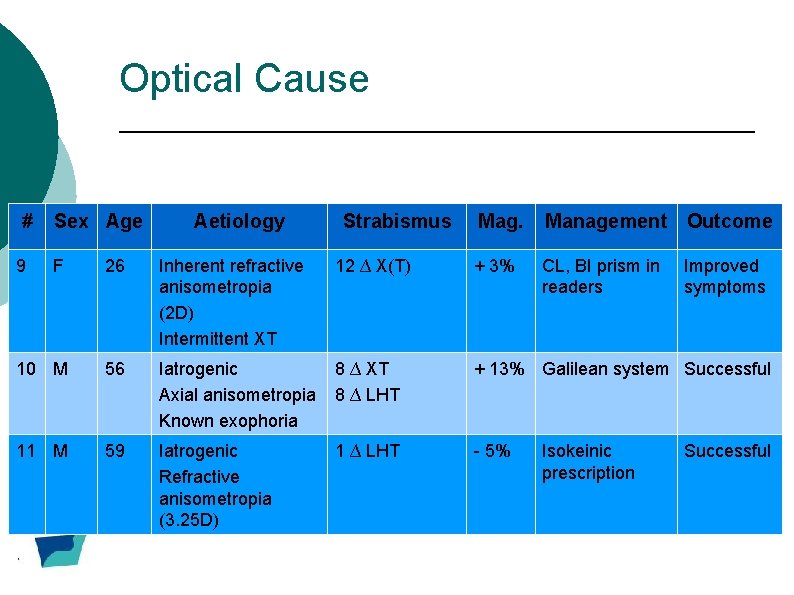
Aniseikonia Causing Diplopia – Optical Causes Axial anisometropia = 1 Case to be discussed Refractive anisometropia = 2 Iatrogenic in one case Myopic surprise (3. 25 D anisometropia)
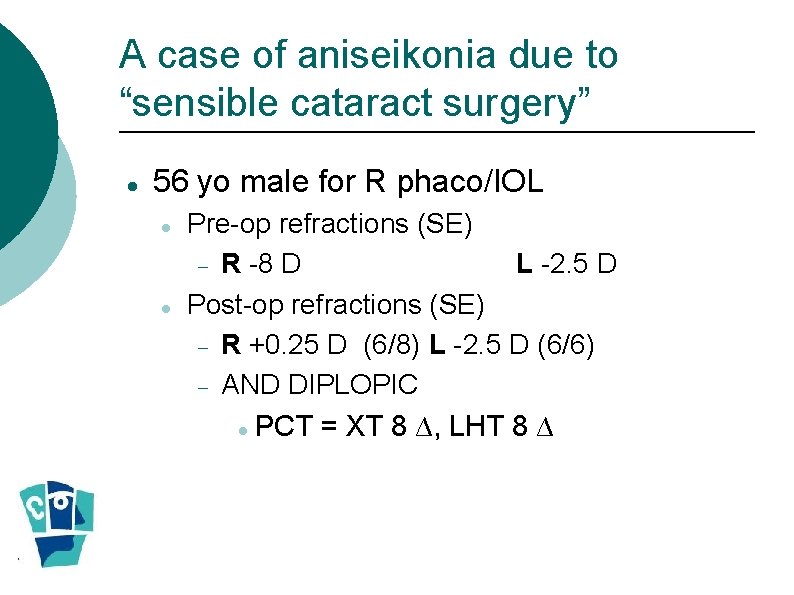
A case of aniseikonia due to “sensible cataract surgery” 56 yo male for R phaco/IOL Pre-op refractions (SE) R -8 D L -2. 5 D Post-op refractions (SE) R +0. 25 D (6/8) L -2. 5 D (6/6) AND DIPLOPIC PCT = XT 8 ∆, LHT 8 ∆
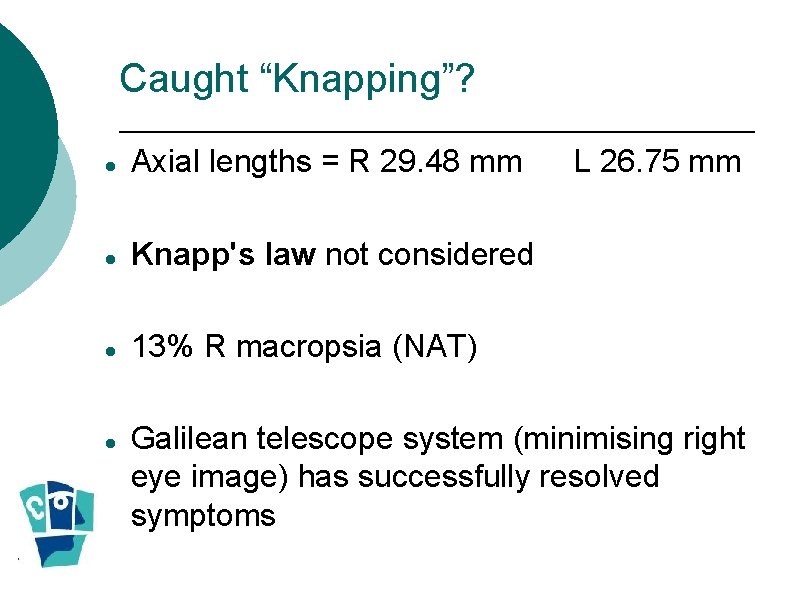
Caught “Knapping”? Axial lengths = R 29. 48 mm Knapp's law not considered 13% R macropsia (NAT) L 26. 75 mm Galilean telescope system (minimising right eye image) has successfully resolved symptoms
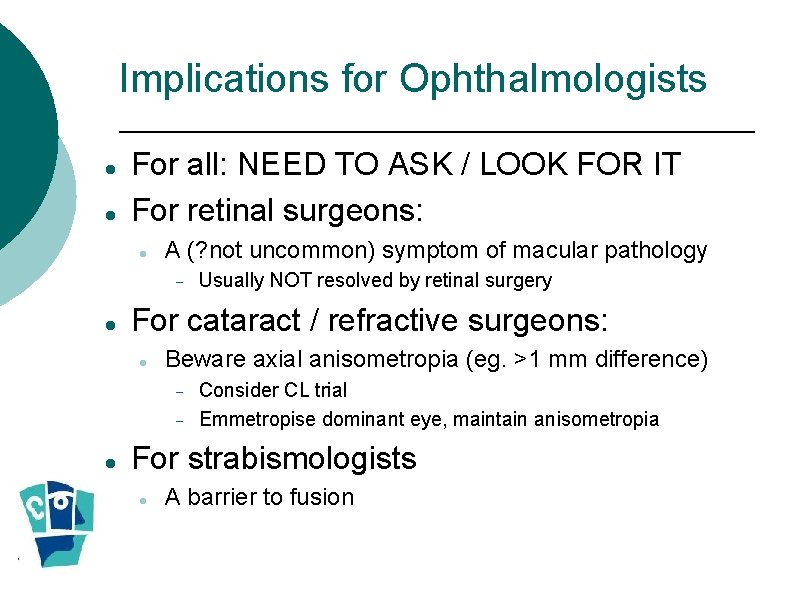
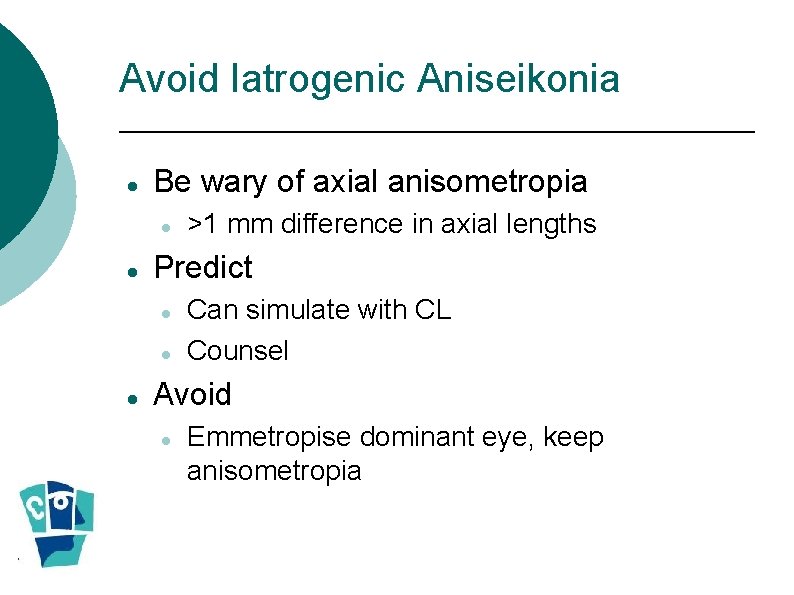
Implications for Ophthalmologists For all: NEED TO ASK / LOOK FOR IT For retinal surgeons: A (? not uncommon) symptom of macular pathology For cataract / refractive surgeons: Beware axial anisometropia (eg. >1 mm difference) Usually NOT resolved by retinal surgery Consider CL trial Emmetropise dominant eye, maintain anisometropia For strabismologists A barrier to fusion
Thank you
Aniseikonia Causes Retinal Optical
Eikonometry New Aniseikonia Test (Awaya)
Retinal Cause = ERM # Sex Age Aetiology Strabismus Mag Management Outcome 1 M 70 ERM ? axial length 1 ∆ LHT + 2% Tried prism, Galilean telescope Unsuccessful 2 F 50 ERM 1 ∆ LHT + 10% CL use, then ERM peel Both unsuccessful 3 M 59 ERM Intermittent XT 30 ∆ X(T) + 12% Strabismus surgery Successful Considering ERM peel 4 F 66 ERM Divergence insufficiency 14 ∆ E + 9% Gallilean system Successful with prism 5 M 64 ERM TED 8 ∆ LHT + 10% Isokeinic prescription Successful
Optical Cause # 9 Sex Age Aetiology Strabismus Mag. Management Outcome CL, BI prism in readers F 26 Inherent refractive anisometropia (2 D) Intermittent XT 12 ∆ X(T) + 3% 10 M 56 Iatrogenic Axial anisometropia Known exophoria 8 ∆ XT 8 ∆ LHT + 13% Galilean system Successful 11 M 59 Iatrogenic Refractive anisometropia (3. 25 D) 1 ∆ LHT - 5% Isokeinic prescription Improved symptoms Successful
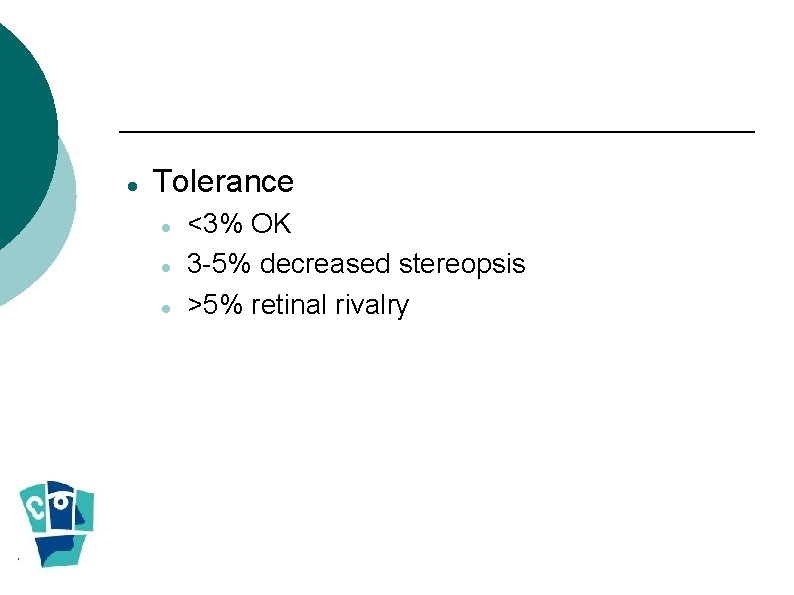
Tolerance <3% OK 3 -5% decreased stereopsis >5% retinal rivalry
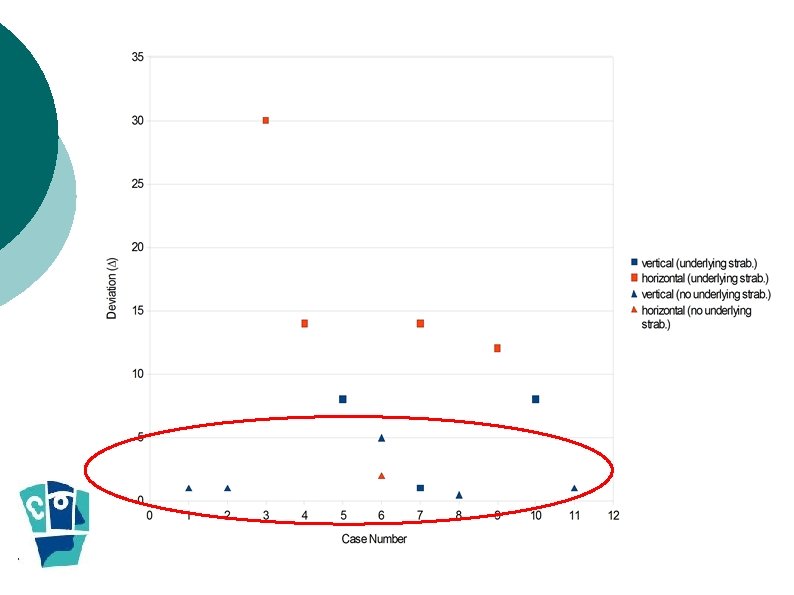
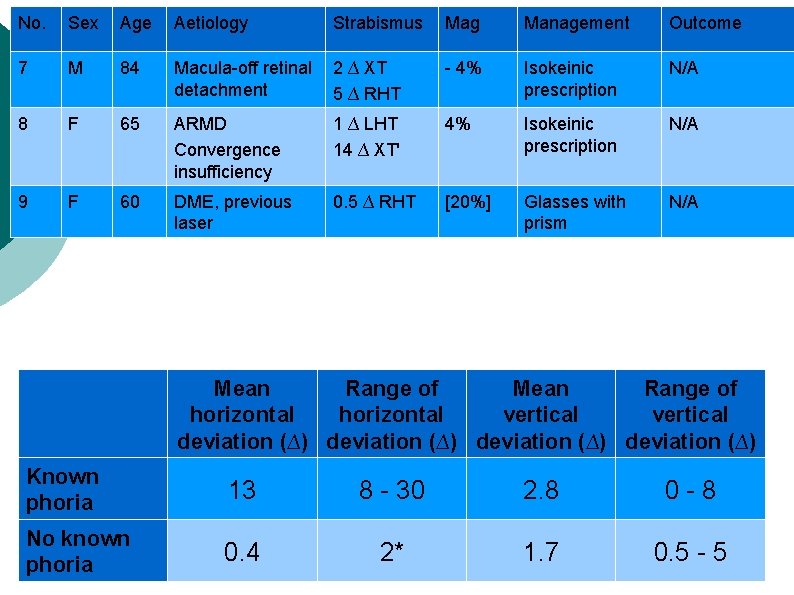
No. Sex Age Aetiology Strabismus Mag Management Outcome 7 M 84 Macula-off retinal detachment 2 ∆ XT 5 ∆ RHT - 4% Isokeinic prescription N/A 8 F 65 ARMD Convergence insufficiency 1 ∆ LHT 14 ∆ XT' 4% Isokeinic prescription N/A 9 F 60 DME, previous laser 0. 5 ∆ RHT [20%] Glasses with prism N/A Mean Range of horizontal vertical deviation (∆) Known phoria 13 8 - 30 2. 8 0 -8 No known phoria 0. 4 2* 1. 7 0. 5 - 5
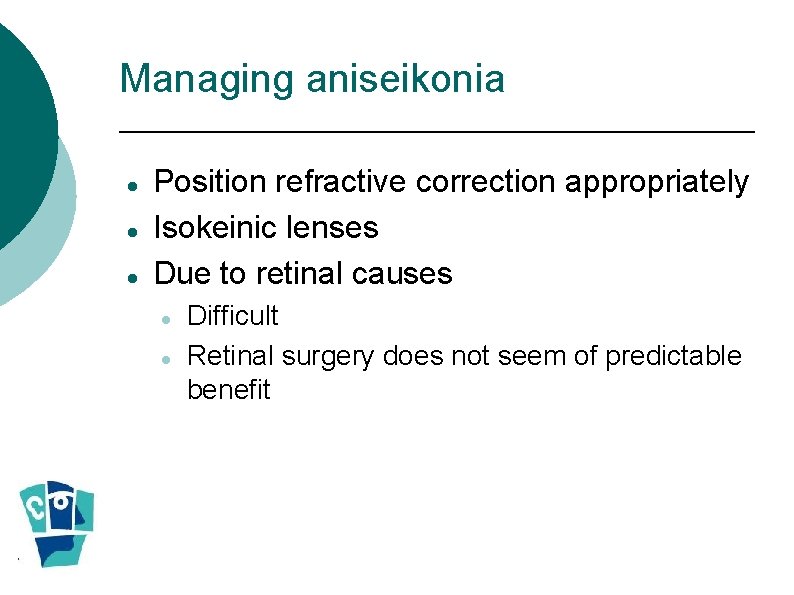
Managing aniseikonia Position refractive correction appropriately Isokeinic lenses Due to retinal causes Difficult Retinal surgery does not seem of predictable benefit
RANZCO Congress Adelaide 2010
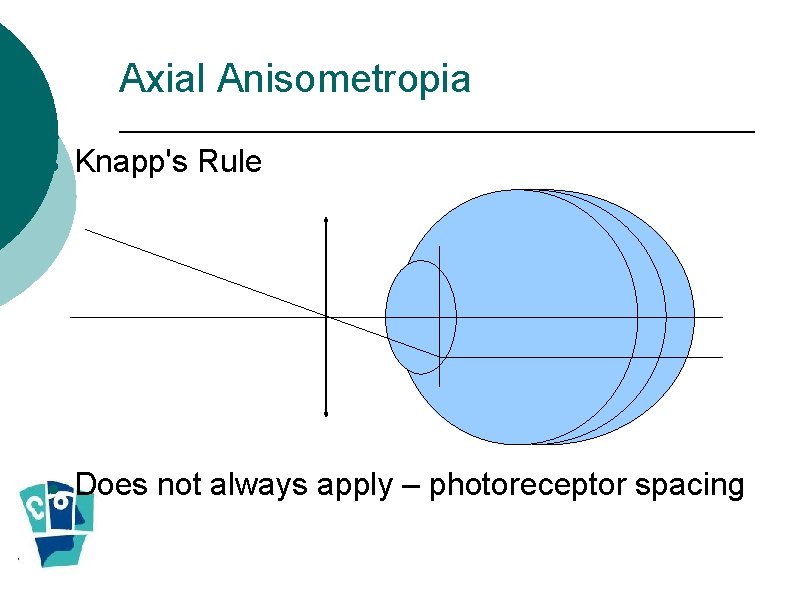
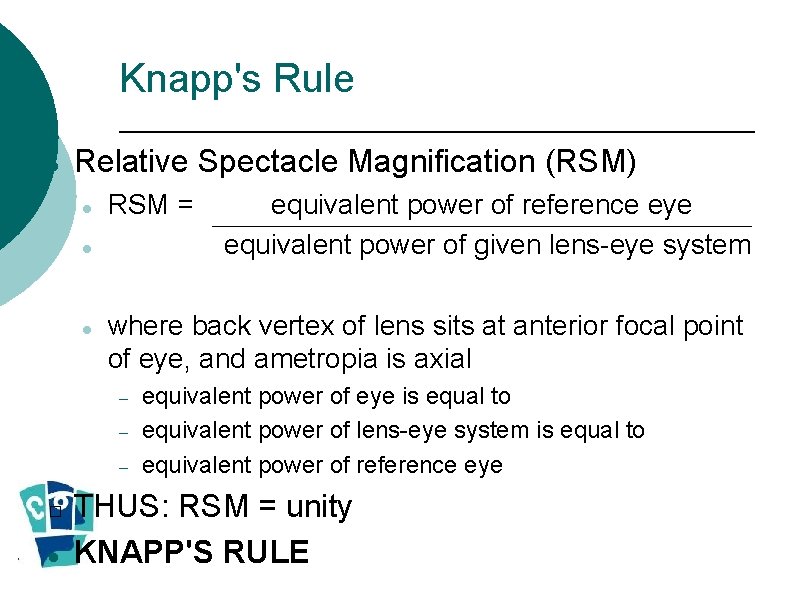
Axial Anisometropia Knapp's Rule Does not always apply – photoreceptor spacing
RANZCO Congress Adelaide 2010
RANZCO Congress Adelaide 2010
Knapp's Rule Relative Spectacle Magnification (RSM) RSM = where back vertex of lens sits at anterior focal point of eye, and ametropia is axial � equivalent power of reference eye equivalent power of given lens-eye system equivalent power of eye is equal to equivalent power of lens-eye system is equal to equivalent power of reference eye THUS: RSM = unity KNAPP'S RULE
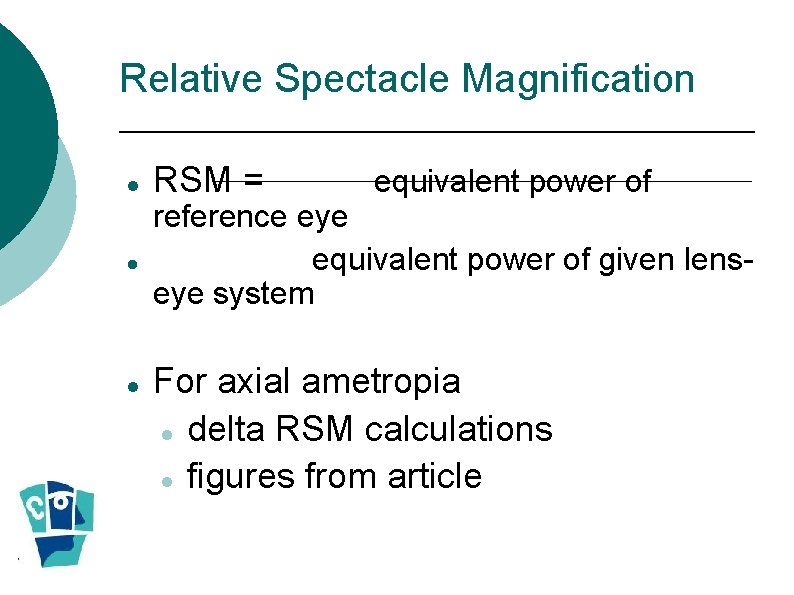
Relative Spectacle Magnification RSM = equivalent power of reference eye equivalent power of given lenseye system For axial ametropia delta RSM calculations figures from article
Avoid Iatrogenic Aniseikonia Be wary of axial anisometropia Predict >1 mm difference in axial lengths Can simulate with CL Counsel Avoid Emmetropise dominant eye, keep anisometropia