
Animals Review Kingdom Animalia Diversity at its best
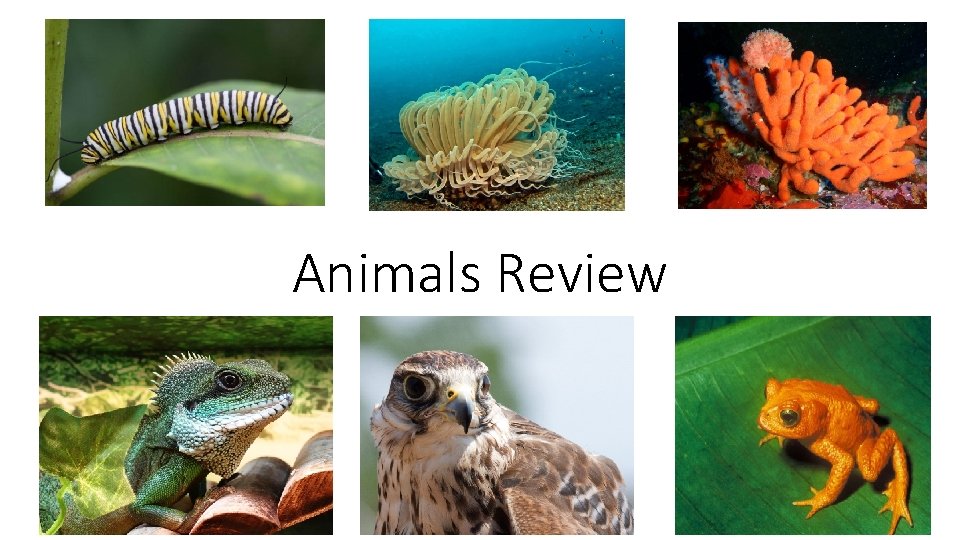
Animals Review
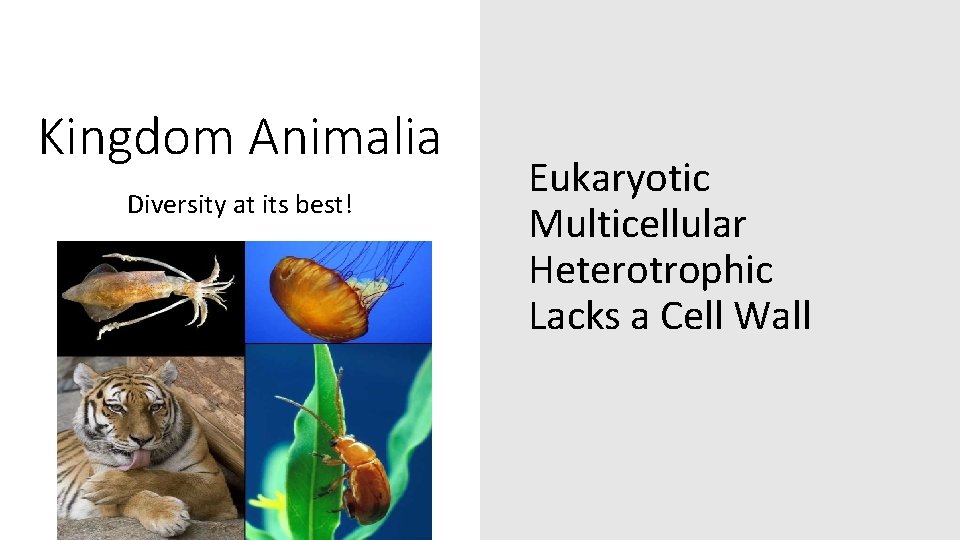
Kingdom Animalia Diversity at its best! Eukaryotic Multicellular Heterotrophic Lacks a Cell Wall

Symmetry Radial Object can be equally divided on multiple planes.
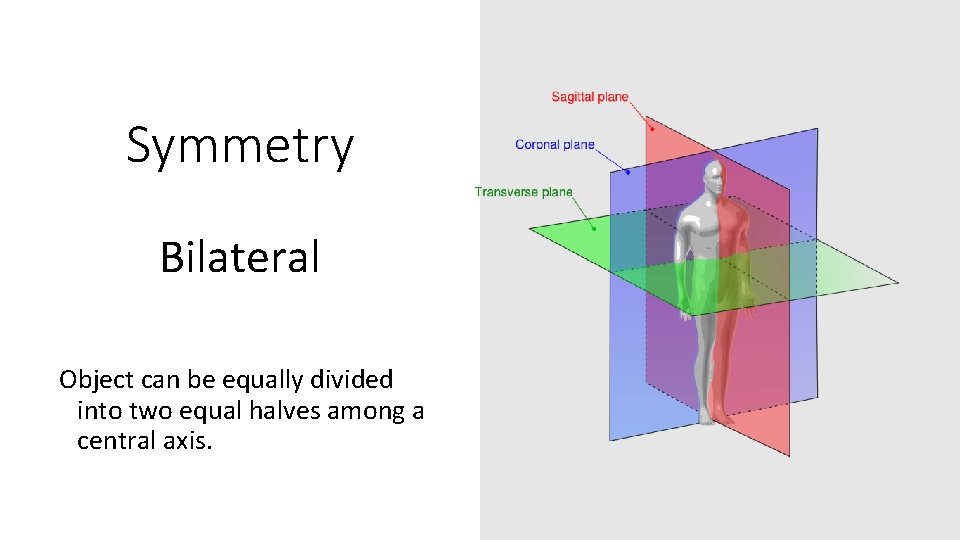
Symmetry Bilateral Object can be equally divided into two equal halves among a central axis.
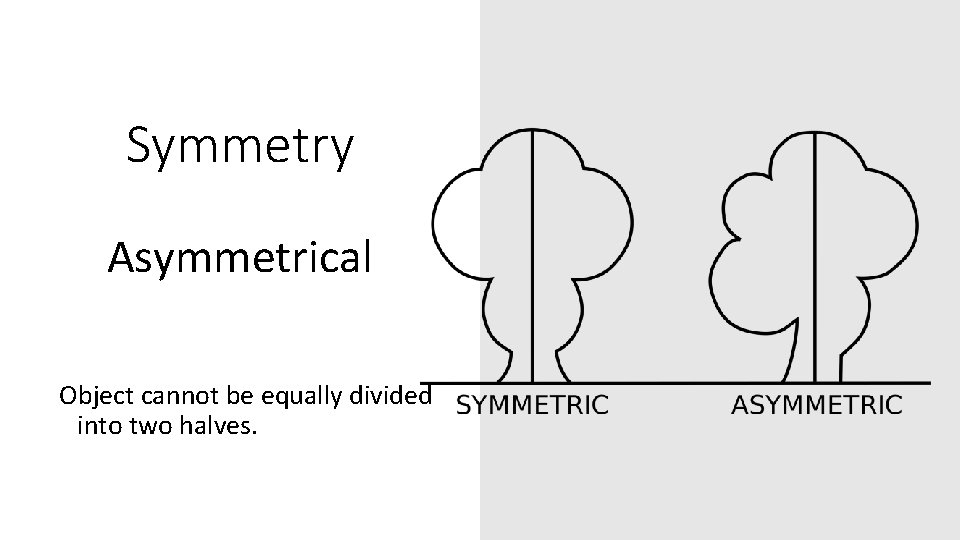
Symmetry Asymmetrical Object cannot be equally divided into two halves.
Invertebrates 97% of all Animals Lack a Backbone
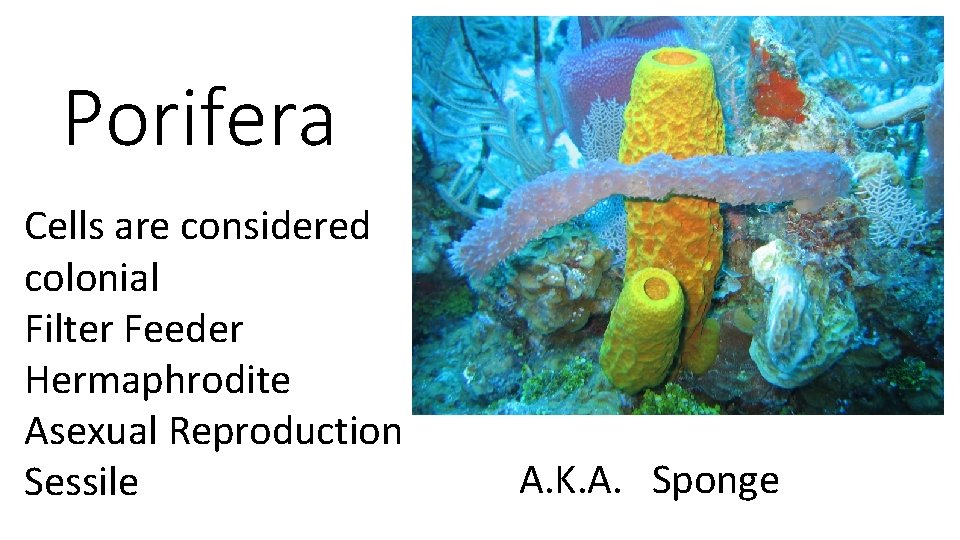
Porifera Cells are considered colonial Filter Feeder Hermaphrodite Asexual Reproduction Sessile A. K. A. Sponge
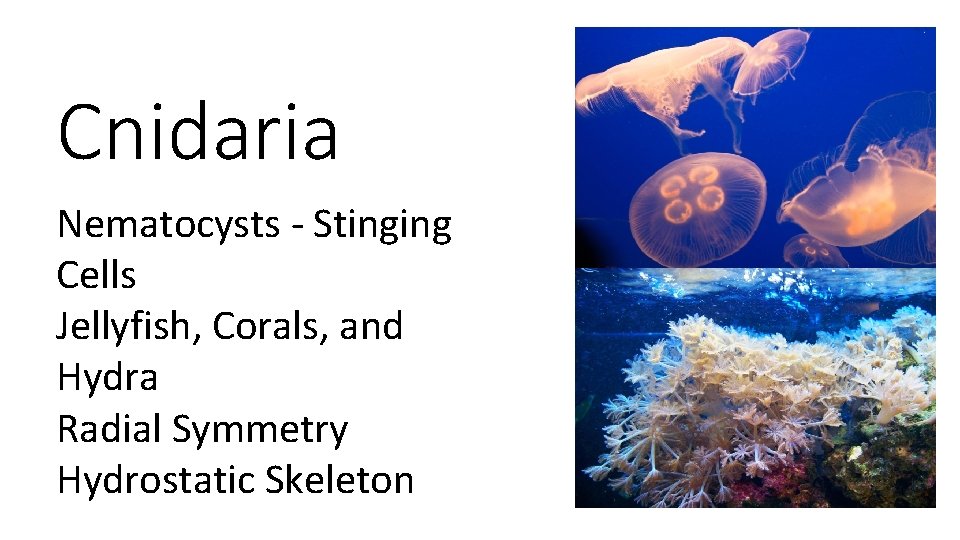
Cnidaria Nematocysts - Stinging Cells Jellyfish, Corals, and Hydra Radial Symmetry Hydrostatic Skeleton
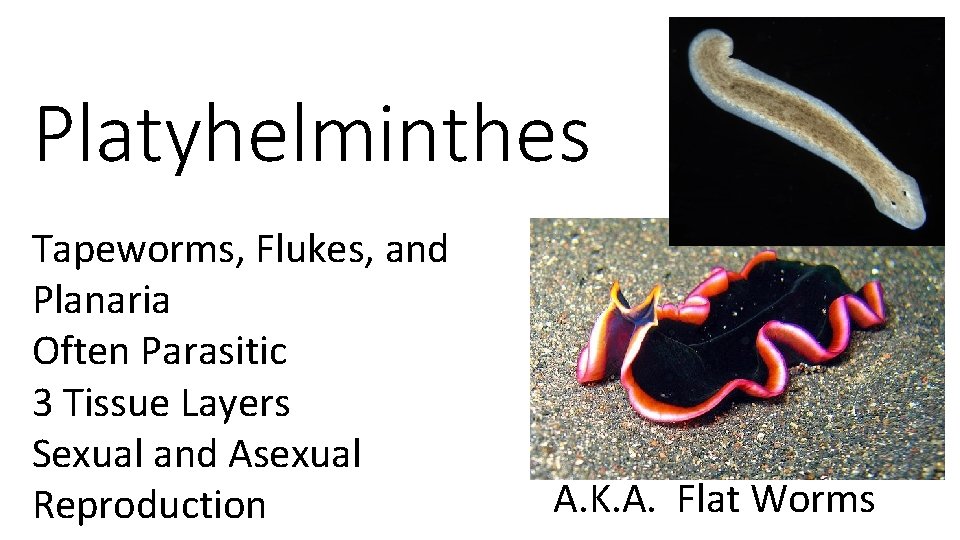
Platyhelminthes Tapeworms, Flukes, and Planaria Often Parasitic 3 Tissue Layers Sexual and Asexual Reproduction A. K. A. Flat Worms
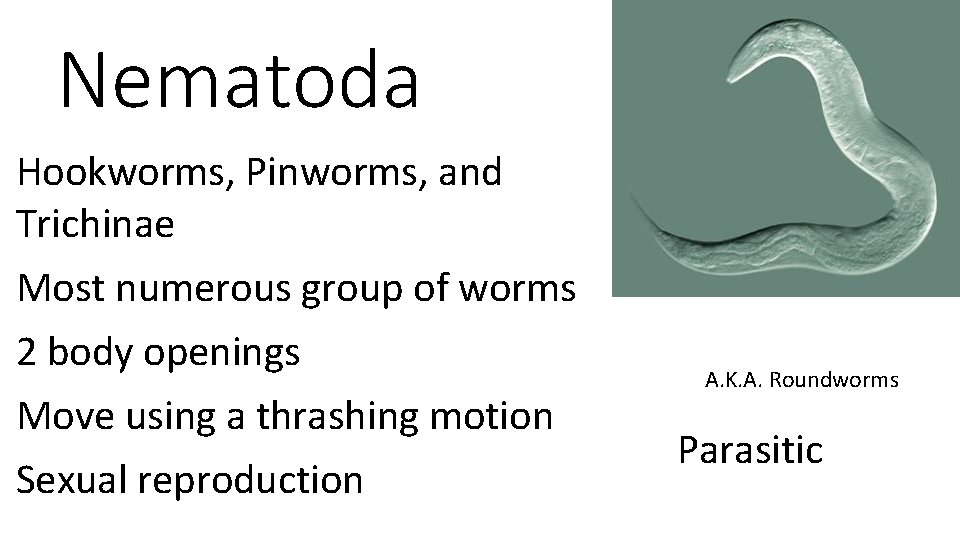
Nematoda Hookworms, Pinworms, and Trichinae Most numerous group of worms 2 body openings Move using a thrashing motion Sexual reproduction A. K. A. Roundworms Parasitic
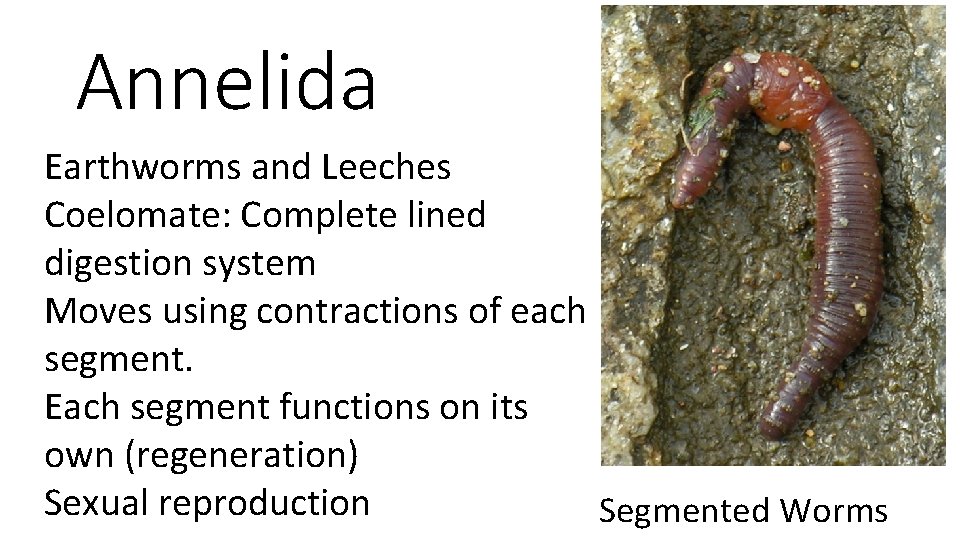
Annelida Earthworms and Leeches Coelomate: Complete lined digestion system Moves using contractions of each segment. Each segment functions on its own (regeneration) Sexual reproduction Segmented Worms
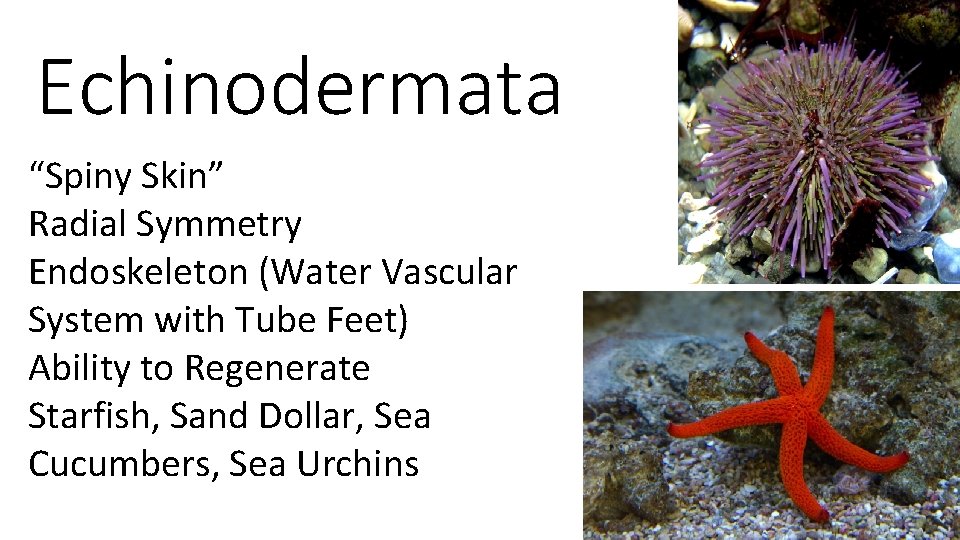
Echinodermata “Spiny Skin” Radial Symmetry Endoskeleton (Water Vascular System with Tube Feet) Ability to Regenerate Starfish, Sand Dollar, Sea Cucumbers, Sea Urchins
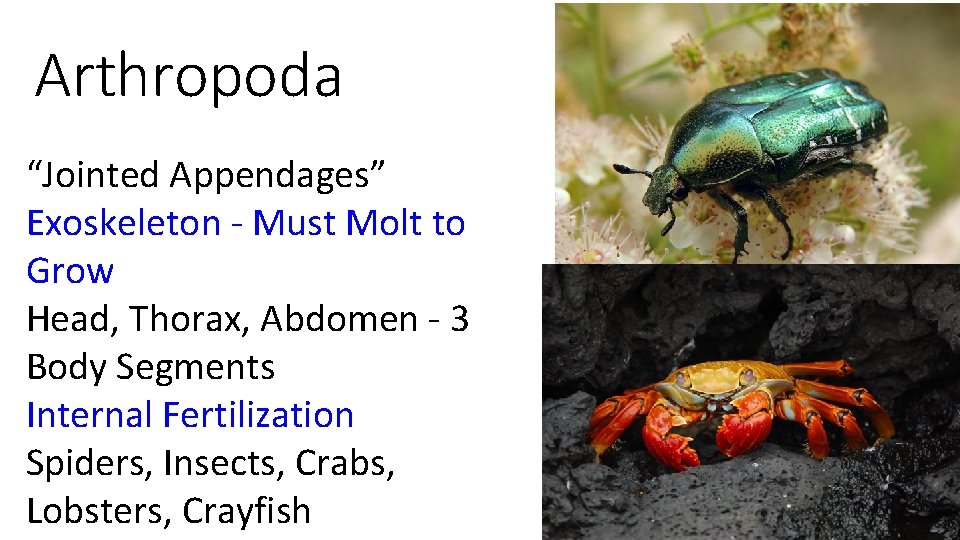
Arthropoda “Jointed Appendages” Exoskeleton - Must Molt to Grow Head, Thorax, Abdomen - 3 Body Segments Internal Fertilization Spiders, Insects, Crabs, Lobsters, Crayfish
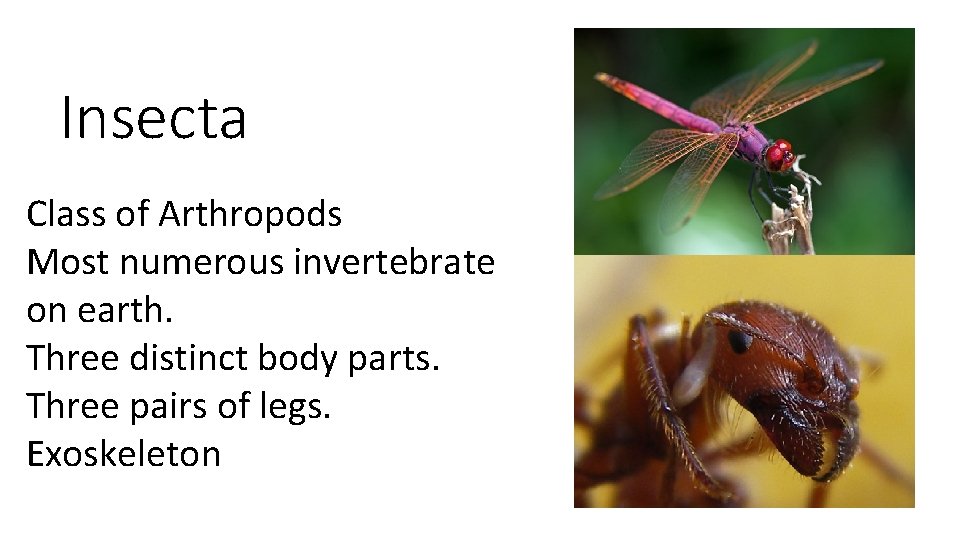
Insecta Class of Arthropods Most numerous invertebrate on earth. Three distinct body parts. Three pairs of legs. Exoskeleton
- Slides: 14