
Animal Nutrition III Ch 41 Keywords Ruminant digestion
- Slides: 21
Animal Nutrition III (Ch. 41)
Keywords • Ruminant digestion • Symbiosis – Definition – Algal-invertebrate – Chemoautotrophinvertebrate • Hydrothermal vent • H 2 S (sulfide) • chemoautotrophy
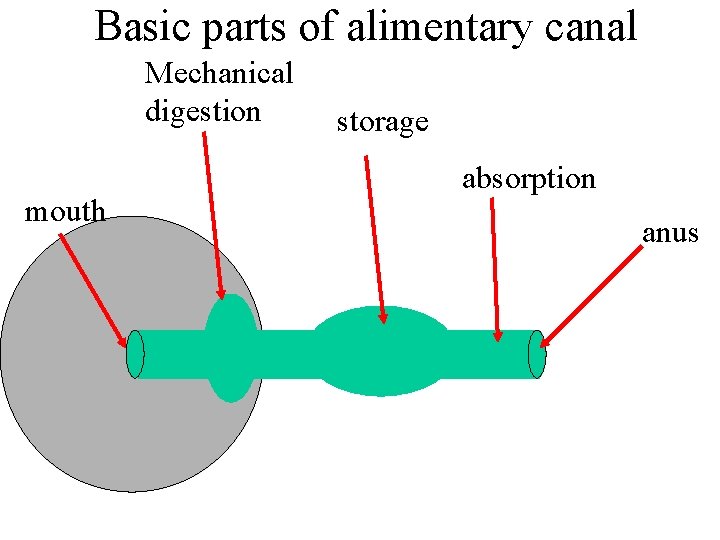
Basic parts of alimentary canal Mechanical digestion mouth storage absorption anus
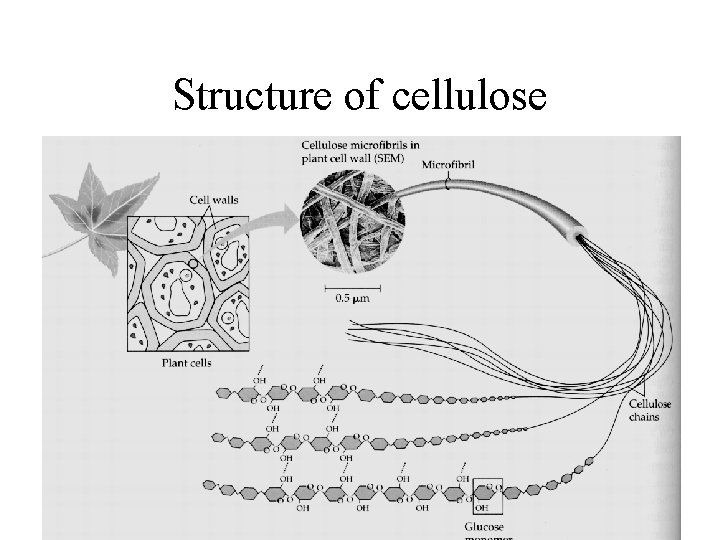
Structure of cellulose
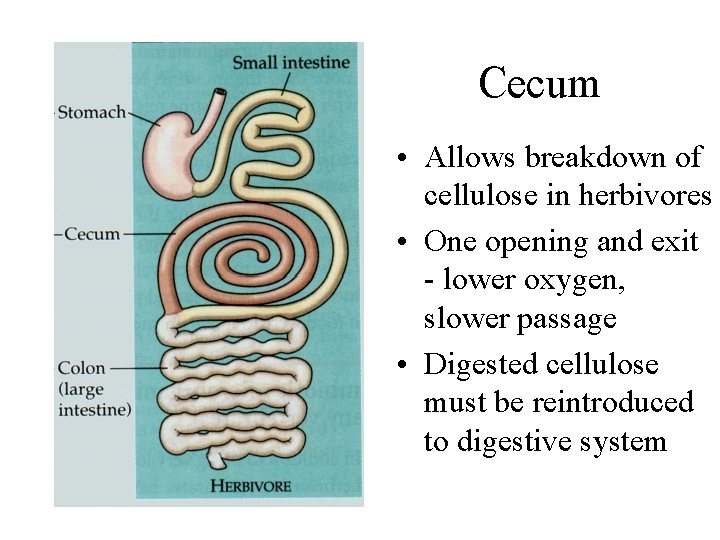
Cecum • Allows breakdown of cellulose in herbivores • One opening and exit - lower oxygen, slower passage • Digested cellulose must be reintroduced to digestive system
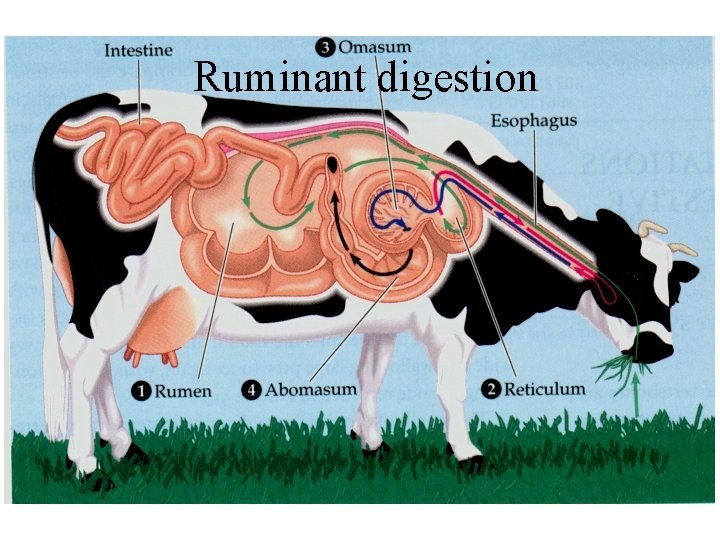
Ruminant digestion
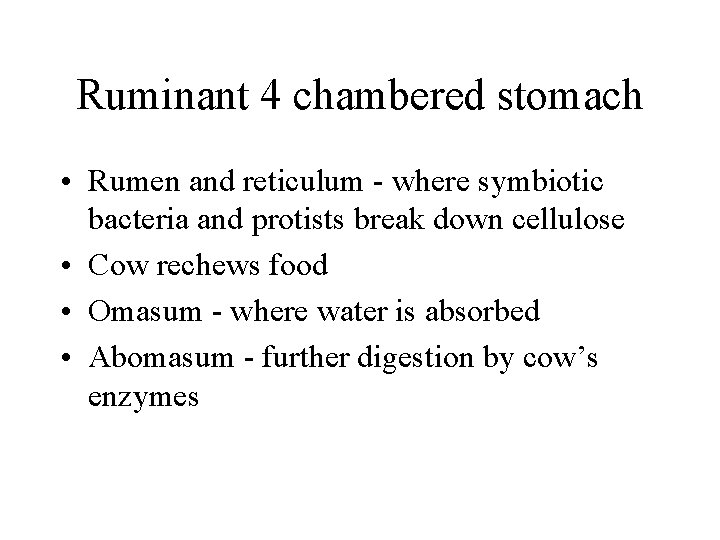
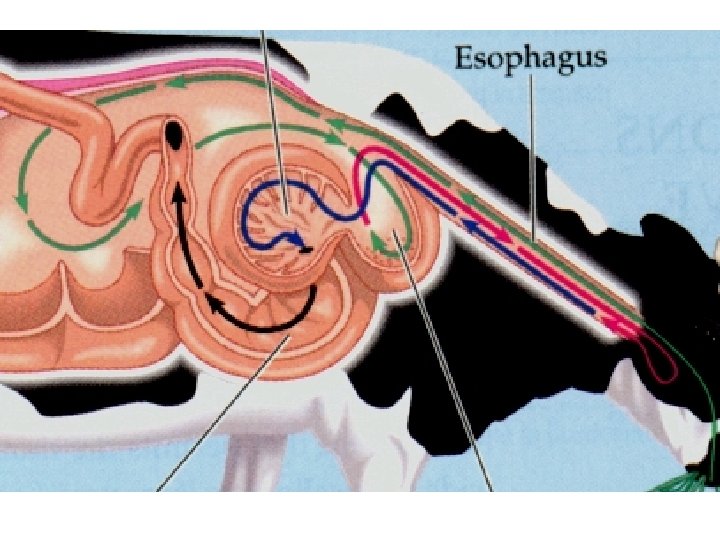
Ruminant 4 chambered stomach • Rumen and reticulum - where symbiotic bacteria and protists break down cellulose • Cow rechews food • Omasum - where water is absorbed • Abomasum - further digestion by cow’s enzymes
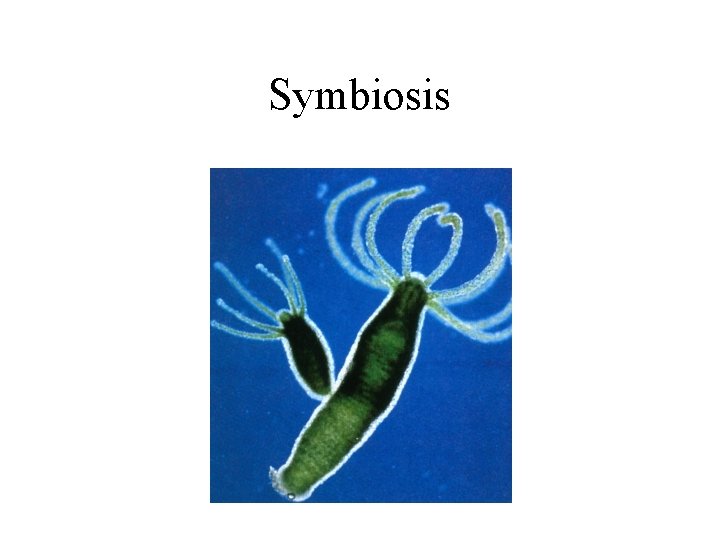
Symbiosis
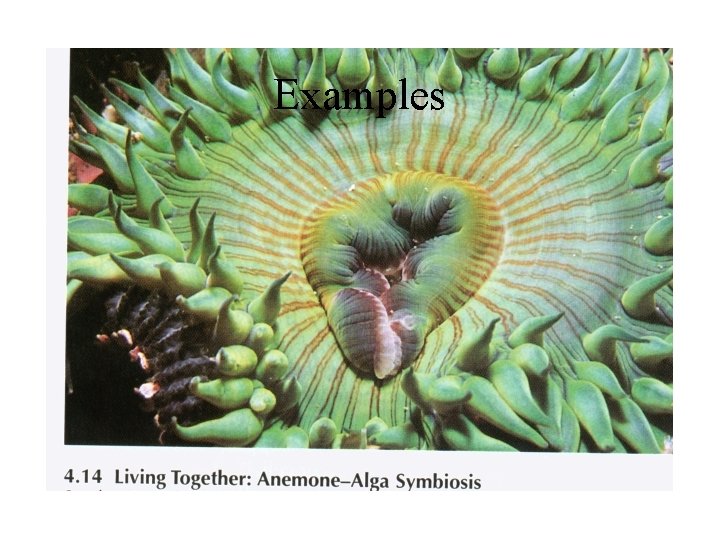
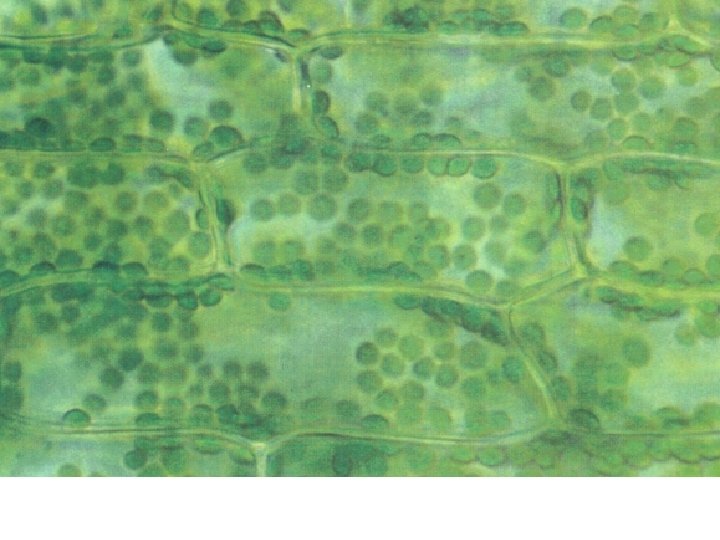
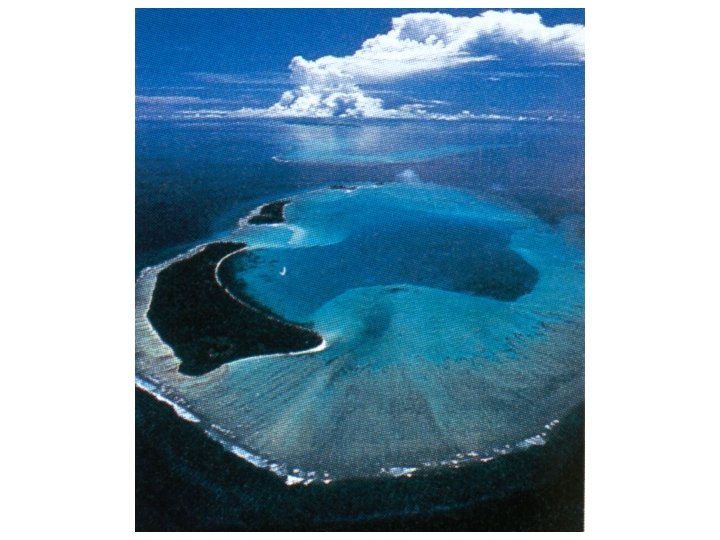
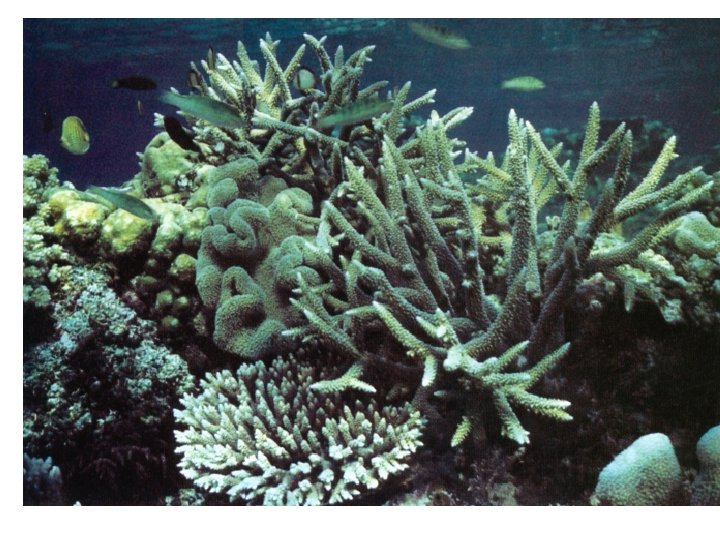
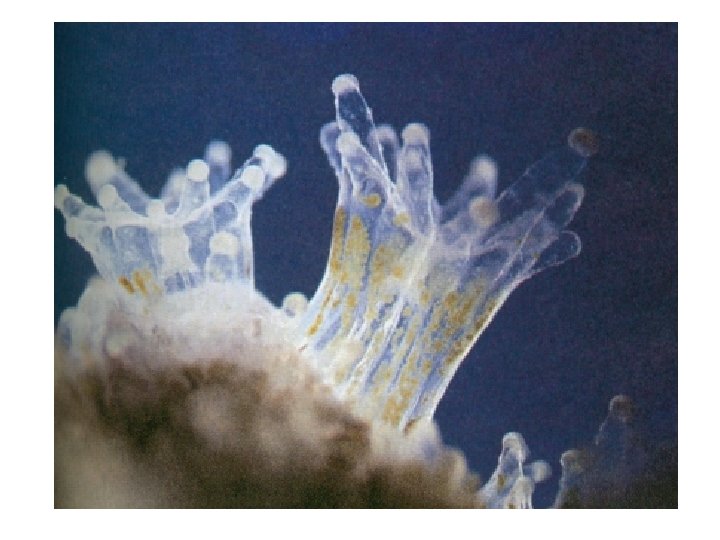
Autotroph-invertebrate symbiosis • Symbionts are algae • Algae photosynthesize and provide molecules such as sugars to the host • Hydra, anemones, giant clams, corals
Examples
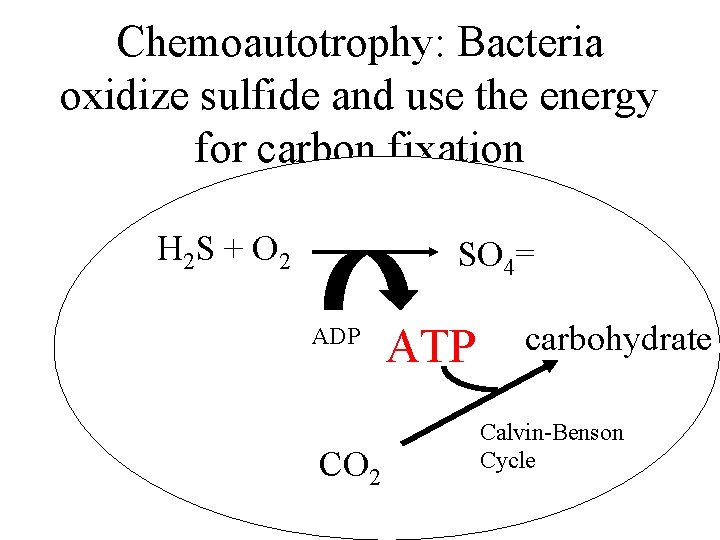
Chemoautotroph-invertebrate symbiosis • Symbionts are chemoautotrophic bacteria • Bacteria use hydrogen sulfide as an energy source and provide molecules such as sugars to host • Tubeworms, clams, mussels
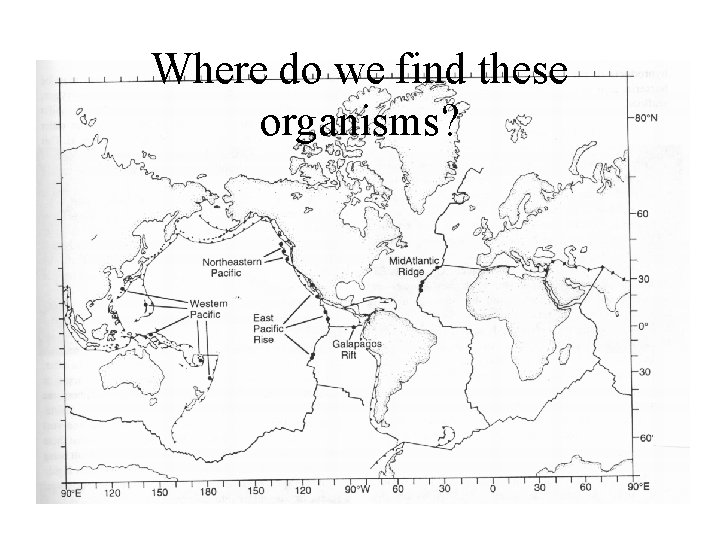
Where do we find these organisms?
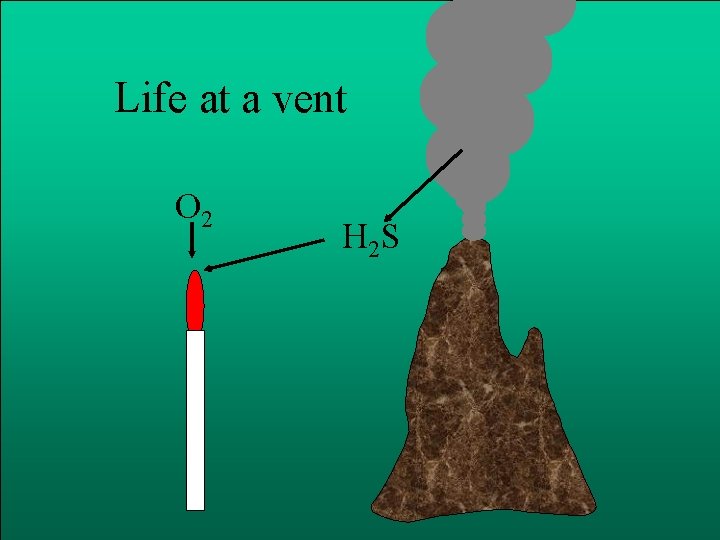
Life at a vent O 2 H 2 S
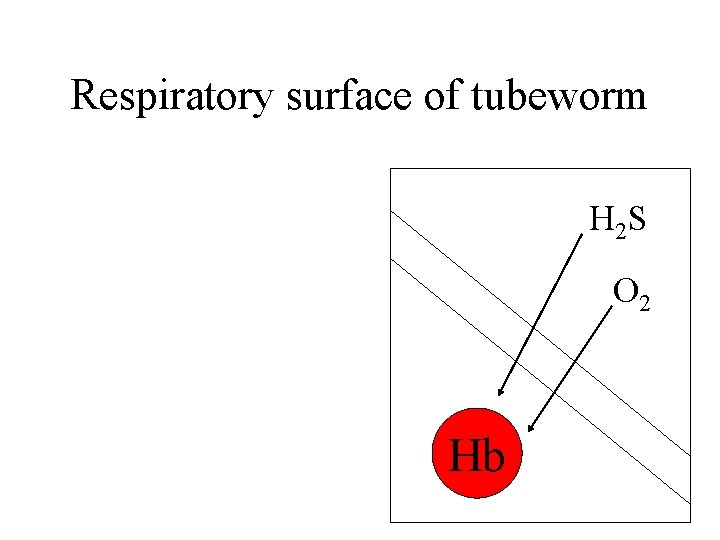
Respiratory surface of tubeworm H 2 S O 2 Hb
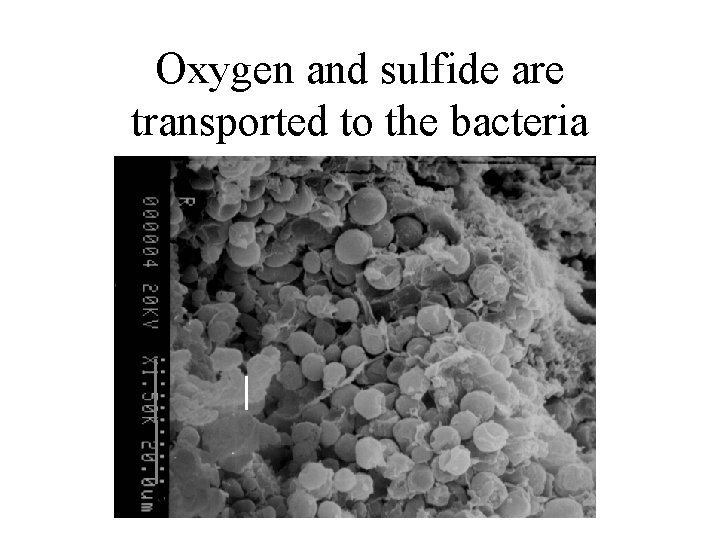
Oxygen and sulfide are transported to the bacteria
Chemoautotrophy: Bacteria oxidize sulfide and use the energy for carbon fixation H 2 S + O 2 SO 4= ADP CO 2 ATP carbohydrate Calvin-Benson Cycle