
Animal models must incorporate behaviors that resemble the
Animal models must: incorporate behaviors that resemble the human condition predictably respond to available clinical treatments be based on known (or strongly hypothesized) etiological factors be molecularly congruent with disease markers in humans.
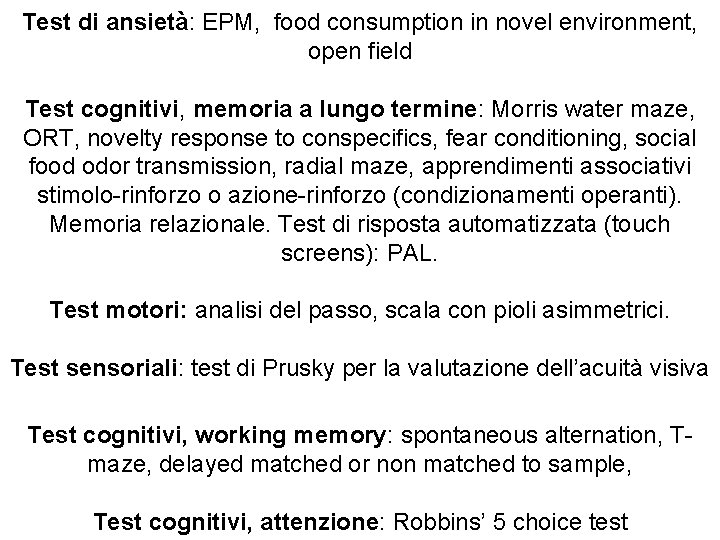
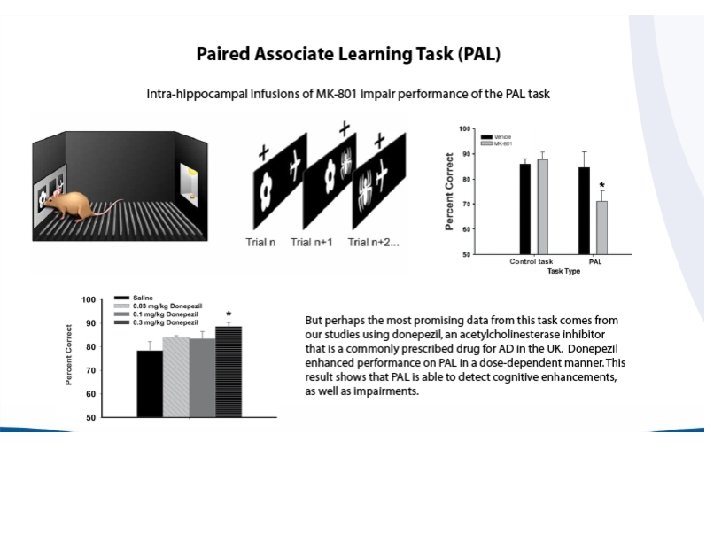
Test di ansietà: EPM, food consumption in novel environment, open field Test cognitivi, memoria a lungo termine: Morris water maze, ORT, novelty response to conspecifics, fear conditioning, social food odor transmission, radial maze, apprendimenti associativi stimolo-rinforzo o azione-rinforzo (condizionamenti operanti). Memoria relazionale. Test di risposta automatizzata (touch screens): PAL. Test motori: analisi del passo, scala con pioli asimmetrici. Test sensoriali: test di Prusky per la valutazione dell’acuità visiva Test cognitivi, working memory: spontaneous alternation, Tmaze, delayed matched or non matched to sample, Test cognitivi, attenzione: Robbins’ 5 choice test
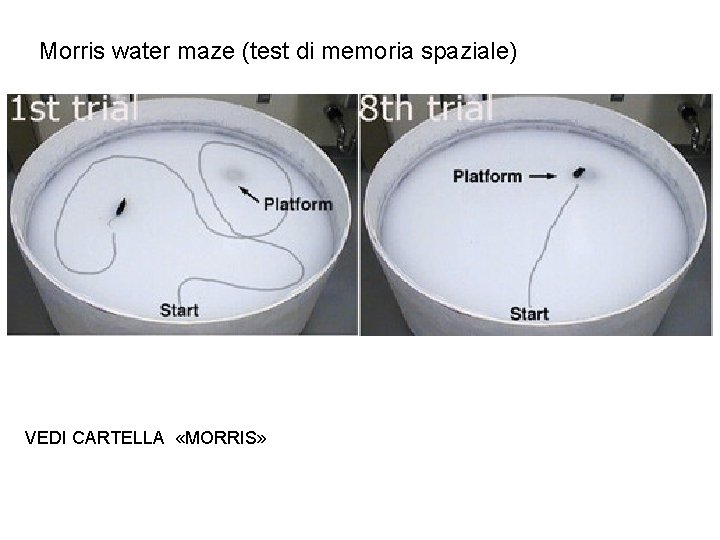
Morris water maze (test di memoria spaziale) VEDI CARTELLA «MORRIS»
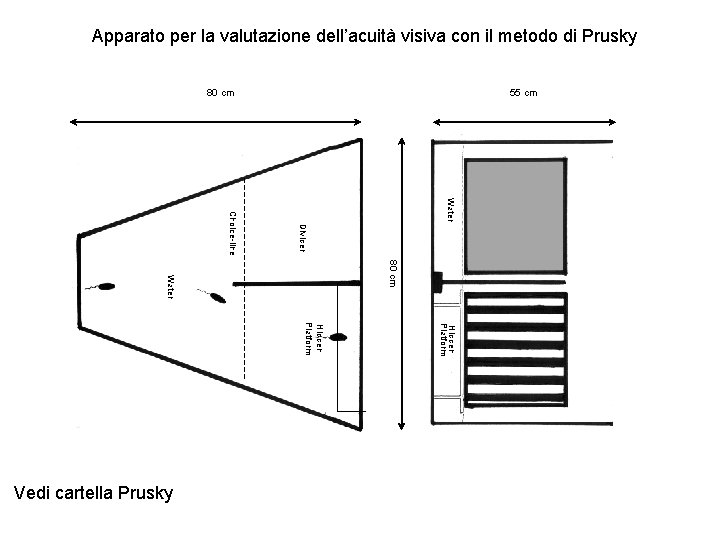
Apparato per la valutazione dell’acuità visiva con il metodo di Prusky 80 cm 55 cm Water Divider Choice-line 80 cm Water Hidden Platform Vedi cartella Prusky
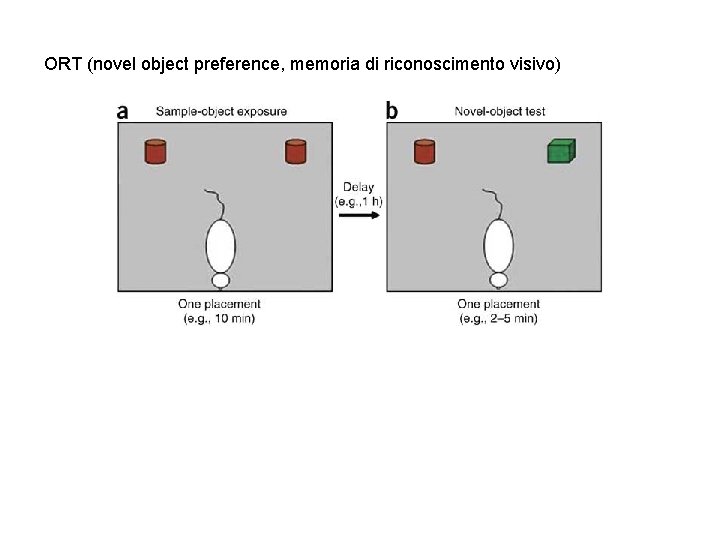
ORT (novel object preference, memoria di riconoscimento visivo)
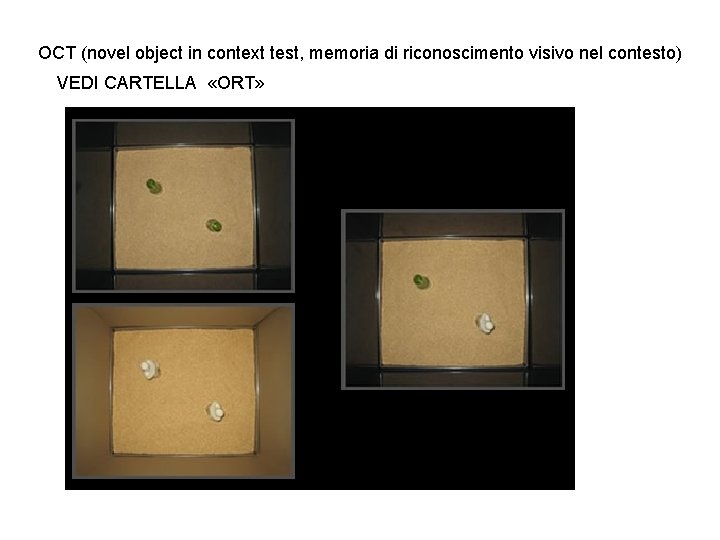
OCT (novel object in context test, memoria di riconoscimento visivo nel contesto) VEDI CARTELLA «ORT»
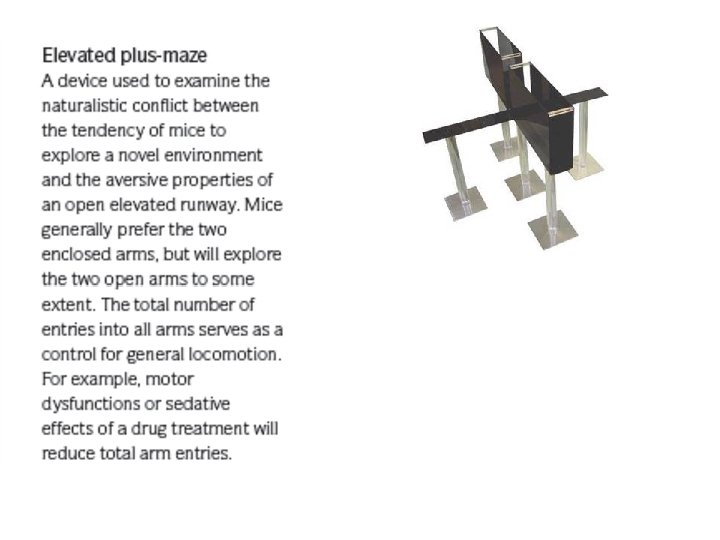
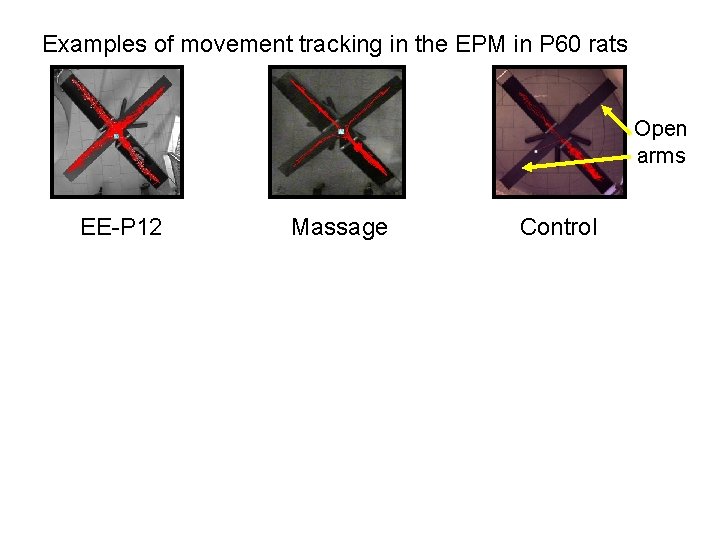
Examples of movement tracking in the EPM in P 60 rats Open arms EE-P 12 Massage Control
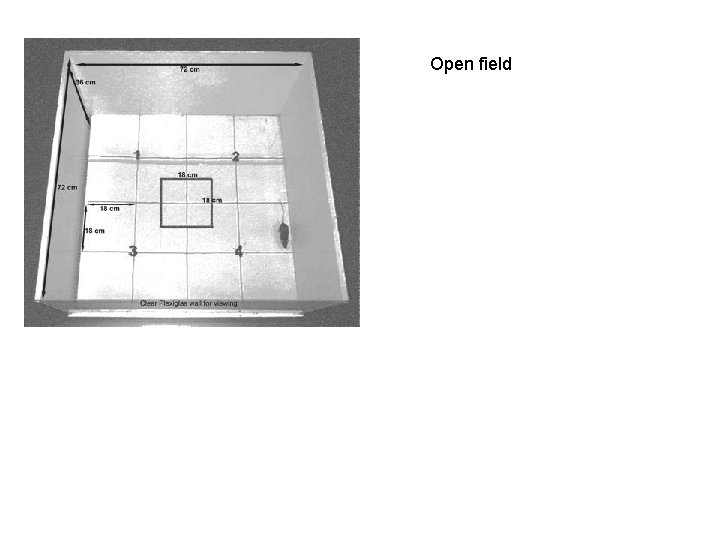
Open field
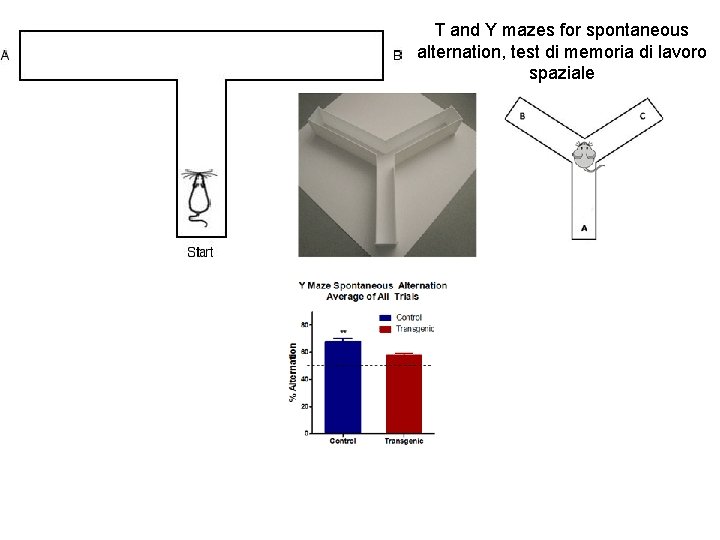
T and Y mazes for spontaneous alternation, test di memoria di lavoro spaziale
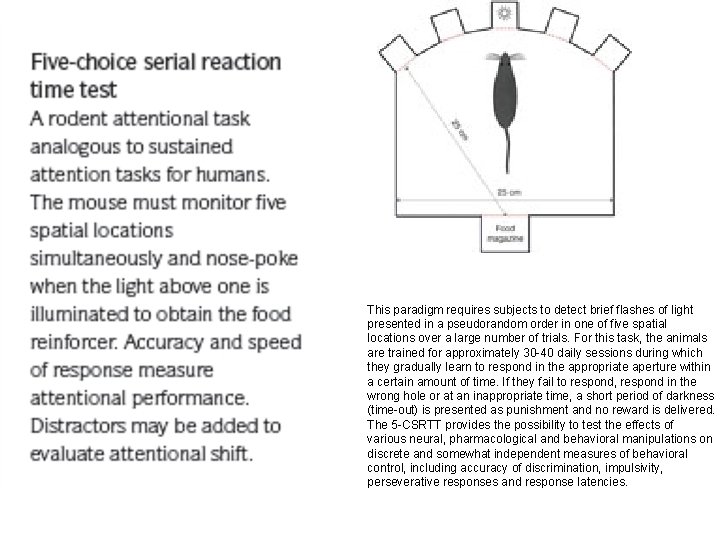
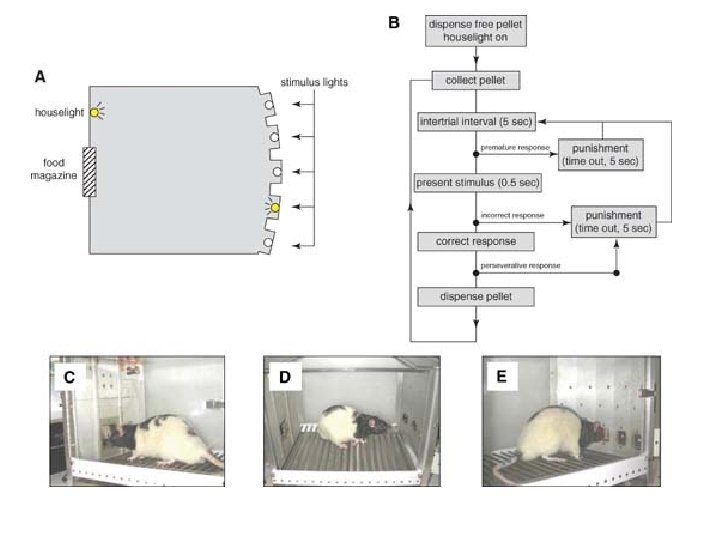
This paradigm requires subjects to detect brief flashes of light presented in a pseudorandom order in one of five spatial locations over a large number of trials. For this task, the animals are trained for approximately 30 -40 daily sessions during which they gradually learn to respond in the appropriate aperture within a certain amount of time. If they fail to respond, respond in the wrong hole or at an inappropriate time, a short period of darkness (time-out) is presented as punishment and no reward is delivered. The 5 -CSRTT provides the possibility to test the effects of various neural, pharmacological and behavioral manipulations on discrete and somewhat independent measures of behavioral control, including accuracy of discrimination, impulsivity, perseverative responses and response latencies.
Animal models of resilience to stressful events Nestler’s animal model was motivated by the following clinical observation: Upon exposure to the same stressful stimulus, human responses vary; some humans develop clear psychiatric conditions (e. g. , depression, posttraumatic stress disorder [PTSD]), whereas other resilient individuals function normally.
Nestler set out to model this phenomenon of “resilience” by employing a chronic social defeat paradigm. An episode of social defeat was accomplished by forcing a mouse to intrude into space that was “territorialized” by a larger mouse of a more aggressive type, leading to an agonistic encounter that ultimately resulted in intruder subordination.
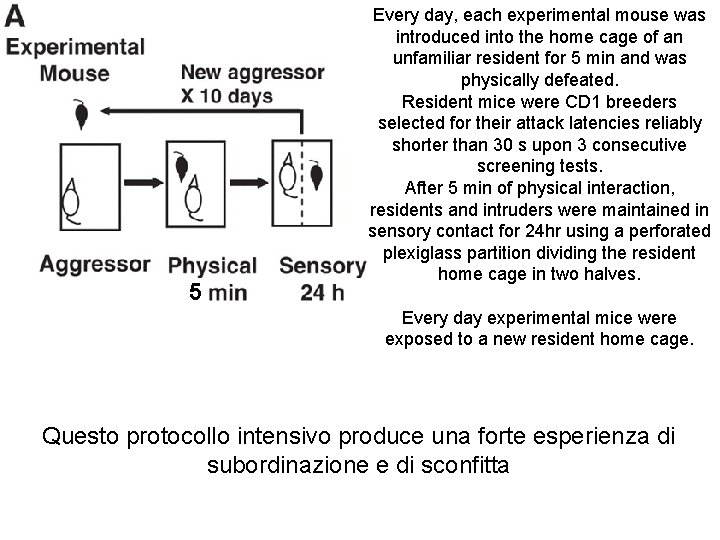
5 Every day, each experimental mouse was introduced into the home cage of an unfamiliar resident for 5 min and was physically defeated. Resident mice were CD 1 breeders selected for their attack latencies reliably shorter than 30 s upon 3 consecutive screening tests. After 5 min of physical interaction, residents and intruders were maintained in sensory contact for 24 hr using a perforated plexiglass partition dividing the resident home cage in two halves. Every day experimental mice were exposed to a new resident home cage. Questo protocollo intensivo produce una forte esperienza di subordinazione e di sconfitta
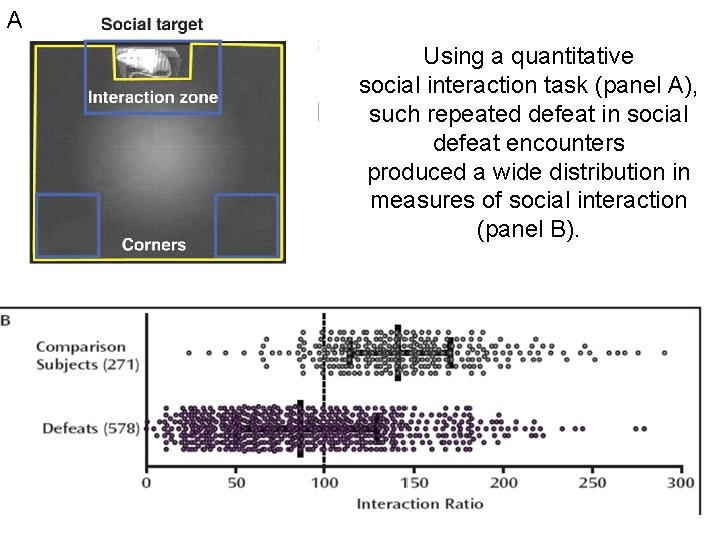
A Using a quantitative social interaction task (panel A), such repeated defeat in social defeat encounters produced a wide distribution in measures of social interaction (panel B).
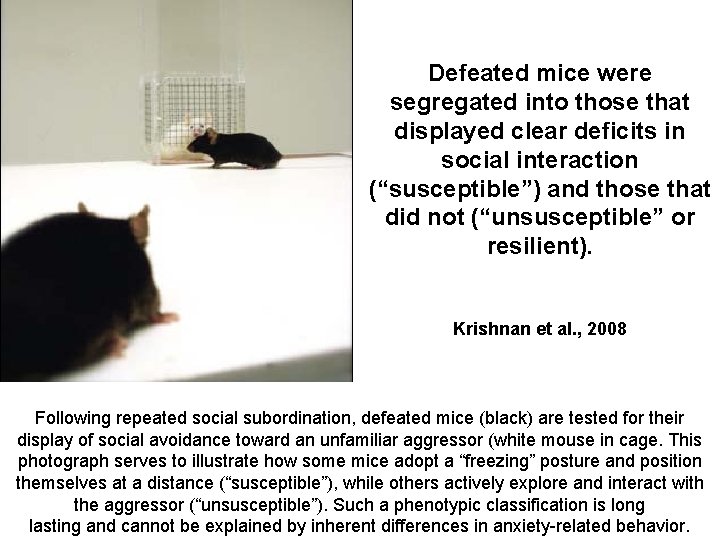
Defeated mice were segregated into those that displayed clear deficits in social interaction (“susceptible”) and those that did not (“unsusceptible” or resilient). Krishnan et al. , 2008 Following repeated social subordination, defeated mice (black) are tested for their display of social avoidance toward an unfamiliar aggressor (white mouse in cage. This photograph serves to illustrate how some mice adopt a “freezing” posture and position themselves at a distance (“susceptible”), while others actively explore and interact with the aggressor (“unsusceptible”). Such a phenotypic classification is long lasting and cannot be explained by inherent differences in anxiety-related behavior.
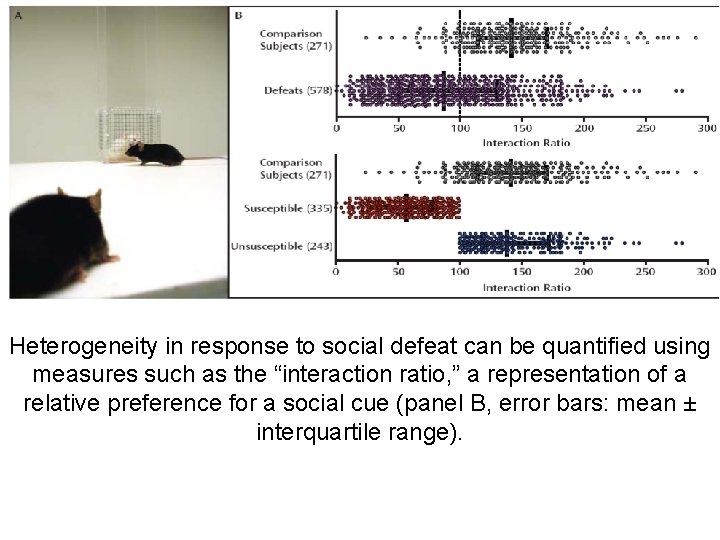
Heterogeneity in response to social defeat can be quantified using measures such as the “interaction ratio, ” a representation of a relative preference for a social cue (panel B, error bars: mean ± interquartile range).
Through such segregation, Nestler discovered that only susceptible mice displayed several mouse analogs of human depressive behavior (anhedonia, circadian abnormalities, weight loss, and sensitized responses to abused drugs). An elevation of brain-derived neurotrophic factor (BDNF) in the nucleus accumbens (NAc) was uniquely associated with the susceptible phenotype.
Moreover, the reduction of BDNF in the ventral tegmental area (VTA) (a region in the brain that projects directly to the NAc) using genetically modified mice, as well as the inhibition of neuronal activity in the VTA, blocked BDNF and depression-like behaviors in socially defeated mice. To confirm the relevance of this model to human depression, Nestler demonstrated elevations of BDNF in postmortem human NAc in depressed subjects relative to comparison subjects. He also showed that a naturally occurring impairment in activitydependent BDNF release (BDNF val 66 met) promotes resilience to social defeat.
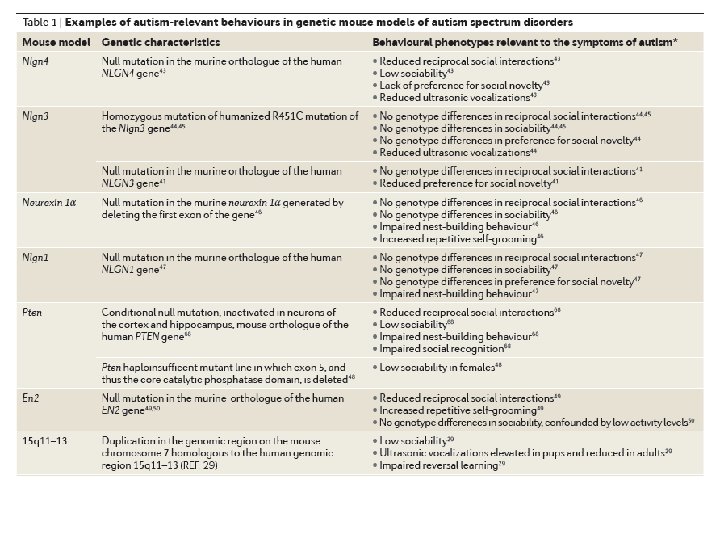
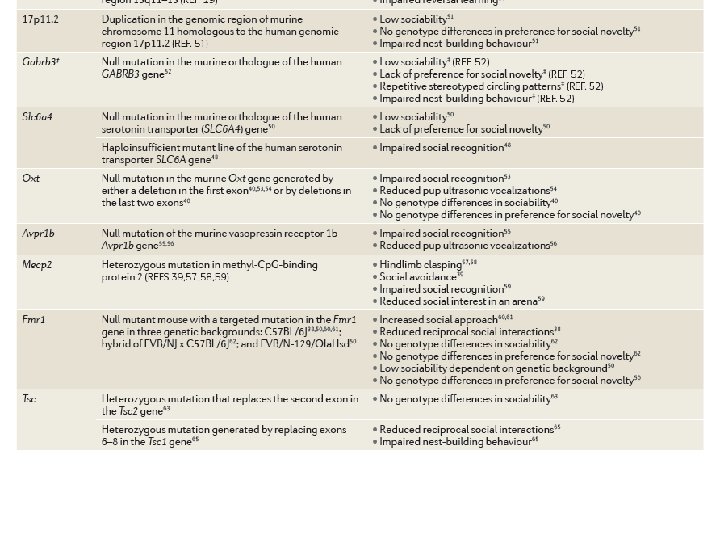
Autism is a complex neurodevelopmental disorder with extraordinarily high heritability. Effective animal models should incorporate face validity (strong analogies to the endophenotypes of the human syndrome), construct validity (the same biological dysfunction that causes the human disease, such as a gene mutation or anatomical abnormality) and predictive validity (analogous response to treatments that prevent or reverse symptoms in the human disease). How to phenotype them?
Autism diagnosis is currently based on purely behavioural criteria, as no consistent biological markers have yet been identified. Until now, DSM-IV 99, the diagnostic manual of the American Psychiatric Association, and ICD-10100, the diagnostic manual of the World Health Organization, have required the presence of core elements in three specific categories: abnormal reciprocal social interactions, which include reduced interest in peers and difficulty maintaining social interaction, and failure to use eye gaze and facial expressions to communicate efficiently; impaired communication, which generally presents as language delays, deficits in language comprehension and response to voices, stereotyped or literal use of words and phrases, poor pragmatics (knowing how and when to use language) and lack of prosody, resulting in monotone or exaggerated speech patterns; and repetitive behaviours, which include motor stereotypies, repetitive use of objects, compulsions and rituals, insistence on sameness, upset to change and unusual or very narrow restricted interests. Proposed DSM-V revisions may merge the first two criteria into a more general social-communication factor that includes lack of social reciprocity and deficits in nonverbal and verbal communication, beginning in early childhood.
Quali test fare? Essenziale il contributo di esperti nell’assessment di ASD
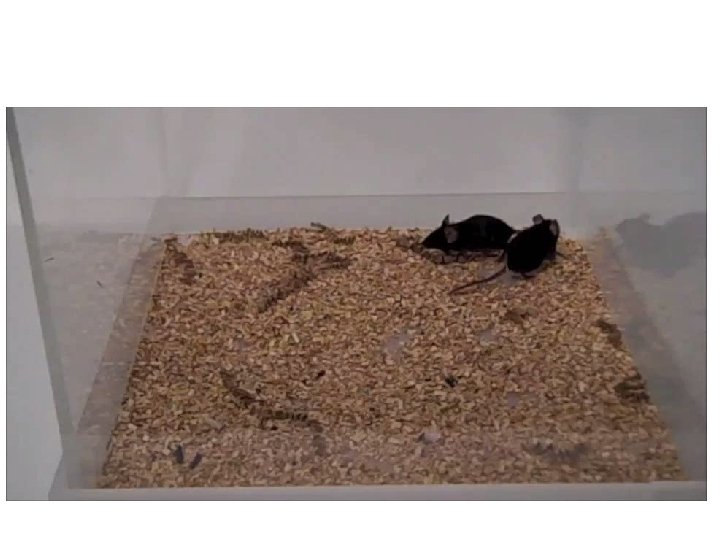
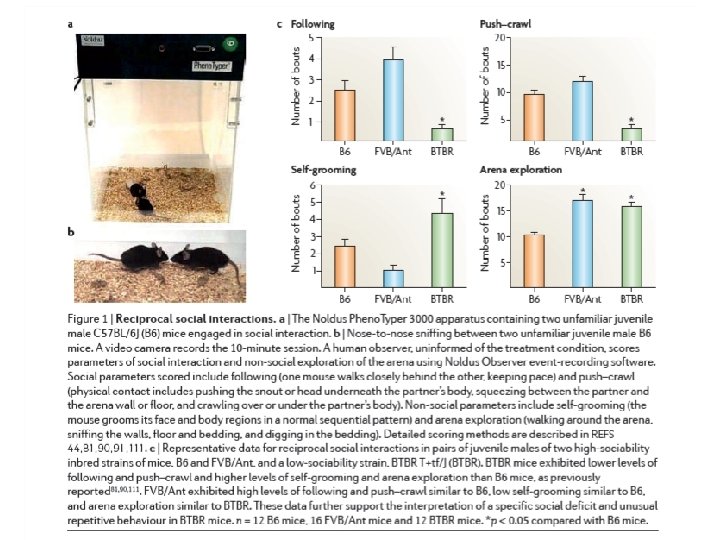
Reciprocal social interactions. Fine-grained measures of interactions between pairs or groups of juvenile or adult mice placed together in standard cages or specialized arenas provide the most detailed insights into reciprocal social interactions. Parameters are scored from videotapes by investigators, using data sheets or event-recording software. Automated videotracking systems have also been used to score social interactions between two mice. The experimental design, including the specific parameters scored, session duration, time of day, prior social isolation, environmental enrichment and pair composition by age, sex and strain, is optimized to meet the goals of the experiment. Repeated testing of the same mice is usually possible; this allows researchers to evaluate trajectories across the neurodevelopmental stages of pup, juvenile, young adult and older adult. Esempi di test di interazioni sociali spontanee nel roditore
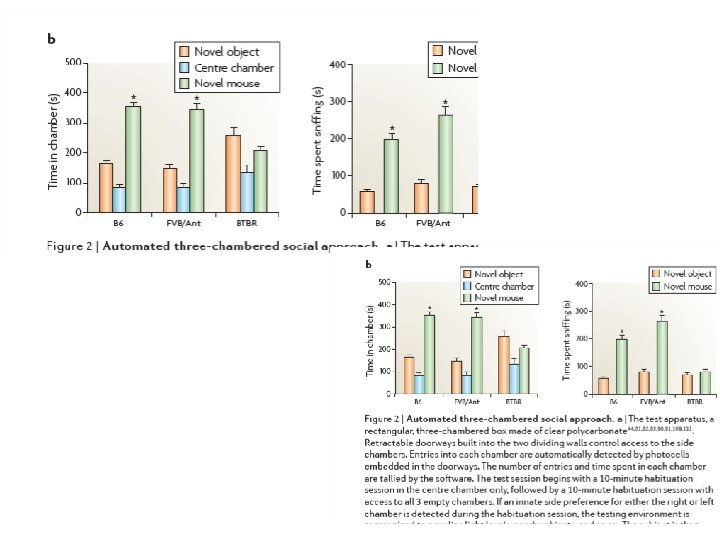
Social approach. Simpler, automated measures of direct social approach offer more standardized, higher throughput assays, although fewer details of reciprocal interactions are captured. Recently, an automated three-chambered social approach task, which scores time spent in a side chamber with a novel mouse versus time spent in a side chamber with a non-social novel object, an inverted wire pencil cup, has been developed
Sociability is defined as the subject mice spending more time in the chamber containing the novel target mouse than in the chamber containing the inanimate novel object. The wire cup serves as the novel object on one side and as the container control for novel object plus novel mouse on the other side. With the target novel mouse contained, the social approach is initiated by the subject mouse only. The widely spaced wire bars of the container permit olfactory, visual, auditory and some tactile contact while preventing aggressive interactions.
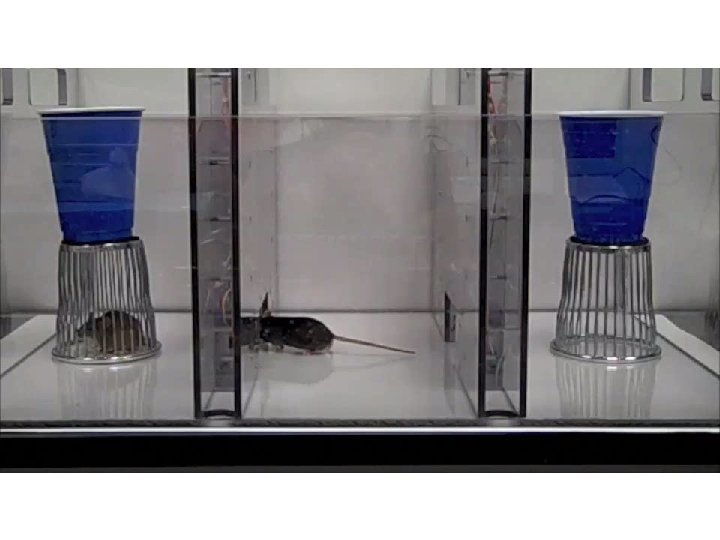
The test is a pure measure of simple interest in approaching and remaining in physical proximity to another. A photocell-equipped apparatus uses infrared beams embedded in the partitions between compartments. As the subject mouse moves between the three compartments, beam-breaks are recorded by the software and converted to time the mouse spends in each compartment and number of entries into each compartment. To provide a corroborative and more specific measure of social investigation during the test session, an observer scores time spent sniffing the novel mouse and time spent sniffing the novel object from session videotapes or in real time. The number of entries between compartments provides an independent measure of general exploratory locomotion. Mice can be tested more than once in this task — for example, at different ages to follow developmental trajectories.
Partition test. Another simple test of sociability uses a standard cage divided in half by a perforated partition made of clear plastic or wire. The subject mouse is able to see, hear and smell the target mouse through the holes in the plastic or wire divider, but physical interactions are blocked. Time spent at the partition represents the amount of interest in the social partner. Different social partners can be sequentially placed in one compartment to evaluate social preference and social memory in the subject mouse.
Social preference tests. Partner preference tests are used to evaluate components of social affiliation, social recognition and social memory. The choice between partners is measured by the amount of time spent by the subject mouse with each partner. Preference for social novelty is defined as the subject mouse spending more time in a chamber or in physical contact with a novel mouse than with a familiar mouse. Partners with different characteristics — for example, pair bonded mates, or familiar versus unfamiliar conspecifics — provide measures of social recognition. Partners can be present simultaneously or sequentially with time delays between presentations, to evaluate recognition memory. Equipment used for social preference tasks include three-chambered apparatus, the partition test apparatus in which the subject mouse initiates more approaches and spends more time close to the partition adjacent to a novel mouse than to the partition adjacent to a familiar mouse, a Y‑maze and freely moving subject mice spending time with tethered target mice in three cages connected by tunnels.
Social transmission of food preference. Interaction with a cagemate who has eaten a novel flavoured food will confer familiarity with the flavour, resulting in the subject mouse eating more of the now-familiar food than of a completely new food. Familiarity is acquired when the observer mouse sniffs the breath, face and whiskers of the demonstrator mouse. Because face sniffing and close physical contact appear to contribute to the communication of flavour information, this task measures the tendency of the observer mice to obtain meaningful information through social interactions with the demonstrator. If a 24 h delay is interposed between interaction and test, long term memory is tested.
Assays for communication deficits in mice How mice communicate is not yet well understood. Olfactory cues are of primary importance. Vocalizations in the ultrasonic and sonic ranges, visual cues, gustatory and tactile modalities may also contribute to communication of information and to social bonding. Several behavioural tasks are in routine use to evaluate the olfactory and auditory cues emitted by mice and the responses to these cues by other mice. Demo di vocalizzazioni
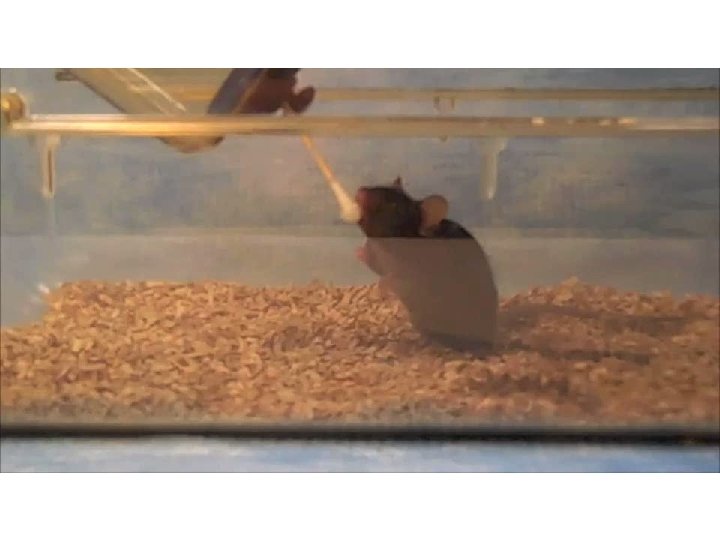
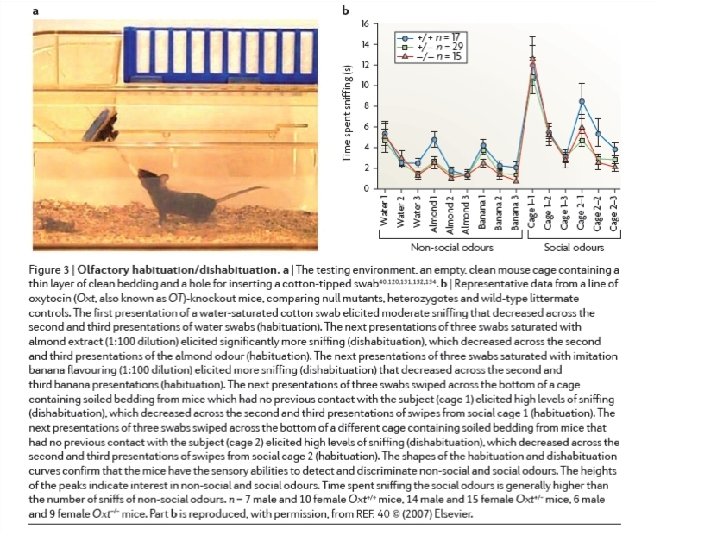
Olfactory habituation/dishabituation to social odours. Mice tend to sniff a novel odour and then quickly habituate to its novelty. Repeated presentation of a sequence of cotton swabs containing the same odour will result in the mouse spending less and less time sniffing the swab with each presentation (habituation), as measured by an investigator with a stop watch. Subsequent introduction of a cotton swab saturated with a new odour will reinstate a high level of sniffing (dishabituation). The social odours on the cotton swabs are obtained from swipes across the bottom of a cage of novel mice. These social odours elicit considerably higher levels of sniffing than non-social odours, such as almond extract or banana flavouring.
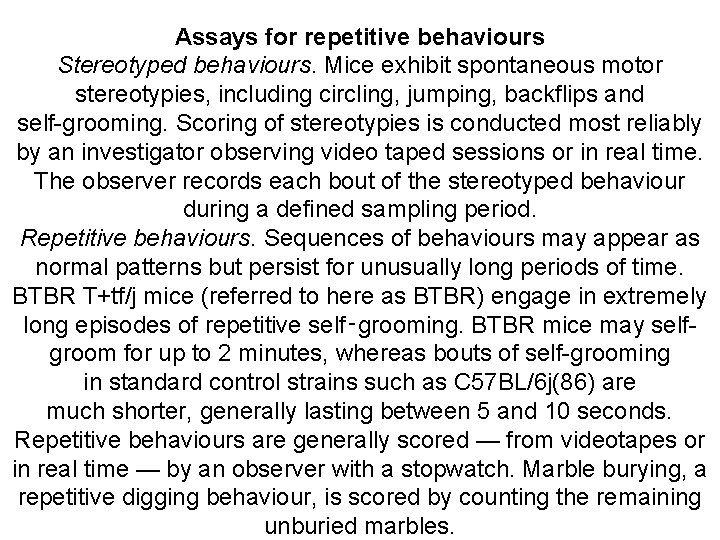
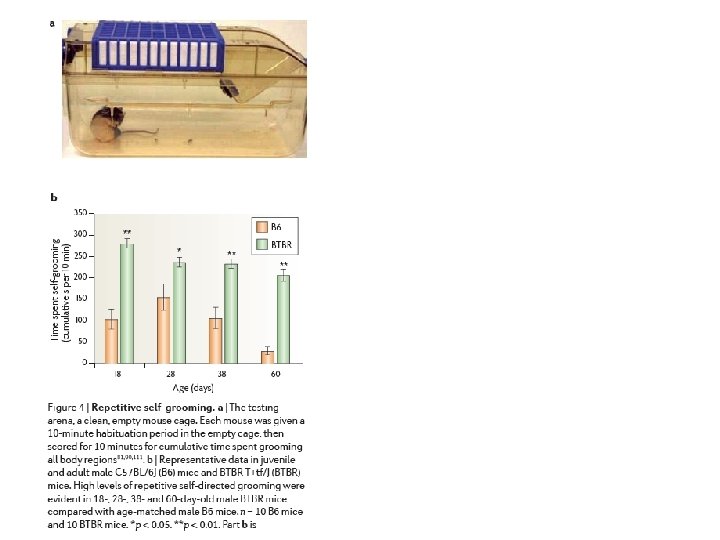
Assays for repetitive behaviours Stereotyped behaviours. Mice exhibit spontaneous motor stereotypies, including circling, jumping, backflips and self-grooming. Scoring of stereotypies is conducted most reliably by an investigator observing video taped sessions or in real time. The observer records each bout of the stereotyped behaviour during a defined sampling period. Repetitive behaviours. Sequences of behaviours may appear as normal patterns but persist for unusually long periods of time. BTBR T+tf/j mice (referred to here as BTBR) engage in extremely long episodes of repetitive self‑grooming. BTBR mice may selfgroom for up to 2 minutes, whereas bouts of self-grooming in standard control strains such as C 57 BL/6 j(86) are much shorter, generally lasting between 5 and 10 seconds. Repetitive behaviours are generally scored — from videotapes or in real time — by an observer with a stopwatch. Marble burying, a repetitive digging behaviour, is scored by counting the remaining unburied marbles.
Insistence on sameness. Perseverative behaviours are relatively common in mice. Reversal learning tasks measure the flexibility of the mouse to switch from an established habit to a new habit. A spatial habit is first established, for example, reinforcing entries into the left arm of a T‑maze or by locating the hidden escape platform in one quadrant of a Morris water maze. The re inforcer is then moved to a new location — for example, the food reward is moved to the right arm of the T-maze or the hidden platform is moved to a different quadrant of the water maze pool. A mouse model of autism is predicted to perform well on the initial acquisition but to fail on reversal owing to either increased perseveration or specific impairments in reversal learning.
Designing mouse behavioural assays with high relevance to the diagnostic symptoms of autism presents a substantial challenge for capturing reasonable face validity. Several symptoms of autism, such as the literal use of language and difficulties in interpreting irony or sarcasm, are unlikely to be successfully modelled in mice. ‘Theory of mind’, the ability of one person to intuit what another person is feeling and thinking, may not be innate to the mouse repertoire. However, two recent reports support the possibility that mice display elements of empathy. Subject mice show greater responsiveness to a painful experience after observing cagemates who have experienced a painful stimulus.
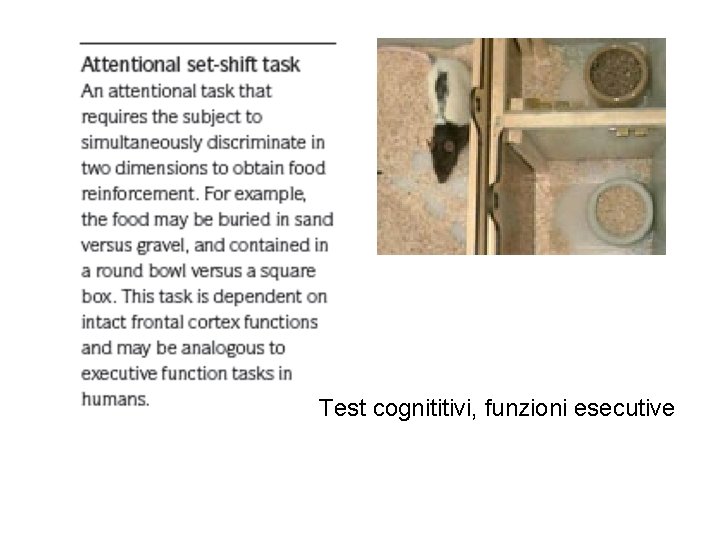
Test cognititivi, funzioni esecutive
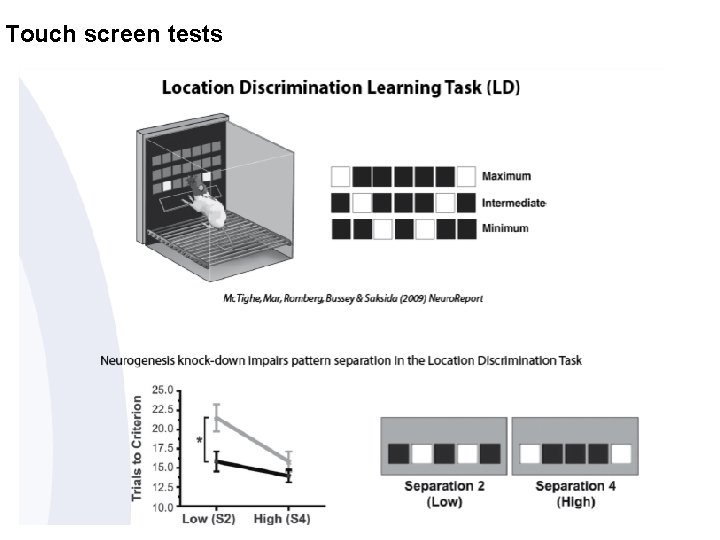
Touch screen tests
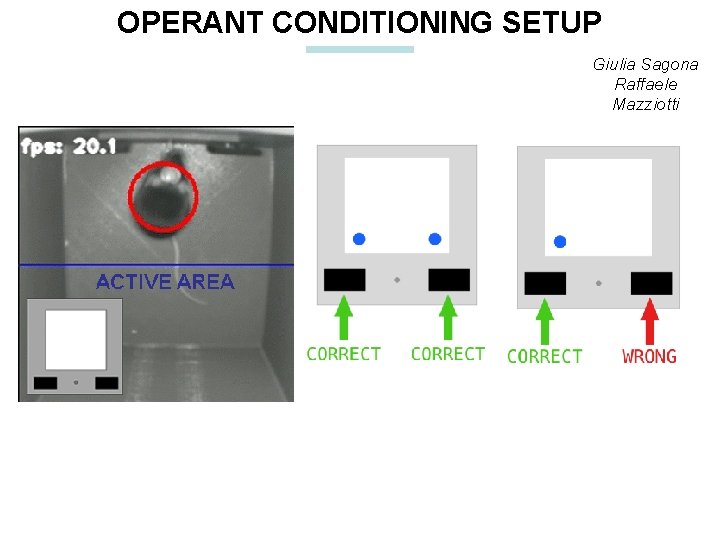
OPERANT CONDITIONING SETUP Giulia Sagona Raffaele Mazziotti
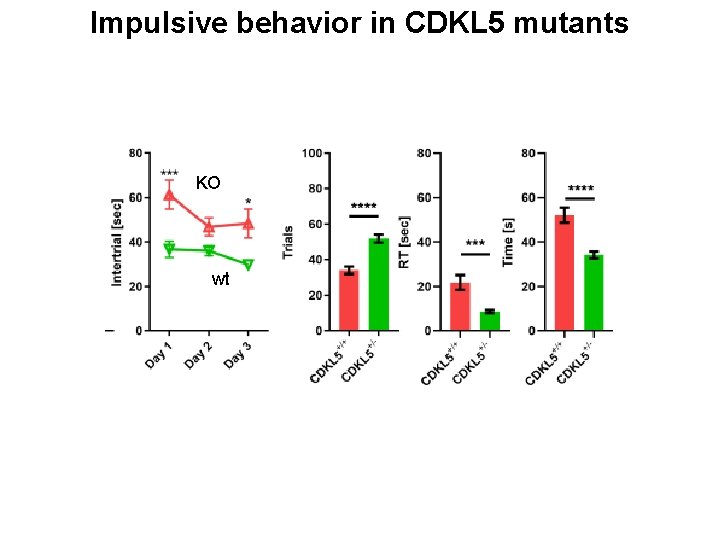
Impulsive behavior in CDKL 5 mutants KO wt
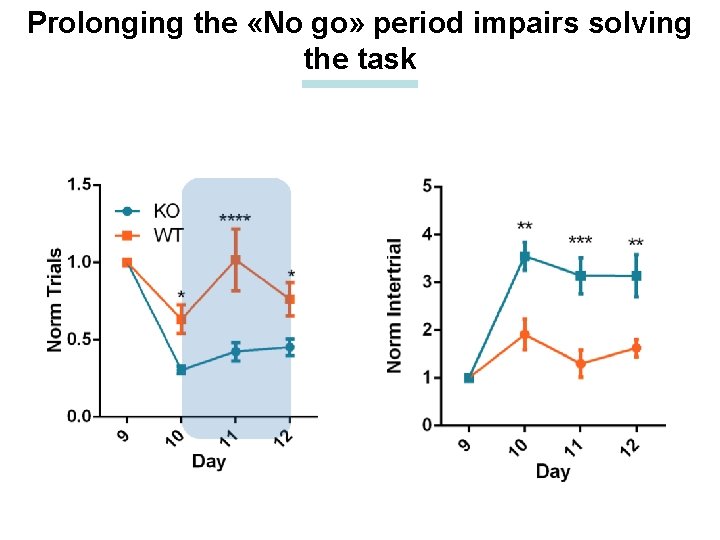
Prolonging the «No go» period impairs solving the task
Control parameters. Severe physical disabilities will cause false positives in many of the behavioural tasks described above. For example, olfactory deficits will inhibit performance on social approach, social recognition, olfactory discrimination and scent marking tests. Visual deficits can impair all visual memory tasks, PAL and Morris Water maze. Motor dysfunctions will prevent a mouse from active exploration of test environments that require locomotion, including social chambers, T-mazes and holeboards. To rule out artefacts, each new line of mutant mice has to be evaluated on a series of measures of general health, body weight, neurological reflexes, home cage behaviours, open-field activity, rotarod performance, visual forepaw placing, acoustic startle and pain sensitivity. Given the fundamental role of olfaction in mouse social behaviours, social and non-social olfactory abilities are routinely evaluated with multiple tests, including latency to locate buried food, olfactory habituation/dishabituation to non-social and social odours, and preference for social novelty.
Biomarcatori: indicatori di processi biologici o patologici e di risposta all'intervento del farmaco. Possono essere biofluidi valutati con tecniche molecolari o biochimiche; Analisi del tessuto; misure funzionali (ad es. EEG, f. MRI) Buoni biomarcatori: Grande sensibilità, specificità, accuratezza, alto valore predittivo, quantitativo Sicuro e facile da misurare Economico Le risposte visive hanno queste caratteristiche
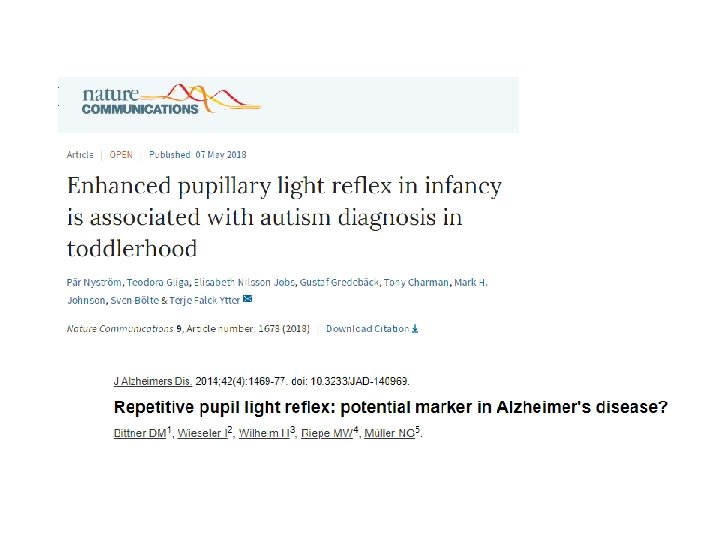
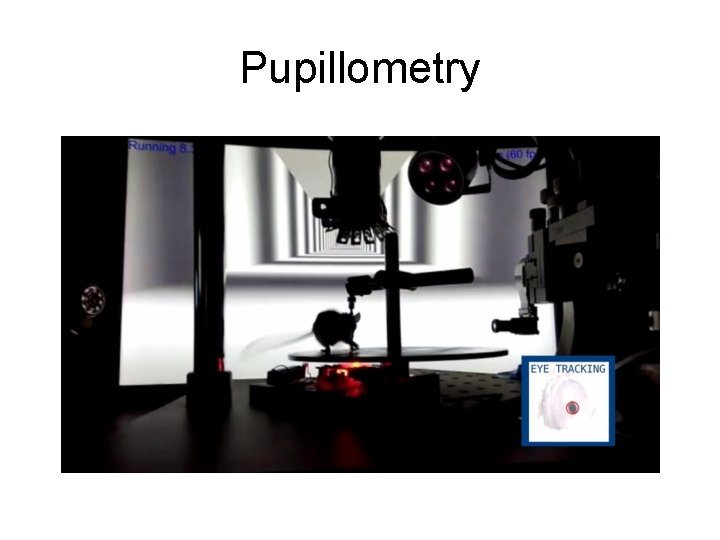
Un possibile biomarcatore funzionale: la pupillometria: Il diametro della pupilla riflette anche le fluttuazioni dell‘arousal • I circuiti colinergici e noradrenergico innervano ampie regioni del cervello controllando molte funzioni incluse le oscillazioni pupillari. • Lo stato di arousal determina cambiamenti delle prestazioni nell'elaborazione corticale, nell'attività ippocampale nei topi e la codifica dei ricordi negli esseri umani. • Le fluttuazioni della pupilla potrebbero essere quindi un indice per rivelare stati di eccitazione alterati in animali e nei pazienti. Nessun compito è coinvolto quindi può essere trasportato dagli animali agli umani senza modifiche.
Un biomarcatore funzionale: la pupillometria
Pupillometry
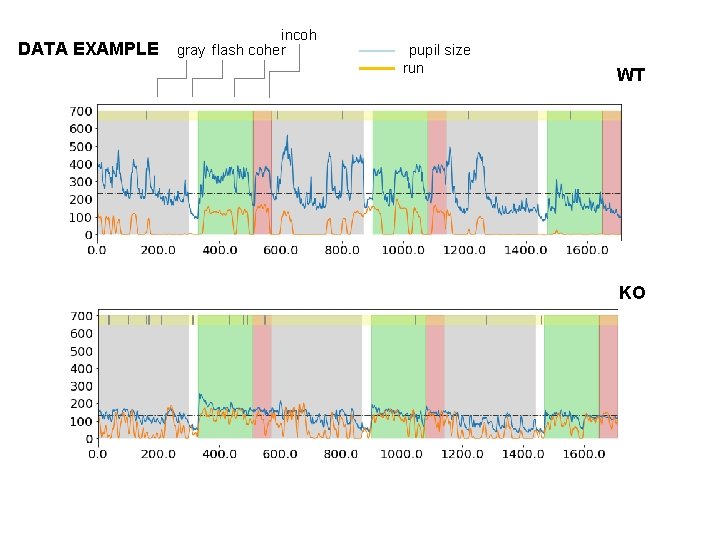
DATA EXAMPLE incoh gray flash coher pupil size run WT KO
- Slides: 57