
ANIMAL CLASSIFICATION I TAXONOMY identification and classification Carl





- Slides: 53
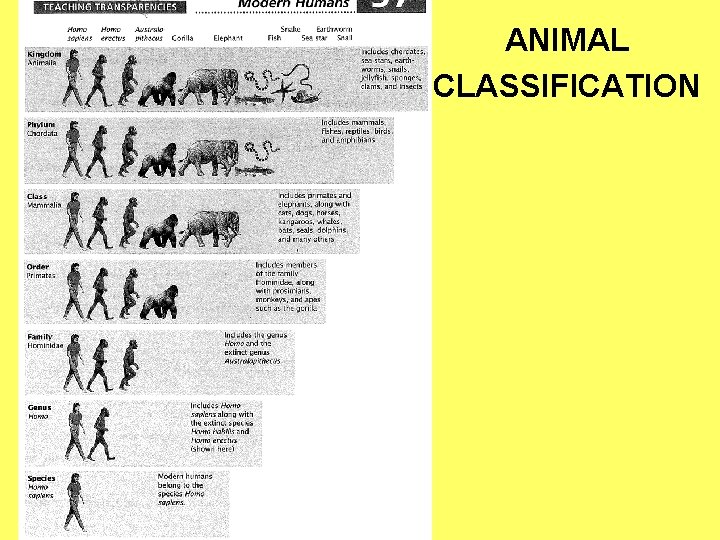
ANIMAL CLASSIFICATION
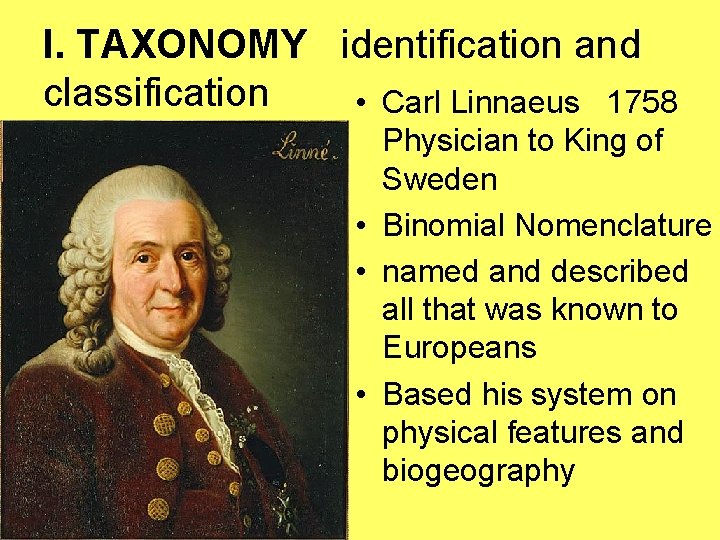
I. TAXONOMY identification and classification • Carl Linnaeus 1758 Physician to King of Sweden • Binomial Nomenclature • named and described all that was known to Europeans • Based his system on physical features and biogeography
HERE’S THE REASONING • - grouped according to physical similarities • - physical similarities is a result of genetics • - genetics reflects common ancestry
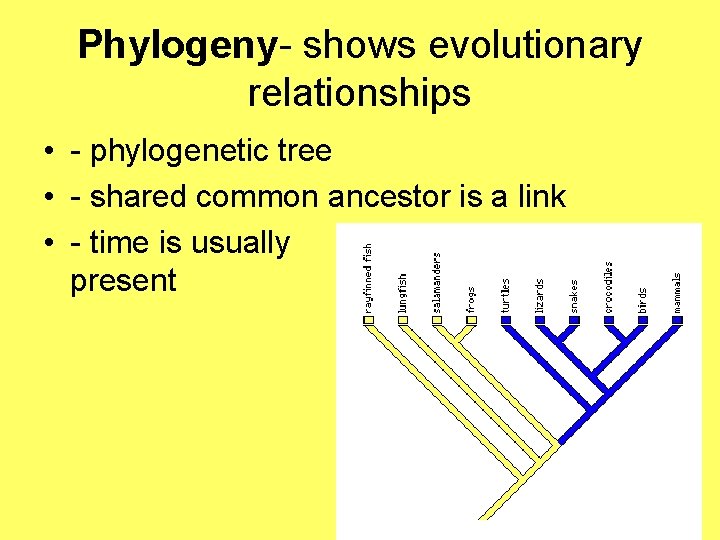
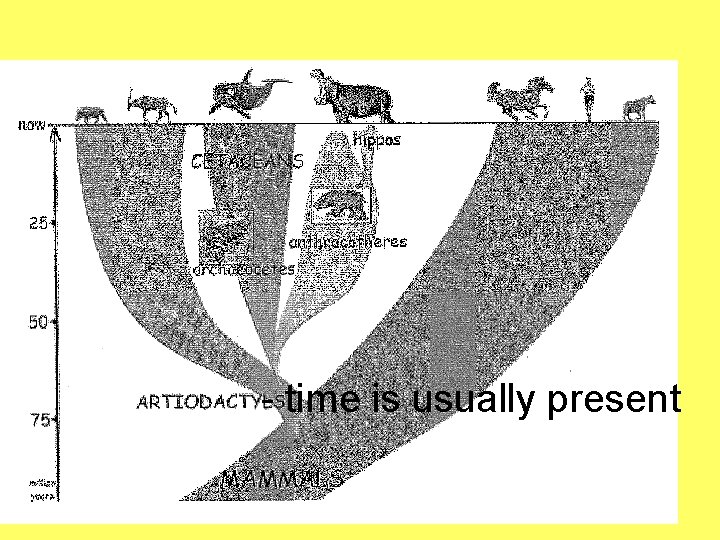
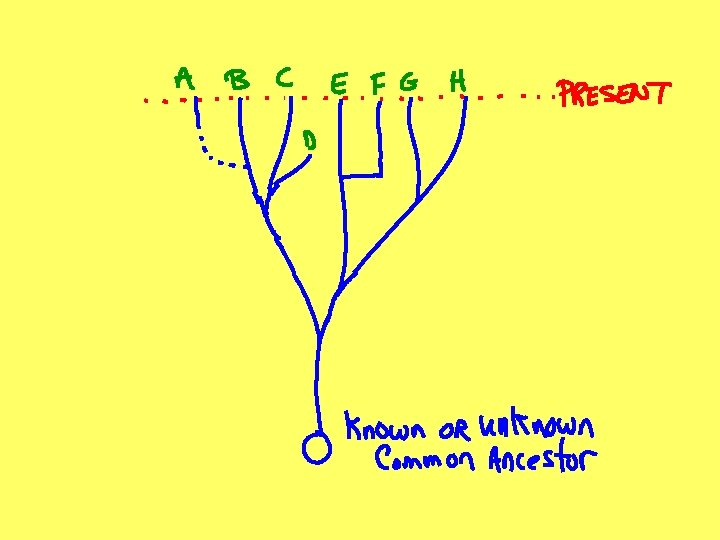
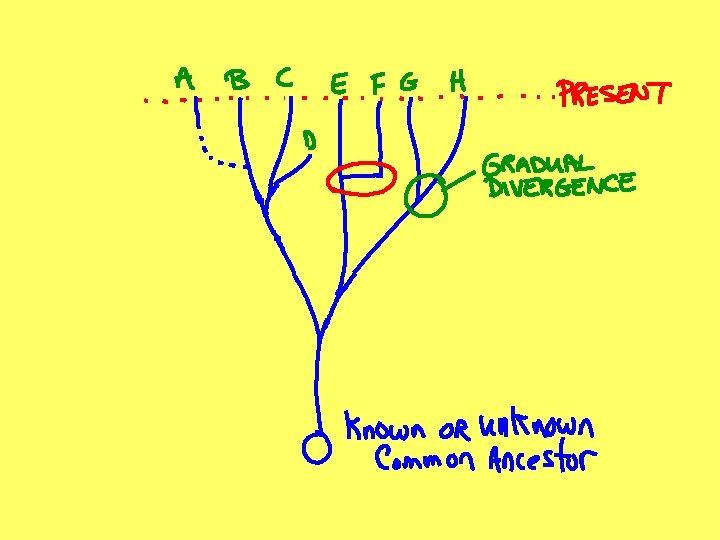
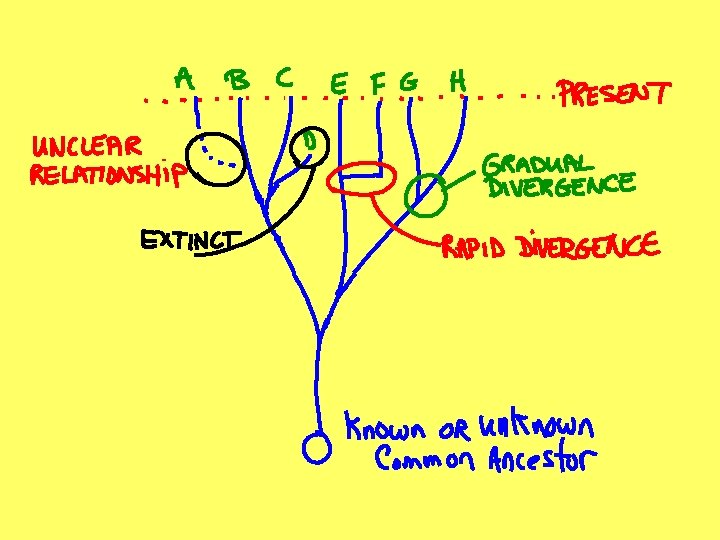
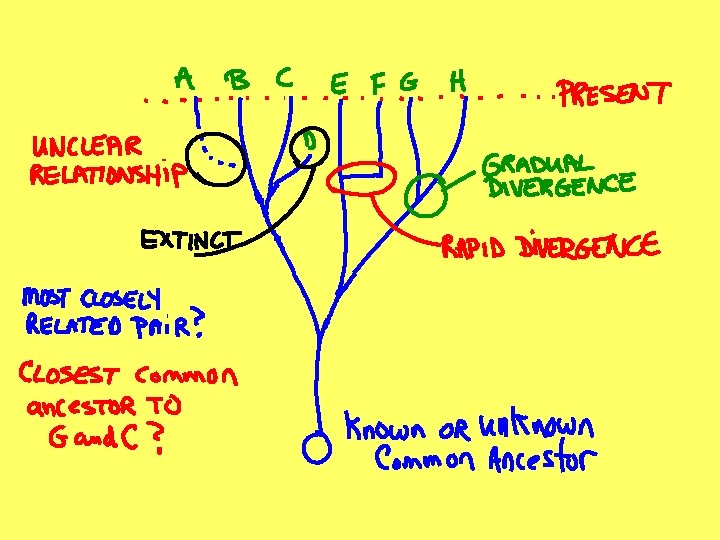
Phylogeny- shows evolutionary relationships • - phylogenetic tree • - shared common ancestor is a link • - time is usually present
- time is usually present
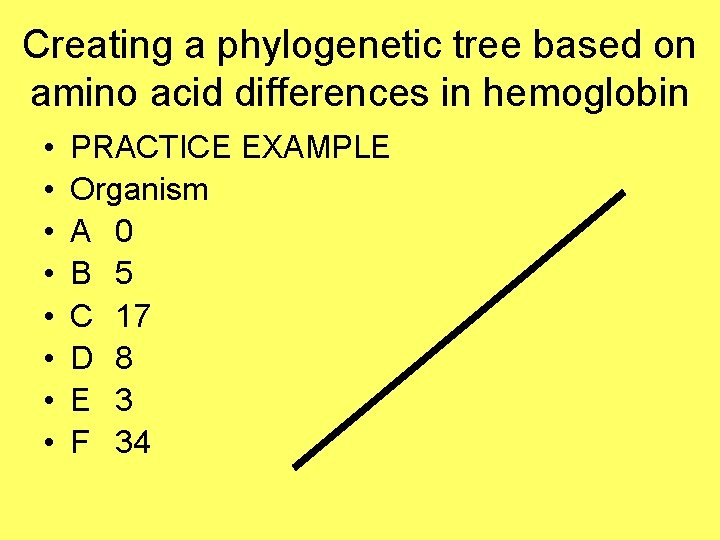
Creating a phylogenetic tree based on amino acid differences in hemoglobin • • PRACTICE EXAMPLE Organism A 0 B 5 C 17 D 8 E 3 F 34
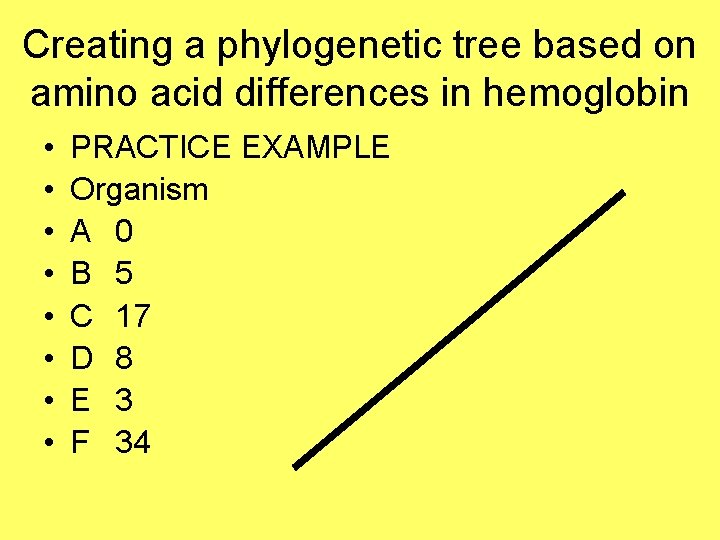
Creating a phylogenetic tree based on amino acid differences in hemoglobin • • PRACTICE EXAMPLE Organism A 0 B 5 C 17 D 8 E 3 F 34
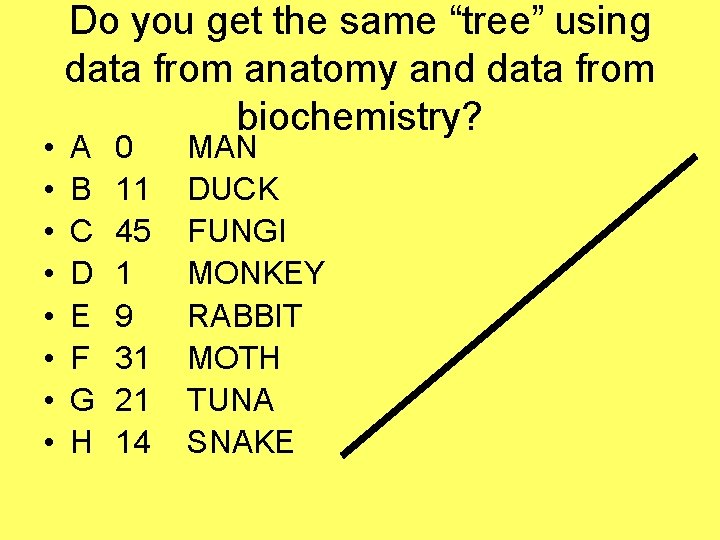
• • Do you get the same “tree” using data from anatomy and data from biochemistry? A B C D E F G H 0 11 45 1 9 31 21 14
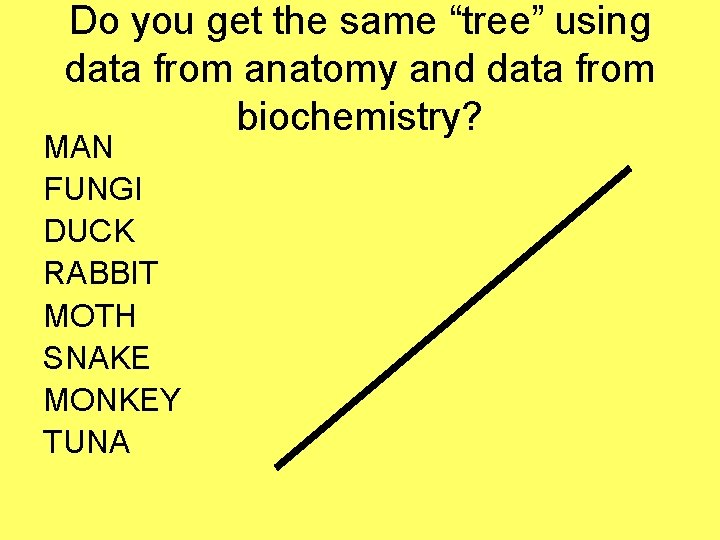
Do you get the same “tree” using data from anatomy and data from biochemistry? MAN FUNGI DUCK RABBIT MOTH SNAKE MONKEY TUNA
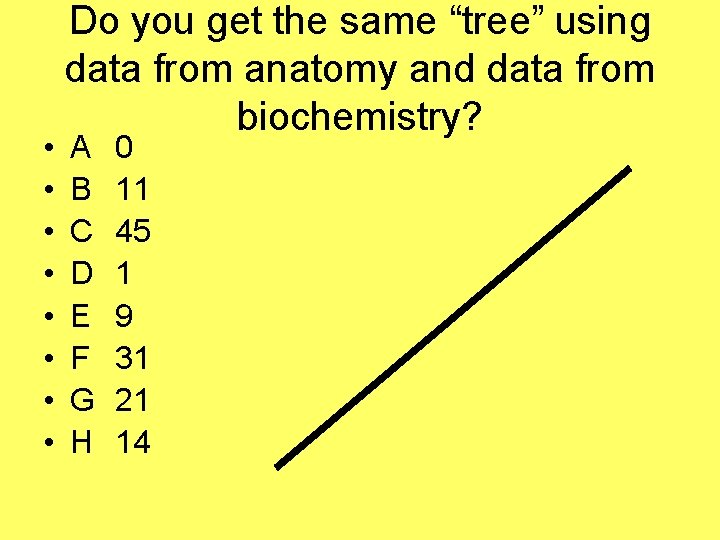
• • Do you get the same “tree” using data from anatomy and data from biochemistry? A B C D E F G H 0 11 45 1 9 31 21 14 MAN DUCK FUNGI MONKEY RABBIT MOTH TUNA SNAKE
PATTERNS OF EVOLUTION • MORPHOLOGICAL DIVERGENCE related organisms become less similar due to different environmental circumstances. Develop features to suit their habitat • MORPHOLOGICAL CONVERGENCE organisms may have similar features but are unrelated. This results from being exposed to similar environmental conditions • (ex. wombat vs. ground hog )
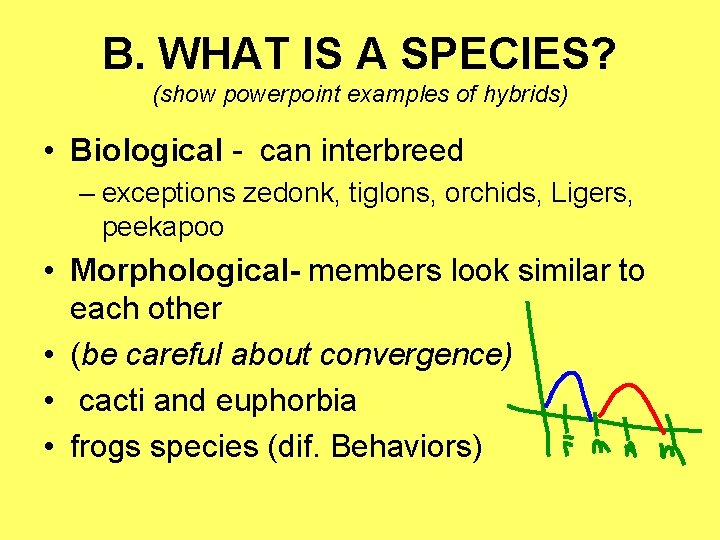
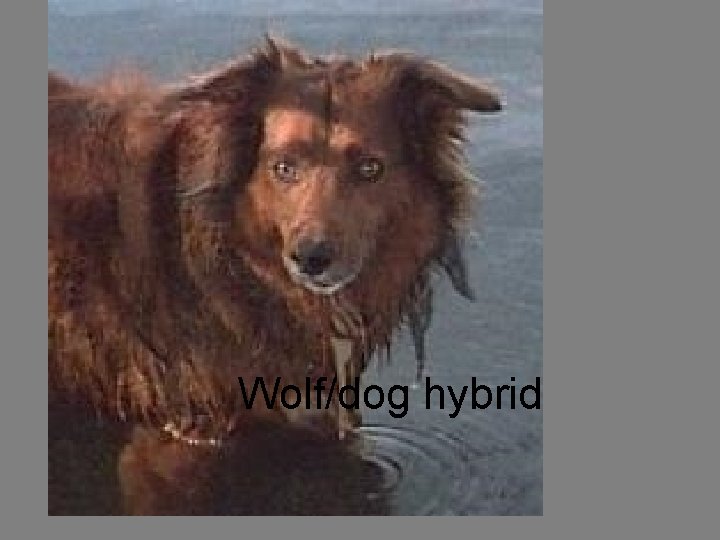
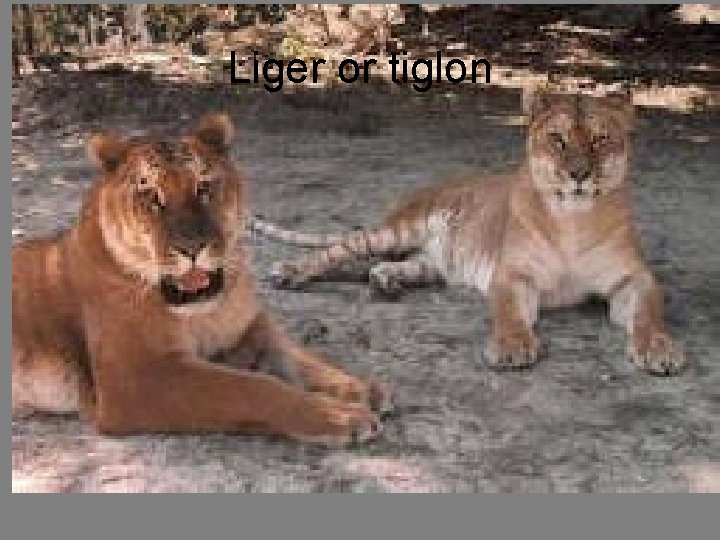
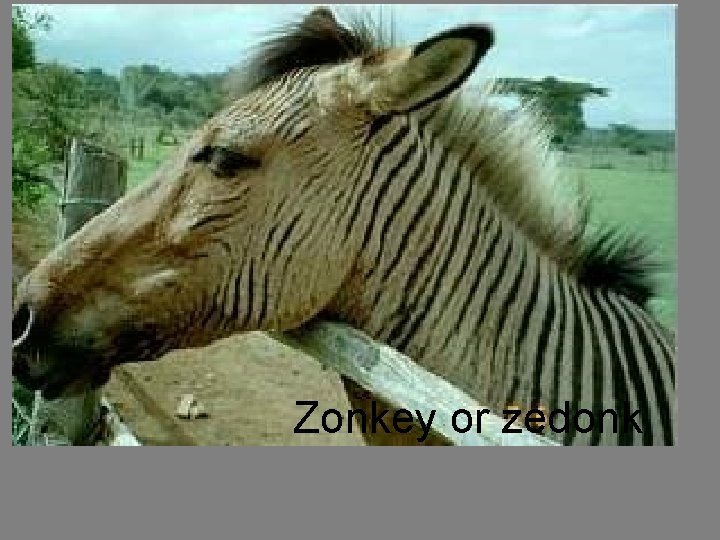
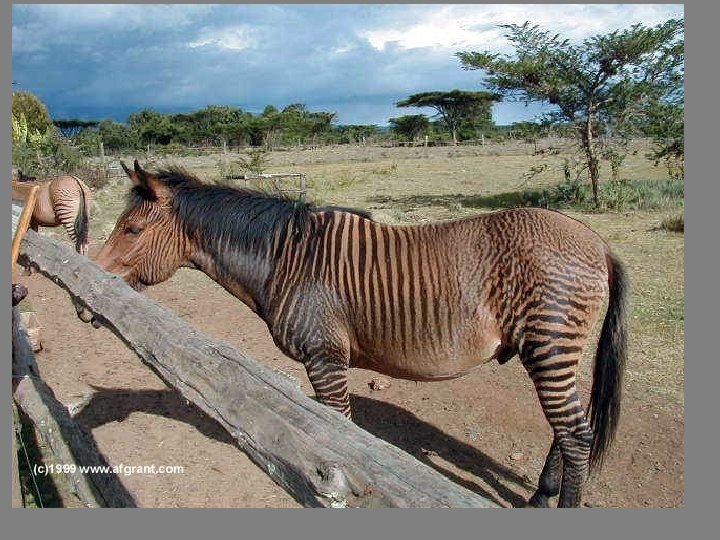
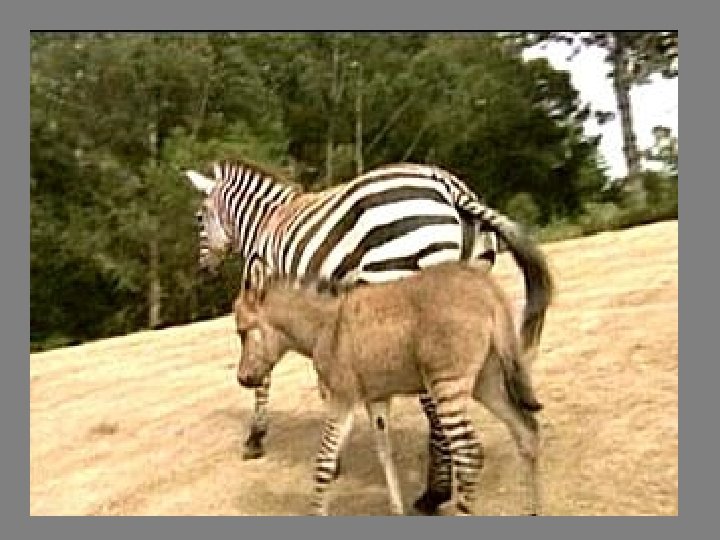
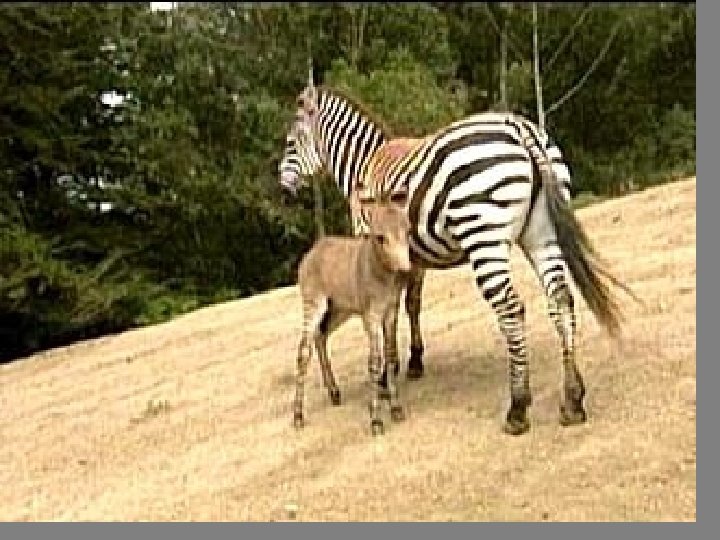
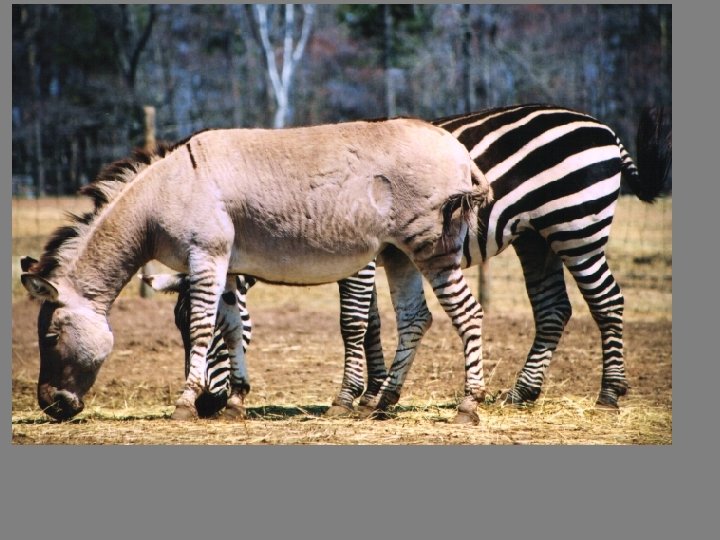
B. WHAT IS A SPECIES? (show powerpoint examples of hybrids) • Biological - can interbreed – exceptions zedonk, tiglons, orchids, Ligers, peekapoo • Morphological- members look similar to each other • (be careful about convergence) • cacti and euphorbia • frogs species (dif. Behaviors)
Wolf/dog hybrid
Liger or tiglon
Zonkey or zedonk
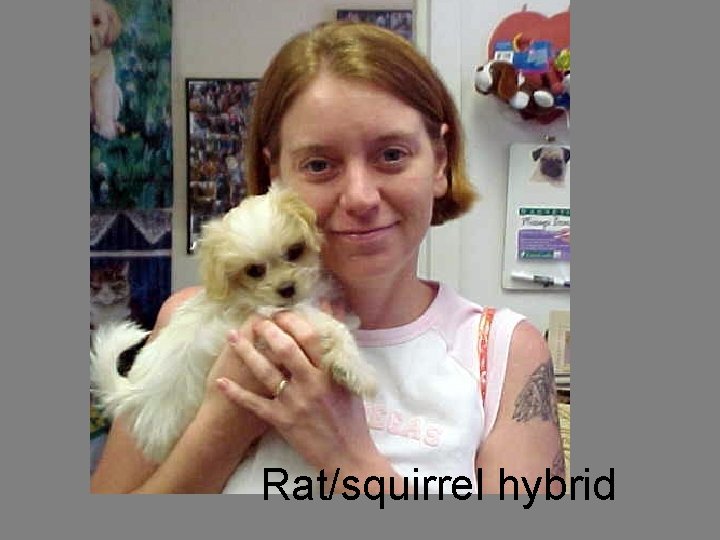
Rat/squirrel hybrid
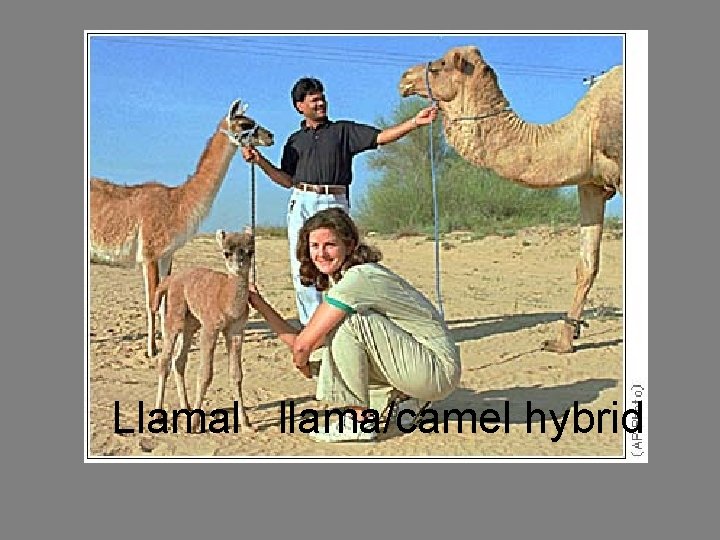
Llamal llama/camel hybrid
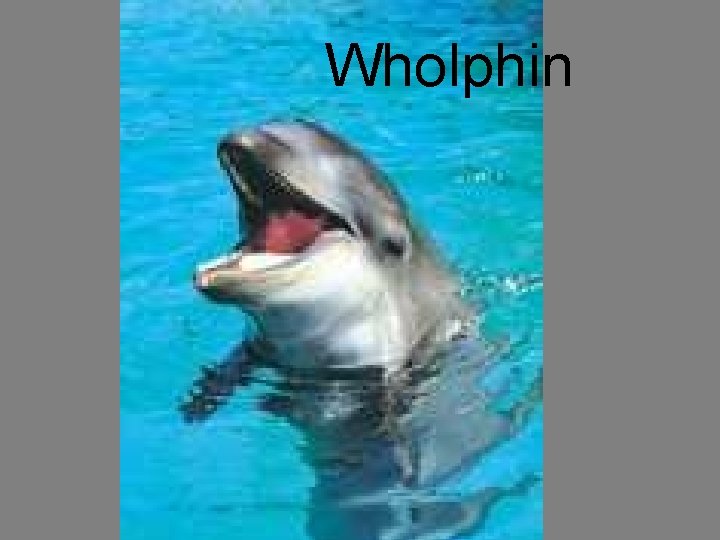
Wholphin
Modern Species definition • species- organisms that look similar and can interbreed in nature to produce fertile offspring (implies living close together)
II. MODERN EVIDENCE (used to create groups) • • - comparative anatomy - cell structure - Biogeography - development "embryology" - biochemistry - paleontology - DNA
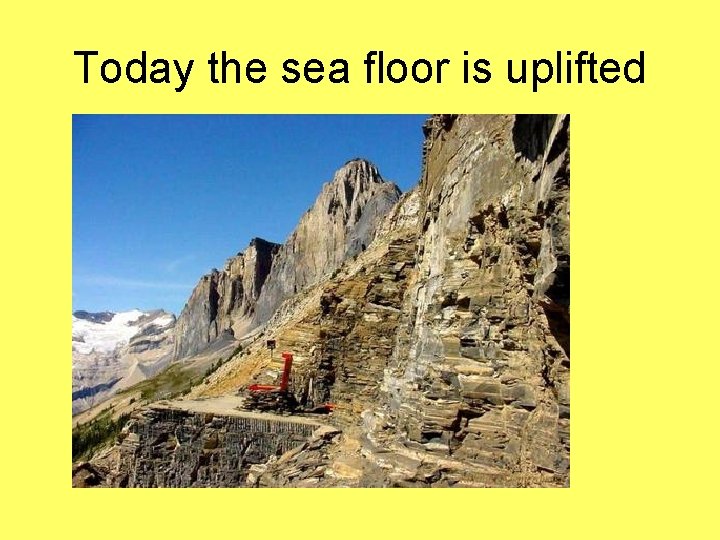
III. The FOSSIL RECORD (HOW IS EVIDENCE EXPOSED? ) • Erosion • Mining, digging • Uplift
III. The FOSSIL RECORD (HOW IS EVIDENCE EXPOSED? ) • Erosion • Mining, digging • Uplift
2 IMPORTANT LOCATIONS • Edia Cara Hills Australia • Burgess Shale (British Columbia) Canada Classifying ancient species
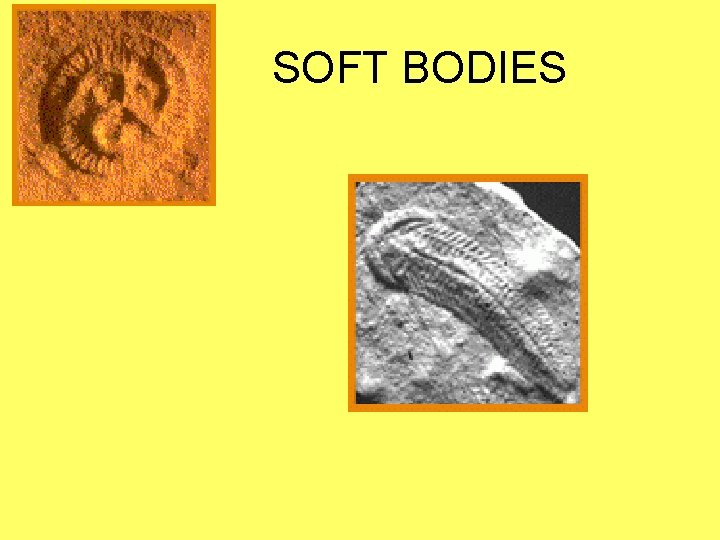
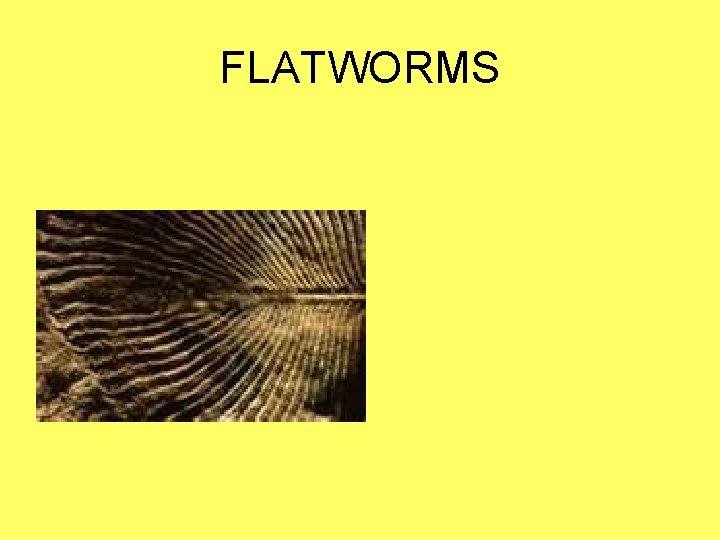
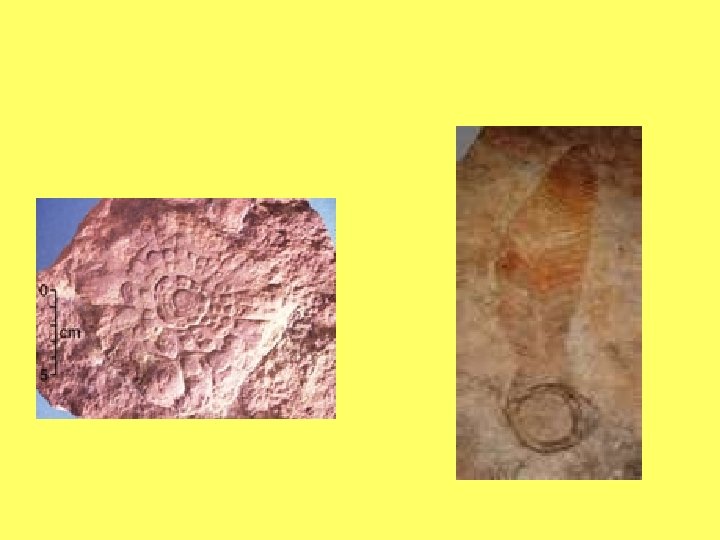
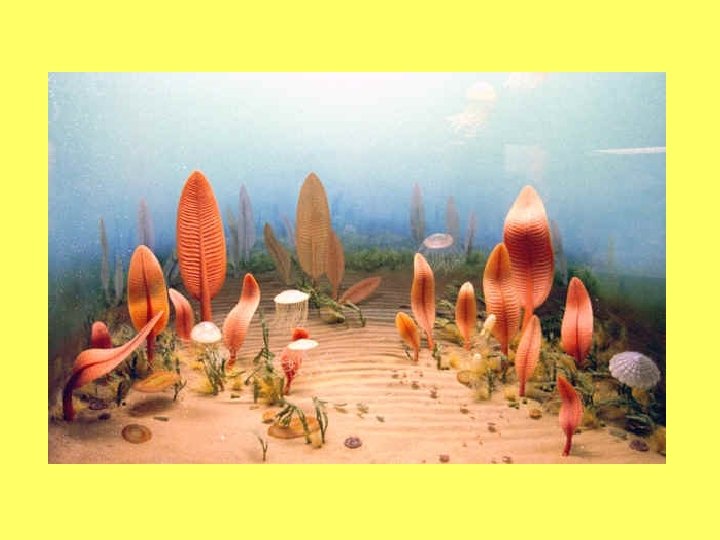
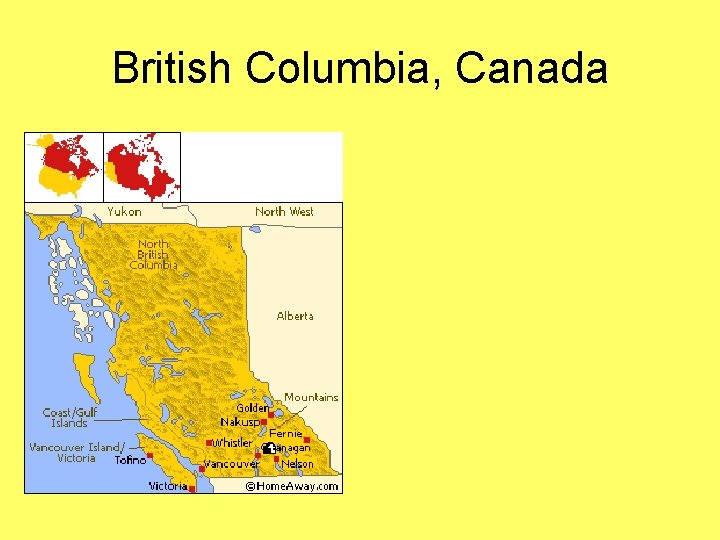
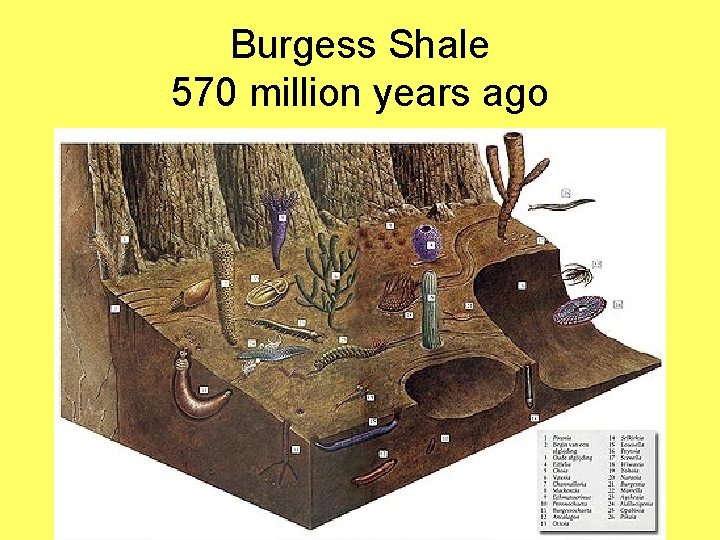
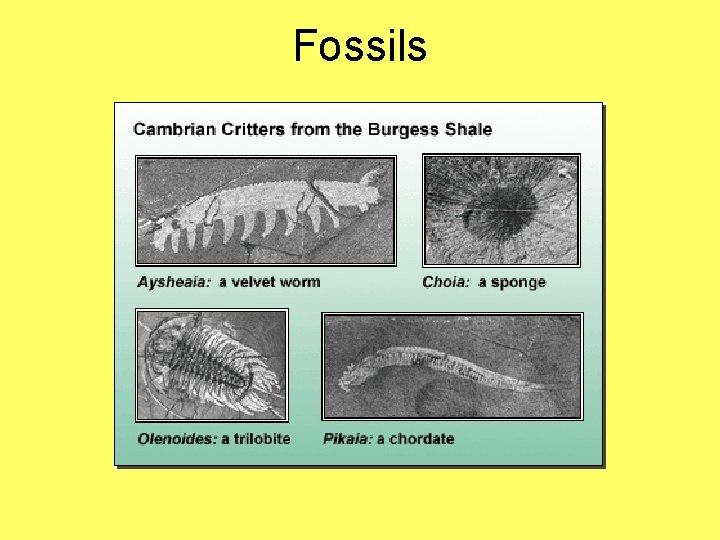
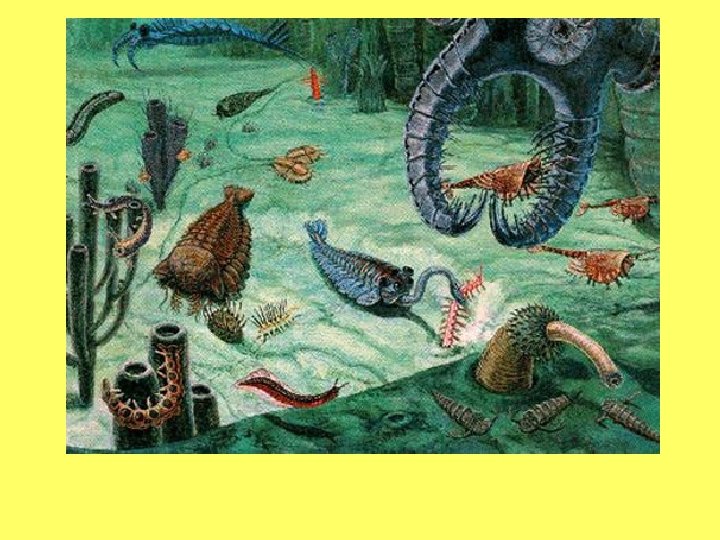
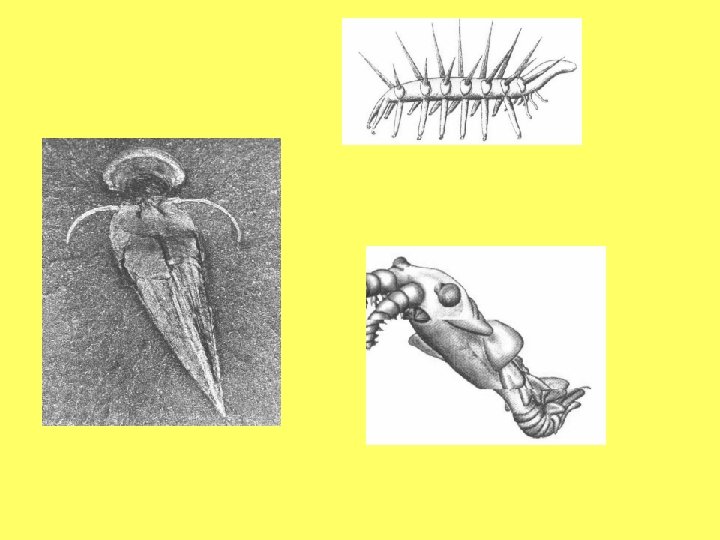
EDIA CARA HILLS (Australia) • - not much on origins • - 630 mybp preserved burrows and few soft bodied animals BURGESS SHALE (Canada) • --570 mybp Burgess Shale in southern British Columbia • -all phyla represented simultaneously?
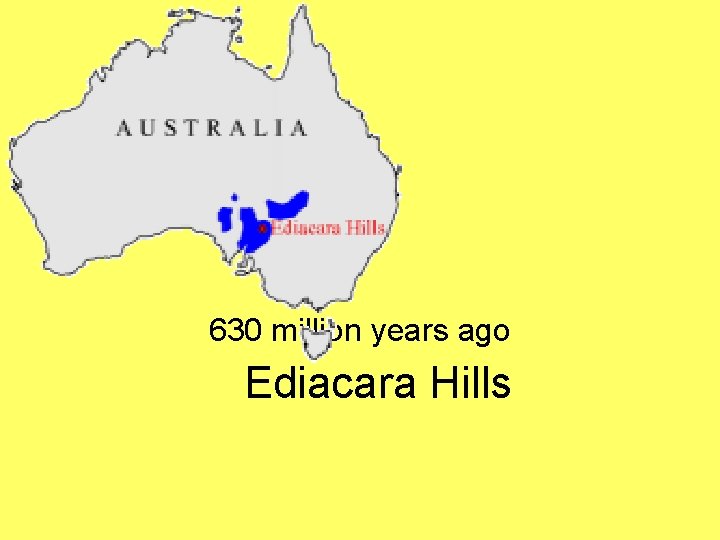
630 million years ago Ediacara Hills
SOFT BODIES
FLATWORMS
British Columbia, Canada
Burgess Shale 570 million years ago
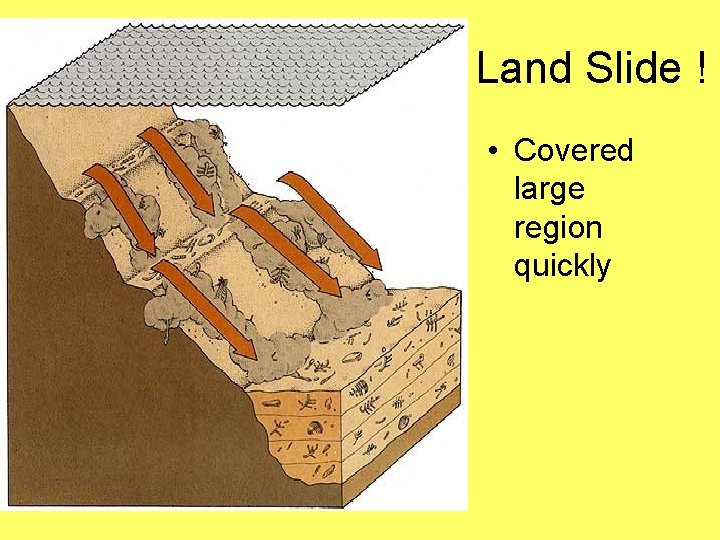
Land Slide ! • Covered large region quickly
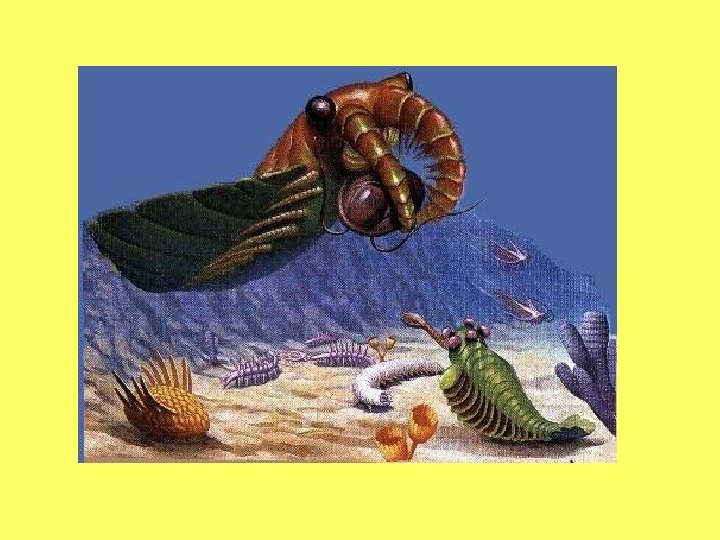
Fossils
Today the sea floor is uplifted
Where does this occur today? • in locations like ? ? • Extinct volcanoes, islands, thermal vents, Death Valley (oasis)
Or… • Mass extinctions- opportunities for ADAPATIVE RADIATION • Variations already exist in the phyla • Burst of rapid evolution of a lineage, resulting in formation of new species in a wide range of habitats
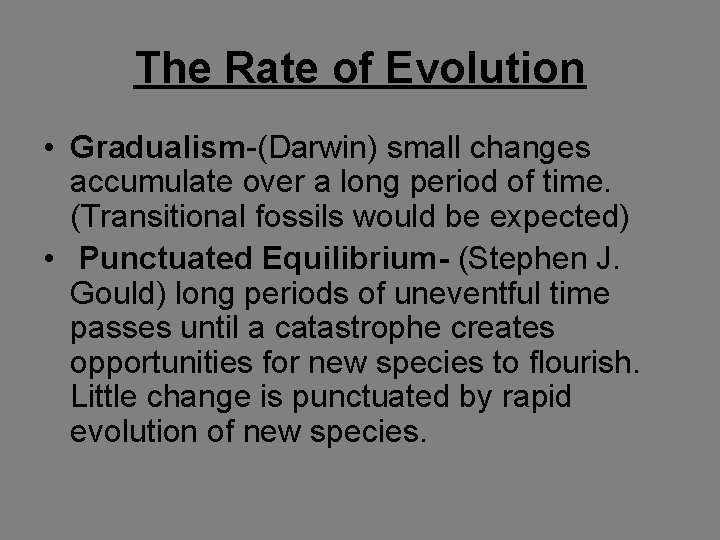
The Rate of Evolution • Gradualism-(Darwin) small changes accumulate over a long period of time. (Transitional fossils would be expected) • Punctuated Equilibrium- (Stephen J. Gould) long periods of uneventful time passes until a catastrophe creates opportunities for new species to flourish. Little change is punctuated by rapid evolution of new species.
QUIZ TOPICS • Evaluate or create a phylogenetic tree • Taxonomic hierarchy • Significance of Edia Cara Hills and Burgess Shale