
AngloSaxon Day 2018 Monday th 10 December Plan
Anglo-Saxon Day 2018 Monday th 10 December
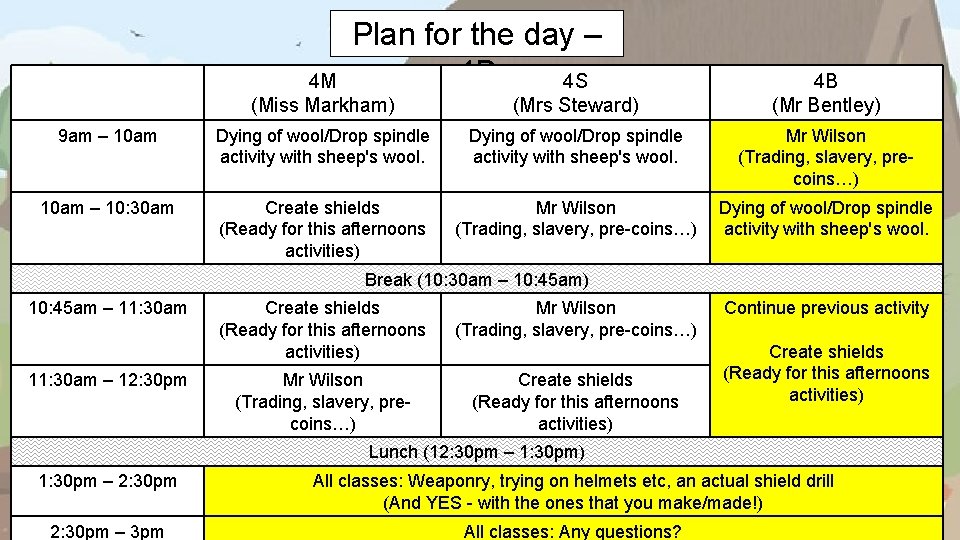
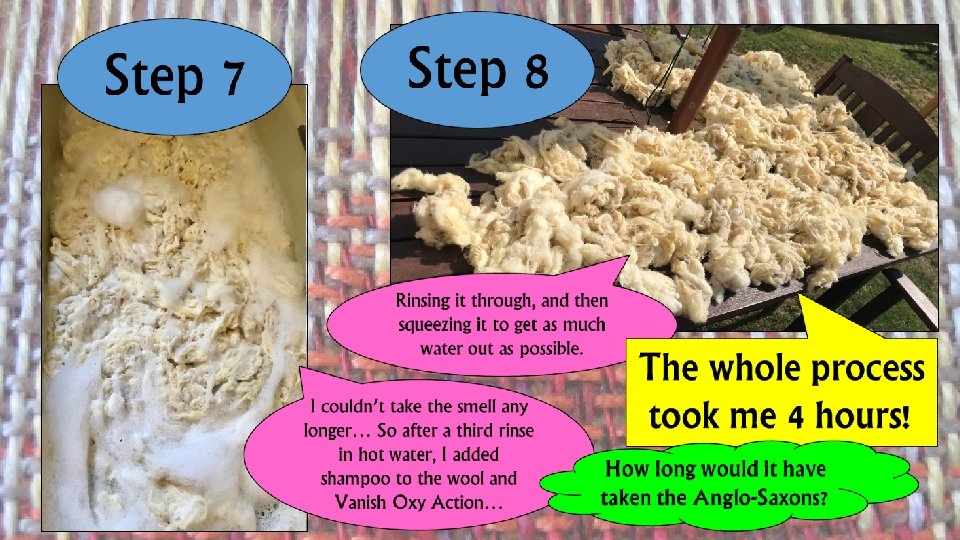
Plan for the day – 4 B 4 S 4 M (Miss Markham) 4 B (Mr Bentley) (Mrs Steward) 9 am – 10 am Dying of wool/Drop spindle activity with sheep's wool. Mr Wilson (Trading, slavery, precoins…) 10 am – 10: 30 am Create shields (Ready for this afternoons activities) Mr Wilson (Trading, slavery, pre-coins…) Dying of wool/Drop spindle activity with sheep's wool. Break (10: 30 am – 10: 45 am) 10: 45 am – 11: 30 am – 12: 30 pm Create shields (Ready for this afternoons activities) Mr Wilson (Trading, slavery, pre-coins…) Mr Wilson (Trading, slavery, precoins…) Create shields (Ready for this afternoons activities) Continue previous activity Create shields (Ready for this afternoons activities) Lunch (12: 30 pm – 1: 30 pm) 1: 30 pm – 2: 30 pm All classes: Weaponry, trying on helmets etc, an actual shield drill (And YES - with the ones that you make/made!) 2: 30 pm – 3 pm All classes: Any questions?
Anglo-Saxon Talk with Time: 9 am – 10 pm Mr Wilson
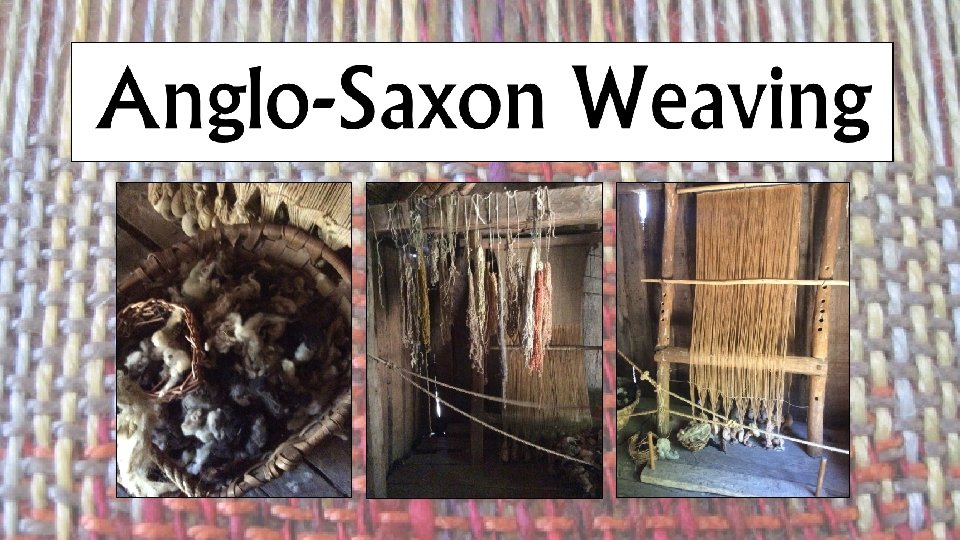
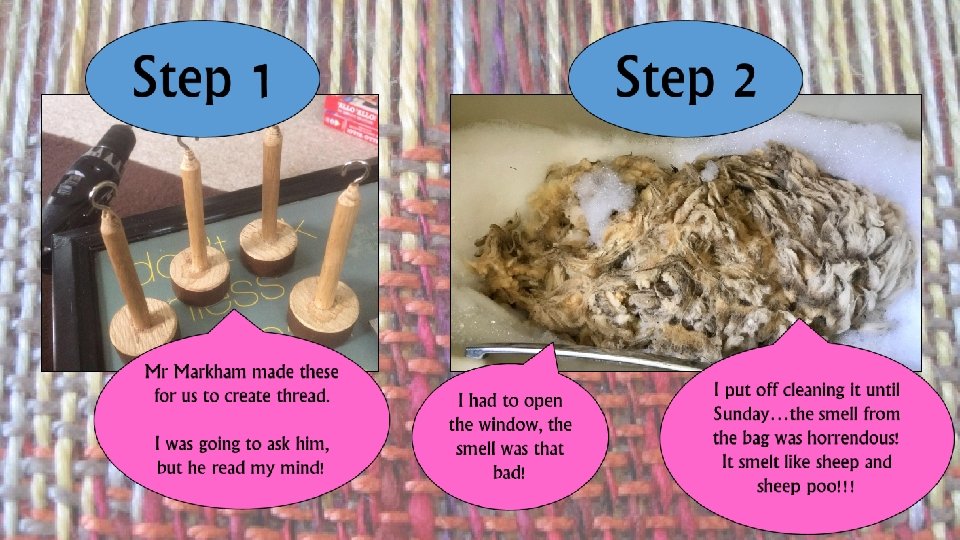
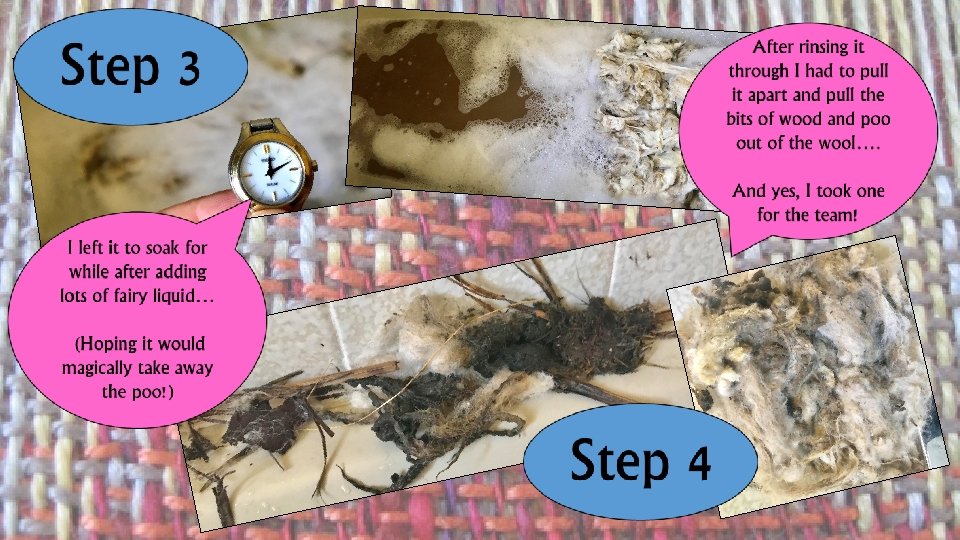
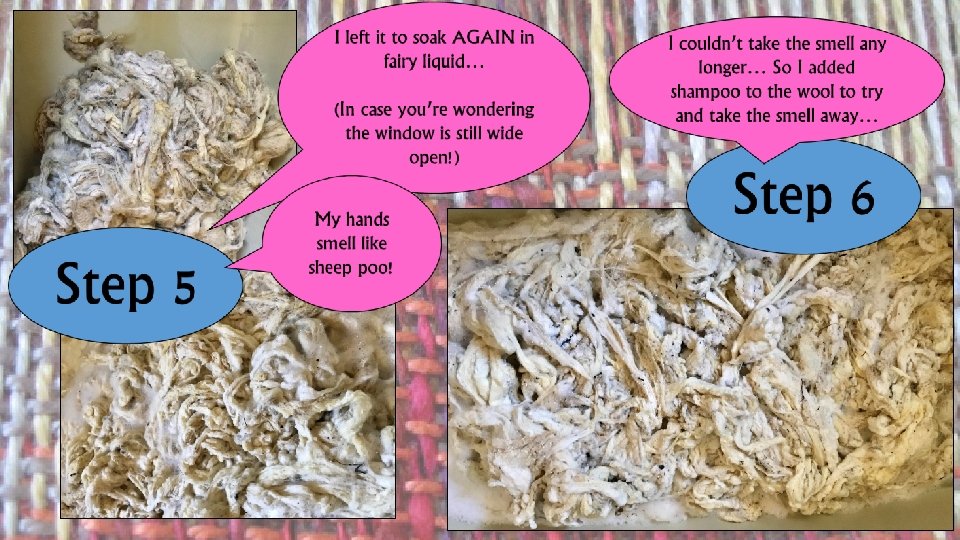


How do I use the Drop Spindle? Click on me for a video to help!

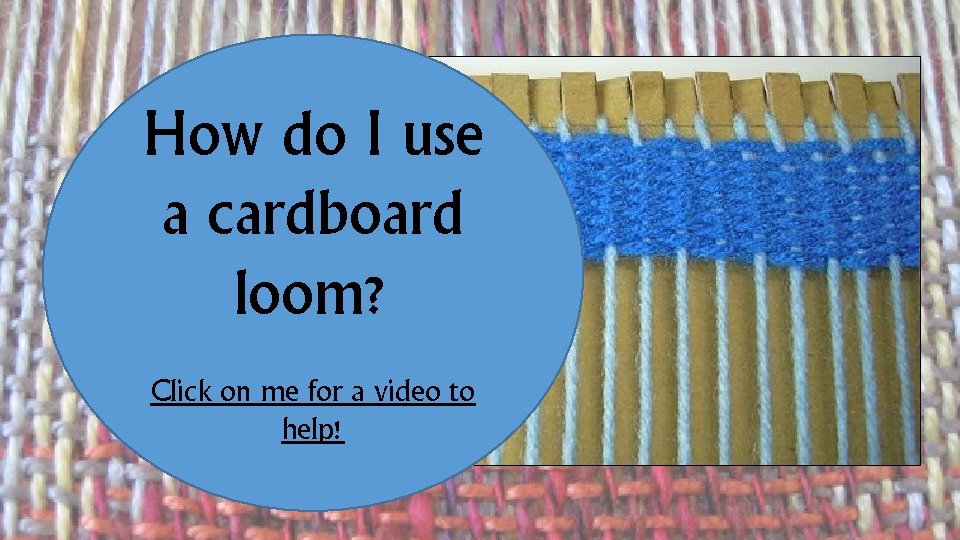
How do I use a cardboard loom? Click on me for a video to help!

Anglo-Saxon Shield Making

A wide range of colours were used in the shields of coat of arms. In some cases, a plain colour was used as a background and then different -coloured patterns or stripes were used in the foreground. In other cases, multiple background colours could be used. The background of a shield was termed the “field” upon which further heraldic elements were drawn. The colour of a shield was typically called a “tincture”, so a shield with a single-coloured field was called a singletincture shield. When using multiple tinctures on the background of a shield, the field was typically divided into multiple sections which would then each be individually treated. Did you know? The size, shape, colour and designs of a shield each signified some quality or trait of the owner. Tincture: Limited palette of colours and patterns used in designs. Field: The colour of

In general, the colours used on heraldic shields were categorised into three types. These are called metals, furs and colours. Metals refers to such colours which are typically associated with notable metals, such as gold and silver. Colours refer to the regular and most frequently used tinctures, including shades such as azure, green, purple, black and red. Finally, furs refer to coloured patterns which include ermine and vair. Ermine is the use of powdered black dots on a white field while vair refers to a shield with blue-grey and white colours. These patterns are called furs because they resemble the

White is a colour that signified purity, innocence and sincerity of the owner, often also signifying peace. TTYP - What do you think these colours stand for? Gold is a colour which reflects grandness in terms of wisdom, glory and the generosity of the owner. White Green in heraldry frequently symbolises joy, love and overflowing Orange amount of well-being and positivity. Green Red meant warrior-like traits of the owner and his martial strength. Red Purple is a colour of regal majesty and sovereignty, also meaning justice. Black colour signifies wisdom or in some cases, grief; What do the Blue colours mean Blue signifies truth, chastity (no kissing!) and strength. on a shield?
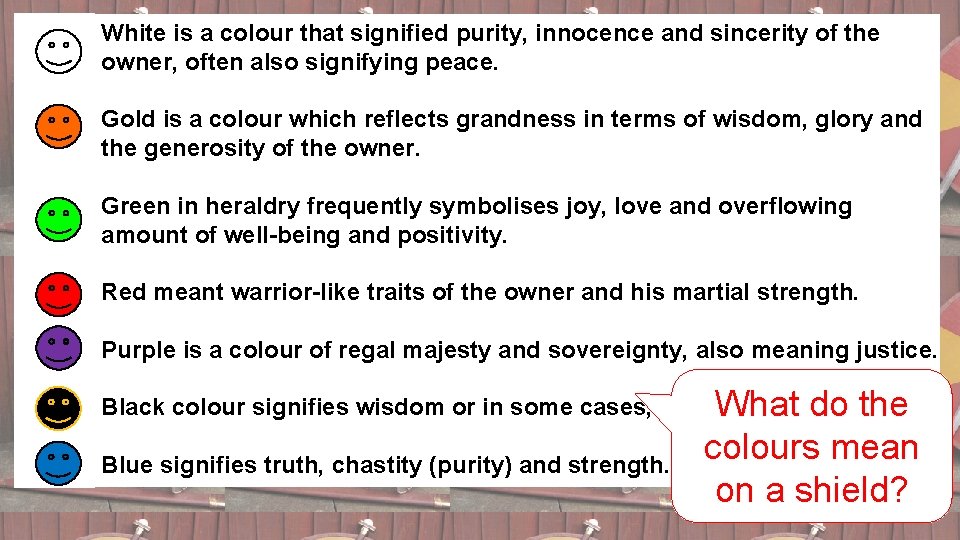
White is a colour that signified purity, innocence and sincerity of the owner, often also signifying peace. Gold is a colour which reflects grandness in terms of wisdom, glory and the generosity of the owner. Green in heraldry frequently symbolises joy, love and overflowing amount of well-being and positivity. Red meant warrior-like traits of the owner and his martial strength. Purple is a colour of regal majesty and sovereignty, also meaning justice. Black colour signifies wisdom or in some cases, grief; What Blue signifies truth, chastity (purity) and strength. do the colours mean on a shield?
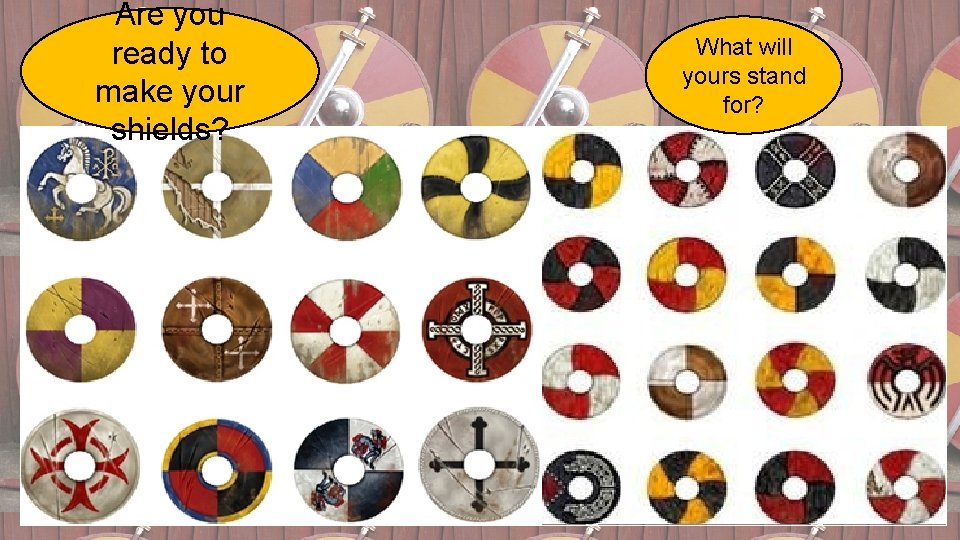
Are you ready to make your shields? What will yours stand for?
- Slides: 21