
Angelman Syndrome Craig Dobson MD CPT MC USAR
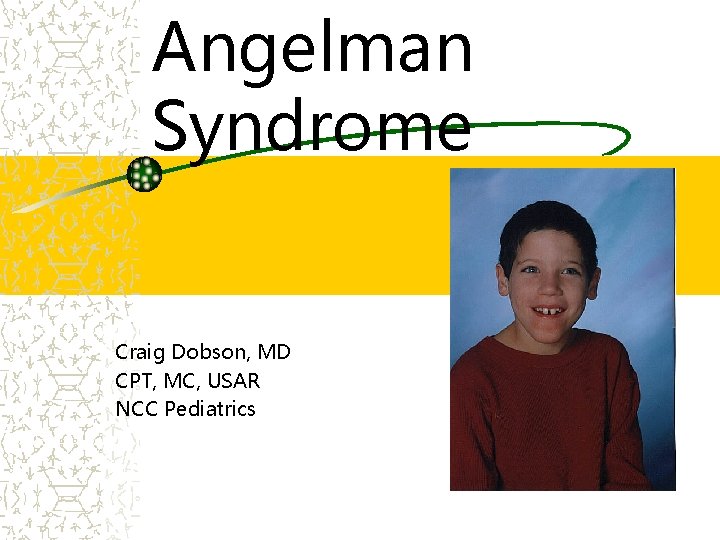
Angelman Syndrome Craig Dobson, MD CPT, MC, USAR NCC Pediatrics
Case 20 mo male with h/o developmental delay, presents for evaluation of constipation. PMH: – Frequent seizures, multiple anticonvulsants. – Chromosome analysis normal. – Surgeries: strabismus correction planned. Physical exam – Notable for a happy, giggling child, also slight jitteriness with movements.

Angelman Features Seizures Developmental delay/MR DQ 20 -35 Strabismus Sleep disturbance Hypermotoric behavior/tremulousness Ataxia Excessive happiness Constipation
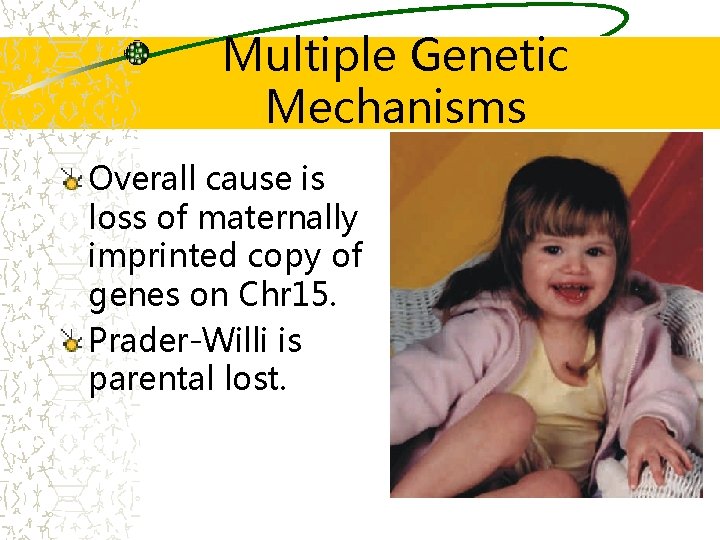
Multiple Genetic Mechanisms Overall cause is loss of maternally imprinted copy of genes on Chr 15. Prader-Willi is parental lost.
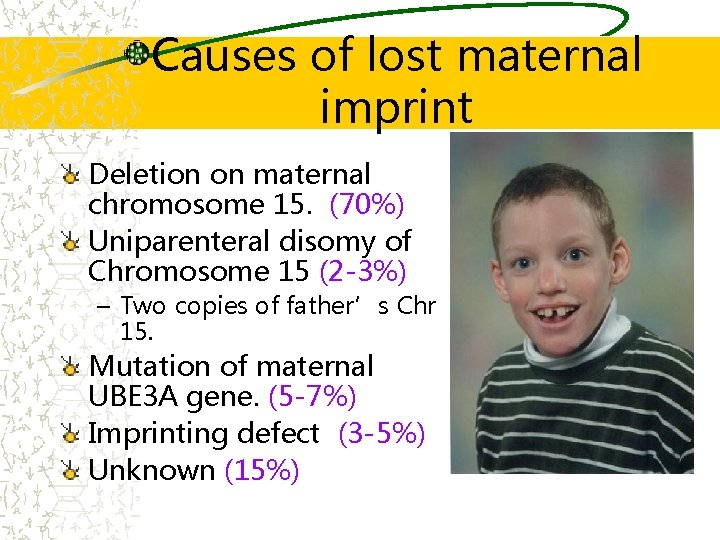
Causes of lost maternal imprint Deletion on maternal chromosome 15. (70%) Uniparenteral disomy of Chromosome 15 (2 -3%) – Two copies of father’s Chr 15. Mutation of maternal UBE 3 A gene. (5 -7%) Imprinting defect (3 -5%) Unknown (15%)
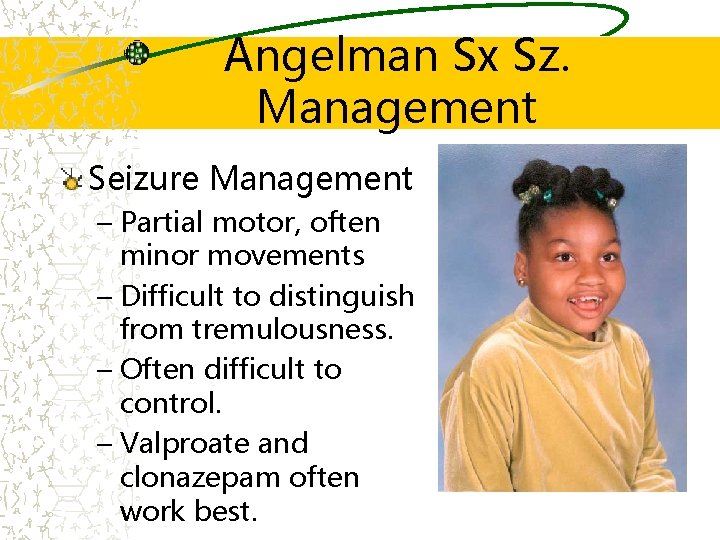
Angelman Sx Sz. Management Seizure Management – Partial motor, often minor movements – Difficult to distinguish from tremulousness. – Often difficult to control. – Valproate and clonazepam often work best.
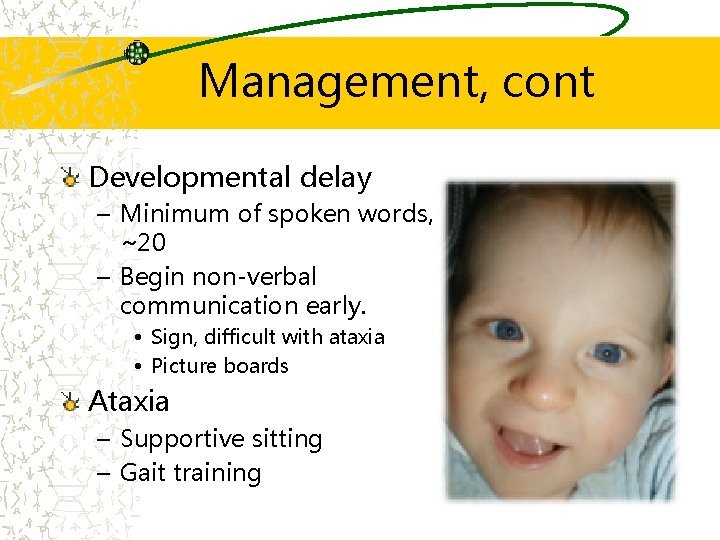
Management, cont Developmental delay – Minimum of spoken words, ~20 – Begin non-verbal communication early. • Sign, difficult with ataxia • Picture boards Ataxia – Supportive sitting – Gait training
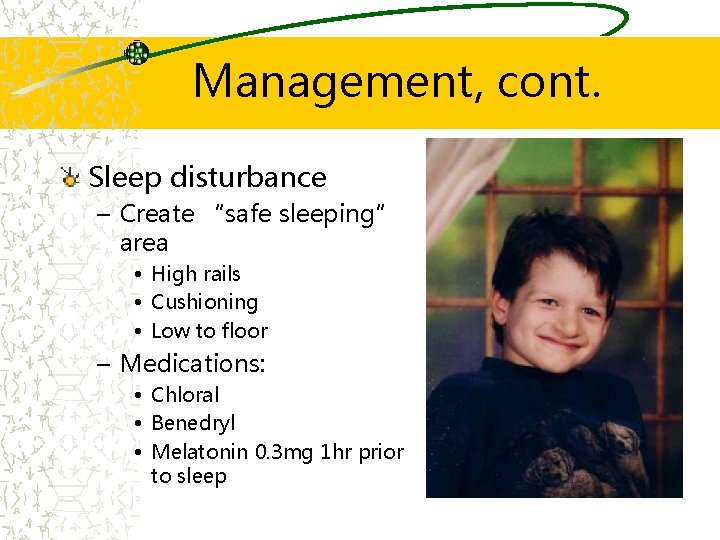
Management, cont. Sleep disturbance – Create “safe sleeping” area • High rails • Cushioning • Low to floor – Medications: • Chloral • Benedryl • Melatonin 0. 3 mg 1 hr prior to sleep
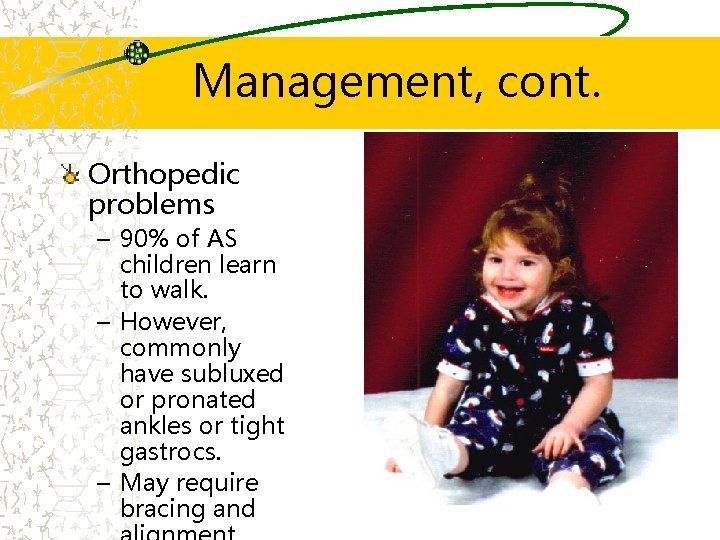
Management, cont. Orthopedic problems – 90% of AS children learn to walk. – However, commonly have subluxed or pronated ankles or tight gastrocs. – May require bracing and
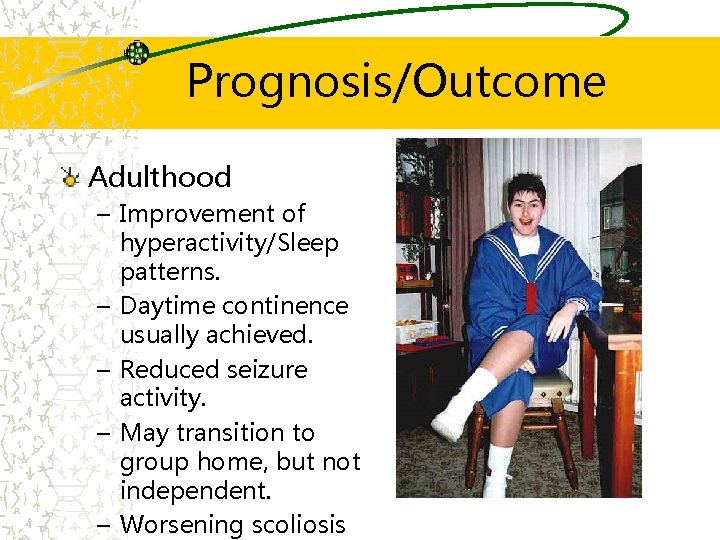
Prognosis/Outcome Adulthood – Improvement of hyperactivity/Sleep patterns. – Daytime continence usually achieved. – Reduced seizure activity. – May transition to group home, but not independent. – Worsening scoliosis
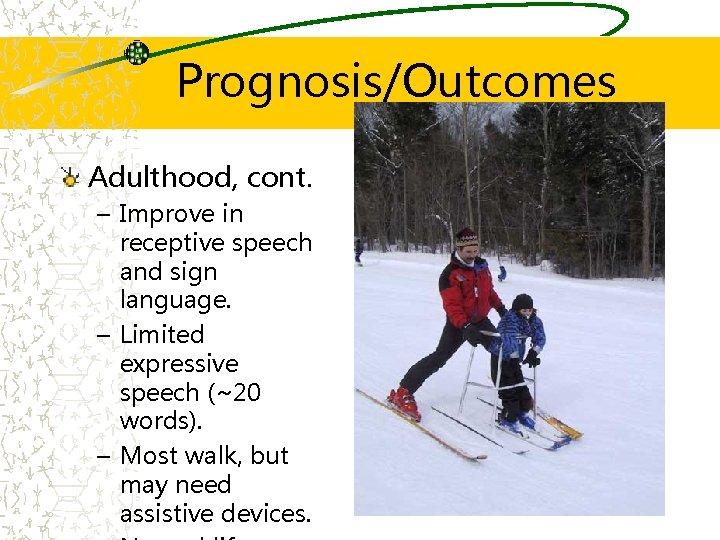
Prognosis/Outcomes Adulthood, cont. – Improve in receptive speech and sign language. – Limited expressive speech (~20 words). – Most walk, but may need assistive devices.
- Slides: 11