
Anderson Shelters Anderson shelters were issued free to


- Slides: 24
Anderson Shelters
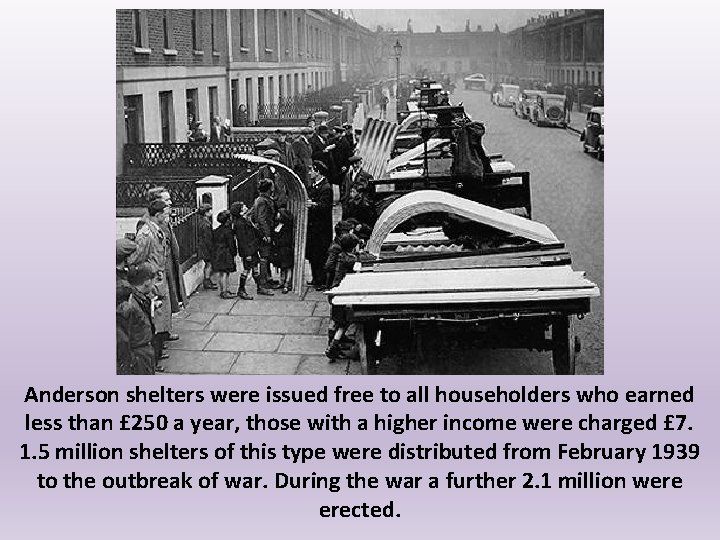
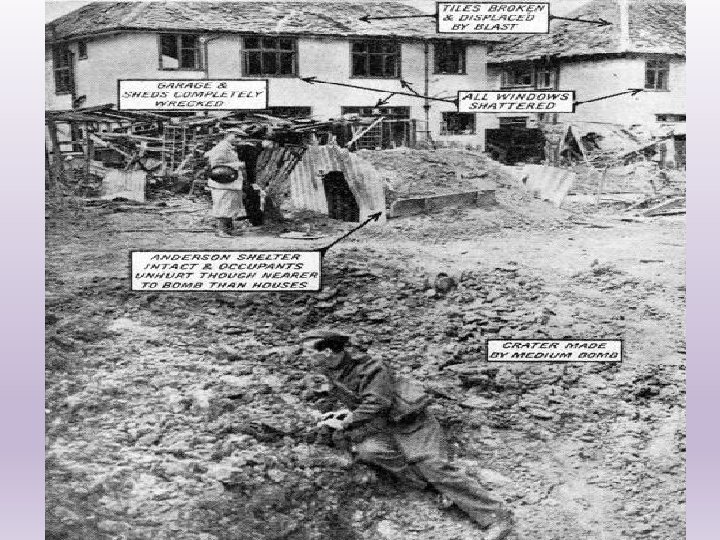
Anderson shelters were issued free to all householders who earned less than £ 250 a year, those with a higher income were charged £ 7. 1. 5 million shelters of this type were distributed from February 1939 to the outbreak of war. During the war a further 2. 1 million were erected.
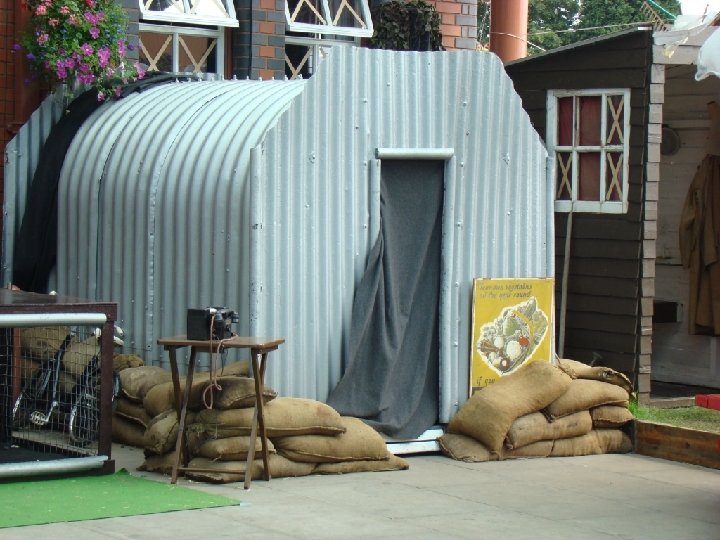
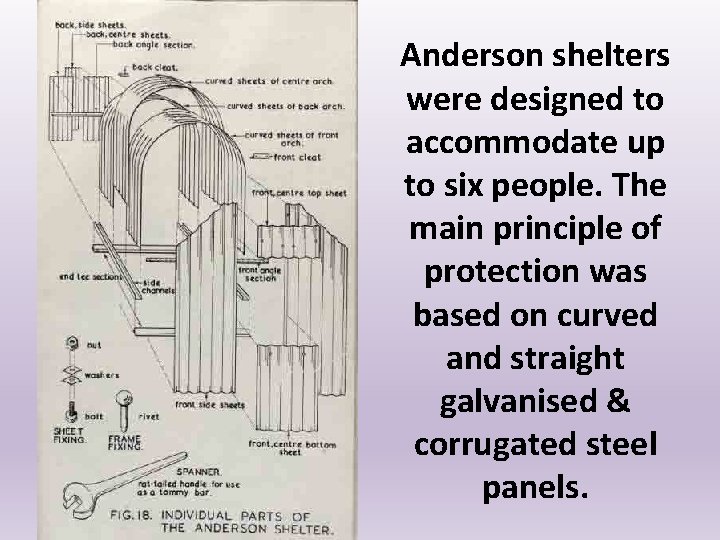
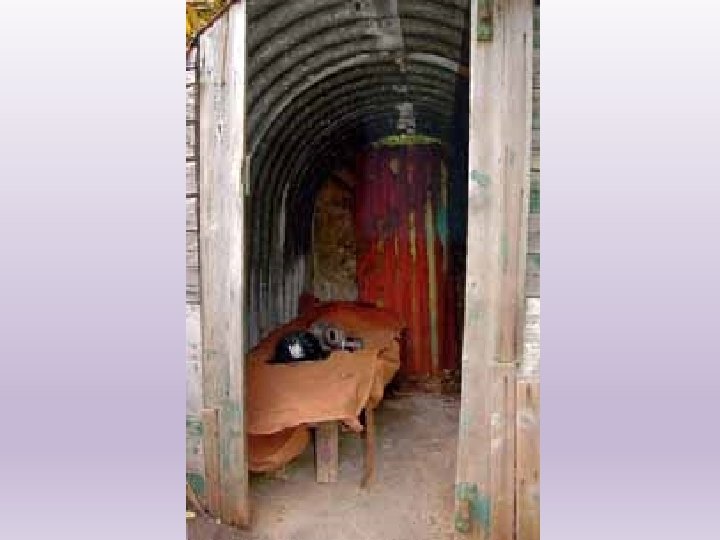
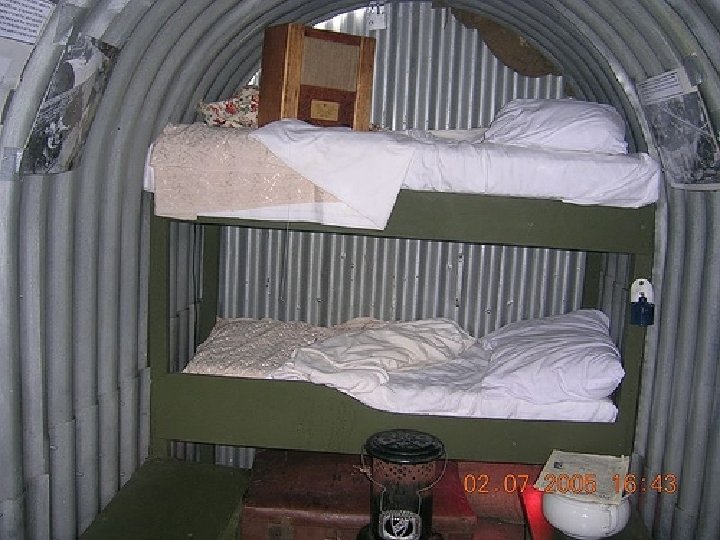
Anderson shelters were designed to accommodate up to six people. The main principle of protection was based on curved and straight galvanised & corrugated steel panels.
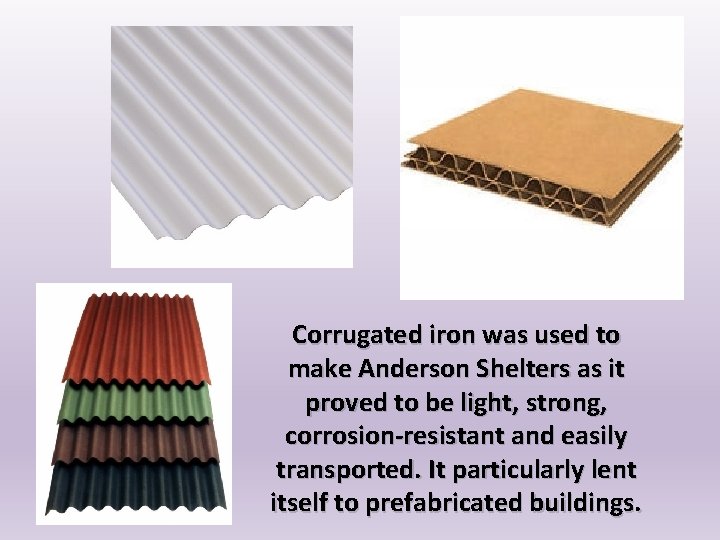
Corrugated iron was used to make Anderson Shelters as it proved to be light, strong, corrosion-resistant and easily transported. It particularly lent itself to prefabricated buildings.
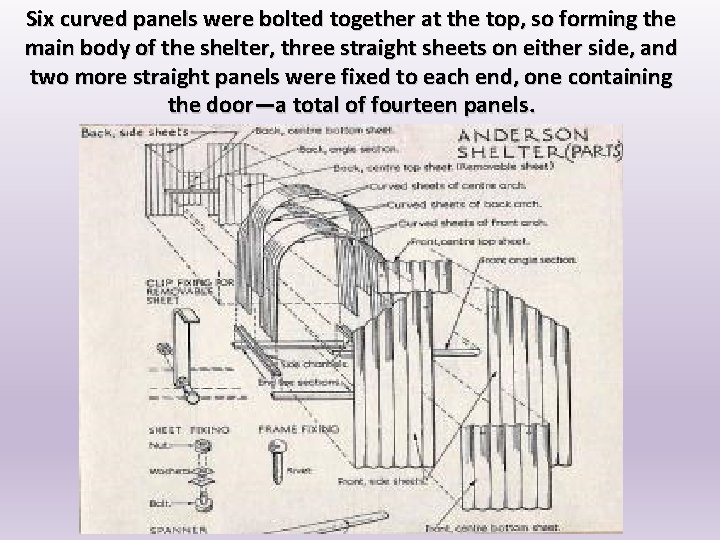
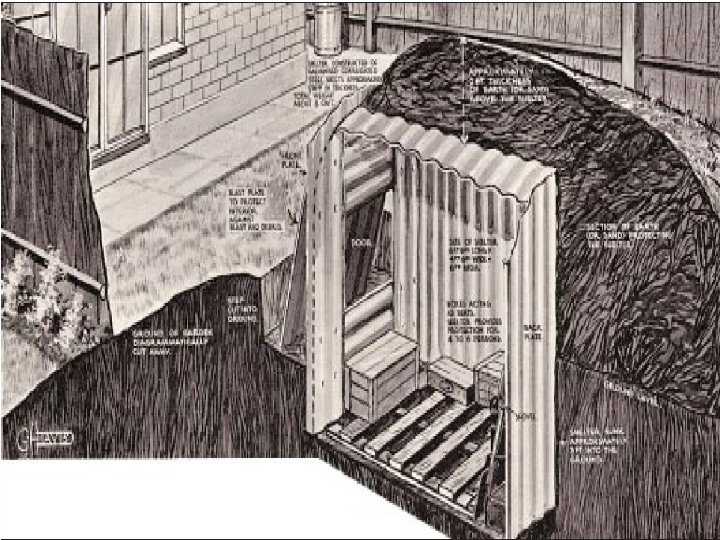
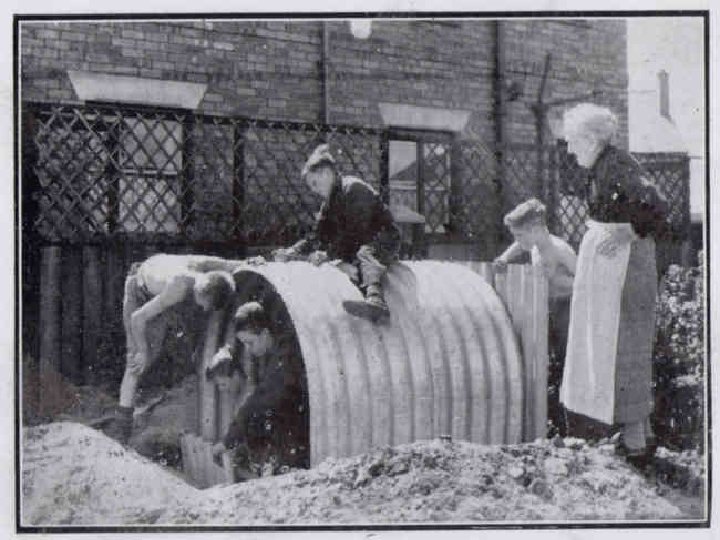
Six curved panels were bolted together at the top, so forming the main body of the shelter, three straight sheets on either side, and two more straight panels were fixed to each end, one containing the door—a total of fourteen panels.
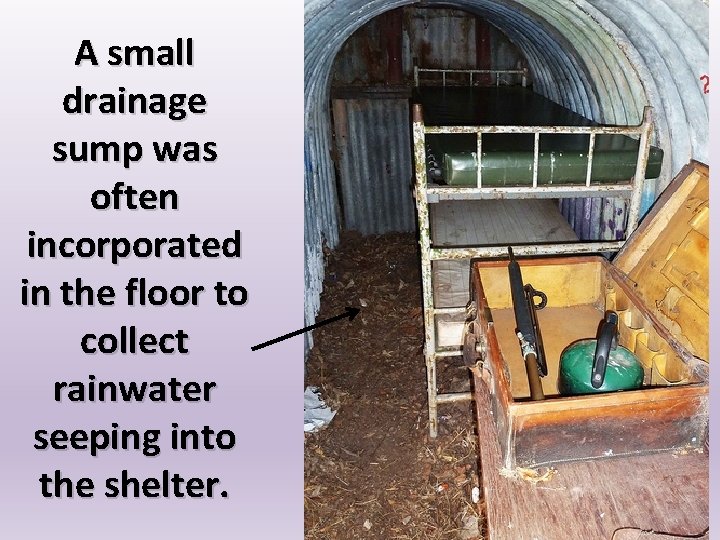
A small drainage sump was often incorporated in the floor to collect rainwater seeping into the shelter.
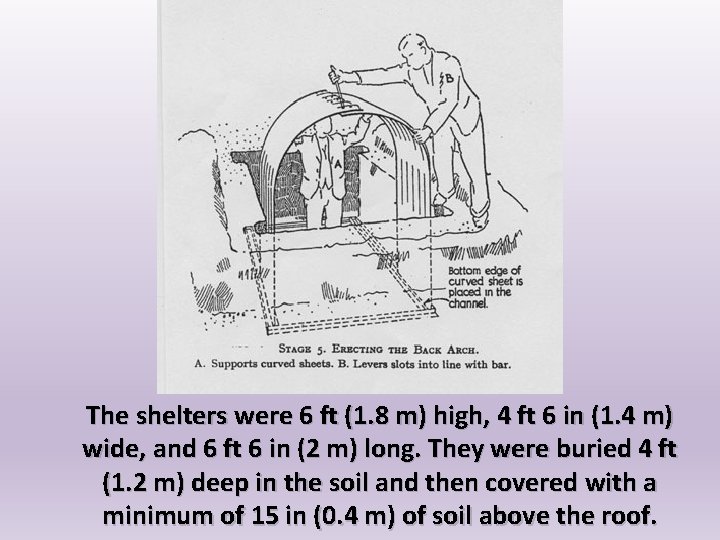
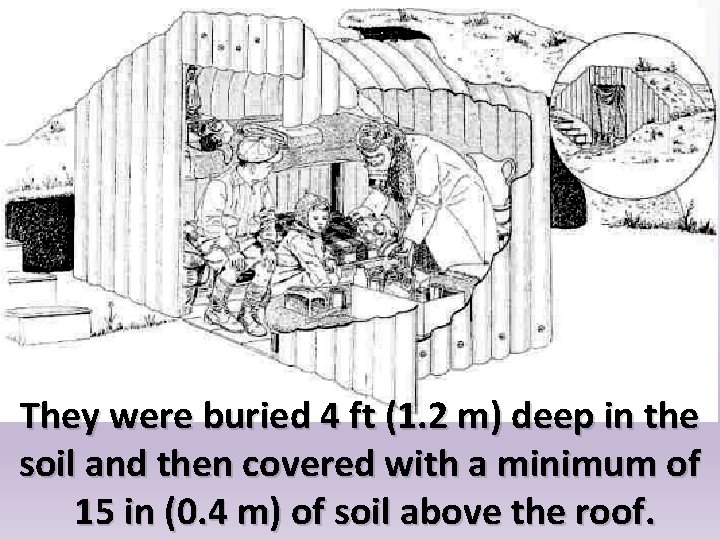
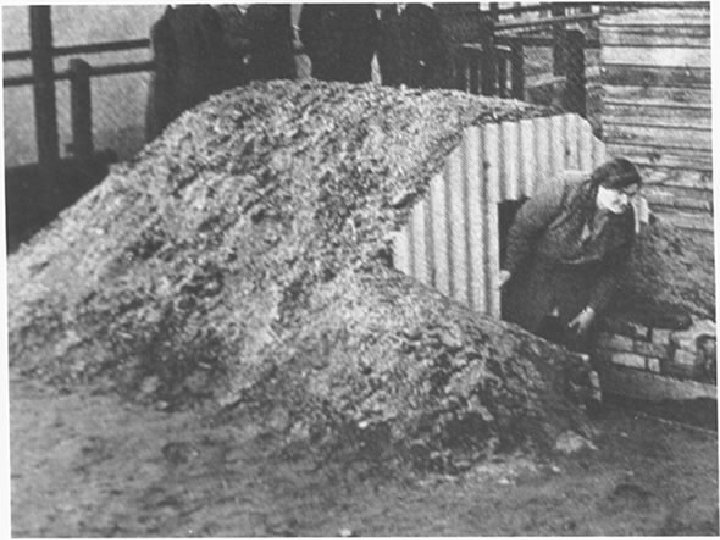
The shelters were 6 ft (1. 8 m) high, 4 ft 6 in (1. 4 m) wide, and 6 ft 6 in (2 m) long. They were buried 4 ft (1. 2 m) deep in the soil and then covered with a minimum of 15 in (0. 4 m) of soil above the roof.
They were buried 4 ft (1. 2 m) deep in the soil and then covered with a minimum of 15 in (0. 4 m) of soil above the roof.
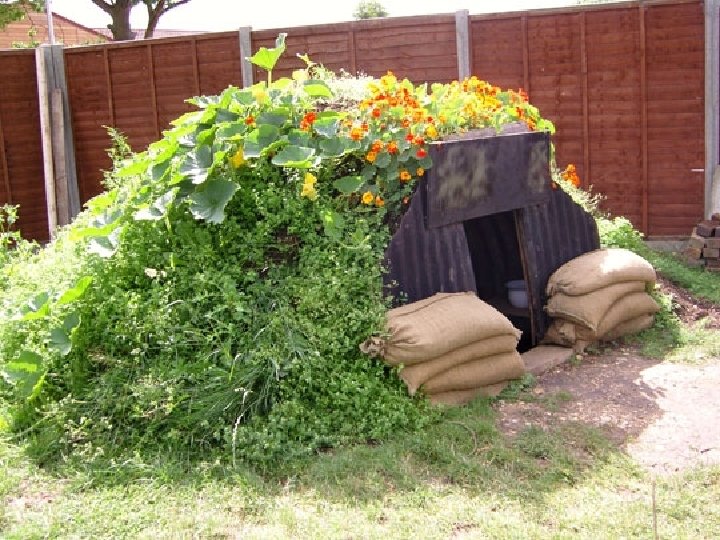
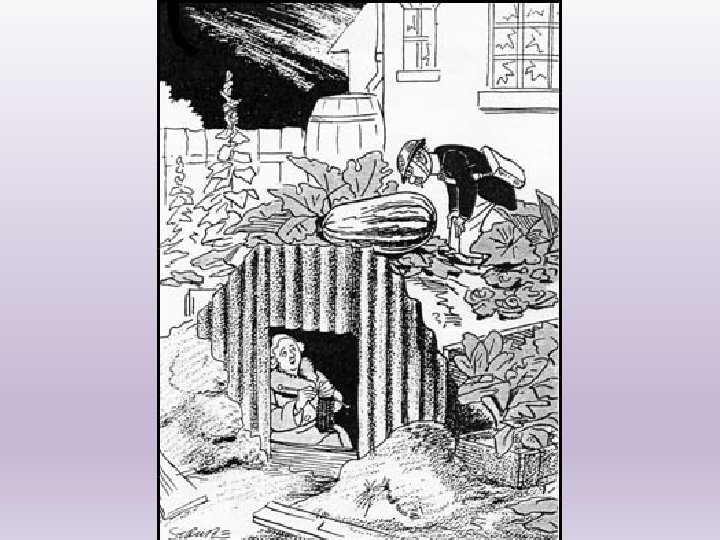
The earth banks could be planted with vegetables and flowers, that at times could be quite an appealing sight and in this way would become the subject of competitions of the best-planted shelter among householders in the neighbourhood.
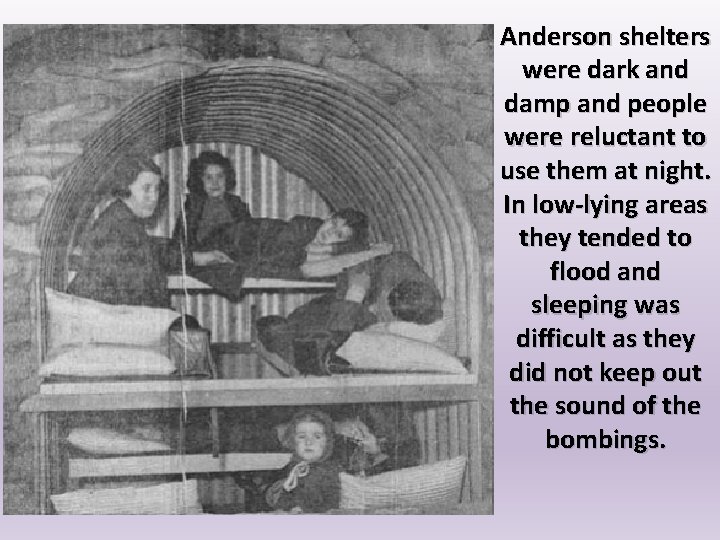
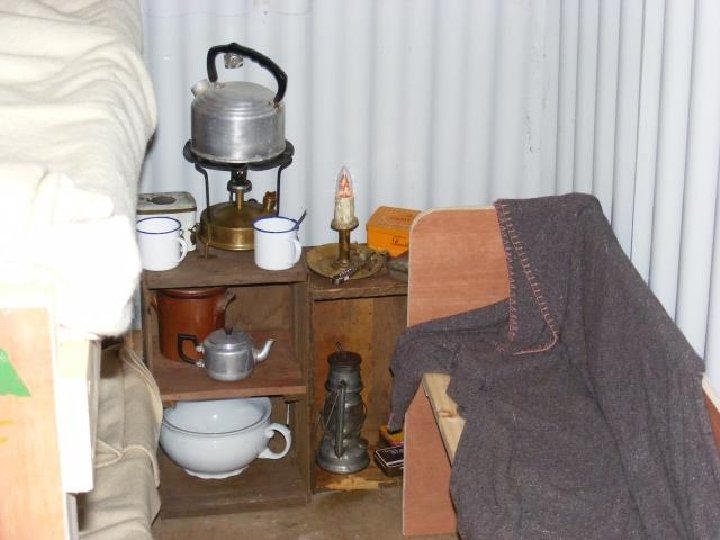
Anderson shelters were dark and damp and people were reluctant to use them at night. In low-lying areas they tended to flood and sleeping was difficult as they did not keep out the sound of the bombings.
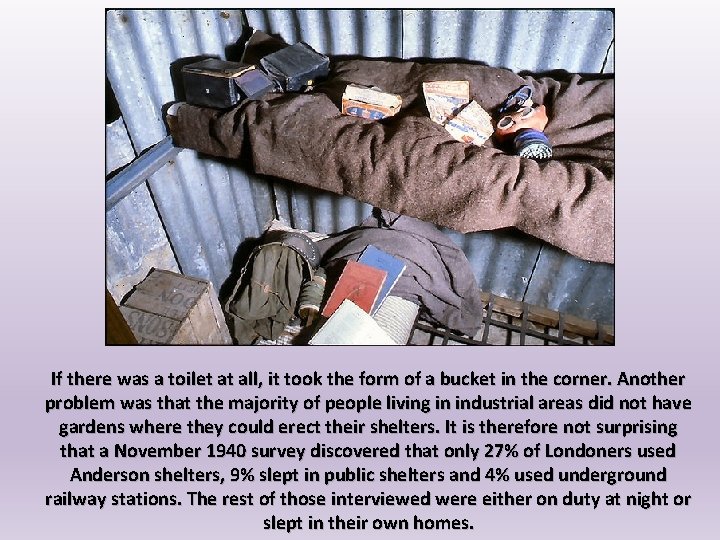
If there was a toilet at all, it took the form of a bucket in the corner. Another problem was that the majority of people living in industrial areas did not have gardens where they could erect their shelters. It is therefore not surprising that a November 1940 survey discovered that only 27% of Londoners used Anderson shelters, 9% slept in public shelters and 4% used underground railway stations. The rest of those interviewed were either on duty at night or slept in their own homes.
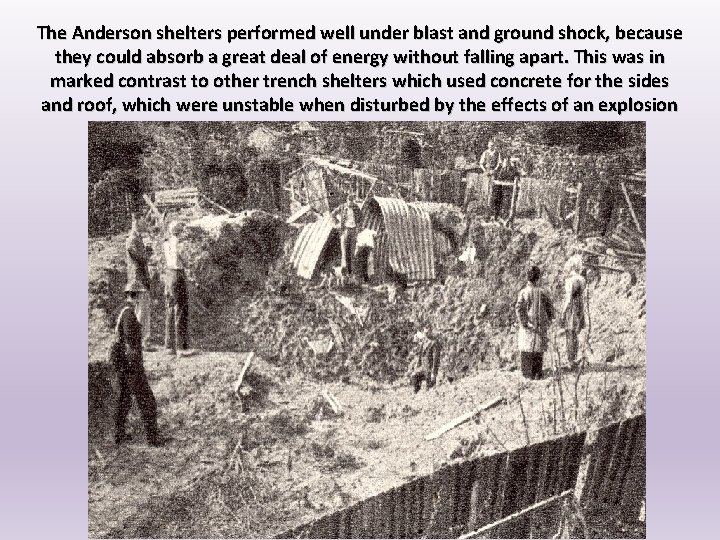
The Anderson shelters performed well under blast and ground shock, because they could absorb a great deal of energy without falling apart. This was in marked contrast to other trench shelters which used concrete for the sides and roof, which were unstable when disturbed by the effects of an explosion
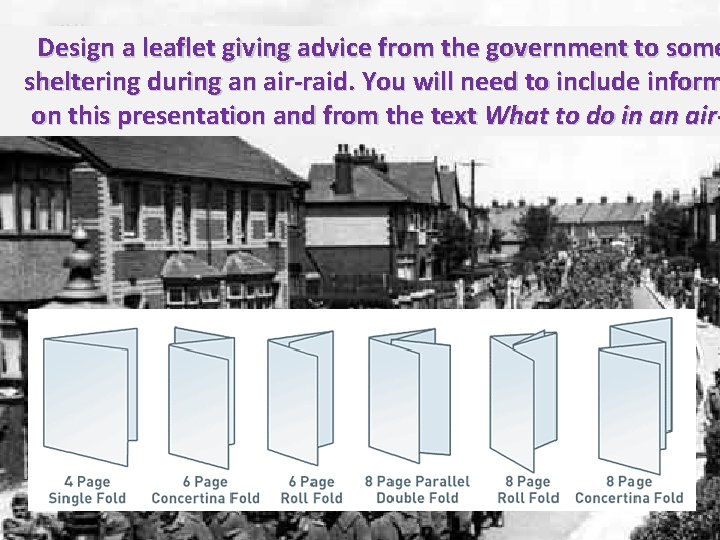
Design a leaflet giving advice from the government to some sheltering during an air-raid. You will need to include inform on this presentation and from the text What to do in an air-