
Ancient Theatre History Ancient Drama Time Frame n
- Slides: 37
Ancient Theatre History
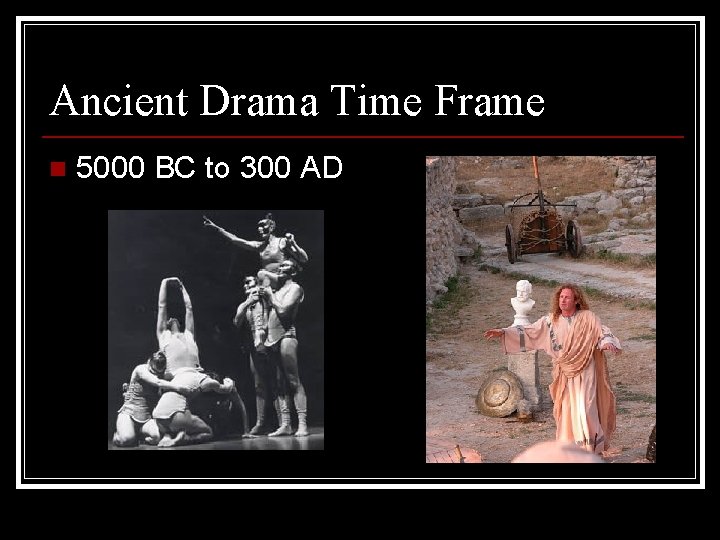
Ancient Drama Time Frame n 5000 BC to 300 AD
Pre-Greek Period (5000 BC to 600 AD) n n History of drama dates back to start of mankind: n Hunters pantomimed adventures n First storytellers told tales in chants n First organized groups pantomimed the hunt, war, and love dances n Mask appeared- first actors became god or animal Man’s attempt to imitate nature developed into formal, religious song and dance ceremonies: n Worship specific gods and rulers n Celebrate the hunt and war
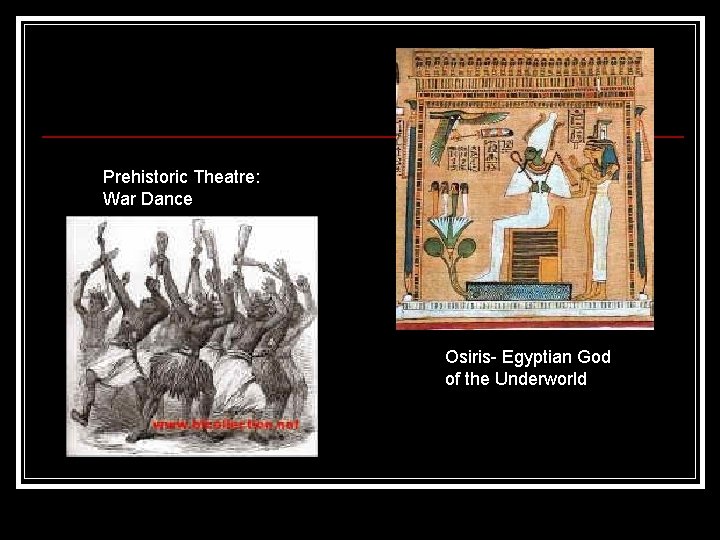
n n Man begins acting out his wishes for: n Nature n Rain n Good harvests n Sunshine Earliest record of theatrical performance dates back about 4000 years to Egypt: n Three-day event that included actual battles and elaborate ceremonies about the murder, dismemberment, and resurrection of Osiris (god of the lower world).
Prehistoric Theatre: War Dance Osiris- Egyptian God of the Underworld
n While there is no specific mention of theatre, Dance and Ritual are mentioned in the Old Testament n n The Song of Solomon: contains dialogue spoken between a bride and groom The Book of Job has many elements of the fiveact play (though there is no record of it having been performed in ancient times
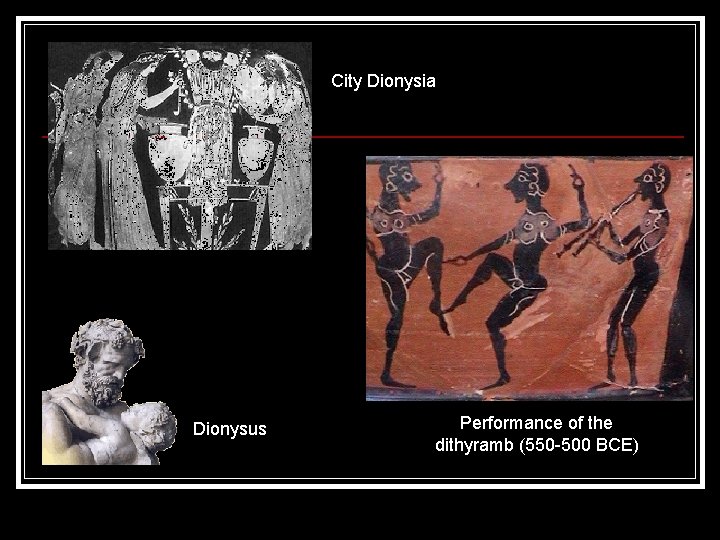
Early Greek Period (600 BC-500 BC) Drama as we know it developed during this period when religious hymns developed to sing praises to gods: n n Dithyrambs (hymns) sung to Dionysus (god of wine and fertility): n n n In honor of his death, a group of chanters, called the chorus, would dance around an alter which a goat was sacrificed on. Chant was called “tragos” (goat-song)= tragedy Komos=comedy Ceremonies in honor of Dionysus evolved into large contests: n n First contest was won by Thespis: First to step away from chorus and engage in dialogue between chorus and himselffirst actor (Thespian). Also credited with introducing mask in Greek plays.
n Dramatic contests part of festival lasting five to six days: n Most famous festival was City Dionysia: n n n *First day: games (similar to carnival). *Second and Third: poetry contests. *Fourth, Fifth, and Sixth: different playwright would present four plays each day: first three were part of a trilogy (related in theme and characters) and fourth was a satyr play (comedy).
City Dionysia Dionysus Performance of the dithyramb (550 -500 BCE)
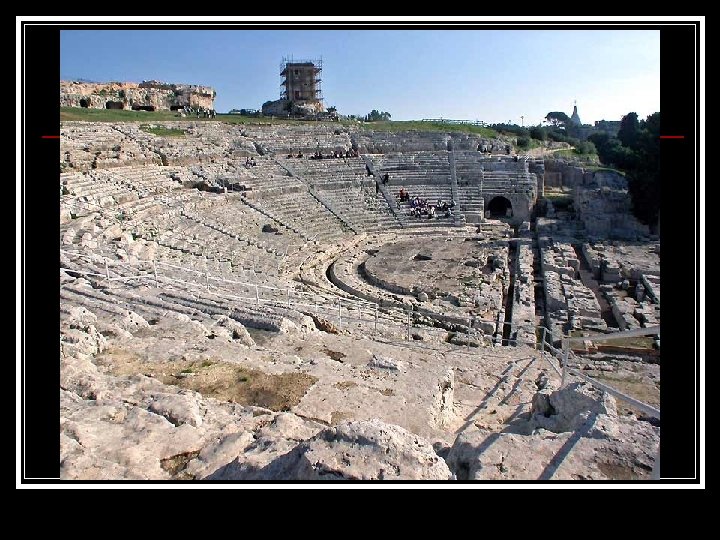
Continued… n n Theatre existed only for men: both as performers and audience: women not permitted to attend until about 400 BC. Audiences large: some theatres could hold over 17, 000.
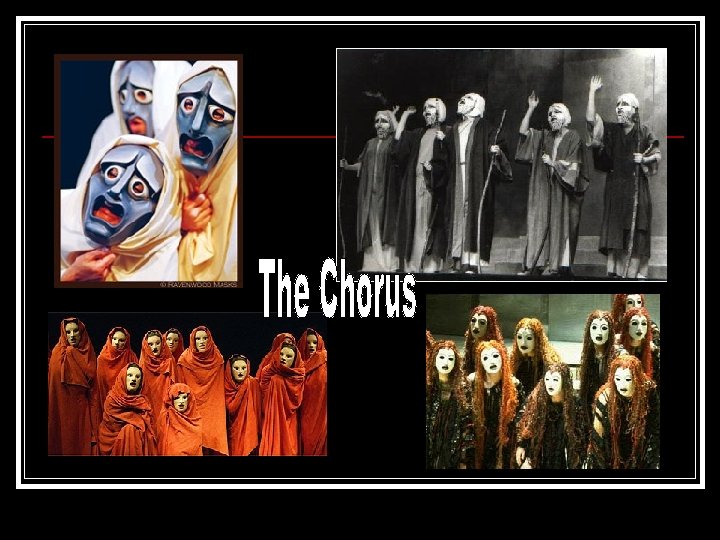
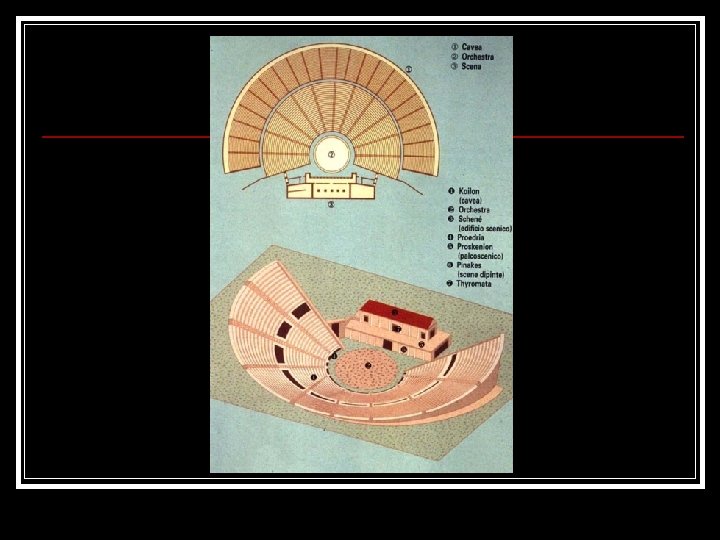
n Chorus: n n Main part of early Greek theatre Purpose: to narrate, explain, comment on action, and also engage in dialogue with actors. Originally about fifty performers in chorus. Number and responsibilities decreased as actors took over larger roles.
Greek Period (500 BC-100 BC) n Tragedies clash between Gods and ambitions of man: showed man’s efforts to change fate were useless.
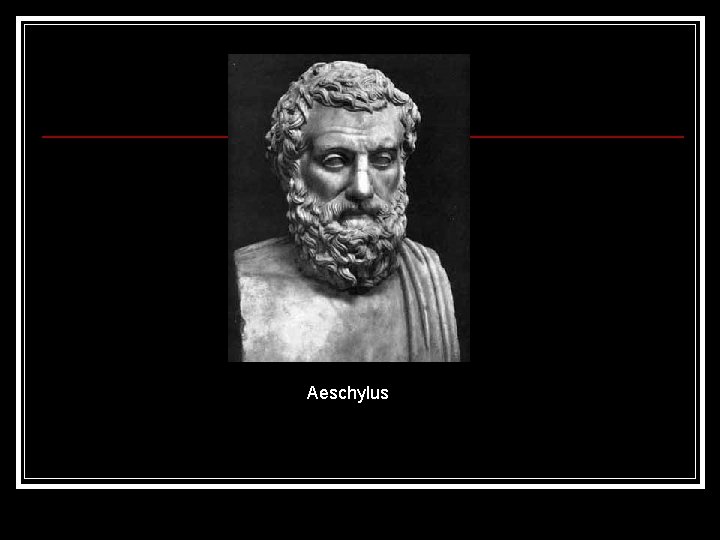
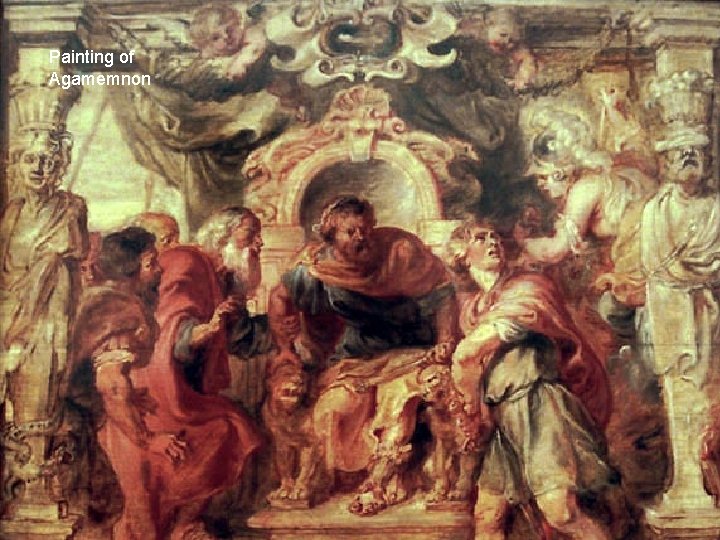
Continued… Important People & Concepts… n Aeschylus: n n Father of tragedy Added second actor Reduced chorus to twelve. Wrote only existing trilogy- man (Agamemnon) returns from war and is killed by his wife and her lover: children take revenge by killing mother: trial of one of the children.
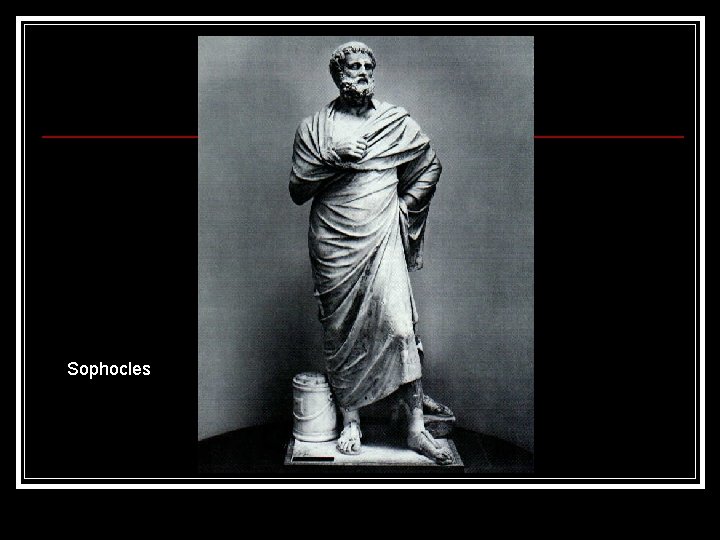
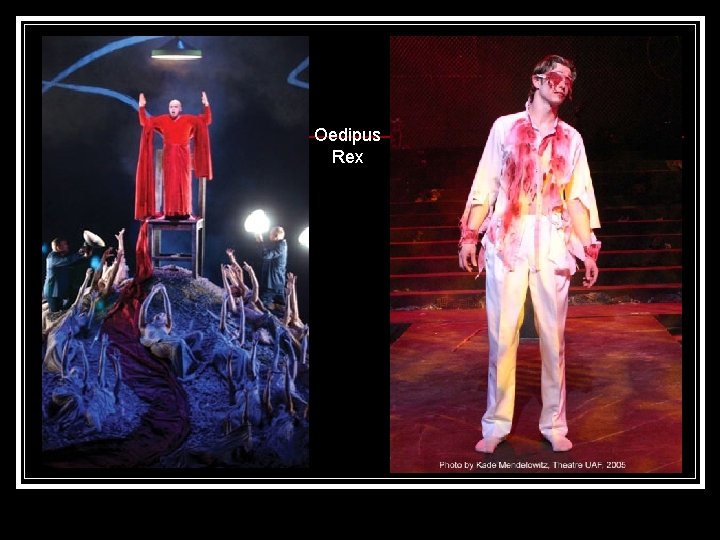
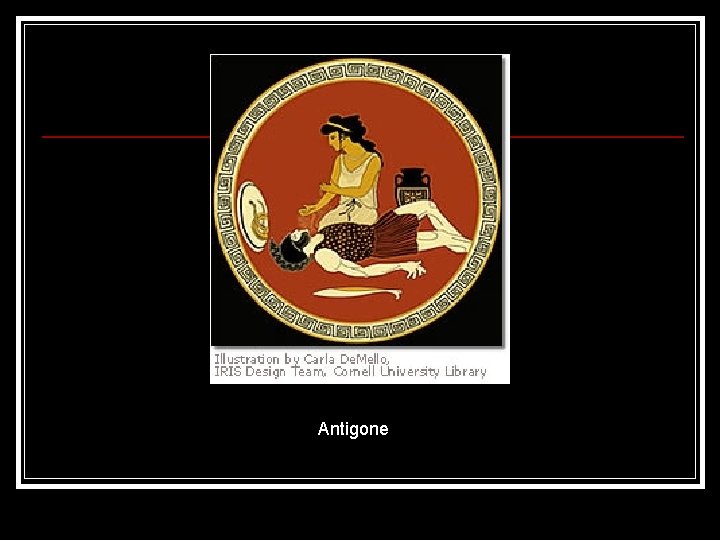
n Sophocles: n n n Considered greatest Greek tragedy writer Added third actor Oedipus Rex: kills father, marries mother, gouges out eyes. Adds scenery and action. Antigone
Aeschylus
Painting of Agamemnon
Sophocles
Oedipus Rex
Antigone
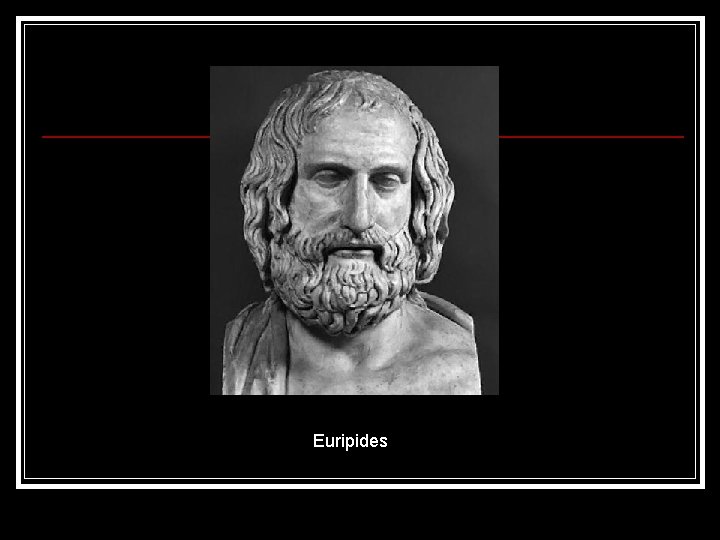
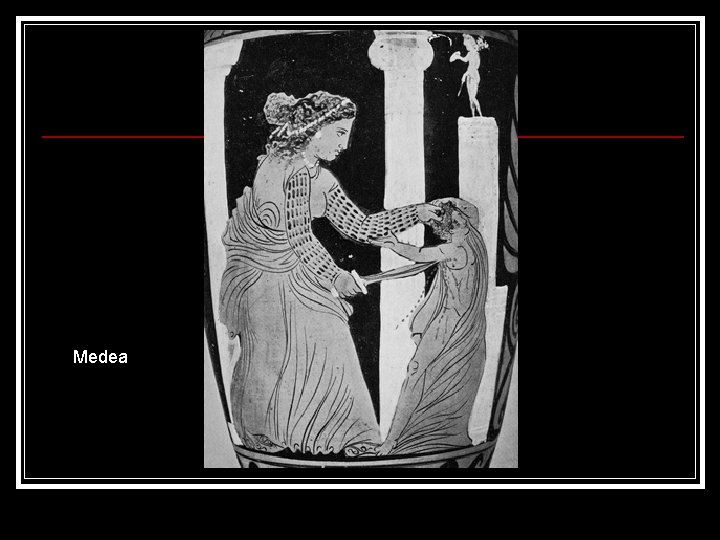
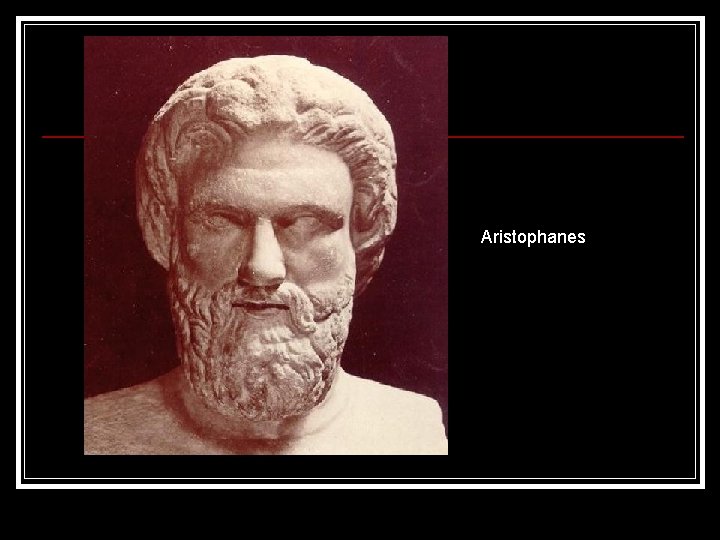
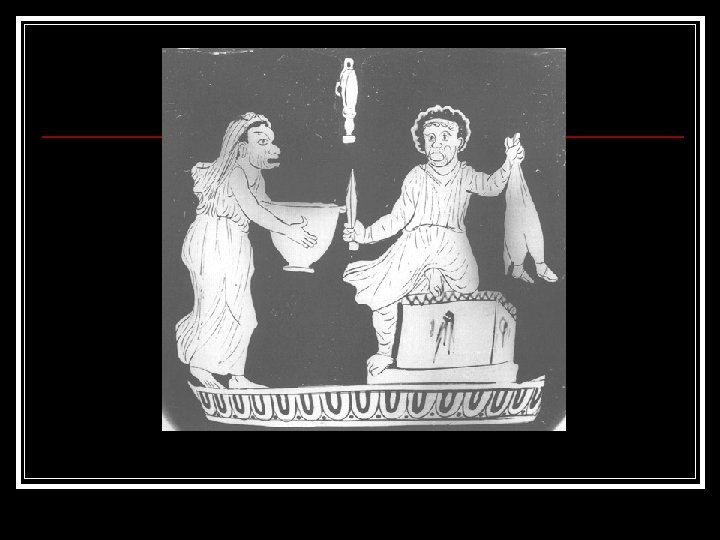
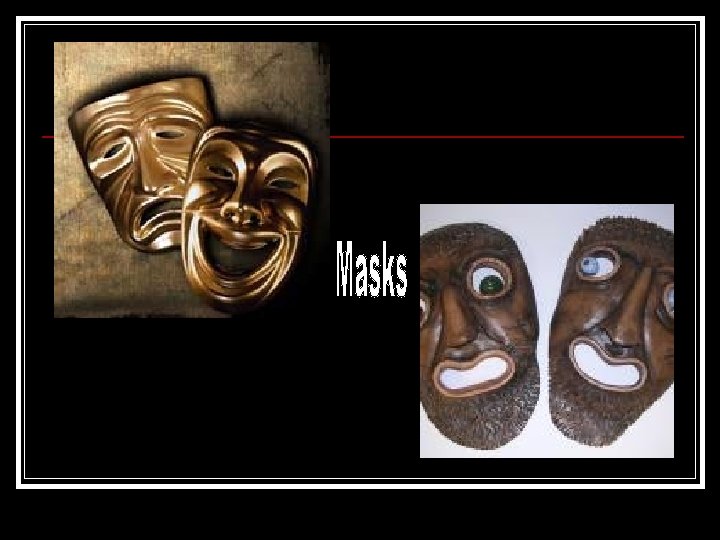
Continued… n Euripides: n n Aristophanes: n n Separates action from chorus More concerned with human relationships. Medea: woman’s husband cheats on her: to get revenge, she sacrifices her two sons. Main author of Greek comedy. Masks used to show emotions n (where masks of comedy and tragedy come from)
Euripides
Medea
Aristophanes
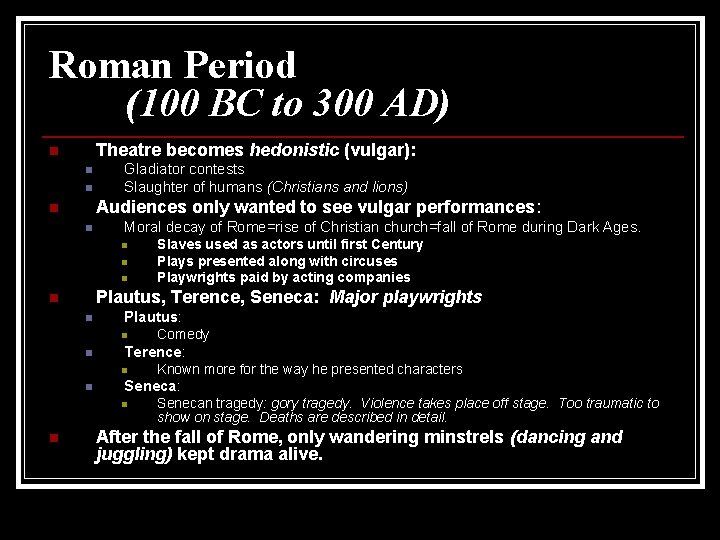
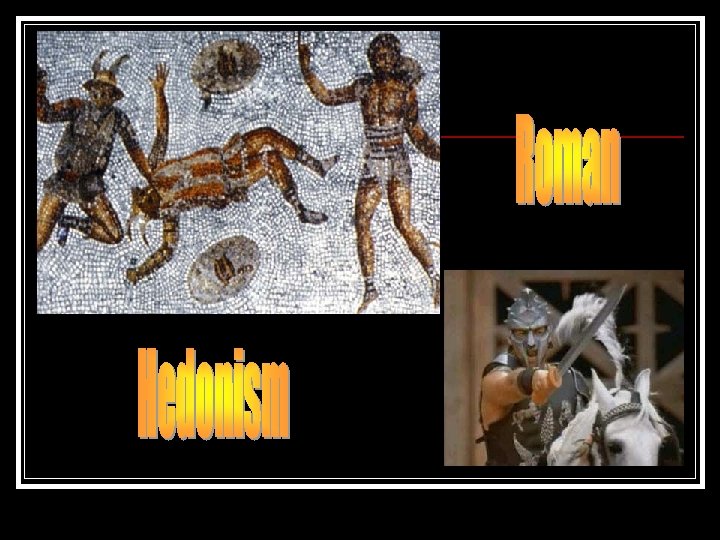
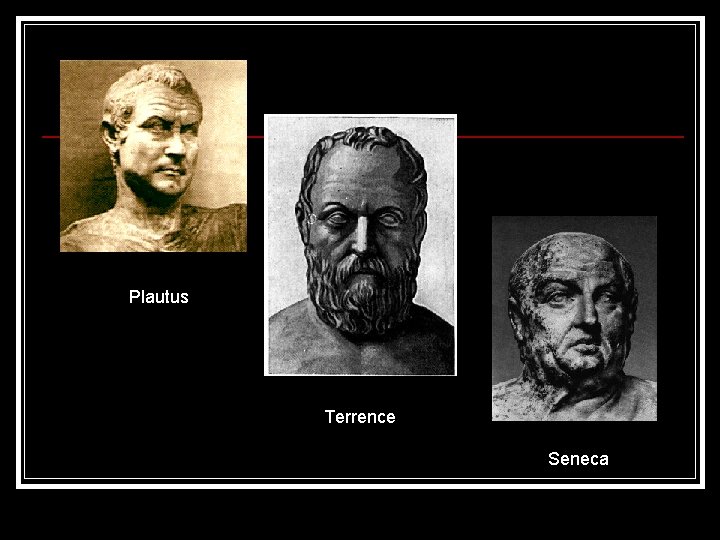
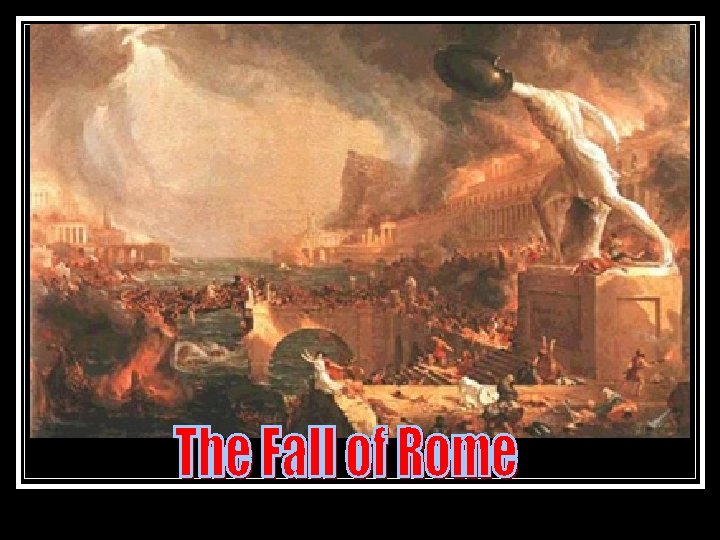
Roman Period (100 BC to 300 AD) Theatre becomes hedonistic (vulgar): n n n Gladiator contests Slaughter of humans (Christians and lions) Audiences only wanted to see vulgar performances: n n Moral decay of Rome=rise of Christian church=fall of Rome during Dark Ages. n n n Plautus, Terence, Seneca: Major playwrights n n Plautus: n n n Comedy Terence: n Known more for the way he presented characters Seneca: n n Slaves used as actors until first Century Plays presented along with circuses Playwrights paid by acting companies Senecan tragedy: gory tragedy. Violence takes place off stage. Too traumatic to show on stage. Deaths are described in detail. After the fall of Rome, only wandering minstrels (dancing and juggling) kept drama alive.
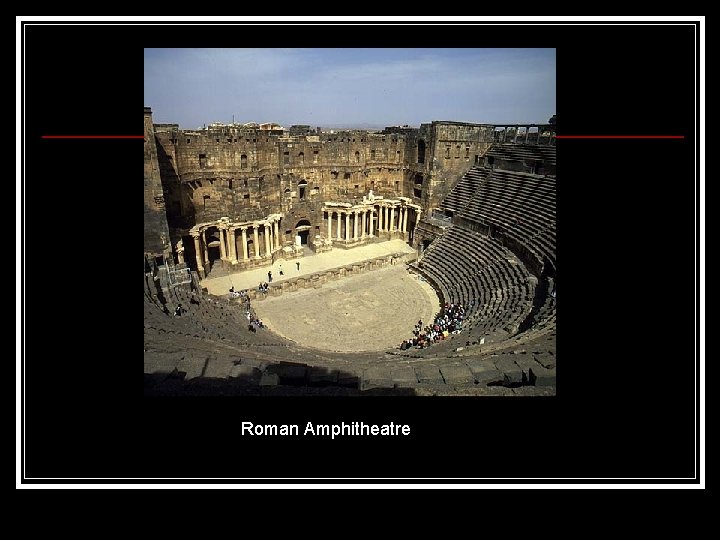
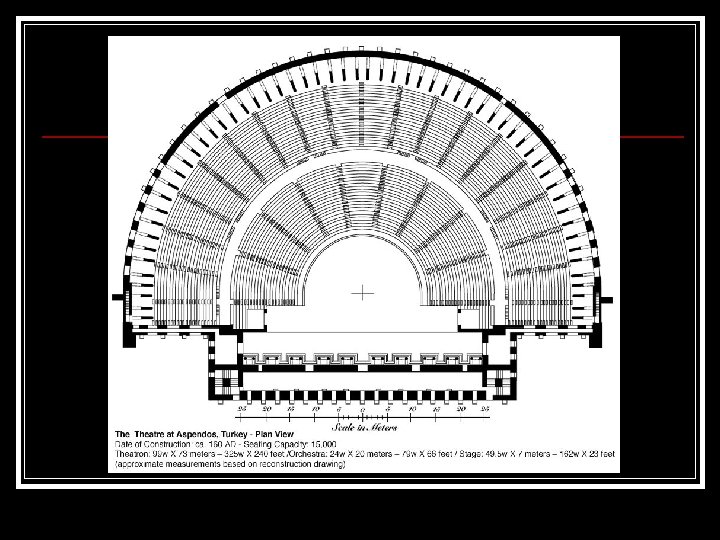
Roman Amphitheatre
Plautus Terrence Seneca
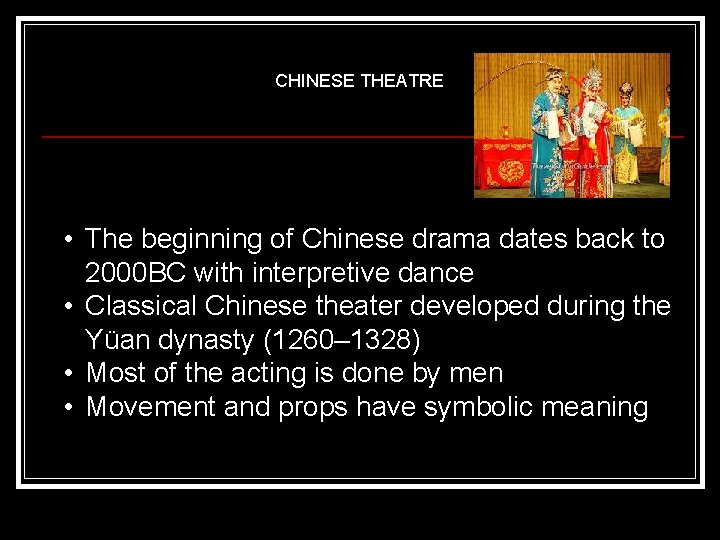
CHINESE THEATRE • The beginning of Chinese drama dates back to 2000 BC with interpretive dance • Classical Chinese theater developed during the Yüan dynasty (1260– 1328) • Most of the acting is done by men • Movement and props have symbolic meaning
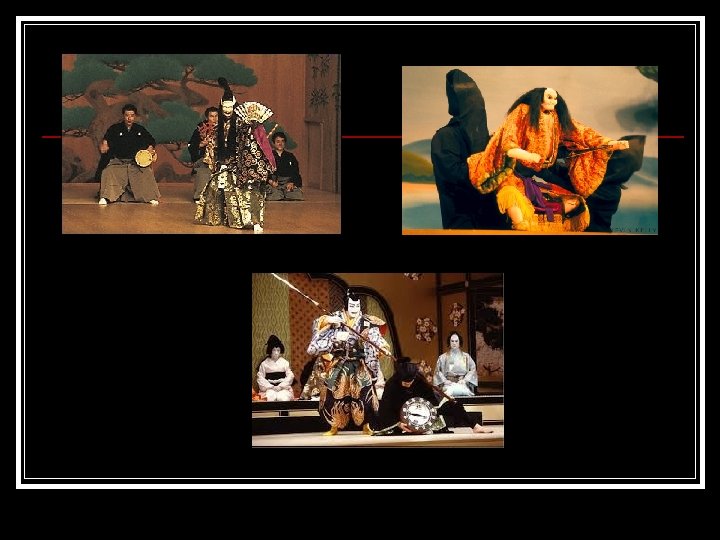
Japanese Theatre n n n Noh plays n Short, serious philosophical studies that combine poetry with music and dance n Meant for the aristocrats Bunraku n Doll theatre n Four-foot tall wooden marionettes Kabuki n Similar to Noh plays but intended for the common man n More melodramatic and sensational