
Ancient Near East Part 1 Jericho Sumer MESOPOTAMIA
- Slides: 42
Ancient Near East Part 1 Jericho - Sumer
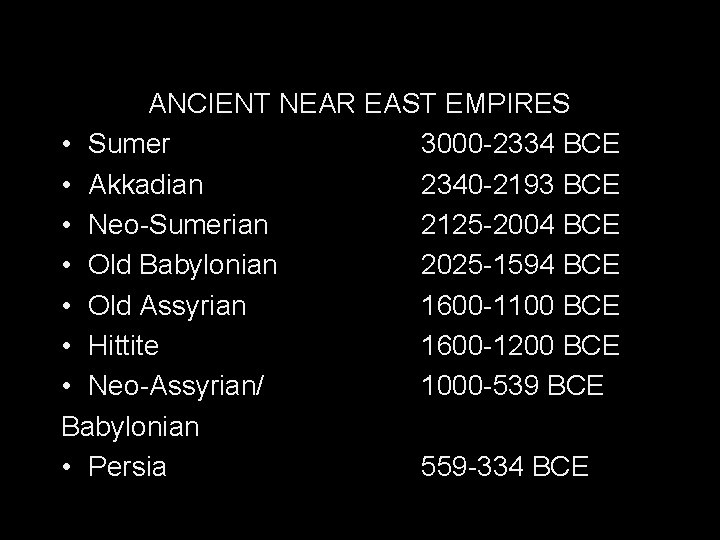
MESOPOTAMIA: SUMMARY PERIOD ANCIENT NEAR EASTOUTLINE EMPIRES • Sumer • Akkadian • Neo-Sumerian • Old Babylonian • Old Assyrian • Hittite • Neo-Assyrian/ Babylonian • Persia 3000 -2334 BCE 2340 -2193 BCE 2125 -2004 BCE 2025 -1594 BCE 1600 -1100 BCE 1600 -1200 BCE 1000 -539 BCE 559 -334 BCE
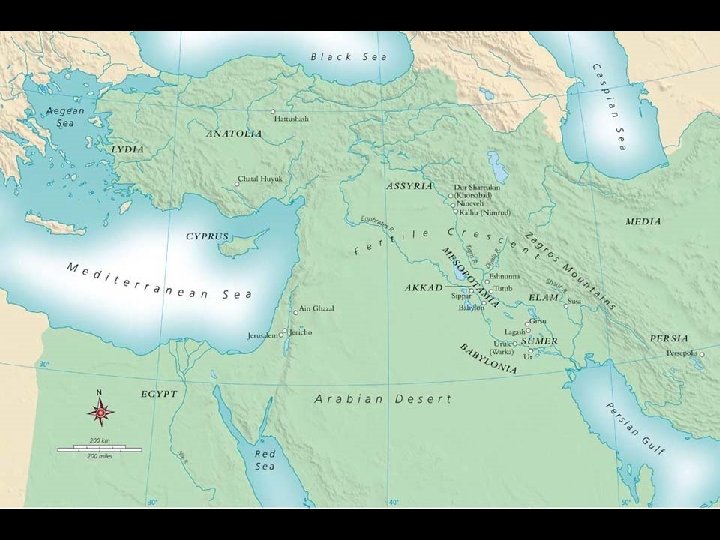
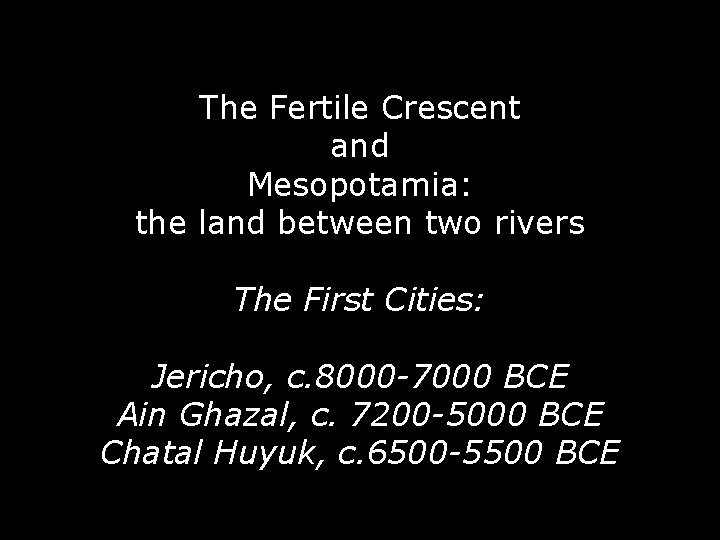
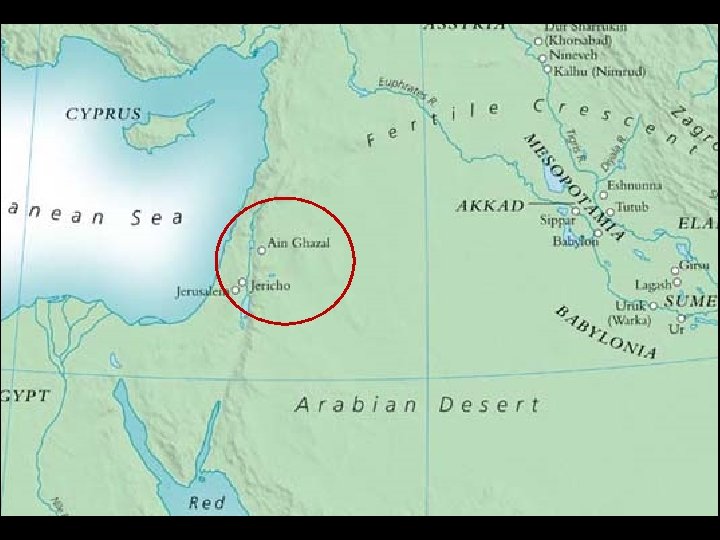
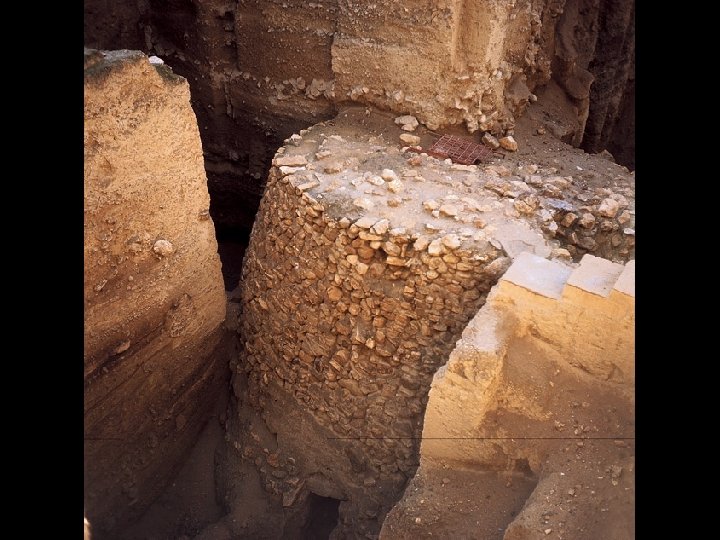
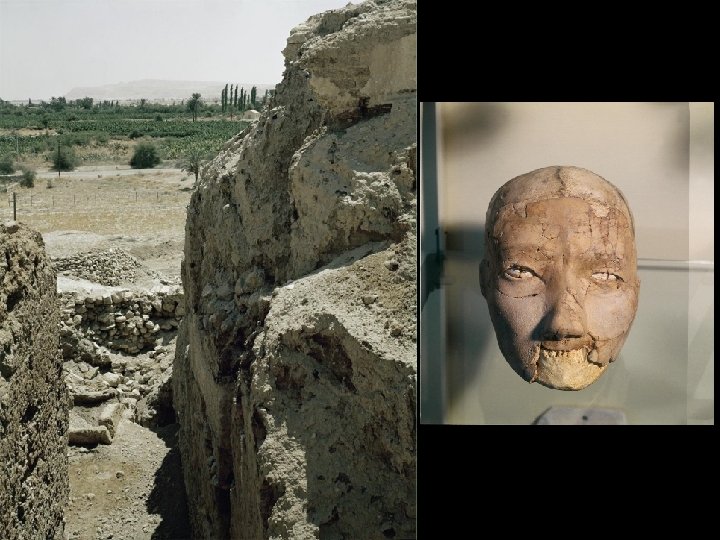
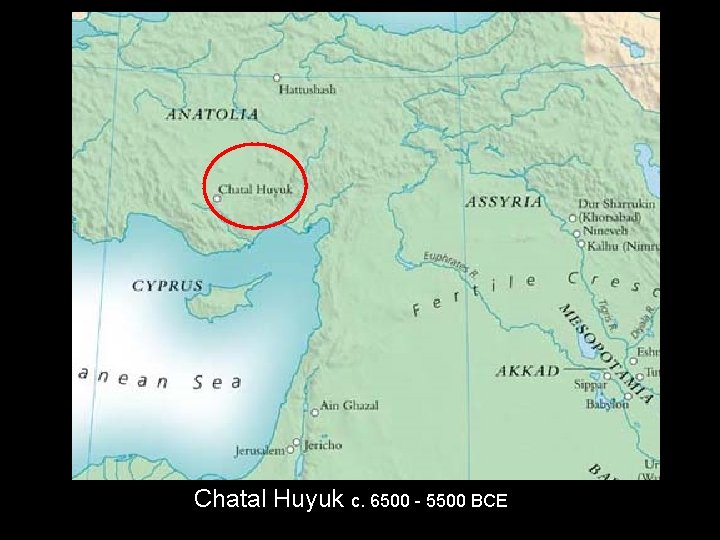
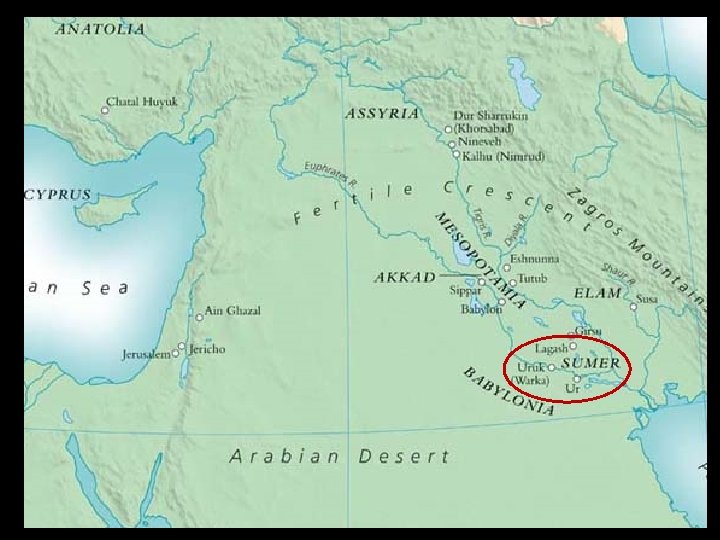
The Fertile Crescent and Mesopotamia: the land between two rivers The First Cities: Jericho, c. 8000 -7000 BCE Ain Ghazal, c. 7200 -5000 BCE Chatal Huyuk, c. 6500 -5500 BCE
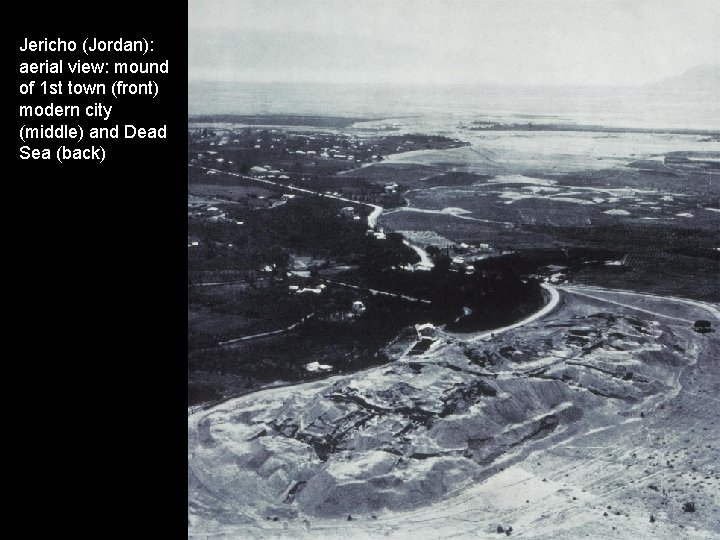
Jericho (Jordan): aerial view: mound of 1 st town (front) modern city (middle) and Dead Sea (back)
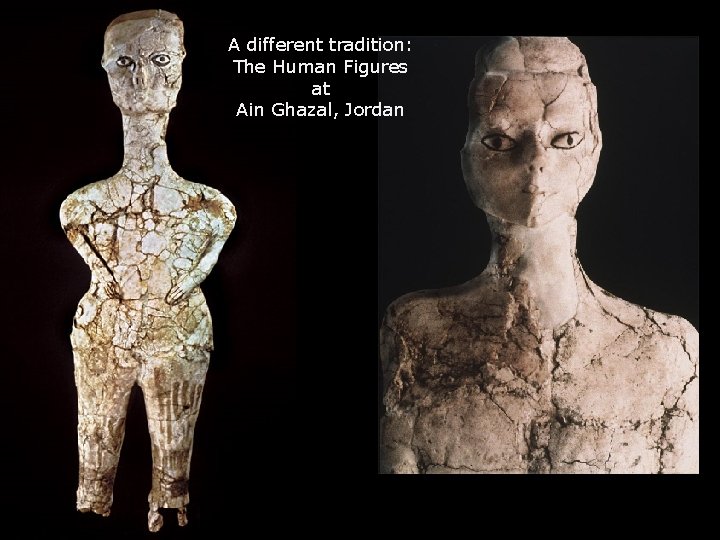
A different tradition: The Human Figures at Ain Ghazal, Jordan
Chatal Huyuk c. 6500 - 5500 BCE
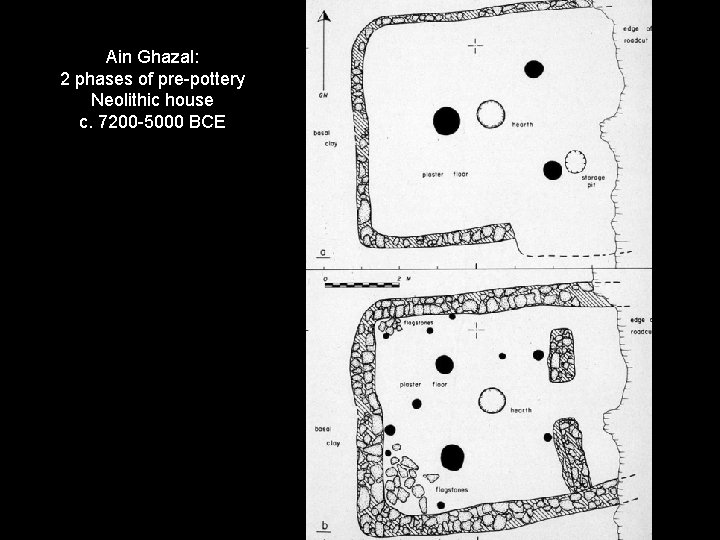
Ain Ghazal: 2 phases of pre-pottery Neolithic house c. 7200 -5000 BCE
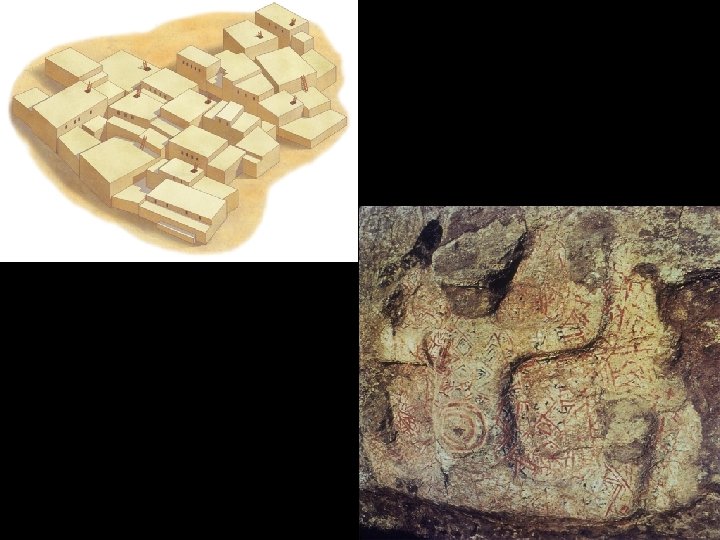
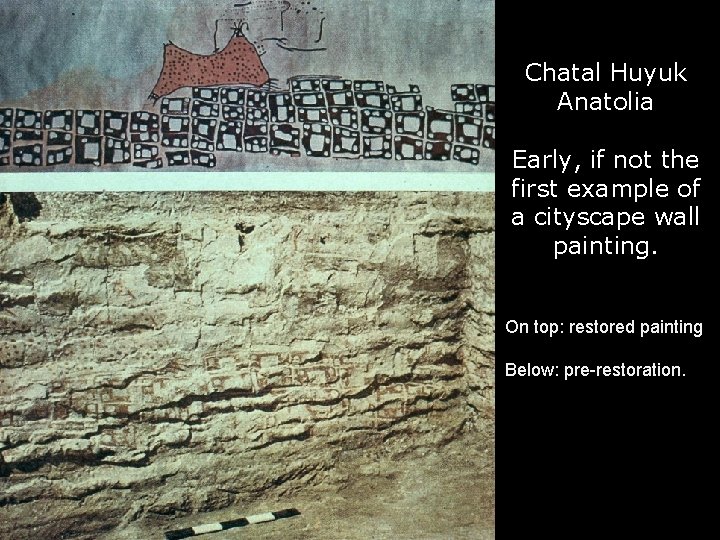
Chatal Huyuk Anatolia Early, if not the first example of a cityscape wall painting. On top: restored painting Below: pre-restoration.
SOUTHERN MESOPOTAMIA SUMER 3000 -2334 BCE
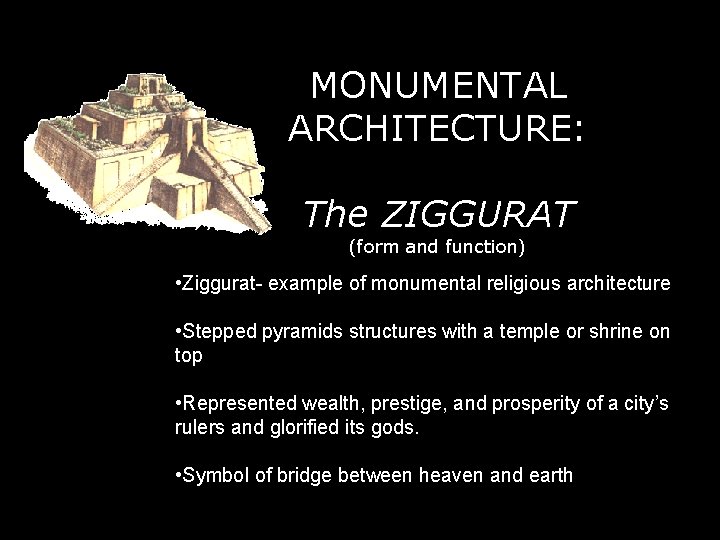
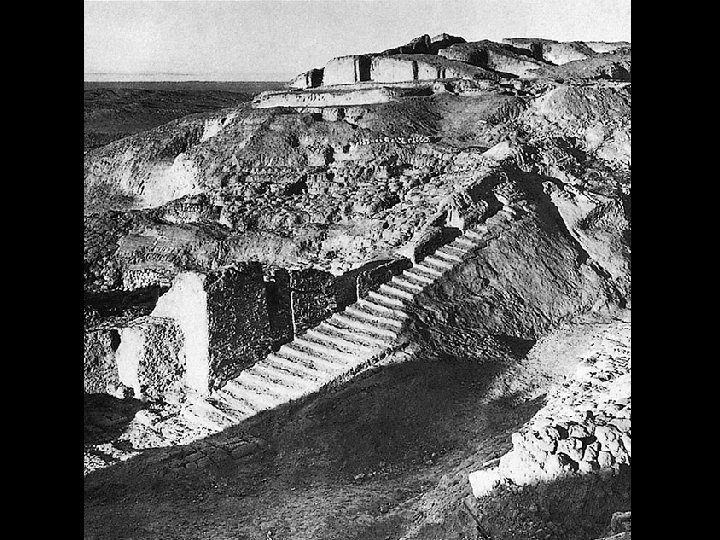
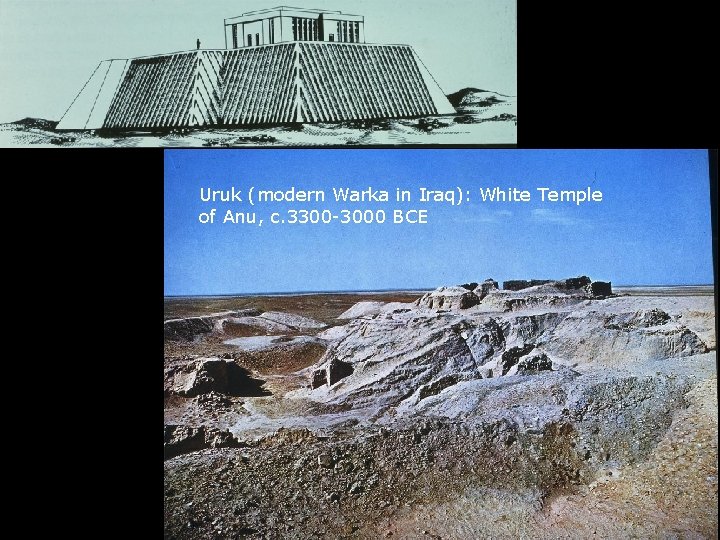
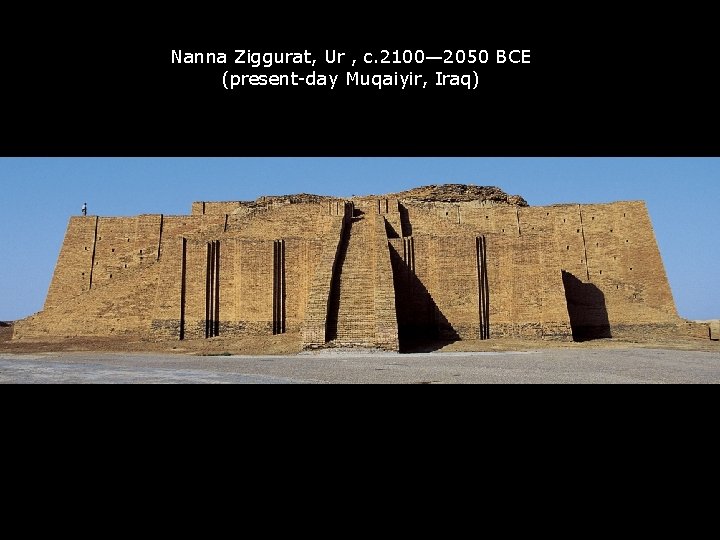
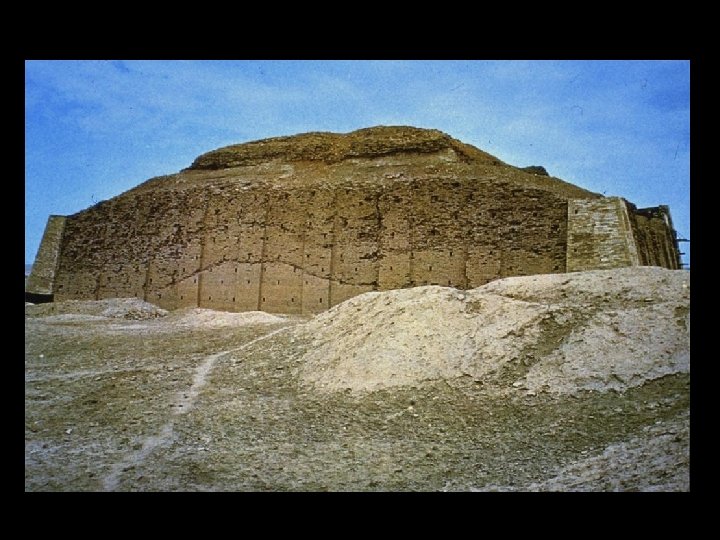
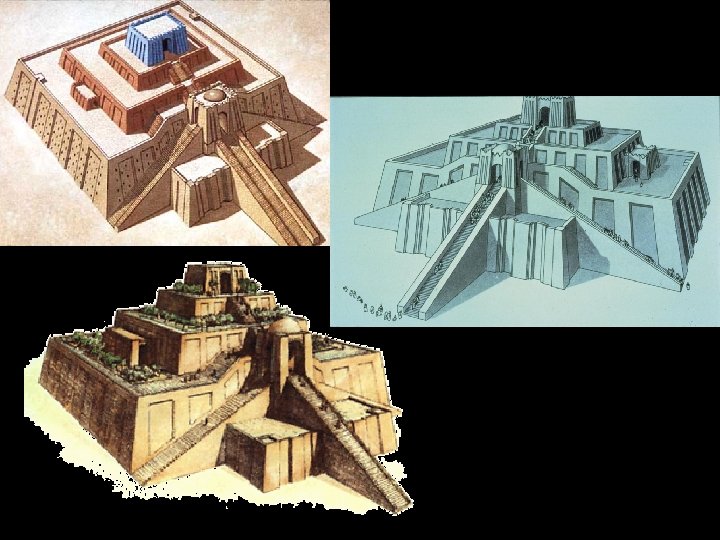
MONUMENTAL ARCHITECTURE: The ZIGGURAT (form and function) • Ziggurat- example of monumental religious architecture • Stepped pyramids structures with a temple or shrine on top • Represented wealth, prestige, and prosperity of a city’s rulers and glorified its gods. • Symbol of bridge between heaven and earth
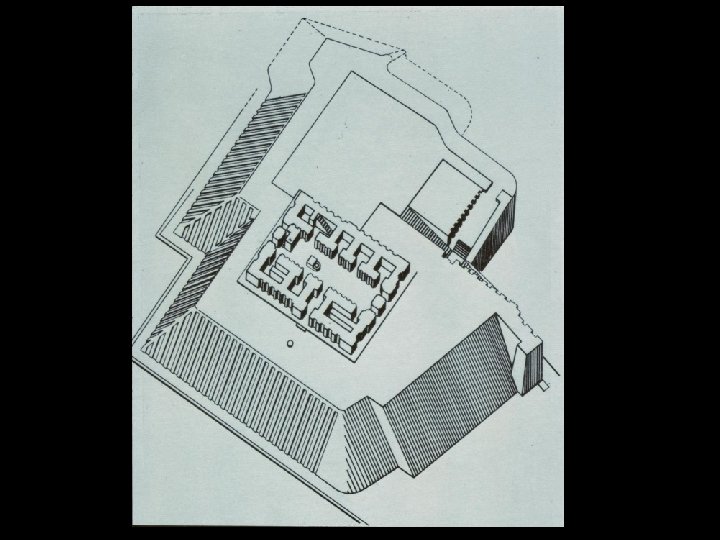
Uruk (modern Warka in Iraq): White Temple of Anu, c. 3300 -3000 BCE
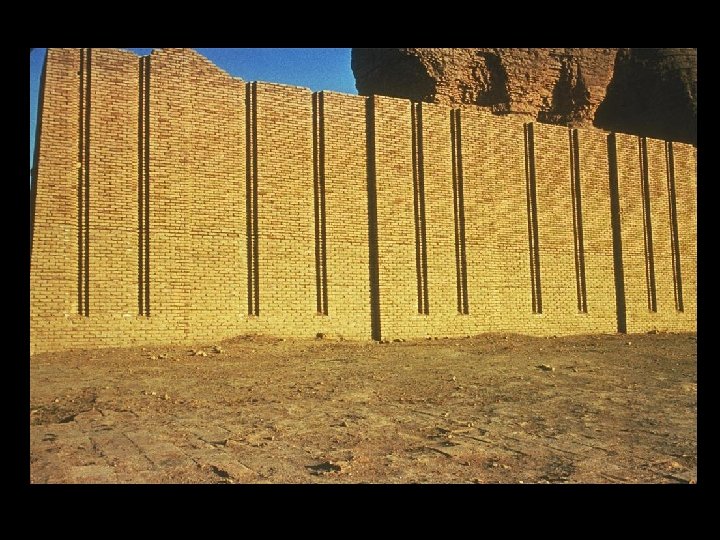
Nanna Ziggurat, Ur , c. 2100— 2050 BCE (present-day Muqaiyir, Iraq)
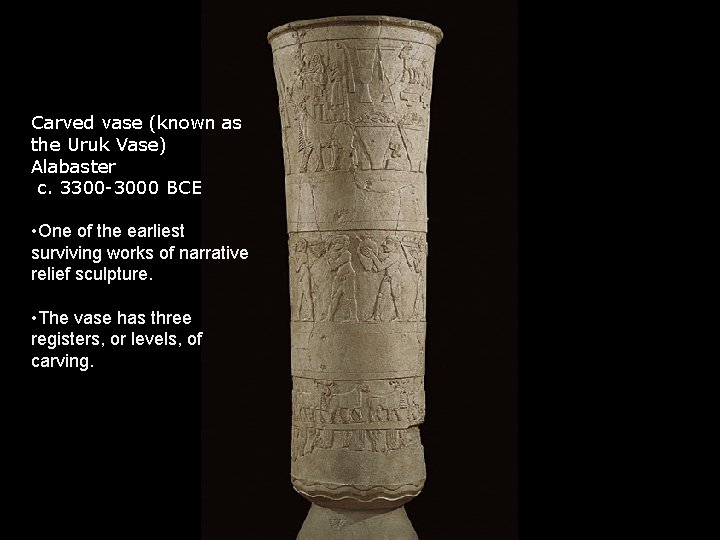
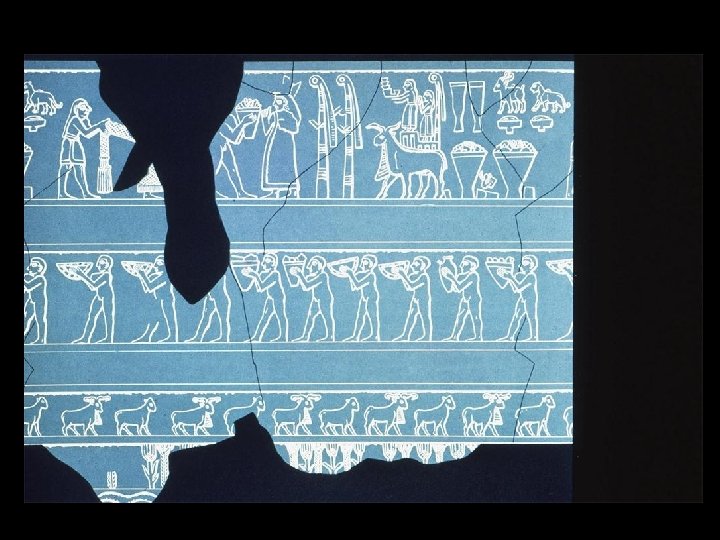
Carved vase (known as the Uruk Vase) Alabaster c. 3300 -3000 BCE • One of the earliest surviving works of narrative relief sculpture. • The vase has three registers, or levels, of carving.