
Ancient India Unit 2 South Asia Global Studies
Ancient India Unit 2 – South Asia Global Studies 9
Ancient India • Around 2500 B. C. , civilization began in the Indus River Valley. • Chief cities Harappa and Mohenjo Daro • Well planned: Strong central governments
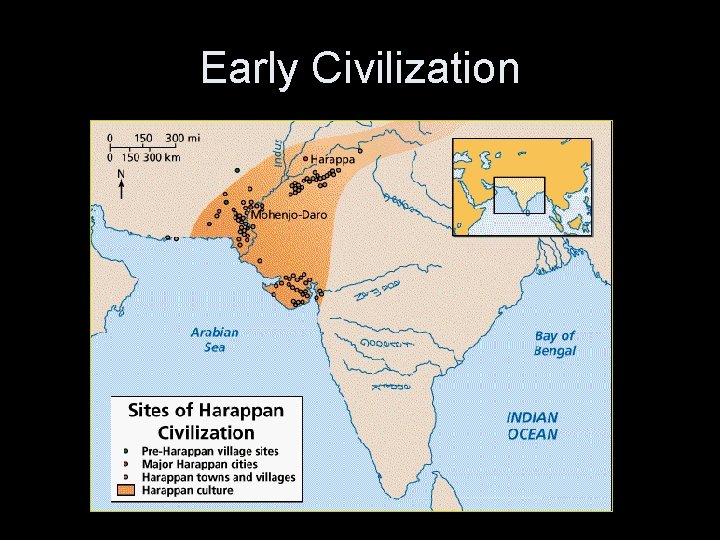
Early Civilization
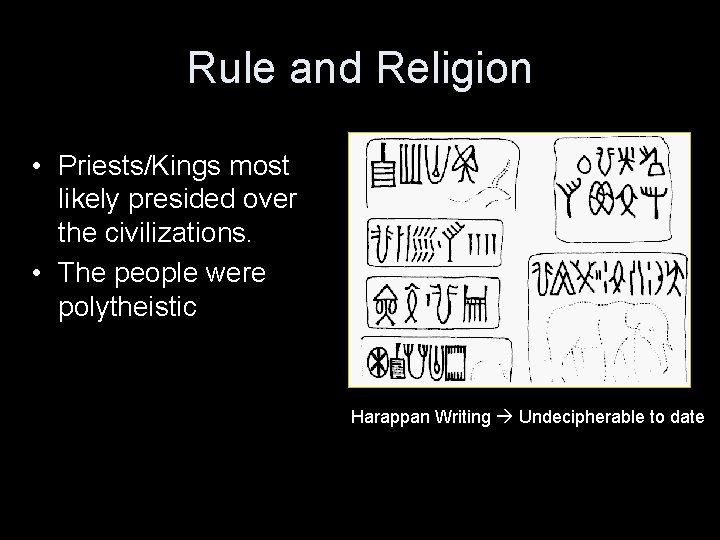
Rule and Religion • Priests/Kings most likely presided over the civilizations. • The people were polytheistic Harappan Writing Undecipherable to date
Agriculture • Thriving agricultural economy: Why? • Food surplus lead to the growth of trade in the region of South Asia – Traded with civilizations in Middle East. • First to grow cotton • Grew barley, wheat, peas, and sesame. • Herds = Cattle, sheep, goats, and water buffaloes.
Aspects of the City • Warehouses stored grain • Laid out in grid pattern: blocks were larger than modern blocks • What were taxes? • Houses had somewhat modern plumbing systems – Baths, drains, and water chutes that lead to sewers. • Uniform system of weights and measures.
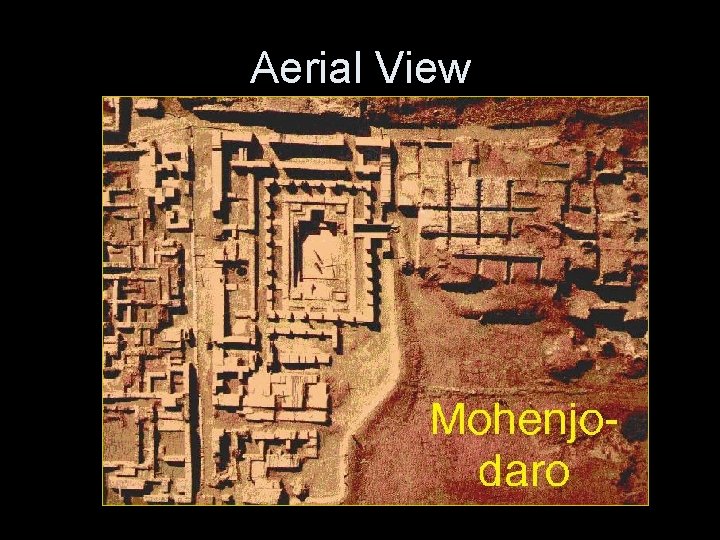
Aerial View
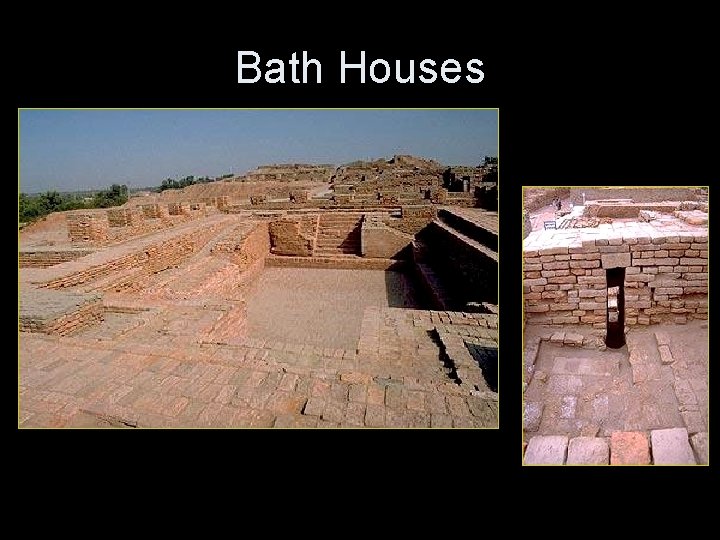
Bath Houses
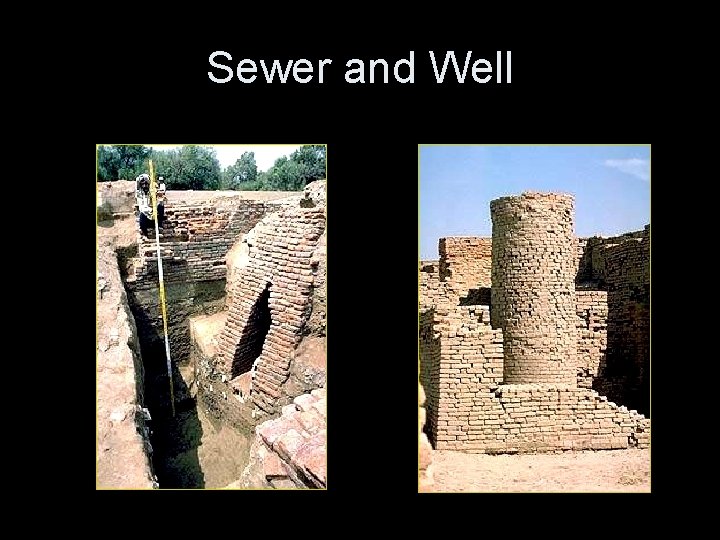
Sewer and Well
Decline • Indus Valley began to decline around 1500 B. C. • Started showing signs of decay around 2000 B. C. • Arrival of nomadic, warlike people.

Migration
Arrival of the Aryans • • • Rough, fierce nomadic herders Came through the Khyber Pass Organization = tribes Chiefs called rajahs Came through Caucasus Mts. in the Middle East – Iron tools and weaponry – Charioteers
Aryans and the Vedic Age • Vedas – Aryan oral traditions that included hymns, prayers, and magic spells used by priests. • One of the oldest pieces of surviving religious literature • Eventually written down in Sanskrit (700 B. C. ) • Era known as the Vedic Age (1500 B. C. – 500 B. C. )
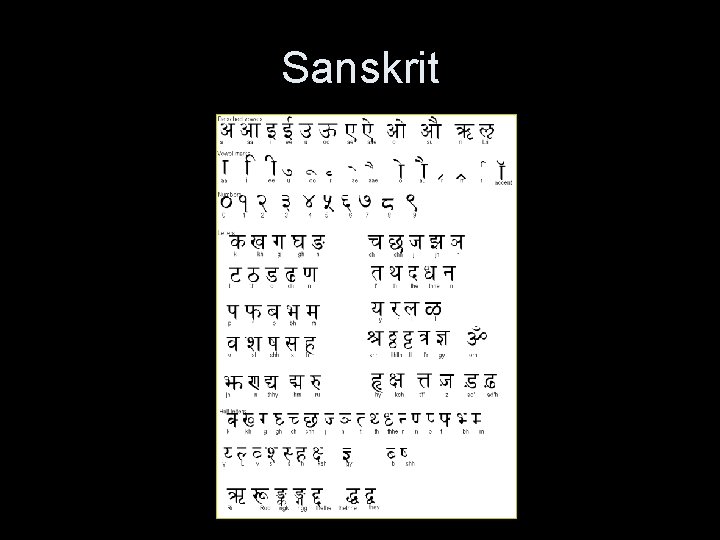
Sanskrit
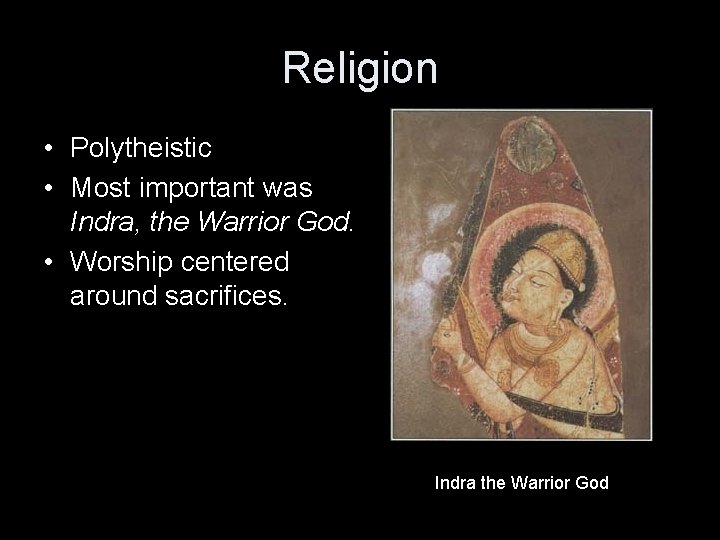
Religion • Polytheistic • Most important was Indra, the Warrior God. • Worship centered around sacrifices. Indra the Warrior God
Aryan Villages • After years of moving across the northern plains, they began to settle. • Farmers and herders • Great emphasis on cattle – Wealth measured this way • Village council ruled – Rajah had overall responsibility
Aryan Social Classes • Divided into 4 classes, called varna • Brahmans (priests) l Kshatriyas (warriors) l Vaisyas (landowners, merchants and herders) l Sudras (servants and peasants)
Social Classes • These classes eventually became more rigid, and forged the caste system. • This laid the foundation for Hinduism
Powerful Empires of India Global Studies 9
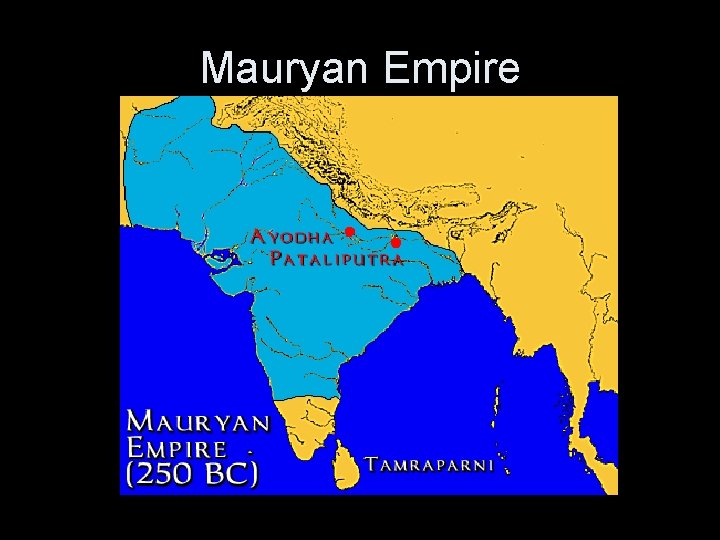
Mauryan Empire (321 B. C. – 185 B. C. ) • Founded by Chandragupta Maurya • Gained power in Ganges Valley • Army gained power: soon after conquered Northern India • Descendents conquered much of Deccan Plateau • From 321 – 185 B. C. Maurya dynasty ruled a large empire.
Mauryan Empire
Pataliputra • Pataliputra Located in northern plains. Largest and most prosperous city in the world at that time. – Schools – Library – Palaces, Temples, and parks. • Huge Wall around the city – Crowned with 570 towers and 64 gates.
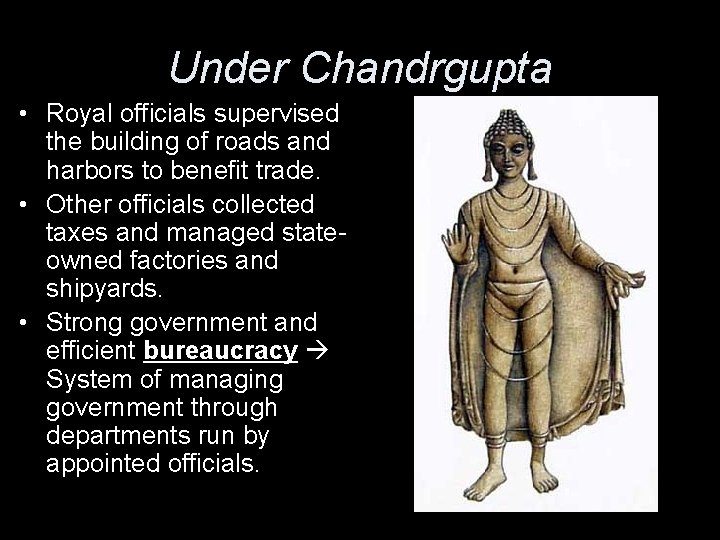
Under Chandrgupta • Royal officials supervised the building of roads and harbors to benefit trade. • Other officials collected taxes and managed stateowned factories and shipyards. • Strong government and efficient bureaucracy System of managing government through departments run by appointed officials.
Under Chandragupta • Rule was very harsh • Chandragupta was suspicious of his many enemies. • Brutal secret police reported on crime corruption and dissent within the empire.
Asoka and His Reforms • Chandragupta’s grandson, Asoka, ruled from 269 – 232 B. C. • Most honored emperor: Maurya at its height under Asoka • Conquered Deccan with brutality • Converted to Buddhism and rejected violence. – Became a vegetarian: no animal sacrifices.
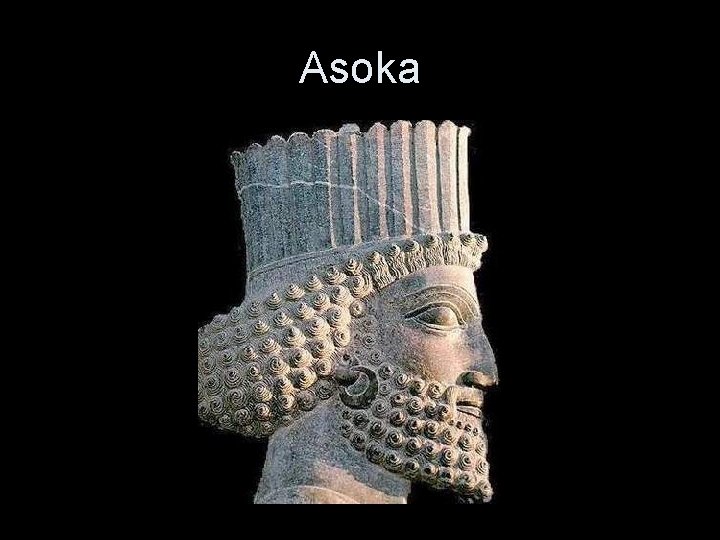
Asoka
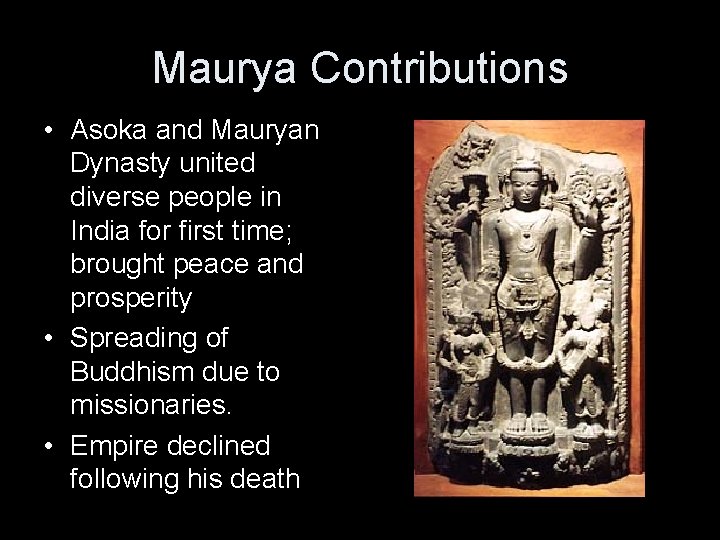
Maurya Contributions • Asoka and Mauryan Dynasty united diverse people in India for first time; brought peace and prosperity • Spreading of Buddhism due to missionaries. • Empire declined following his death
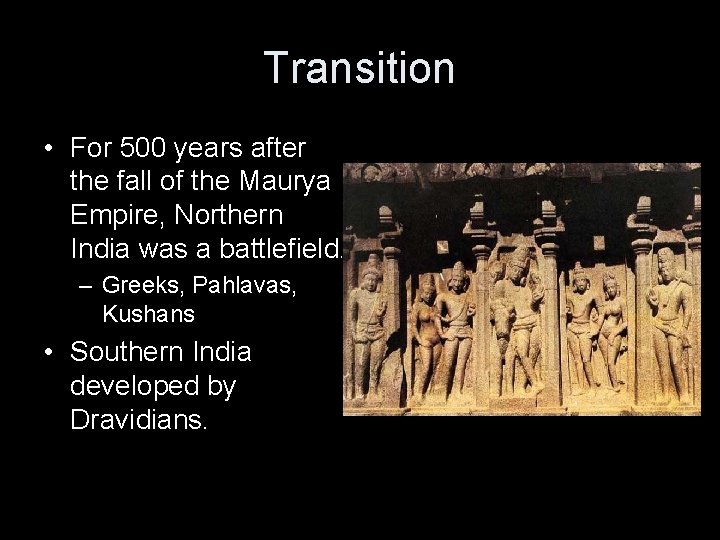
Transition • For 500 years after the fall of the Maurya Empire, Northern India was a battlefield. – Greeks, Pahlavas, Kushans • Southern India developed by Dravidians.
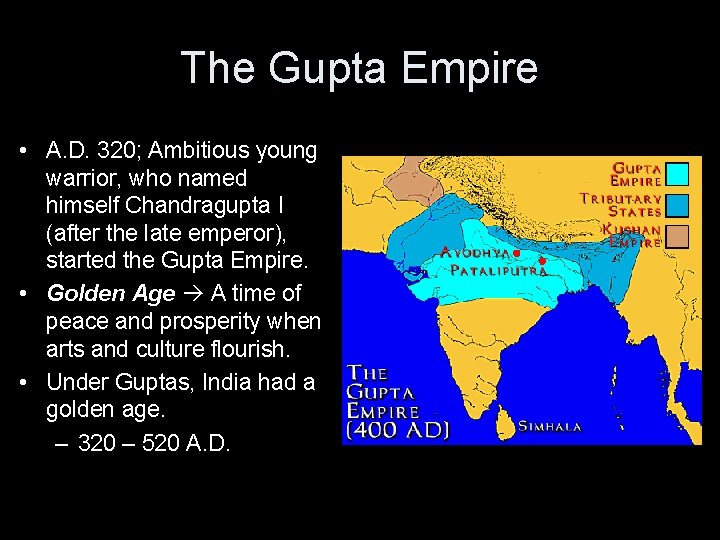
The Gupta Empire • A. D. 320; Ambitious young warrior, who named himself Chandragupta I (after the late emperor), started the Gupta Empire. • Golden Age A time of peace and prosperity when arts and culture flourish. • Under Guptas, India had a golden age. – 320 – 520 A. D.
Gupta Empire • Organized a strong central government • Looser rule than Maurya; Power left in hands of individual rulers and city governments. • Trade/Agriculture flourished.
Contributions of the Gupta Empire • Mathematicians developed the decimal system; symbols for 1 -9 – Arabs adopted; spread to Europe • Developed the concept of zero – Allowed for more complicated calculations
Contributions • Indian physicians were the first to use herbs and other natural remedies to treat illness. • Doctors could set broken bones and perform simple plastic surgery. • Vaccinated for smallpox; 1, 000 years before this was done in Europe.
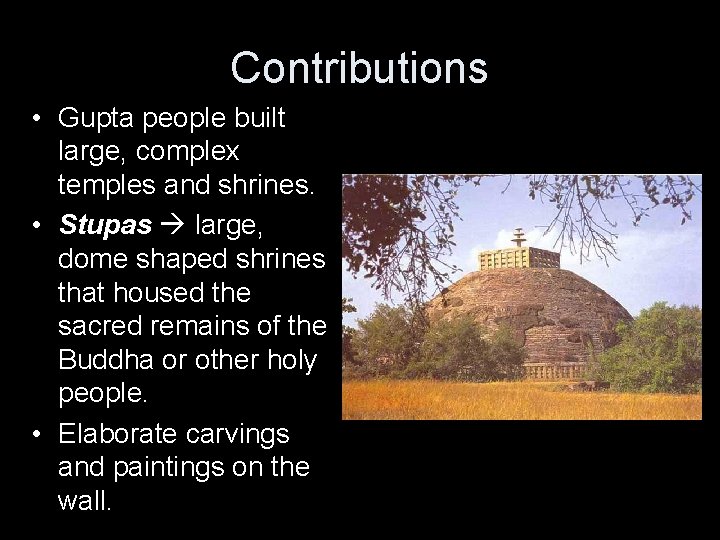
Contributions • Gupta people built large, complex temples and shrines. • Stupas large, dome shaped shrines that housed the sacred remains of the Buddha or other holy people. • Elaborate carvings and paintings on the wall.

Decline • Weakened from civil war, weak rulers, and foreign invaders (Huns of South Asia). • India split into many kingdoms and cities once again.
- Slides: 34