
Ancient India Geography Subcontinent Your maps Ganges and
Ancient India
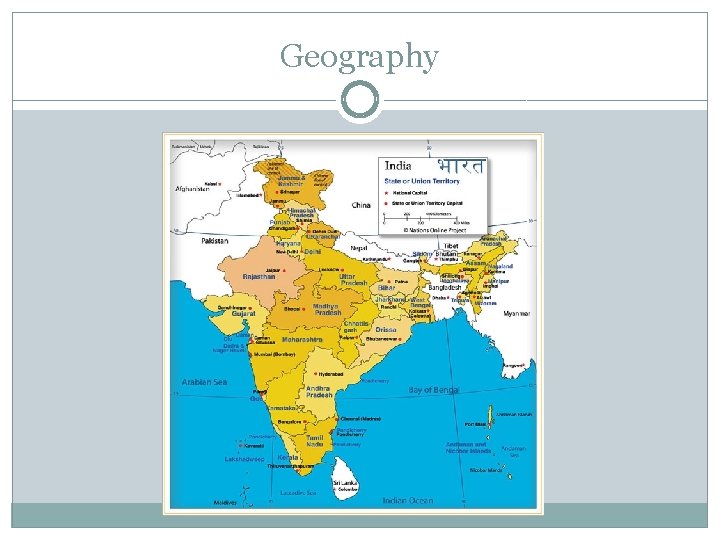
Geography

Subcontinent
Your maps �Ganges and Indus Rivers �Himalayas �Arabian Sea �Bay of Bengal �Add: Arabian Sea Indian Ocean Pakistan
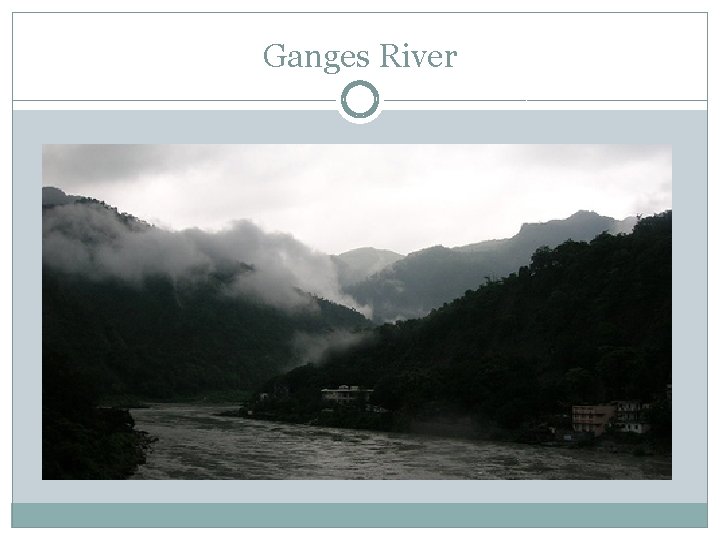
Ganges River
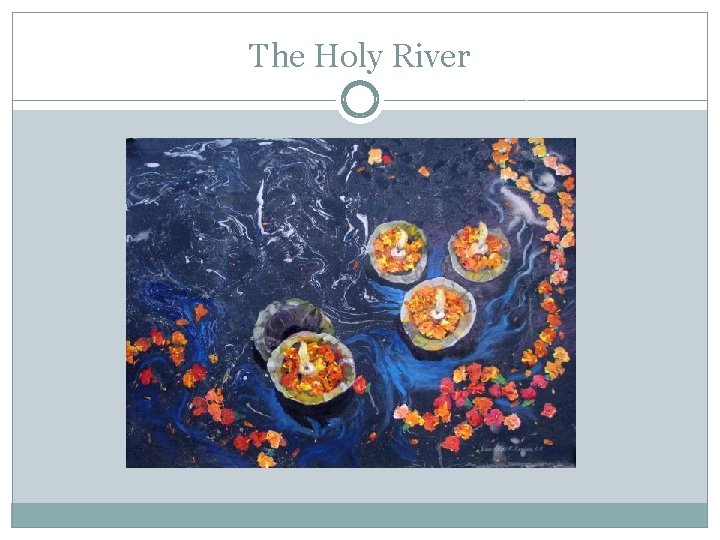
The Holy River
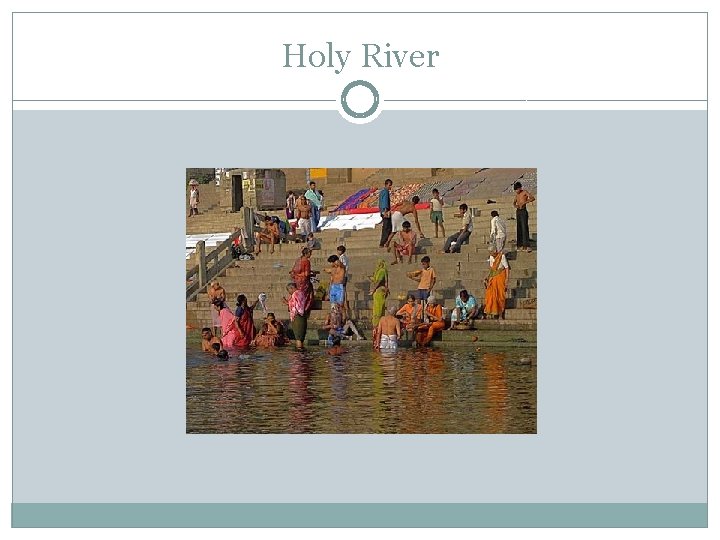
Holy River
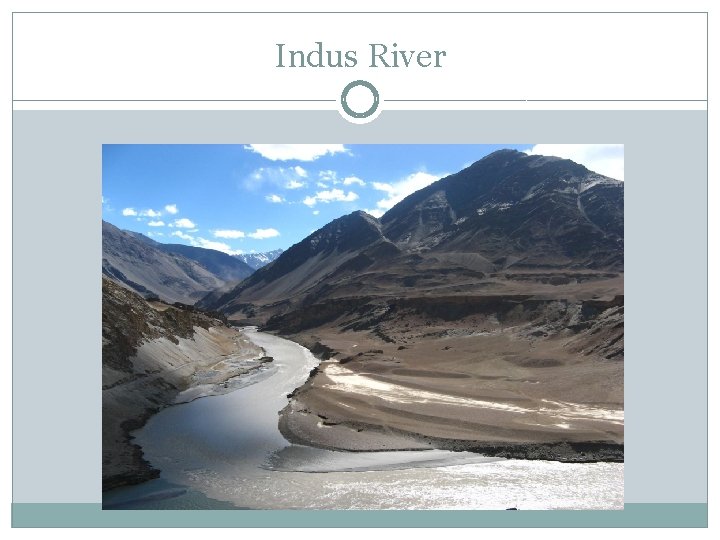
Indus River
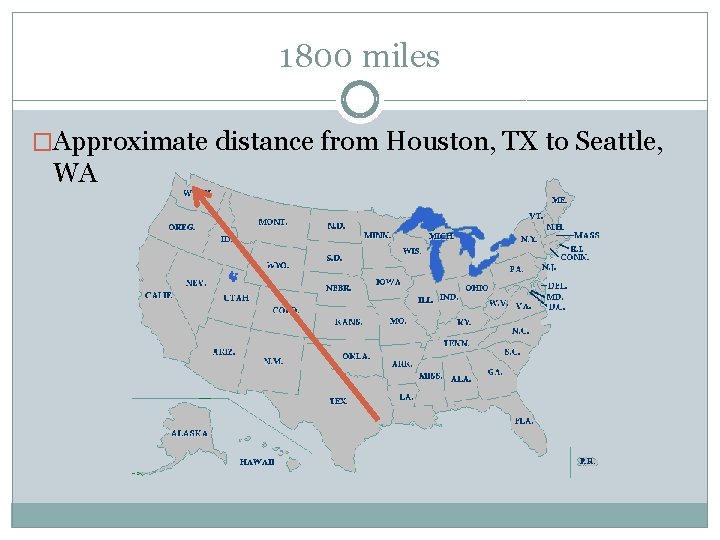
1800 miles �Approximate distance from Houston, TX to Seattle, WA
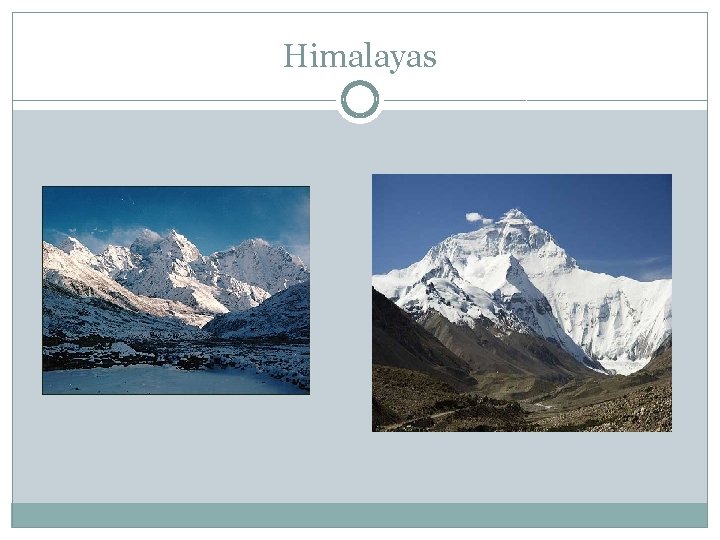
Himalayas
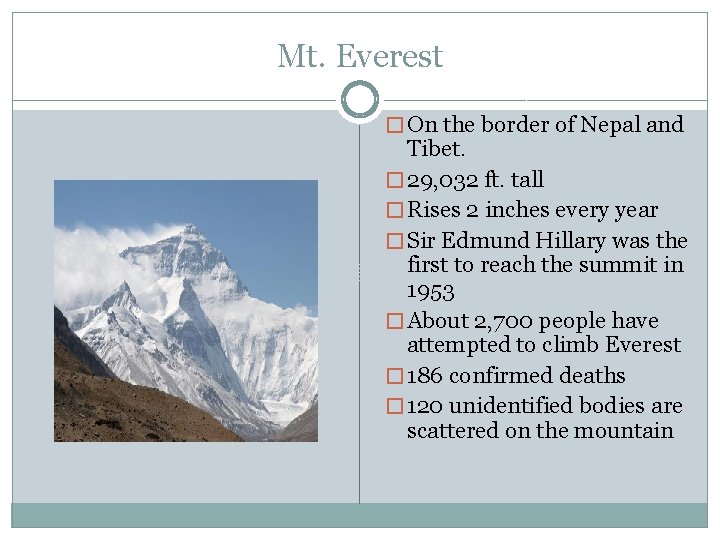
Mt. Everest � On the border of Nepal and Tibet. � 29, 032 ft. tall � Rises 2 inches every year � Sir Edmund Hillary was the first to reach the summit in 1953 � About 2, 700 people have attempted to climb Everest � 186 confirmed deaths � 120 unidentified bodies are scattered on the mountain
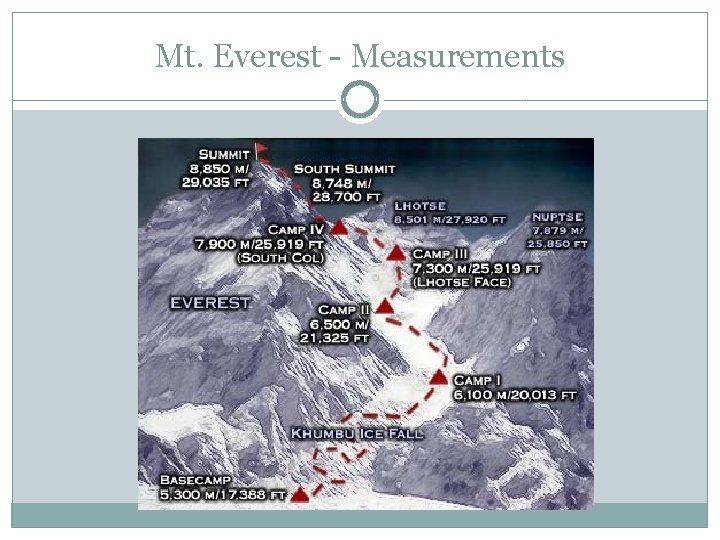
Mt. Everest - Measurements
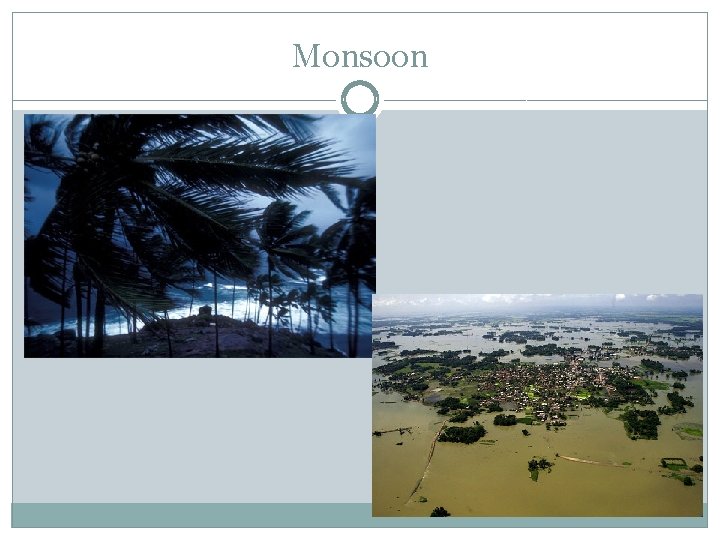
Monsoon
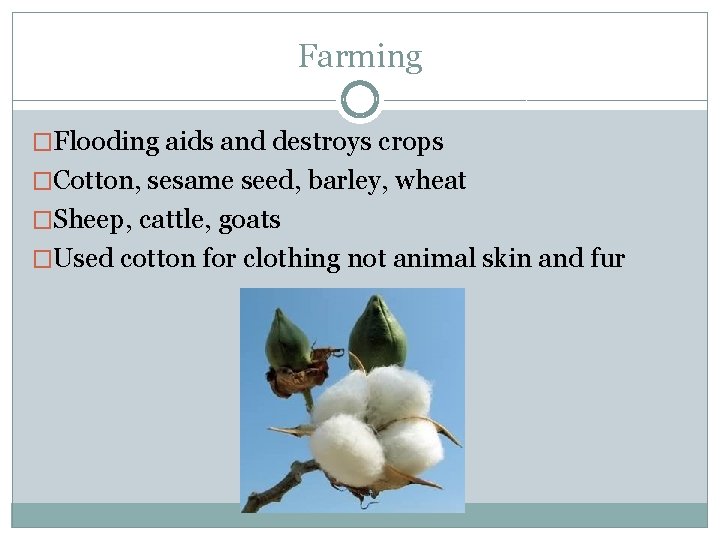
Farming �Flooding aids and destroys crops �Cotton, sesame seed, barley, wheat �Sheep, cattle, goats �Used cotton for clothing not animal skin and fur
Eof. LRQ’s �What are the main sources of water in India? �What effect did rivers and the monsoon have on ancient India? �Do rivers still make life in India better today?
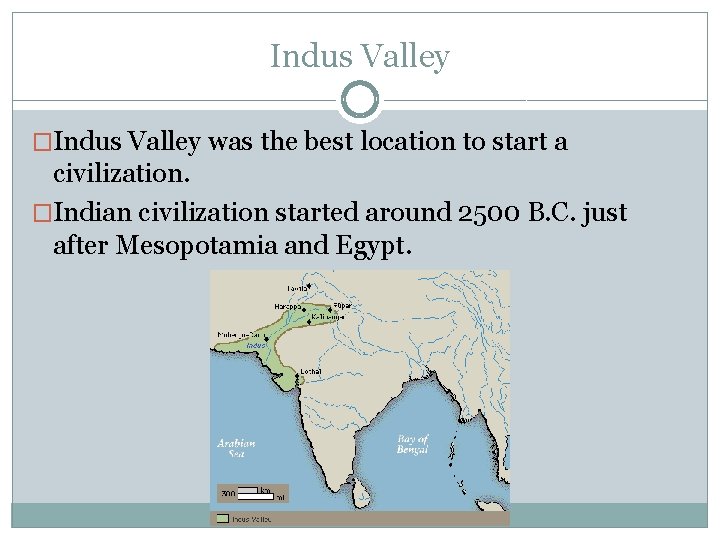
Indus Valley �Indus Valley was the best location to start a civilization. �Indian civilization started around 2500 B. C. just after Mesopotamia and Egypt.
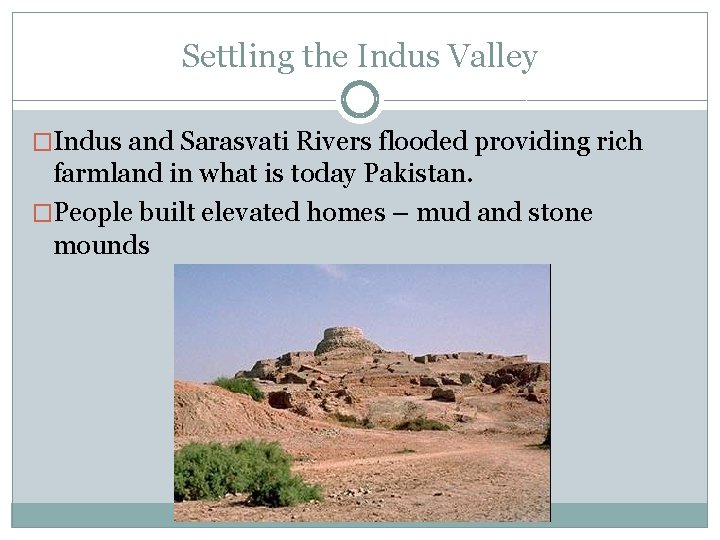
Settling the Indus Valley �Indus and Sarasvati Rivers flooded providing rich farmland in what is today Pakistan. �People built elevated homes – mud and stone mounds
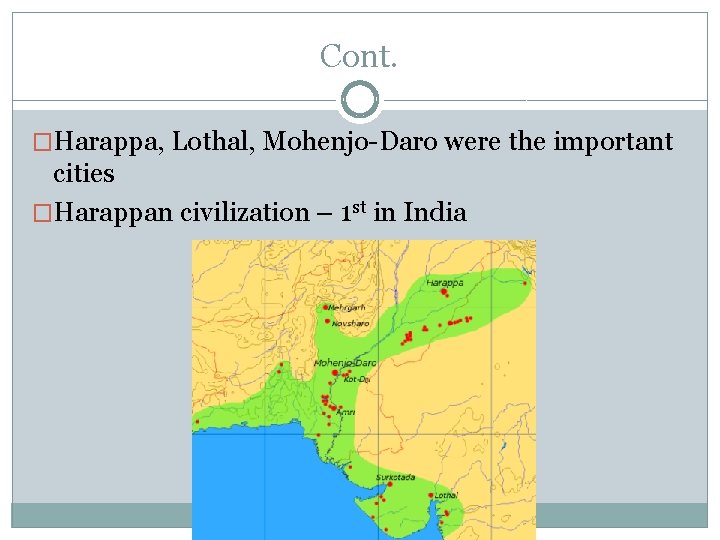
Cont. �Harappa, Lothal, Mohenjo-Daro were the important cities �Harappan civilization – 1 st in India
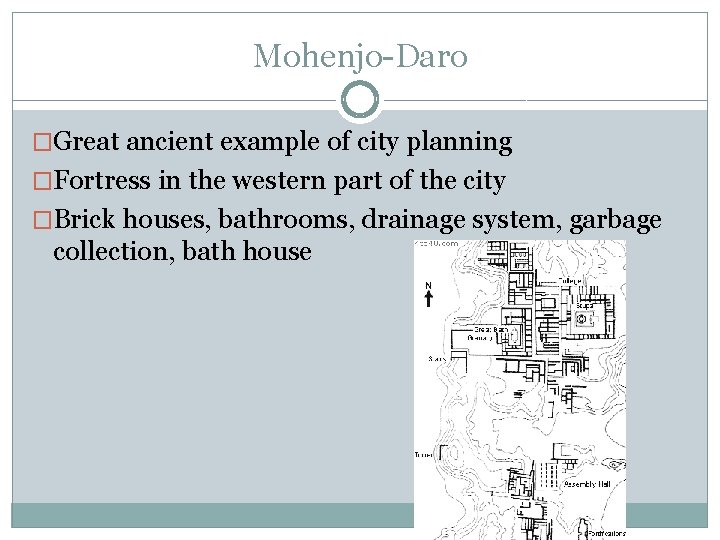
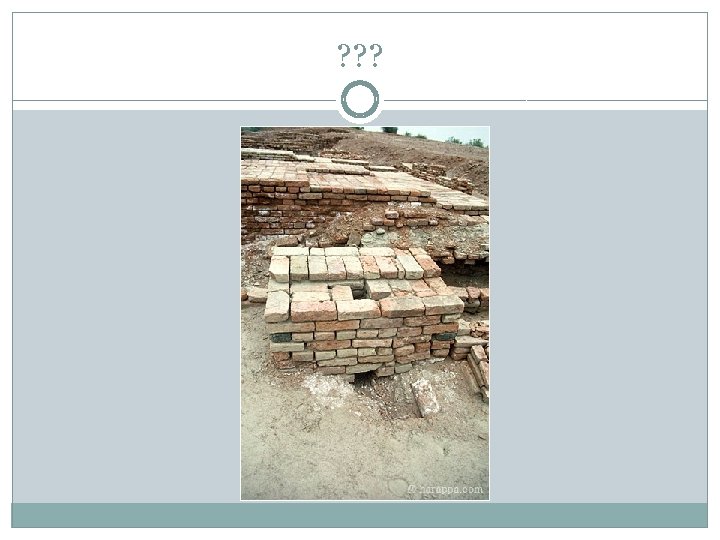
Mohenjo-Daro �Great ancient example of city planning �Fortress in the western part of the city �Brick houses, bathrooms, drainage system, garbage collection, bath house
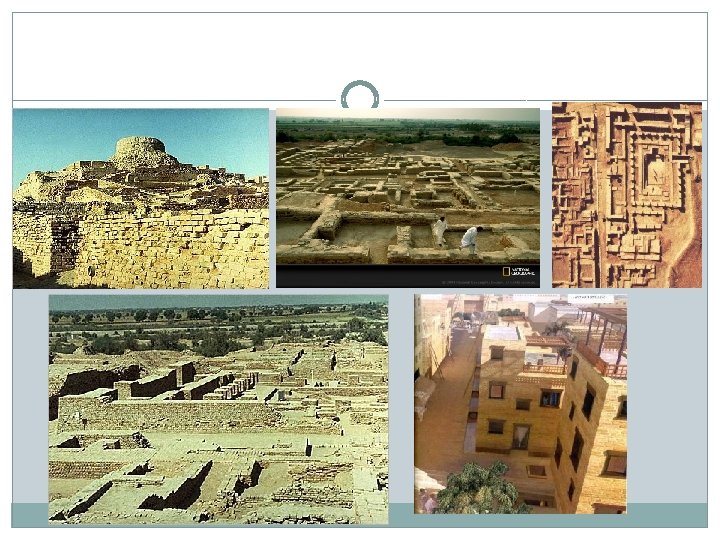
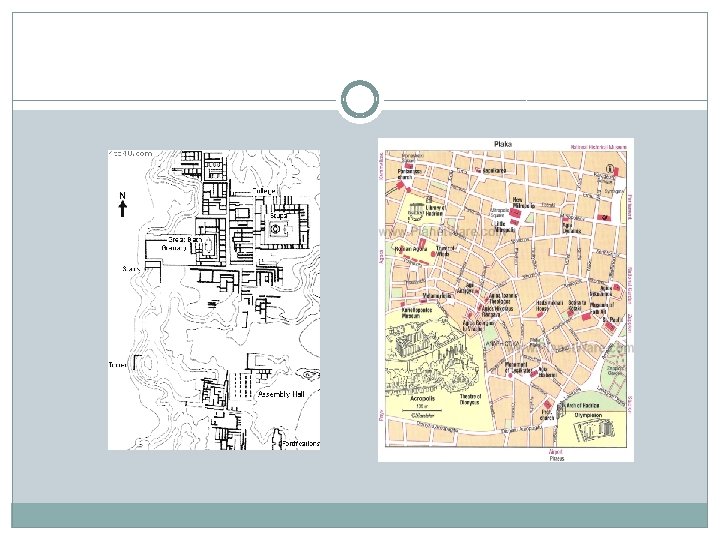
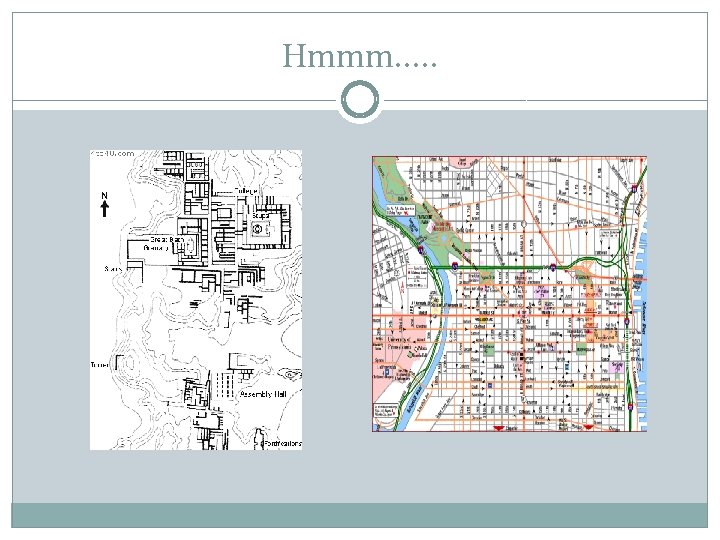
Hmmm…. .
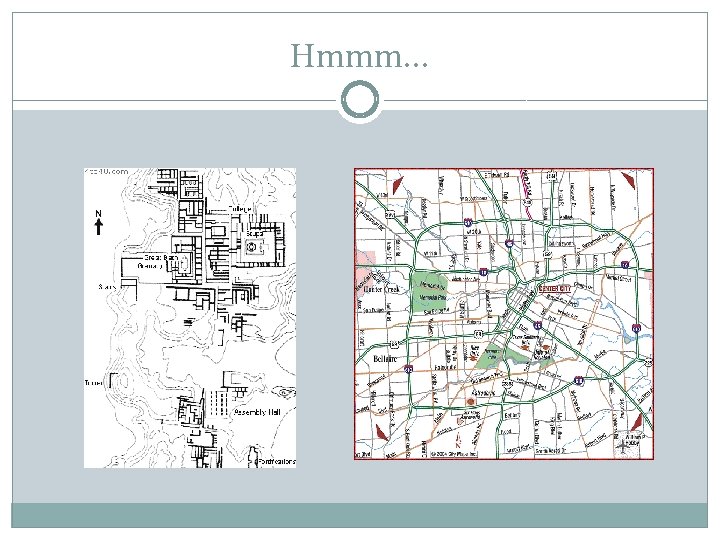
Hmmm…
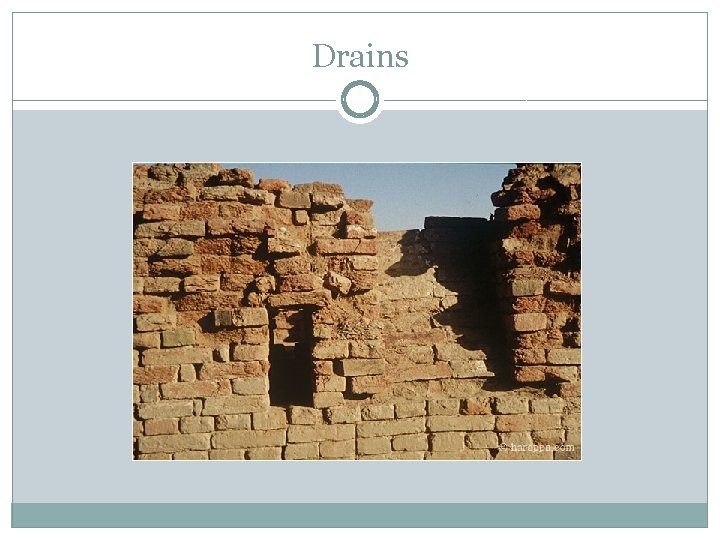
Drains
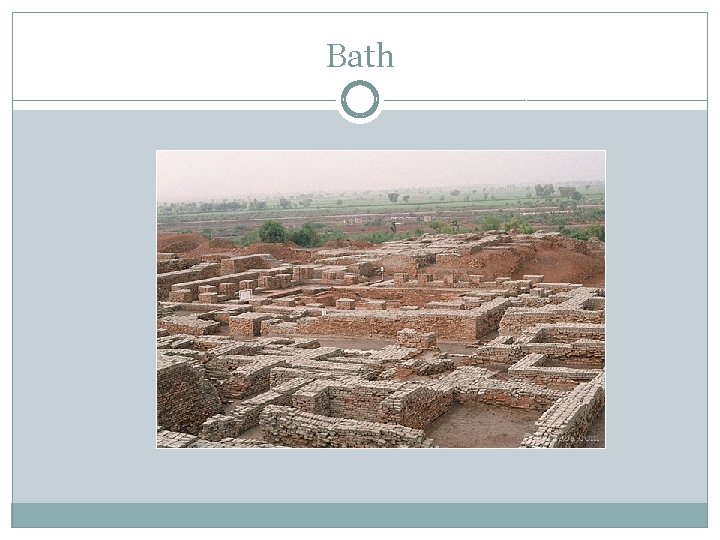
Bath
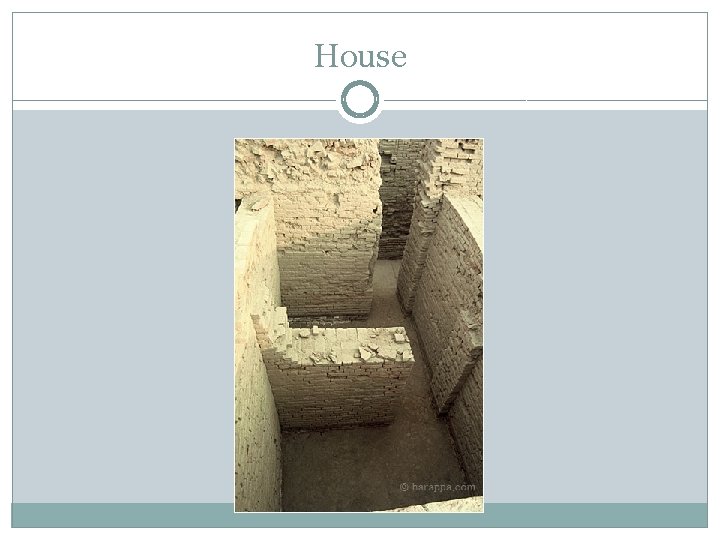
House
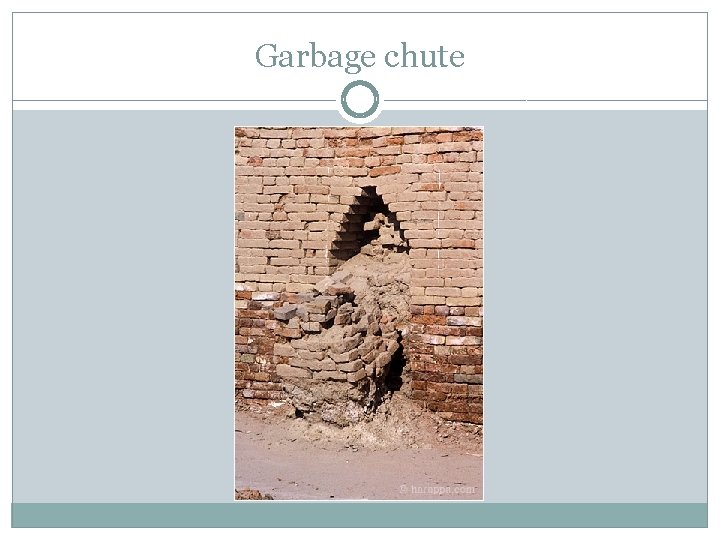
Garbage chute
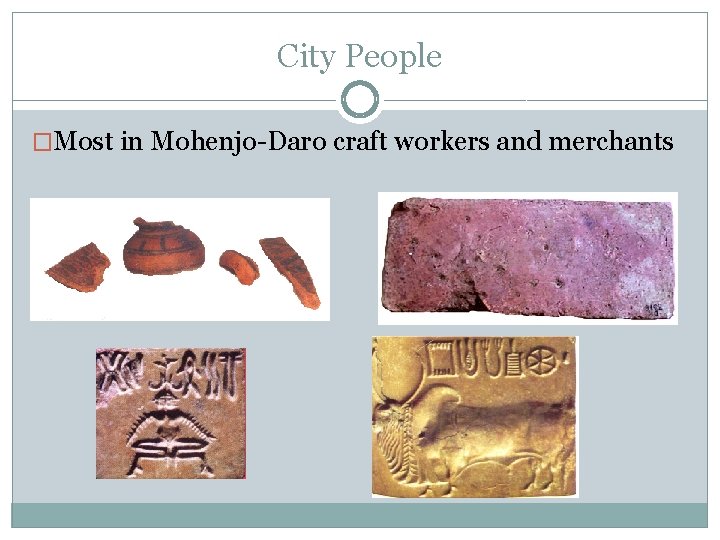
City People �Most in Mohenjo-Daro craft workers and merchants
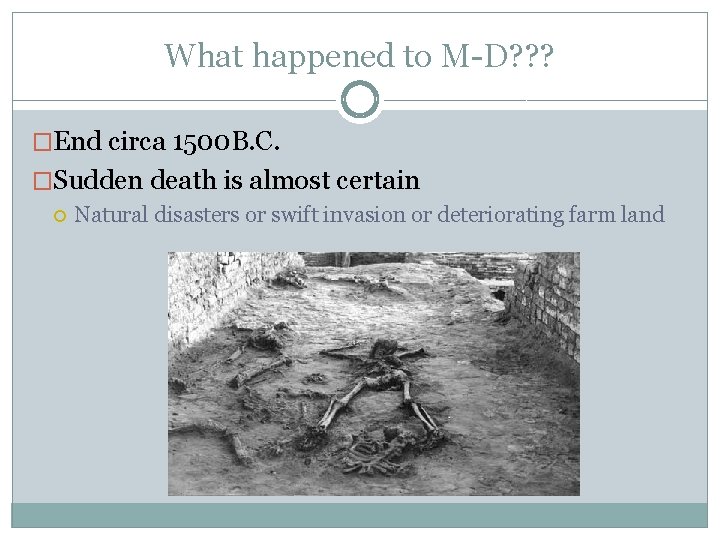
What happened to M-D? ? ? �End circa 1500 B. C. �Sudden death is almost certain Natural disasters or swift invasion or deteriorating farm land
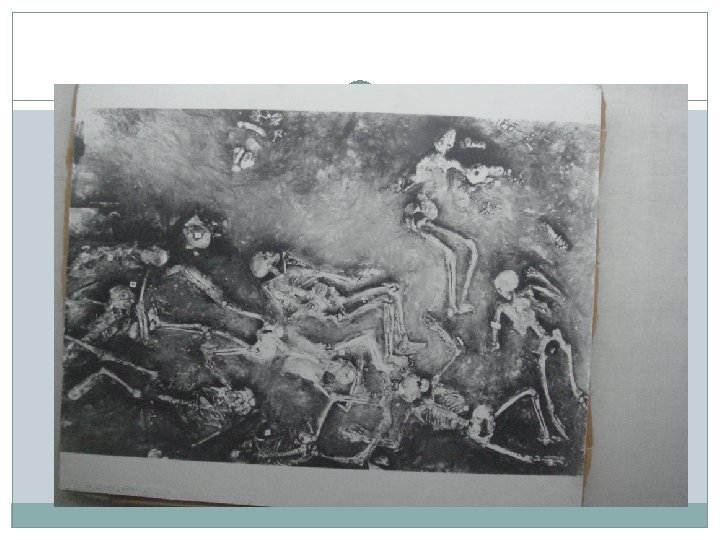
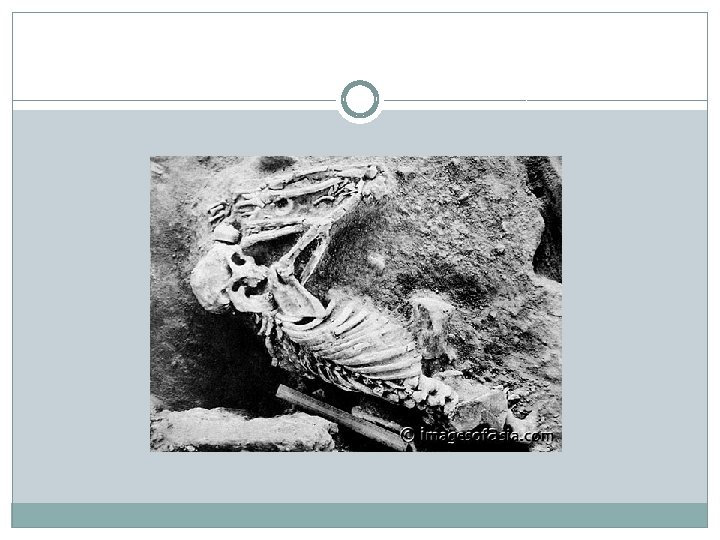
Assimilation �Those who survived became a part of other cultures
Aryans �Aryans 1 st immigrants circa 1500 B. C. Warriors and herders �Brought many changes – different customs and ideas �Immigrated over hundreds of years �Where did they come from? Where did they immigrate to? �What did they introduce to India?
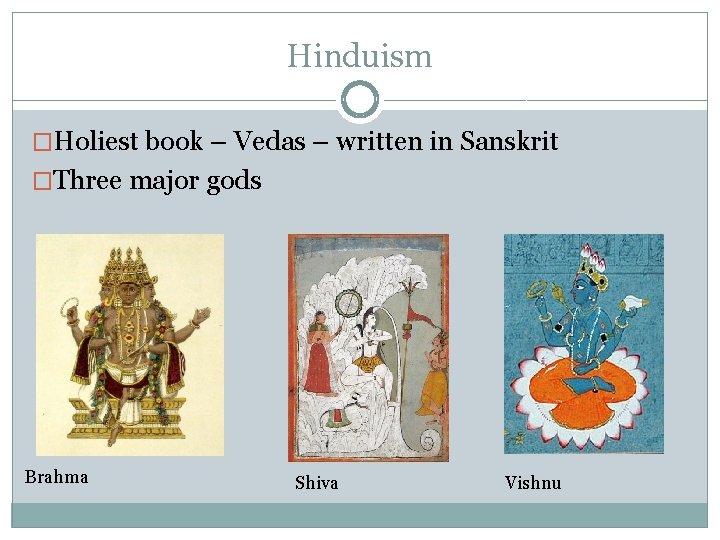
Hinduism �Holiest book – Vedas – written in Sanskrit �Three major gods Brahma Shiva Vishnu
Hinduism cont. �In the Western tradition God is viewed as a personal being who thinks, creates, and loves as we do. (He) �Hinduism – ultimate reality is unknown and impersonal (It) – Brahman is the only reality �The soul is called atman – Brahman is atman and atman is Brahman (let me explain) �Umbrella religion practiced by 85% of 700 million people in India �No founder, no fixed doctrines, no common worship
Founders �Judaism – Abraham and Moses �Church of England – Henry VIII �Calvinism – Calvin �Presbyterian – Knox �Puritans – Cartwright �Baptists – Smith �Methodists – Wesley �Islam - Muhammad
Beliefs �Polytheistic – 300 million gods and goddesses �Cow is sacred �Reincarnation Karma and Samsara Karma- every person is born into a life merited by the deeds his or her former life. Samsara- process of rebirth Good deeds, spiritual exercise, and meditation lead to good karma
Reincarnation �A person must go through countless rebirths �Deeds determine social placement �The goal is to reach “enlightenment” �Eventually after billions of years all of creation is dissolved and Brahman exists alone, it eventually creates a new society.
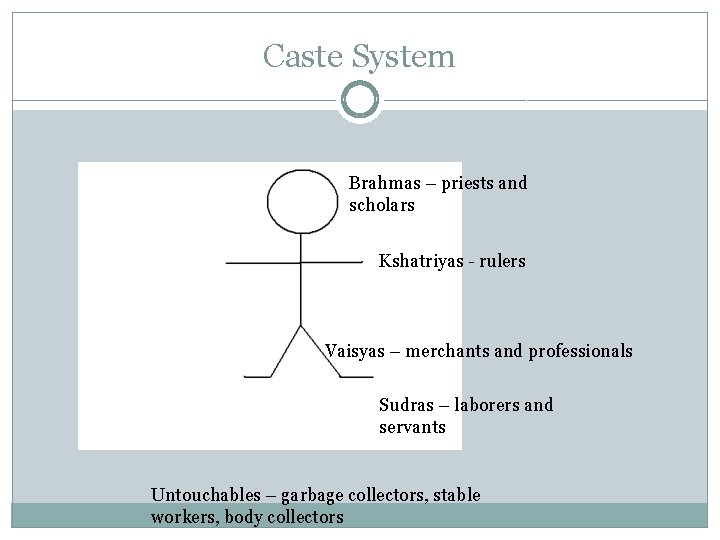
Caste System Brahmas – priests and scholars Kshatriyas - rulers Vaisyas – merchants and professionals Sudras – laborers and servants Untouchables – garbage collectors, stable workers, body collectors
The rules �No going between castes for anything!!!!!!! �Untouchables were well below everyone else in society – not even their shadows could touch a member of a higher caste �Reincarnation can change a persons caste, nothing else!!!!
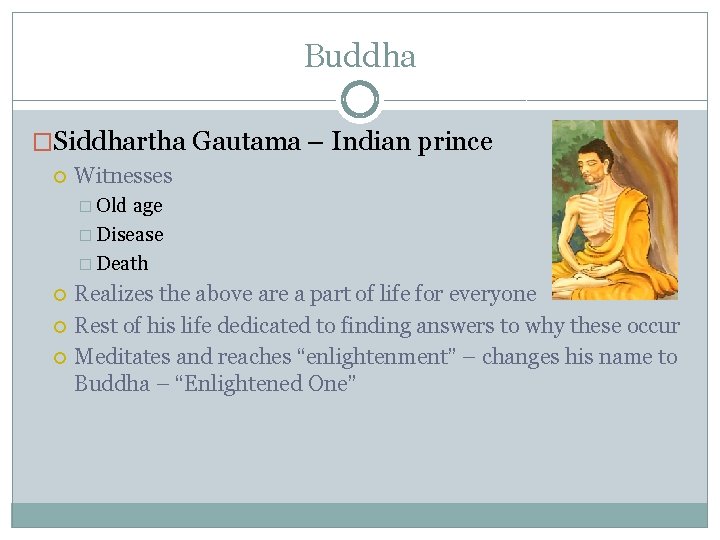
Buddha �Siddhartha Gautama – Indian prince Witnesses � Old age � Disease � Death Realizes the above are a part of life for everyone Rest of his life dedicated to finding answers to why these occur Meditates and reaches “enlightenment” – changes his name to Buddha – “Enlightened One”
Buddhism �Suffering is part of life. �Wanting things brings suffering �People can find peace by giving up wants �Follow the Eightfold Path
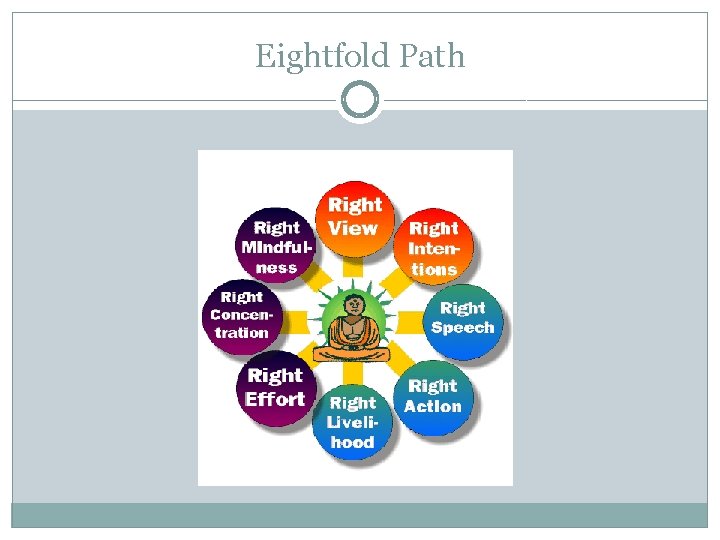
Eightfold Path
Is Buddhism a religion? ? ? �A strong belief in a supernatural power or powers that control human destiny. �An institution to express belief in a divine power. �A belief concerning the supernatural, sacred, or divine, and the practices and institutions associated with such belief. �The sum total of answers given to explain humankind’s relationship with the universe.
Empires in India �India divided into large city-states ruled by rajahs (princes) � 320 B. C. Chandragupta Maurya first to unite India. Harsh ruler � Cruel leader � Slaves � Had many enemies � Assassination attempts – assassination murder for political reasons Limited public appearances, food taste testers, slept in different rooms
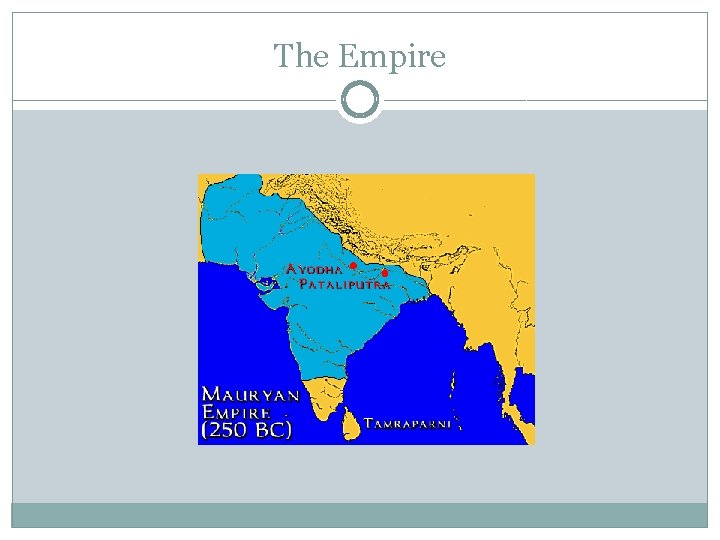
The Empire
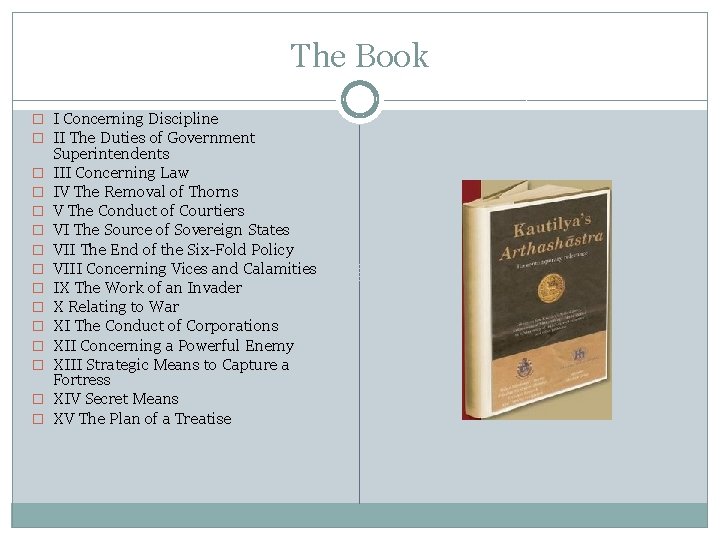
The Book � I Concerning Discipline � II The Duties of Government � � � � Superintendents III Concerning Law IV The Removal of Thorns V The Conduct of Courtiers VI The Source of Sovereign States VII The End of the Six-Fold Policy VIII Concerning Vices and Calamities IX The Work of an Invader X Relating to War XI The Conduct of Corporations XII Concerning a Powerful Enemy XIII Strategic Means to Capture a Fortress XIV Secret Means XV The Plan of a Treatise
- Slides: 48