
Ancient History Introduction Cities Civilizations Mesopotamia Ancient India

- Slides: 19
Ancient History Introduction Cities & Civilizations
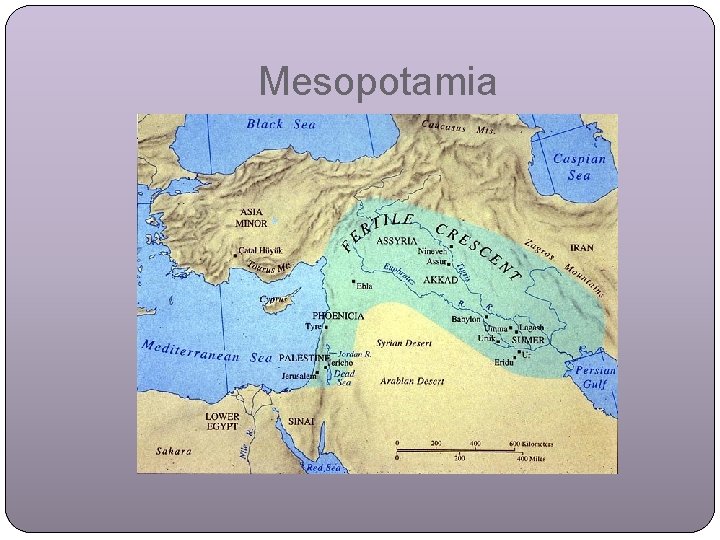
Mesopotamia
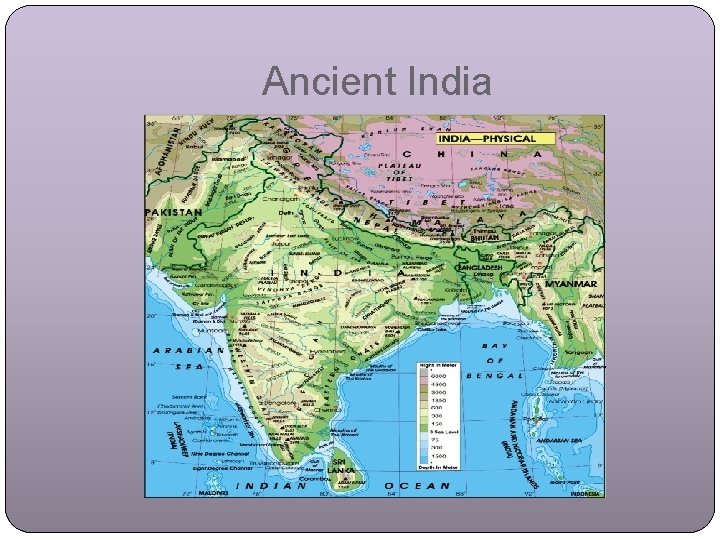
Ancient India
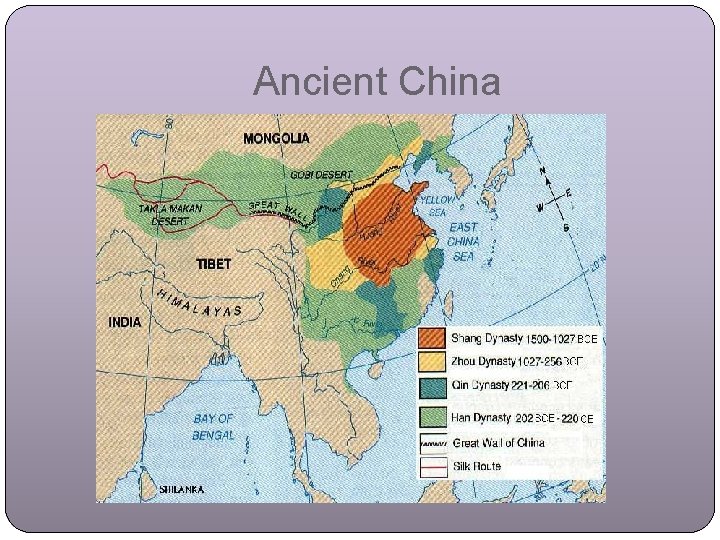
Ancient China
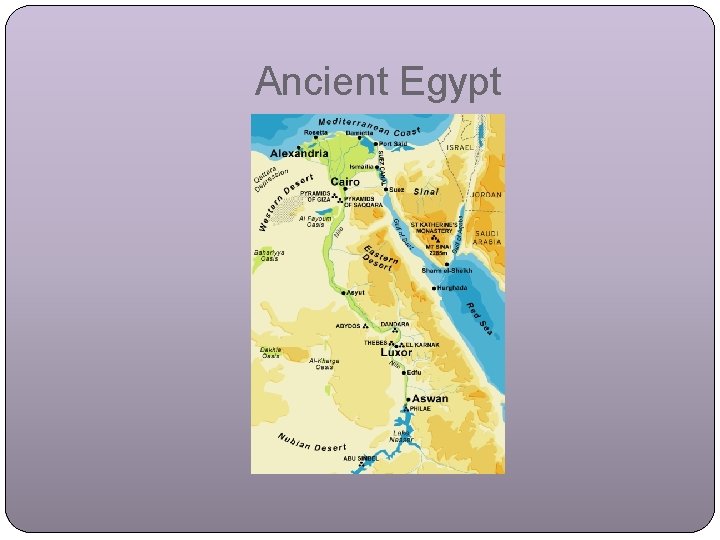
Ancient Egypt
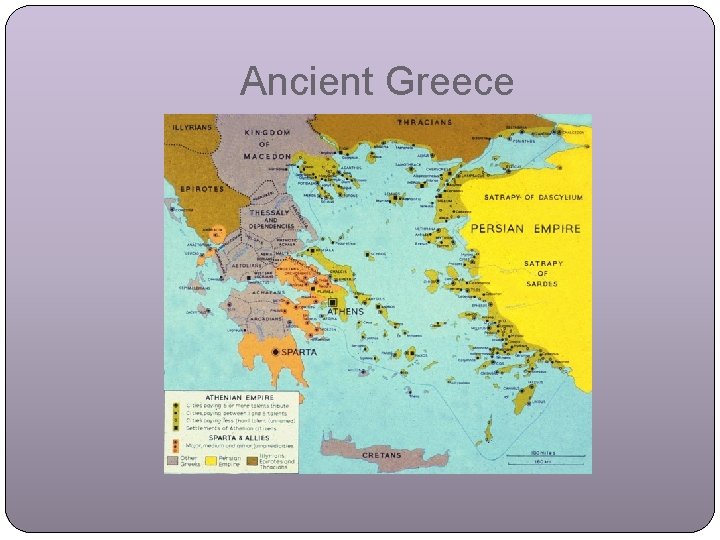
Ancient Greece
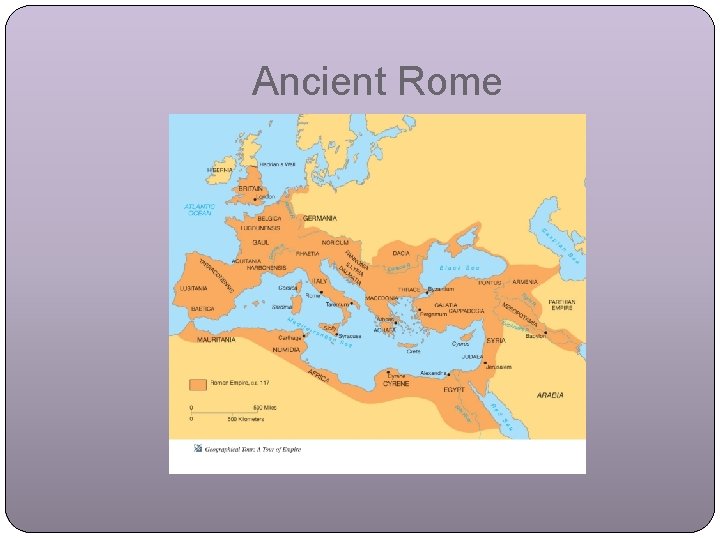
Ancient Rome
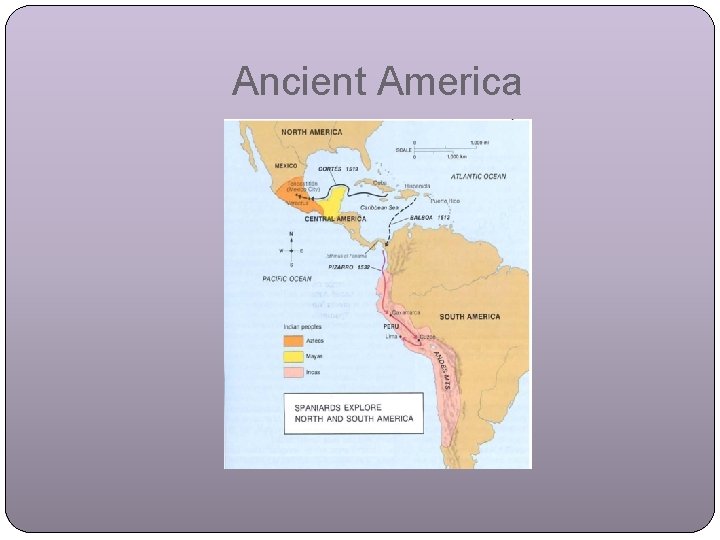
Ancient America
Cities and Civilizations �Civilization is mostly an urban phenomenon �Civilization is nurtured in an urban environment �Famous people came from cities �Art, technology, writing, etc. came from cities
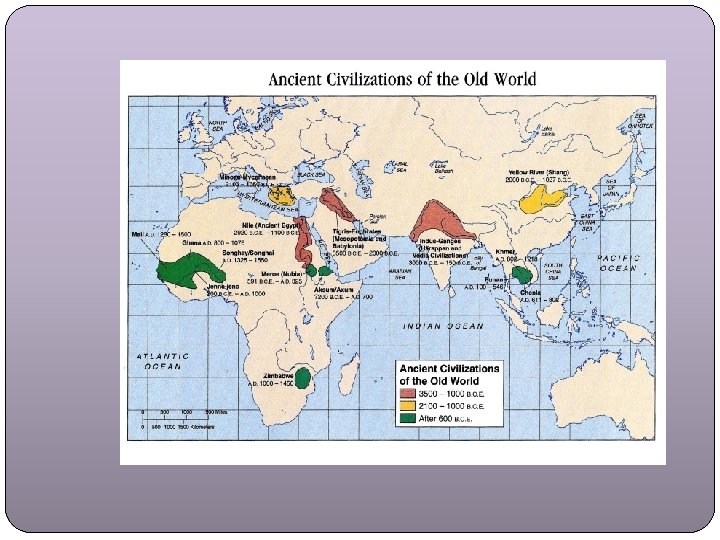
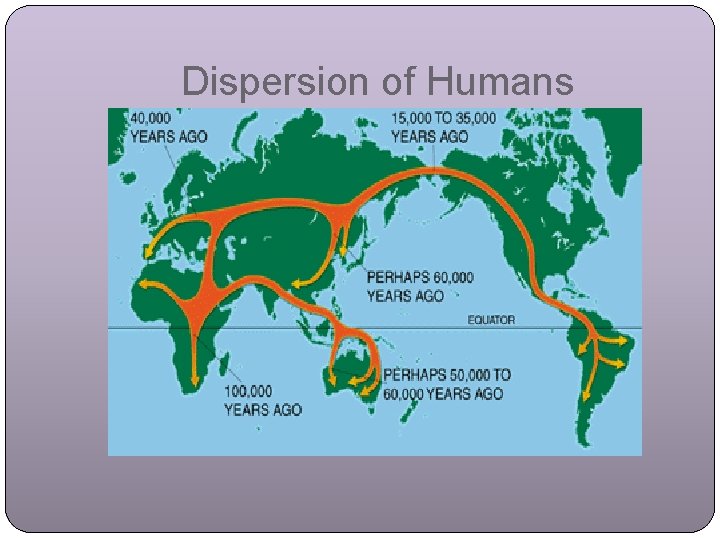
Dispersion of Humans
Life on Ancient Farms � 80% of ancient civilizations lived on farms �Class would be boring if we focused on farms and farming technique �Born on small family farm �Likely to die in childhood �Barely grew enough food for survival �Lived a few decades if you survived childhood �Rarely left your land �Never travelled more than 20 miles
Life on Ancient Farms �Never saw a king or fought in a battle �Illiterate �Never saw a work of art �Never had cultural experiences �Equally accurate no matter where they lived on the planet � 80% of all humans lived this way prior to the Industrial Revolution � 25% to 33% of all babies died in the 1 st year of life �Childhood disease claimed many others
Life on Ancient Farms �If a woman lived to puberty she had to give birth 5 times to keep population stable �Few people lived to old age � 5% of men lived past 50 in the Roman Empire
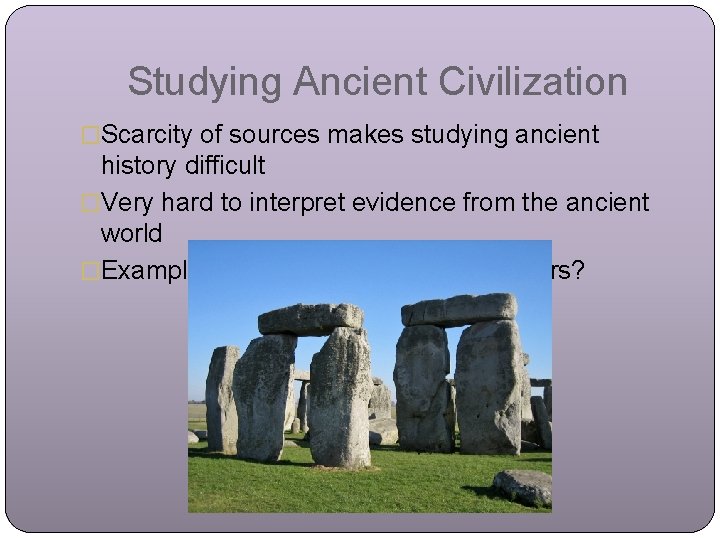
Studying Ancient Civilization �Scarcity of sources makes studying ancient history difficult �Very hard to interpret evidence from the ancient world �Example – stone towers in Africa – altars?
Studying Ancient Civilization
Studying Ancient Civilization �Ancient writers were very biased �Scholars disagree and debate actuality of events
Themes for this Class � 1. Physical environment affects how culture evolves � 2. When 2 civilizations collide or intermingle either peacefully or not – key changes occur � 3. Innovations or experiences that occur across all civilizations � 4. Contemporary culture today has basis in ancient history (how we live and interact)