
Ancient Greece The Minoans Mycenaean 2000 1200 BCE
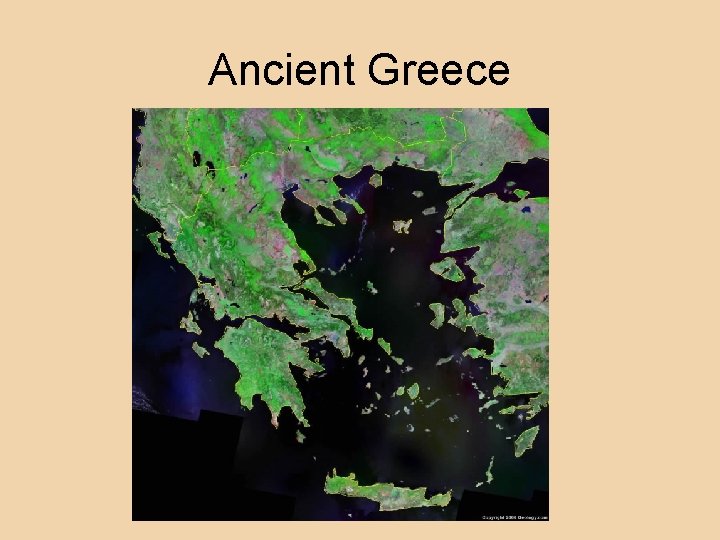
Ancient Greece
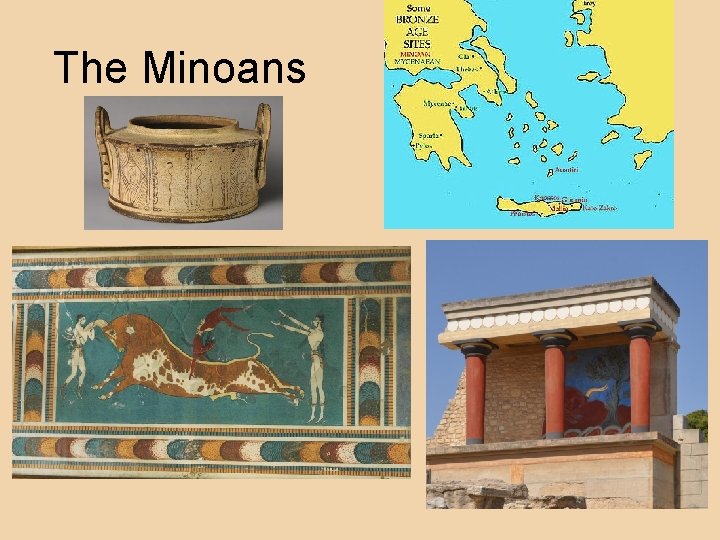
The Minoans
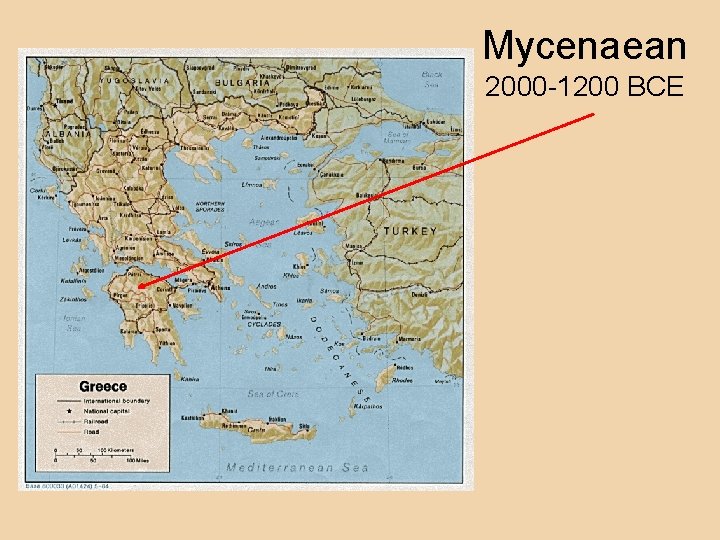
Mycenaean 2000 -1200 BCE
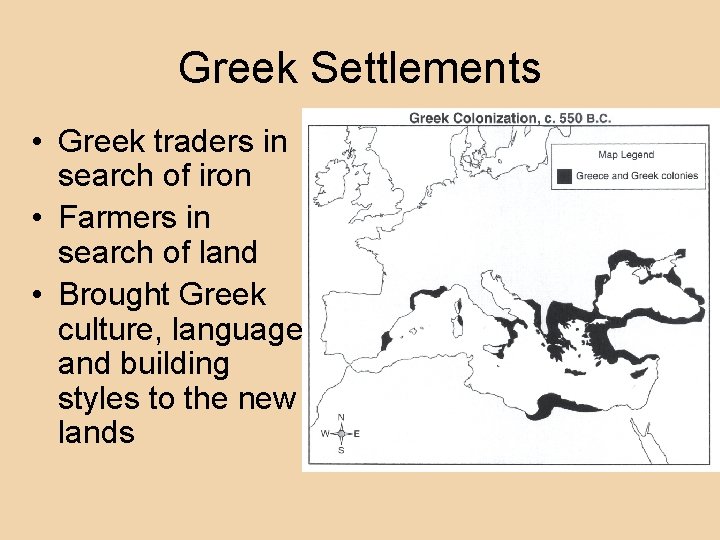
Greek Settlements • Greek traders in search of iron • Farmers in search of land • Brought Greek culture, language, and building styles to the new lands
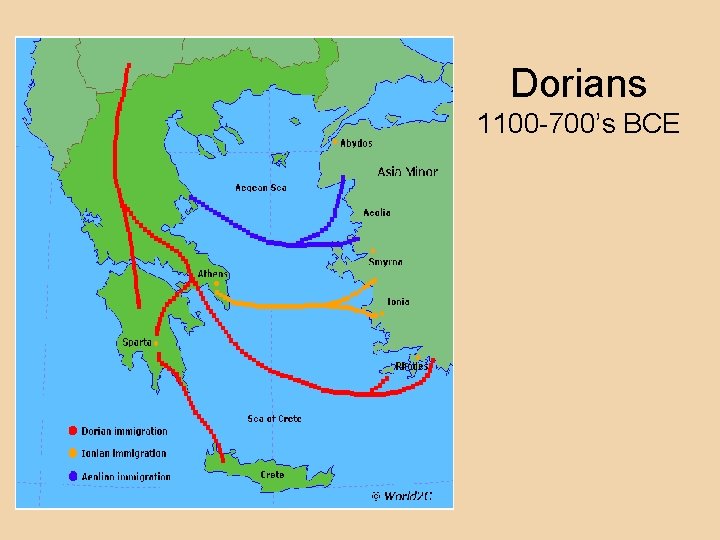
Dorians 1100 -700’s BCE
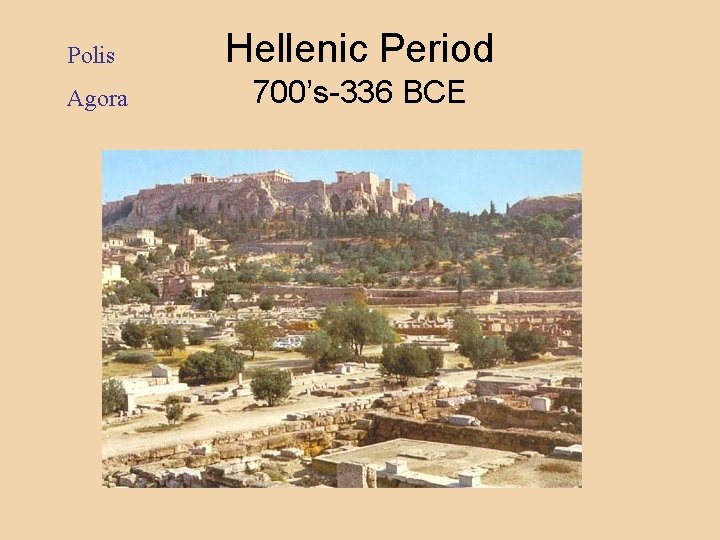
Polis Hellenic Period Agora 700’s-336 BCE
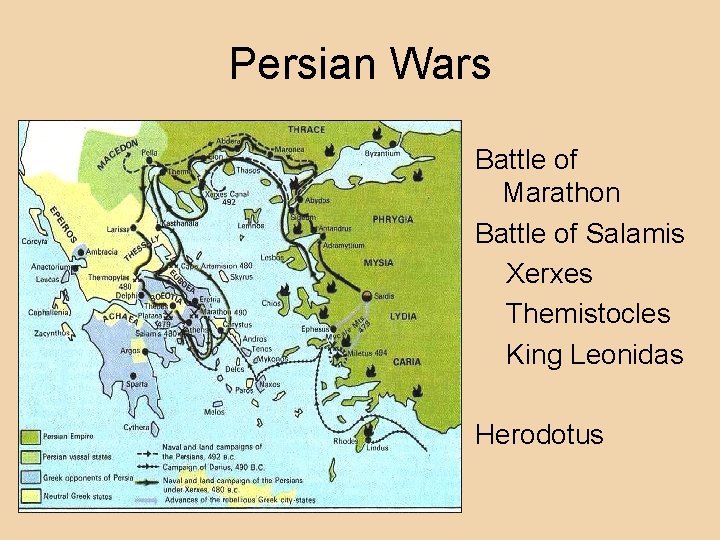
Persian Wars Battle of Marathon Battle of Salamis Xerxes Themistocles King Leonidas Herodotus
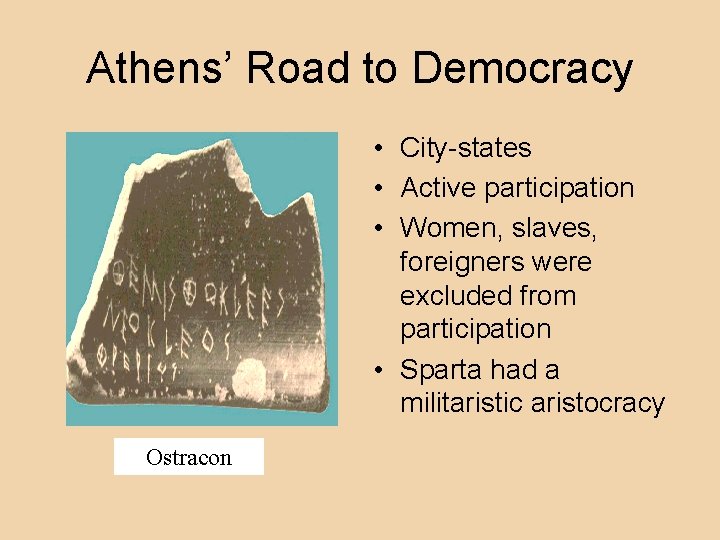
Athens’ Road to Democracy • City-states • Active participation • Women, slaves, foreigners were excluded from participation • Sparta had a militaristic aristocracy Ostracon
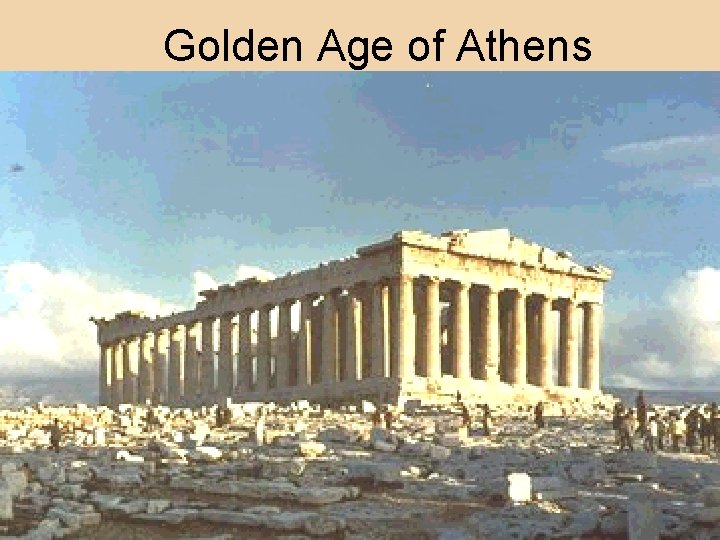
Golden Age of Athens
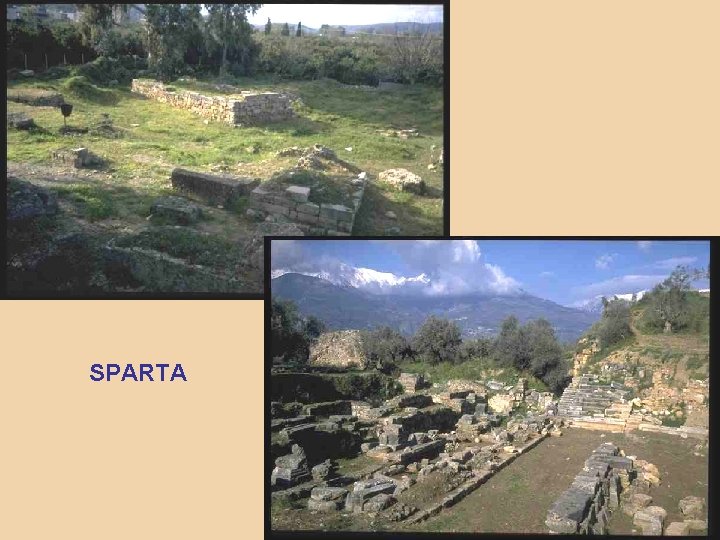
SPARTA
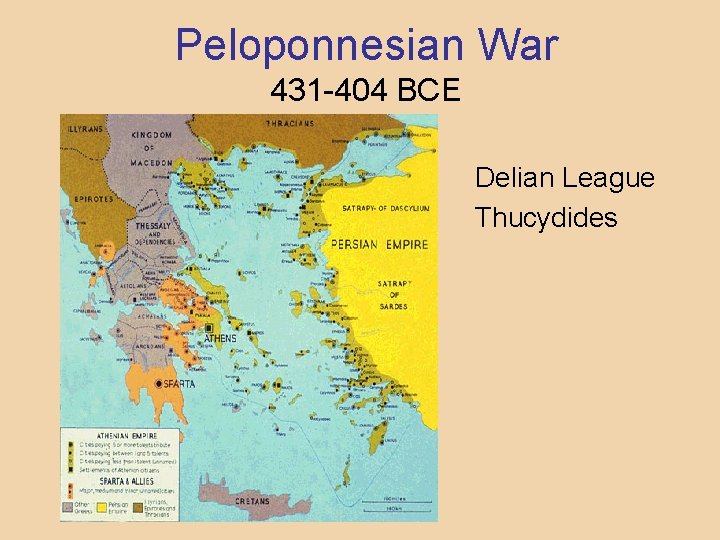
Peloponnesian War 431 -404 BCE Delian League Thucydides
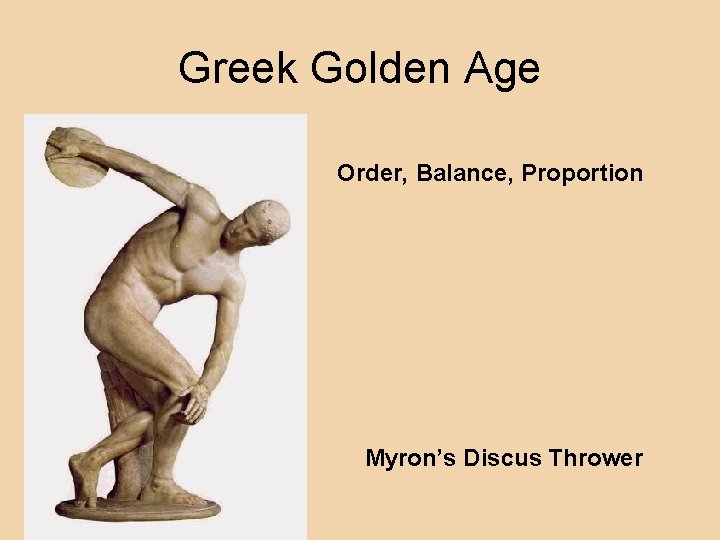
Greek Golden Age Order, Balance, Proportion Myron’s Discus Thrower
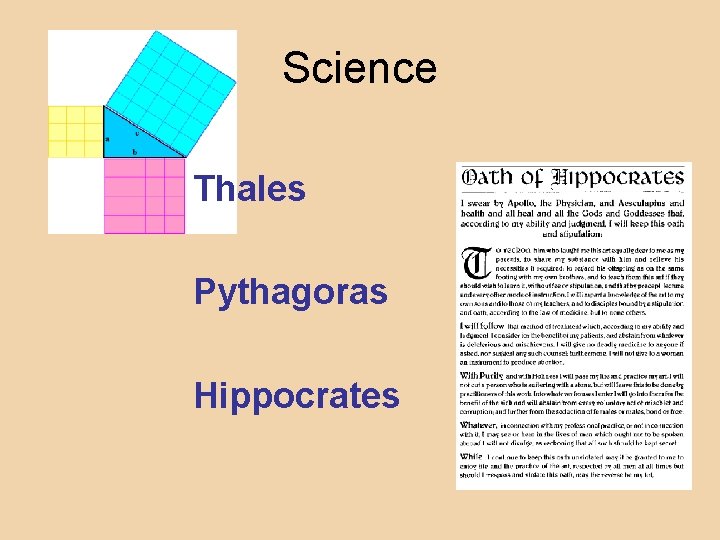
Science Thales Pythagoras Hippocrates
Philosophy • Sophists— “man is the measure of all things” • Socrates—absolute truth – Examine your beliefs – Socratic Method • Plato—Republic – his vision of a perfectly governed society • Aristotle—Logic – Method for arguing according to rules of logic – Alexander the Great’s teacher
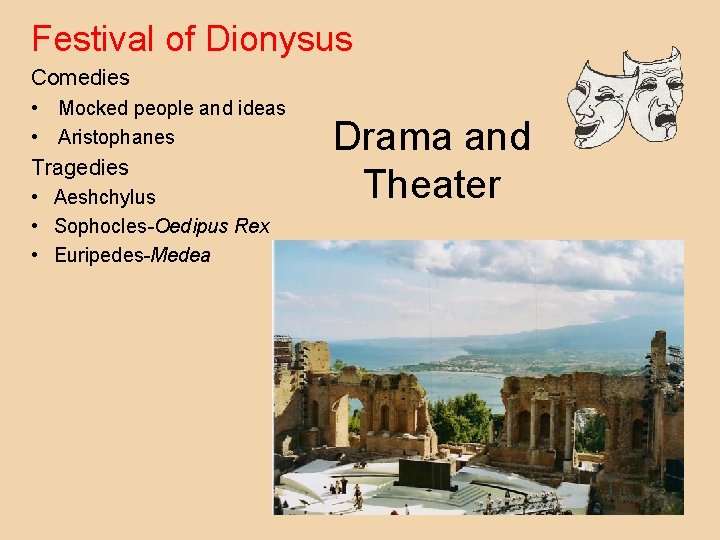
Festival of Dionysus Comedies • Mocked people and ideas • Aristophanes Tragedies • Aeshchylus • Sophocles-Oedipus Rex • Euripedes-Medea Drama and Theater
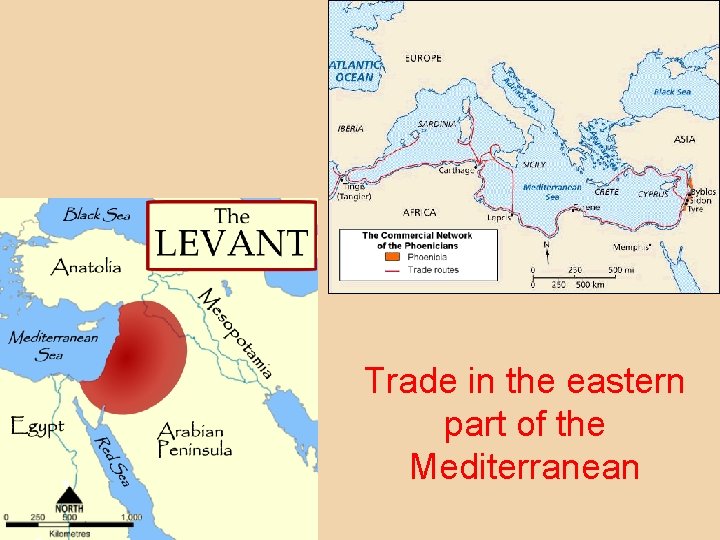
Trade in the eastern part of the Mediterranean
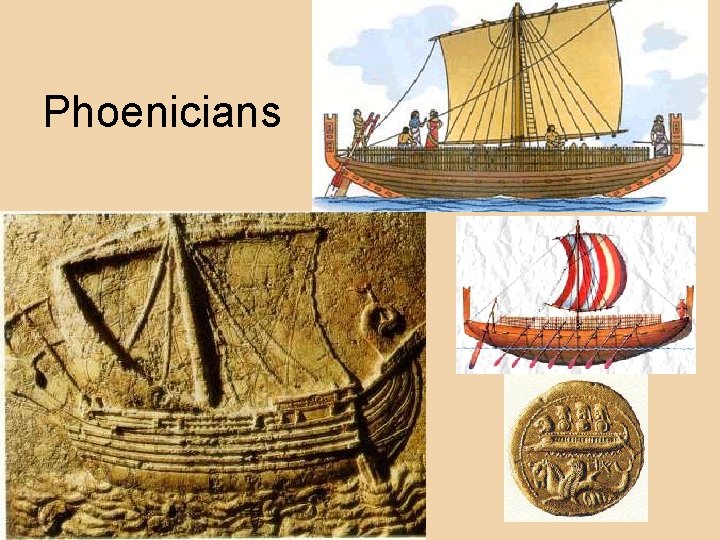
Phoenicians
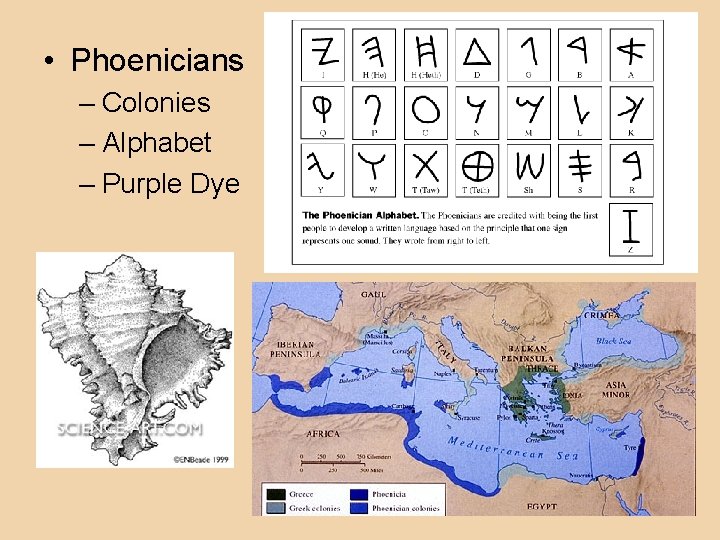
• Phoenicians – Colonies – Alphabet – Purple Dye
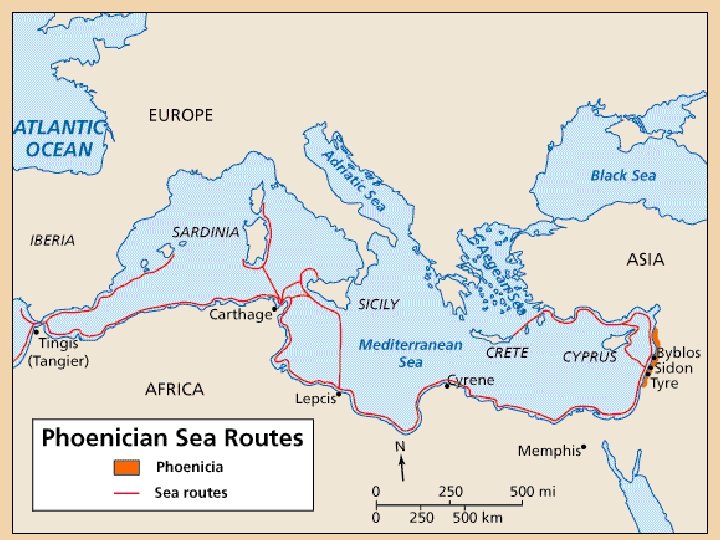
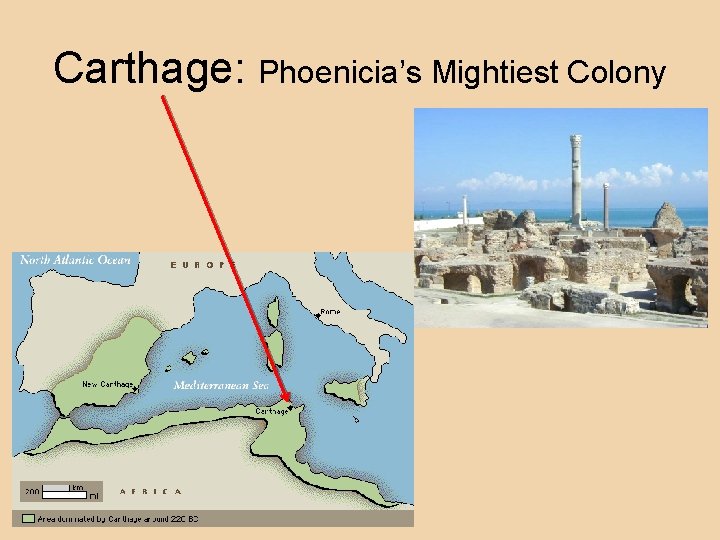
Carthage: Phoenicia’s Mightiest Colony
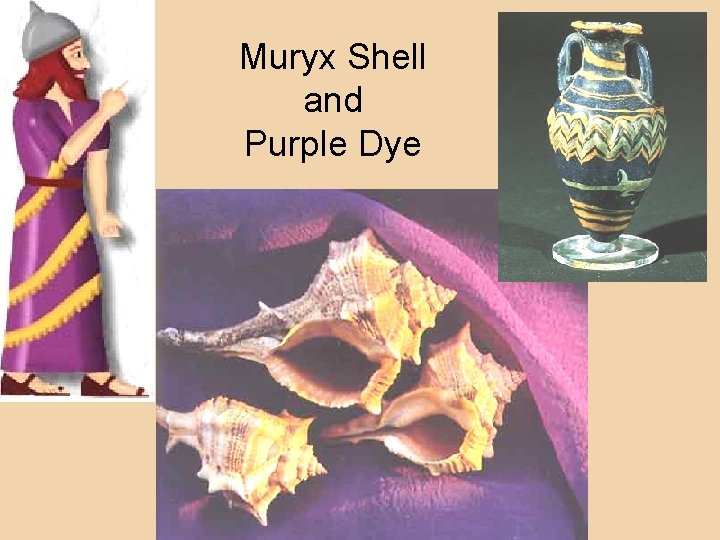
Muryx Shell and Purple Dye
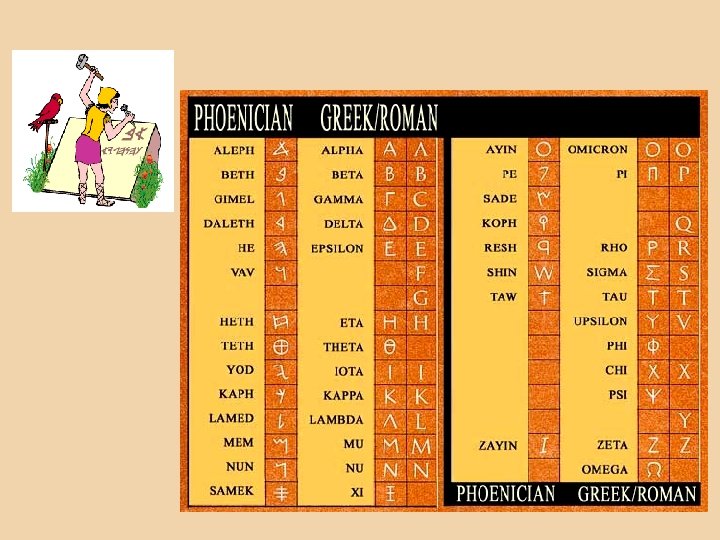
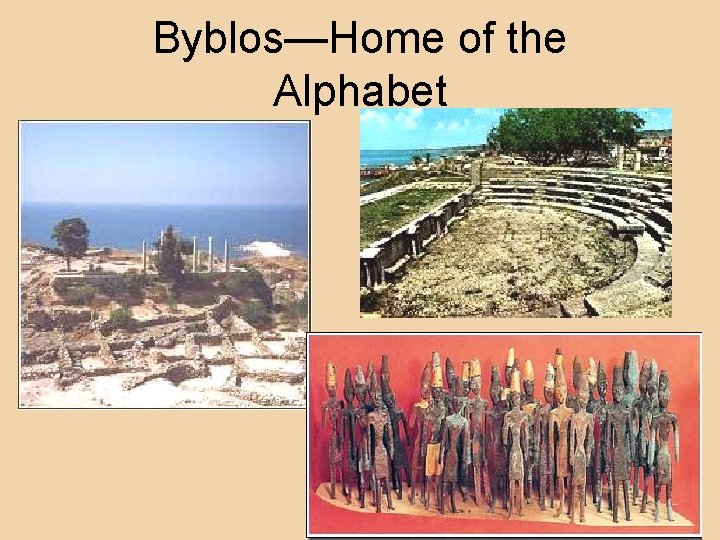
Byblos—Home of the Alphabet
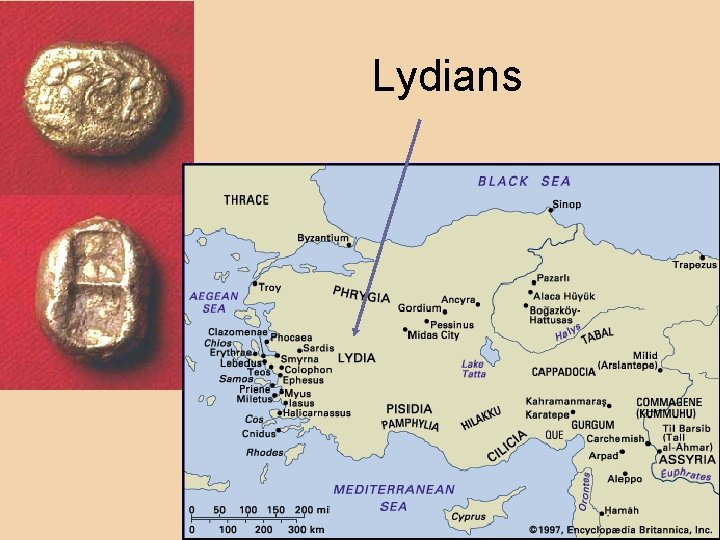
Lydians
Persia and Hellenistic Period
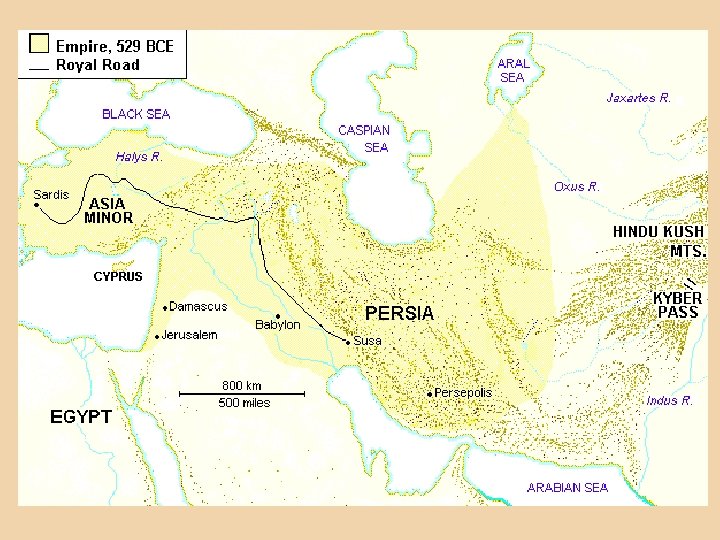
The persian empire ACHAEMENID EMPIRE 550 -530 BCE—CYRUS THE GREAT
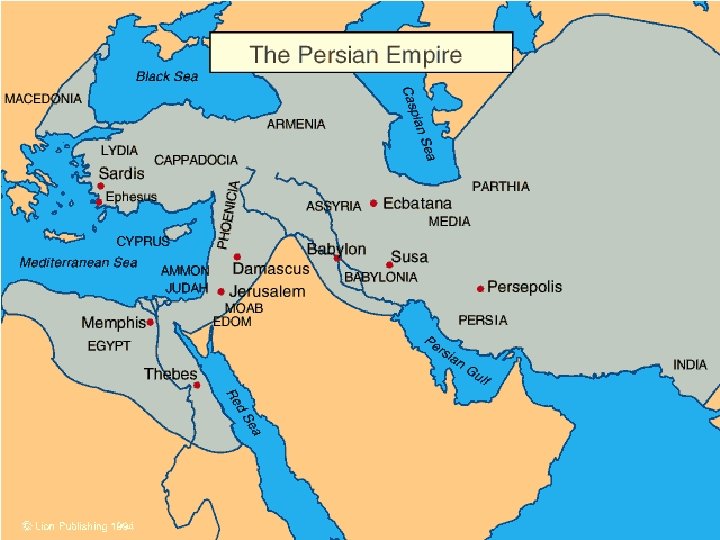
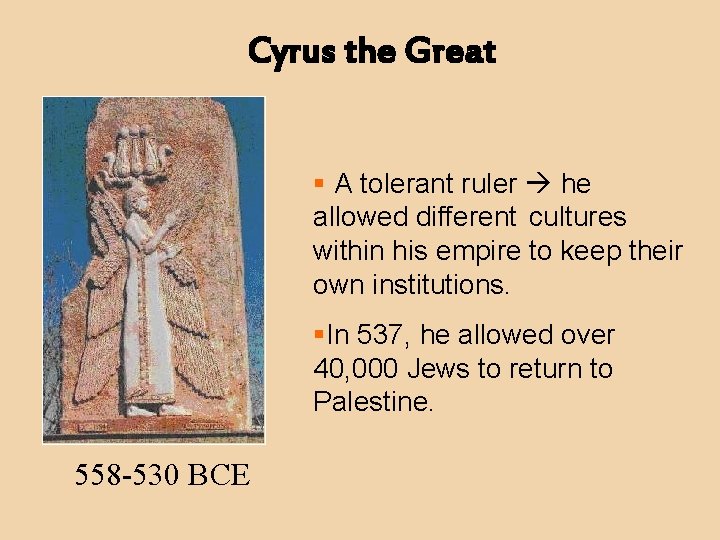
Cyrus the Great § A tolerant ruler he allowed different cultures within his empire to keep their own institutions. §In 537, he allowed over 40, 000 Jews to return to Palestine. 558 -530 BCE
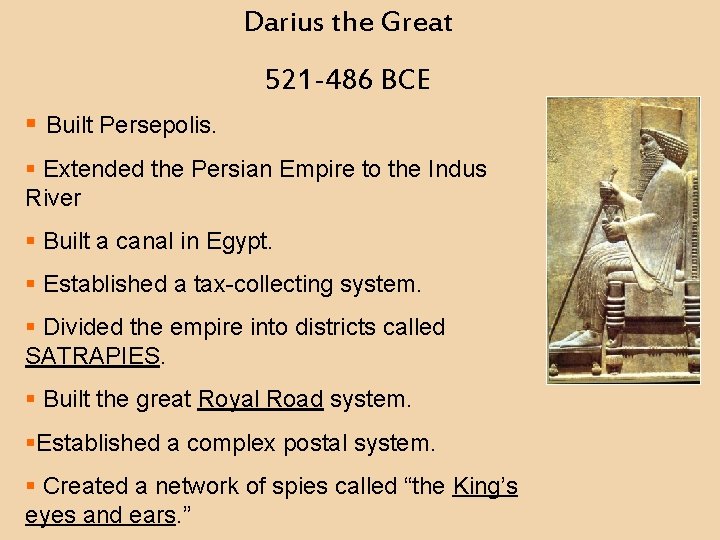
Darius the Great 521 -486 BCE § Built Persepolis. § Extended the Persian Empire to the Indus River § Built a canal in Egypt. § Established a tax-collecting system. § Divided the empire into districts called SATRAPIES. § Built the great Royal Road system. §Established a complex postal system. § Created a network of spies called “the King’s eyes and ears. ”
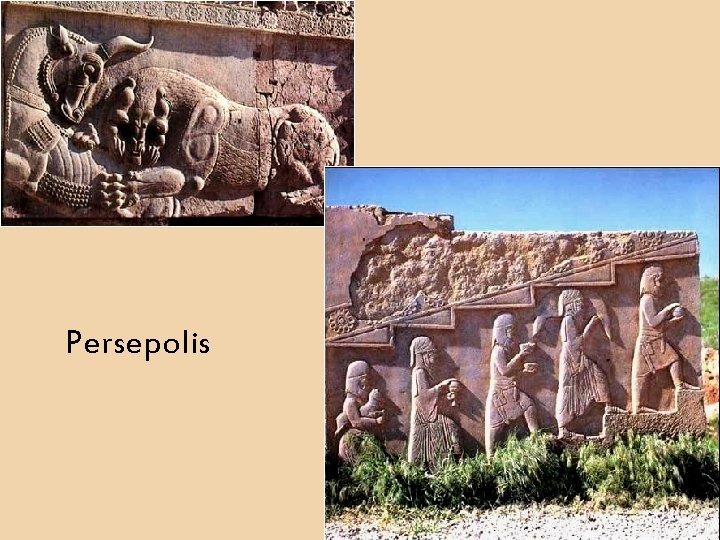
Persepolis
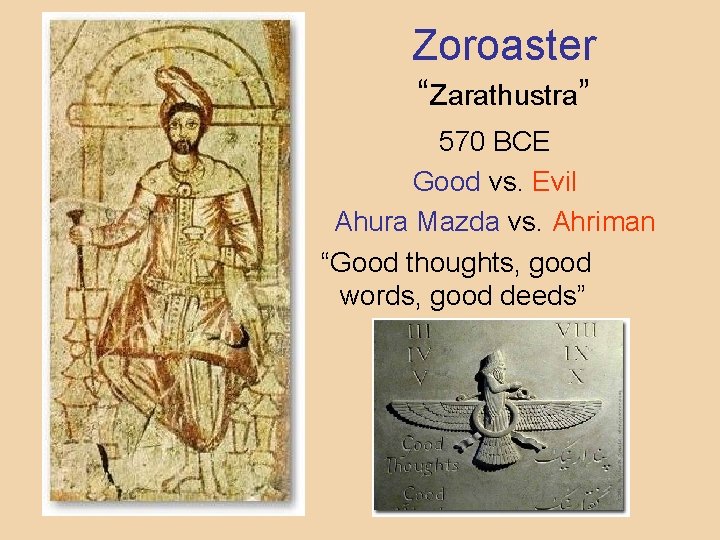
Zoroaster “Zarathustra” 570 BCE Good vs. Evil Ahura Mazda vs. Ahriman “Good thoughts, good words, good deeds”
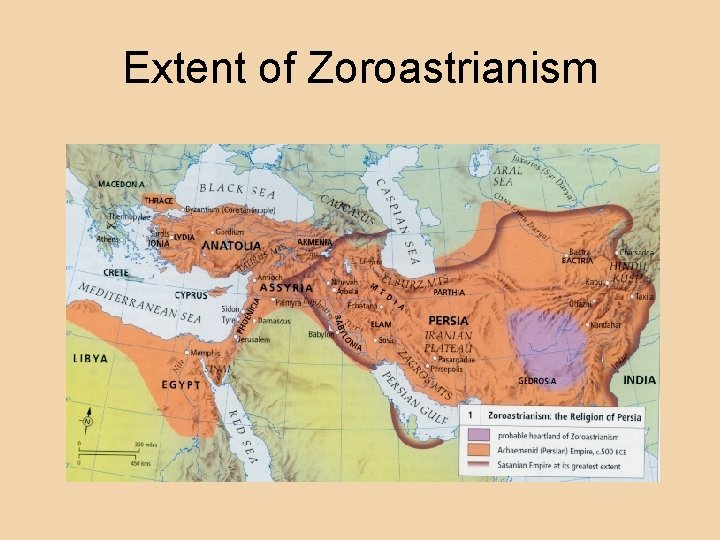
Extent of Zoroastrianism
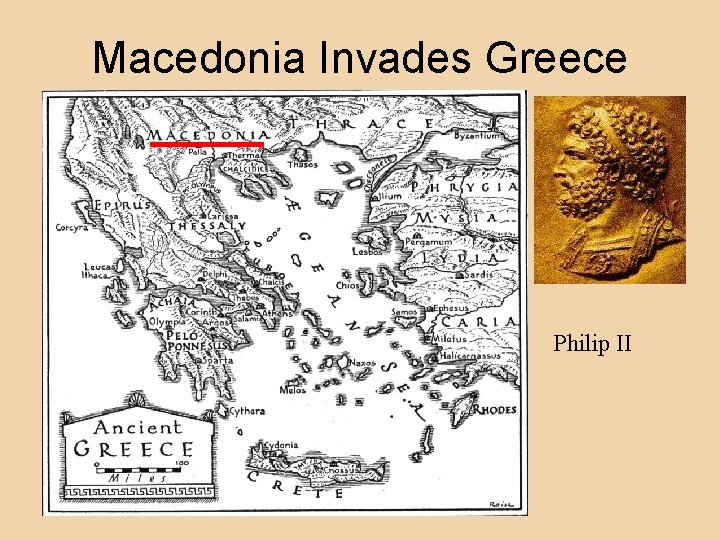
Macedonia Invades Greece Philip II
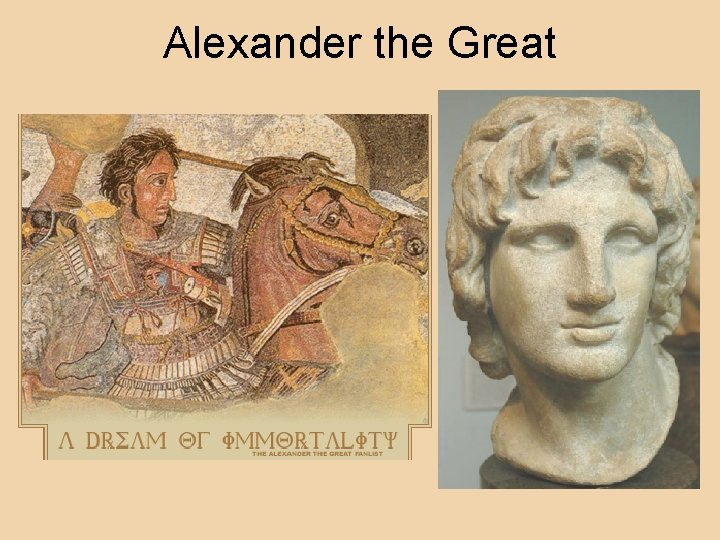
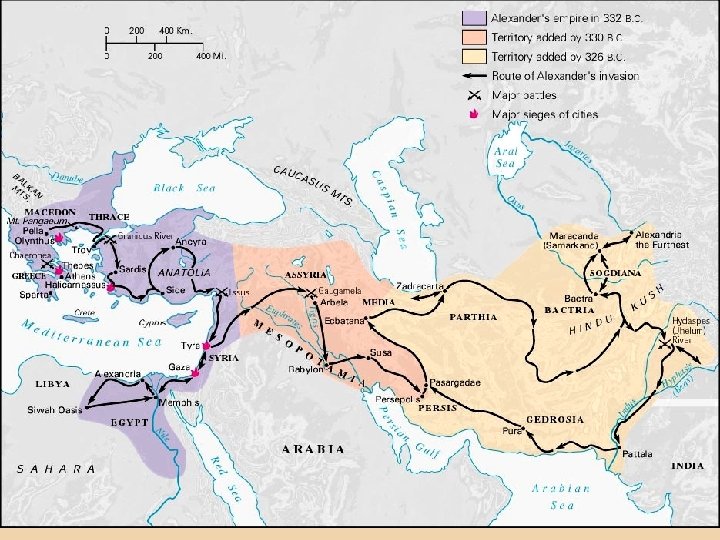
Alexander the Great
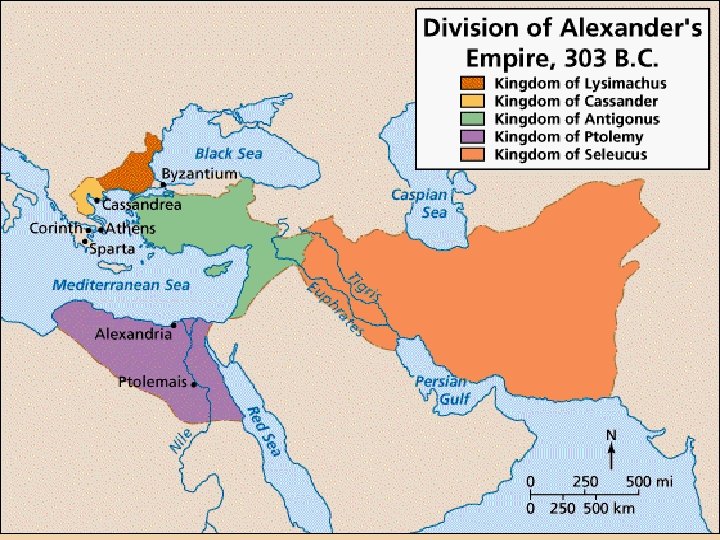
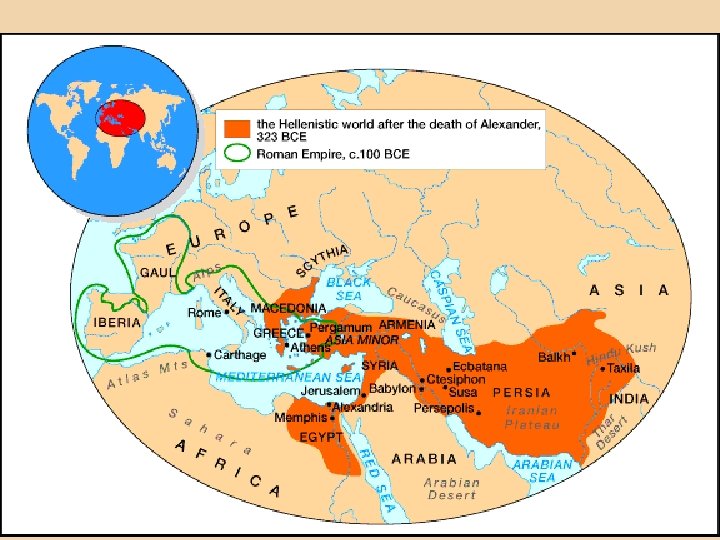
Hellenistic Greece 324 -100 BCE
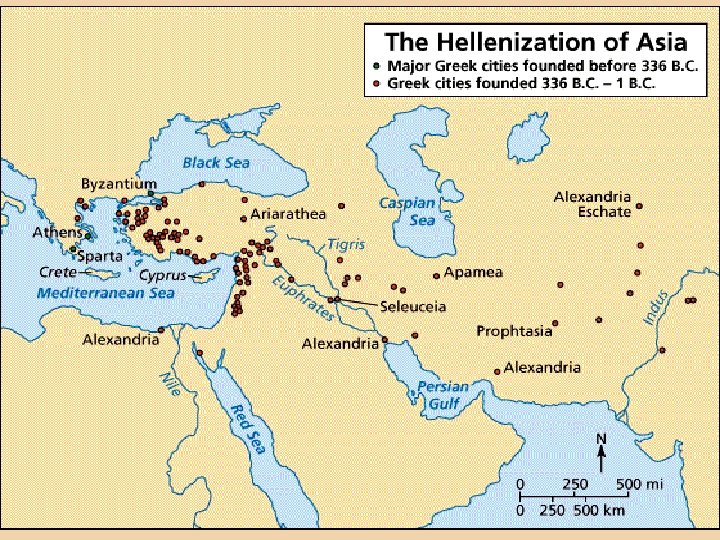
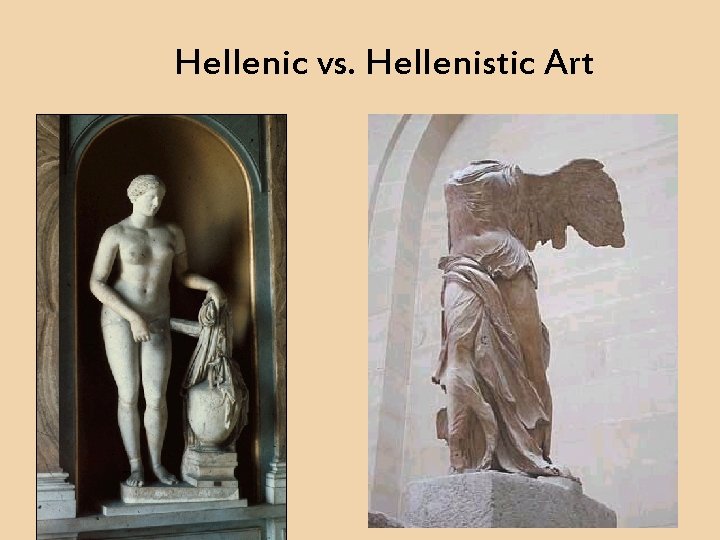
Hellenic vs. Hellenistic Art
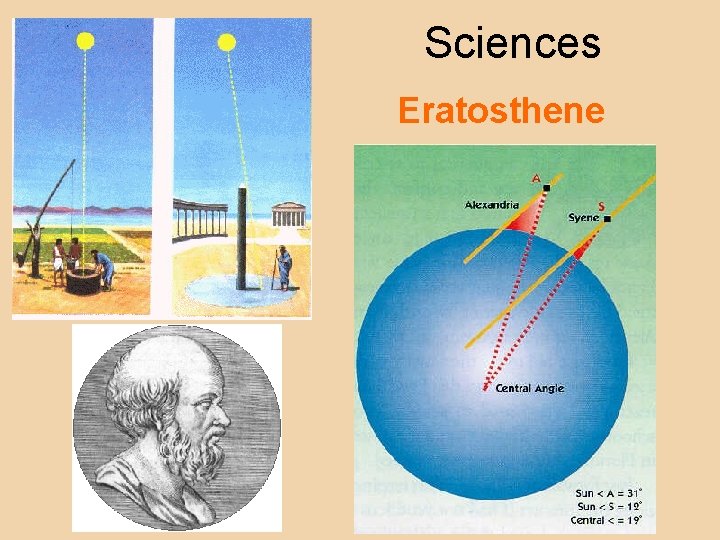
Sciences Eratosthene s
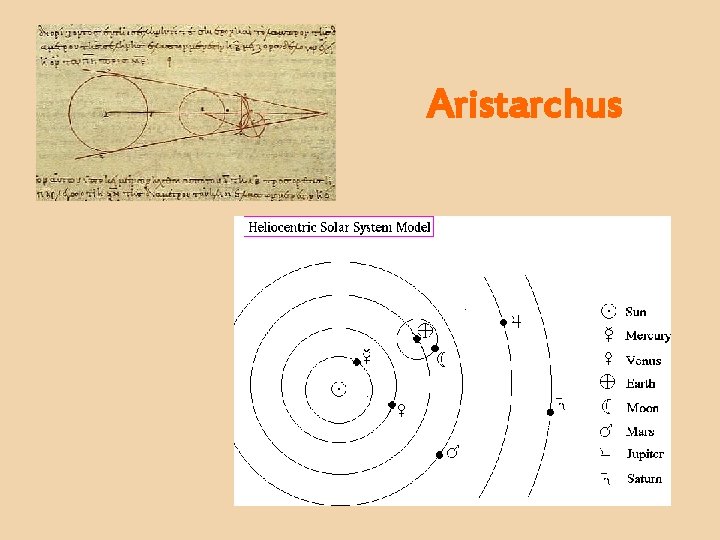
Aristarchus
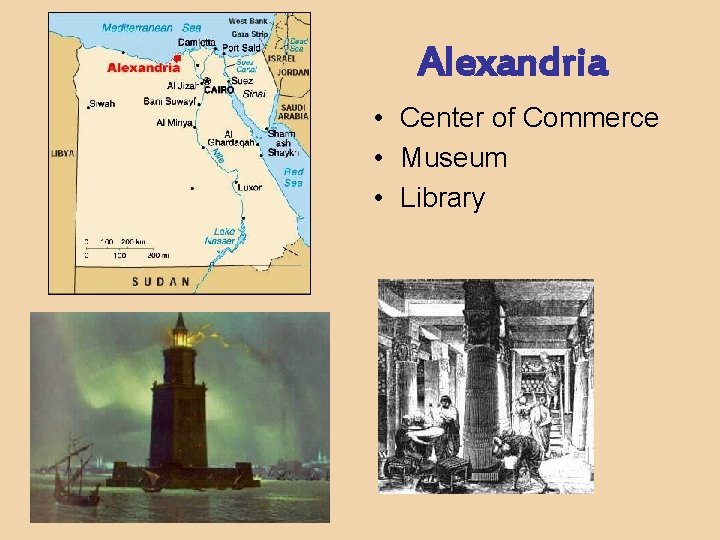
Alexandria • Center of Commerce • Museum • Library
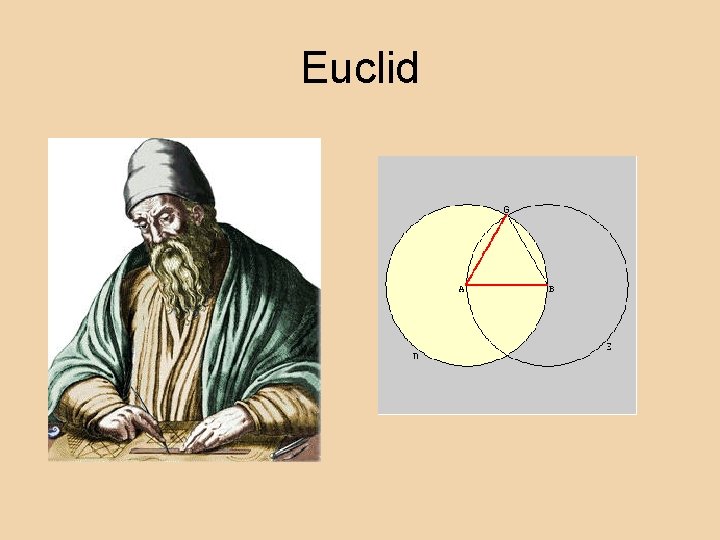
Euclid
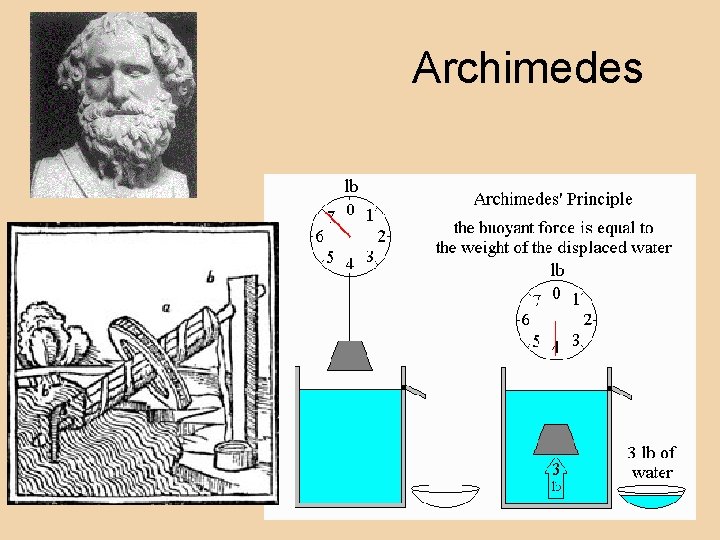
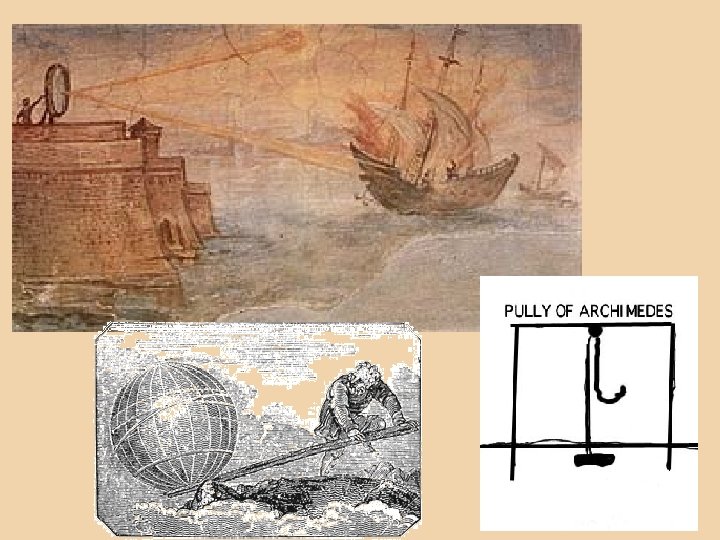
Archimedes
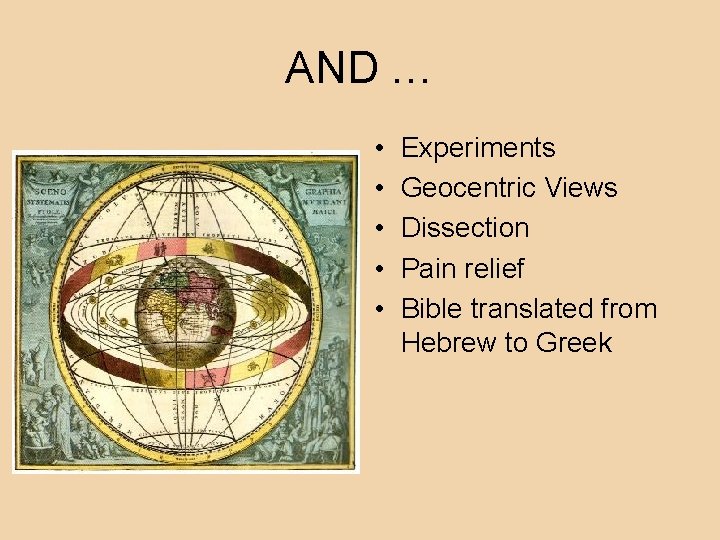
AND … • • • Experiments Geocentric Views Dissection Pain relief Bible translated from Hebrew to Greek
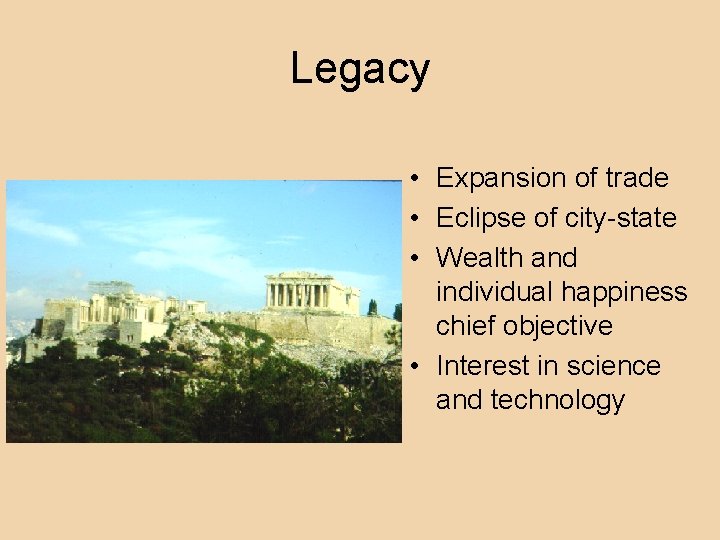
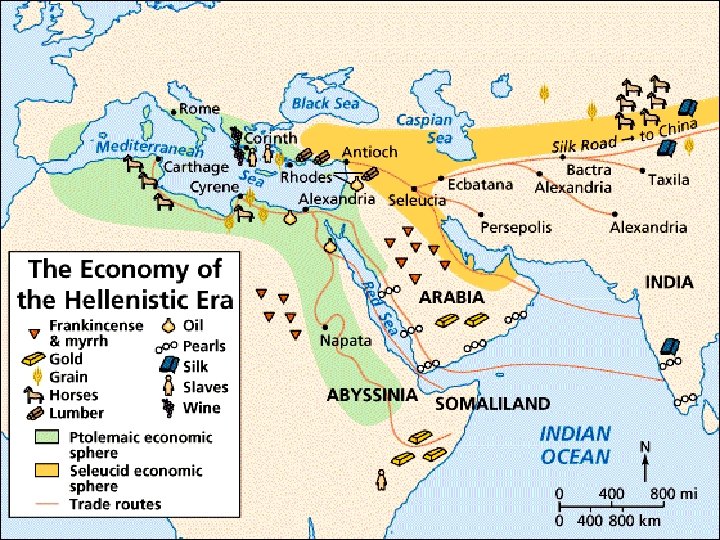
Legacy • Expansion of trade • Eclipse of city-state • Wealth and individual happiness chief objective • Interest in science and technology
- Slides: 51