
Ancient Egypt General Information Unification of two kingdoms

- Slides: 23
Ancient Egypt
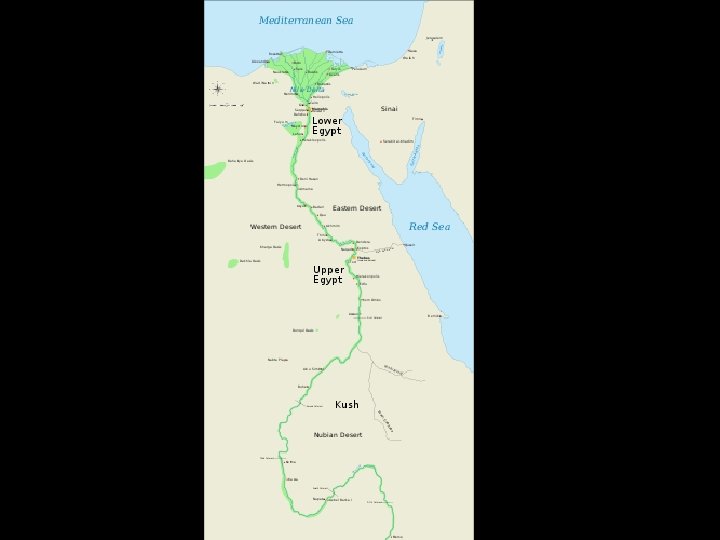
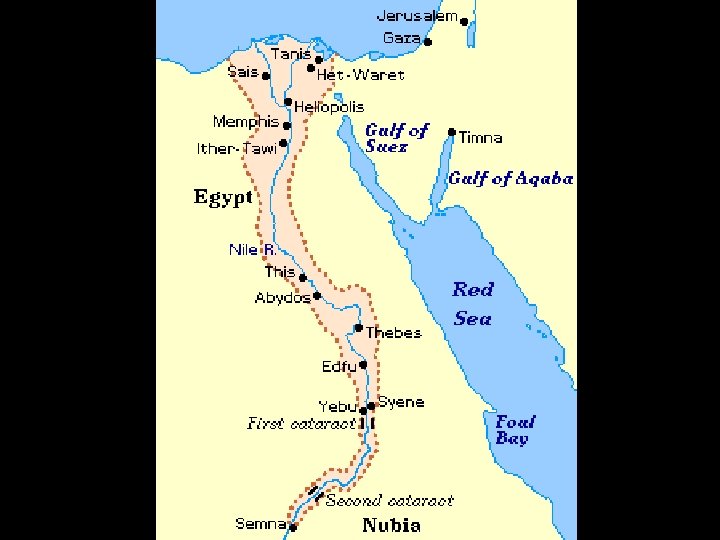
General Information • Unification of two kingdoms developed along the Nile • Lower Egypt – Located along the northern Nile – Good farmland – Access to copper mines in Sinai Peninsula • Upper Egypt – – Located along the southern Nile Established first dynasty Conquered lower Egypt, unifying the kingdom Built capital at Memphis
General Information • Approximately 30 dynasties (ruling families) from 2700 BC to 1090 BC • Dynasties ruled Egypt for a total of ~ 2700 years • Ancient Egyptian history divided into three periods – Old Kingdom – Middle Kingdom – New Kingdom • Years between kingdoms without ruling dynasty usually marked by civil wars and/or invasion
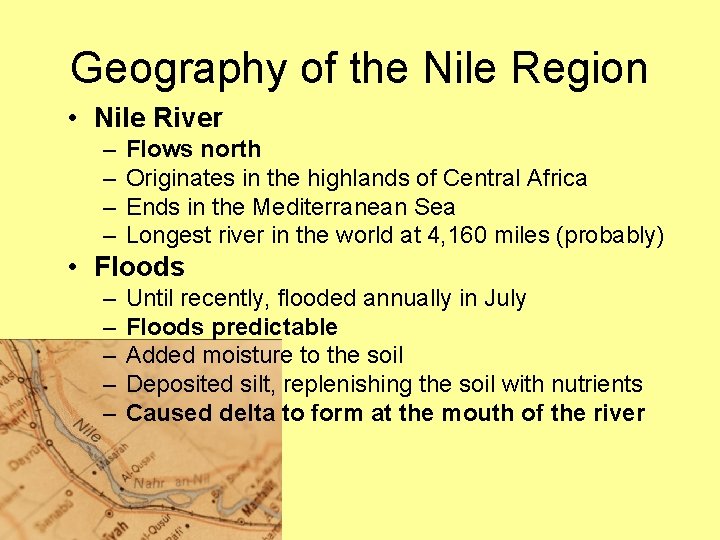
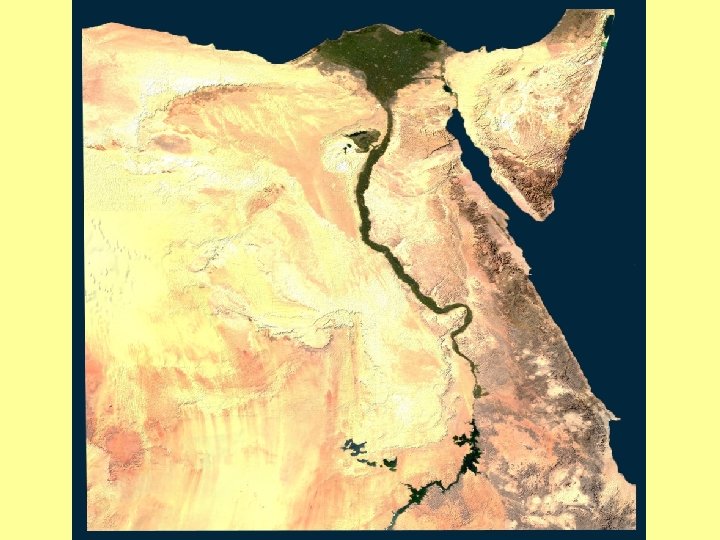
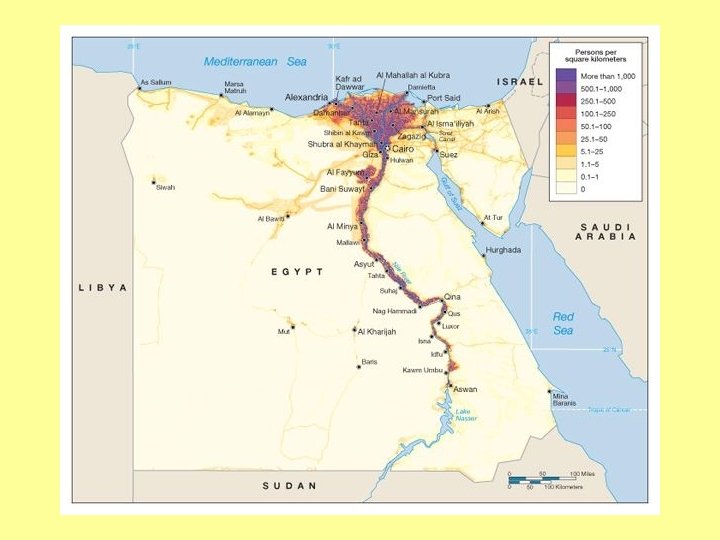
Geography of the Nile Region • Nile River – – Flows north Originates in the highlands of Central Africa Ends in the Mediterranean Sea Longest river in the world at 4, 160 miles (probably) • Floods – – – Until recently, flooded annually in July Floods predictable Added moisture to the soil Deposited silt, replenishing the soil with nutrients Caused delta to form at the mouth of the river
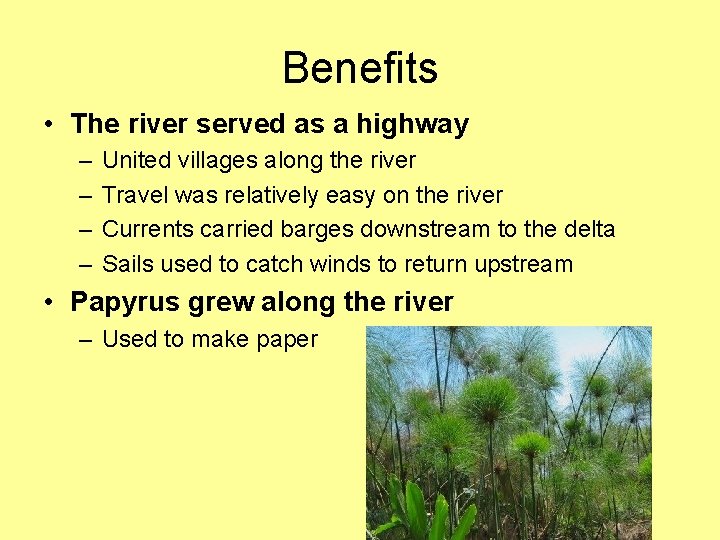
Benefits • The river served as a highway – – United villages along the river Travel was relatively easy on the river Currents carried barges downstream to the delta Sails used to catch winds to return upstream • Papyrus grew along the river – Used to make paper
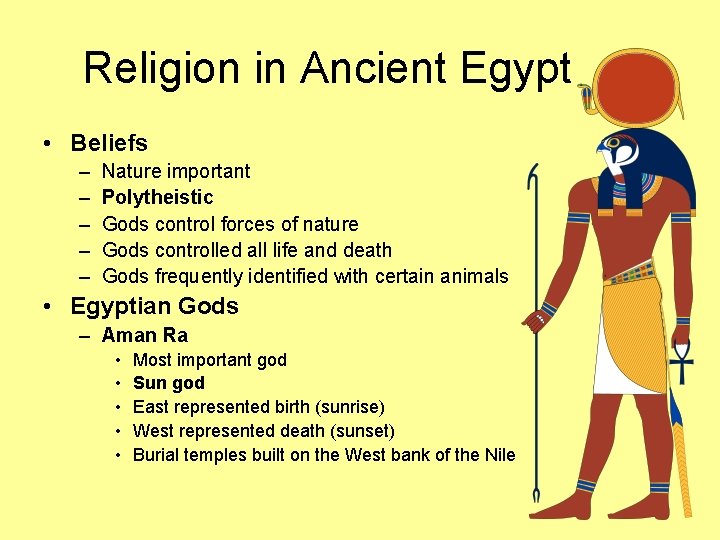
Religion in Ancient Egypt • Beliefs – – – Nature important Polytheistic Gods control forces of nature Gods controlled all life and death Gods frequently identified with certain animals • Egyptian Gods – Aman Ra • • • Most important god Sun god East represented birth (sunrise) West represented death (sunset) Burial temples built on the West bank of the Nile
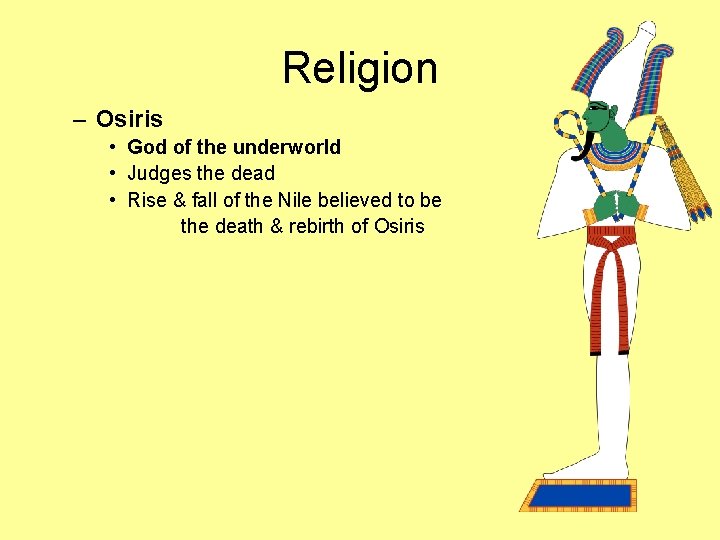
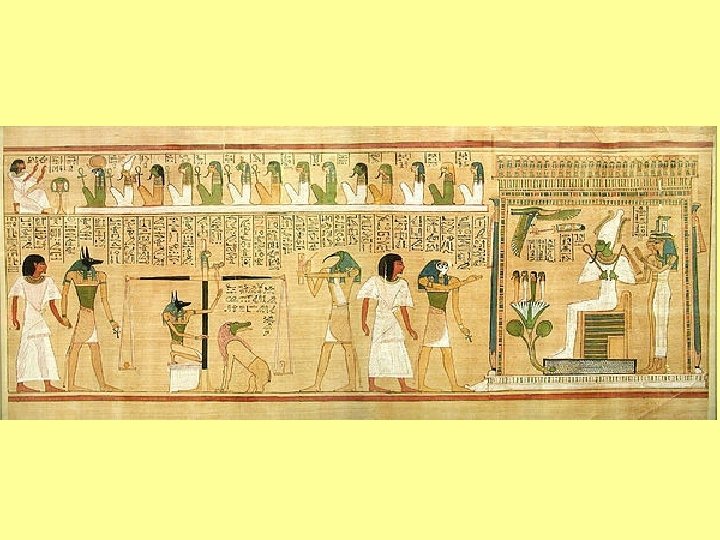
Religion – Osiris • God of the underworld • Judges the dead • Rise & fall of the Nile believed to be the death & rebirth of Osiris
Religion – Set • God of evil who killed Osiris • Believed to cause failed harvest
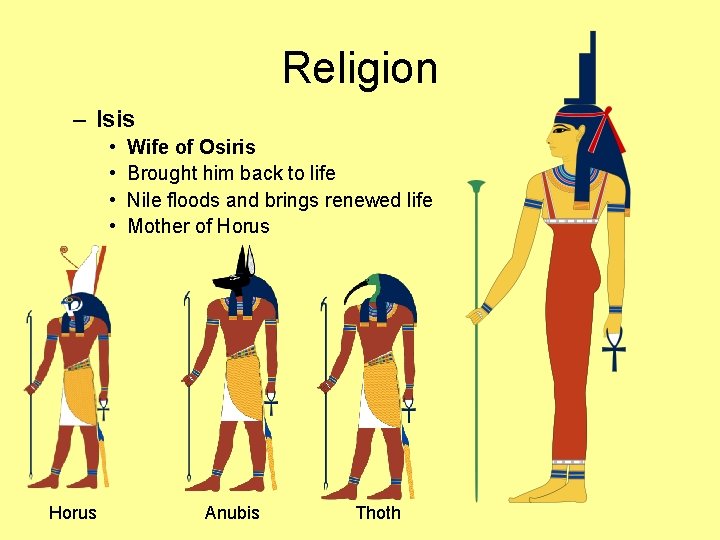
Religion – Isis • • Horus Wife of Osiris Brought him back to life Nile floods and brings renewed life Mother of Horus Anubis Thoth
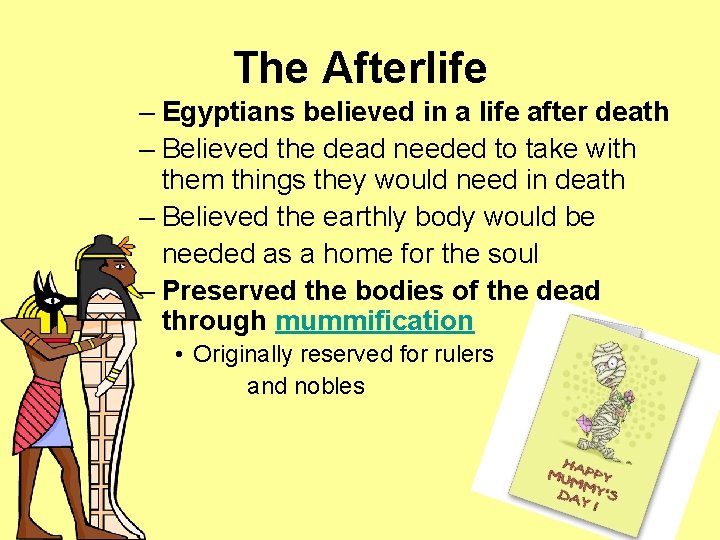
The Afterlife – Egyptians believed in a life after death – Believed the dead needed to take with them things they would need in death – Believed the earthly body would be needed as a home for the soul – Preserved the bodies of the dead through mummification • Originally reserved for rulers and nobles
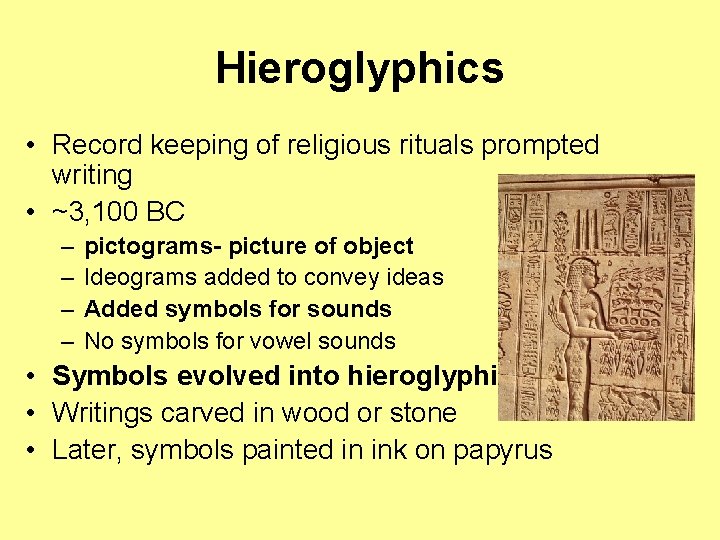
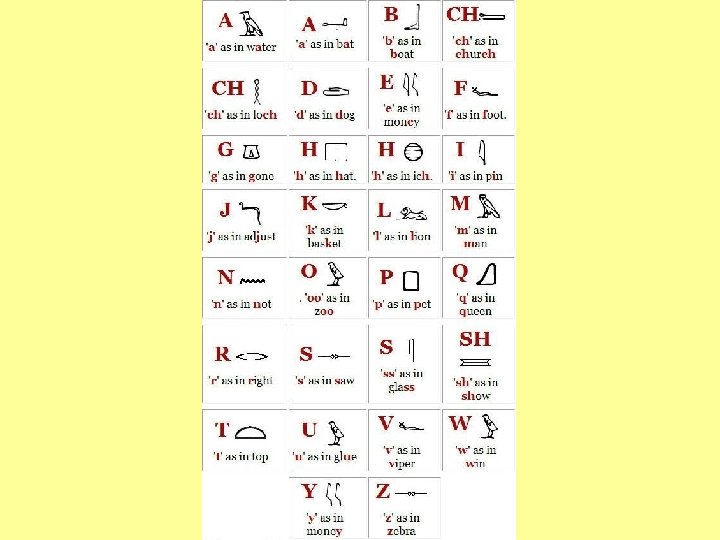
Hieroglyphics • Record keeping of religious rituals prompted writing • ~3, 100 BC – – pictograms- picture of object Ideograms added to convey ideas Added symbols for sounds No symbols for vowel sounds • Symbols evolved into hieroglyphics • Writings carved in wood or stone • Later, symbols painted in ink on papyrus
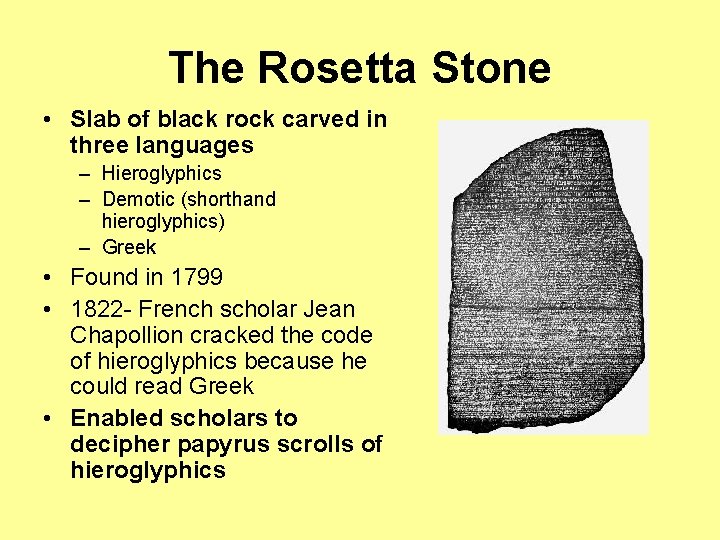
The Rosetta Stone • Slab of black rock carved in three languages – Hieroglyphics – Demotic (shorthand hieroglyphics) – Greek • Found in 1799 • 1822 - French scholar Jean Chapollion cracked the code of hieroglyphics because he could read Greek • Enabled scholars to decipher papyrus scrolls of hieroglyphics
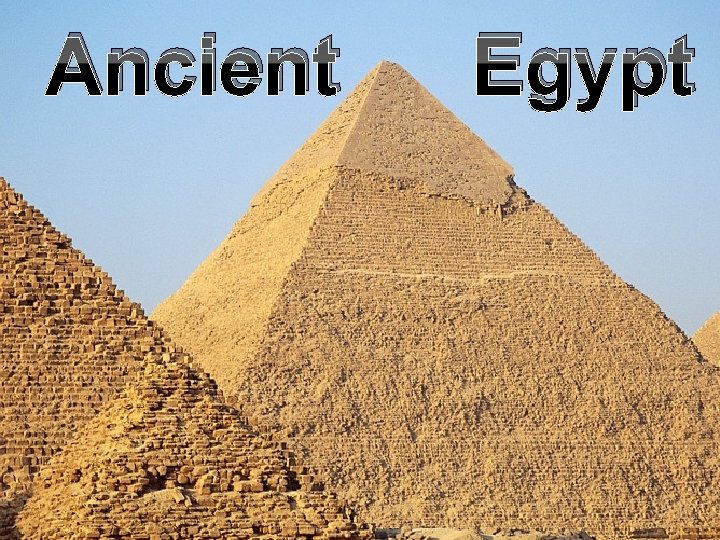
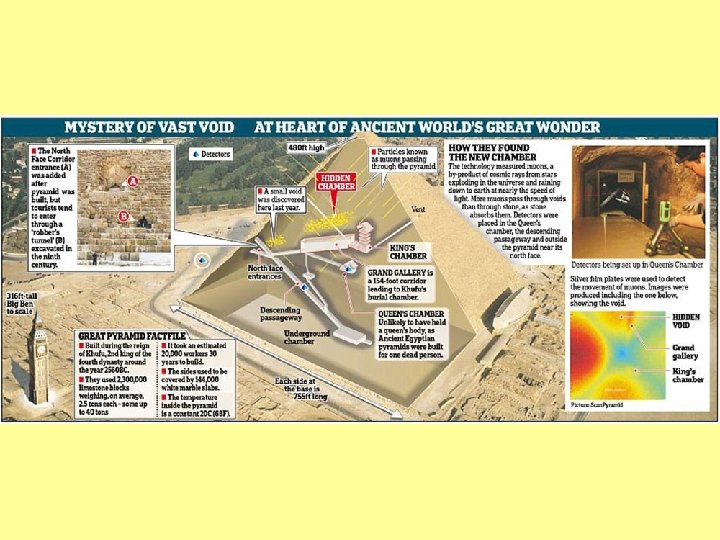
The Old Kingdom 2700 -2200 BC • Strong monarchs • Pyramids (including Great Pyramid of Khufu) • Capital: Memphis
The Middle Kingdom • • • ~2050 -1800 BC New capital Thebes in upper (southern) Egypt ~1600 BC ruler becomes known as the pharaoh Early female ruler Hatshepsut, who expands through trade Other pharaohs expand by conquest Through trade and conquest, Egyptians learn other ideas and blend cultures
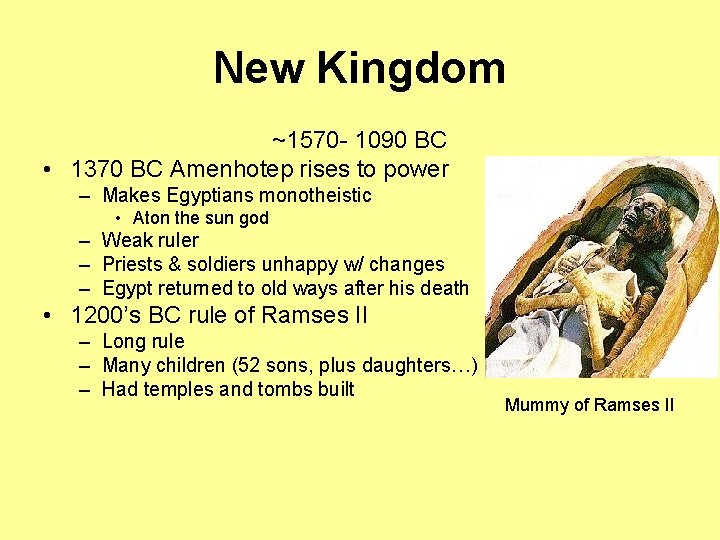
New Kingdom ~1570 - 1090 BC • 1370 BC Amenhotep rises to power – Makes Egyptians monotheistic • Aton the sun god – Weak ruler – Priests & soldiers unhappy w/ changes – Egypt returned to old ways after his death • 1200’s BC rule of Ramses II – Long rule – Many children (52 sons, plus daughters…) – Had temples and tombs built Mummy of Ramses II