
ANCIENT CHINA VOCABULARY Taoism Chinese religion that believes
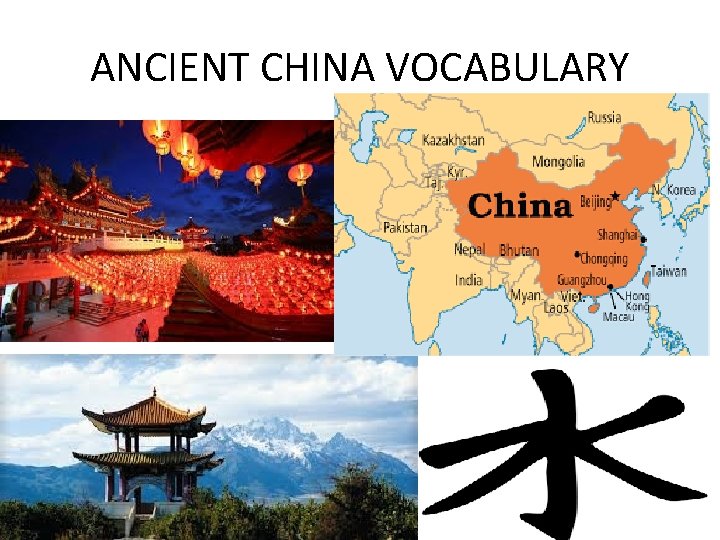
ANCIENT CHINA VOCABULARY
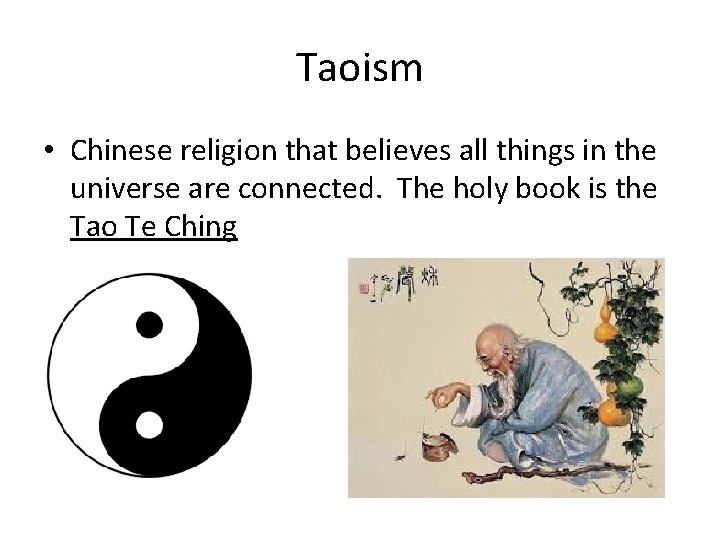
Taoism • Chinese religion that believes all things in the universe are connected. The holy book is the Tao Te Ching
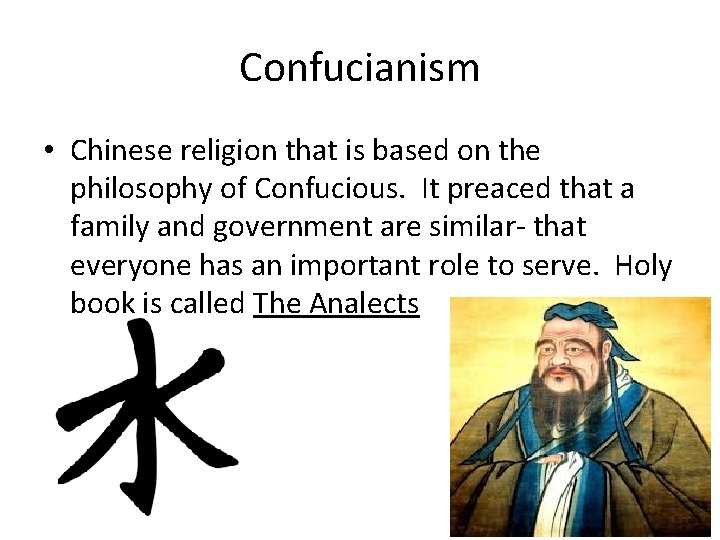
Confucianism • Chinese religion that is based on the philosophy of Confucious. It preaced that a family and government are similar- that everyone has an important role to serve. Holy book is called The Analects
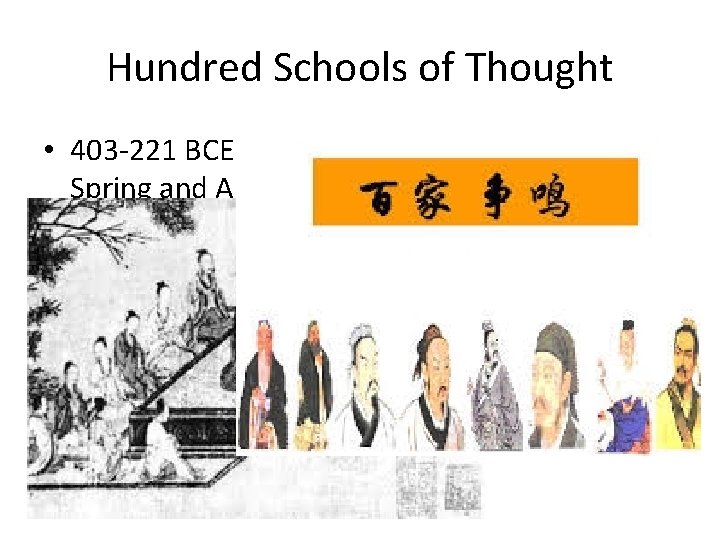
Hundred Schools of Thought • 403 -221 BCE. This period came after the Spring and Autumn period in China and during the Warring States period. All of the small kingdoms were fighting one another to rule China. Many people came up with new religions and philosophies to solve the problems.
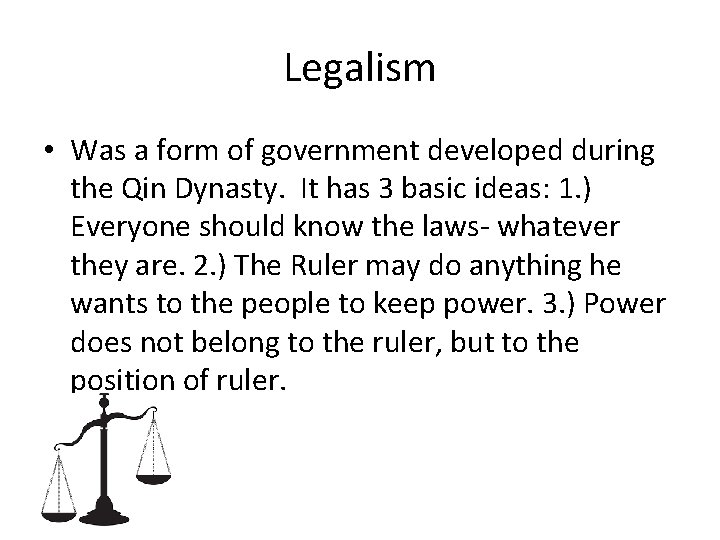
Legalism • Was a form of government developed during the Qin Dynasty. It has 3 basic ideas: 1. ) Everyone should know the laws- whatever they are. 2. ) The Ruler may do anything he wants to the people to keep power. 3. ) Power does not belong to the ruler, but to the position of ruler.

Dynasty • The Chinese form on monarchy where an emperor passes his power down, but not necessarily though his family.
NOT a Dynasty
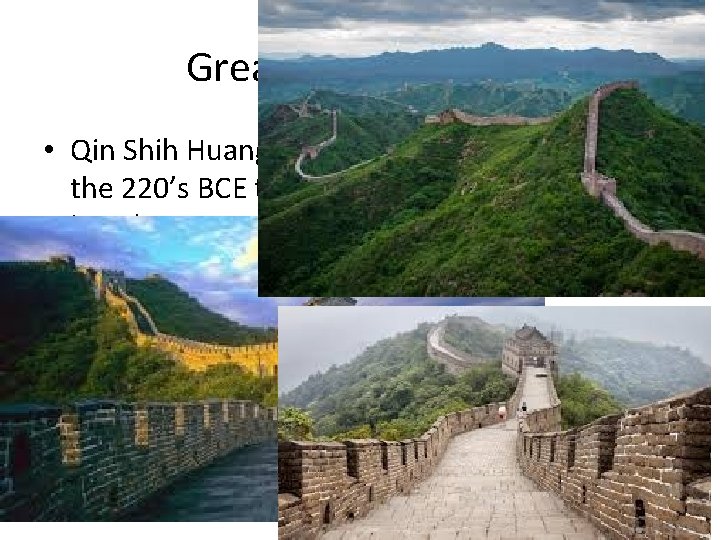
Great Wall of China • Qin Shih Huang Di began building this wall in the 220’s BCE to protect China from northern invaders.
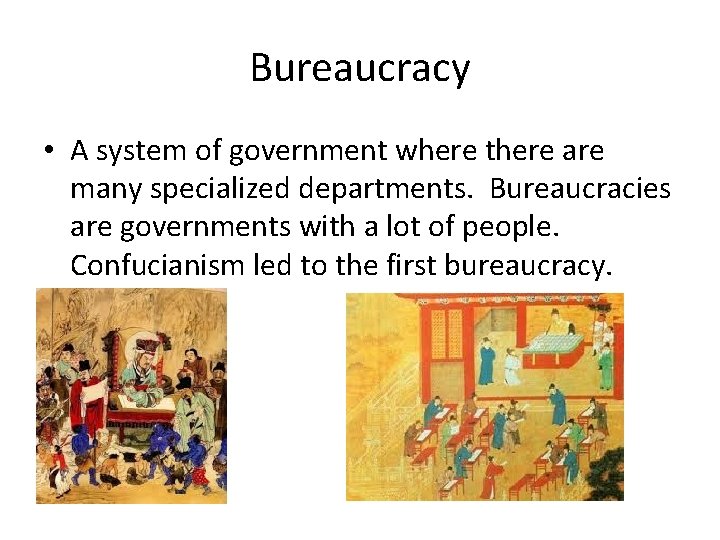
Bureaucracy • A system of government where there are many specialized departments. Bureaucracies are governments with a lot of people. Confucianism led to the first bureaucracy.
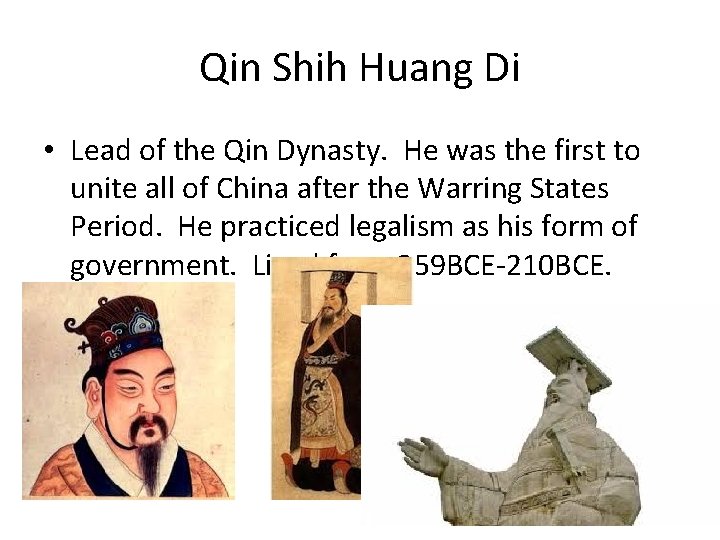
Qin Shih Huang Di • Lead of the Qin Dynasty. He was the first to unite all of China after the Warring States Period. He practiced legalism as his form of government. Lived from 259 BCE-210 BCE.
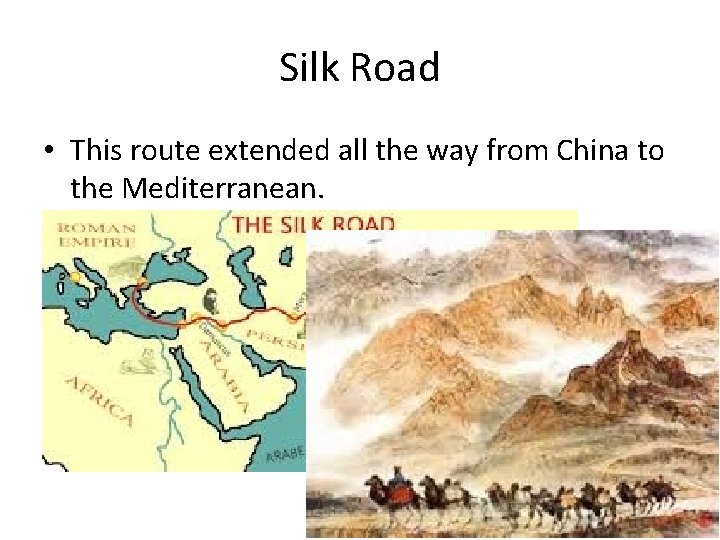
Silk Road • This route extended all the way from China to the Mediterranean.
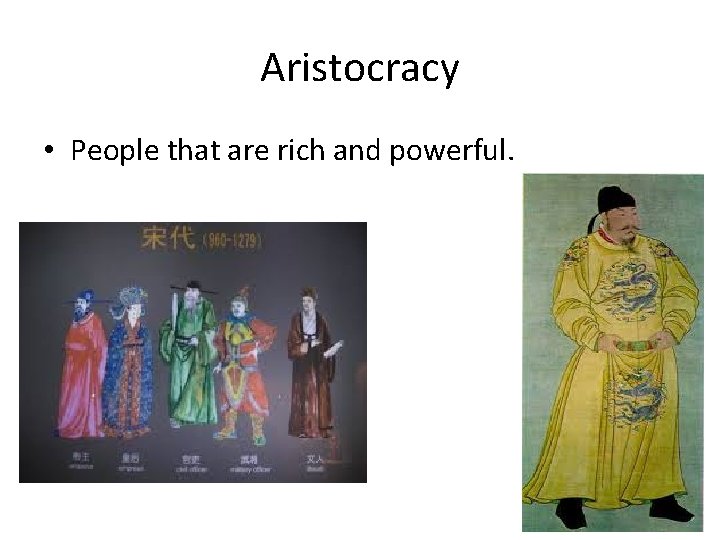
Aristocracy • People that are rich and powerful.
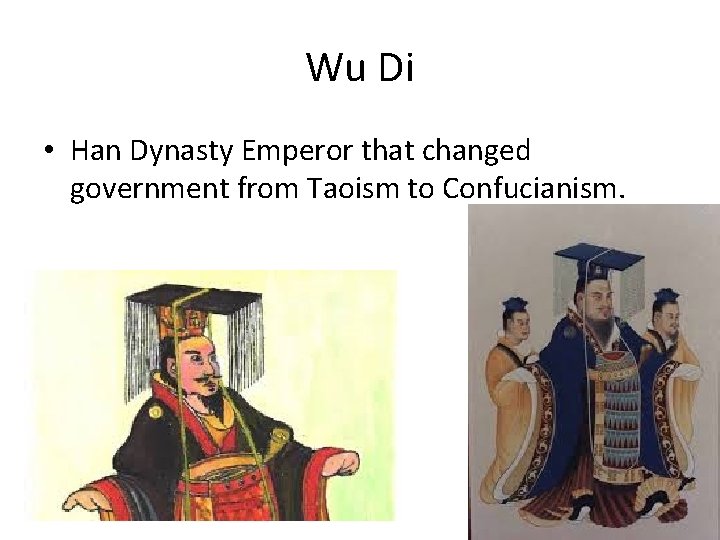
Wu Di • Han Dynasty Emperor that changed government from Taoism to Confucianism.
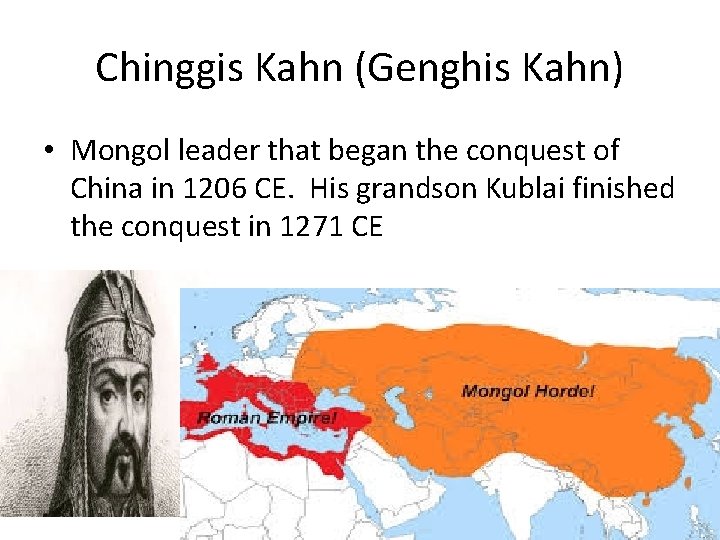
Chinggis Kahn (Genghis Kahn) • Mongol leader that began the conquest of China in 1206 CE. His grandson Kublai finished the conquest in 1271 CE
- Slides: 14