
Ancient China The Yellow River Valley Ancient River
- Slides: 64
Ancient China The Yellow River Valley
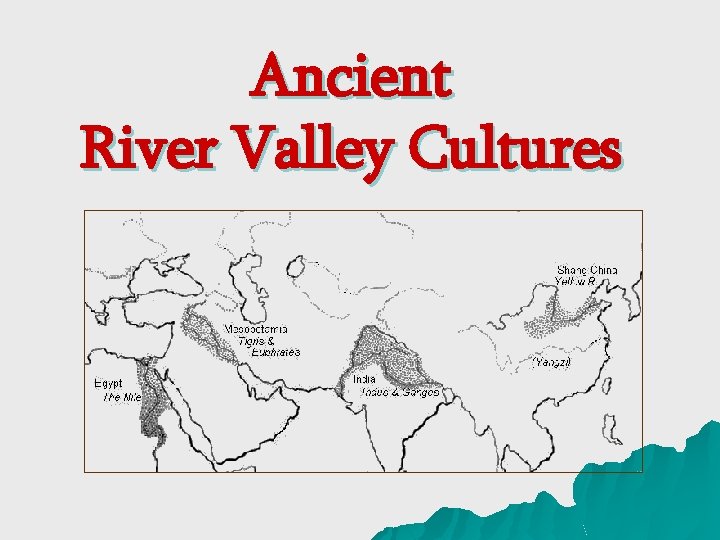
Ancient River Valley Cultures Source:
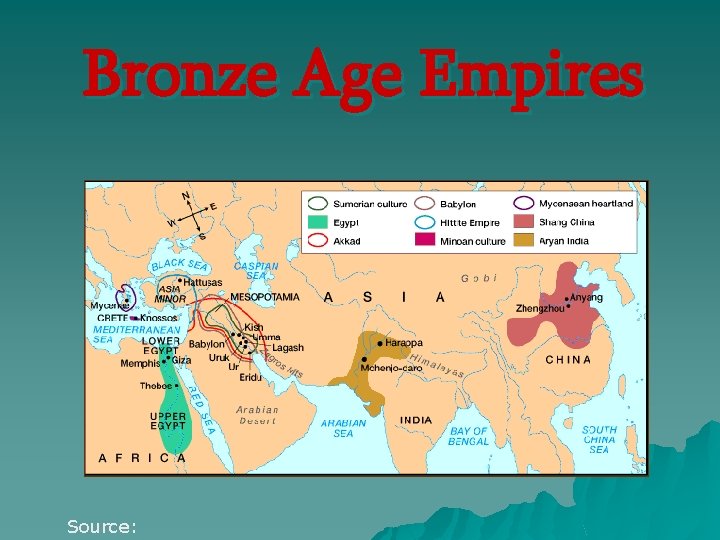
Bronze Age Empires Source:
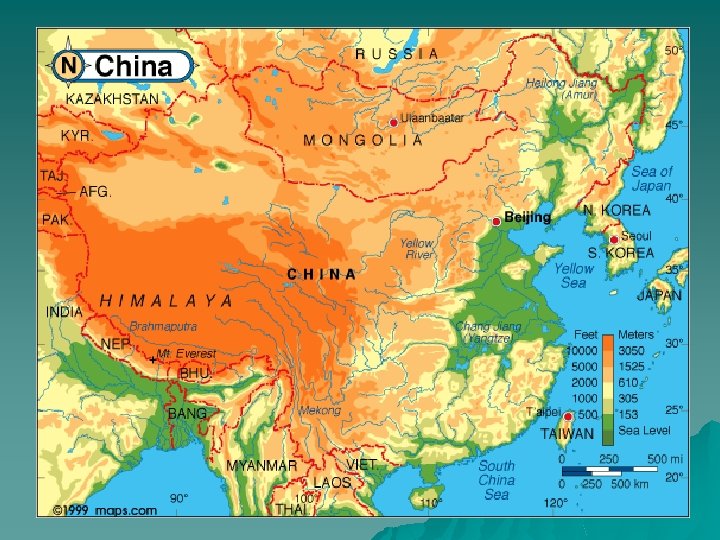
Geography
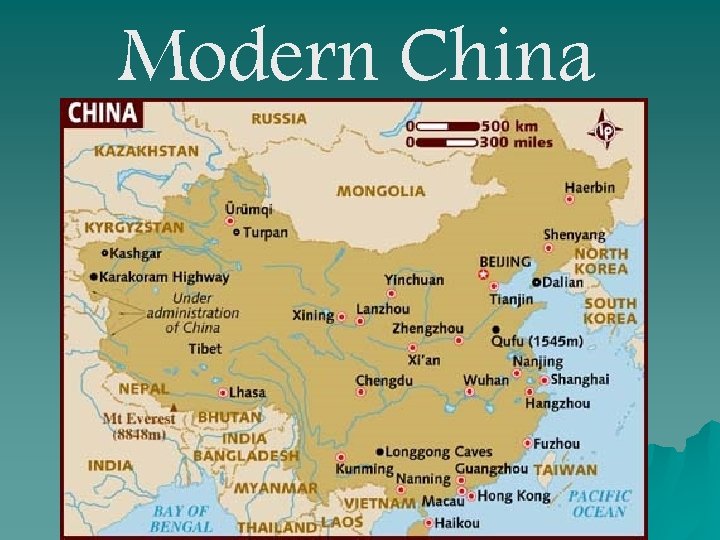
Modern China
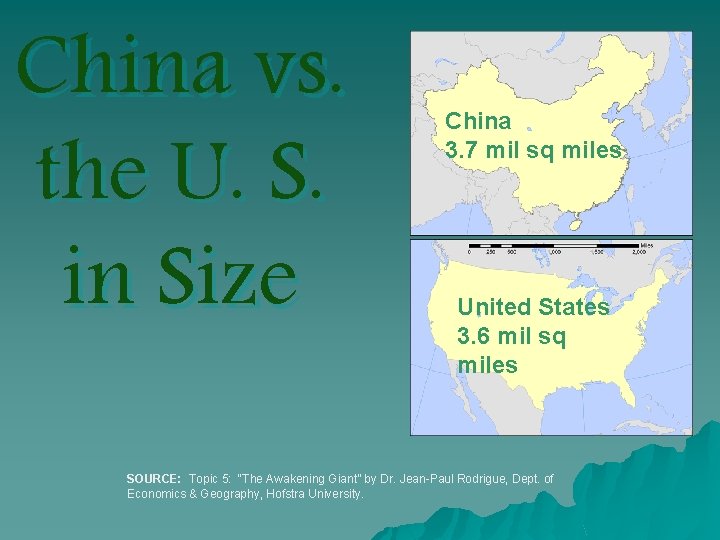
China vs. the U. S. in Size China 3. 7 mil sq miles United States 3. 6 mil sq miles SOURCE: Topic 5: “The Awakening Giant” by Dr. Jean-Paul Rodrigue, Dept. of Economics & Geography, Hofstra University.
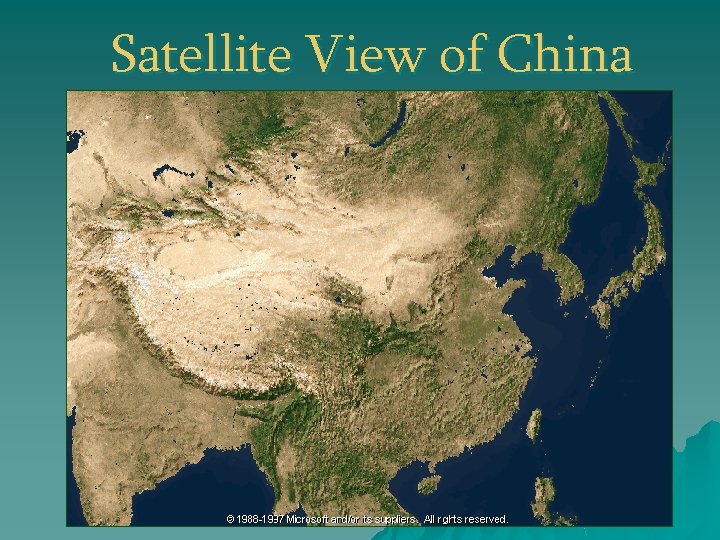
Satellite View of China
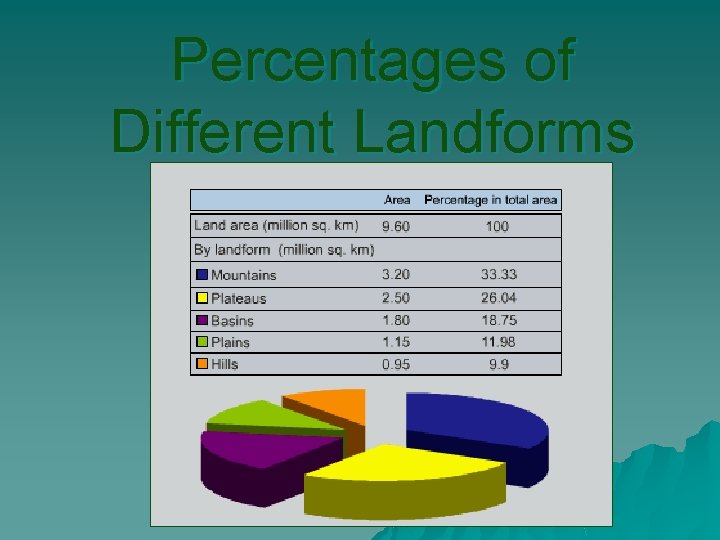
Percentages of Different Landforms
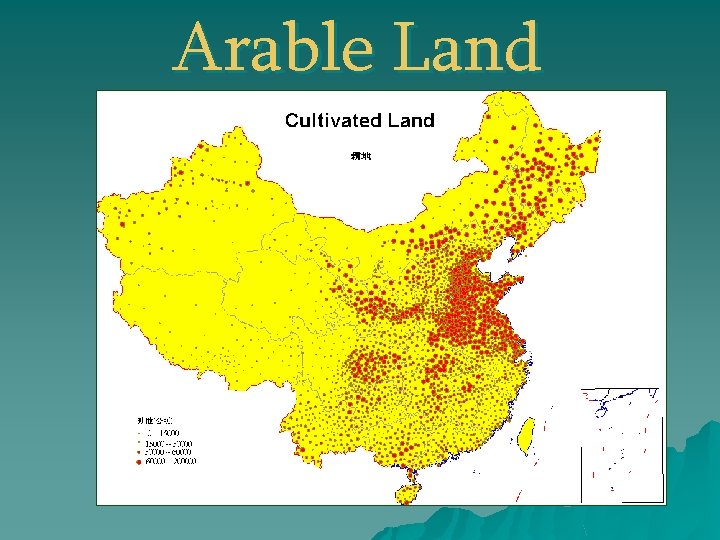
Arable Land
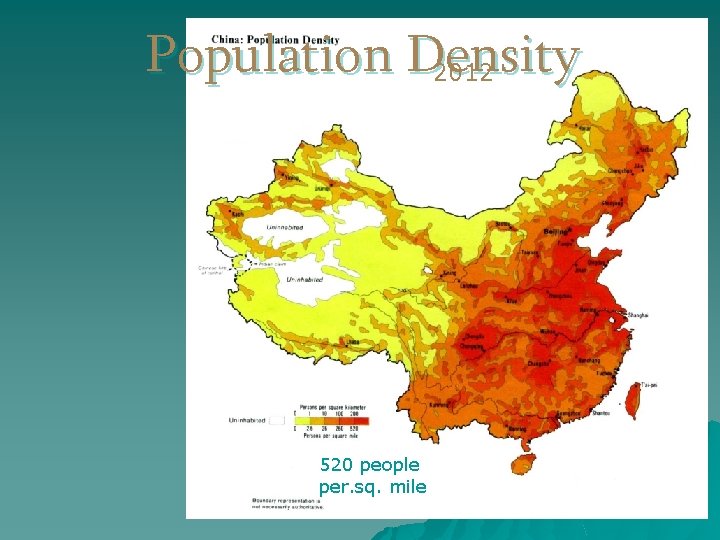
Population Density 2012 520 people per. sq. mile
How would you characterize the geography of China? u. In what way is the geography of China similar to the other innovative sites? u. In what significant way(s) is it different? u. What predictions can you make about the development of China?
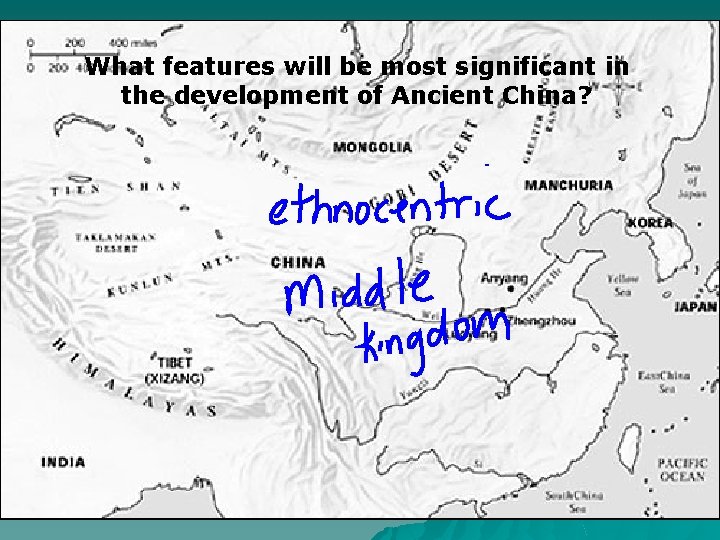
What features will be most significant in the development of Ancient China?
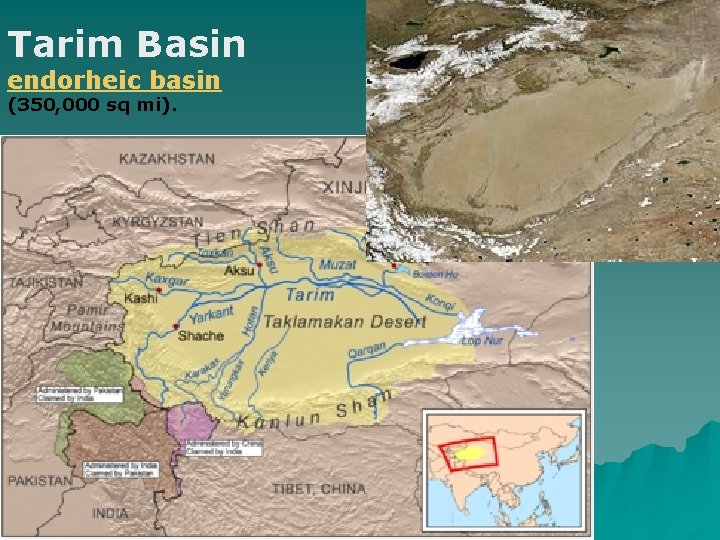
Tarim Basin endorheic basin (350, 000 sq mi).
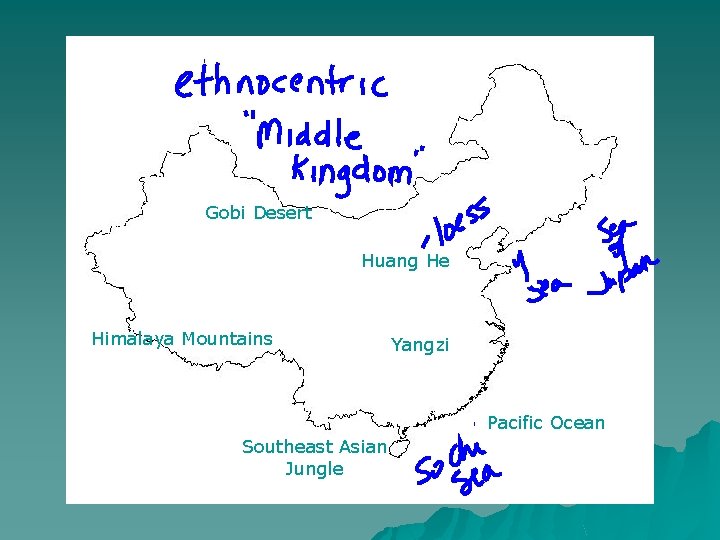
Gobi Desert Huang He Himalaya Mountains Yangzi Pacific Ocean Southeast Asian Jungle
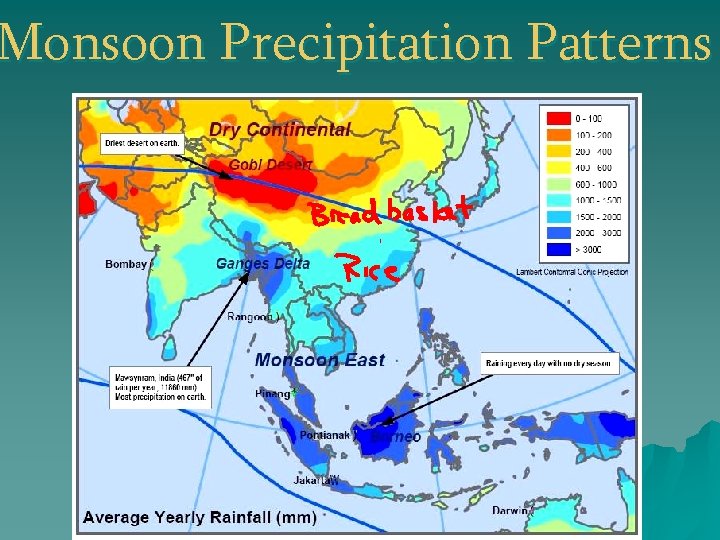
Monsoon Precipitation Patterns
Prehistory: China
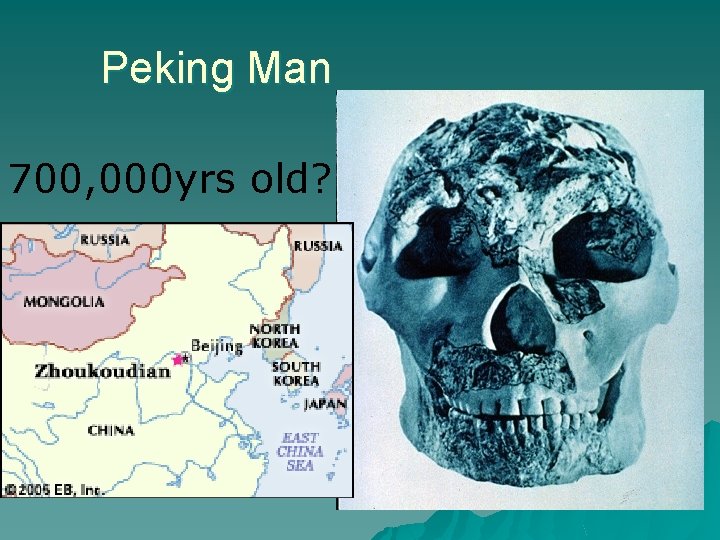
Peking Man 700, 000 yrs old?
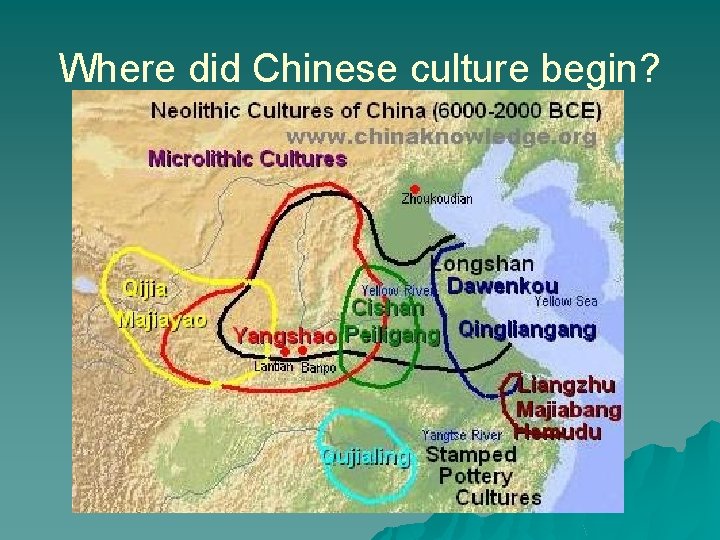
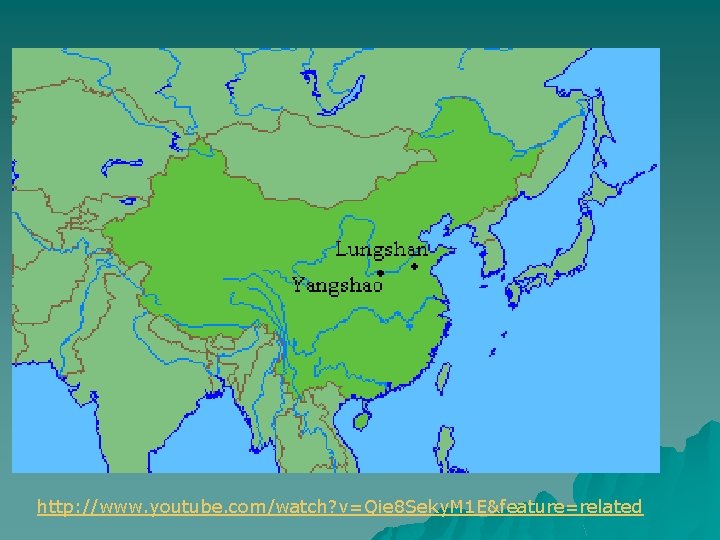
Where did Chinese culture begin?
http: //www. youtube. com/watch? v=Qie 8 Seky. M 1 E&feature=related
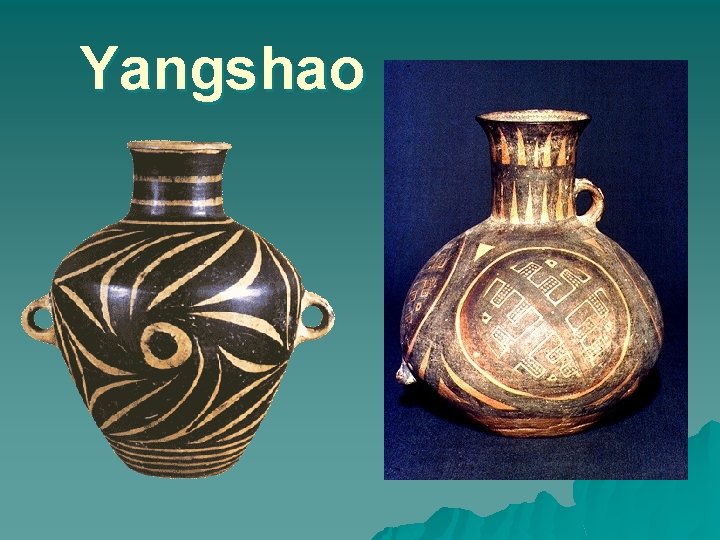
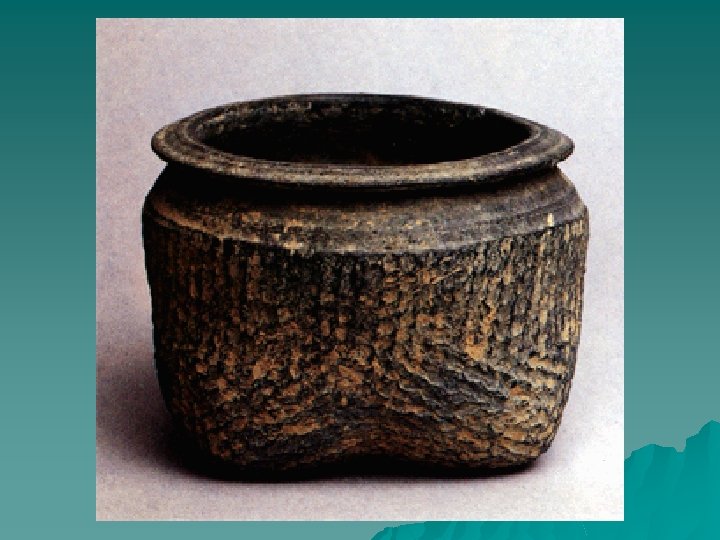
Yangshao
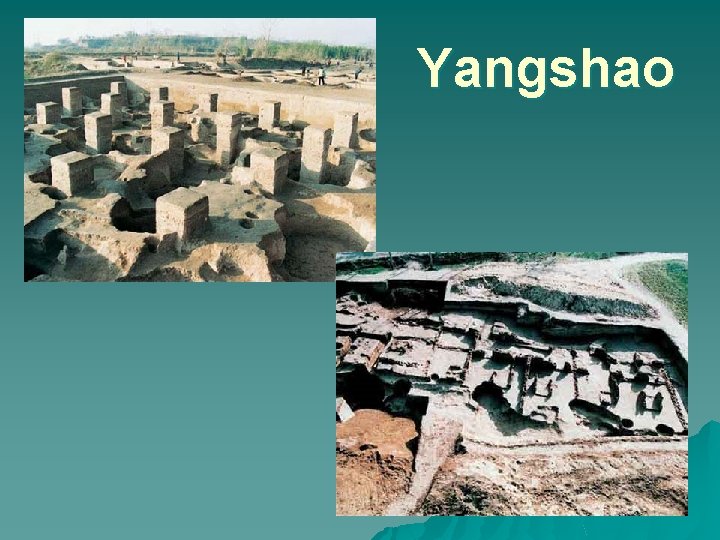
Yangshao
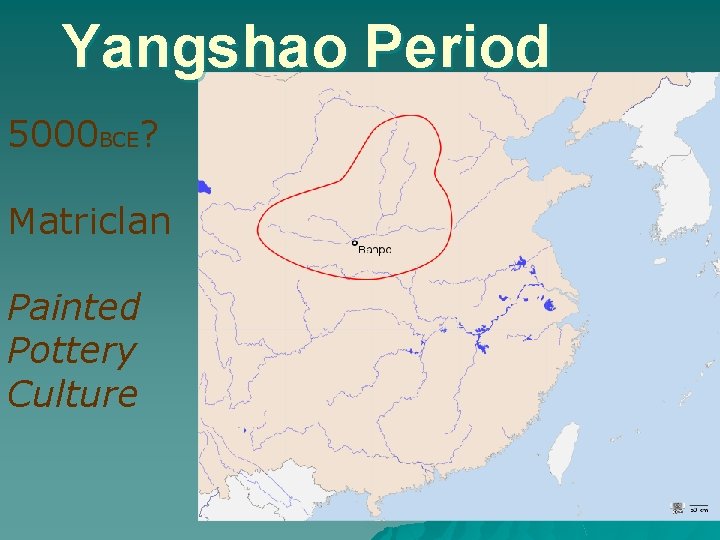
Yangshao Period 5000 BCE? Matriclan Painted Pottery Culture
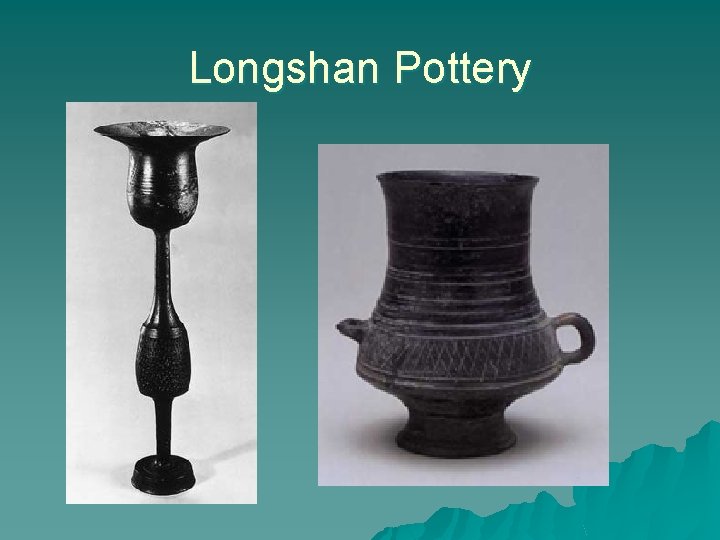
Longshan Pottery
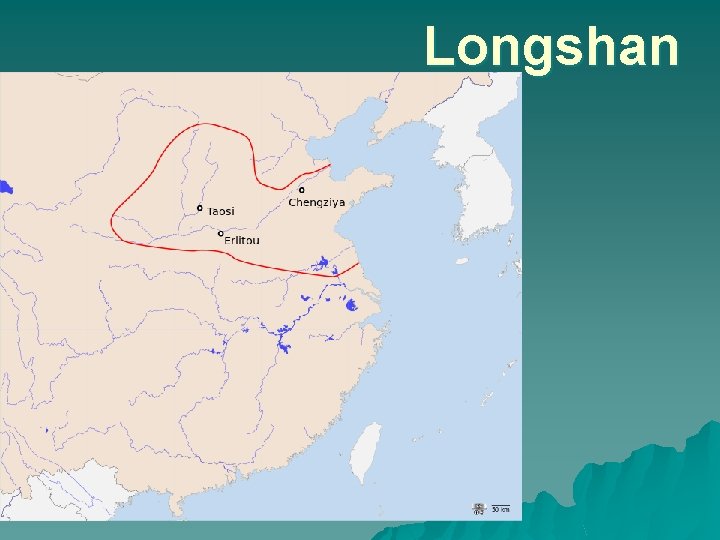
Longshan
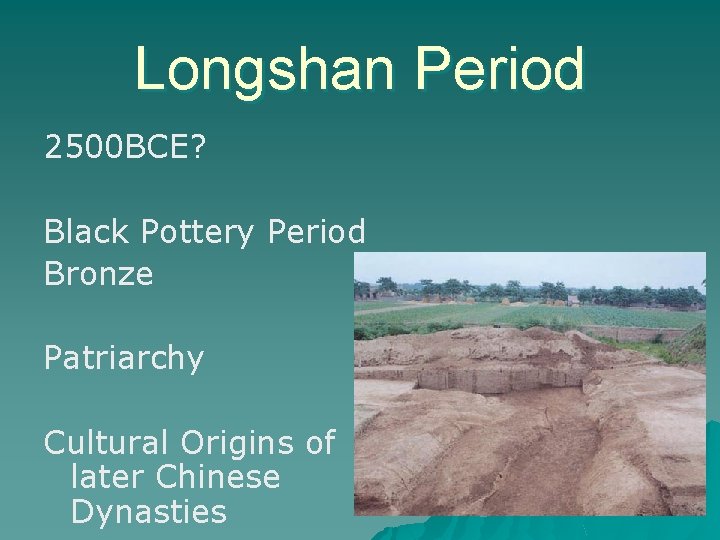
Longshan Period 2500 BCE? Black Pottery Period Bronze Patriarchy Cultural Origins of later Chinese Dynasties
Development of a Complex Society and State Urban Revolution
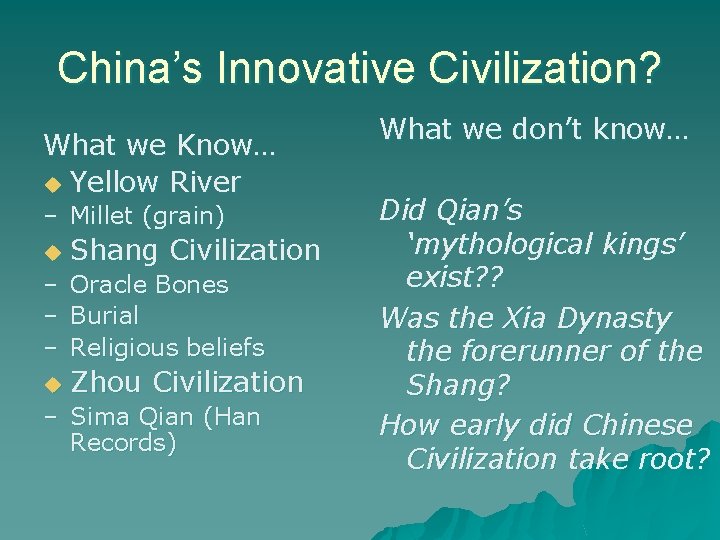
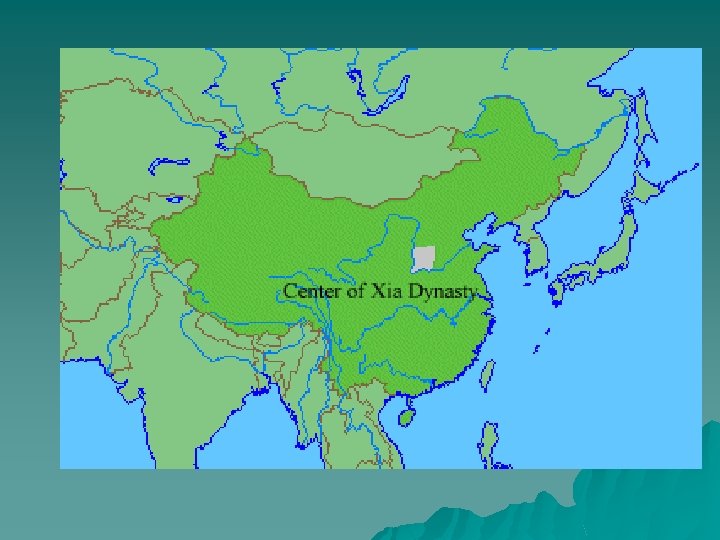
China’s Innovative Civilization? What we Know… u Yellow River – Millet (grain) u Shang Civilization – Oracle Bones – Burial – Religious beliefs u Zhou Civilization – Sima Qian (Han Records) What we don’t know… Did Qian’s ‘mythological kings’ exist? ? Was the Xia Dynasty the forerunner of the Shang? How early did Chinese Civilization take root?
The XSZ Project Chinese Antiquity?
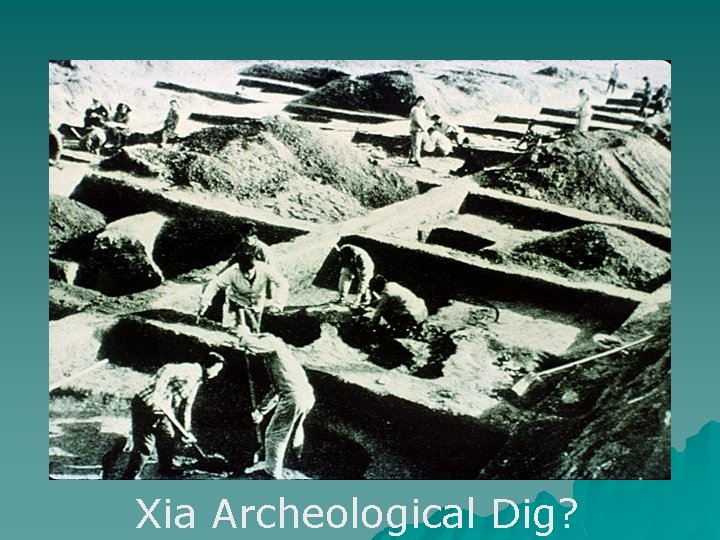
Xia Archeological Dig?
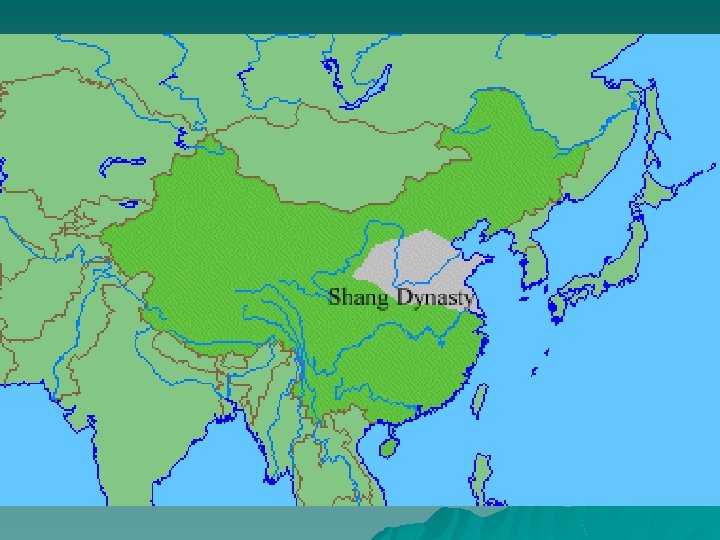
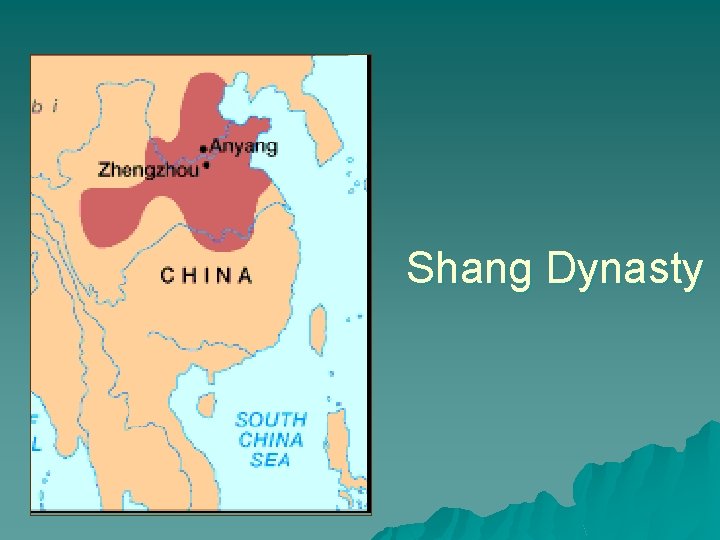
Shang Dynasty
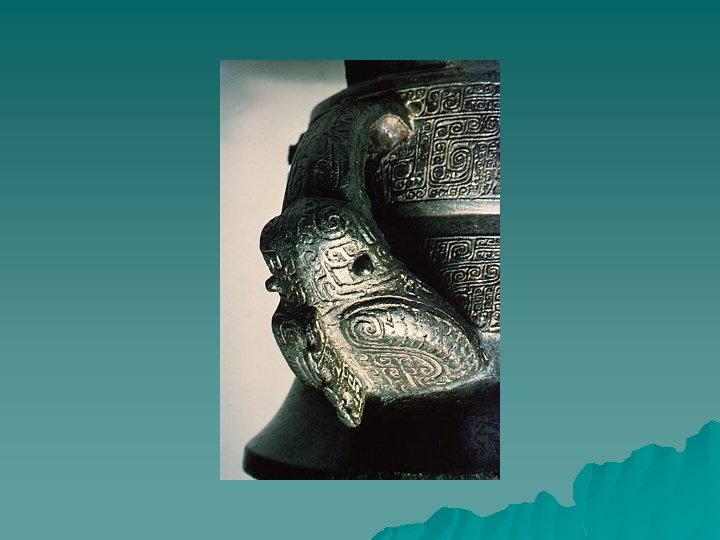
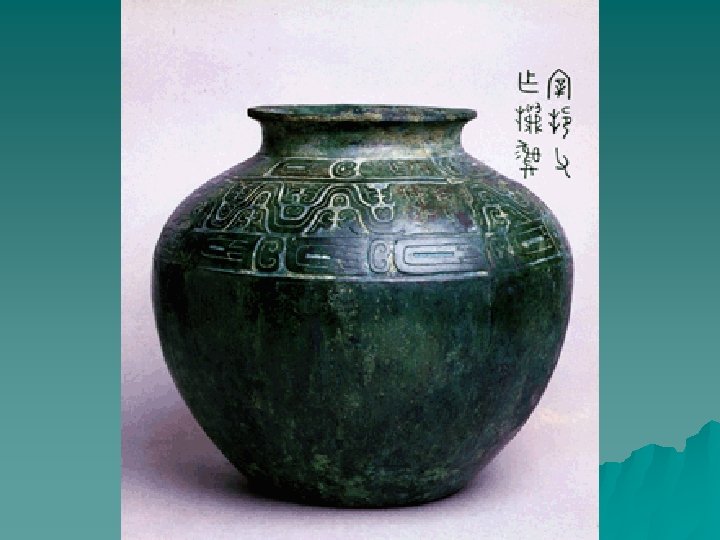
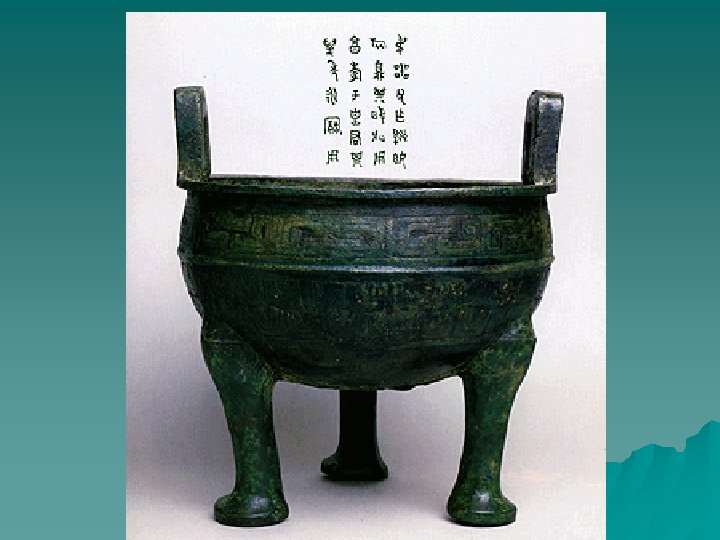
Shang Dynasty 1750 BCE – 1050 BCE • Eastern Yellow River : Anyang & Zhengzhou • 7 different successive capitals (30 Kings) • Cities: • ruler’s palace in center • surrounded by houses of artisans
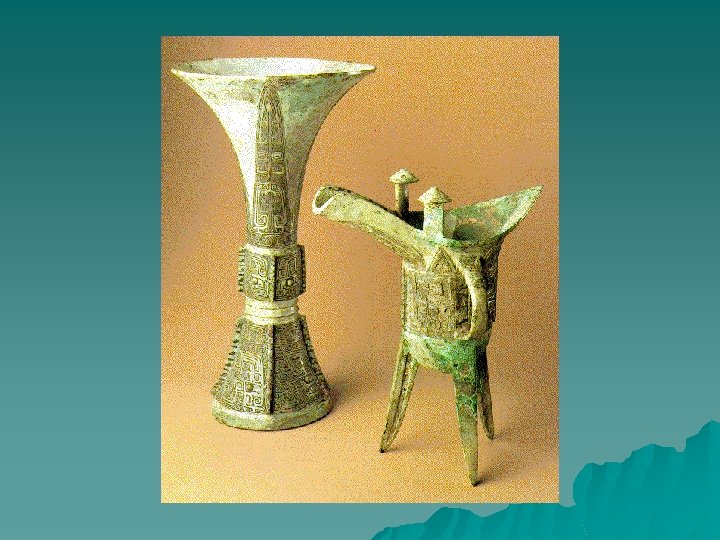
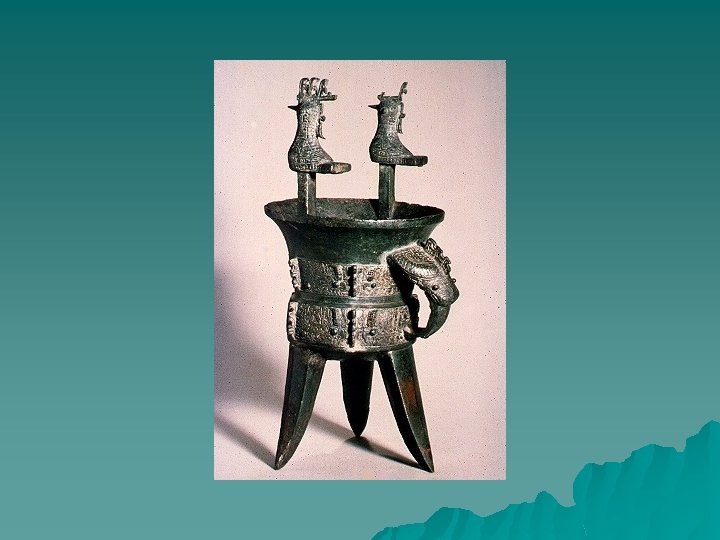
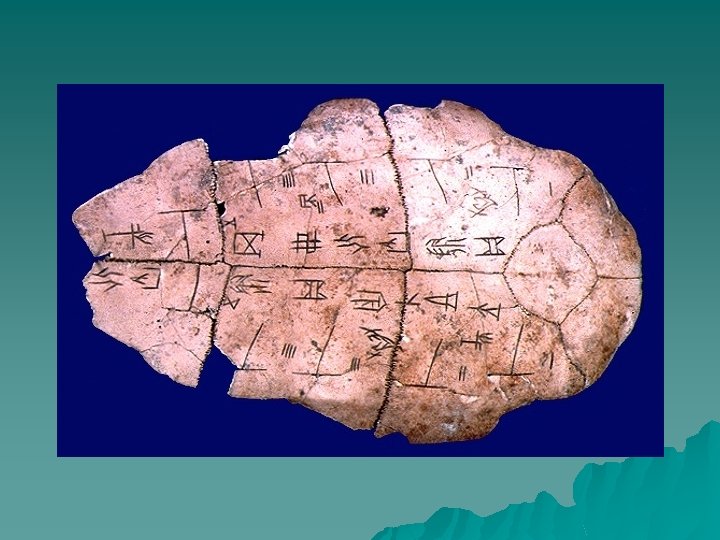
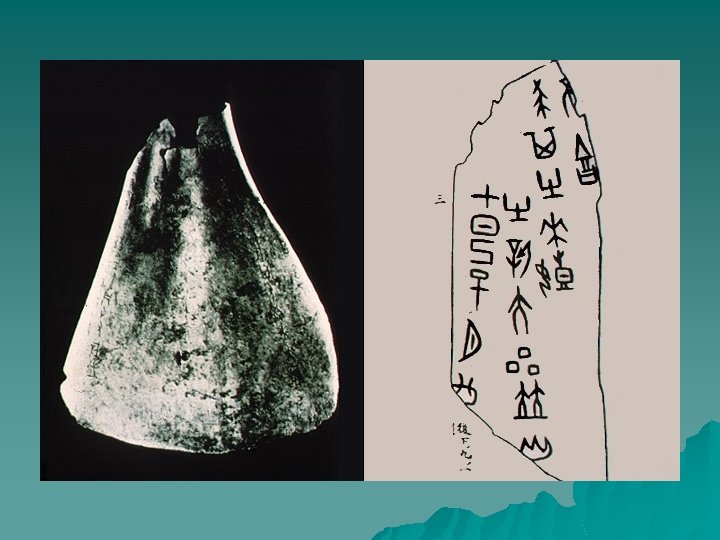
Archeological Evidence Suggests… u Bronze Age (weapons, fittings for chariots & harness) u Tools were of stone & wood (No ploughs – hoes, sickles) u Massive public works projects (walls- 27 ft high) u Sacrifice – including human u Oracle Bones – divination (turtle shells) Earliest writing – bamboo strips too u Veneration of Ancestors- Highly ritualized u Shang-Ti (Supreme god over lesser gods)
Historians’ conclusions u Shang King – considerable power – Clans – warrior families – Civilization held together by force – Noble Families – Noblewomen exercised power – Merchant & artisan class – jade, silk, pottery u Little diffusion of culture beyond Shang cities u Deterioration gave way to Zhou dominance http: //www. world-heritage-site. com/2011/10/30/yin-xuvideo-gallery/
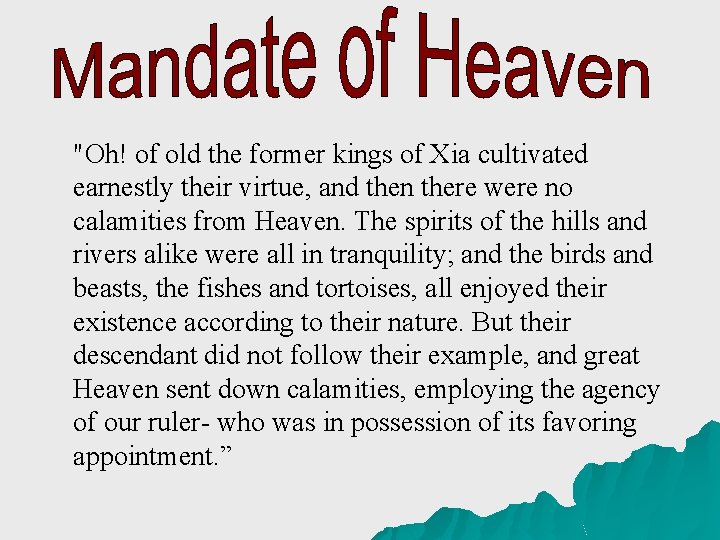
"Oh! of old the former kings of Xia cultivated earnestly their virtue, and then there were no calamities from Heaven. The spirits of the hills and rivers alike were all in tranquility; and the birds and beasts, the fishes and tortoises, all enjoyed their existence according to their nature. But their descendant did not follow their example, and great Heaven sent down calamities, employing the agency of our ruler- who was in possession of its favoring appointment. ”
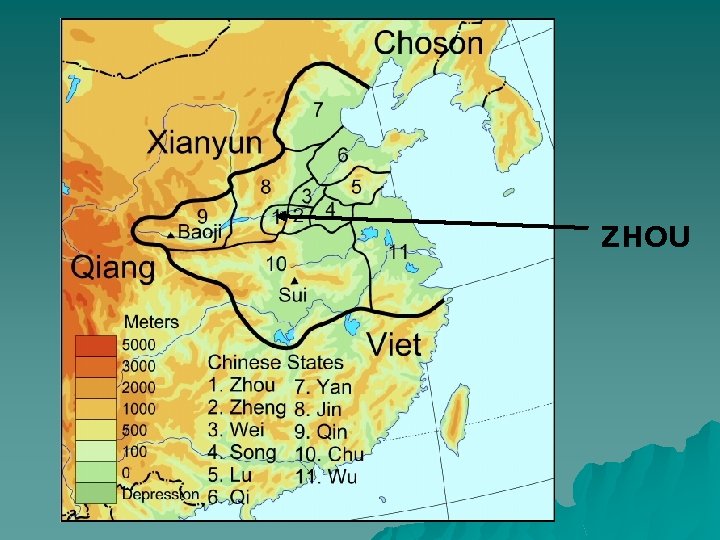
ZHOU
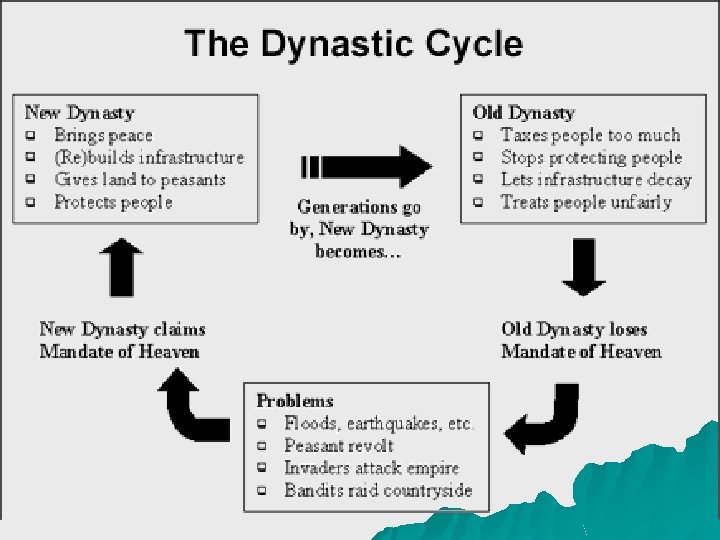
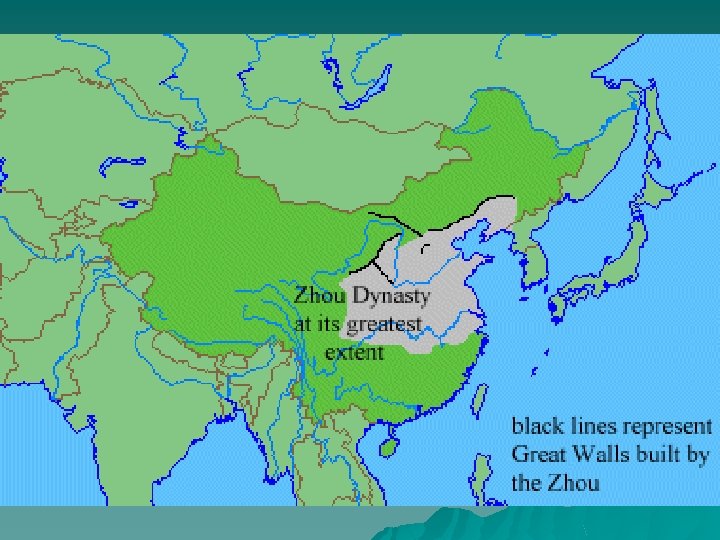
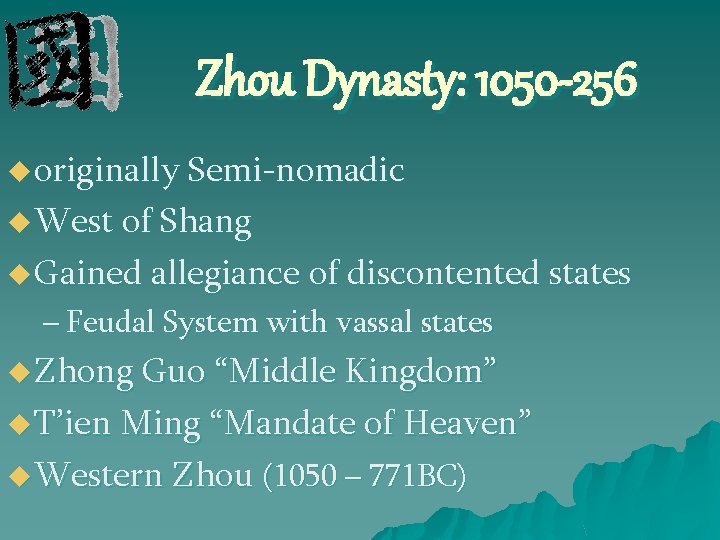
Zhou Dynasty: 1050 -256 u originally Semi-nomadic u West of Shang u Gained allegiance of discontented states – Feudal System with vassal states u Zhong Guo “Middle Kingdom” u T’ien Ming “Mandate of Heaven” u Western Zhou (1050 – 771 BC)
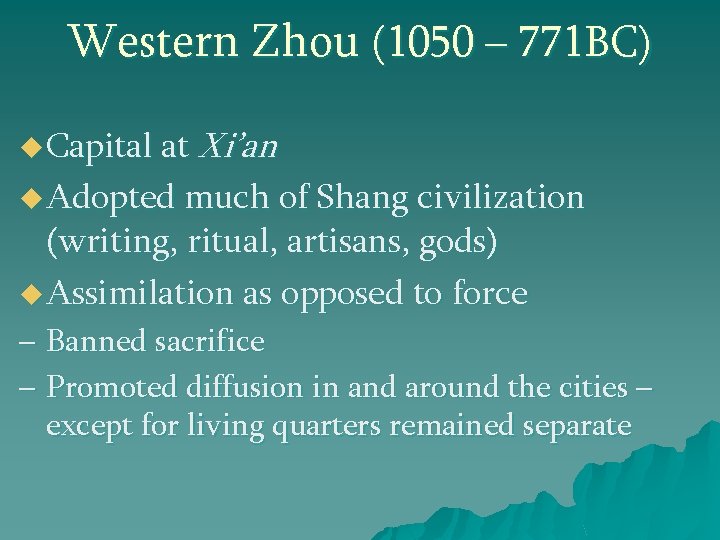
Western Zhou (1050 – 771 BC) u Capital at Xi’an u Adopted much of Shang civilization (writing, ritual, artisans, gods) u Assimilation as opposed to force – Banned sacrifice – Promoted diffusion in and around the cities – except for living quarters remained separate
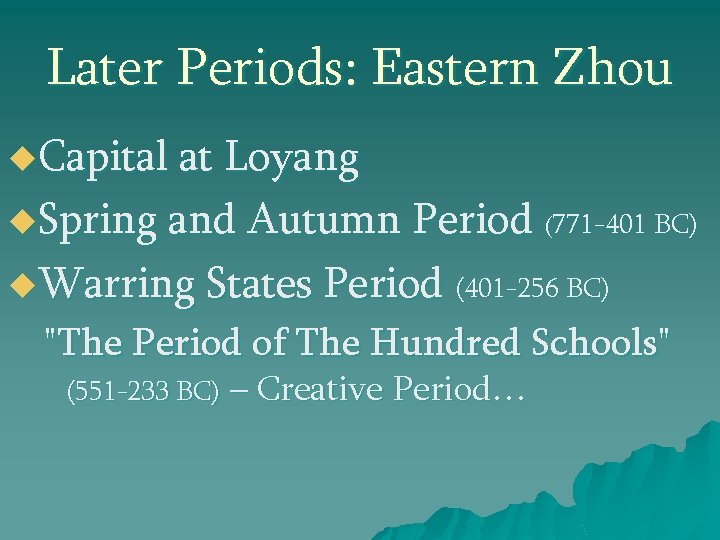
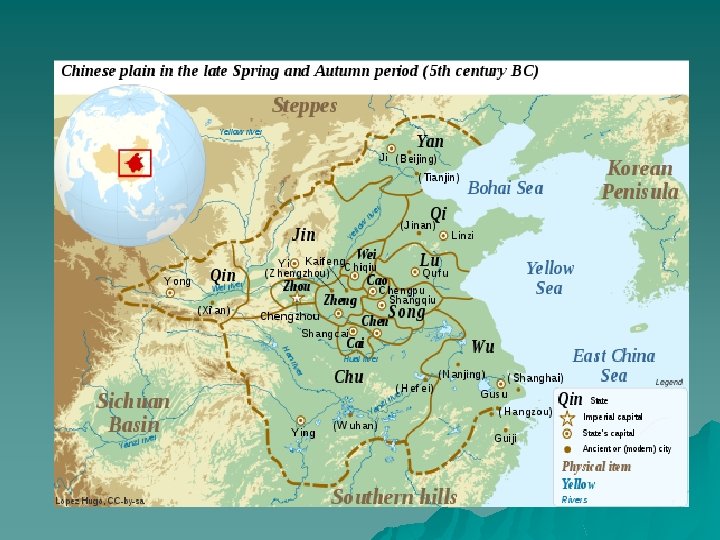
Later Periods: Eastern Zhou u. Capital at Loyang u. Spring and Autumn Period (771 -401 BC) u. Warring States Period (401 -256 BC) "The Period of The Hundred Schools" (551 -233 BC) – Creative Period…
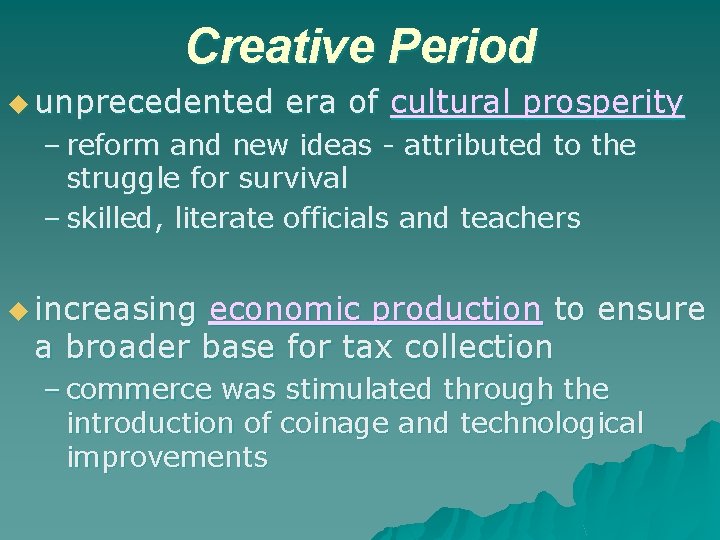
Creative Period u unprecedented era of cultural prosperity – reform and new ideas - attributed to the struggle for survival – skilled, literate officials and teachers u increasing economic production to ensure a broader base for tax collection – commerce was stimulated through the introduction of coinage and technological improvements
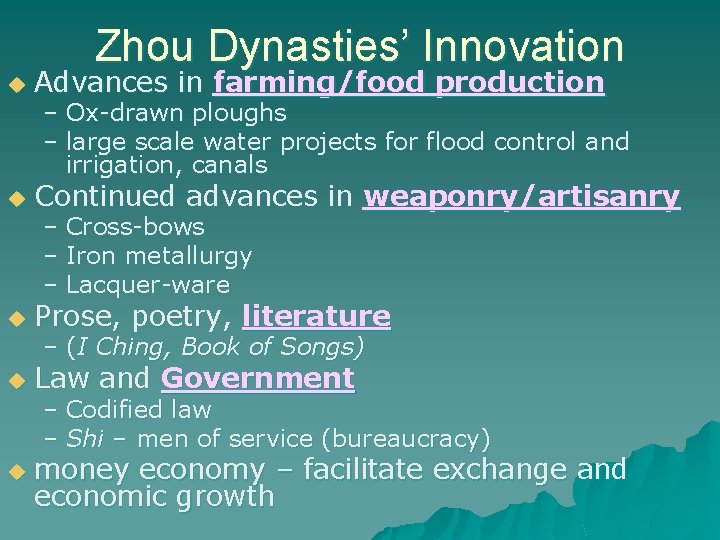
Zhou Dynasties’ Innovation u Advances in farming/food production u Continued advances in weaponry/artisanry u Prose, poetry, literature u Law and Government u money economy – facilitate exchange and economic growth – Ox-drawn ploughs – large scale water projects for flood control and irrigation, canals – Cross-bows – Iron metallurgy – Lacquer-ware – (I Ching, Book of Songs) – Codified law – Shi – men of service (bureaucracy)
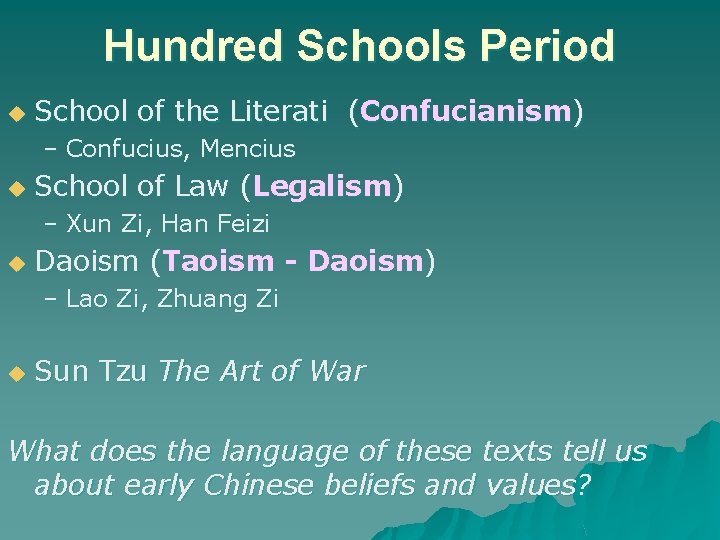
Hundred Schools Period u School of the Literati (Confucianism) – Confucius, Mencius u School of Law (Legalism) – Xun Zi, Han Feizi u Daoism (Taoism - Daoism) – Lao Zi, Zhuang Zi u Sun Tzu The Art of War What does the language of these texts tell us about early Chinese beliefs and values?
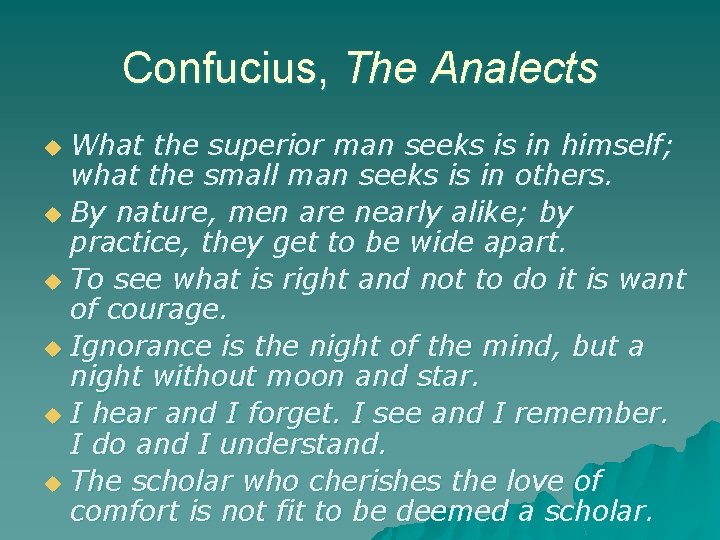
Confucius, The Analects What the superior man seeks is in himself; what the small man seeks is in others. u By nature, men are nearly alike; by practice, they get to be wide apart. u To see what is right and not to do it is want of courage. u Ignorance is the night of the mind, but a night without moon and star. u I hear and I forget. I see and I remember. I do and I understand. u The scholar who cherishes the love of comfort is not fit to be deemed a scholar. u
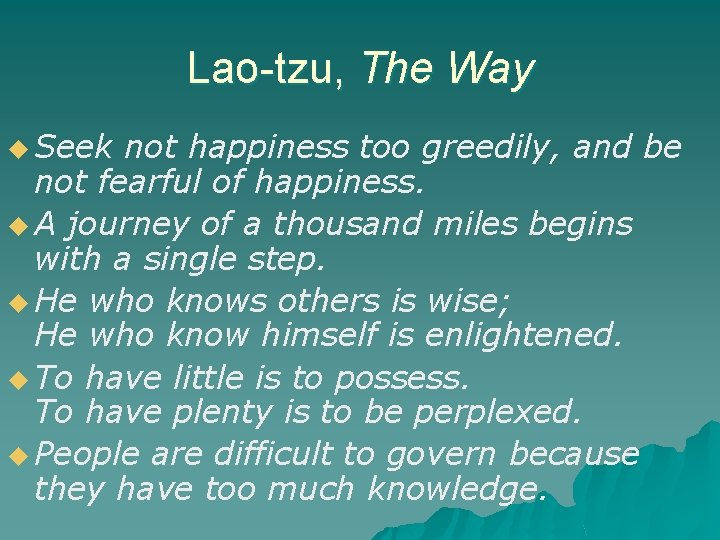
Lao-tzu, The Way u Seek not happiness too greedily, and be not fearful of happiness. u A journey of a thousand miles begins with a single step. u He who knows others is wise; He who know himself is enlightened. u To have little is to possess. To have plenty is to be perplexed. u People are difficult to govern because they have too much knowledge.
Cultural Impact of Geography? ? ? Material force moves and flows in all directions and in all manners. Its two elements unite and give rise to the concrete. Thus the multiplicity of things and human beings is produced. In their ceaseless successions the two elements of yin and yang constitute the great principles of the universe. Source : Chang Tsai, Cheng-meng, Ch. 1, in Wing-Tsit Chan, Chinese Philosophy, Chapter 30
“When the sun goes the moon comes; when the moon goes the sun comes. The sun and moon give way to each other and their brightness is produced. When the cold goes the heat comes; when the heat goes the cold comes. The cold and heat give way to each other and the round of the year is completed. That which goes wanes, and that which comes waxes. The waning and waxing affect each other and benefits are produced. ” -Ti Ching
Sun Tzu, The Art of War u u u All war is deception. He who is prudent and lies in wait for an enemy who is not, will be victorious. All men can see these tactics whereby I conquer, but what none can see is the strategy out of which victory is evolved.
What is significant? ? ? How did the Ancient River Valley sites of China work to develop the roots of Chinese Culture?